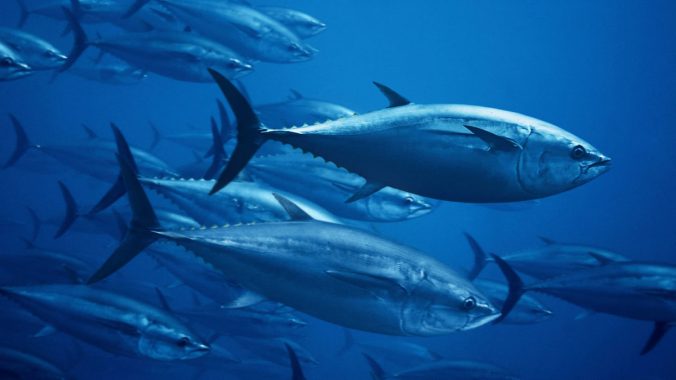
Atlantic bluefin tuna (Thunnus thynnus) off the coast of Madeira Island, Portugal. PAULO OLIVEIRA / ALAMY
Of all the ways to transition to vegetarianism, which I am on snail’s pace doing, I just realized that the one form of animal protein that I have completely eliminated without thinking about it is fish. I cannot remember planning on doing this, but at this moment I cannot remember the last time I ate fish. It may have been 2016. But I have been conscious of the sensation every time I am grocery shopping that I avoid the fish.
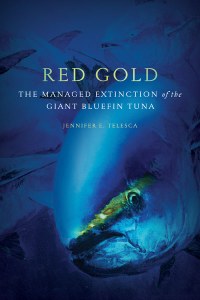 Sushi was my favorite treat of a meal years ago, and while living in India we were as much pescatarian as vegetarian. But that changed with a growing awareness of the challenges related to regulating the world’s seas. So I quit eating things from it. Jennifer E. Telesca, writing in Yale e360, does not make me feel any better about this–as a data point I am exactly of zero relevance compared to the total market size–but I am gratified to see a book on a topic that will help me better quantify the reasons why exiting the market for fish is a priority:
How Global Regulators Are Selling Out the World’s Largest Tuna
The international commission responsible for managing Atlantic bluefin — prized for high-quality sushi — is failing to protect this magnificent fish. The regulators’ focus on fishing industry profits points up the need to change the way we view, and value, the lives of wild creatures.
In 2010, after years of global headlines highlighting the runaway harvest of bluefin tuna in the Mediterranean Sea and eastern Atlantic Ocean, the international regulatory agency managing this endangered fish capitulated. It cut the total allowable annual catch to 12,900 metric tons, the lowest level recorded. For the world’s most valuable fish, coveted as the most succulent sushi on the planet, a return to plenty looked promising. Continue reading











 Organikos