Farms, Interns, Valuable Life Experience

farmintern

We have a long, productive and gratifying history with internships, and so we take note when the Thanks to the Atlantic’s website for this:

The Benefits of Interning on a Farm

Video by The Perennial Plate

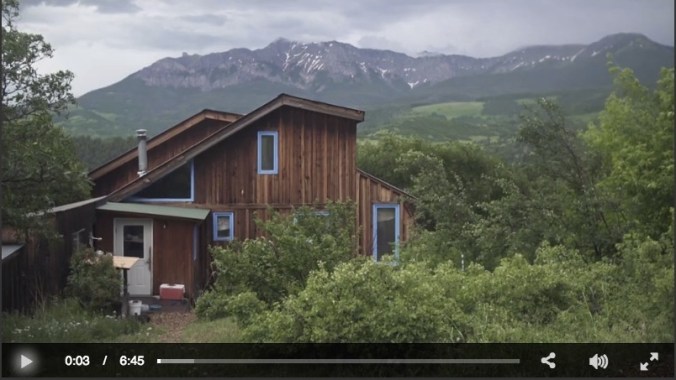
High in the mountains of Telluride, Colorado, Tomten Farms offers the opportunity to learn agriculture through an internship program. Continue reading

Remote Living, Well Done

980x (8).jpg

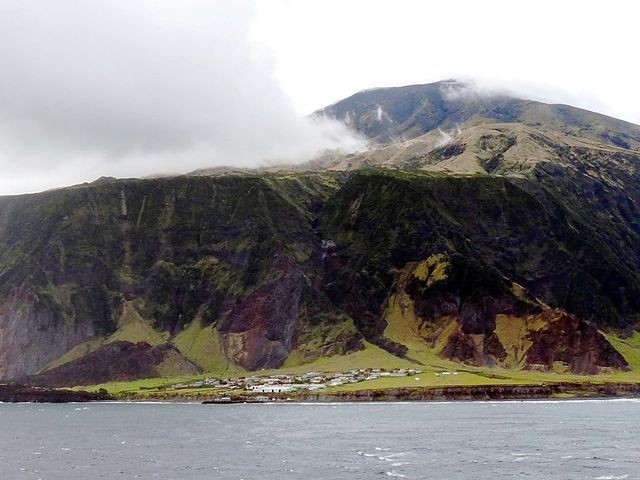
Edinburgh of the Seven Seas, Tristan da Cunha, South Atlantic Ocean michael clarke stuff / Wikipedia

Thanks to EcoWatch for keeping us posted on the greenish news from the bottom edge of the planet:

World’s Most Remote Village Is About to Become Self-Sufficient World’s Most Remote Village Is About to Become Self-Sufficient 

The most remote village on Earth, located on Tristan da Cunha in the South Atlantic Ocean, is about to get a 21st century upgrade thanks to an international design competition aimed at creating a more sustainable future for the farming and fishing community. Continue reading

Thoughts on Bison Farming

1200px-american_bison_k5680-1

Source: Modern Farmer

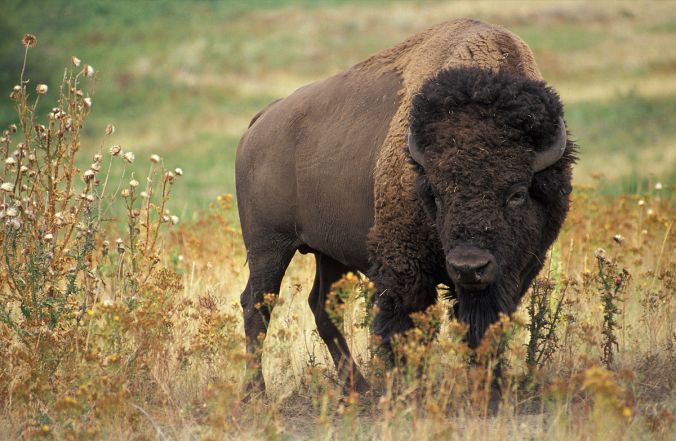
Bison meat is not the typical protein one finds on the dinner plate every night (especially not in my vegetarian household), but it is a meat product that is known for being healthier than beef and – possibly – more environmentally friendly. “How so?” you might wonder. According to Modern Farmer there are several components to bison farming that give it a “greener edge.”

It’s believed that bison cause less trampling and erosion damage to the plains than cattle, that their diet is higher in grasses and thus less damaging to the long-term chances of the plains environment, and that bison poop functions as a natural fertilizer to their habitats.

This all mostly stems from a general idea that bison, being not domesticated and technically, even when ranched, a wild animal, are more in tune with nature, more balanced in their impact than cattle. They are also native to North America, unlike cattle, which were domesticated from Old World animals. “Because bison are a natural part of the North American ecosystem, bison ranching can be a beneficial to the natural environment,” writes the National Bison Association, a promotional group, on its site.

Continue reading

Regenerative Agriculture Revolution

kempfhero

Source: Modern Farmer

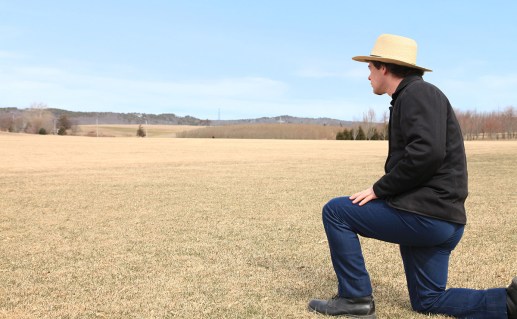
Organic farming is the agricultural “trend” that we keep hearing about for the future, but what about a different type of farming method that is not certified organic but is still environmentally friendly? The following is the story of John Kempf, a young Amish man who embarked on a quest to rescue his family farm from worsening disease and pest problems and from it all, became a staple in the alternative-agriculture lecture circuit and founder of a consulting company, Advancing Eco Agriculture (AEA). Here’s his story as shared on Modern Farmer:

Once he finished school at age 14, Kempf went to work on his family’s fruit and vegetable farm in northeastern Ohio, overseeing irrigation, plant nutrition and herbicide and pesticide applications. In the fields, Kempf used horses instead of a tractor, with a sprayer powered by a small Honda engine.

It was a trying time for the family. Pests and disease were ravaging the crops, and Kempf found himself mired in escalating chemical warfare against them, with little success. Things hit a low point in 2004, when well over half of the Kempfs’ mainstay crops – tomatoes, cucumbers, zucchini and cantaloupes – were lost. With the family staring at an increasingly bleak financial situation, Kempf, then 16, set off on his mission to relearn everything he’d been taught about farming.

Continue reading

The Debate over Wildlife Farming

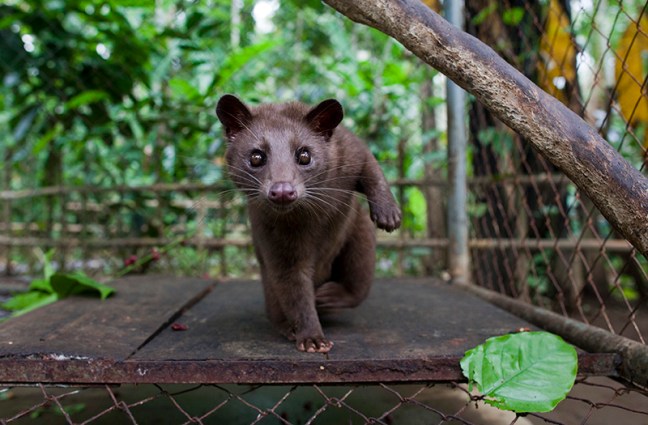
Indonesians Farm Civet Cats To Produce World's Most Valuable Coffee

An Asian pal civet at a wildlife farm in Bali, Indonesia. Source: Yale

Whether wildlife farming helps or hurts threatened species is a highly contested question among conservationists and food security consultants. An article written by Richard Conniff in Yale News helps us understand both sides of this controversial and lesser-known practice:

Wildlife farming is … a tantalizing idea that is always fraught with challenges and often seriously flawed. And yet it is also growing both as a marketplace reality and in its appeal to a broad array of legitimate stakeholders as a potentially sustainable alternative to the helter-skelter exploitation of wild resources everywhere.

Food security consultants are promoting wildlife farming as a way to boost rural incomes and supply protein to a hungry world. So are public health experts who view properly managed captive breeding as a way to prevent emerging diseases in wildlife from spilling over into the human population.

Continue reading

Polled Brits Support EU’s Strong Wildlife Protection

We featured an opinion editorial from Friends of the Earth CEO Craig Bennett in The Guardian about Brexit’s effect on the environment exactly two months ago, and now the same publication is sharing pretty good news from a YouGov opinion poll in the UK whose results were released today. Apparently, a significant majority of Brits who were polled are in favor of laws protecting wildlife and their habitat that are at least as strong as the EU regulations already in place, but which wouldn’t apply post-Brexit. Some even support stronger environmental protection in the farming industry than current EU Common Agricultural Policy, especially wanting a ban in neonicotinoid pesticides. Damian Carrington reports:

Much of the protection of British wildlife and the environment stems from EU’s birds and habitat directives, but these will have to be replaced when the UK leaves the bloc. Farming minister George Eustice campaigned for the UK to leave the EU and told the Guardian in May that these directives were “spirit crushing” and “would go”.

Continue reading

An Abandoned Quarry Transformed

img_9482-1

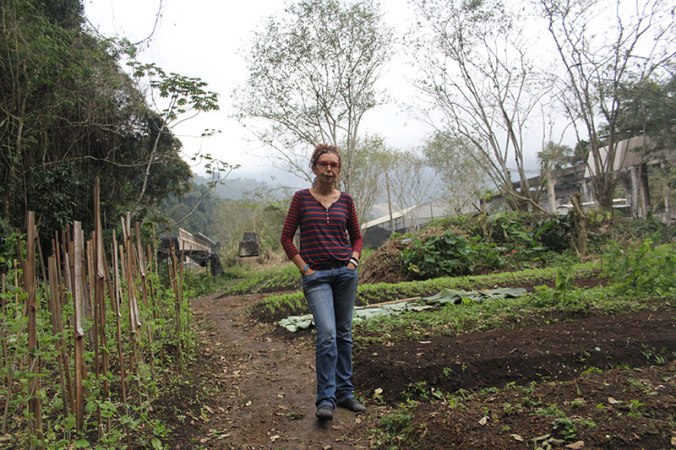
Fátima Anselmo, owner of Orgânicas da Fátima. All photos from: modernfarmer.com

The following is a story about a woman in Rio de Janeiro whose passion for sustainable farming, along with the support of a loyal community, allowed her to transcend an unforeseen hardship and turn an industrial wasteland into a fruitful organic farm. Here’s the story as told on Modern Farmer:

On a steep, forested hillside, in what was once a quarry in Rio de Janeiro, Fátima Anselmo scoops a handful of loose, dark soil from one of her garden beds. “It’s alive!” she says, holding the dirt in the air.

The whole place, in fact, is bursting with life.

Continue reading

Obliterating Weeds with Grit

weed-blaster

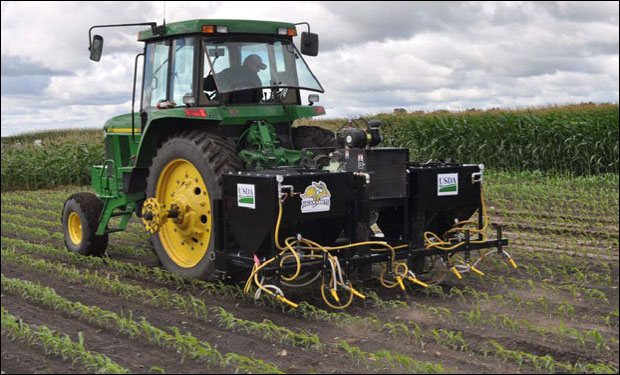
Source: modernfarmer.com

Herbicides are, unfortunately, a necessary product for most industrial farms, but given the rise in organic farming and the growing number of weeds becoming immune to the chemical poisons, other options have to be considered. Frank Forcella, a USDA agronomist, first had an idea to use apricot pits, considered an “agricultural residue,” as a weed killer when ground up with other waste and inserted in a sand blaster. He turned to his colleague Dean Peterson and together they bought a cheap sand blaster and started some simple experiments in a greenhouse.

Their initial work involved growing weeds next to a corn plant; when the corn was about six inches tall and the weed was about one to three inches tall, the researchers blasted both with a split-second application of grit.

It turned out that only the weeds got hurt. In fact, they vanished, while the corn plant was fine. This prompted a field experiment in 2012 with a bigger sand blaster mounted on an ATV. While Peterson drove, Forcella followed, crouched over with the sand blaster nozzle, blasting pigweed and other pesky sprouts.

Forcella’s “silly” idea turned into a feasible and successful solution for killing weeds.
Continue reading

The Adapters to Climate Change

field-notes-bangladesh-adapt-676-1

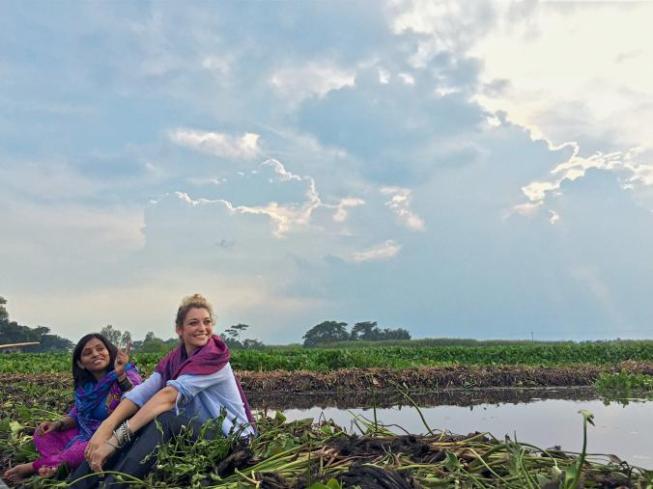
Bouyant fields made of plants and manure can support crops in Bangladesh. Source: National Geographic

Climate change is a tough reality, but in spite of its devastating impacts on the natural environment, there are people who are drawing from their ingenuity to find alternative farming methods in the affected surroundings. Alezé Carrère, a National Geographic grantee, is on a journey to study the people and communities that are adapting to climate change, and she and a film crew are documenting cases into a video series called Adaptation.

[In 2012 Carrère] learned of a group of farmers in Madagascar who were figuring out how to farm in fields eroded by deforestation and heavy rains. Instead of depending on development aid to reforest washed-out areas, the farmers adapted. Soon they began to prefer farming in the eroded gullies, which became rich with water and nutrients.

Continue reading

The Development of Organic Farming

4437

All photos from: The Guardian

The debate of whether or not an organic diet is healthier has long been in question and does not yield a definitive scientific answer, but instead a consensual logical conclusion.  An organic diet is beneficial in that food free of pesticides and chemicals is safer and better for us than food containing those substances. Although organic agriculture occupies only 1% of global agricultural land, the growth of this industry is projected to increase as population growth, climate change and environmental degradation progress and will therefore necessitate agricultural systems with a more balanced portfolio of sustainability benefits.

With that prospect in mind,  John Reganold and Jonathan Wachter from Washington State University conducted a study, Organic Agriculture in the 21st Century, published in Nature Plants, that compared organic and conventional agriculture across the four main metrics of sustainability: be productive, economically profitable, environmentally sound and socially just.

[They] found that although organic farming systems produce yields that average 10-20% less than conventional agriculture, they are more profitable and environmentally friendly. Historically, conventional agriculture has focused on increasing yields at the expense of the other three sustainability metrics.

Continue reading

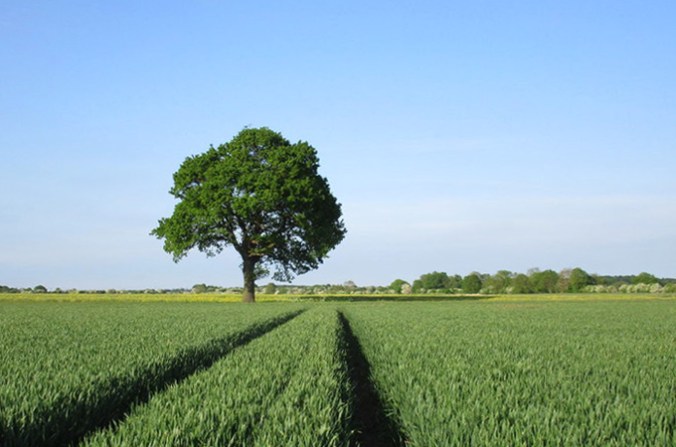
Growing Number of Trees on Farmland

tree-on-farm

Source: Conservation Magazine

The number of tree coverage on farms is on the rise, and a recent study published in the journal Scientific Reports has added this hidden cache of carbon storage to the global carbon count. Researchers found out that farms sequester four times as much carbon as current estimates indicate, using remote sensing and a land cover database.

Researchers found that 43 percent of farmland across the globe had at least ten percent tree cover in 2010. Including the carbon sequestering capacity of this tree cover increased storage capacity estimates for farmland from 11.1 gigatonnes of carbon to 45.3 GtC. At least 34 GtCs of this storage capacity is from trees. They also found that between 2000 and 2010, tree cover on farms increased by two percent. This resulted in a 2GtC, or 4.6 percent, increase in biomass carbon.

Continue reading

Grubby Animal Feed

4980

Source: The Guardian

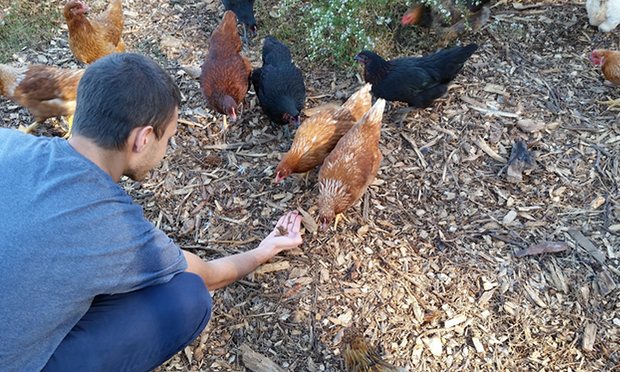
Two Georgia Tech graduates (who also happen to be cousins), Sean Warner and Patrick Pittaluga, are breeding and selling an insect many people consider revolting in order to provide a more sustainable substitute for animal feed (if you are about to eat a meal, I recommend postponing this article for a later, food-free, time). The insect they are growing is larvae, specifically black soldier fly larvae. Grubbly Farms, the name of their company, dries the larvae and sells them whole as chicken treats. This is a more sustainable protein and fat source for chickens, pigs and farmed seafood compared to the more popular animal feed that is based on fish, called fish meal.

Around 75% of the fish used in [conventional fish meal] are wild-caught species of small fish such as anchovies, herring and sardines. Demand for these species will likely increase as the world relies more on fish farming – and less on depleting wild fish stocks – to feed the growing appetite for seafood.

Grubbly Farms’ business plan isn’t just about creating more nutritious and sustainable animal feed, Warner said. It’s also looking to tackle America’s billion-dollar problem with food waste – produce and leftover foods being tossed away by businesses and homes and clogging up landfills at the rate of 52m tons per year. Warner is feeding the larvae fruit and vegetable pulp from a local juicery, and the company has also recently started working with a bakery to add days-old bread to the mix. Warner estimates that once production is up-and-running, they will use around two tons of food waste a day.

Continue reading

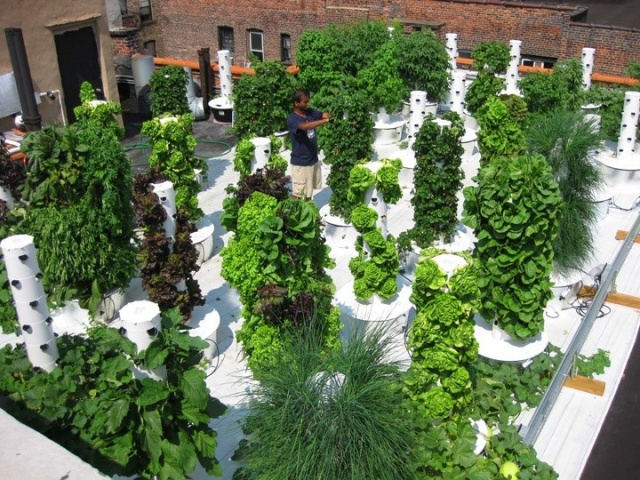
Green Rooftops

rooftop20hydroponic20garden_zpsaz6euobl

Source Pinterest.com

According to the Population Reference Bureau, since 2008 more than half of the total global population lives in urban areas. What does this mean for farmers and the food industry? It means that as cities expand, farmland is receding farther away from the markets that supply the city consumers. In effect, the food has to travel longer distances, which increases their cost and environmental impact. However, there is good news for those with a green thumb (or pinky!) and creative mind (here are some examples we’ve written about previously). Continue reading

Corn, Heritage & Conservation

980x

Masienda / Facebook

Thanks to EcoWatch for this:

Heirloom Non-GMO Corn Is Helping Sustain Mexico’s Heritage and Farmers

It’s not often that a conversation inspires an idea leading to a project that improves people’s lives and potentially transforms an industry. But that’s what happened to Jorge Gaviria, founder of Masienda.

While serving as a host and translator at the G9 Chefs Summit at Blue Hill at Stone Barns in Pocantico Hills, New York in 2013, Gaviria heard chefs discuss responsibly sourced ingredients. Continue reading

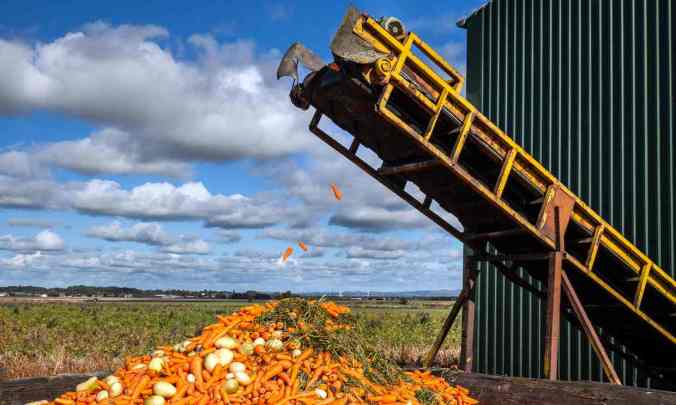
Food Waste, Remarkably Grotesque

5451

Discarded food is the biggest single component of US landfill and incinerators, according to the Environmental Protection Agency. Photograph: Alamy

We have known for some time the problem is serious, and we are always looking for counter-balancing stories that also highlight solutions. And we are constantly learning more details on just how serious the problem is getting; in short, worse rather than better. Now, new words come to mind. Grotesque is probably the most appropriate (thanks to the Guardian’s ongoing attention to this problem):

The demand for ‘perfect’ fruit and veg means much is discarded, damaging the climate and leaving people hungry

Americans throw away almost as much food as they eat because of a “cult of perfection”, deepening hunger and poverty, and inflicting a heavy toll on the environment.

Vast quantities of fresh produce grown in the US are left in the field to rot, fed to livestock or hauled directly from the field to landfill, because of unrealistic and unyielding cosmetic standards, according to official data and interviews with dozens of farmers, packers, truckers, researchers, campaigners and government officials.

Continue reading

Almond Versus Cow Versus?

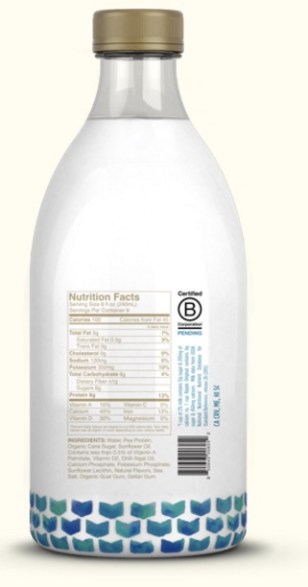
RippleAt first, the name does not help me think anything useful. I do not only mean the name of the contents of the bottle; I mean the brand name on the bottle. So I am showing only the information side of the label. Looks like milk inside. Good start.

If you compare it to almond milk, this one has 8 times the protein. If you compare it to 2% cow milk, this one has half the sugar and 50% more calcium; plus 32mg DHA Omega 3’s Vitamin D & Iron. If this were an advertisement I would face the bottle forward, but it is more an appreciation of how products like this come to be. I like startup stories and particularly the stories of co-founders of startups (which is why I have been listening to this podcast). According this company’s website:

Neil and Adam are committed to making a difference. Adam created Method to bring the world sustainable, beautiful cleaning products. Before trading in his lab coat to start Continue reading

Changing Our Eating Habits

impossible-foods-6_edited_custom-7dc5fbab4da8c072dcd7f800ee14c96766bb0f58-s1400-c85

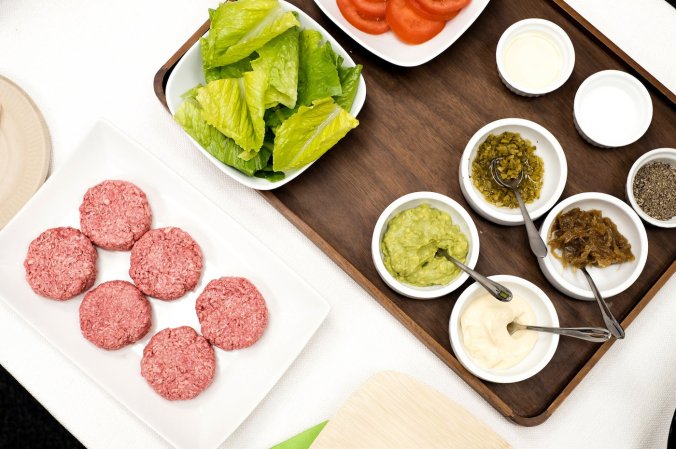
Silicon Valley-based Impossible Foods has taken a high-tech approach to creating a plant-based burger that smells and tastes like real meat. At the company’s headquarters in Redwood City, Calif., chef Traci Des Jardins served the Impossible Burger (pictured uncooked) with vegan mayo, Dijon mustard, mashed avocado, caramelized onions, chopped cornichon, tomato and lettuce on a pretzel bun. Maggie Carson Jurow

Full disclosure first: we operate restaurants that serve meat. It is always the best quality meat we can source, and best includes the most humane and most ecologically sensitive growing conditions. But still, it is meat, and meat is problematic. So, we tread lightly when we speak about our behaving responsibly, and try to minimize judgementalism.

When we get reminders of the importance of reducing meat consumption we know it is true, but we still ensure all our guests are able to get, within reason, the best of what they want food-wise.  I spent more time, and consumed more calories than I care to count, taste-testing for the new menus at three hotel restaurants in the last two years; that is my own sin to bear, and I am in penance mode now, trust me.

So, when I see a good feature story related to vegetarianism, or to vegetarian innovations, I am all in. Here is one from the Salt show on National Public Radio (USA) and I look forward to taste-testing it:

This summer, diners in New York, San Francisco and Los Angeles will get their hands on a hamburger that has been five years in the making.

The burger looks, tastes and smells like beef — except it’s made entirely from plants. It sizzles on the grill and even browns and oozes fat when it cooks. It’s the brainchild of former Stanford biochemist Patrick Brown and his research team at Northern California-based Impossible Foods. Continue reading

Coffee Going Strong at Xandari

When I got back to Xandari last year in June, I posted a couple photos of the Caturra plot, the Borbón plot, and the bagged seedlings. Since then, all the plants have grown quite a bit, and we’ve gotten a strong yield of cherries–and therefore coffee beans–even though the plants were only a year old in the ground. In fact, many of the plants of both varietals are experiencing a second round of flowers despite the dry season: climate change is putting the plants’ phenology out of whack, and so some shrubs even have cherries and flowers growing at the same time, which normally would never happen. The bees are certainly happy though!  Continue reading

Nutmeg – from Table to Design

You must have heard the phrase in a nutshell. Well, this post is not exactly that. It’s going to border on being a story in a nutmeg. Yet another tale to add to Kerala’s legacy of having a heart of spices. The nutmeg, though not as glorious as its cousins pepper or cinnamon, is integral for its medicinal, herbal properties and its place in the kitchen.

For me, it’s the embrace that links spending holidays with a grandmother whose heart had nutmeg all over it and a design sensibility at Xandari Harbour. The wispy haired grand lady is long gone, but the wind rustles up her memories among the nutmeg trees. So does a certain corridor at work.

Continue reading

What Warm Temperatures in the Sub-Arctic Mean

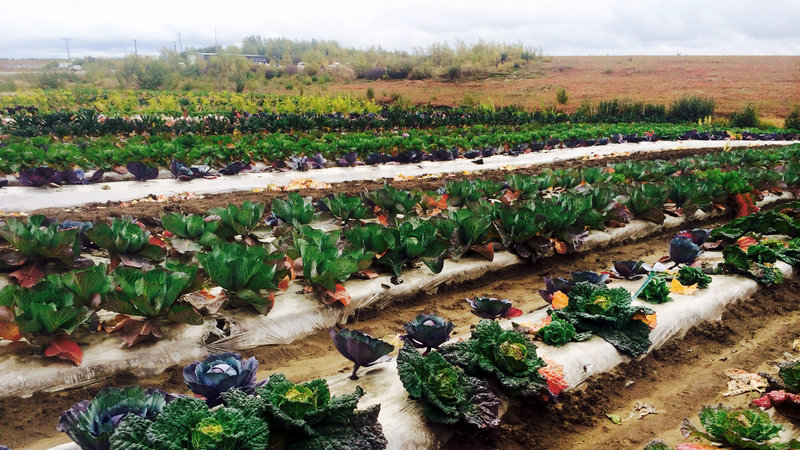
A field near harvest time at Meyers Farm in Bethel, Alaska, can now grow crops like cabbage outside in the ground, due to rising temperatures. PHOTO: Daysha Eaton/KYUK

A field near harvest time at Meyers Farm in Bethel, Alaska, can now grow crops like cabbage outside in the ground, due to rising temperatures. PHOTO: Daysha Eaton/KYUK

Farming in the Arctic? Well, it can be done. The reasons are many. For one, the climate is changing: Arctic temperatures over the past 100 years have increased at almost twice the global average.

On a misty fjord in Greenland, just miles from the planet’s second largest body of ice, Sten Pedersen is growing strawberries. Yellowknife, a Canadian city 320 miles below the Arctic Circle, hosted a farmers market this summer. And a greenhouse in Iqaluit, the capital of the vast Canadian Inuit territory of Nunavut, is producing spinach, kale, peppers and tomatoes. The frozen tundra of the Arctic is experiencing something of an agriculture boom. More

Continue reading