Airports and Urban Farming

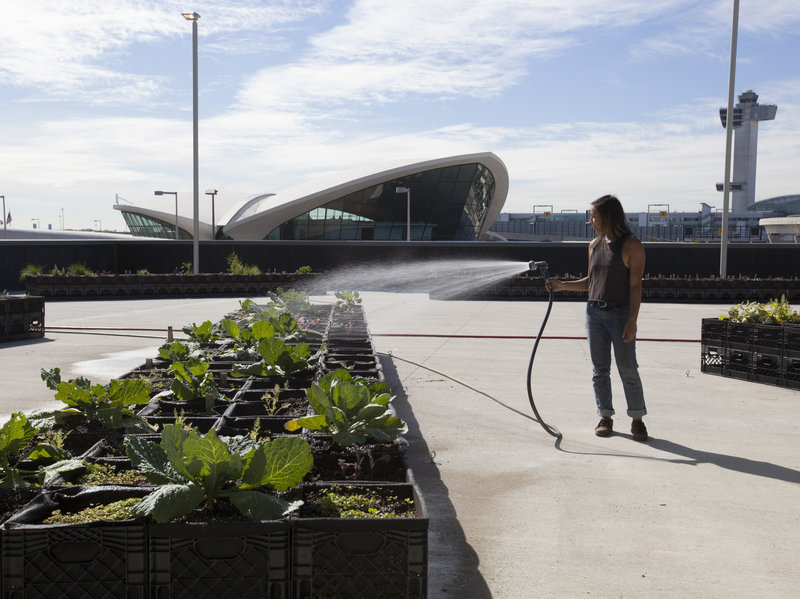
Katrina Ceguera tends JetBlue's farm outside Terminal 5 at New York's John F. Kennedy International Airport. PHOTO: Chelsea Brodsky /JetBlue

Katrina Ceguera tends JetBlue’s farm outside Terminal 5 at New York’s John F. Kennedy International Airport. PHOTO: Chelsea Brodsky /JetBlue

Airports are growing a ‘green’ conscience, and how! If Kochi in Kerala, India is home to the world’s first airport to be completely powered by solar energy, then the Galapagos airstrip is not far behind. Going off-grid is just one way to offset massive carbon footprints left behind by the use of fossil fuels. Another way might be to add a touch of green – like JetBlue did at the New York airport.

JetBlue was intent on growing potatoes and other produce at John F. Kennedy International Airport in New York. It took three years of jumping through hoops before the T5 Farm, named for its location outside Terminal 5, came to fruition in early October, the company says.

Continue reading

What Lies Beneath Your Feet

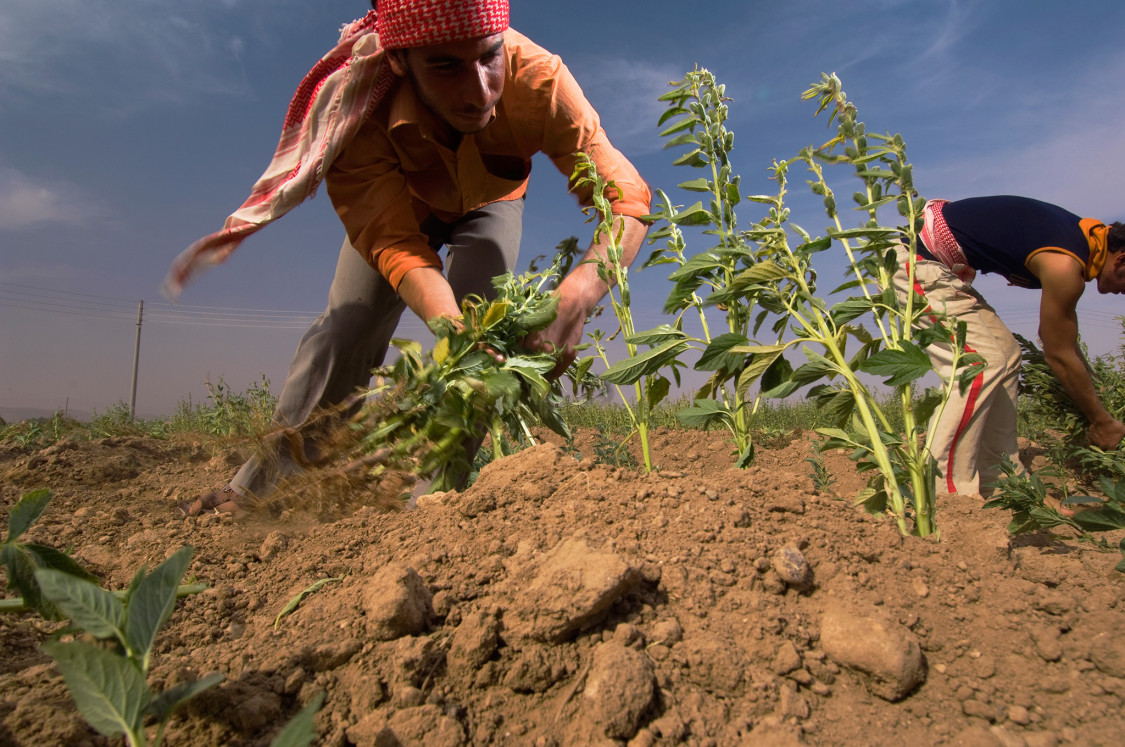
Farmers harvest sesame in Syria. PHOTO: JIM RICHARDSON

Farmers harvest sesame in Syria. PHOTO: JIM RICHARDSON

The 68th UN General Assembly declared 2015 the International Year of Soils. It aims to increase awareness and understanding of the importance of soil for food security and essential ecosystem functions. According to scientists, soil is being eroded faster than that the Earth can replace it. So the next time the words ‘dirt cheap’ come up, think again and take not the soil below your feet for granted.

Dirt is not only rare, but it’s complicated. To the uninitiated, dirt may look like grubby generic mush, but actually it has character, individuality, and a taxonomy all its own. Soil scientists recognize twelve major orders of dirt, each divided into suborders, groups, subgroups, families, and series, according to its various allotments of minerals and organic matter. Each dirt has a pedigree. Furthermore, dirt is proactive. It’s not an inert blanket; it’s a dynamic entity.

Continue reading

Opening the Arctic Vault

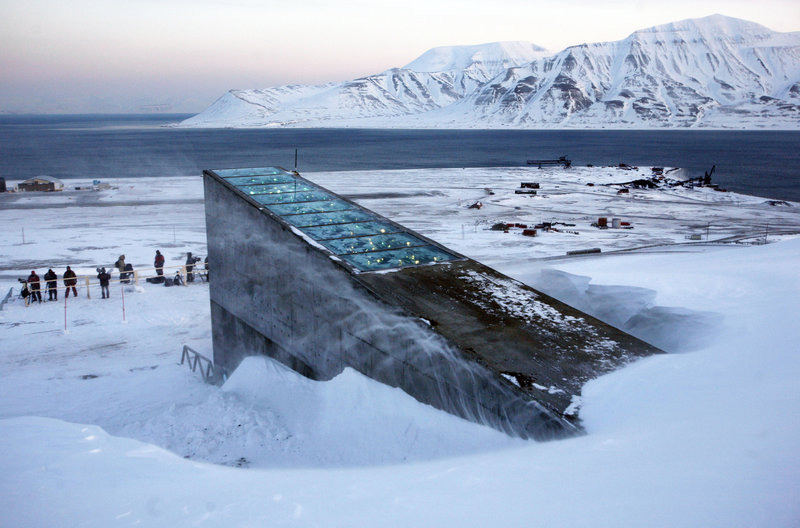
The Svalbard Global Seed Vault was inaugurated in 2008. The "doomsday vault" lies inside an Arctic mountain in the remote Norwegian archipelago of Svalbard. For the first time, scientists are taking some seeds out. PHOTO: John McConnico/AP

The Svalbard Global Seed Vault was inaugurated in 2008. The “doomsday vault” lies inside an Arctic mountain in the remote Norwegian archipelago of Svalbard. For the first time, scientists are taking some seeds out. PHOTO: John McConnico/AP

The ongoing civil war in Syria has led to the first-ever withdrawal from the Svalbard “doomsday” Global Seed Vault, a giant storage unit for plant seeds that’s tucked into the side of a frigid mountain in Norway. In the seven years since the Vault opened, hundreds of thousands of seed samples have gone into its icy tombs. And not one has come out—until now. This week the International Center for Agricultural Research in Dry Areas asked for the return of 325 little black boxes of seeds it had stored in the Svalbard vault. For many years, the center housed its own seed bank near Aleppo, Syria. Now, its scientists hope to use the Svalbard samples to regenerate that collection outside of their war-torn home.

Continue reading

Redefining Disabilities Through Organic Farming

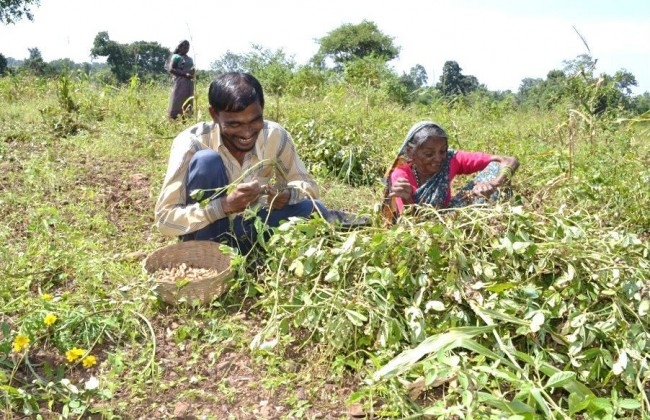
39-year-old Mahadev Charokar is vision impaired but has got amazing hearing, olfactory and tactical senses. He can differentiate between various denominations of currency notes, can walk up to his farms 1.5 km away and even lead a bullock-driven plough on fields. PHOTO: The Alternative

39-year-old Mahadev Charokar is vision impaired but has got amazing hearing, olfactory and tactical senses. He can differentiate between various denominations of currency notes, can walk up to his farms 1.5 km away and even lead a bullock-driven plough on fields. PHOTO: The Alternative

The adoption of the World Programme for Action concerning Disabled Persons in 1982 laid the foundation for a new approach to disability, with the goals of full participation and equalization of opportunities for persons with disabilities. The World Programme of Action has time and again reinforced the role of persons with disabilities as both agents and beneficiaries of development. The onus is on taking action so that persons with disability do not end up being referred to as a “vulnerable group” but rather, that disability itself will be considered as a cross-cutting theme in any emerging goals on sustainable development. In Madhya Pradesh, India, a unique experiment with organic farming is mainstreaming people with disabilities.

Continue reading

Because Every Vegetable Deserves Love

"Cosmetically challenged" farm produce make for tons of  food waste globally. PHOTO:  JCPestano/Shutterstock)

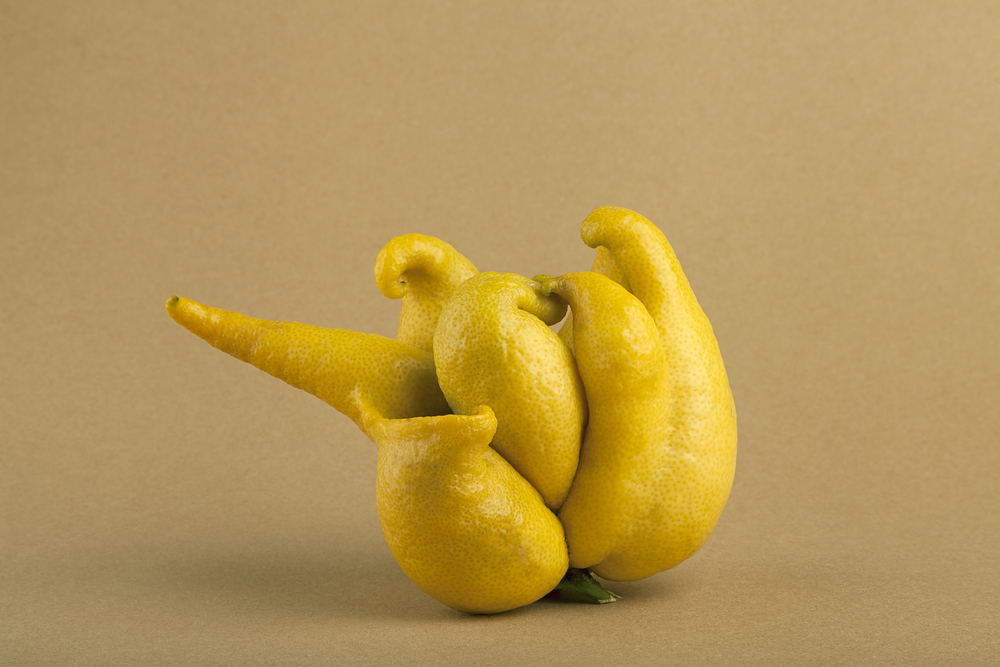
“Cosmetically challenged” farm produce make for tons of food waste globally. PHOTO: JCPestano/Shutterstock)

If you live in Berkeley, Oakland, and Emeryville, often find yourself complaining about high pricing of groceries, this is for you. Above bring fruits and vegetables to you at economical rates, this start-up is concerned with the noble business of minimizing food waste. How they do it – by collecting rejected asymmetrical farm produce and shipping 10-14 pounds of oddball deliciousness to your doorstep, and it’ll only cost $12.

Continue reading

Pizza Done the Farm-to-Table Style

Pizza night on the Stoney Acres Farm in Athens, Wis. PHOTO: Stoney Acres

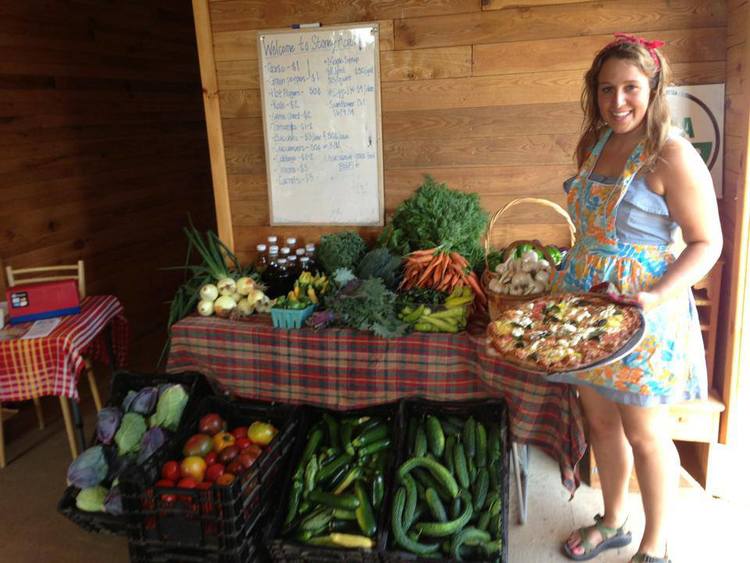
Pizza night on the Stoney Acres Farm in Athens, Wis. PHOTO: Stoney Acres

The farm-to-table concept is one that we keep revisiting often. And get a taste of almost everyday, be it in the hills of Thekkady, Kerala or in the Costa Rican valley. Farm-to-table can mean different things to different people. At its heart, it means that the food on the table came directly from a specific farm. Literally, the table could actually be at the farm and cooks or chefs prepare and serve the food at the farm (even in the field). Akin to what farmers in the Midwest are doing.

Continue reading

Keeping Flies Away from Olives

 Every year in Catalonia, Spain, farmers have to fight the olive fruit flies so they don’t ruin the year’s crop. PHOTO: Wikipedia

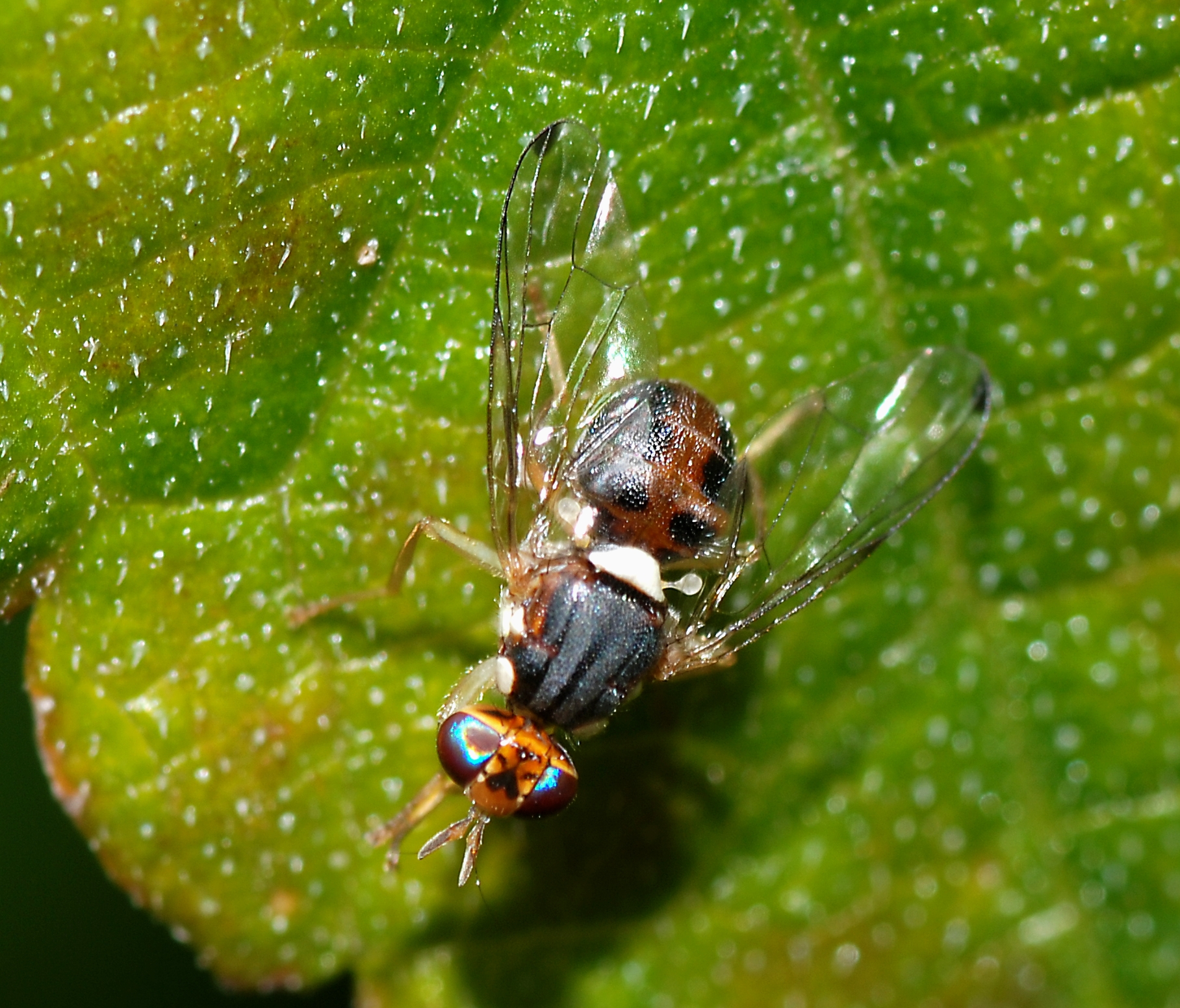
Every year in Catalonia, Spain, farmers have to fight the olive fruit flies so they don’t ruin the year’s crop. PHOTO: Wikipedia

The olive fly (Bactrocera oleae) is the single major pest for olives, causing widespread crop damage and significant financial losses to Europe’s olive farmers. The control of the fly has been largely based on the use of chemicals, but the intense use of insecticides leads to development of insecticide resistance, which makes control problematic. In addition, legislation on insecticides have seen some of them being phased out. An alternative? The almost-DIY fly trap.

Continue reading

‘Lettuce’ Celebrate NASA’s Moment

On Monday, astronauts aboard the International Space Station harvested and ate the first lettuce to have been grown in space. Photo by NASA

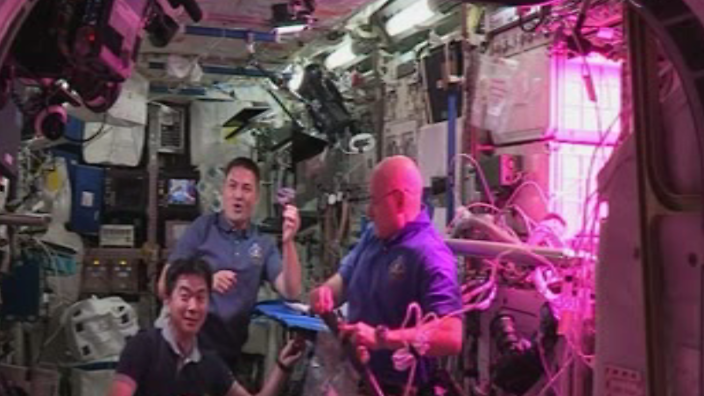
On Monday, astronauts aboard the International Space Station harvested and ate the first lettuce to have been grown in space. Photo by NASA 

“It was one small bite for man, one giant meal for mankind.” And that’s putting it lightly. On Monday, after watching a batch of red romaine lettuce grow under a purplish glow in the microgravity of space, NASA astronauts aboard the International Space Station harvested their own fresh produce. And this officially is the first time astronauts have dined on a harvest sown in space. Nothing like ‘home-grown’ food, right?

Continue reading

Use Them Lights to Grow Some Vegetables

In this huge urban farming lab, LED "Recipes" grow juicier tomatoes and sweeter basil. PHOTO: Co Exist

In this huge urban farming lab, LED “Recipes” grow juicier tomatoes and sweeter basil. PHOTO: Co Exist

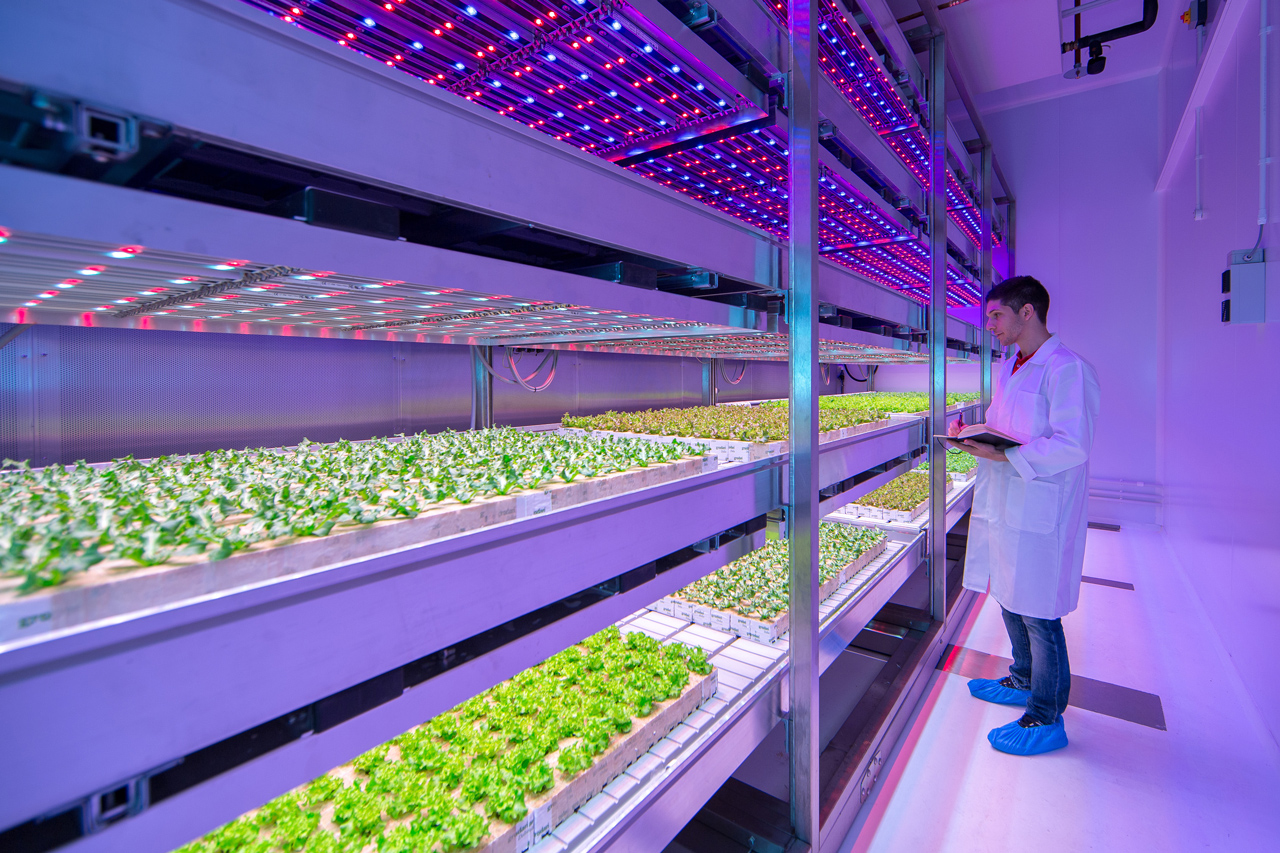
Behind a vault-like door, the long, windowless room has the same purple glow as the cabin on a Virgin America flight. Instead of passengers, the space is filled with row after row of plants, each growing under a carefully calibrated series of red and blue lights. White-coated researchers walk by studying each leaf of lettuce or kale. Welcome to the GrowWise Center, one of the largest homes for urban farming research in the world.

Continue reading

From Waste to Gourmet Mushrooms

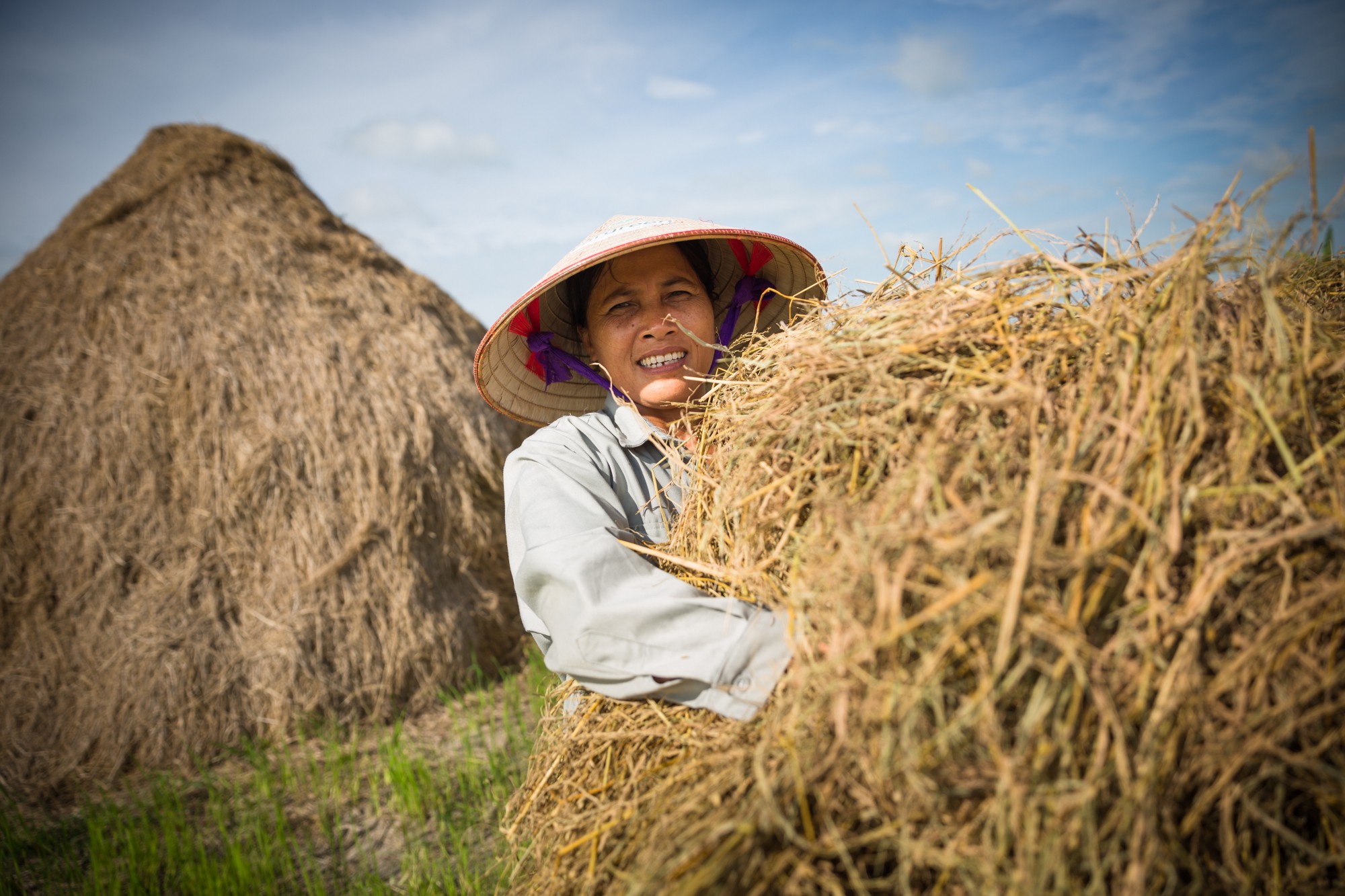
Social entrepreneur Trang Tran is teaching Vietnamese farmers how to use rice straw as a substrate to grow gourmet mushrooms, helping to reduce greenhouse gas emissions and give farmers a new source of income. PHOTO: Medium

Social entrepreneur Trang Tran is teaching Vietnamese farmers how to use rice straw as a substrate to grow gourmet mushrooms, helping to reduce greenhouse gas emissions and give farmers a new source of income. PHOTO: TED

Rice straw burning is something that happens every harvest season, and it happens all around us. It’s been done for many years, and it’s considered the most convenient way of getting rid of waste. Straw is perceived as having no value — farmers just want to get it out of the way as soon as possible in order to prepare for the next crop. In Vietnam, 20 to 50 million tons of rice straw are burned annually, releasing greenhouse gases into the atmosphere. Obviously this contributes to climate change, but the more immediate problem is that local people inhale the matter, causing serious health problems in communities — particularly in babies. Poor communities are most affected, and of course they have the least money for health care.

Continue reading

Full-Spectrum Farming

We haven’t met Natasha Bowens but her perspectives on the cultural empowerment of growing one’s own food tell us she’s a kindred spirit.

 Storytelling & Photography

The Color of Food is photographic and documentary in nature because I wanted to capture the personal stories of these farmers while also changing the image of agriculture as it is currently portrayed in the media. This project is not only political in it’s message, but also helps us celebrate and preserve the history, tradition and beautiful culture that make up our agricultural communities.

Continue reading

Working To Survive, Alternate Edition

7_wide-3e7cde0913bd4deea8f50800b59f674482c45b98-s1300-c85

The St. James vineyard at the Abbey of New Clairvaux. The 20 brothers of the abbey belong to an order with a tradition of winemaking that dates back nearly 900 years. Lisa Morehouse for NPR

Thanks to the folks over at the salt, at NPR (USA):

Continue reading

No-till Farming On The Rise

Brandon Thibodeaux for The New York Times. Cattle graze on farmland owned by Terry McAlister, near Electra, Tex. Mr. McAlister converted to no-till farming for its apparent economic benefits.

Brandon Thibodeaux for The New York Times. Cattle graze on farmland owned by Terry McAlister, near Electra, Tex. Mr. McAlister converted to no-till farming for its apparent economic benefits.

Thanks to the Science section of Tuesday’s New York Times for pieces regularly covering alternative approaches to agriculture, such as this one today:

Farmers Put Down the Plow for More Productive Soil

Soil-conservation farming, a movement that promotes not tilling fields and using “green” manures, is gaining converts in tough environments and markets.

Sugar Beets, Wherefore Art Thou?

shutterstock_79736593

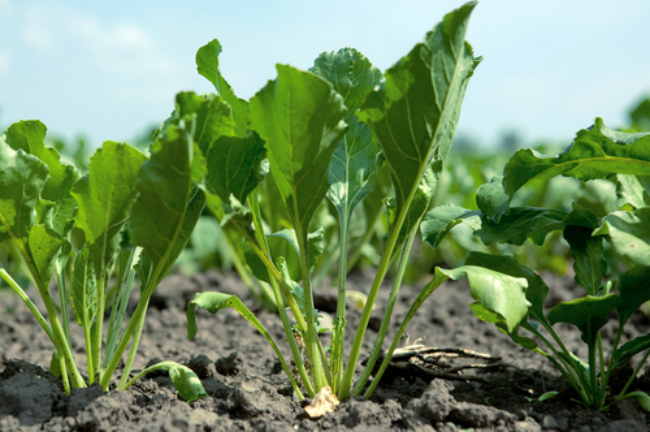
A Dutch scientist has created a process for turning sugar beet leaves into protein. Photo credit: Shutterstock

Thanks to Ecowatch, we can consider the long lost love of our better, healthier selves, found:

Sugar Beet Leaves Create Vegan Protein Alternative

Katie Levans

A scientist in the Netherlands is turning plant waste into a potential substitute for environmentally unsustainable proteins like meat, dairy and soy. The Dutch government commissioned Peter Geerdink, a food scientist at TNO, to identify a use for the 3 million tons of beet sugar leaves produced each year and left to rot after the beets themselves are harvested. The result of his work is a vegan gluten-free plant-based protein extracted from the pressed green juice of sugar beet leaves that, according to Geedink, is as versatile as a chicken egg.

Continue reading

Chinese Fishing Nets, Kerala

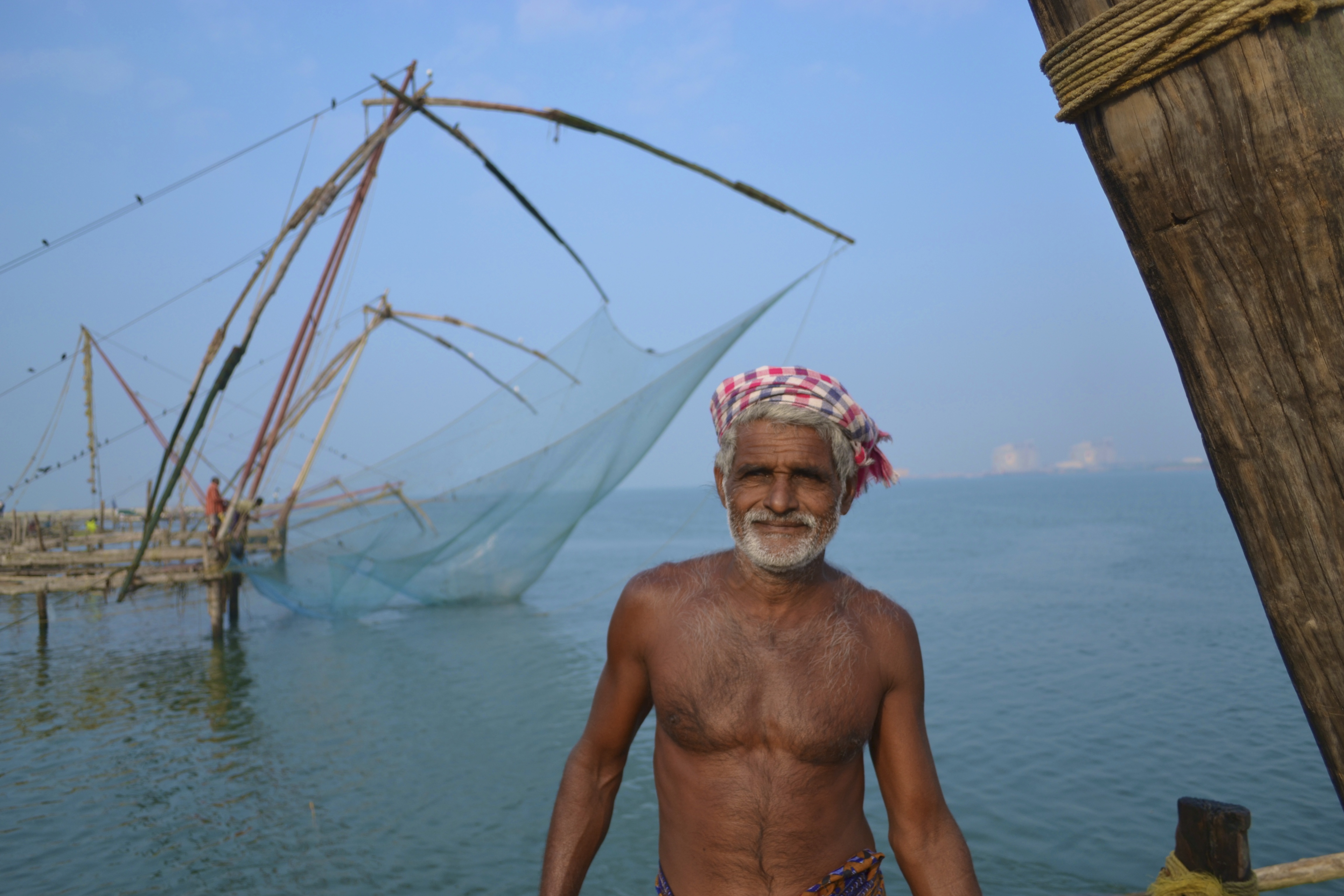
Marconi in front of of the nets in Fork Kochi

Marconi

Marconi is an original decedent of the Mongolian people (a Chinese state at the time) who were the creators of the “Chinese Fishing Nets” in Kerala, India. These structures are at least 30 ft high and the nets stretch out more than 50 ft across the water! It takes half a dozen people to even attempt to heave the nets which work on a pulley system with GIANT boulders hanging from the opposite side to counteract the weight. Continue reading

Finger Lakes, Just Say No

It is not a simple matter to resist all the various ways in which our natural environment is being threatened in insidious manner on a regular basis, especially proposals that appear to solve energy needs. Please, no snickering about chardonnay-sipping liberals while you read the latest such proposal in the region a number of our contributors call home, because these are actually salt of the earth farmers and craft level producers of a sacred beverage (yes, we can pour it on when properly motivated) who will suffer most if this project is implemented as proposed:

WATKINS-slide-WT0Z-thumbStandardWhat Pairs Well With a Finger Lakes White? Not Propane, Vintners Say

Local vintners are fighting a project under which tens of millions of gallons of liquefied petroleum gas, and up to two billion cubic feet of natural gas, would be stored in caverns near Seneca Lake.

Throwback Thursday: Bog

Photo credit: BU Dining Services

About this time two years ago, I came across the YouTube video featured in the #throwback Thursday post below. Hope you enjoy it, especially in light of this week’s post on peatlands!

Original Post Date: December 28, 2012

Earlier this week I wrote about an entirely different sort of swamp. This brief post is about a topic much more in tune with the holiday season: cranberries. Grown in bogs with layers of peat, sand, gravel, and clay, cranberries are native to North American wetlands (our readers across the pond will probably know the European variety of the fruit as lingonberries). In the United States they are primarily grown in Massachusetts, New Jersey, Oregon, Washington, and Wisconsin (ordered alphabetically, not by output). Something not many people may know is that these cranberry bogs are cyclically flooded with vast amounts of water every season; some might worry over the constant waste of this precious liquid in areas of major cranberry production, or the contamination of water tables with pesticides and fertilizers common to agricultural use.

But I am about to tell you about some of the advantages cranberry-growers have over other industrial agriculturalists in terms of their water utilization. Why will I share this with you? Well, cranberry sauce features prevalently in the traditions of recent holidays, namely Thanksgiving and Christmas (and was thus probably consumed in an overwhelming majority of American households at least once in the past 60 days), plus my grandparents swear by cranberry juice, but I also recently found out that cranberries–and the water they are flooded with for harvesting–make for excellent art, or sport. What I never would have guessed is that Red Bull would be the one to show me this; just watch the video below:

Continue reading

Roots and Seeds at Xandari

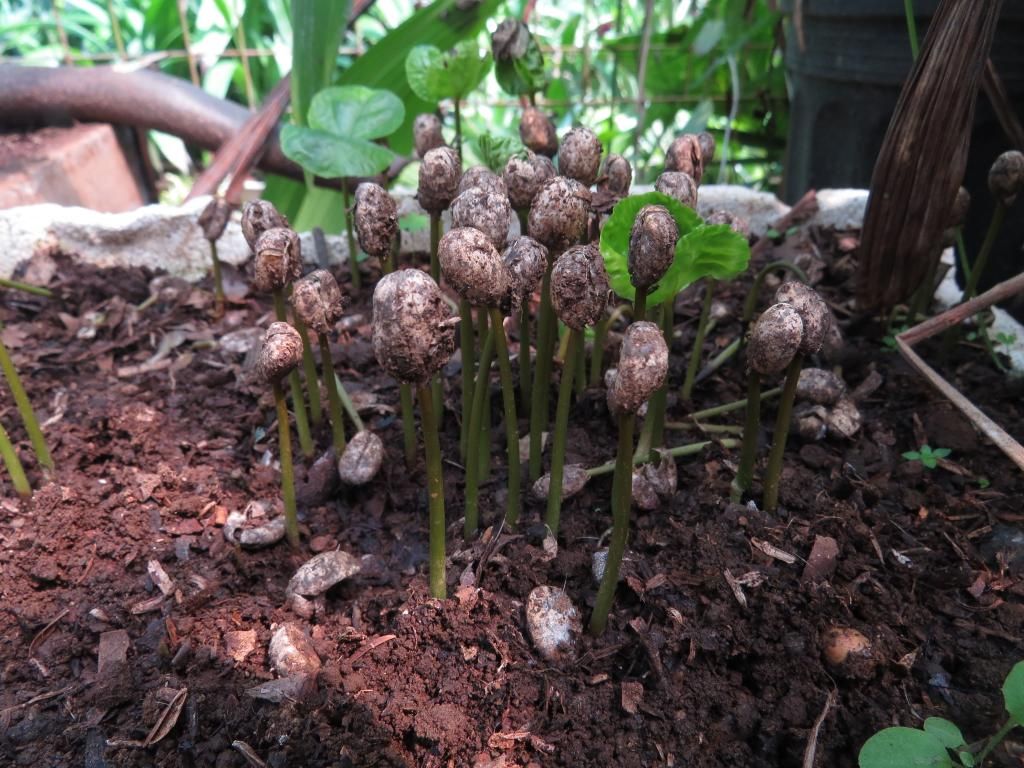
Back in the beginning of July, James and I helped José Luis plant some Bourbon coffee seeds so that they would eventually become seedlings that could be put in bags to grow into saplings. Now, after months of watering and patience, many of the seedlings are finally beginning to emerge. As more and more of them germinate and create their shoots, we’ll be putting them into the bags with soil to wait another year before planting them in the ground at Xandari.

Plenty of other plants have been productive over the last couple months: Continue reading

Goats and Gallinas at Xandari

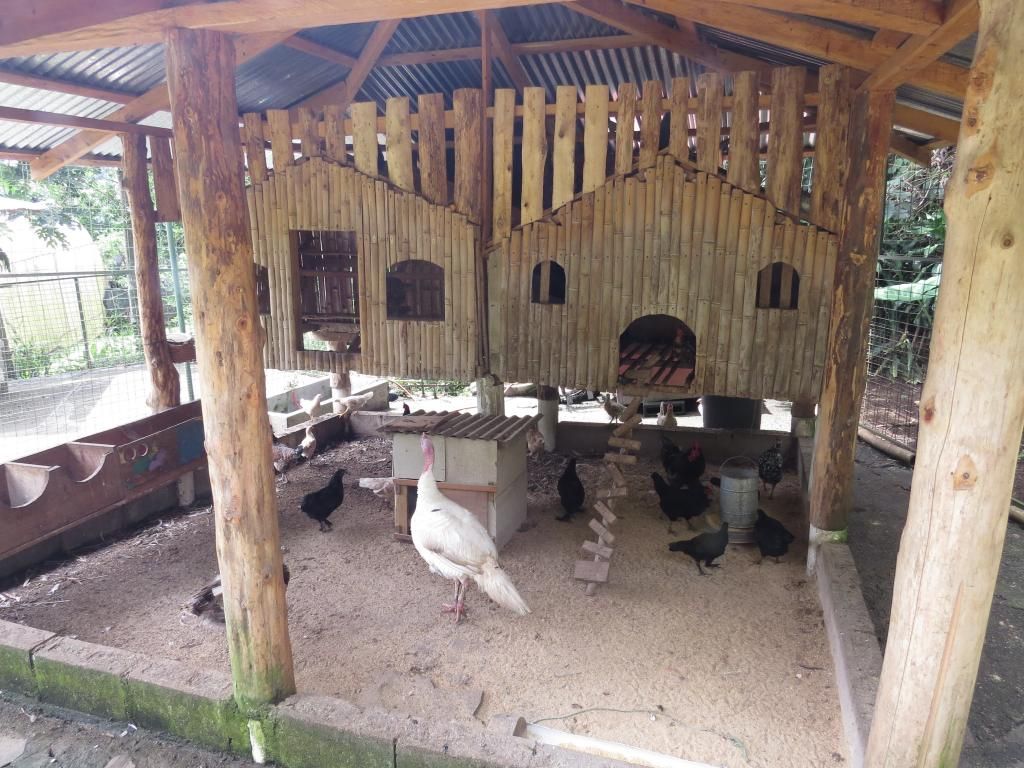
The chicken coop with two visiting turkey neighbors

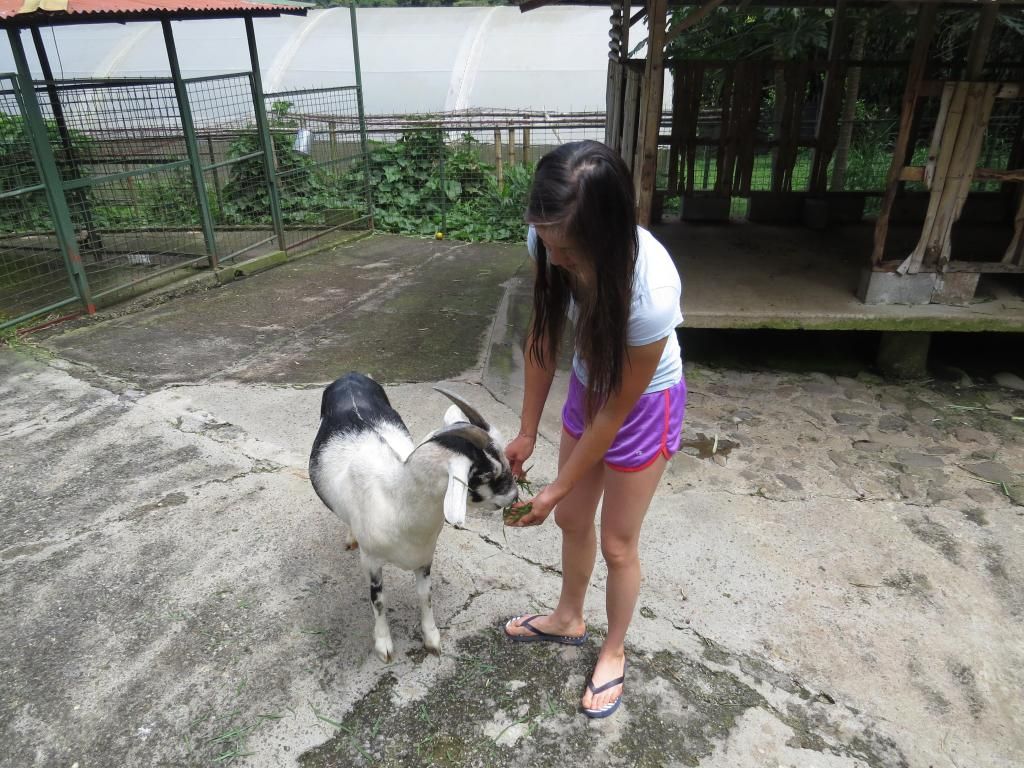
At Xandari, right by the orchard and the greenhouse, you can find pens with a good thirty-something chickens, two goats, and three turkeys. Providing eggs for the restaurant every day, the chickens — or gallinas, as they’re called in Spanish — leave their pen every day to forage amongst the orchard trees, which are primarily citrus fruits. The turkeys are currently living at Xandari for aesthetic purposes, but the hope is that eventually they could also supply eggs or meat to the kitchen.

A Xandari guest feeding Sparkle some grass

Xandari’s goats, named Sparkle and Twinkle, are mother and daughter, and the plan is Continue reading

Breakthroughs In Nutrition Via Entrepreneurial Conservation

Exo's peanut butter-and-jelly bar contains about 40 ground-up crickets and has a familiar nutty, sweet flavor. Meredith Rizzo/NPR

Exo’s peanut butter-and-jelly bar contains about 40 ground-up crickets and has a familiar nutty, sweet flavor. Meredith Rizzo/NPR

Thanks to National Public Radio (USA)’s food-focused program, The Salt, for another story on unexpected breakthroughs in nutrition:

…”Insects are probably the most sustainable form of protein we have on Earth,” Bitty Foods founder Megan Miller, who spoke passionately about eating bugs at a TEDx Manhattan event earlier this year, tells The Salt. “The only real barrier to Americans eating insects is a cultural taboo.” Continue reading