Flowering Plants Of The Western Ghats

05tv_western_ghat__2140103e

For flower lovers, ecologists, and concerned citizens everywhere, important news in today’s Hindu:

As a global biodiversity hotspot and a world heritage site, the Western Ghats is a magnet for conservationists, nature lovers, scientists and researchers hoping to delve into the secrets of its abundant flora and fauna. But despite decades of study by individuals and groups, an essential reference work cataloguing the rich biodiversity of the region has remained a dream.

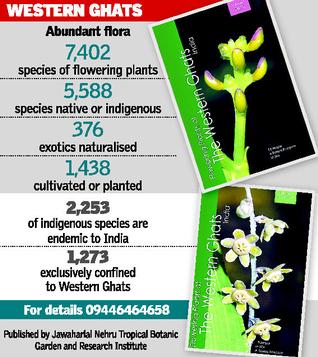
In a bid to address this need, scientists at the Jawaharlal Nehru Tropical Botanic Garden and Research Institute (JNTBGRI) at Palode near here have come out with a comprehensive work on the flowering plants of the Western Ghats.

Published in two volumes, the 1,700-page book reveals the occurrence of a total of 7,402 species of flowering plants in the region, out of which 5,588 species are native or indigenous. Of the rest, 376 are exotics naturalised and 1,438 species are cultivated or planted as ornamentals. Continue reading

From the Flora-Files, Part 4

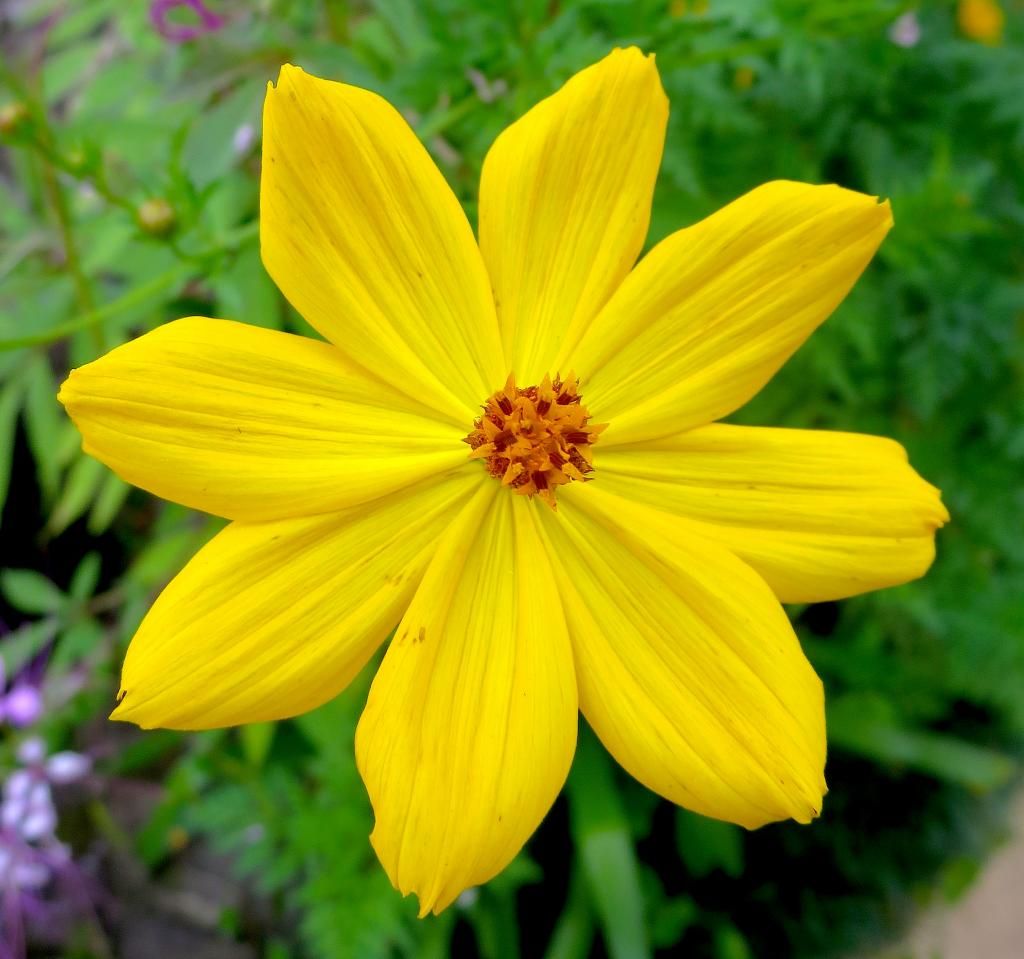
This little gem can be found along the path to the art studio.

And so the flora-files march on (see past posts, starting from the most recent here). Continuing these posts has become a way for me to reflect on the wonderful opportunities I had at Xandari and around Costa Rica to come into contact with a lot of fascinating and beautiful flora and fauna. As I peruse my photo catalogs and look for pictures to post, I feel like I’m back there, even briefly. Continue reading

Roots and Seeds at Xandari

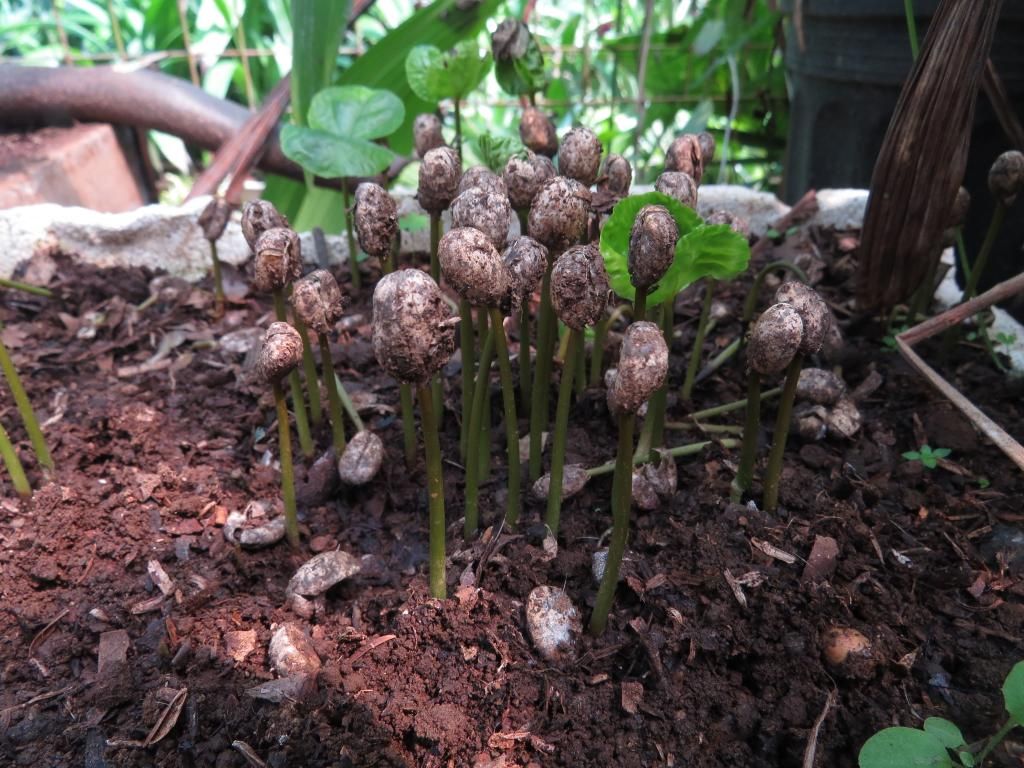
Back in the beginning of July, James and I helped José Luis plant some Bourbon coffee seeds so that they would eventually become seedlings that could be put in bags to grow into saplings. Now, after months of watering and patience, many of the seedlings are finally beginning to emerge. As more and more of them germinate and create their shoots, we’ll be putting them into the bags with soil to wait another year before planting them in the ground at Xandari.

Plenty of other plants have been productive over the last couple months: Continue reading

From the Flora-Files, Part 1

Right of the reception

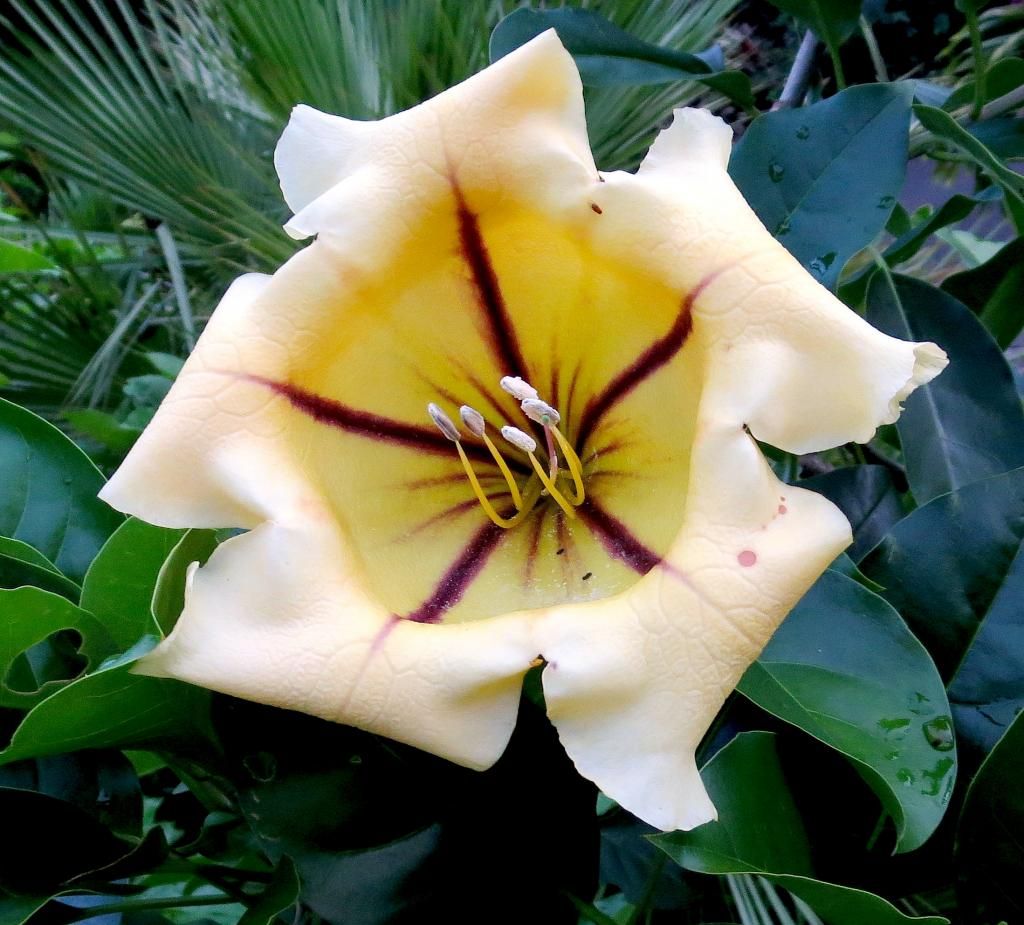
Although, as I detailed in my last post, my internship at Xandari is over, I still have a great backlog of images that I never had a chance to upload while there. (My computer broke.) I’d like to share the better of those photos with everyone here. I’ve named this post “flora-files” because I think the title sort of punny: “files” in the sense of records on Xandari’s flora; and “file” in the sense of the Greek φίλoÏ‚ (philos), “love,” the same one that shows up in “Philadelphia” or “audiophile.” Look out for more from the flora-files… I’ll detail where I find these flowers around Xandari in the caption, so that if you’re lucky enough to be here while they’re in bloom, you can go seek them out.

Garden paths

Continue reading

River Blossoms

This slideshow requires JavaScript.

India’s famous flower markets are testiment to the people and culture’s strong identification with flowers in all aspects of their daily lives, both sacred and secular. Flowers are found in food and drinks, and as part of all the rights of passage of daily life, from birth to death and everything in between.

Although I’ve never been to Calcutta, I’ve read about the flamboyantly colorful Mallick Ghat Flower Market along the banks of the Hooghly River. Danish photographer Ken Hermann captures the proud men who make their living as Calcutta’s flower sellers.

‘I first went to the flower market during a visit to Calcutta three or four years ago and have wanted to do something on it ever since,’ explains Copenhagen-based Hermann.

‘It’s a beautiful and, at the same time, very stressful place but I was fascinated with it – and the flower sellers in particular. I really like the way they carry their flowers,’ he continues.

‘Sometimes it almost looks like they are wearing big flower dresses. I like that you see these strong and masculine men handling the flowers with so much care as if they were precious jewels.’

Hermann, whose work usually takes him into the grimier side of Indian life, was also enchanted by the flowers themselves, even if there were a few that he wasn’t allowed to photograph.

‘There are a lot of superstitions and religious belief in flowers in India,’ he explains. ‘I wasn’t allowed to photograph some of them because they were considered to be holy flowers and they would lose their power if I had.’ Continue reading

Notes from the Garden: The Gift of Cardamom

10304348_10201573979311117_9159413022094666722_n

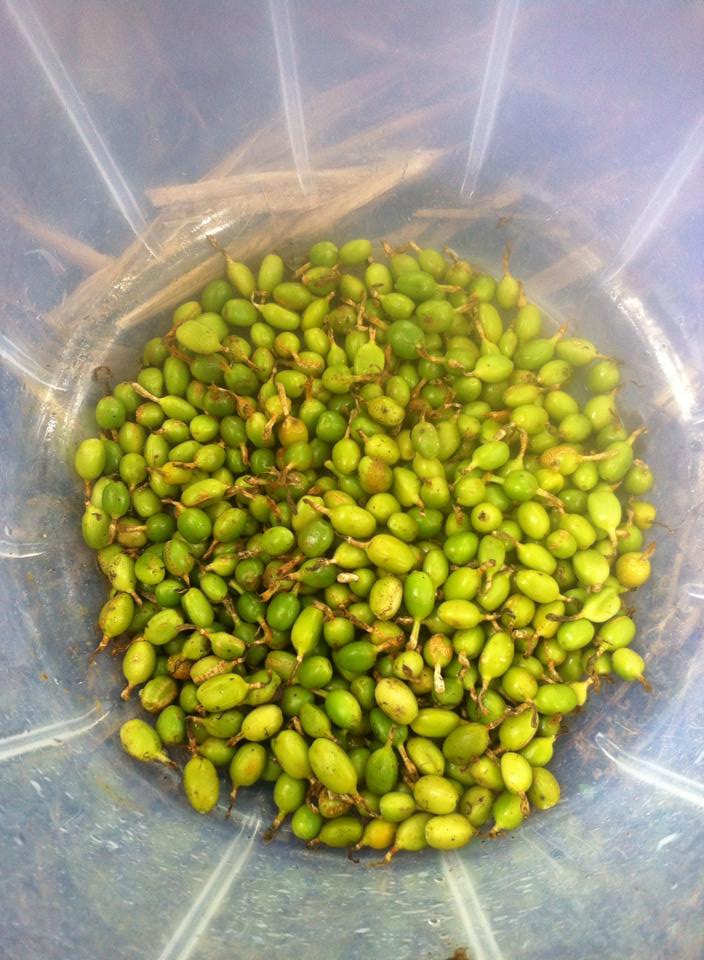
Today’s task in the garden was to harvest the ever-abundant cardamom in Cardamom County.

This is a task that cannot be completed by machines, so even in commercial fields, it must be handpicked. That is because figuring out which ones are ripe requires tuned fingers.

It was a bit of a learning curve for me at first because I thought I was supposed to be looking for which ones were the darkest, but then I learned otherwise.

I was looking for the ones that fell off easily into my hand from tugging slightly. When ripe, the small seed pods on the inside are dark colored.

10501720_10201573978111087_4542956712817123894_n

We may be most familiar with this sweet spice in masala chai tea, but it has many uses.

To do a little research, I asked the Ayurvedic doctor here if he could enlighten me on some of the traditional medicine uses of cardamom. He said that it is good for throat and lung troubles, skin problems such as acne, and digestive issues.

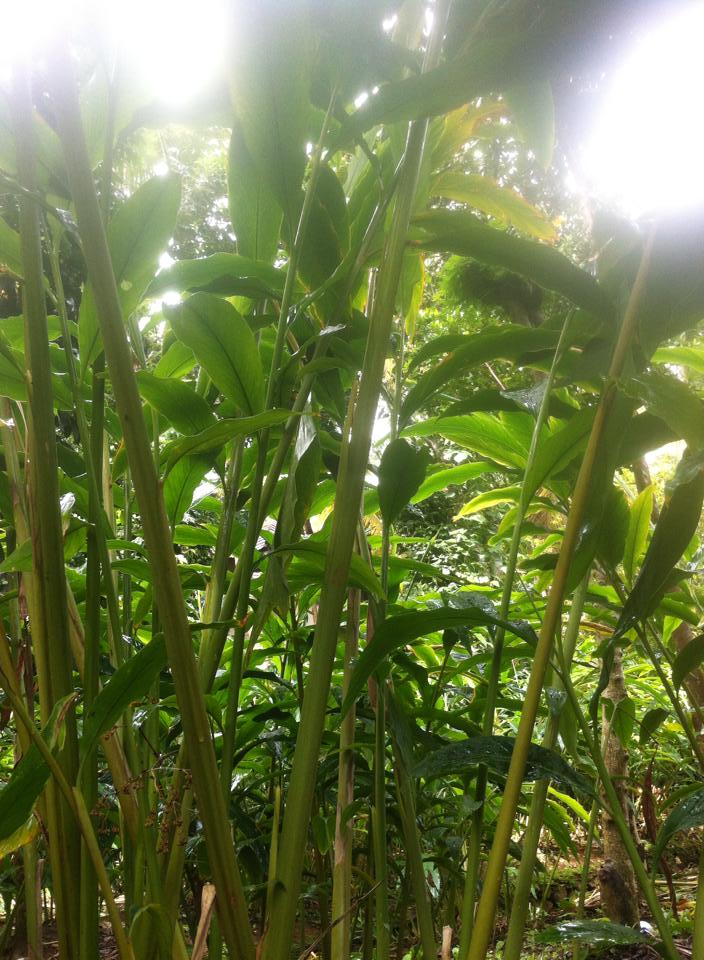
The type of cardamom we have here is the Malabar variety and it is native to Kerala. The green leaves are pretty tall- probably about 5 feet on average. The pods are on short vines that cluster at the bottom of the tall leaves.

When we were harvesting them, it started  Continue reading

Humanity’s Diet Makes A Difference, Historically As Well As Futuristically

On the timescale of evolutionary history, paleo enthusiasts note, agriculture is a fad. Credit Illustration by Mike Ellis.

On the timescale of evolutionary history, paleo enthusiasts note, agriculture is a fad. Credit Illustration by Mike Ellis.

Since the early days of this blog we have been hungry consumers of environmental long form journalism, of which Elizabeth Kolbert’s New Yorker chronicles are best-in-category. They are also, frankly, almost always depressing.

Nonetheless, they put humanity into its natural context. This not-at-all-depressing chronicle demonstrates the value of that contextualization well:

The first day I put my family on a Paleolithic diet, I made my kids fried eggs and sausage for breakfast. If they were still hungry, I told them, they could help themselves to more sausage, but they were not allowed to grab a slice of bread, or toast an English muffin, or pour themselves a bowl of cereal.

Continue reading

The Seasonality of Flowers

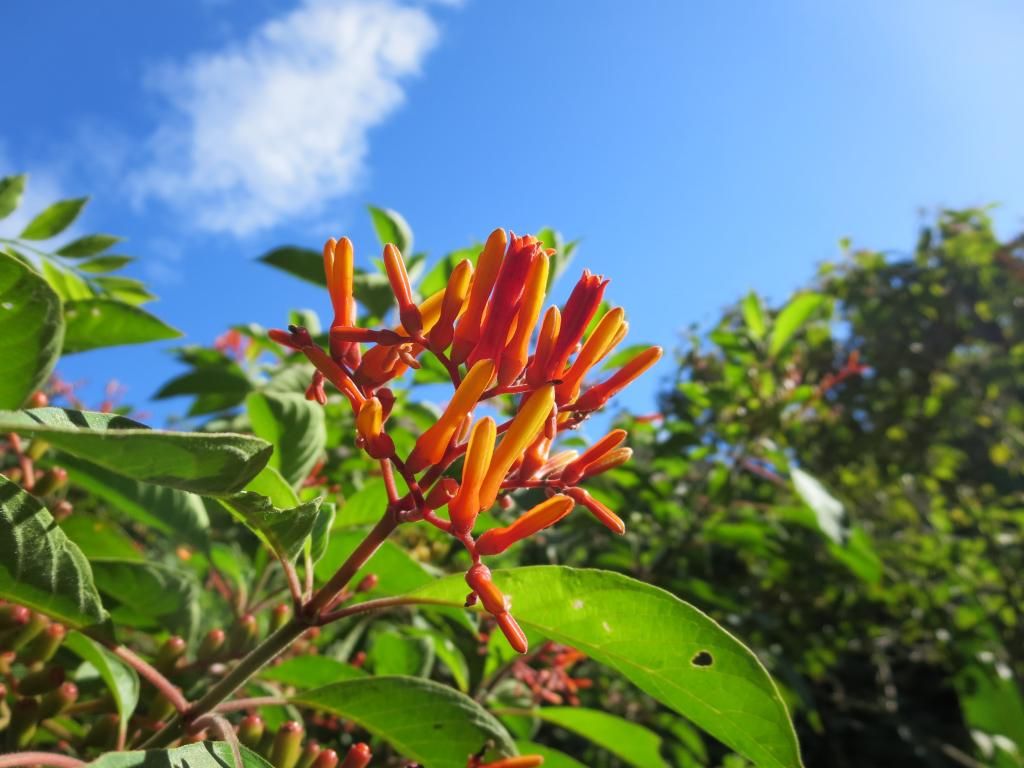
These flowers are called “fósforos” in Spanish, meaning “matches.” (Guess why!) They’re much beloved by Steely-vented Hummingbirds.

Xandari’s guests often remark on how difficult it is not to take dozens, even hundreds, of photos around the resort–one reason for that is the abundant flora. Even though I know I probably shouldn’t do another post on flowers (see my others here and here), I will use a similar excuse and say that I have a very hard time walking by the amazing blooms and not pulling out my camera to snap a quick picture. Flowers only bloom for a short time before dropping their petals and waiting in repose for the next season–this small window of loveliness is one of the reasons why they are so compelling. Continue reading

Plant-a-Tree at Xandari

The stake in front that holds the planter’s name says (quite humorously, to my mind): 3 CANADIENSES!

Plant-a-tree programs are real winners: educational, fun, and productive. Next time you visit Xandari (or another sustainable or eco-friendly hotel), be sure to ask about the opportunity about the opportunity to plant a sapling. At Xandari, plantings are usually done in the orchard or in one of the old coffee plots. Everybody who plants a tree has a small wooden stake erected near the spot, commemorating the event and recognizing the effort to make the world a little bit greener. Continue reading

Aloe Vera from A to Z, or, How to Harvest your Aloe Plant

Aloe vera in Xandari’s garden — Read the post to watch how it’s harvested!

Aloe vera, meaning “true aloe” in Latin, is a versatile and rather mysterious plant. Although it is perhaps best known for its healing properties on (sun-)burned skin, it shows up as an ingredient in many skin and hair products for various therapeutic or cosmetic purposes. The plant’s frequent appearance in traditional medicine all over the world reinforces the belief that it may really possess some restorative power–but just how miraculous is aloe vera after all? Many users of aloe swear by its ability to fight everything from arthritis, stomach ulcers, and diabetes to tooth and gum decay, but despite these glowing reports, the plant has not gained widespread traction as the “miracle drug” some of its proponents claim it to be. Nevertheless, the really astonishing claims in some of these anecdotes, and aloe’s established healing powers in other spheres of health (skin, hair, etc.), could suggest that further scientific research into the plant’s healing properties would not be fruitless.

Continue reading
Trekking through Periyar Tiger Reserve

Today I was fortunate enough to get to walk through one of the most biodiverse areas in the world second to the Amazon: Periyar Tiger Reserve.

I understand why people travel from all of the world to experience this place. In the United States, we are very proud of our national parks for their diversity and beauty. However, this park feels more untouched than the ones I have been to in the states. It kind of absorbs you. The paths in the forest seem less traveled. Honestly, it feels less touristy and more wild. We only trekked on the periphery of the jungle really. The center of the jungle truly is preserved and only certain people are able to go deep inside.

Continue reading

Notes from the garden: The naming of things


Today in the Cardamom County organic garden, I have been learning the names of things.

Once someone has introduced me to a plant, I take note of its shapes and impress it upon my mind with the name. Later there is some joy, when there is a spark of familiarity among what before was a just mass of green flora.

Here, I have often been asked for my “good name”–the local way of saying what at home we’d call our “given” or “proper” name. I think there is something beautiful about being able to call a person or plant by its good name.

Continue reading

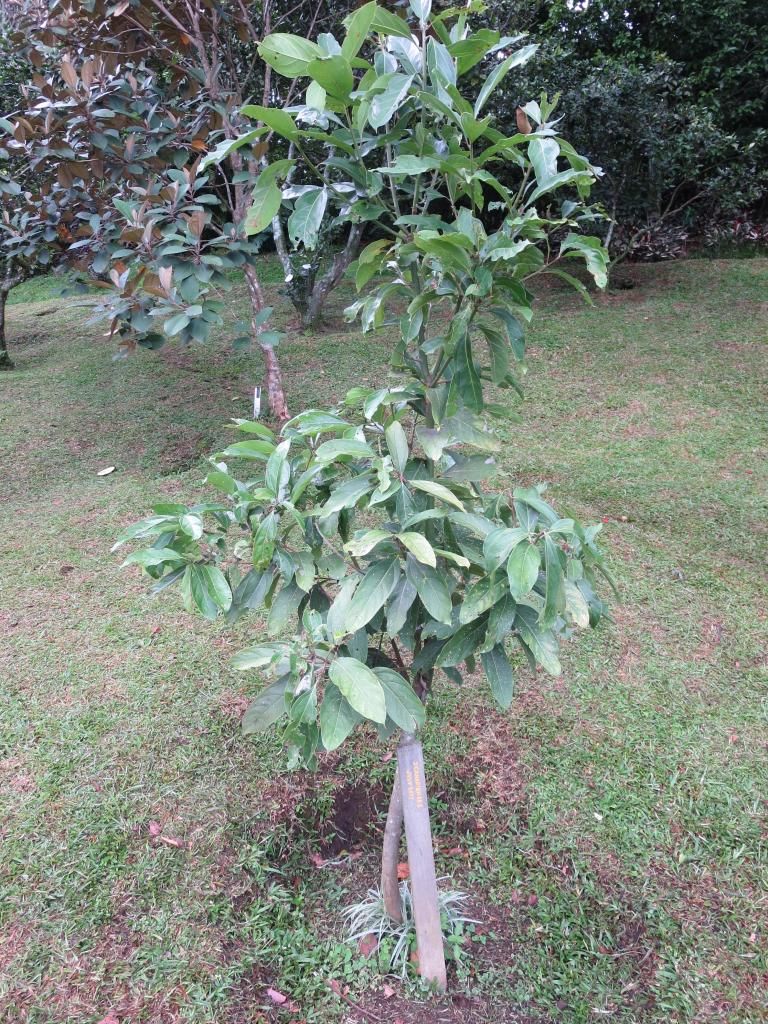
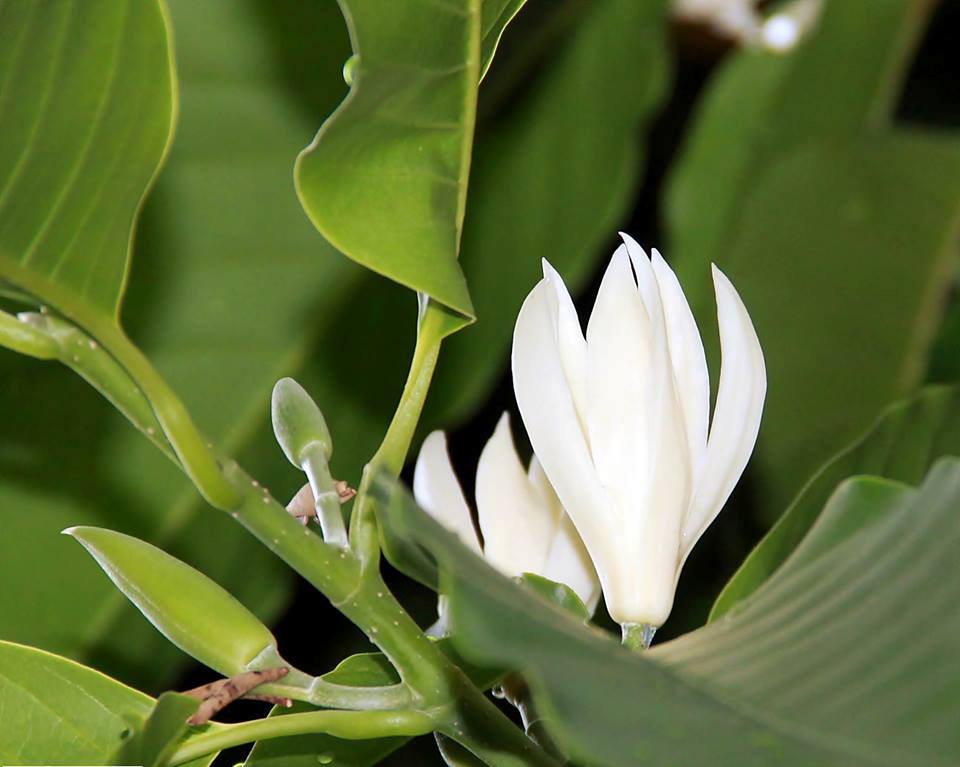
Michelia champaca – The Perfume Magnolia

Photo credits: Shymon

Photo credits: Shymon

Michelia champaca is native to India, and is best known for its strong fragrance. A relative to the magnolia tree, this species grows in the wild throughout India’s Western Ghats. It is a sacred flower for Hindu temple grounds and around homes. Continue reading

Home On The Range

Prairie Project

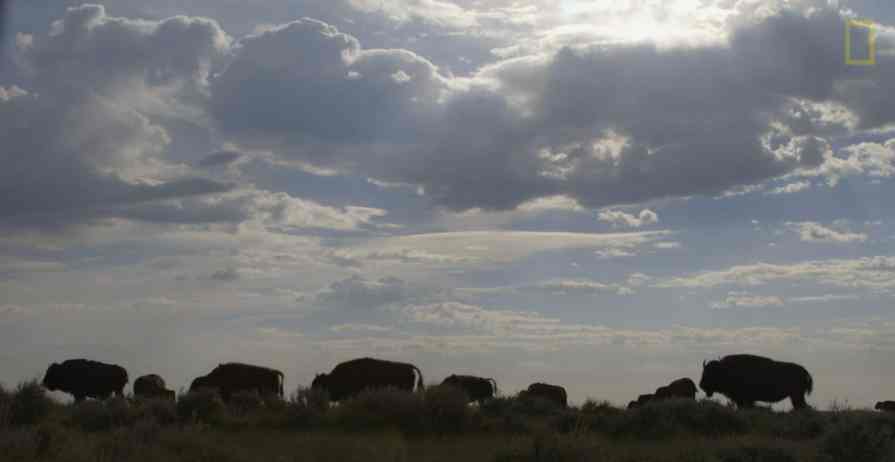
The great plains play an important role in both the history and prehistory of North America on many levels–in terms of wildlife, ecosystems and human occupation–and the American bison were an integral part of all three. The American Prairie Reserve is an ambitious project to reintroduce herds of the species into 3.5 million acres of public and private land patched together to create a protected area roughly the size of the state of Connecticut.

Sean Gerrity is passionate about the project, so much so that he is able to leverage his successful Silicon Valley business acumen into creative 21st-century solutions to the world’s conservation challenges with ideas that include the 73 bison calves awaiting their release into the wild the next day.

If all goes well, this bull calf will spend the rest of his life roaming grasslands that once teemed with millions of his forebears. He will encounter herds of elk, deer, and pronghorn. He will sniff the wind nervously for the scent of cougar and bear and wolf. Prairie dogs will dive for cover at the tremor of his hooves while hawks soar hungrily overhead in the endless sky. He will run for miles, for days, with no fence to hinder him.

If all goes well, this bull calf—or perhaps this calf’s children or his children’s children—will belong to a herd 10,000-bison strong, the largest conservation herd in all the world and the cornerstone inhabitants of the American Prairie Reserve, which has set its sights on becoming the largest wildlife reserve in the continental United States. Continue reading

A Few More Flowers at Xandari

I’ve posted before about flowers around Xandari. I thought I would continue to catalog the biodiversity of Xandari with another roundup of the incredible flowers Continue reading

Munnar, Revealed

Photo credits : Bobby Mathew

Photo credits: Bobby Mathew

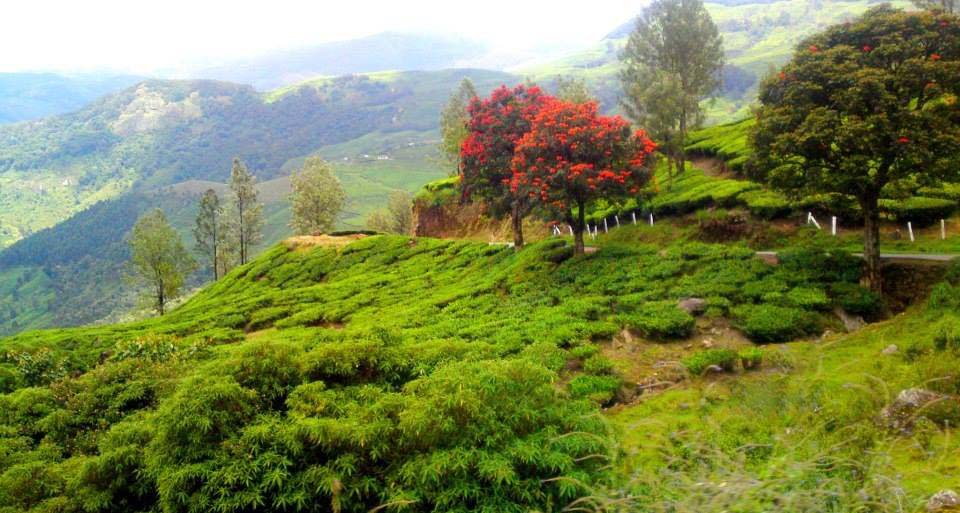
Munnar is one of the most popular hill stations in Kerala, nestled in the Western Ghats at an altitude of above 6000 ft. Its stunning expanses of tea plantations, mountains and valleys, and natural waterfalls play host to many exotic species of flora and fauna. Truly worth the visit! Continue reading

Mudumalai Wildlife Sanctuary

Photo credits : Unni P

Photo credits: Unni P

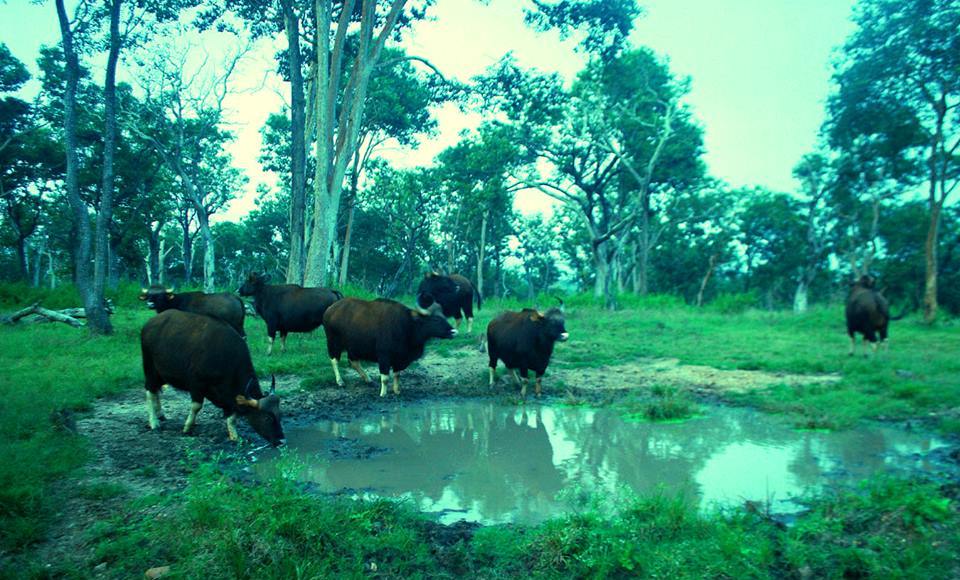
Mudumalai National Park is situated in the state of Tamil Nadu. One of the first wildlife sanctuaries established in India, the terrain consists of low hills, valleys, and flat lands with a few swampy areas scattered about. Continue reading