Things We Know That Bear Repeating–Nuts, Beans, Vegetables & Fruits Edition

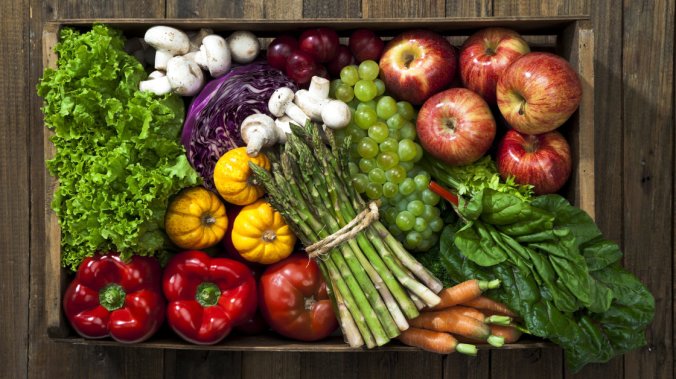
A new study linking animal protein-rich diets to increased mortality in middle age adds fuel to the controversy over how much protein — and from what sources — is ideal for health. One thing that seems pretty clear: It doesn't hurt to go heavy on the greens. iStockphoto

A new study linking animal protein-rich diets to increased mortality in middle age adds fuel to the controversy over how much protein — and from what sources — is ideal for health. One thing that seems pretty clear: It doesn’t hurt to go heavy on the greens. iStockphoto

For most of us, most of the time, less animal protein in our diet is a good thing. For some of us, some of the time, more vegetable protein is a particularly good thing. The takeaways from this short item at The Salt (National Public Radio, USA) are worthy quick dietary recommendations:

…In the new study, Longo and his colleagues found that high-protein foods derived from plants, such as beans and nuts, did not have the same effect on mortality as did high-protein foods from animals… Continue reading
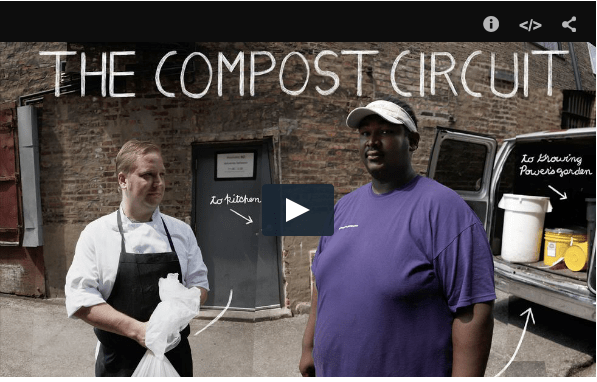
Lexicon of Sustainability

Thanks to the Public Broadcasting Service of the USA for the video above and these links to sustainability-focused terminology, in this case related to Food Waste:

Nearly 40 percent of the food we grow, distribute, put on store shelves then ultimately buy as consumers never gets eaten. It’s called food waste and people are doing something about it by gleaning, composting, and learning to eat from head to tail to eliminate waste.

Food Terms

Food waste
“Forty. That’s the percentage of food in this country that never gets eaten, or that’s grown and never comes to market. It’s the food we distribute that never reaches a destination or sits on grocery store shelves without finding a consumer. And it’s food consumers buy but never eat. “
– Douglas Gayeton, LOCAL: The New Face of Food and Farming in America Continue reading

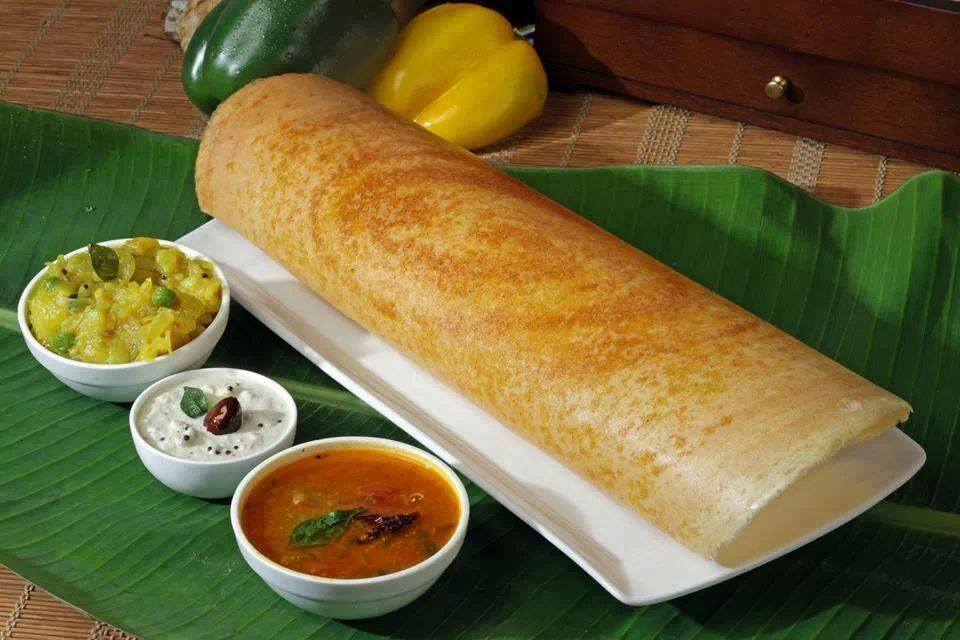
Flavours Of Kerala – Ghee Dosa

Phpto credits : Dileep

Photo credits: Dileep

Ghee Dosa is a popular breakfast or late afternoon snack in South India. The main ingredients for the batter are black gram dal, rice flour and ghee, which is drizzled over the cooking dosa, making it crispy and golden brown. Continue reading

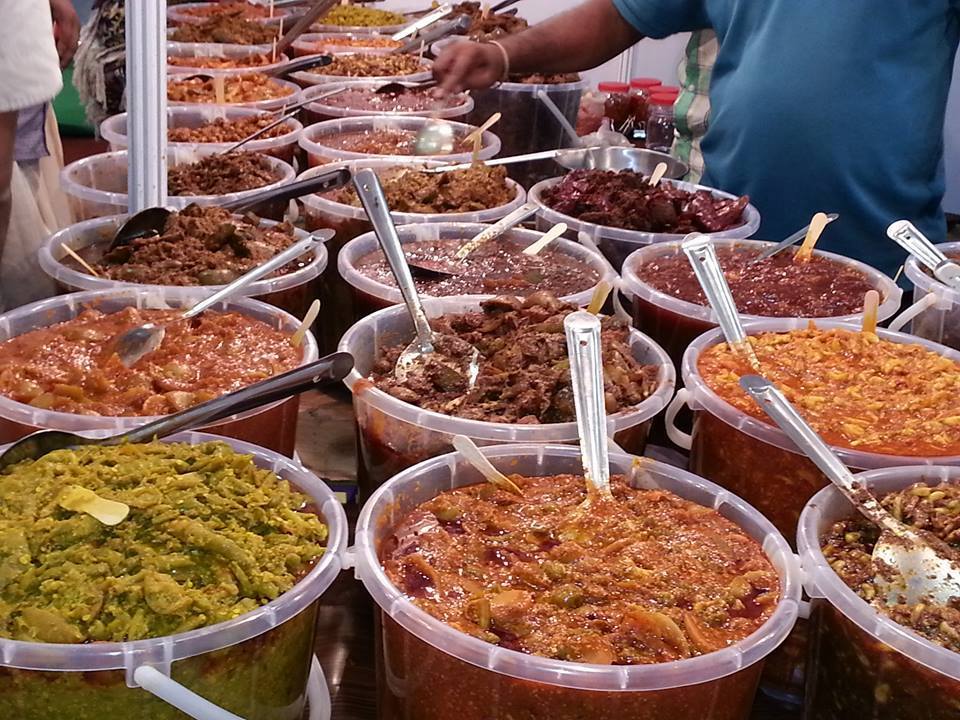
Taste Of Kerala – Pickles

Photo credits : Renjith

Photo credits: Renjith

Pickles are a traditional condiment served with Indian meals. Called achaar in Kerala, they are an important part of a traditional sadya meal, always served next to the salt on the upper lefthand corner of the banana leaf. Continue reading

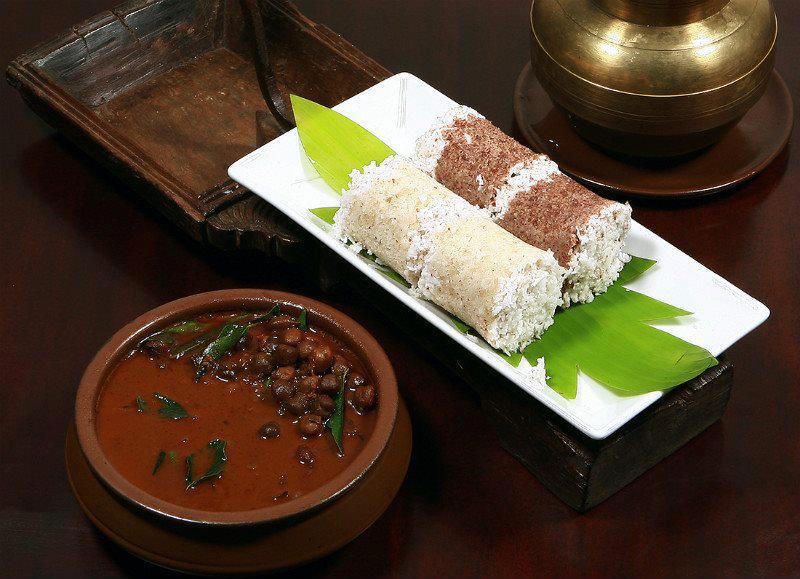
Flavours of Kerala – Puttu and Kadalakari

Puttu on right and kadalakari on left. Photo credits: Renjith

Puttu and kadalakari (chickpeas), make a popular breakfast for Keralites. Puttu is made by steaming rice flour along with grated coconut in a puttu kudam (a steamer in cylindrical shape) Continue reading

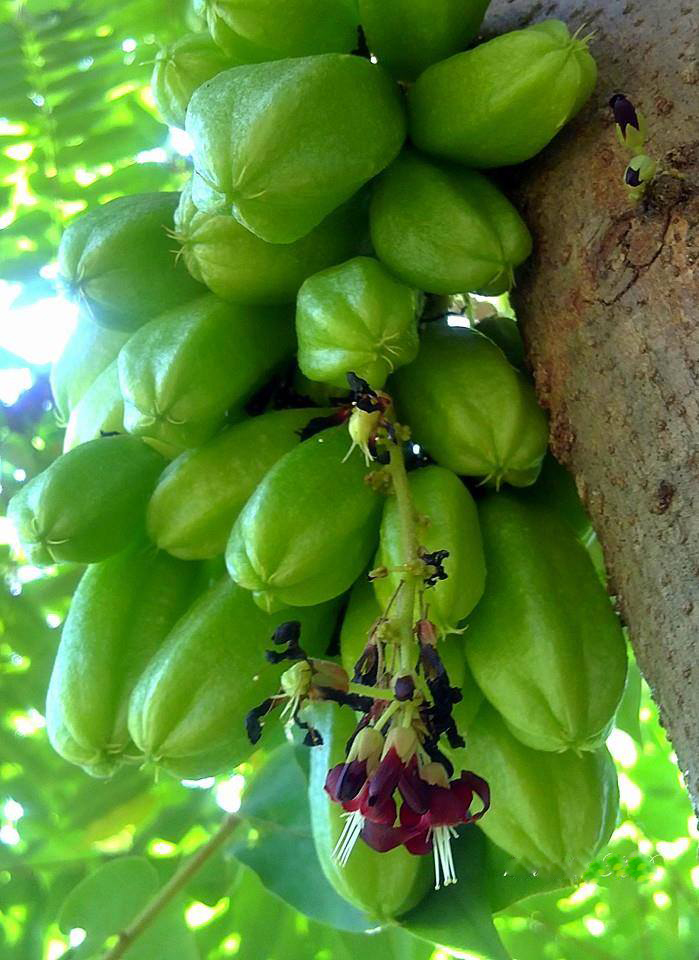
Taste of Kerala – Bilimbi Fruits

Photo credits : Kannadas KD

Photo credits: Kannadas KD

Bilimbi is an evergreen tree native to tropical Asia, grown for its edible fruits. The trees are commonly found in the high ranges of Kerala and the fruits are mainly used in making pickles, soups, sauces and curries. Continue reading

The Lotus

Photo credits : Ramesh Kidangoor

Photo credits : Ramesh Kidangoor

The lotus, a symbol of the goddess of wealth and prosperity Lakshmi, is also the national flower of India. It has long been said that the lotus’ growth from deep mud has symbolic significance, as beauty can bloom from any condition. In India, lotus roots are also consumed as side dishes to rice or various types of bread, and they are also used to make pickle. Continue reading

Brown, Crickets, Entrepreneurship And Kickstarter

This slideshow requires JavaScript.

We have been following both Kickstarter and Brown University for some time, with interest in how this generation of graduating entrepreneurs from universities are pursuing careers in sustainability-related fields. And now, a word about alternative sources of nutrition that intersects these interests:

10g bioavailable protein. All-natural. Gluten/grain/soy/dairy free. Made in America.

Exo will introduce to the West one of the most nutritious and sustainable protein sources in the world: insects. Through combining cricket flour (slow roasted and milled crickets) with organic and all-natural ingredients such as raw cacao, dates, almond butter and coconut, we have created a bar that is high in protein, low in sugar, incredibly nutritionally dense, and packed with omega 3 fatty acids, iron and calcium. Our bars are free of: unnatural sugars, gluten, grains, dairy, soy, artificial preservatives and anything processed. Continue reading

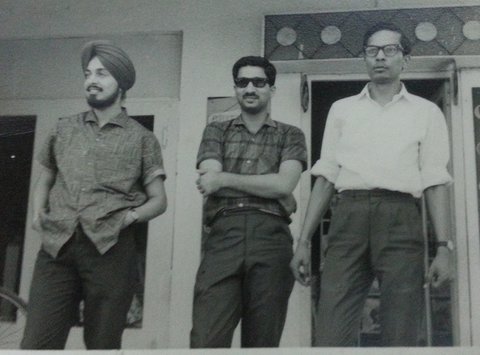
Changing Tastes In India

Courtesy of K.D. Singh K.D. Singh, left, and Kuldeep Shankar, right, owners of “The Steakhouse,” with their mutual friend Anil Arora at the store in New Delhi in the 1960s.

Courtesy of K.D. Singh. K.D. Singh, left, and Kuldeep Shankar, right, owners of “The Steakhouse,” with their mutual friend Anil Arora at the store in New Delhi in the 1960s.

Thanks to India Ink for this article on the evolution and sometimes radical change in food shopping and consumption patterns in India. For those of us from foreign countries working, interning, volunteering with, or visiting as guests of Raxa Collective in India, this news can be put in perspective only relative to the time since 2010, when excellent ice cream became available in Kerala on a regular basis; then, excellent gelato; and more recently otherworldly staples such as good olive oil have found their way onto the shelves of certain grocers.

That may matter to some of us non-Indians more than to our Indian colleagues and friends. Suppliers to our lodging properties continue to supply the high quality domestic inputs we need to produce top quality south Indian cuisine–no change sought on that front until now, as we prepare to open 51, our new restaurant in Mattanchery which will highlight some of the eastern Mediterranean influences on Malabar cuisine, more on which another time. For now, just a shout out of this story:

These days, it’s easy to find once-exotic foods like spaghetti and Parmesan cheese at grocery stores in India. Continue reading

Why You Should Eat Naked — I Mean Nākd

A few months ago I was introduced to the Nākd bars made by UK-based Natural Balance Foods, which are commonly described as being “nuts and fruits smushed together.” You can really tell this is the case from the ingredients list (see the Berry Delight above; the natural berry flavor is made up of extracts and spices). I sampled from of their wonderful range of flavors, and I think my favorite so far has been the Berry Delight, with Cocoa Orange as runner-up, but I’m also excited to try the Rhubarb & Custard some time.  Continue reading

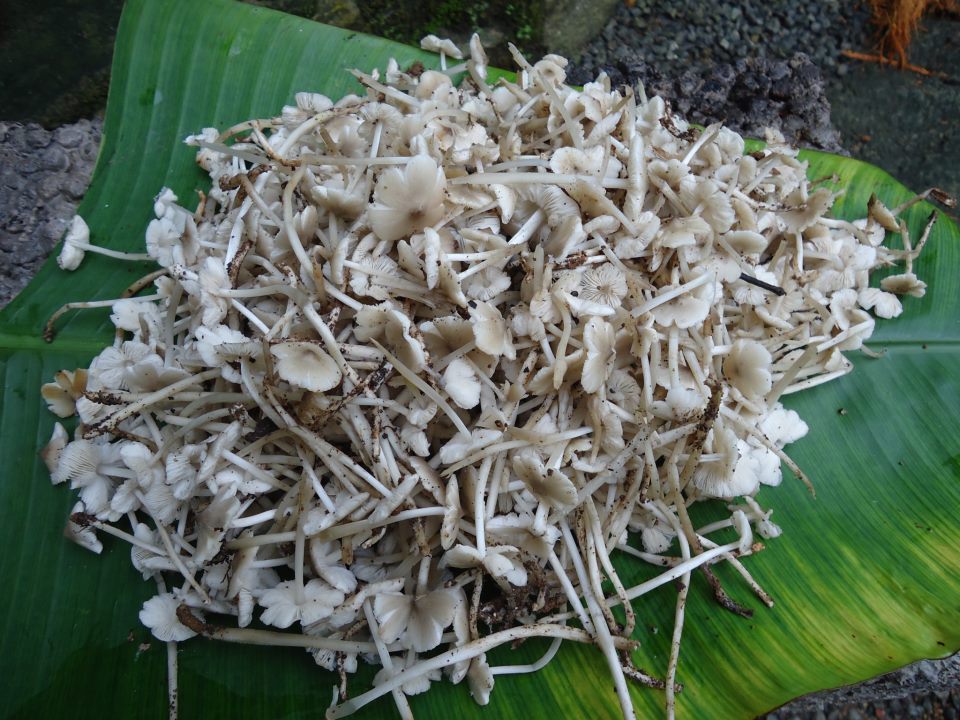
Wild Mushrooms

Wild Mushrooms

Wild Mushrooms

Mushrooms are found on almost every continent and due to the rich flora of Kerala they usually flourish unattended in the Western Ghats. Wild mushrooms are used for cooking various dishes from curries to dry starters and are relished by vegetarians and non-vegetarians alike. Continue reading

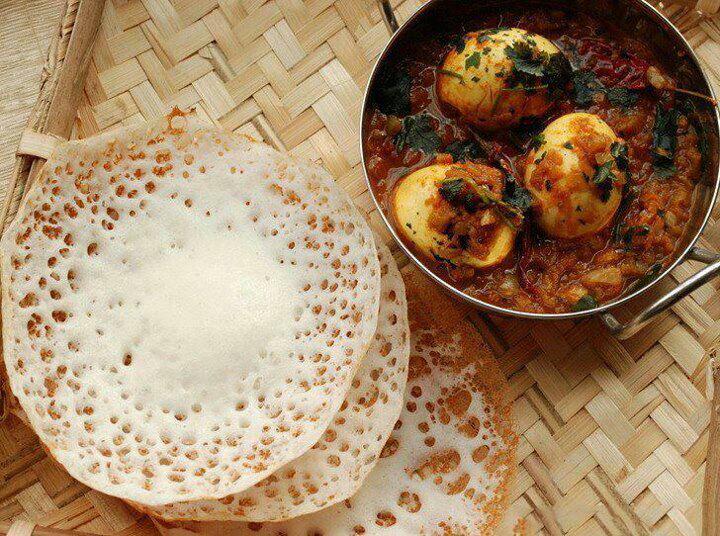
Flavours of Kerala

Appam And Egg Curry

Appam And Egg Roast

Appam is a sort of rice pancake which is usually accompanied with savory curries ranging from meat, fish, egg to vegetarian. This light and tasty dish is commonly eaten for breakfast with Egg Roast, and is the closest one would find to the usual toast and egg in the state of Kerala. Continue reading

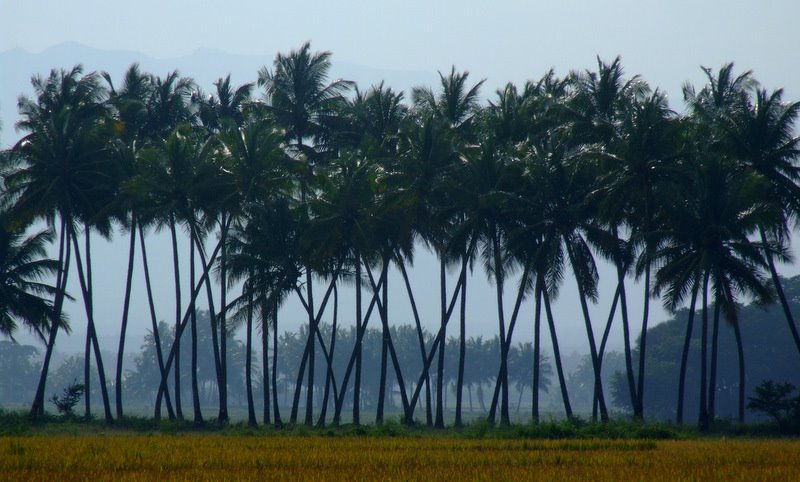
Coconut – Tree of Life

Photo credits :Ramesh Kidangoor

Photo credits: Ramesh Kidangoor

Kerala literally means the “land of Coconut” and is one of the leading producers of coconut in the world. Coconut trees are an integral part of the lifestyle and the economy of the state, and because of the numerous products and by-products derived from its various parts coconut is known as the “Tree Of Life”. Continue reading

Vegan Viewpoint

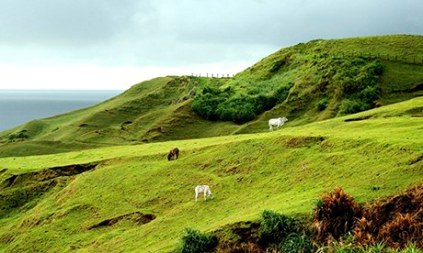
'By preventing the growth of trees and other deep vegetation in the hills, and by compacting the soil, grazing animals cause a cycle of flash floods and drought.' Photograph: Farley Baricuatro (www./Getty Images/Flickr RF)

‘By preventing the growth of trees and other deep vegetation in the hills, and by compacting the soil, grazing animals cause a cycle of flash floods and drought.’ Photograph: Farley Baricuatro (www./Getty Images/Flickr RF)

One of the editorialists at the Guardian whom we read for an unflinching environmentalist perspective, today on veganism:

He did it quietly, and the decision is the better for that: Al Gore, according to reports in the US press, has gone vegan.

Certain things could be said about other aspects of his lifestyle: his enormous houses and occasional use of private jets, for example. While we can’t demand that everyone who espouses green causes should live like a Jain monk, I think we can ask that they don’t live like Al Gore. He’s a brilliant campaigner, but I find the disjunction between the restraint he advocates and the size of his ecological footprint disorienting.

So saying, if he is managing to sustain his vegan diet, in this respect he puts most of us to shame. I tried it for 18 months and almost faded away.  Continue reading

Questions About Urban Agriculture

The University of Washington’s magazine, Conservation, has a set of provocative new articles in the food-focused current issue, including this one:

The cultural—and agricultural—quest to reclaim and reform the food system appeals primarily to relatively privileged, mostly white urbanites. Committed to the pulse of city life, these advocates generally view the countryside as a place for weekend getaways. Still, they want to be close to the point of food production and in turn are bringing agriculture into the city, one vacant lot at a time, to close the gap between farm and fork. Continue reading

The Life and Times of a Kerala Fishing Town

Returning with the day's catch

Returning with the days catch

We’ve written previously about Keralalites’ love for fish. However, eating it is only half the story; how it enters into people’s lives is another part of it. Here we’ll share how daily life starts for many locals in a fishing town.

Fishermen usually leave their nets in the water overnight and come back in the morning with prayers in their heart for a good catch. Often luck is with them and their prayers are answered, primarily due to the healthy waters along Kerala’s coastline. Continue reading

Stop The Rot

One-fifth of what households buy ends up as waste, and around 60% of that could have been eaten, according to a report from the government’s waste advisory group, Wrap. Photograph: Murdo MacLeod

One-fifth of what households buy ends up as waste, and around 60% of that could have been eaten, according to a report from the government’s waste advisory group, Wrap. Photograph: Murdo MacLeod

The Guardian carried a story recently about how in the UK food producers, sellers and consumers are being urged to support a ban on food waste going to landfills by 2020 to which we add our hurrah:

…Compulsory collections of food waste from all homes and businesses by local councils are among a series of measures recommended in a new report to enable food waste to be harnessed as a valuable resource to provide energy, heat and benefits for agriculture.

The ambition is to save the UK economy over £17bn a year through the reduction of food wasted by households, businesses and the public sector, preventing 27m tonnes of greenhouse gases a year from entering into the atmosphere.

The new study, Vision 2020: UK Roadmap to Zero Food Waste to Landfill is the culmination of more than two years’ work and has the backing and input of local authority and industry experts. It sets the framework for a food waste-free UK by 2020. Continue reading

Waste Not, Want Less

The Atlantic‘s Senior Editor, James Hamblin, MD, has advice we are compelled to share:

What do you think an apple core is? What’s the thing we throw away?

It is a ghost. If you eat your apples whole, you are a hero to this ghost. If you do not, you are barely alive. Come experience vitality.

Earlier this year, in “How to Eat Apples Like a Boss,” a video by Foodbeast, the Internet was promised the gift of confidence in apple-eating. Elie Ayrouth ate an apple starting at the bottom, proceeding to up to the top, and finishing with a wink to the camera, as bosses do. Eating as such, Foodbeast said, the core “disappears.”

Continue reading