Food-Related Whodunnit

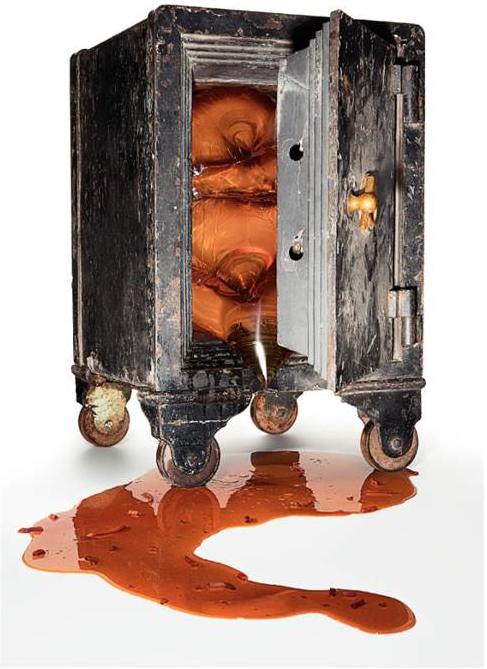
Illustration for "HOT GREASE, The Wild West of used-cooking-oil theft"

Illustration for “HOT GREASE, The Wild West of used-cooking-oil theft”

Food and/or its by-products are not the centerpiece of any literary genre that we know of, other than cookbooks and more recently food histories.  This week’s New Yorker has a welcome addition in the annals of food as a key ingredient in other genres:

A few months ago, in a clanging, hissing plant on the outskirts of Newark, a tanker truck backed up to a deep reservoir and delivered thousands of dollars’ worth of raw material—what people in the rendering industry sometimes refer to as “liquid gold.” The plant’s owner is a company called Dar Pro, and the C.E.O., Randall Stuewe, looked on while a hose from the truck gushed a brown fluid, filled with fine sediment and the occasional mysterious solid. Slowly, the pit became a pool, whose surface frothed and eddied and gave off a potent odor of old French fries, onion rings, and batter-fried shrimp. “Used cooking oil,” Stuewe told me. “We process two billion pounds a year.” Continue reading
Seeds Of Change

Rounding out the hat trick of food-related stories for today, this story details the intersection between food, commerce and governance:

Kauai has a long agricultural history – from the first Polynesian settlers thousands of years ago bringing taro — a starchy pacific vegetable – to plant, to biotech-companies producing genetically-modified crops today. When Captain James Cook landed on the island in 1778 — little did he know that he had stumbled upon a farmer’s utopia. Continue reading

Understanding Food More, Better

This slideshow requires JavaScript.

Speaking of food transparency, if you have not yet watched any of the lectures, you are missing an amazing opportunity to learn about the science of food from some of the greatest chefs of our time, in one of the great institutions of higher education. Click here to see this article at its source, and/or click the link below to visit the website where the course’s recordings of lectures by visiting guest chefs, including this one, are made available:

When Joanne Chang ’91 was approached by a cable TV network in 2006 to host a show about the science of sweets, she was thrilled. The owner of the landmark Flour Bakery and graduate of Harvard College, where she was an applied mathematics concentrator, Chang always enjoys discussing her pastries, but she loves talking about them at the molecular level best.

Continue reading

Food Transparency

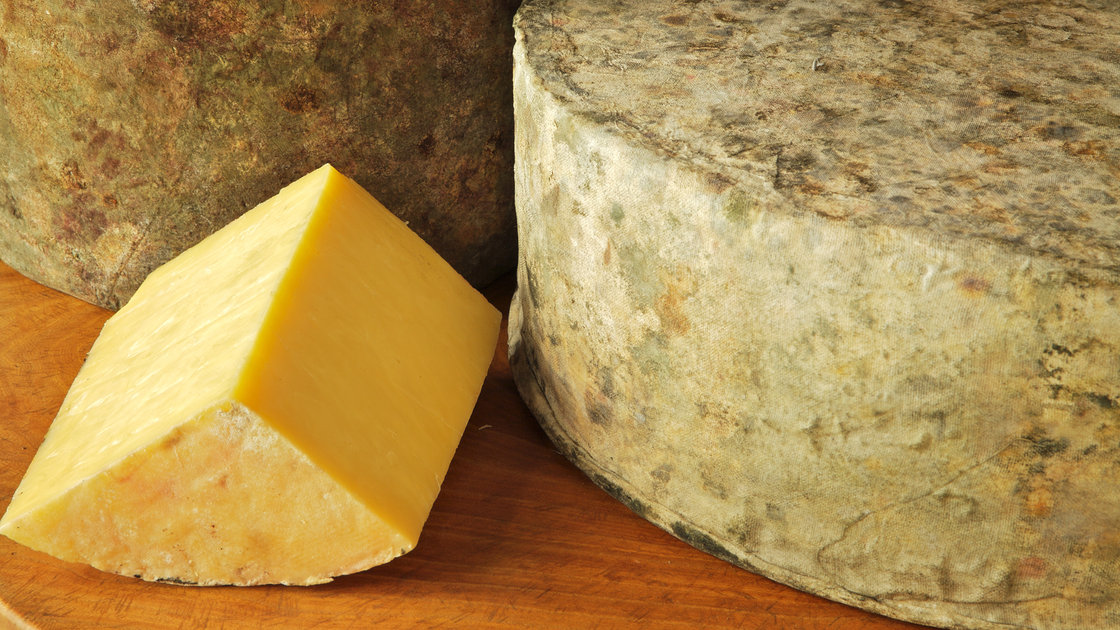
Shelburne Farms' clothbound cheddar has a bright yellow color because it's made from the milk of cows that graze on grasses high in beta-carotene. Courtesy of A. Blake Gardner

Shelburne Farms’ clothbound cheddar has a bright yellow color because it’s made from the milk of cows that graze on grasses high in beta-carotene. Courtesy of A. Blake Gardner

We have been posting on the topic of transparency in food several times each year since starting this blog, so this news/commentary podcast fits in a tradition:

The news from Kraft last week that the company is ditching two artificial dyes in some versions of its macaroni and cheese products left me with a question.

Why did we start coloring cheeses orange to begin with? Turns out there’s a curious history here. Continue reading

The Educational Mission Of A Food Entrepreneur

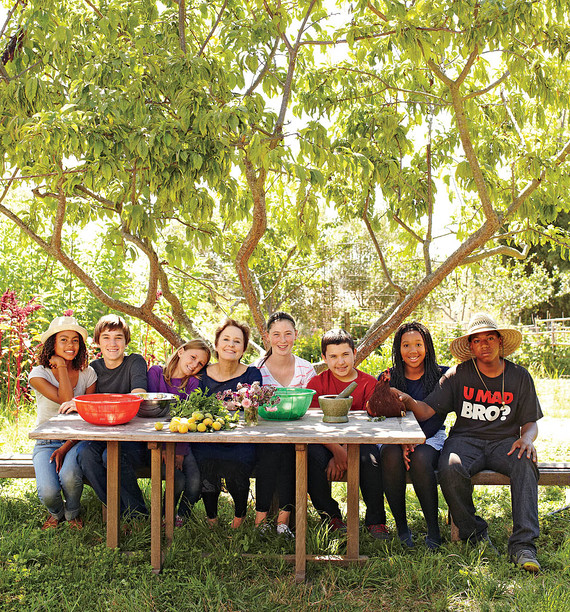
With students, under an elephant heart plum tree at the Edible Schoolyard Photography by William Abranowicz

With students, under an elephant heart plum tree at the Edible Schoolyard Photography by William Abranowicz

We never tire of listening to Alice Waters or watching for her next move. This article is ostensibly focused on an award from the Wall Street Journal, but we are most interested in the educational component of her work, which closes out the article:

AS THE EDIBLE SCHOOLYARD moves toward its third decade, Waters aims to expand its curriculum into high school programs, like at Edible Sac High, a Sacramento charter high school—housed within the second-oldest high school west of the Mississippi—where Waters’s ideals have been incorporated. Continue reading

Give Us This Day

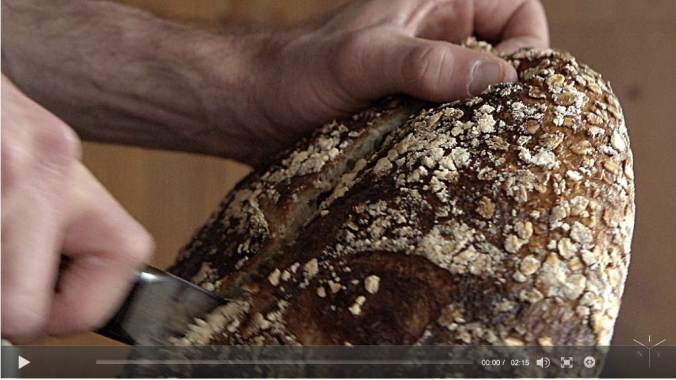
Click the image above to go to the video, and the blog post, highlighting this couple’s approach to the entrepreneurial conservation of heritage, practically in the form of a sacrament:

“I remember when Alice, at Chez Panisse, switched to grass-fed beef. It seemed so crazy at the time,” Chad Robertson, the co-owner of San Francisco’s Tartine Bakery, says between bouts of kneading dough. He stands at a long wooden counter toward the back of the bakery, where bins of various heights populate the shelves and floor. Inside the containers are grains of assorted colors and sizes, waiting to be sprouted or ground into flour and then transformed into hearty loaves. “Now look at grass-fed beef,” Robertson continues. “The price has dropped. It’s in the restaurants, and it’s everywhere. The same seems to be happening with these grains.” Continue reading

Cake Mixing Ceremony

A Kerala Christmas season always includes a plum cake and throughout the state people begin the preparations well in advance of the holiday itself. It’s considered auspicious to invite friends to mix the ingredients that must “marinate” for 2 months prior to the actual preparation of the cakes. Cardamom County’s Cake mixing ceremony took place yesterday, 16th October. It’s a tradition at the hotel to welcome the holiday season with a fruit soaking ceremony that included staff and guests from around the world.

Property Manager Naveen Mohan described the event perfectly:

This Cake mixing ceremony happened at Raxa Collective, Cardamom County, Thekkady yesterday. The warm, friendly staff of the hotel led everyone to the ceremony. It’s a tradition at the hotel to welcome the holiday season with a fruit soaking ceremony ahead of Christmas. There were massive steel basins with candied ginger strips lining the bottom, and huge trays filled with fruit – raisins, black currants, candied orange peel, candied cherries, etc. And of course the all important ‘spirit of the season‘ in bottles – wine, rum and whiskey to soak the fruit. To set the ceremony off, we were each handed gloves, aprons and chefs hats. We set to work with handfuls of fruit ceremoniously dumped into the steel basins and started mixing the fruit. Once all the fruit was in and well mixed, ladles of the liquor were flambéed over the dried fruit and then the bottles were emptied in one by one. Continue reading

Rice Flour Murukku

Praveen Kumar

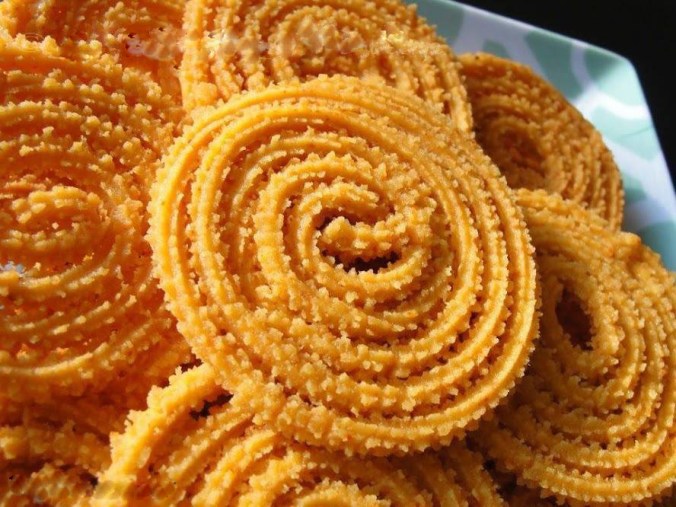
Murukku is a crunchy tea time snack traditionally served in Kerala homes and tea stalls. The main ingredient for murukku is rice flour, with cumin and red chili powder added for flavour and asafetida for added colour.

Flavour Of Kerala – Ada Pradhaman (Payasam )

Photo credits : Nobi Pauls

Photo credits : Nobi Pauls

Similar to many other cultures, a traditional meal in Kerala ends with maduram, something sweet. Payasam is the classic Kerala dessert. There are many varieties of payasam; Paal Pyasam, Paruppu Payasam, Semiya Payasam and Ada Pradhaman. Continue reading

Toddy Shop

Photo credits : Tintu

Photo credits: Tintu

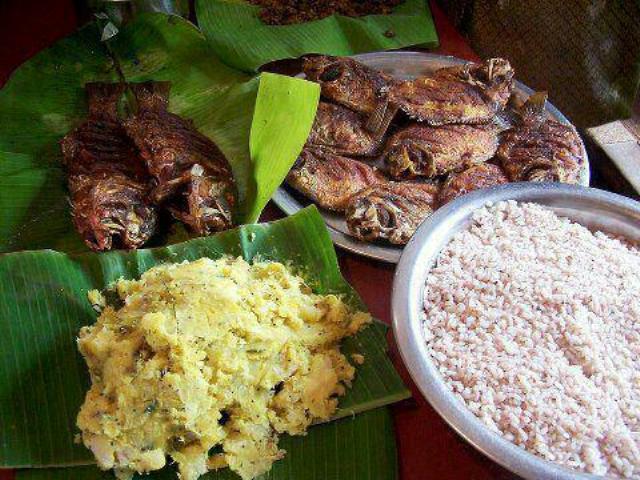
Toddy shops are not just about toddy. They are also known for the food they serve, mainly the spicy variety. The particular dishes vary from the region to region. The eastern part of the state favours dry food while in the central and southern districts seafood is preferred. Continue reading

If You Happen To Be In Scotland

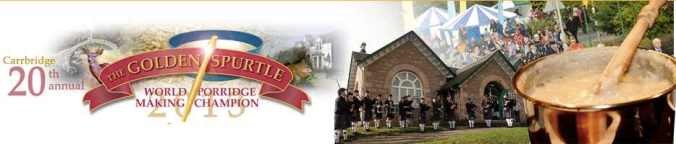
The 20th annual World Porridge Making Championships will take place in the Scottish Highland village of Carrbridge on Saturday 5th October 2013.

We should have known such an event existed. Now that we do, but being stuck in south India with no time to witness it first hand today, we will watch it from afar; but we have marked the calendar for next year’s championships. Meanwhile, you might find interesting how we came to know about this event.

Continue reading

Flavours Of Kerala – Vattayappam

Photo credit : Ranjith

Photo credit: Ranjith

The Kerala speciality Vattayappam is a steamed rice cake made with rice flour, sugar, yeast, cashews, raisins and coconut milk infused with the wonderful aroma and taste of cardamom. This is a traditional tea time snack.

Food Futures

No one would mistake this for entertainment.  It is two hours of research findings, all wrestling over complex food issues. No gastronomic delights. Rather, the puzzle over how to feed a rapidly multiplying human population.  Click the screen above to go to the video:

By 2050, 2 billion more people are expected to be vying for food and energy. Access to fresh water and arable land will be heavily constrained. And the food supply for the world’s 9 billion people will be increasingly produced under flood conditions, drought or both, as climate change accelerates. Continue reading

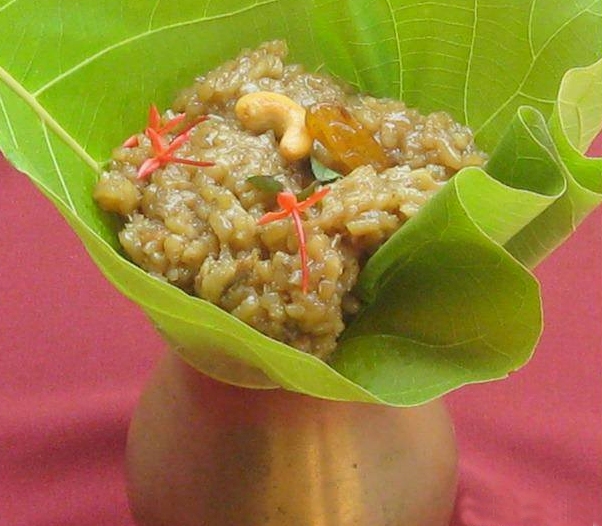
Naivedyam – Kadum Payasam

Photo credits : Ranjith

Photo credits: Ranjith

Naivedyam (Kadum Payasam) is offered on banana leaves after a pooja ceremony at many South Indian temples. The traditional dessert is placed before the temple deity and consumed as a holy offering. Continue reading

Flavours Of Kerala – Dum Biryani

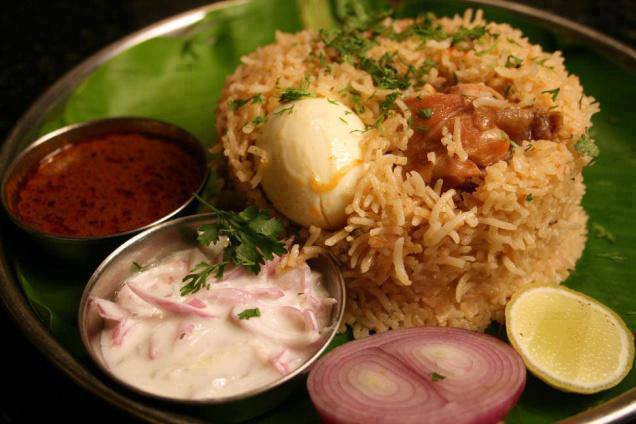
Dum biryani

Dum biryani

Dum biryani is a baked rice dish layered with meat (chicken, mutton or beef ) that first originated in the Mugal cuisine of the 16 th -19 th centuries. It was a festive dish, costly to prepare and eaten mainly in the royal courts. Traditionally the biryani pots were sealed with dough before baking then cracked open at the table in a technique called Dum. Continue reading

Farm Fresh From Ghana

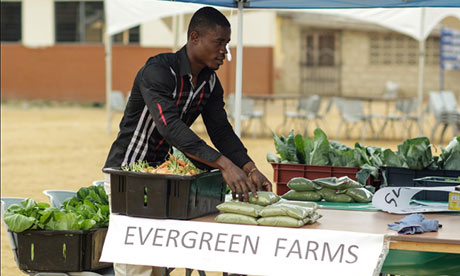
Accra Green Market Photo Courtesy of The Guardian

Accra Green Market
Photo Courtesy of The Guardian

Recently Ghana had its first ever farmer’s market in its capital of Accra, featuring locally grown, sustainable, and organic produce. This is a big step for the organic farmers in the area to expose their products to the local people. According to an article in The Guardian,

The only space we (the farmers) usually get to market our products are at the bazaars of international schools, where we sell to a lot of expats, but we need more markets like this – the best feedback we have had for our products is from Ghanaians.

Continue reading

Flavours Of Kerala – Parotta

Parotta is a layered flat bread of Kerala, related to the Lacha Paratha of north India. Although it is found in many roadside restaurants, it is often served in special events and festivals. Parottas are eaten with chicken, mutton, beef and vegetable gravy. The main ingredients of parottas are Maida (white flour), baking powder, egg, vegetable oil (or ghee) and water. Continue reading

Flavours of Kerala – Boiled Tapioca

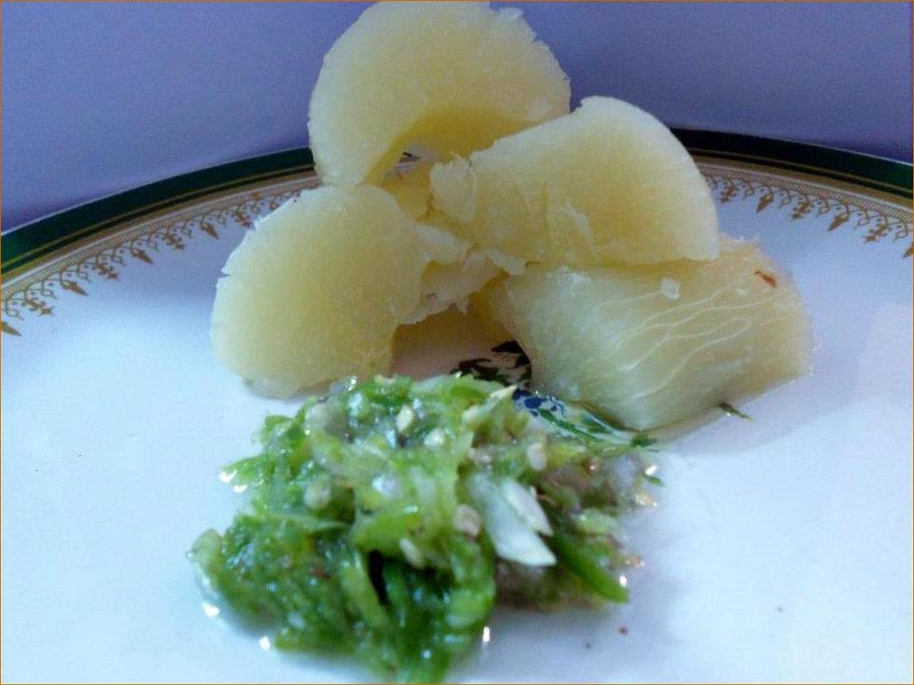
Boiled Tapioca and Green chilies chammanthi

Boiled Tapioca and Green chilies chammanthi

Native to Brazil where it is known as Manioc, tapioca is the most popular ingredient in Kerala cuisine, second only to coconut. A large variety of delectable dishes can be prepared from this starchy root vegetable. One example is boiled tapioca and green chilies chammanthi, which are often eaten as evening snacks. Continue reading