The Journalism-Academic Complex

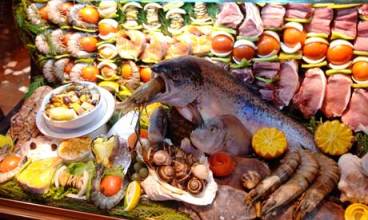
Illustration to John Seabrook's 2011 article "Snacks For A Fat Planet" showing: Indra Nooyi, the C.E.O. of PepsiCo, says it must be a “good company” in a moral sense.

Illustration to John Seabrook’s May 16, 2011 article “Snacks For A Fat Planet” in the New Yorker. showing: Indra Nooyi, the C.E.O. of PepsiCo, says it must be a “good company” in a moral sense.

The Military-Industrial Complex that then-exiting President Eisenhower warned about is unfortunately alive and well, as we saw in the previous decade, when journalists were mostly asleep at the wheel, often even contributors to the dark complex. But journalism has been reborn in some quarters with a new sense of purpose, and new approaches to vigilance that is worthy of the Fourth Estate. Diligent investigative journalism allied with advanced academic research-driven thinking skills produces a better complex.

Case in point: when accomplished academics such as Professor Aaron Chatterji share cogent, punchy follow up posts to articles that caught our attention years back, today’s news on labor activism meets yesterday’s analysis of the intersection of food/health trends and corporate buzz phrases like social responsibility. Thanks to this Duke University professor, New Yorker readers get follow up on a story that might otherwise have been fading, but should not:

Nooyi has backed up her rhetoric with concrete steps, acquiring healthier brands like Tropicana and Quaker Oats and creating Pepsi Next, a lower-calorie version of the flagship brand. She even hired a former official from the World Health Organization to oversee the reforms. Continue reading
Flavours Of Kerala – Chammanthi

Chammanthi

Chammanthi

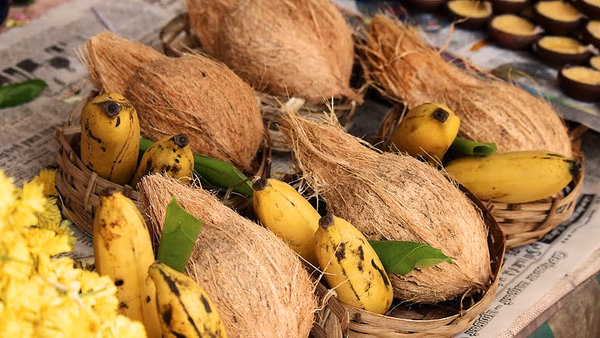
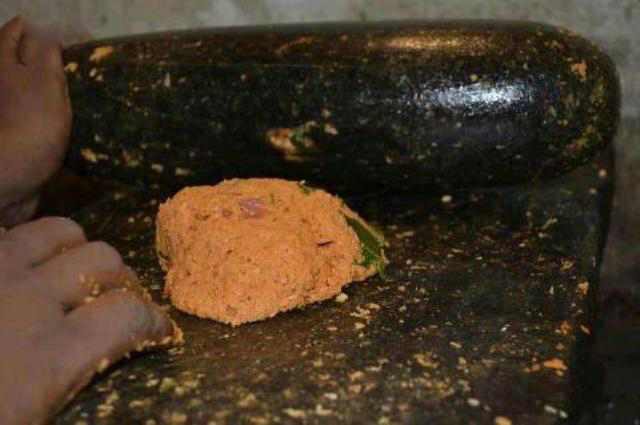
Chammanthi is one  of the Kerala’s regional dishes. Traditionally whole coconut and red chillies are roasted over burning charcoal and then pounded and freshly ground with onion, curry leaves, ginger, tamarind and salt on an Ammikallu (a classic tool consisting of slightly concave stone with a cylindrical pestle). Continue reading

Those Fabulous Buffett Boys

It sure sounds like a great way to pass time, giving away billions of dollars. The fact that they seem to think deeply about the implications of their wealth, as well as their methods of getting and giving, makes them even more noteworthy. Thanks to tax-payer, and listener-supported National Public Radio in the USA for bringing the other brother/son to our attention with this story:

Get Howard Buffett into the cab of a big ole’ farm tractor and he’s like a kid — albeit a 58-year-old, gray-haired one. He’s especially excited when it comes to the tractor’s elaborate GPS system, which he describes as “very cool.”

“I’m driving hands-free,” says Buffett, the son of billionaire investor Warren Buffett. Continue reading

Eat Wild, Eat Well

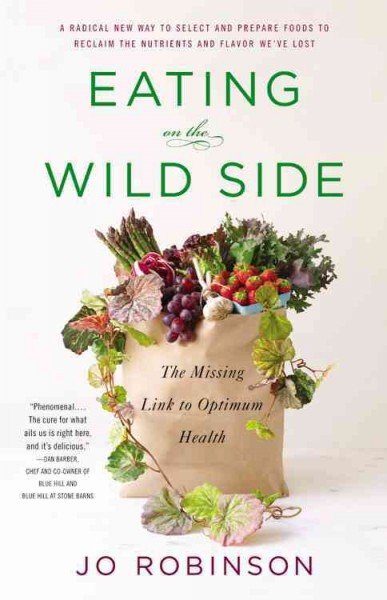
9780316227940_custom-6ce3aa1cfe7dd79644c4d9978c27fa29b29f3b20-s500-c85.jpgAs we start thinking through food programming at the two new properties we are working on here in Kerala, our attentions are scattered around the world, but eating wild keeps coming to us from all over. So when the great interviewer Dave Davies discusses this book with its author, podcast here, our attention is riveted:

In her new book, Eating on the Wild Side, Robinson argues that our prehistoric ancestors picked and gathered wild plants that were in many ways far more healthful than the stuff we buy today at farmers’ markets.

But this change, she says, isn’t the result of the much-bemoaned modern, industrial food system. It has been thousands of years in the making — ever since humans first took up farming (some 12,000 years ago, more or less) and decided to “cultivate the wild plants that were the most pleasurable to eat,” she writes. More pleasurable generally meant less bitter and higher in sugar, starch or oil.

Continue reading

Uzhunnu Vada – Flavours Of South India

Uzhunnu Vada

Uzhunnu Vada

Uzhunnu Vada is a very common snack in South India, and is often found at breakfast with items such as Idli, Sambar and Chutney. The main ingredients for this dish are black lentils, ginger, onion, salt and curry leaves. Continue reading

Indian Food For Thought

Thank you, Mr. Cardoz, on behalf of all those who resist the family’s gravitational pull to other professions, and choosing food.  And thanks to the New York Times for bringing your story in brief, thoughtful form:

In Edison, New Jersey, “Floyd Cardoz was scanning the shelves at a supermarket called Apna Bazar Cash and Carry, looking for inspiration,” Jeff Gordinier wrote in The New York Times. Continue reading

Kitchen Collaboration

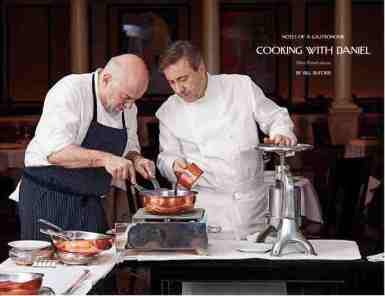
Kitchen Confidential juggled with foodies’ fascinations in new and unusual ways, and since then reality television seems to be the appropriate new home for that side show.  Oddly, it began in 1999 with an article in the New Yorker. So it is only fitting that the magazine has been balancing those dynamics with the work of less celebrity-oriented writers ever since.  None better than Bill Buford, who gets out there, and in there, like a citizen scientist for the story (though he is not shy of carny, either). Here what catches my attention is the collaboration, but plenty on the ethos of an artisan, the farm as the garden of eden, and last but not least the role of food in heritage and heritage in food (click the image above to go to the article):

Two years ago, during the summer of 2011, Daniel Boulud, the New York-based French chef, told me he had been thinking about a project that we might do together. We were both in France at the time. I was living in Lyons—I had moved there in order to learn French cooking—and Boulud was visiting his family in Saint-Pierre-de-Chandieu, a nearby village on a wooded ridge in the open countryside. Continue reading

Dietary Geography Lessons

[image]

Continuing the conversation about diet with experts (click the image for the source), who are asked what single change they would recommend:

Jeffrey Flier: With Caveats, Consider a ‘Mediterranean Diet’

This is a tough question to answer, for many reasons. Here are three:

1) Diet is extremely complex. Continue reading

Is An Organic Diet Better?

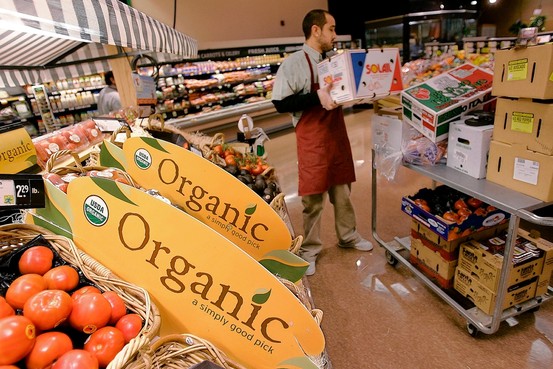
Associated Press photo. Organic foods have made big inroads in supermarkets like this Hannaford store in Quincy, Mass.

Associated Press photo. Organic foods have made big inroads in supermarkets like this Hannaford store in Quincy, Mass.

This question is asked in relation to the diet of a particular nation, but the various answers provided by these experts could apply anywhere:

Sales of organic food have been rising steadily over the past decade, reaching almost $30 billion in 2011, or 4.2% of all U.S. food and beverage sales, according to the Organic Trade Association.

Many of the consumers who purchase these products say paying more for organic produce, milk and meat is a trade-off they are willing to make in order to avoid exposure to chemical pesticides and fertilizers and milk from cows given bovine growth hormone. But other families—especially those whose food budgets may be more limited—wonder if organic food is really worth its hefty price tag.

So far, researchers haven’t been able to provide them with a definitive answer. Continue reading

Plant Collaboration, Productivity, And Waste Minimization

Alex Koeberle

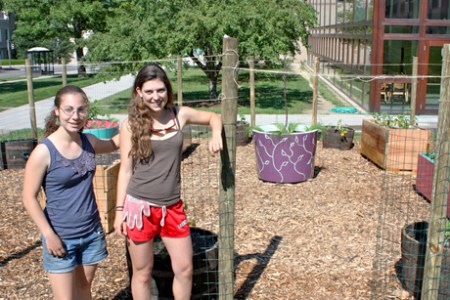
Alex Koeberle. Plant science students Sarah Nechamen ’15 and Celine Jennison ’14 helped create a garden outside Kennedy Hall to demonstrate permaculture.

An item from Cornell University’s newspaper, the Chronicle, highlights a topic we want to know more about:

Diners at Trillium need not look farther than out the window to see where part of their meal originates.

The basil in their pasta or cilantro in their quesadilla may have been plucked from the new garden adjacent to Kennedy Hall, constructed by students last week.

The site will also enable staff and students to stroll around and learn about permaculture – a self-sustaining agricultural system in which herbs, fruits and vegetables are strategically planted so that they work together in mutual benefit. Some plants provide shade, for instance, while others offer pest resistance.

A permaculture garden is essentially a network, with each plant working together, explained plant sciences major Sarah Nechamen ’15, past president of the Cornell Permaculture Club. This increases garden productivity while minimizing waste and human interference. Continue reading

Urban Fish Market

photo credits: Ramesh Kidangoor

photo credits: Ramesh Kidangoor

Urban fish markets are a common sight in Kerala. The extensive network of rivers, coastline and backwaters means that fish is central to the local menu and these open-air markets provide a daily supply of fresh fish. Continue reading

Seasteading, Self-Reliance Utopia, And Our Shared Future

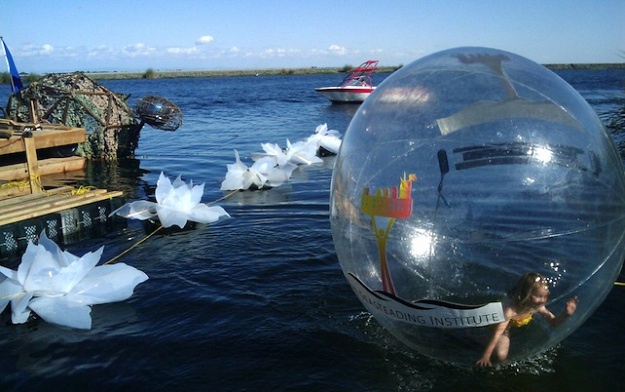
An article recently published in n+1 examines a utopian futurist form of an idea that seems oddly symmetric with Seth’s posts about the history of exploration using Iceland as a case study. Looking back, we see much in common with explorers, pioneerspilgrims and adventurous thinkers of all sorts.  Looking forward, we are inclined to embrace smart, creative, enthusiastic group efforts to resolve seemingly intractable challenges. Especially when they involve living on boats. We recommend reading the following all the way through:

To get to Ephemerisle, the floating festival of radical self-reliance, I left San Francisco in a rental car and drove east through Oakland, along the California Delta Highway, and onto Route 4. I passed windmill farms, trailer parks, and fields of produce dotted with multicolored Porta Potties. I took an accidental detour around Stockton, a municipality that would soon declare bankruptcy, citing generous public pensions as a main reason for its economic collapse. After rumbling along the gravely path, I reached the edge of the Sacramento–San Joaquin River Delta. The delta is one of the most dredged, dammed, and government subsidized bodies of water in the region. It’s estimated that it provides two-thirds of Californians with their water supply.  Continue reading

Robusta, Liberian, Arabica: a visit to a coffee plantation in the Western Ghats

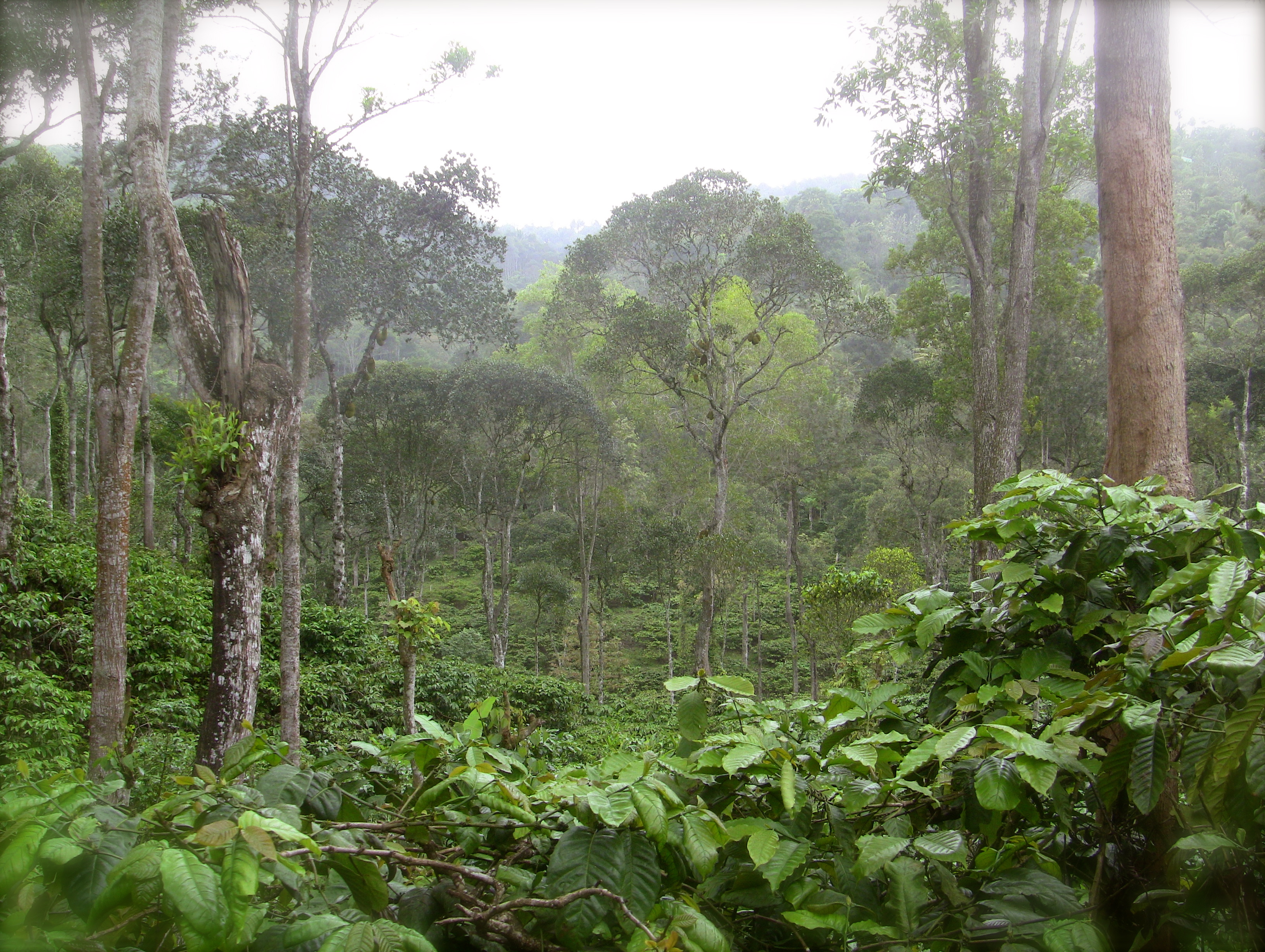
Coffee plantation - Spring Valley, Kerala credit Ea Marzarte - Raxa Collective

Coffee plantation – Spring Valley, Kerala

Evan’s research on agroforestry in Ecuador  inspired me to learn more about coffee in India.  No coffee seed sprouted outside Africa or Arabia before the 17th century. Legend has it this all changed when a pilgrim named Baba Budan smuggled fertile coffee beans out of Mecca strapped to his stomach. Returning to his native India, he successfully cultivated the beans near Mysore.Commercial cultivation began in 1840 when the British rule established Arabica coffee plantations throughout the mountains of Southern India. Till today much of the production comes from the Western Ghats. Initially Arabica was widespread, but Continue reading

Flavours Of Kerala – Unniappam

Unniappam is a traditional snack popular all over Kerala.  They are easy to make, very tasty, and are prepared from the main ingredients of rice, jaggery, banana, and ghee.

How to Prepare

Mix rice powder, jaggery, chopped banana, fried coconut bits, and  cardamom powder for flavor, all with water to make the batter.  Then, heat the oil in an Unniappam pan and fill the holes with the batter. Continue reading

Food, Waste, Change

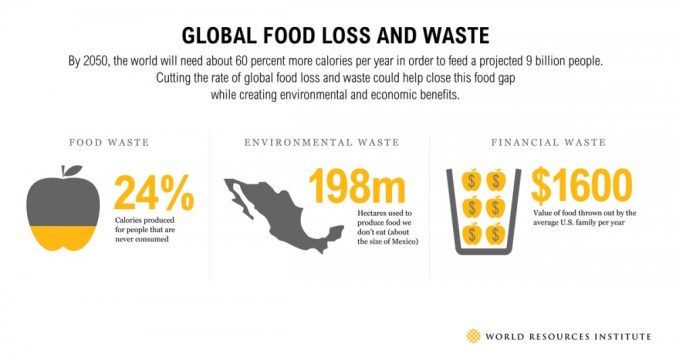
While we are on the subject of looking at food differently, as well as depending on others for new perspective, we can wrap all that around last week’s emphasis on food waste.  We will not let that topic go until we see the dial turning. We will keep a spotlight on the need for change, and share whatever we find from our good neighbors on this topic. WRI shares a thorough examination that is worth a click and read:

The Food and Agriculture Organization of the United Nations (FAO) estimates that 32 percent of all food produced in the world was lost or wasted in 2009. This estimate is based on weight. When converted into calories, global food loss and waste amounts to approximately 24 percent of all food produced. Essentially, one out of every four food calories intended for people is not ultimately consumed by them. Continue reading

Photogenic Food

foodlens7

We mentioned recently that we are crowd-sourcing a new way of looking at decor for Cardamom County. National Public Radio (one of the great investments made by the tax-payers of the USA, in collaboration with loyal listeners who donate funds to their local stations) has a food-focused blog that has introduced us to a photographer of Indian heritage who grew up in the USA and has traveled around the world doing what photographers do: seeing the world through the lens, differently than we might otherwise see it. Here he is concerned, curious and creative in his exploration of what is in the food we eat:

These intriguingly abstract images are part of a photo series called Naturally Modified — the brainchild of photographer Ajay Malghan. To create them, he shines colored lights through thin slices of fruits and vegetables onto light-sensitive paper. So what you end up seeing isn’t a picture of the food itself, but an ethereal image of its shadow. Continue reading

WED 2013: Get A Grip

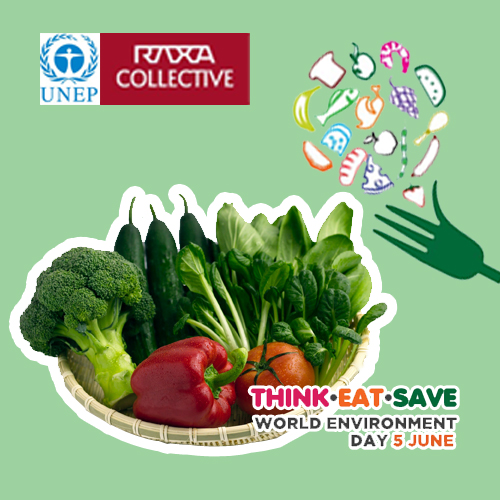
WED 2013 - Raxa Collective

On June 5, we’ll celebrate World Environment Day. This year UNEP focuses on the theme Food waste/Food Loss. At Raxa Collective we’ll be carrying out actions and sharing experience and ideas. Come and join us with your ideas and tips to preserve foods, preserve resources and preserve our planet.

‘According to the WWF as many as 90% of all large fish have been fished out.’ Photograph: allOver photography/Alamy

We puzzle daily over how to source sustainable, high quality food. Establishing an aquaculture program in Kerala’s backwaters to supply our resorts, we find the environmental/economic tradeoffs require the wisdom of Solomon.  The Guardian‘s  Matthew Herbert has a clever turn of phrase in the opening line of an article covering this very topic (click the image on the right to go to the article):

We are living through a delicious disaster. Continue reading

Renowned Chef Joan Nathan Cooks In The Shadow Of The Periyar Tiger Reserve


When we last saw New York Times contributor Joan Nathan she had written a lovely article about the fading tradition of a cuisine in India–exactly the type of story we love to share on this blog, but somehow we failed to.  This time, failure is not an option. We missed her at Cardamom County, but found her now in the New York Times.  She was in our neighborhood, walking our walk and talking our talk:

Kumily, India — One of the best parts of traveling, at least for me, is bringing back a food story, a new ingredient or a recipe. My family journeyed last year from the verdant tea plantations of Munnar down to the Cardamom Hills of Kerala, in southwestern India. Our driver, Janaki Raman, who had proved himself by dodging many a cow on the winding mountain roads, asked whether we might like to go to a local cooking class. Continue reading

Astronaut Coffee Taste Test

Thanks to Megan Garber, one of the Atlantic‘s other intrepid investigative writers for this story of collaboration by members of the food and astronaut communities:

So we finally have an answer to that age-old culinary question: What do professional foodies think about … space coffee?

Two celebrity chefs — David Chang of Momofuku and Traci Des Jardins of Jardiniere — made a trip to the Johnson Space Center in Houston. Their particular mission? To do some testing of the culinary offerings developed in the Space Food Systems Laboratory. Continue reading