Sustainable Logging Improves Lives

9642829930_d19343c79b_h-680x450

Logging generally does not come high on our priority list for inspirational stories, but we are nothing if not open to new ideas (thanks to Conservation for keeping up us apprised of encouraging surprises), especially when camera traps are involved to verify the facts:

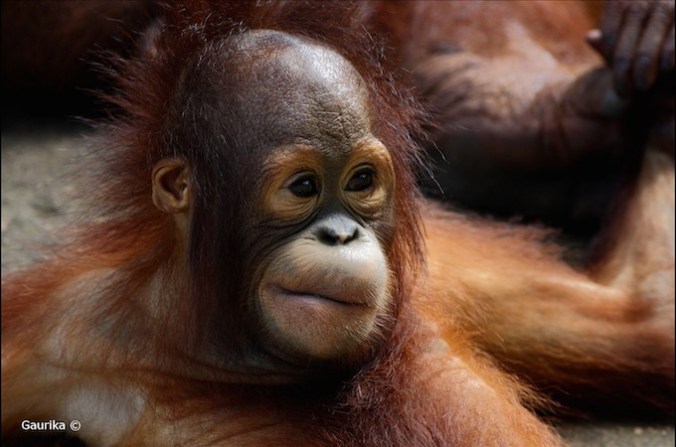
ORANGUTANS MIGHT SURVIVE SUSTAINABLE LOGGING

Like for all of its great ape cousins, the rise of Homo sapiens has not been pleasant for the Bornean orangutan, Pongo pygmaeus. The endangered “red ape,” found only in Borneo, is threatened by the continuing loss of its forest home. Hectare after hectare of primary forest is being lost either to logging or to palm oil plantations. Continue reading

Beavers Build Habitats, and Sometimes That’s a Good Thing

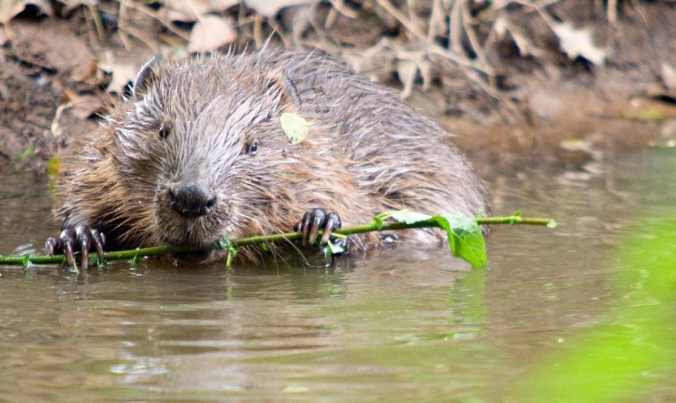
'Beavers create habitats and opportunities for just about everything else.' Photograph: Ben Lee

‘Beavers create habitats and opportunities for just about everything else.’ Photograph: Ben Lee

We’ve written about this industrious animal before on these pages, but in a completely different light. As with many introduced species, there are frequently unintended consequences on a disastrous environmental scale when the species has no natural predators in their new locations. Indeed there are huge areas of new wetlands in Patagonia’s Tierra del Fuego, but at the expense of millions of trees. (It’s actually calculated that in Patagonia beavers cause the 15 tons of biomass per year.)

However the case in Northern England and Scotland is quite different.

Beavers lower the canopy around a water body by felling trees and digging canals – opening it up. Solar energy piles in to places that have been in shade for decades. They stir life into action, kicking up nutrients as they beaver about their daily doings. Nature loves change; it frees up opportunities. Species of every size and shape wade in and snatch their chances. Beavers shift everything, tirelessly, instinctively, creatively. That’s why ecologists call them a “keystone species”. By doing their own thing, they create habitats and opportunities for just about everything else. Continue reading

Panthers In Man’s Habitat

shutterstock_225706531-680x405

And in other “nature sometimes solves man-made problems” news to complement today’s editorial from the Guardian, we thank Conservation for their daily summaries of important environmental science news:

MOUNTAIN LIONS SURVIVE NEAR CITIES, BUT AT WHAT COST?

The samango monkeys living near South Africa’s Lajuma Research Centre have learned that they can rely on humans as lookouts while they forage for food. The monkeys have learned that if humans are around, then they’re probably safe from leopards. When left alone, the monkeys spend less time foraging for food and more time scanning their surroundings to avoid becoming someone else’s dinner. The mountain lions of California have a different tale to tell. Continue reading

When New Roads Signal Nothing But Danger Ahead

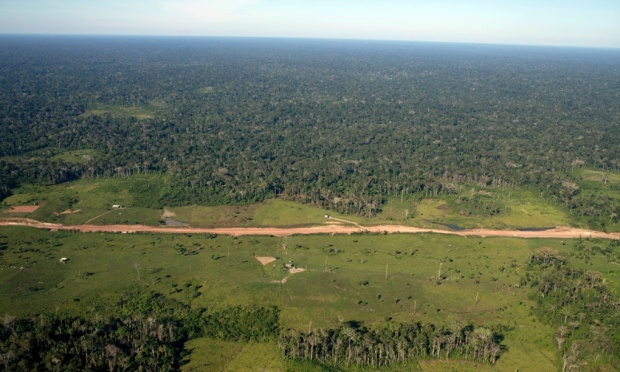
 A newly constructed road goes through the Amazon rainforest outside Rio Branco, the capital of Acre province, Brazil. For every 40 meters or road created, around 600 sq km of forest is lost. Photograph: Per-Anders Pettersson/Corbis

A newly constructed road goes through the Amazon rainforest outside Rio Branco, the capital of Acre province, Brazil. For every 40 meters or road created, around 600 sq km of forest is lost. Photograph: Per-Anders Pettersson/Corbis

Thanks to the Guardian for keeping us up to date with news, no matter how dismal, which in this case raises red flags about the future of our earth’s lungs:

Roads are encroaching deeper into the Amazon rainforest, study says

Oil and gas access roads in western Amazon could open up ‘Pandora’s box’ of environmental impacts

Oil and gas roads are encroaching deeper into the western Amazon, one of the world’s last wildernesses and biodiversity hotspots, according to a new study.

Roads across Bolivia, Colombia, Ecuador, Peru and western Brazil could open up a ‘Pandora’s box’ of negative environmental impacts and trigger new deforestation fronts, the study published in Environmental Research Letters finds.

“The hydrocarbon frontier keeps pushing deeper into the Amazon and there needs to be a strategic plan for how future development takes place in regards to roads,” said the report’s lead author, Matt Finer, of the Amazon Conservation Association.

Continue reading

Northern Cockpit Country Complete

One of our camps

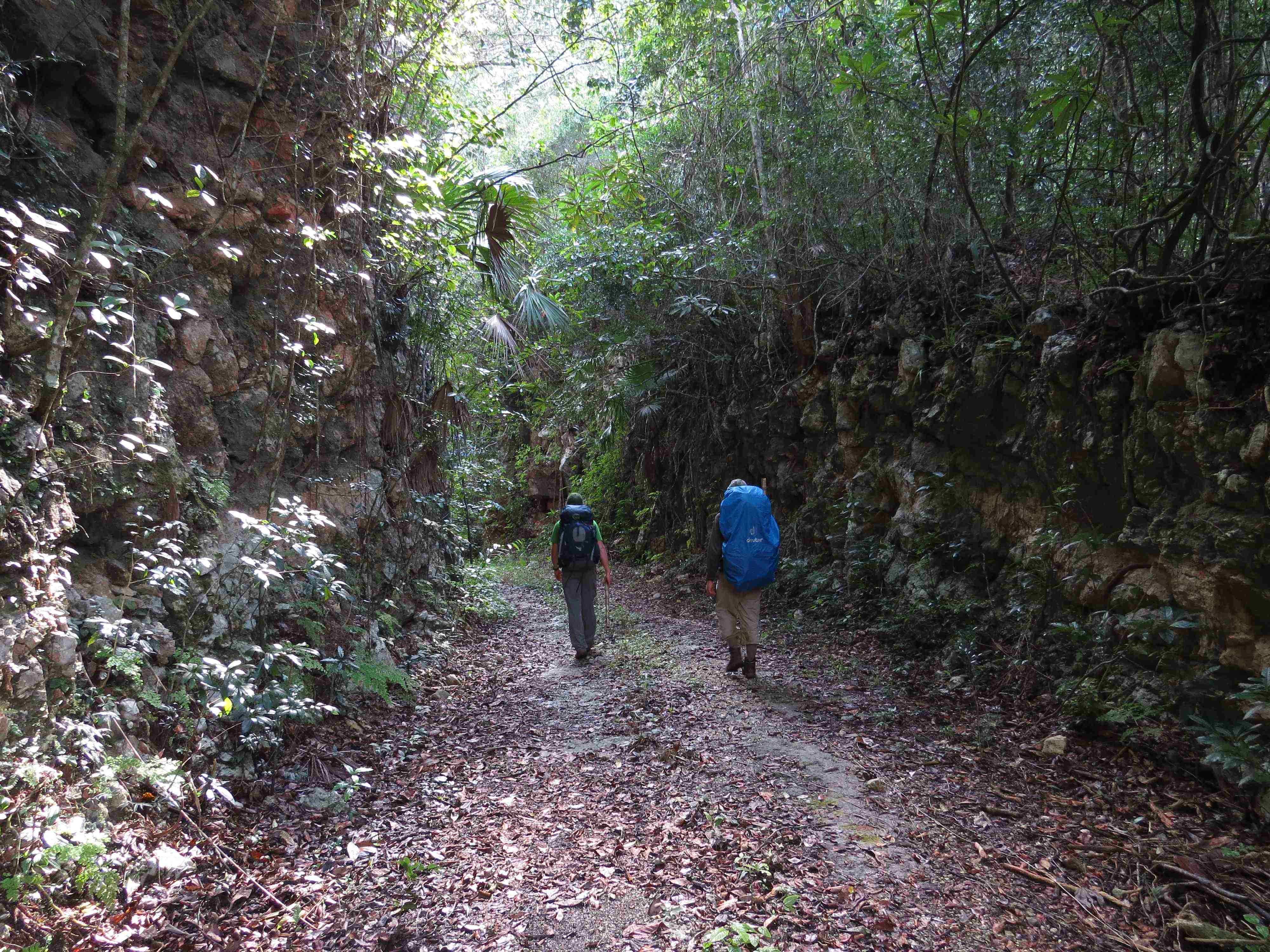
Justin, John and I have been in Jamaica almost two weeks, and the “Sharpied” names on our Rite in the Rain notebook covers have already faded off, our shirts smell soberingly of rotting onion, and our feet are eager to be released from their boots at any opportunity. At one point John had over a hundred tick nymphs on his body––the actual count was 163––but we won’t talk any more about that.

Barn Owl startled out of an abandoned house

We’ve seen over sixty species of bird in our twelve days here, and only one of them has been a swallow: the Cave Swallow. In general, aerial insectivores like swifts and swallows have been quite scarce, which is really surprising since we’re going through huge swaths of great habitat.

Barbecue Bottom Road with John and Justin by Seth

Barbecue Bottom Road with John and Justin

Continue reading

The Bat Cave, Protected

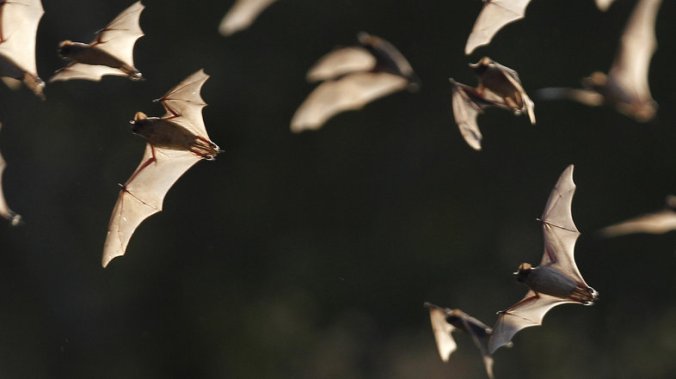
The Bracken Bat Cave outside San Antonio, Texas, is home to millions of bats. Here, a few of them emerge from the colony in 2011.

The Bracken Bat Cave outside San Antonio, Texas, is home to millions of bats. Here, a few of them emerge from the colony in 2011. Eric Gay/AP

Thanks to National Public Radio (USA) for this story on bat habitat conservation:

Down a narrow gravel drive and a short walk past cactus and scrub cedars outside of San Antonio, Texas, is a gaping, dark cave mouth, 60 feet wide, nestled at the bottom of a steep hill.

This is the Bracken Bat Cave. Each night at 7:30, millions of bats spiral out of the deep cave and streak off toward the darkening southern sky.

Thanks to a $20 million deal signed Friday by San Antonio, conservation groups and a local developer, the night sky around the cave will stay dark, and the mother and baby bats inside will have a buffer between them and the hazards of city sprawl. Continue reading

Golden Swallows, Jamaica Expedition

Article BannerIt was in 1844 that English naturalist Philip Henry Gosse arrived in Jamaica for his first time. Gosse would ultimately spend 18 months on the island, where he became fascinated in studying the local birdlife he found there. After returning back to London, he went on to publish a book entitled, “The Birds of Jamaica,” in which can be found the first formal descriptions of many birds still cruising about the Caribbean landscape today. The encounters he had with one bird in particular inspired Gosse to write the following:

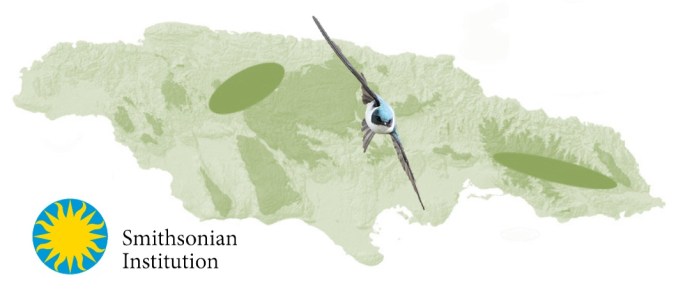
This exceedingly lovely little Swallow, whose plumage reflects the radiance of the Hummingbirds, is found, as I am informed by Mr. Hill, in the higher mountains formed by the limestone range of the very centre of the island, as in Manchester, and St. Ann’s. It is not until we ascend this central chain, that we meet with this sweet bird, occasionally in the more open dells, but principally confined to the singular little glens called cockpits.

In this passage Gosse speaks of the Golden Swallow, a small passerine that has only been historically known from two islands, Hispaniola and Jamaica.  And while populations of this species continue to persist in several mountain ranges of Haiti and the Dominican Republic, the beautiful bird that Gosse describes in his Jamaican travels has not been seen on that island for more than 25 years.

Continue reading

Humanity’s Diet Makes A Difference, Historically As Well As Futuristically

On the timescale of evolutionary history, paleo enthusiasts note, agriculture is a fad. Credit Illustration by Mike Ellis.

On the timescale of evolutionary history, paleo enthusiasts note, agriculture is a fad. Credit Illustration by Mike Ellis.

Since the early days of this blog we have been hungry consumers of environmental long form journalism, of which Elizabeth Kolbert’s New Yorker chronicles are best-in-category. They are also, frankly, almost always depressing.

Nonetheless, they put humanity into its natural context. This not-at-all-depressing chronicle demonstrates the value of that contextualization well:

The first day I put my family on a Paleolithic diet, I made my kids fried eggs and sausage for breakfast. If they were still hungry, I told them, they could help themselves to more sausage, but they were not allowed to grab a slice of bread, or toast an English muffin, or pour themselves a bowl of cereal.

Continue reading

Sun Bear Habitat, Palm Oil Cultivation, And The Conflict Of Interests

Sun bearJust as we were beginning to worry about what might have happened, months having passed since the Guardian’s Environment section had an article we wanted to link to, yesterday we encountered a semi-precious and today a gem quality article that reminds us of why we check that section each day:

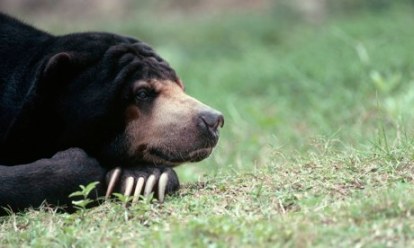
Like a proud dad, Siew Te Wong’s office walls and desk are covered in baby pictures, but unlike ordinary infants these possess four-inch claws and a taste for insects and honey. Wong, a leading sun bear researcher, has a heartfelt passion for the world’s smallest bear that is as big as the problems facing the species. Continue reading

Bird Sightings and Ecology in the PTR

A White- or Woolly-necked Stork carrying nest material to a large tree. Photo © author.

A White-necked Stork carrying nest material to a large tree.

A few days ago we went for a two or three hour hike in the Periyar Tiger Reserve and saw a multitude of avian species that make Kerala a great place for both the amateur and ardent birder. I was also able to see very tangible examples of two related concepts that I’d learnt in my ecology and ornithology classes at Cornell: mixed-species foraging flocks and the ecological niche.

The American ecologist Robert MacArthur, in his seminal dissertation on five insectivorous species of warbler, noticed that  Continue reading

Vegan Viewpoint

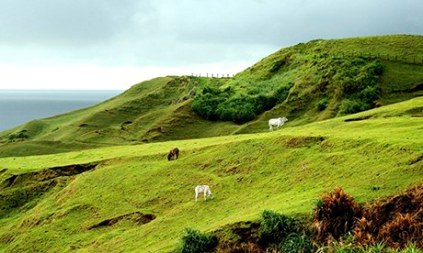
'By preventing the growth of trees and other deep vegetation in the hills, and by compacting the soil, grazing animals cause a cycle of flash floods and drought.' Photograph: Farley Baricuatro (www./Getty Images/Flickr RF)

‘By preventing the growth of trees and other deep vegetation in the hills, and by compacting the soil, grazing animals cause a cycle of flash floods and drought.’ Photograph: Farley Baricuatro (www./Getty Images/Flickr RF)

One of the editorialists at the Guardian whom we read for an unflinching environmentalist perspective, today on veganism:

He did it quietly, and the decision is the better for that: Al Gore, according to reports in the US press, has gone vegan.

Certain things could be said about other aspects of his lifestyle: his enormous houses and occasional use of private jets, for example. While we can’t demand that everyone who espouses green causes should live like a Jain monk, I think we can ask that they don’t live like Al Gore. He’s a brilliant campaigner, but I find the disjunction between the restraint he advocates and the size of his ecological footprint disorienting.

So saying, if he is managing to sustain his vegan diet, in this respect he puts most of us to shame. I tried it for 18 months and almost faded away.  Continue reading

Lord of the Jungle

Lord Of The Jungle

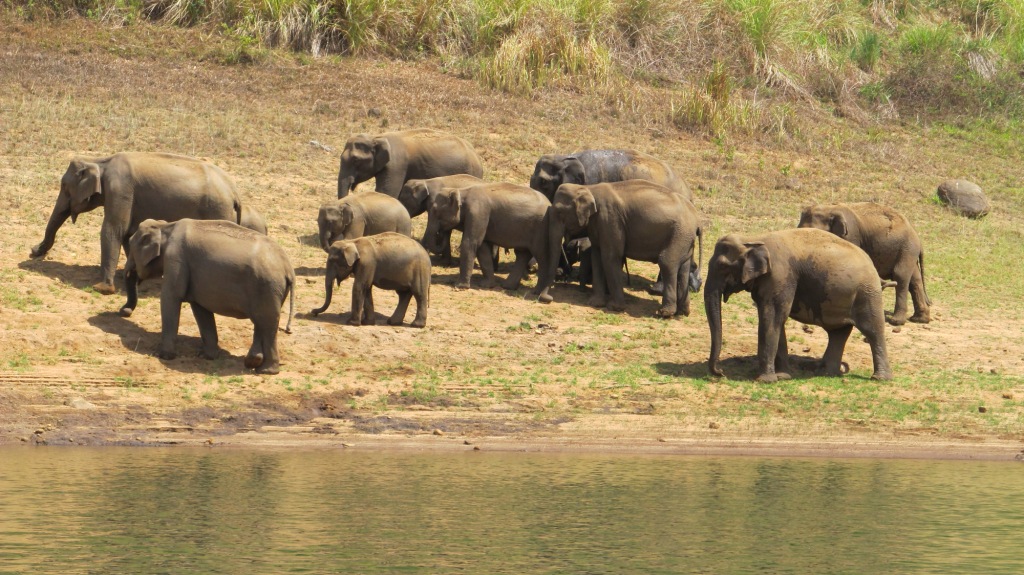
Periyar Tiger Reserve may be famous for its tiger population but it’s also a paradise for elephant lovers. Over 1,300 of the magnificent creatures call the 925 plus sq kms of PTR their home. Also know as “keystone animals”, elephants have a huge impact on the ecosystem they live in. For example when elephants uproot trees with their trunks they create grasslands and savanna and their habit of digging for water during drought causes big water holes that also supports other wildlife in the area. The major threats for elephants have been the illegal ivory trade but due to strict laws the elephants can find themselves safe in the reserve.

Continue reading

Solfatara

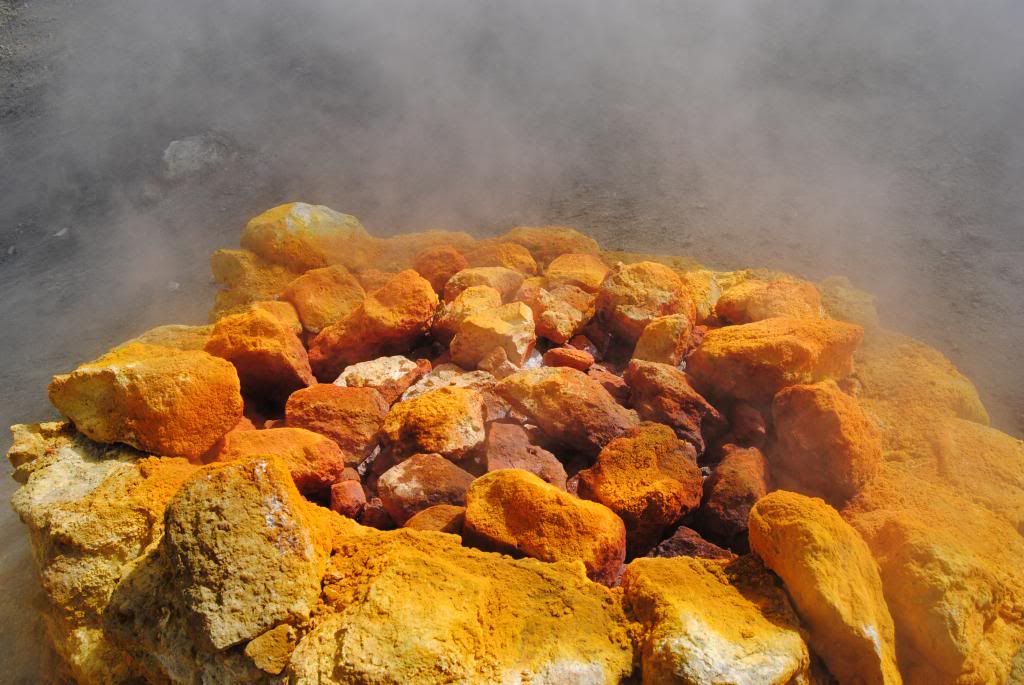
Sulphur Vent – Solfatara

Solfatara, a shallow volcanic crater in Pozzuoli, near Naples, is a hotbed (no pun intended) of geothermal activity. Upon walking into the depression, hemmed round by steep hills, the smell of rotten eggs greets your nose. The stench comes from the clouds of sulphurous steam pouring forth from vents in the rock. The Romans believed that this steam had healing properties Continue reading

Wildlife Week Parade in Kumily

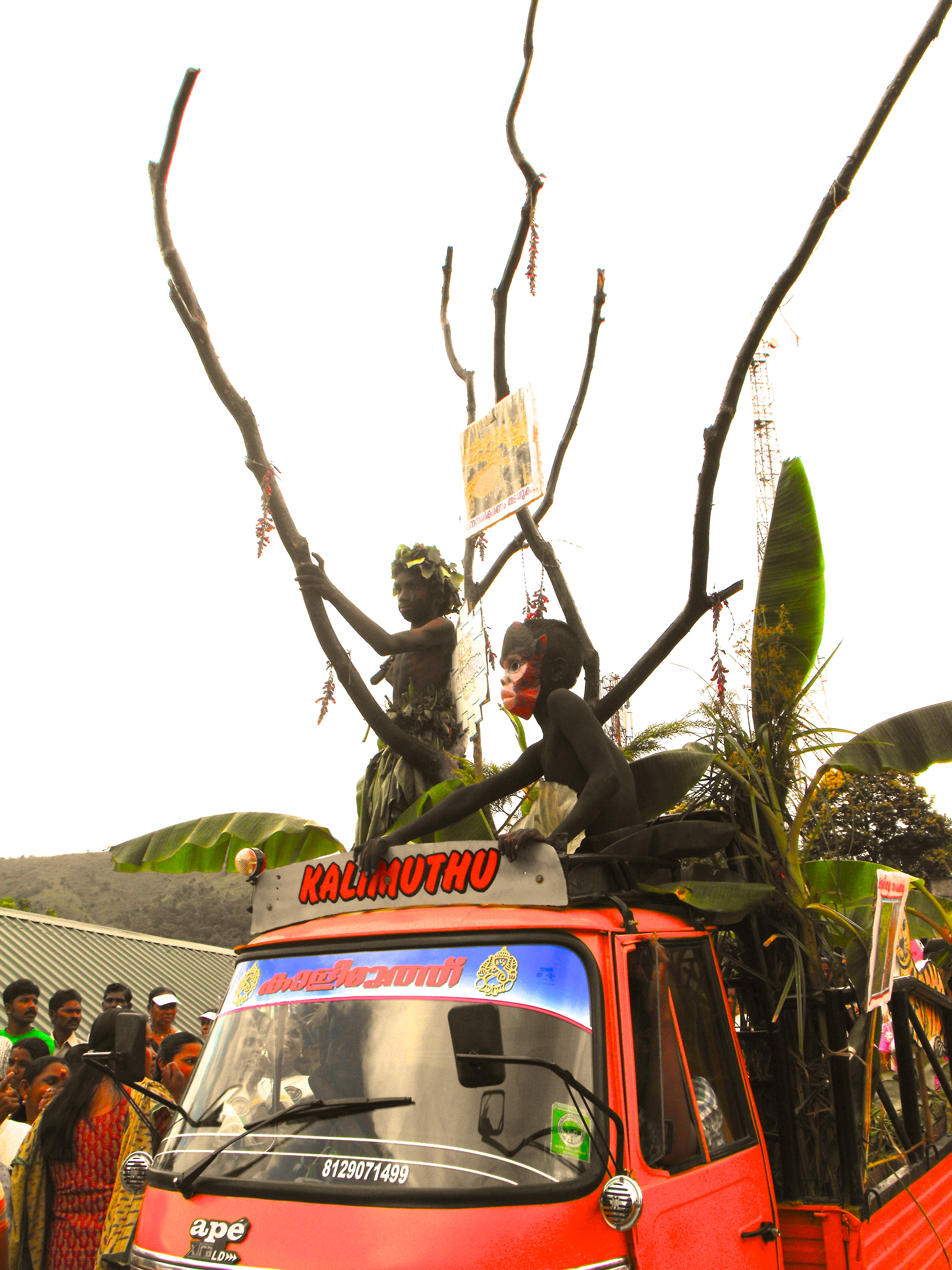
Parade float with children dressed as plants and animals

Parade float with children dressed as plants and animals

On the 8th of October Kumily held a parade in support of the Periyar Tiger Reserve and Wildlife Week.  As an intern for Raxa Collective, I had the unique opportunity to participate in this procession. This was my first Indian parade, and in some ways it was very similar to the parades I had participated in the USA; the majority of people waited around in some confusion until someone with the knowledge of the lineup said to start walking, but what made this a very unique experience is I couldn’t understand the conversations of anyone besides my own party.

Continue reading

We Had Never Seen It, And Almost Never Would Have

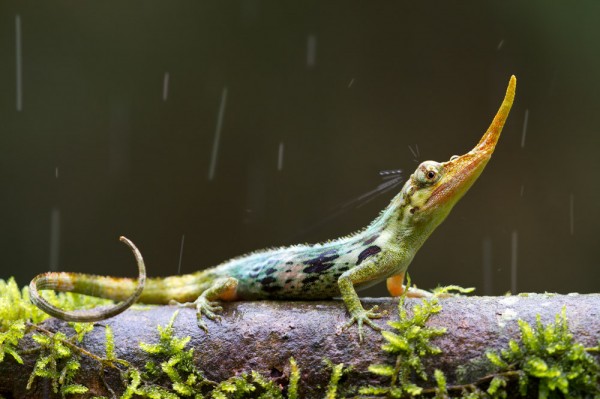
The lizard’s superschnoz on display. Photograph by Alejandro Arteaga, tropicalherping.com

The lizard’s superschnoz on display. Photograph by Alejandro Arteaga, tropicalherping.com

News from Ecuador in recent weeks was mostly a bummer, environmentally speaking. The government there knew it was sitting on a gusher; specifically an extremely sensitive, biodiversity hotspot is sitting on that gusher; and they tried their best to offer the world an opportunity to help them avoid drilling.  Did they do everything conceivable before deciding to drill?  There is lots of opinion on that; no matter who is right, the outcome is not a good one. But let’s not throw the baby out with the bathwater.  This week, however, there is news out of Ecuador that brings a smile to the face:

It’s no lie—scientists have spotted a lizard with a nose like Pinocchio in an Ecuadorian cloud forest. What’s more, the long-nosed reptile was thought extinct, having been seen only a few times in the past 15 years. Continue reading

Winter Arrivals

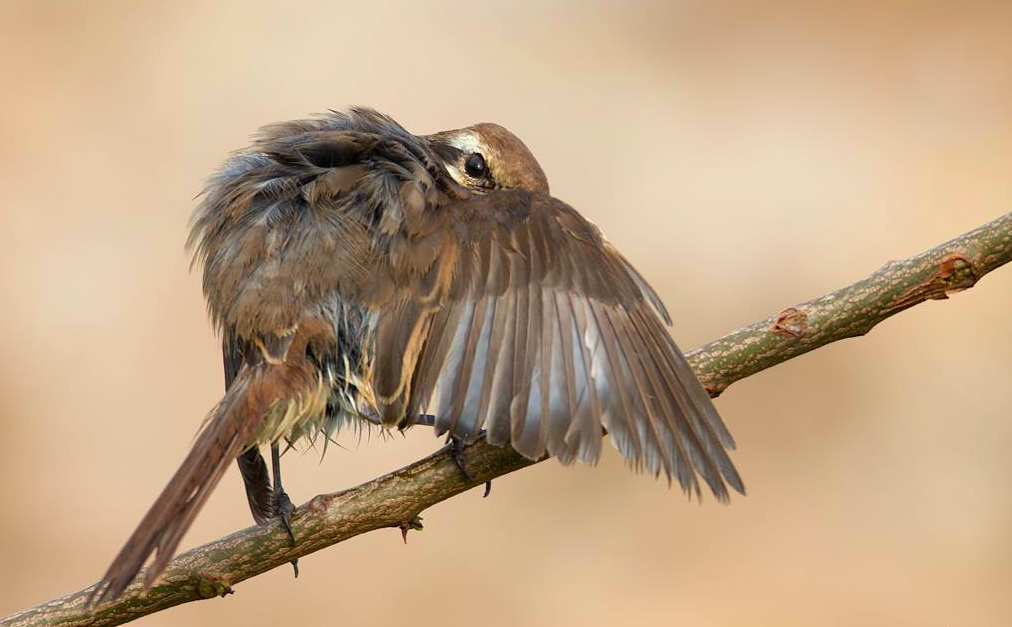
An exhausted winter arrival

Yesterday I encountered the first Brown Shrike for the season at Daroji Bear Sanctuary, near the town of Hampi, Karnataka.

For me, the appearance of the Brown Shrike is an indication of the winter migrants arrival. In previous years my first sightings have been in October, but they’ve arrived earlier this year.

I saw and photographed 2 individuals. One was totally worn out, probably because of the long, tiring migration from as far north as Siberia. Continue reading

Big Day Arizona

Northern Saw-whet Owl from Rustler Park

Northern Saw-whet Owl from Rustler Park

As we pulled up to the Rustler Park Campground parking lot in the Coronado National Forest a light rain began to fall.  Graham and I turned to each other upon arrival and with the same quizzical tone wondered, “Why is there someone else up here?”  The lights of another car illuminated the area and once we parked a man approached us.  There was a knock on my window as his flashlight blinded me.  I began the conversation puzzled and slightly alarmed, “Hey…how you doing?”  He announced himself as Portal’s lieutenant police officer and he asked to see our identification.  As I got out of the car to retrieve my id I noticed another ten or so officers standing behind the car.  When he asked what we were doing there at this hour and I replied “Birding” we received an expected response: “Birding? It’s midnight”.

This was hardly the way I imagined our Big Day would begin, but I suppose being searched to see if we were drug traffickers was an appropriate way to start our 24-hour birding adventure in the Chiricahua Mountains of Southeast Arizona. After trying to explain what a Big Day was (a whole day of non-stop birding in an attempt to see as many species as possible during that time) the officer hesitantly departed.

We didn’t have much time to think about this interaction, because our day was about to begin.

I gave Graham the countdown as my phone read, 11:59:45, 15 seconds, 10 seconds, 5 seconds, and Go. We immediately cupped our hands to our ears. There were three night birds we desperately needed at high elevation, and each was just as hard as next. A “sweep” of these three species would be unlikely to say the least. We did have one thing going for us though. For the past two months we had been interning at the Southwest Research Station just up the mountain from Portal. For those two months we had done almost nothing but bird. We knew specifically, sometimes down to a certain tree, where we could find each bird on our target list.

So as the clock struck midnight we were standing at the bathroom at Rustler Park listening for the rarest owl in the Chiricahuas, the Northern Saw-whet Owl. Graham and I used double playback, meaning I played the bird’s call and he would respond as a second bird; this strategy usually has a higher success rate of eliciting a call. To our delight we heard the tooting call of the owl echoing off the canyons. On a normal day we would want to see this bird, but today was far from normal. We were solely after numbers, and in the birding world an aural identification is sufficient. Once we got the Saw-whet we headed up the trail to the Forest Service cabins and began playing the Flammulated Owl. Our recordings weren’t loud enough, so I had to do it the old fashioned way and emulate the call myself. Based on my experiences in these mountains this particular owl is the most sought-after bird because it is the hardest to find. During the summer internship I received numerous emails from fellow birders asking where to spot it. But at the moment those other birders were certainly not our problem—getting this owl to respond was! Continue reading

Collaborative Poaching-Patrol

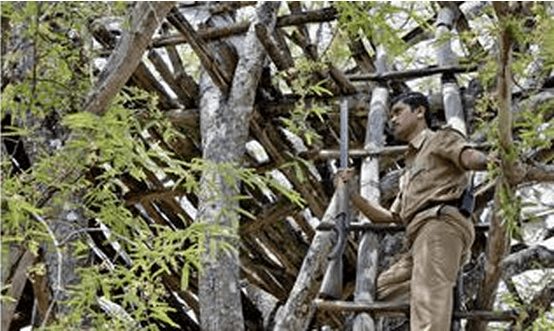
The Hindu— File Photo

We’ve written about the importance of forest stewards before, primarily because in many cases they straddle the roles of guard and guide within the territories they protect. But many of those protected areas in India are suffering from severe shortages of qualified field staff, putting enormous areas of land, not to mention the wildlife that call it home, at risk.

But the Karnataka Eco-Tourism Development Board is initiating an innovative plan to train volunteers to be forest naturalists who will assist the forestry department a minimum of two weeks per year in their anti-poaching activities.

In order to create this pool of trained volunteers, the Karnataka Eco-Tourism Development Board is offering, for the first time in the country, three- and four-day Naturalist and Volunteer Training. The board is offering the training programme in association with Jungle Lodges and Resorts Ltd. Continue reading

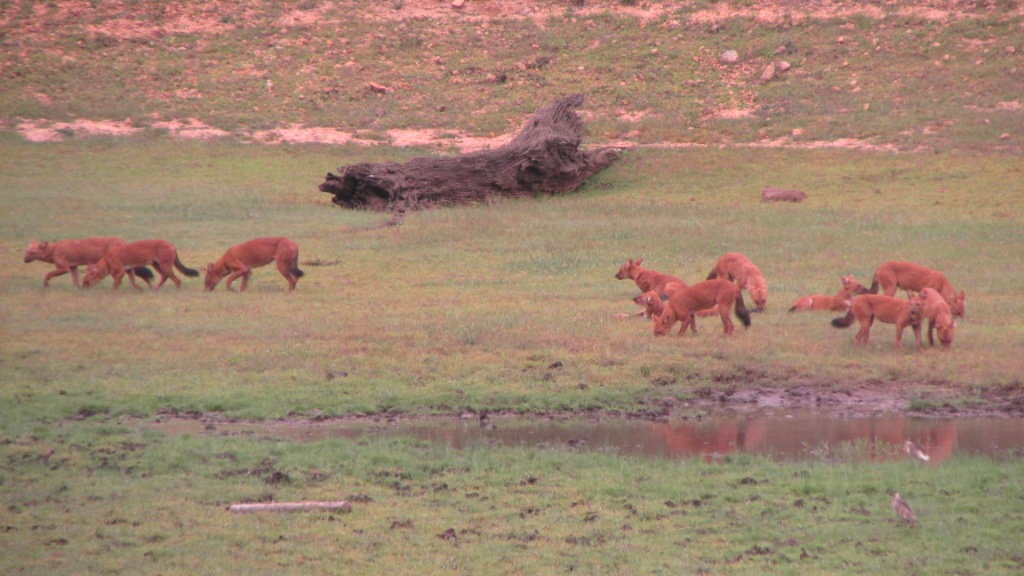
Wild Periyar – Dholes (Asiatic Wild Dog)

Recently disignated as a World Heritage Site by UNESCO, the Western Ghats and Periyar Tiger Reserve are among India’s prime ecological hot spots The rich and productive banks of the Periyar reservoir attract Wild Dogs that gather near the lake looking for Sambar Deer and Wild Boar. Continue reading

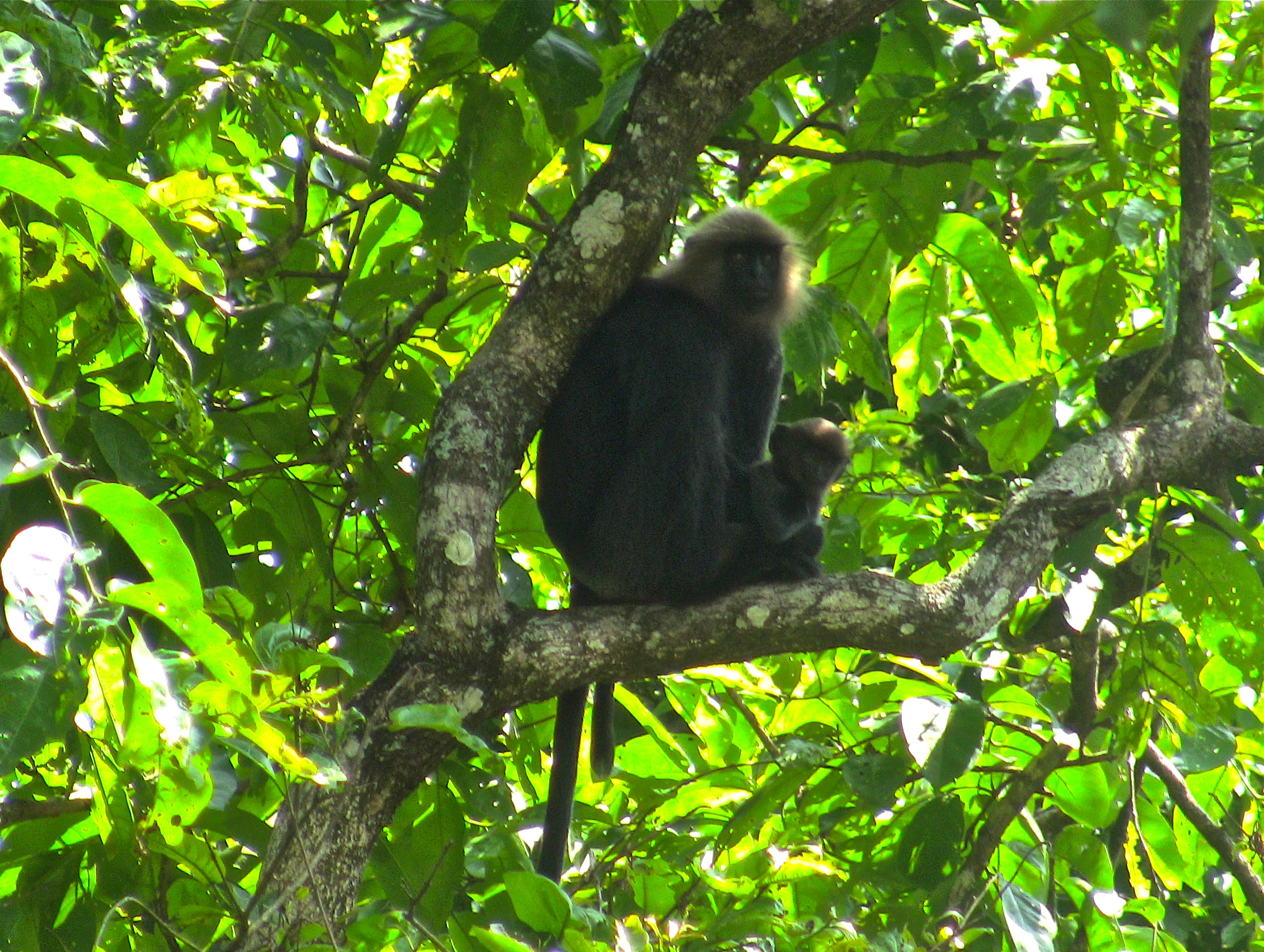
Endangered species : Nilgiri Langur

Two centuries ago, under the British rule, much of the Western Ghats forests were cut down to be replaced by tea plantations. In 1895, the damming of the Periyar river plunged 26 square km of pristine forests into what is now called the Periyar Lake. The 925 km2 of dense hilly forest that form the Periyar Wildlife sanctuary may seem huge, but it is actually a limited territory for the endemic species. Continue reading