Invasive Species, Natural Disasters Of Our Own Creation

Screen Shot 2016-06-07 at 6.48.16 AM.jpg

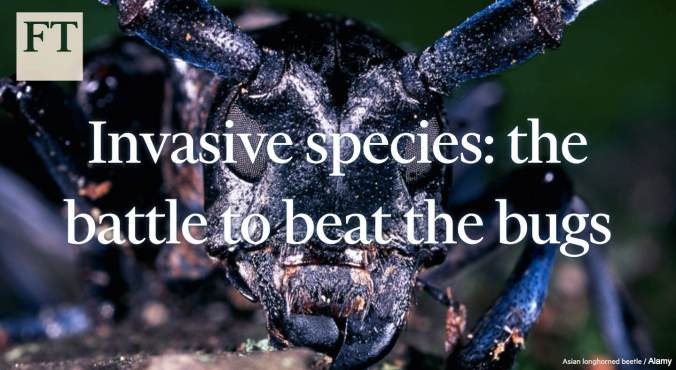
Who needs horror movies when a story like this makes for much more compelling fear, and the realism is, well, real. Click the image above to go to the story:

Biosecurity ‘weaponry’ is helping to halt the global spread of non-native species, from rampaging caterpillars to giant hornets

The best time to annihilate oak processionary caterpillars is when they are young, just a few millimetres long and still high up in the trees. At this stage, their appetite for oak is rapacious, so dousing the leaves in a biocontrol agent like Bacillus thuringiensis (Bt) is one way to get the caterpillars to ingest it. When Bt toxins dissolve in the caterpillar gut they become active, puncturing the stomach and killing the insect in several days. Continue reading

Selling Invasive Species Online

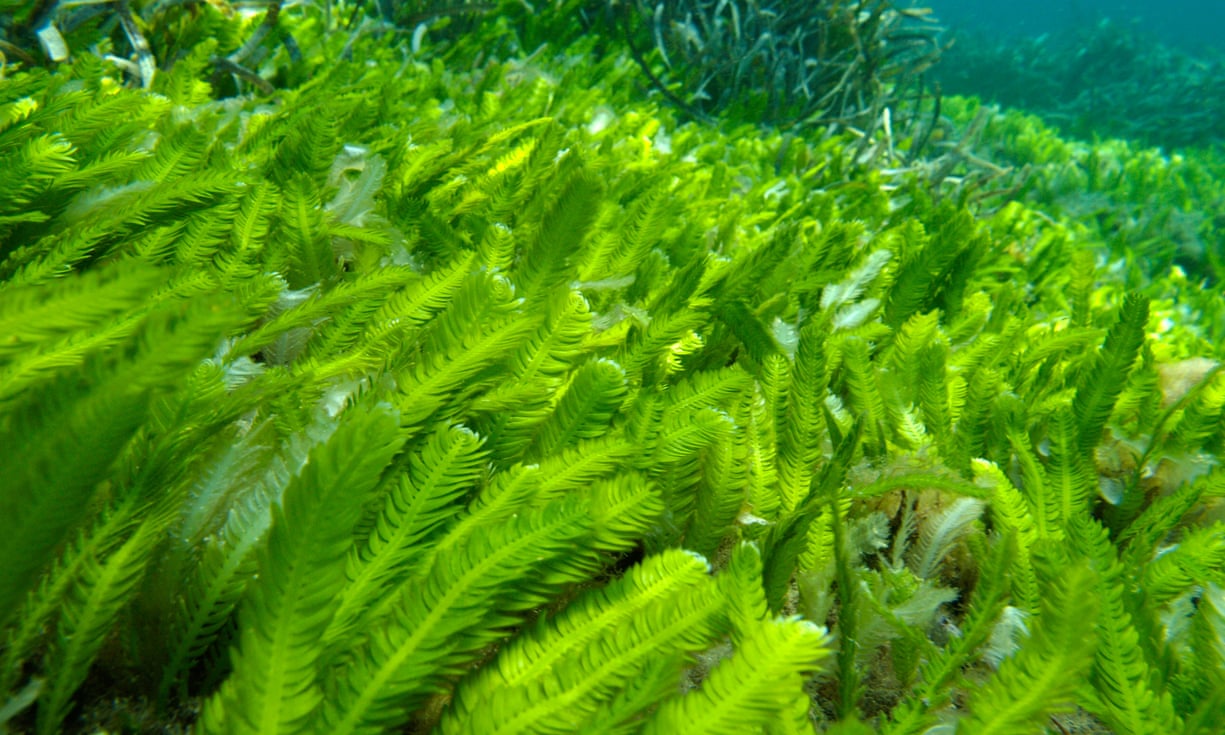
A seller, who was offering to export killer algae (Caulerpa taxifolia) from the UK said he thought it was unlikely that the plants would find their way into the environment if they were disposed of properly. Photograph: Alamy Stock Photo

We report on the problems of invasives pretty often on this blog, whether its herps, plants, fish, or even mammals. Today, I learned that many of the opportunistic organisms creating problems in the US and UK, as well as Australia, are sold online by merchants on eBay and Amazon, often with no legal repercussions despite trading in banned species. In an article written for The Guardian, Karl Mathiesen discusses the issue. After reading it, I thought of the opportunity for citizen scientists to “tip off” their governments after spending a couple minutes online, browsing for internet traders in invasive species. I’ll be looking into that in the weeks to come. For now, Mathiesen reports:

A killer algae, a monstrous pondweed, a tree that has infested the Everglades and a dozen more of the US’s most environmentally destructive plants have been discovered for sale on eBay. Online traders told the Guardian that ignorance of the law led them to create listings that had spread hundreds of illegal specimens across the country.

Continue reading

Lionfish Removal and Awareness Day Festival


Photo credit: Erin Spencer

Photo credit: Erin Spencer

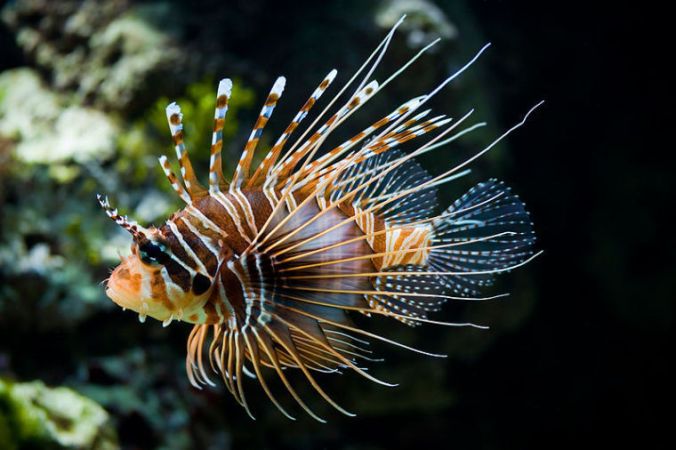
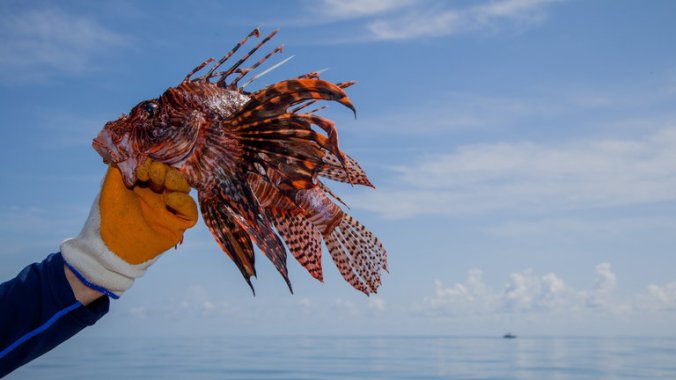
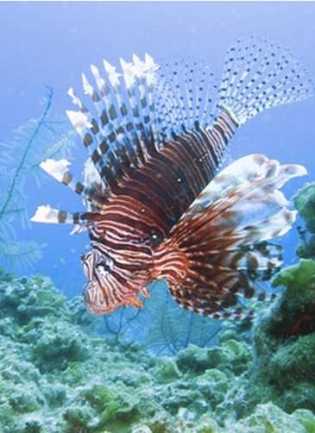
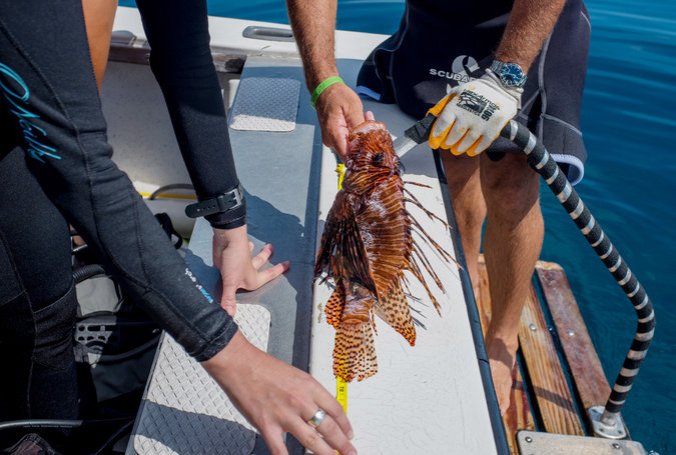
I’ve posted previously about the lionfish invasion that is threatening coral reef and other marine ecosystems throughout the Caribbean, Gulf of Mexico, and Southern Atlantic Seaboard of the United States. As I’ve noted in earlier posts, it is the general consensus of the scientific and conservation community that eradication of lionfish from the Atlantic is impossible. However, there is growing evidence that systematic removal efforts can be effective in controlling lionfish populations and in reversing their negative impact on reef health. The challenge faced by marine protection agencies and marine resource managers is how to undertake these removals on a regular and financially sustainable basis. I’m convinced that this challenge can best be met by an integrated approach involving coordinated action by public and private actors complemented by the creation of markets for lionfish products.

All of these elements were in evidence at the Lionfish Removal and Awareness Day festival in Pensacola, Florida which I attended last month. Organized by the Florida Fish and Wildlife Conservation Commission (FWC), the two-day event included a lionfish derby (with more than 8,000 lionfish removed by volunteer divers), lectures about the invasion and the threat that it poses, lionfish cooking and tasting, and sale of lionfish products.

Notable among the sponsors of the event was Whole Foods, which had announced a few weeks earlier that it was going to begin selling lionfish at its stores in California and Florida. The move by whole foods was sparked by the decision late last year of Monterey Aquarium’s Seafood Watch program to list lionfish as a best choice under its sustainable seafood recommendations, citing the invasive nature of the species. As I had noted in a previous post, Seafood Watch had previously declined to list lionfish due to the absence of an established commercial fishery, but to their credit, the group responded to what they described as a “grassroots campaign” and revisited the issue. Moreover, since taking the decision to list lionfish, Seafood Watch has been active in raising awareness about the invasion and in promoting lionfish consumption. Continue reading

Lionfish Initiative Spearheaded By Whole Foods In Florida

5158843f5fcbe.image

Florida Stores First Region to Offer New “Spearited” Catch of the Day

We are not purposely low tech, but we do not use tracking devices for news topics we care about (this topic we have tended to leave to Phil Karp, a contributor who first brought it to our attention a few years ago, and is highly attuned to the news and trends related to lionfish entrepreneurial conservation). We just watch the news sources we are inclined to trust, and try to get exposed to new news sources as frequently as possible. Those of us tracking news from India sometimes are late picking up important stories, like this one that has already been out for more than a day as it comes to our attention.

No matter. We like it, and for the record we want to share good news when we encounter it. This comes from ABC television affiliate WWSB in Florida, USA. We consider it a public service announcement, and so quote in full here, but still please click to the source of the story so they get credit:

A hub for certified sustainable seafood, Whole Foods Market® is excited to offer shoppers a fresh and delicious new seafood option – lionfish. The fish is a nonnative, invasive species that has a potential negative impact on indigenous species and habitat. By reducing the number of lionfish in the wild, Whole Foods Market® will help to improve the serious environmental threat they cause. Continue reading

Lionfish Initiative In Florida

tbfish1-master768.jpg

Capturing lionfish is typically done by divers with spears. Credit Angel Valentin for The New York Times

We never tire of hearing about new initiatives to eradicate this introduced species, and like the way the folks in Florida are thinking outside the box:

Florida Needs a Lionfish King or Queen. It Could Be You.

By

Ladies and gentlemen, behold an opportunity to become maritime royalty. The Florida Fish and Wildlife Conservation Commission is hosting the Lionfish Challenge, a statewide hunting competition intended to encourage divers to capture, kill and eat the beguiling beauties, which have been invading western Atlantic waters and gobbling up native species for at least two decades. The title of Lionfish King or Queen goes to whoever captures the most lionfish by Sept. Continue reading

Bad News for Lionfish in Costa Rica, Good News for Costa Rica

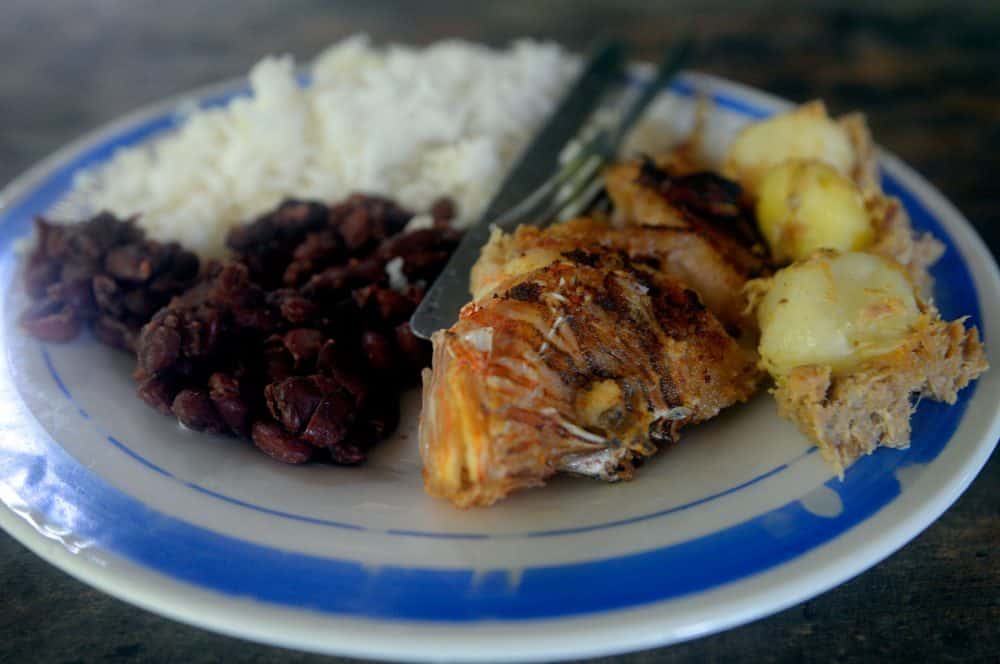
After a long day of fishing, the lionfish are fried and served up with rice and beans. Lindsay Fendt/The Tico Times

We’re always keeping our eye out for updates on the lionfish situation, and that’s why we’re happy to see that some more efforts are being made in Costa Rica to control a problem that is pretty out of control. More from Lindsay Fendt from the Tico Times:

Local efforts to curb the encroachment of invasive species in Costa Rica’s Caribbean got a big boost this week with the formation of a National Commission for the Management and Control of Lionfish. The new commission will provide government support for Caribbean fishing associations that are already actively combatting the proliferation of lionfish (Pterois).

Introduced to the Atlantic Ocean from the Indo-Pacific sometime in the 1980s, the lionfish has been wreaking havoc on Caribbean fish populations. The fish can gobble up two smaller fish every minute and lay up to 30,000 eggs each year, depleting catches for fishermen and damaging the ecosystem. Though not the hardest hit country in the region, Costa Rica has approximately 90 lionfish per hectare and fishermen have reported an 80-87 percent decline in their catches since 2009 when the fish began to appear off the country’s coast.

Continue reading

Another Year, Another Invasive Python Hunt

BBq5rPj

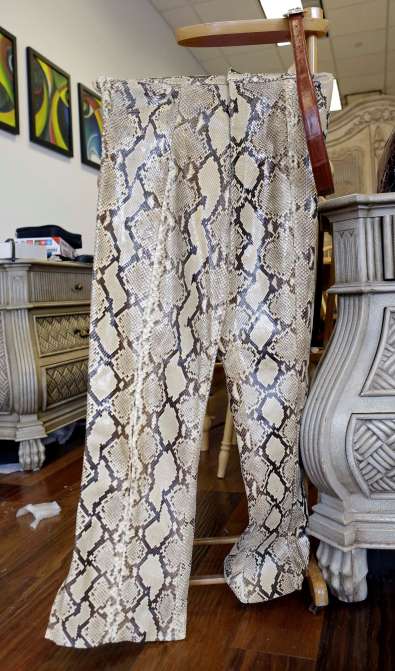
In this photo taken Tuesday, Feb. 23, 2016, a pair of trousers made of python skin is displayed at All American Gator Products in Hollywood, Fla. About a third of the pythons have come to Brian Wood, owner of All American Gator Products, to be made into wallets, shoes, belts or handbags. Wood pays up to $150 apiece for the snakes, about the same price he pays for python skins imported from Asia. © AP Photo/Alan Diaz

The pattern is striking. Takes a moment to realize it is a natural one. We have Burmese Pythons to thanks for that natural beauty. The pattern by which it is sewn together? Hmmm. We are not sure the fashion would suit us, so to speak. Python pants, in the work we do, would just be odd.

But to be consistent with our enthusiasm for eradication of invasive species, through what we call entrepreneurial conservation methods, we must tip our hats:

Florida hunters capture 106 Burmese pythons; 1 was 15-feet

By JENNIFER KAY, Associated Press

DAVIE, Fla. — Florida wildlife officials say 106 Burmese pythons were caught during a state-sanctioned hunt for the invasive snakes.

The longest was 15 feet. Continue reading

Lionfish Jewelry Update – Caribbean Gulf and Fisheries Institute Conference

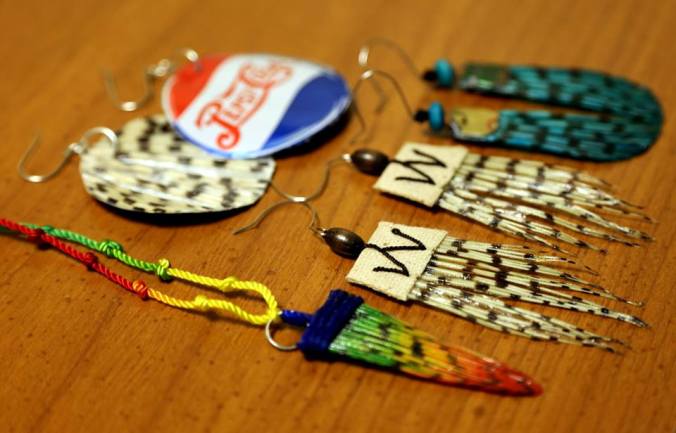
I’ve posted previously about the emergence of lionfish jewelry as one of several market-based approaches to controlling the invasion of this non-native species which poses an unprecedented threat to marine ecosystems in the Western Atlantic.

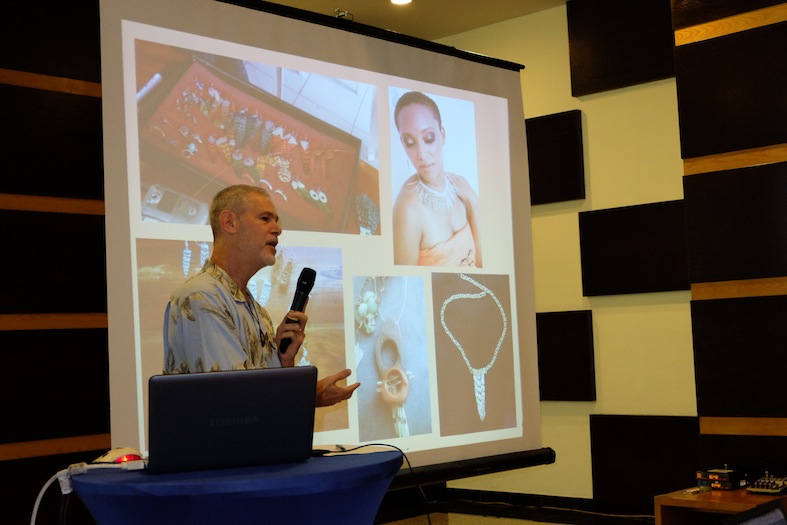
Last month I had the opportunity to make a presentation on lionfish jewelry at a special workshop on lionfish management that was held during the annual conference of the Gulf and Caribbean Fisheries Institute, in Panama. The conference program also included a full-day lionfish research symposium and a lionfish research poster session, both of which gave me an opportunity to learn more about the science aspects of the lionfish invasion and some of the latest findings on lionfish biology and behavior and to meet some of the leading researchers on these subjects.

The lionfish management workshop, which was organized by the United Nations Environment Program’s Caribbean Regional Activity Center on Specially Protected Areas and Wildlife (SPAW-RC) and the International Coral Reef Initiative (ICRI), brought together marine scientists, managers of marine protected areas, fishermen, and representatives of international organizations to share experiences and lessons learned with respect to strategies for controlling the invasion. Continue reading

Flower Garden Banks Lionfish Invitational

I have posted previously about the lionfish invasion and the threat that it poses to marine ecosystems in the Western Atlantic. In an earlier post, I noted that there is increasing evidence that regular removals can be effective in controlling lionfish infestation, allowing native fish populations to recover. Removals are being undertaken via organized efforts such “lionfish derbies” and other forms of sanctioned fishing tournaments as well as via market approaches that create commercial incentives to harvest the fish.

While marine protection agencies are generally supportive of these efforts and are indeed engaging in removals themselves, they lack the data and evidence needed to make informed decisions about the optimal mix of approaches and the level of effort and resources needed to effectively control the invasion. I recently had the opportunity to participate in a research expedition aimed at helping to address this gap. I was fortunate enough to be selected to join 29 other volunteer citizen scientists, professional/semi-professional spear fishers, and marine scientists for a fish survey and lionfish culling effort in the Flower Garden Banks National Marine Sanctuary. Situated about 100 miles off the coast of Texas, the sanctuary is home to a unique ecosystem with almost 300 species of fish, 21 species of coral, and several other invertebrate species. Lionfish are being observed with increasing frequency within the sanctuary, a cause for concern by the sanctuary’s managers. They have previously undertaken periodic culling of lionfish, but the recent effort was the first time that removals were undertaken in a systematic fashion. Continue reading

We Love Salamanders, But Their Invasion Must Be Stopped

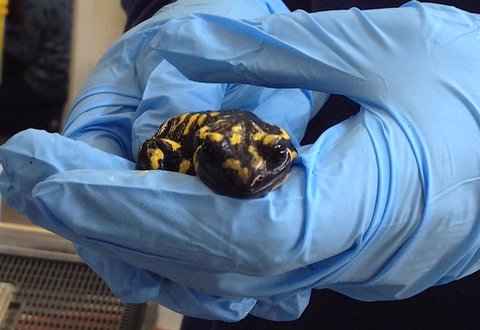
A healthy fire salamander from a captive-bred collection at a British zoo. Other specimens were infected with a fungus that has already devastated salamanders in continental Europe and could spread to North America.Credit Pria N. Ghosh

A healthy fire salamander from a captive-bred collection at a British zoo. Other specimens were infected with a fungus that has already devastated salamanders in continental Europe and could spread to North America.Credit Pria N. Ghosh

Our attention to stories reported in various media outlets about invasive species takes many forms, but invariably they are alarming, this one being no exception:

Pressure Builds for Swift U.S. Action Against Spreading Salamander Threat

There are signs of hope for American salamanders in the face of a potential biological catastrophe — a fungus that could be carried here through the global trade in exotic pets. Federal wildlife officials have signaled a crackdown may be coming on imports of amphibians.

Here’s the sequence of events.

Last year, biologists identified a virulent imported fungusBatrachochytrium salamandrivorans, as the cause of a steep drop in salamander populations in continental Europe. Herpetologists quickly began pressing United States agencies and officials (Dot Earth, Op-Ed article) to clamp down on the global exotic pet trade to cut the chances of the disease reaching the United States — which has the most diverse salamander population in the world.

In March, experts renewed their calls for action, frustrated with the lack of acknowledgement by federal wildlife agencies that this was an urgent issue. Continue reading

There Is No Effective Resistance To This Charm

We cannot resist sharing the snake stories of our own team members, and we also seem to favor this related topic of domesticated wild creatures gone amok; a story whose variations, it is now clear to us, we will never tire of as long as Amie keeps finding gems like this, as long as Phil continues to post about entrepreneurial solutions, and as long as the New York Times does not tire of sending its best reporters on the occasional odd wild something chase:

retro-python-wildpets-thumbWideRETRO REPORT

The Snake That’s Eating Florida

Burmese pythons appear to be in the Florida Everglades to stay, just one of a number of unwanted animals that have invaded America.

Menacing Weed or Wonder Plant?

©Peter Chadwick/DK Images

©Peter Chadwick/DK Images

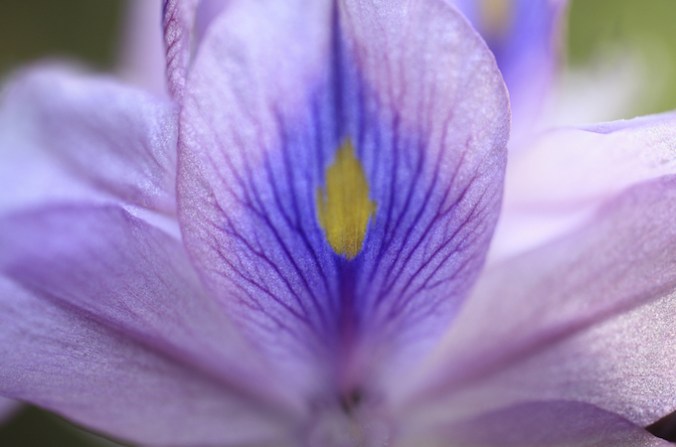
We’ve written about the invasive species water hyacinth on these pages before, discussing its environmental impact as well as its material value for eco-development projects. But we haven’t seen stories such as this one from Conservation Magazine where there’s a positive side to what many people call the “weed from hell.”

The scene at Florida’s Crystal River National Wildlife Refuge in Kings Bay last October would have been familiar to anyone who has ever engaged in the battle to control the spread of invasive plants. Eager volunteers scurried about the shoreline of this manatee wintering ground, carting large plastic bins stuffed with water hyacinth, a notorious aquatic weed that’s caused headaches on five continents. Closer inspection, however, would have revealed the activity to be anything but business as usual: instead of hauling water hyacinth out of the bay, the conservationists were putting it back in—almost 4,300 gallons’ worth by day’s end.

Those volunteers were taking part in a bold pilot project that is the latest chapter in a half-century-long ecological story that reads like a fable. It starts with a well-intentioned campaign to rid Kings Bay of the water hyacinth, an aggressive nonnative species. Next come decades of additional control measures and a tragic downward spiral that transformed these crystal-clear waters into an unpleasant soup of slimy green algae. Then the story takes an unexpected turn, back to its original antagonist. Only this time, Bob Knight, the wetlands restoration ecologist leading this pioneering project, has recast water hyacinth as the unlikely hero. He believes this South American native, if controlled, could help solve the algae problem and return the bay’s ecosystem to a more desirable state. The irony in this approach is not lost on anyone involved. Continue reading

Marine Reserves, Unexpected Effects

fish-680x450

Marine reserves have been of interest since the first months of this blog in 2011 and are still a mainstay of our incoming and outgoing newsfeeds. Much of our recent interest in the intersection between marine biology and conservation has been focused on invasive species since 2013, due to the super series penned by Phil Karp, most recently added to last week. Thanks to Jason G. Goldman and Conservation for this summary of a special topic within this intersection:

Most marine reserves are optimized for reef fish. These are fish that are born, live, reproduce, and ultimately die in a small area – sometimes on just a single reef. Where there is connectivity across a large area, it’s usually while the fish is in its larval stage. Once it matures, it stays put.

It’s a fitting strategy for conserving fish that live on coral reefs, rocky reefs, or in kelp forests, but does it do much to help those species that are more migratory? These are animals, like the Gulf of Mexico’s gag grouper, that spend their childhoods in one place, a nursery habitat like a mangrove, estuary, or kelp forest, and then migrate to live out their adult years in an adult habitat, like a reef or along the continental shelf. Continue reading

Eat a Lionfish, Save a Reef – Markets and Menus to the Rescue

photo credit: Reef.org

photo credit: Reef.org

At the risk of back-patting and preaching to the converted, it’s heartening to connect with others in the world community calling attention to and making efforts toward education and action against invasive species.

We thank the contributors of Conserve Fewell for introducing themselves to us!

As many of you who follow this blog know, invasive species can have devastating impacts on local economies and wipe out endemic wildlife populations.  Scott Cameron a frequent blogger here at ConserveFewell has established a new coalition devoted to reducing the risks and economic costs from invasive species, RRISC.

The lionfish is one of those perfectkillers, introduced by aquarium enthusiasts into places it doesn’t belong and wreaking havoc on native fish populations and decimating reefs. Continue reading

Fighting Invasive Lionfish – Update

I’ve posted previously about the lionfish invasion that is threatening coral reef and other marine ecosystems throughout the Caribbean, Gulf of Mexico, and Southern Atlantic Seaboard of the United States. Availability and dissemination of information about the invasion was recently given a big boost through launch of the Invasive Lionfish Web Portal The portal is a collaborative effort of a number of partners, led by the Gulf and Caribbean Fisheries Institute. It is a great resource, providing links to a range of information about the invasion, including journal articles, videos, photos, recipes, a Twitter feed, etc..

Another recent development has been the release of a draft United States National Invasive Lionfish Prevention and Management Plan. Developed by the U.S. Government’s Aquatic Nuisance Species Task Force, the plan is intended to help coordinate the actions of the various government agencies and other stakeholders involved in dealing with the invasion. While such a plan is long overdue, and in that sense is welcome, I’m quite disappointed that the plan largely ignores, and indeed implicitly discourages, an important element of an effective strategy for addressing the invasion – namely the use of market-based approaches.

As I’ve indicated in my previous posts, the Atlantic lionfish invasion is a unique problem that requires innovative solutions. Continue reading

Ticking Clocks Of Botanical Gardens

shutterstock_192530375-copy

Image © KPG_Payless | Shutterstock

Thanks to Conservation for Roberta Kwok’s summary of scientific news we had not quite expected, nor wished for:

A relaxing stroll in a botanic garden sounds like a lovely way to spend an afternoon. These green oases can encourage people to appreciate nature and bring attention to conservation issues. But some botanic gardens might harbor an ecological threat: they could be prime sources for invasive species to spread into the wild. Continue reading

Preparing For Citizen Science

shutterstock_200307821-copy

© kim7 | Shutterstock

Thanks to Roberta Kwok for her ever-clear and concise reviews of important scientific findings in Conservation, this one of particular interest to Raxa Collective contributors Seth Inman for the last few years, and Phil Karp since he started contributing to our blog in 2013:

HOW SHOULD CITIZEN SCIENTISTS BE TRAINED?

The potential power of citizen science is huge: Scientists can enlist smartphone-equipped nature enthusiasts to identify species, monitor ecological trends, and submit photos and other observations on a shoestring budget. But researchers who want to conduct studies over large or remote areas face a problem. If they need to train volunteers in person, their cheap citizen science project suddenly isn’t so cheap anymore.

Now cash-strapped researchers can take heart from a new study in PLOS ONE. Continue reading

Lionfish, Prized Case Study In Innovative Environmentalism

A lionfish caught near Homestead, Fla., by researchers for the Reef Environmental Education Foundation, which is trying to curb the species’ proliferation. Credit Angel Valentin for The New York Times

A lionfish caught near Homestead, Fla., by researchers for the Reef Environmental Education Foundation, which is trying to curb the species’ proliferation. Credit Angel Valentin for The New York Times

We have hosted a series of posts from Raxa contributor Phil Karp, with citizen science and entrepreneurial conservation angles to the story; and now the New York Times considers the story fit to print in a well-detailed reportage:

A Call to Action Against a Predator Fish With an Import Ban, an App and Even Rodeos

Continue reading

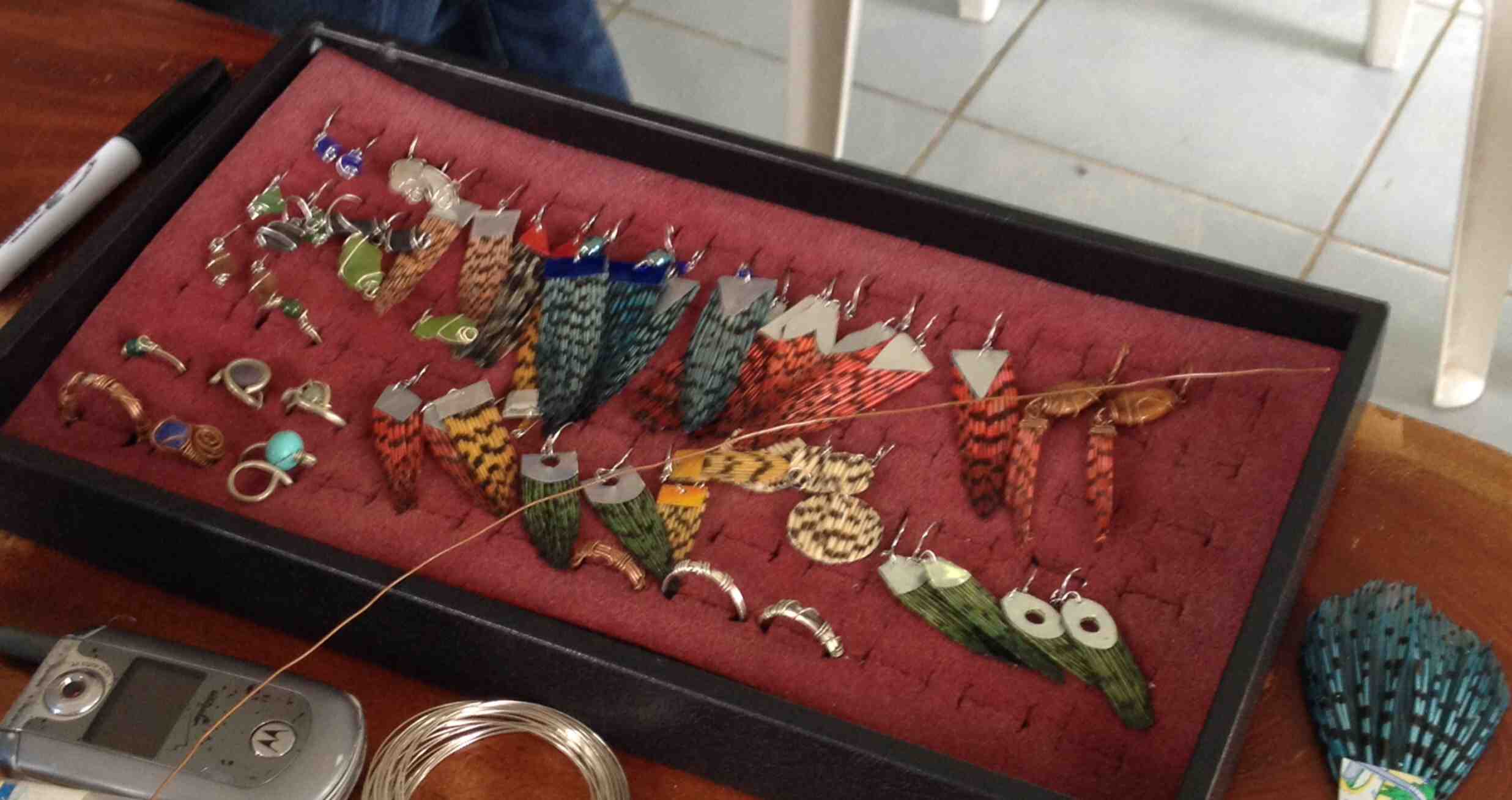
Citizen Science in Belize – Update on Lionfish Jewelry: Part 2

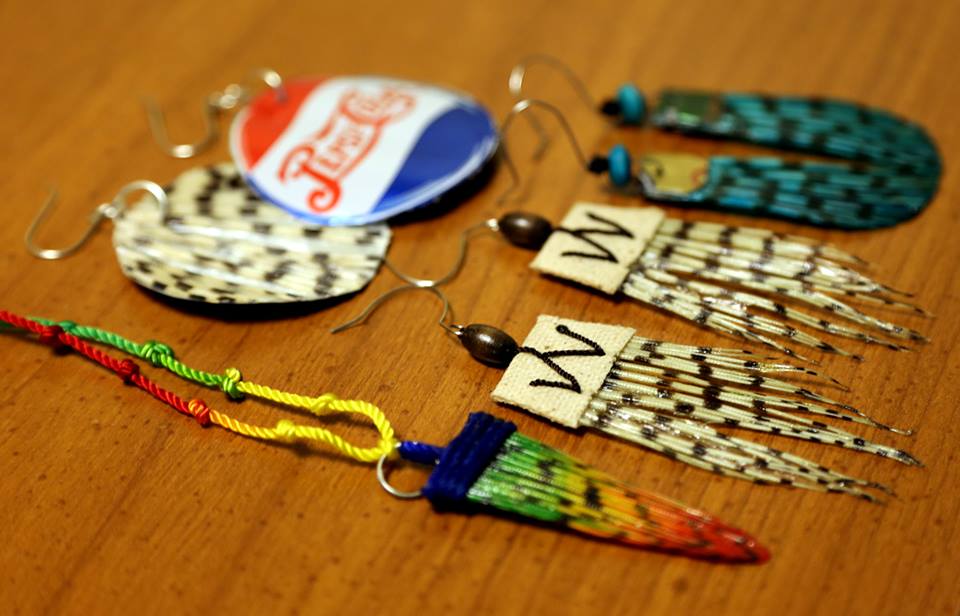
Assorted lionfish jewelry from Palovi Baezar, Punta Gorda, Belize

Assorted lionfish jewelry from Palovi Baezar, Punta Gorda, Belize

In Part 1 of this post I wrote about my recent visit to Belize to help with further development of the nascent  market for lionfish jewelry; one of several market-based approaches to addressing the threat to Southwest Atlantic marine ecosystems posed by the invasion of this non-native species. I noted that the market is most advanced in the area around Punta Gorda, in Southern Belize, in large measure due to the support provided by ReefCI which has provided training on jewelry making to a group of local women and is supplying them with lionfish spines, fins, and tails as well as marketing assistance.

Lionfish spines, fins, and tails ready for jewelry

Lionfish spines, fins, and tails ready for jewelry

While ReefCI’s involvement has been instrumental in getting things started, further development and expansion of the market will require engagement with artisans and women’s groups in other parts of the country, particularly areas closer to major tourist markets. Interventions are also needed to develop a reliable and sustainable supply chain for lionfish jewelry production and sales. I was pleased to hear from one of the jewelry makers in Punta Gorda that a local fisherman had approached her about selling lionfish tails. This was music to my ears, as one of the motivations behind the lionfish jewelry idea has been to up return to fishers in order to create added commercial incentive for them to hunt lionfish (the fish cannot be caught using conventional fishing methods such as hook and line or nets, but must instead be speared or hand-netted by diving). Continue reading

Throwback Thursday: IPM

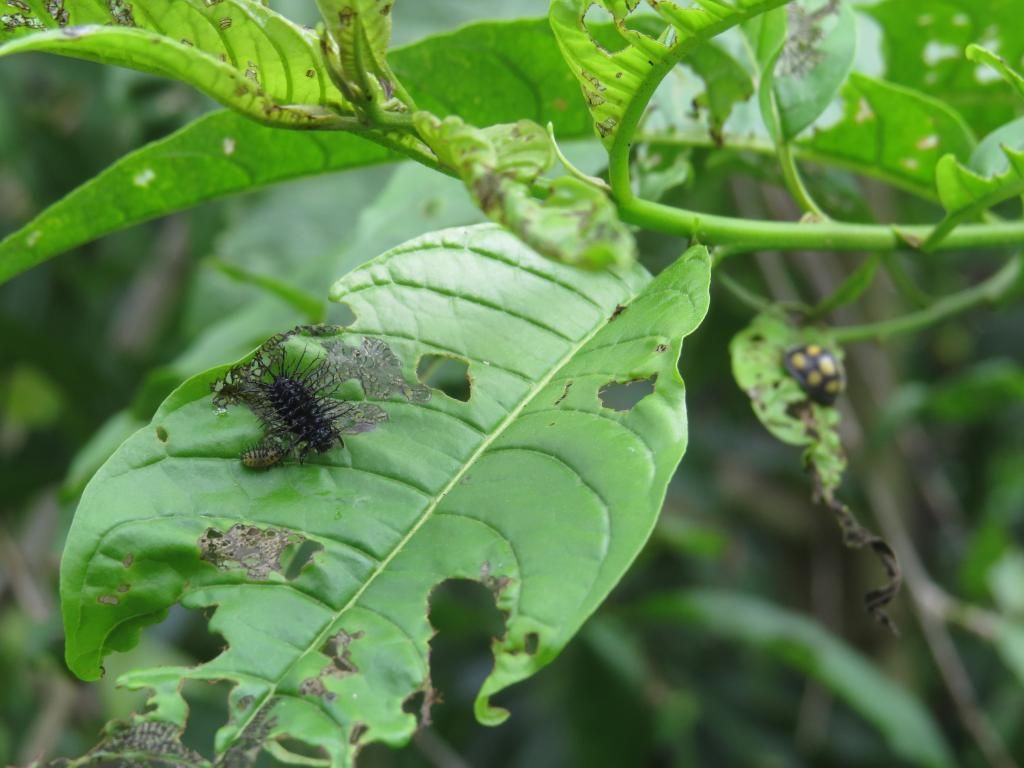
A ladybug relative nymph in the foreground and a mature individual in the background. The tiny thing next to the nymph might be a larvae.

Yesterday, as James and I were on one of our birding walks around Xandari, we ran into José Luis, who had a couple new things to show us about the gardens and orchard that he runs. At first, it looked like a ragged young tree, its leaves half-devoured and its trunk stained black. But we quickly learned Continue reading