Reducing Our Intake Is The Only Answer

3829

Cattle at an illegal settlement in the Jamanxim National Forest, state of Para, northern Brazil, November 29, 2009. With 1,3 million hectares, the Jamanxim National Forest is today a microsm that replicates what happens in the Amazon, where thousands of hectares of land are prey of illegal woodcutters, stock breeders and gold miners. Photograph: Antonio Scorza/AFP/Getty Images

The argument made below by Damian Carrington, the Guardian’s Environment editor, is one nobody can hide from. We are not. Contributors on this platform have been reducing our intake of these forms of calories over the last couple years. We can report on its not being as difficult as it may sound at first to carnivores, ice cream aficionados and milk-drinkers. We are down some 40% and pushing the envelope further as fast as we can. It is not enough, relative to what these numbers say:

Avoiding meat and dairy is ‘single biggest way’ to reduce your impact on Earth

Biggest analysis to date reveals huge footprint of livestock – it provides just 18% of calories but takes up 83% of farmland

Avoiding meat and dairy products is the single biggest way to reduce your environmental impact on the planet, according to the scientists behind the most comprehensive analysis to date of the damage farming does to the planet. Continue reading

Drink The Wonk

5219.jpg

Soft fruit, such as oranges, root vegetables and salad are particularly prone to waste. Photograph: Eric Farrelly/Alamy

Rebecca Smithers, consumer affairs correspondent for the Guardian, has reported on a simple idea to not waste fruit just because its appearance is not standard. Wonky, as they say on the island where the English language comes from. Don’t fear the wonk, this article and this brand are saying. Was this not already happening with juice, as with other waste-reducing beverages? Can a brand be built on such an idea? Thumbs up to that:

‘Wonky’ fruit and vegetables that would have been thrown away are now being used to make a new range of juices, in one of a number of assaults on food waste.

One of the UK’s largest fresh produce growers has teamed up with a Spanish fruit supplier to create a new product, Waste Not, which will stop edible but visually ‘imperfect’ ingredients such as fresh celery, beetroot and oranges from being dug back into the soil, or used for animal feed. The new juices will go on sale in branches of Tesco.

The move is one of a growing number of innovations to reduce food waste throughout the supply chain, following criticism of supermarkets and suppliers that perfectly good food is being thrown out while UK consumers are relying increasingly on food banks. Continue reading

Carbon Footprint Self-Analysis

Carbon1.jpg

Thanks to Livia Albeck-Ripka and the New York Times for this

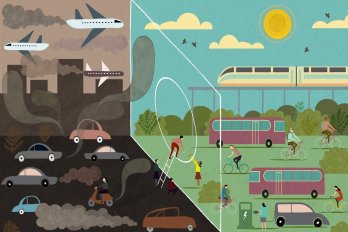
How to Reduce Your Carbon Footprint

carbonfootprint-slide-SUBX-jumbo.jpg

What Is a Carbon Footprint?

Climate change can be overwhelming. The science is complex, and when it comes to future impacts, there are still a lot of unknowns. While real solutions will require action on a global scale, there are choices you can make in your day-to-day life to lessen your personal impact on the environment. This guide will walk you through some of them.

carbonfootprint-slide-664U-jumbo.jpg

DRIVE LESS

A carbon footprint is the total amount of greenhouse gas emissions that come from the production, use and end-of-life of a product or service. It includes carbon dioxide — the gas most commonly emitted by humans — and others, including methane, nitrous oxide, and fluorinated gases, which trap gas in the atmosphere, causing global warming. Usually, the bulk of an individual’s carbon footprint will come from transportation, housing and food.

You can start the process by calculating your carbon footprint here. You will need to know the following: Continue reading

The Largest Underground Bicycle Parking Garage In The World

02Bikes6-master675

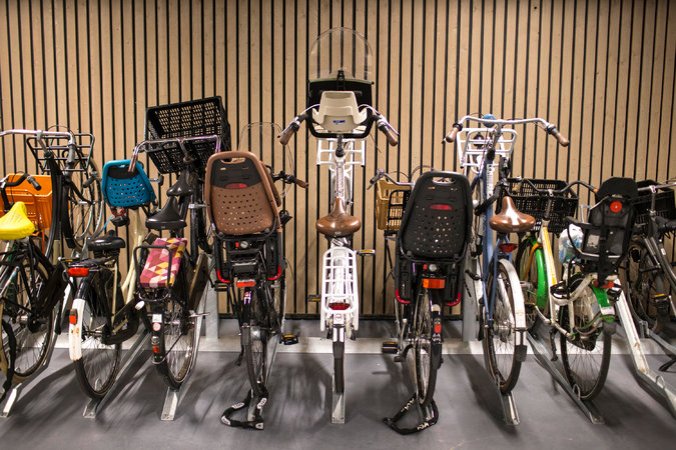
A special section in Utrecht’s new underground bike parking garage is for bigger bikes, which usually have children’s seats attached. Credit Ilvy Njiokiktjien for The New York Times

If You Build It, the Dutch Will Pedal

02Bikes2-master675

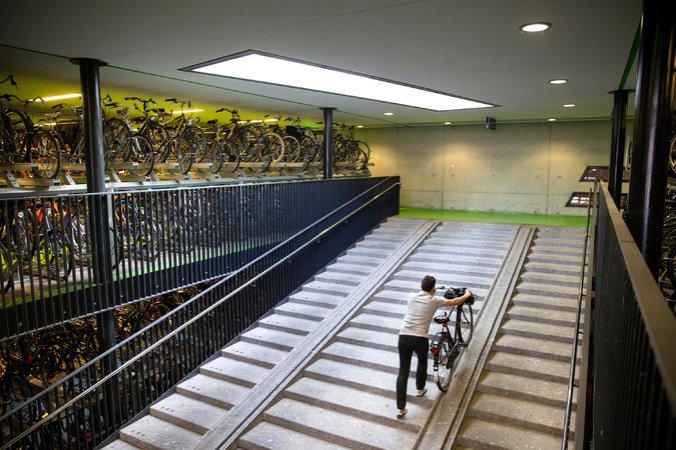
As fast as Utrecht can build underground bike parking garages, most spots are taken. Credit Ilvy Njiokiktjien for The New York Times

The city recently surpassed Amsterdam in a widely respected ranking of bike-friendly cities and is now second only to Copenhagen, which is more than twice its size. Continue reading

Install Solar Power In Your Home

Solar.jpg

Thanks to the Guardian for this series of videos:

Every day, the sun kickstarts mini power plants in about 942,000 homes around America. We are of course talking about solar energy – and in 2017, it’s never been cheaper to invest in it for your home. The Guardian looks at key tips for installing solar panels and why now is the time to switch

How to install solar panels at home

Redeeming Schemes Punctuated With Question Marks

5687

An impression of the town square at the Babcock Ranch development in Florida. Photograph: Babcock Ranch

For every redemption story there seems to be at least one more redemption puzzle. Conundrums. This is one of those. We want to love the scheme for some of its nobler aspects, but then realize it is impossible to do so unconditionally. And finally, simply, impossible:

The solar-powered town: a dream for the environment – or a wildlife nightmare?

Babcock Ranch, the brainchild of ex-NFL player Syd Kitson, aims to be a model of sustainability but campaigners fear it will be tragic for endangered panther

Edward Helmore in New York

Florida real estate has a bad habit of reflecting the boom-and-bust cycles of the US economy but Babcock Ranch, a new development opening early next year and designed to be the world’s first solar-powered town, is hoping it can provide the Sunshine state with a model for sustainable living. Continue reading

How Much Energy Does A Bicycle Produce?

We had been wondering this too, we admit:

An NPR listener (with what may be the best Twitter handle ever — Booky McReaderpants) inquired whether a home can be powered by bicycle-powered generator.

It’s an interesting issue about energy and the modern world. And the short answer comes from just running the numbers.

A typical house in the U.S. uses about 1,000 kilowatt-hours of energy in a month. So — to Booky McReaderpants’ question — could you generate that much power all by yourself on stationary bike?

No.

Nope.

Not even close. Continue reading

Remote Living, Well Done

980x (8).jpg

Edinburgh of the Seven Seas, Tristan da Cunha, South Atlantic Ocean michael clarke stuff / Wikipedia

Thanks to EcoWatch for keeping us posted on the greenish news from the bottom edge of the planet:

World’s Most Remote Village Is About to Become Self-Sufficient World’s Most Remote Village Is About to Become Self-Sufficient 

The most remote village on Earth, located on Tristan da Cunha in the South Atlantic Ocean, is about to get a 21st century upgrade thanks to an international design competition aimed at creating a more sustainable future for the farming and fishing community. Continue reading

If You Happen to be in Cincinnati

cincyatnight

If you happen to be (or work) in Cincinnati, you will likely notice that the city is setting precedent as one of the “greenest,” most innovative cities in the US. According to an article published on Triple Pundit, the city is one of the fastest growing centers for technology innovation and it is employing that expansion to propel its 60 sustainability initiatives as outlined in the Green Cincinnati Plan, which covers a whole spectrum of topics from renewable energy, to transportation, to food waste.

“In addition to benefiting the environment, our initiatives must make economic sense (save money, create jobs) and improve quality of life for residents (improve public health, mobility, connectedness)” explained Ollie Kroner, the Sustainability Coordinator for the City of Cincinnati.

Continue reading

Solar Energy Benefits for All

h_bostonia_16-9939-solarpanel-116

All photos from: Boston University Bostonia

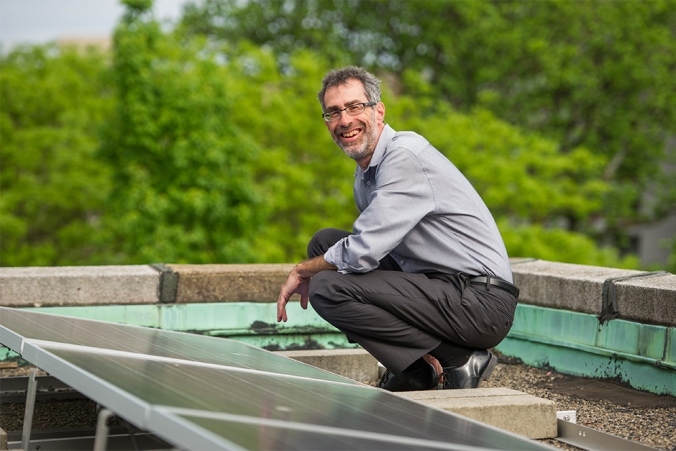
It seems obvious that investing in renewable solar energy saves money for those who install photovoltaic (PV) systems for their homes. However, what might not be so obvious is that PV systems also reduce electricity prices for all those with no solar panels, as professor Robert Kaufmann from Boston University discovered. His research revealed that the approximately 40,000  households and community groups with solar panels in Massachusetts reduce electricity prices for all of the three million electricity ratepayers in the state, including those with no solar panels.

“Until now, people have focused on how much was being saved by those who owned PV,” says Kaufmann. “What this analysis quantified was that it actually generates savings for everybody.”

Continue reading

Hydroponics at Home

mg_6498

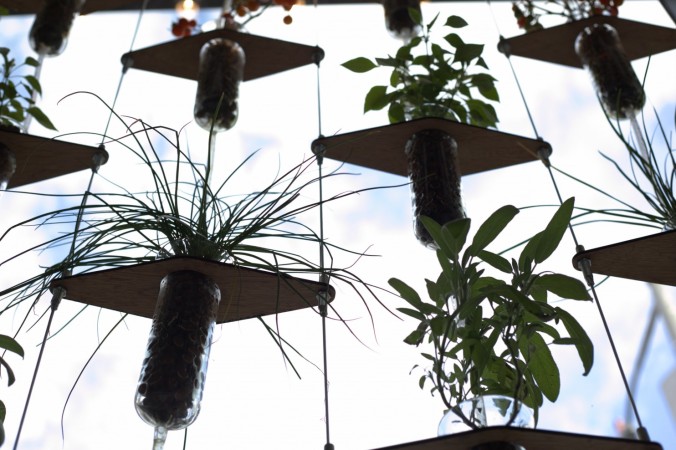
A vertical hydroponic system that also serves a artistic window decor by Michael Doherty.
Source: Washington Post

Hydroponics is far from a new subject on our blog (read on Milo’s experimentation with hydroponics), and while the sustainable benefits of this gardening method have been shared before, there is still one aspect we haven’t covered: appearance.

Just to cover the basics once again, hydroponics is a system of growing plants without soil and using mineral nutrient solutions in water. It’s water efficient and can be done easily in tight quarters, which means anyone can create a hydroponic system – in theory.

“If you understand the fundamentals, what the plants need, and you have some practical use of tools, it can be just a kiddie pool filled with water and a floating piece of Styrofoam board with holes cut in it,” believes Gene Giacomelli, a professor of agricultural and biosystems engineering at the University of Arizona and director of the Controlled Environment Agriculture Center.

Continue reading

Warm and Wooly Homes

havelock_sheep_wool_fishermansdaughter

All images from triplepundit.com

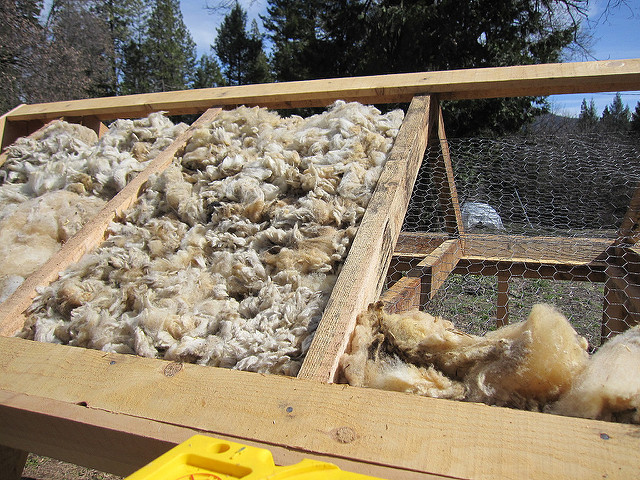
Sheep’s wool has long been proclaimed as one of nature’s best insulators, and San Francisco startup Havelock Wool, LLC has taken advantage of this property of wool to use it as a sustainable insulation product to meet the growing demand of higher efficiency buildings and homes. Although wool is typically known for keeping things warm, the company is also using the material for homes in warm and sunny environments:

The company recently tried out its products on a 17,000 foot mansion in Newport Beach, a destination harbor town in the middle of Southern California’s coastline. As with most insulating products, the material’s ability to lock out cold temps also gives it the ability to insulate homes during hotter weather. It absorbs moisture, drys out naturally and doesn’t become moldy.

But its most appealing quality is its environmental benefits.

Continue reading

A Homemade Island in British Columbia

With wooden buildings painted in teal and magenta, this homemade island built by a woodcarver and a dancer is quite a sight, and a fun example of sustainable living off the grid.  Continue reading

Plus-Energy Homes


roxbury-e-townhouses-by-interface-studio-architects-889x626

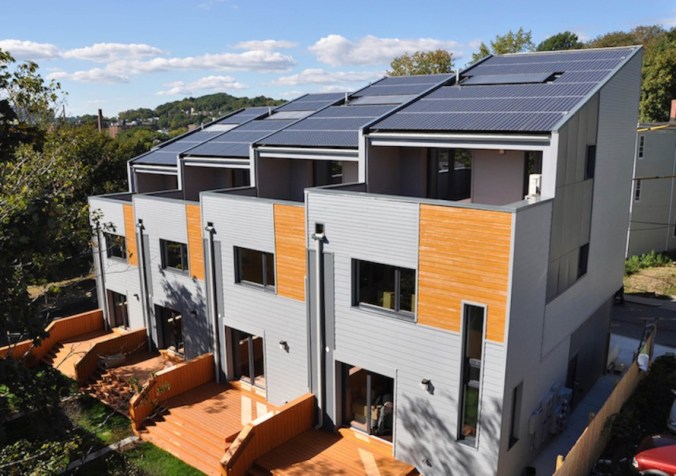
Roxbury E+ Townhouses. All photos: Inhabitat.com

We love finding new and innovative solutions to live more sustainably. In this case, imagine living in a home that not only produces enough energy (from renewable sources of course) to sustain its own energy consumption but also produces surplus energy.  These are known as plus-energy homes and they are not only energy efficient, but also eye appealing and becoming more affordable. Here is a list of eight homes that pioneer in sustainability (the three I have listed are my top favorites):

1. ZEB pilot House by Snøhetta in Norway

Dramatically tilted toward the southeast, Snøhetta’s ZEB Pilot House is a plus-energy family house that produces enough surplus energy to power an electric car year-round. Located in Larvik, Norway, the 200-square-meter home serves as a demonstration project to facilitate learning and is powered by rooftop solar energy and geothermal energy.

Continue reading

Earthships

earthships-7

Photo via ThisIsColossal

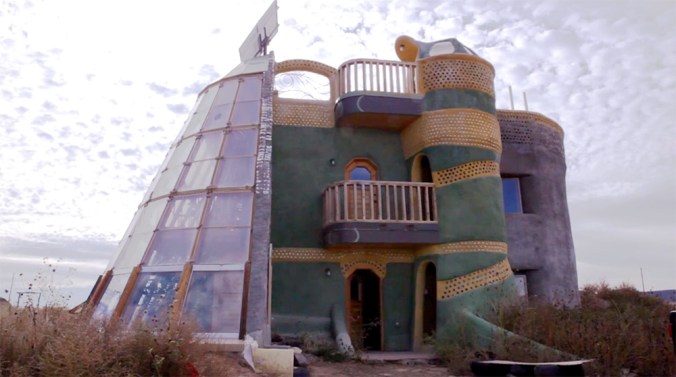
In New Mexico, a community of ecologically-conscious citizens have built homes that are almost completely made out of recycled materials, and their utilities come from the sky: solar and wind power, and rain collection gutters. We’ve featured a series on straw bale construction, a slightly similar idea, in the past, but, as you can see in the video below, these “earthships” have even more going for them.

Continue reading

Peddle-Powered Phone Juice

bikecharger3

Thanks to EcoWatch for this article that, in a place like India where bicycles are a mode of common transport, and mobile phones are ubiquitous, is pointing us to a practical green innovation:

Charge Your Battery While You Bike to Juice Up Your Phone

Lorraine Chow

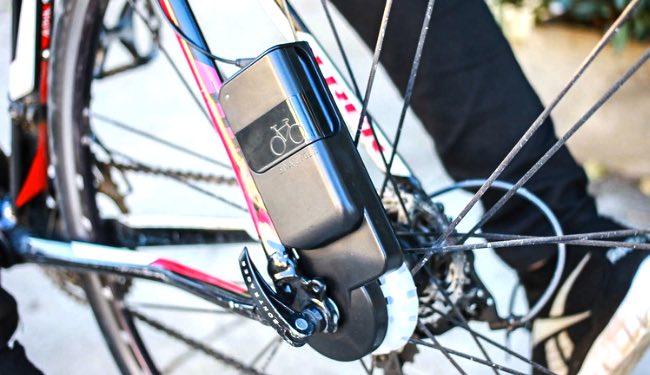
Who needs a power outlet when you have a bike? The Ride-A-Long charges your electronics as you pedal, providing a portable renewable energy source for bike-enthusiasts.

Biking is already pretty environmentally friendly, but this takes it to the next level.

Created by Siva Cycle, the product can juice up any USB-powered device such as smartphones and cameras whenever and wherever you’re biking. Simply mount the Ride-Along to any standard bicycle’s back wheel, and as you ride, the wheel delivers juice to the integrated generator and charges its 1650 mAh battery, kind of like a hand-cranked radio. Continue reading

If You Happen To Be On Ponce De Leon

Screen Shot 2015-04-25 at 5.25.37 AM

It’s been awhile since we wrote about Nick Cave and the inspired and inspiringly creative form of upcycling he applies in his “happenings”. It seems particularly appropriate that this particular Flux Project (sounds pretty pop-up, right?) takes place at Atlanta’s Ponce City Market, an adaptive reuse renovation of the historic 1926 Sears & Roebuck building into an urban community of hub of living, work and public space.

About the work

Up Right: Atlanta is a “call to arms, head and heart” for Cave initiates—the lead characters of this work. Through the performance, they are prepared mind, body and spirit to face the forces that stand in the way of self-hood, to enter a world over which they have complete control. Initiates become warriors of their own destiny.

Continue reading

Full-Spectrum Farming

We haven’t met Natasha Bowens but her perspectives on the cultural empowerment of growing one’s own food tell us she’s a kindred spirit.

 Storytelling & Photography

The Color of Food is photographic and documentary in nature because I wanted to capture the personal stories of these farmers while also changing the image of agriculture as it is currently portrayed in the media. This project is not only political in it’s message, but also helps us celebrate and preserve the history, tradition and beautiful culture that make up our agricultural communities.

Continue reading

Eco-Modernist Strategy

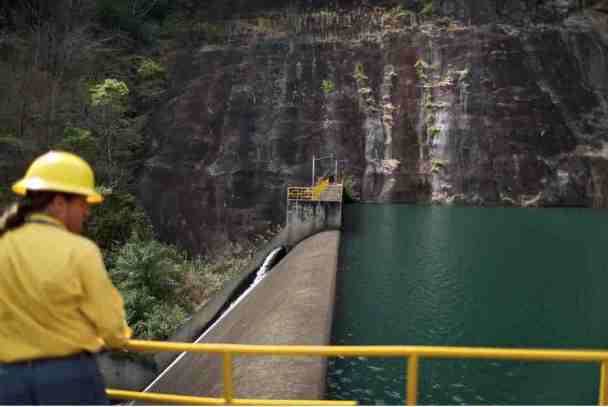
A dam in Guanacaste Province, Costa Rica, drives a hydroelectric plant. Developing nations will require large amounts of new energy to achieve American and European living standards. Credit Joe Raedle/Getty Images

A dam in Guanacaste Province, Costa Rica, drives a hydroelectric plant. Developing nations will require large amounts of new energy to achieve American and European living standards. Credit Joe Raedle/Getty Images

We are in the sustainable development camp through and through, but Mr. Porter’s point is well taken:

A Call to Look Past Sustainable Development

Eduardo Porter

The average citizen of Nepal consumes about 100 kilowatt-hours of electricity in a year. Cambodians make do with 160. Bangladeshis are better off, consuming, on average, 260.

Then there is the fridge in your kitchen. A typical 20-cubic-foot refrigerator — Energy Star-certified, to fit our environmentally conscious times — runs through 300 to 600 kilowatt-hours a year.

Continue reading

Danish Can-Do Greenery

Screen Shot 2015-04-10 at 5.53.12 AM

Read a bit about their work, mission and invitation, and contagion takes on a new meaning:

Sustainia is a think tank and consultancy headquartered in Copenhagen, Denmark. We identify readily available sustainability solutions across the world and demonstrate their potential impacts and benefits in our work with cities, companies, and communities.

By focusing on innovative breakthroughs, inspiring alternatives and new opportunities, Sustainia is shaping a new narrative of optimism and hope for a sustainable future that seeks to motivate instead of scaring people with gloom and doomsday scenarios. Continue reading