Drones Shed Light on New Perspective

Aerial night photograph by Reuben Wu, via ThisIsColossal

Photographer Reuben Wu has been practicing a new form of his trade using drones–which many people are, nowadays, but none that we know of so far have used this recent technology to create dramatic scenes at night with lighting from above. On his website, Wu writes of this project, titled Lux Noxtis, that it is:

a series of photographs depicting landscapes of North America within the framework of traditional landscape photography but influenced by ideas of planetary exploration,19th century sublime romantic painting, and science fiction.

We are overwhelmed everyday by beautiful images of the familiar. I imagine these scenes transformed into undiscovered landscapes which renew our perceptions of our world.

Continue reading

Digiscoping in the Tropics

IMG_20160328_161007193_zpsc015qsss

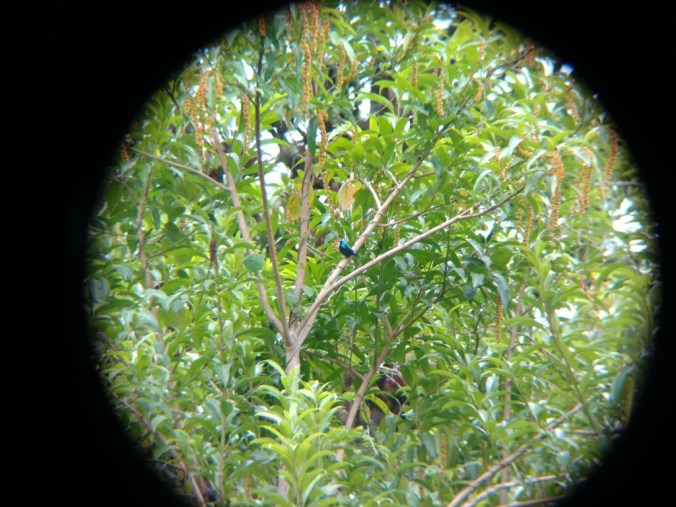
A male Scarlet-thighed Dacnis before zooming in with the camera in the digiscope setup

The first time I digiscoped, I wasn’t aware of the term, and I was using a small, borrowed point-and-shoot camera with a guide’s spotting scope. The results ended up here on the blog, though the images are, in retrospect, fairly low quality. In certain cases, however, digiscoping–basically the pairing of a scope with a camera for photography–can yield quite good shots of wildlife, and is arguably more versatile than having a big camera with a telephoto lens attached. Just check out Sharon Stiteler’s photos in her digiscoping article on Audubon’s webpage last year, or simply look up “digiscoping birds” to find some stunning images. Note, however, that digiscoping almost always refers to using a scope, or, in other words, a high-end piece of optic technology that costs anywhere between $400 and $3000–and that’s without the tripod.

This slideshow requires JavaScript.

Continue reading

Good News in Plastics

Compiled illustrations of a nylon chain above and PET chain below, both thermoplastic polymers, or simply put, types of plastic. Via WikiMedia, created by users YassineMrabet and Jynto, respectively.

There’s some cause to celebrate from a couple findings published recently in two journals, Nature and Animal Conservation, related to plastics, though of very different sorts. The first paper deals with a new method of plastic production using carbon dioxide and agricultural waste rather than petroleum as the raw input for PET plastic, and the second article studies the feasibility of introducing biodegradable fishing nets to replace nylon ones.

Continue reading

Putting All That Gee Whiz Technology And Creative Knowhow To Much Better Use

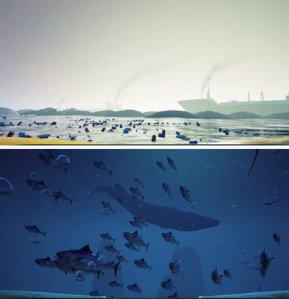
dotlonelyvr2-blog480

Two scenes from a virtual-reality “ride” that takes viewers into the realm of whales, fish and sonic and plastic pollution. Credit Dell

One of our favorite sources of “green news” in the early days of this blog five years ago, Mr. Revkin reappears every now and then with something really cool:

To Cut Ocean Trash, Adrian Grenier and Dell Enlist Filmmakers and Virtual Reality

Continue reading

Conservation, Technology & Ethics

13duaneWEB-jumbo

Adam Ferriss

We have had the good fortune, and could not agree more with the questions raised and the puzzles presented in this opinion editorial published two days ago in the New York Times:

The Unnatural Kingdom

If technology helps us save the wilderness,
will the wilderness still be wild?

By

IF you ever have the good fortune to see a Sierra Nevada bighorn sheep, the experience might go like this: On a sunny morning in Yosemite National Park, you walk through alpine meadows and then up a ridge to the summit of Mount Gibbs at 12,764 feet above sea level. You unwrap a chocolate bar amid breathtaking views of mountain and desert and then you notice movement below. Continue reading

Tracking Tree-Poachers

2000

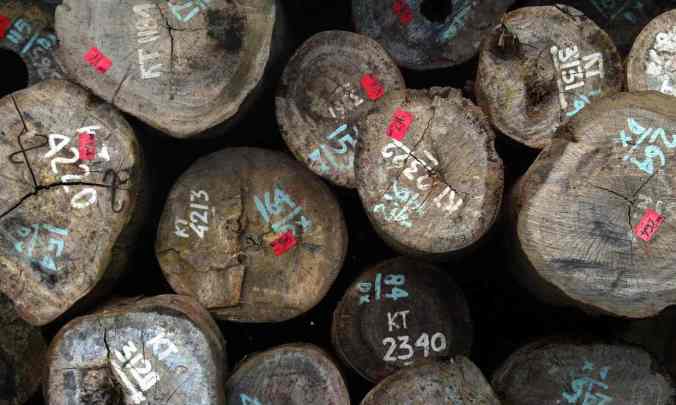
Global Land Analysis and Discovery alerts, analysing satellite images will be initially be available for Peru, the Republic of Congo and Indonesia. Photograph: Natalie Behring-Chisholm/AP

When there is news on the improved ability to reduce illegal logging, we are always interested. Thanks to the Guardian’s Environment section for their assistance on this front:

New satellite mapping a ‘game changer’ against illegal logging

System that provides hard evidence of logging crimes in almost real time gives new hope of combating tropical deforestation

Taken from outer space, the satellite images show illegal loggers cutting a road into a protected area in Peru, part of a criminal enterprise attempting to steal millions of dollars worth of ecological resources Continue reading

When the Sun Goes Down

About seven out of every 10 households in rural India have no access to electricity. Many of these households still use less efficient energy sources that are harmful to the environment, such as kerosene. Even in places where electricity is accessible, shortages are frequent and the supply is inconsistent. In such a scenario, solar lamps come as a blessing and are revolutionizing lives in the country and around the world.

PRASHANT MANDAL FLIPS ON A CANDY-BAR-SIZE LED LIGHT in the hut he shares with his wife and four children. Instantly hues of canary yellow and ocean blue—reflecting off the plastic tarps that serve as the family’s roof and walls—fill the cramped space where they sleep.  He shuts down the solar unit that powers the light and unplugs it piece by piece, then carries it to a tent some 20 yards away, where he works as a chai wallah, selling sweet, milky tea to travelers on the desolate road in Madhotanda, a forested town near the northern border of India.

“My life is sad, but I have my mind to help me through it,” Mandal says, tapping the fraying cloth of his orange turban. “And this solar light helps me to keep my business open at night.”

Continue reading

Her Job is To Keep Mars Clean

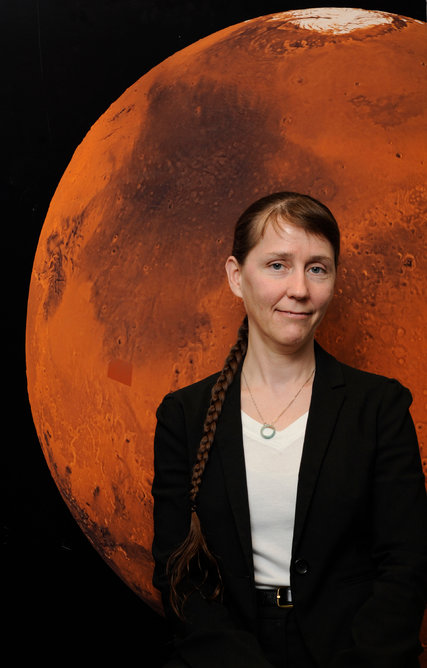
Catharine A. Conley, a NASA planetary protection officer. PHOTO: Paul E. Alers/NASA

Catharine A. Conley, a NASA planetary protection officer. PHOTO: Paul E. Alers/NASA

You’ve heard of a myriad job profiles, but what do you think are the responsibilities of a planetary protection officer? This officer knows, and all her efforts are now focused on keeping micro-organisms and spores from Earth away from Mars.

At the National Aeronautics and Space Administration, Catharine A. Conley has a lofty job title: planetary protection officer. But with no extraterrestrial invasions on the horizon, Dr. Conley’s job is not so much protecting Earth from aliens as protecting other planets from Earth. Mars, in particular. “If we’re going to look for life on Mars, it would be really kind of lame to bring Earth life and find that instead,” Dr. Conley said.

Continue reading

Museum in Your Pocket

Archaeologists will turn Victoria Cave and its ancient bone collection into a digital museum. PHOTO: BBC

Archaeologists will turn Victoria Cave and its ancient bone collection into a digital museum. PHOTO: BBC

Victoria Cave was discovered by chance in 1837 and since then has been completely excavated. Within the cave’s thick clay deposits, scientists found an amazing record of climate change in the Dales over thousands of years. Excavators were particularly fascinated by ‘bone caves’ where there might be a possibility of finding evidence for the earliest humans along with long extinct animals. And now the cave and its bone treasures are being digitized.

Continue reading

Giving Food a Longer Life

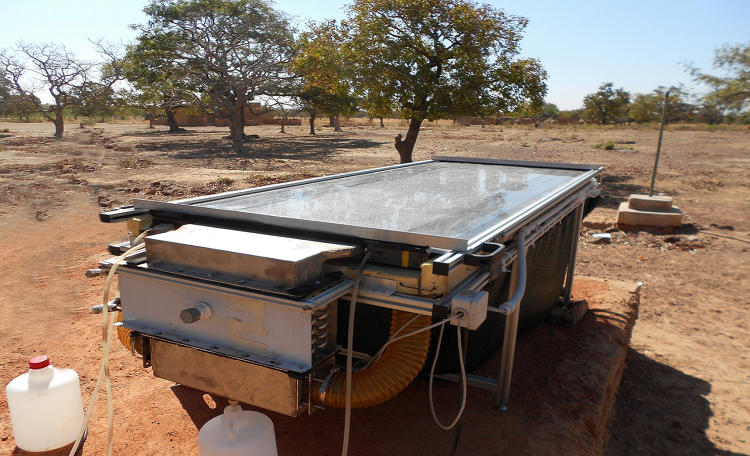
The FoodWa, which comes in two sizes, and is like a big ventilated box. The smaller "Batch" version can handle about 11 pounds at a time. PHOTO: CoExist

The FoodWa, which comes in two sizes, and is like a big ventilated box. The smaller “Batch” version can handle about 11 pounds at a time. PHOTO: CoExist

Each year, the world loses or squanders a third of the food it produces. This means that somewhere between planting seeds in fields and providing nourishment to the world’s 7 billion people, approximately 1.3 billion tonnes of food with a value of more than US$1 trillion is lost or wasted. These numbers are simply untenable in a world where, according to Food and Agriculture Organization, some 870 million people do not have enough to eat. In fact, according to the FAO-commissioned study that tallied these numbers, if just one-fourth of lost or wasted food were saved, it could end global hunger.

And drying food, to prevent it from rotting during storage, maybe a solution. A clean, green solution especially with the FoodWa system that uses solar energy to dry foods.

Continue reading

A Clean Breath of Life

In addition to eliminating 94% of the smoke and 91% of the carbon dioxide emitted by open fires, the HomeStove can save households as much as $8 to $10 per week just on fuel, the company says. the HomeStove can save households as much as $8 to $10 per week just on fuel. PHOTO: Biolite

In addition to eliminating 94% of the smoke and 91% of the carbon dioxide emitted by open fires, the HomeStove can save households as much as $8 to $10 per week just on fuel. PHOTO: Biolite

According to the WHO, 4.3 million people die prematurely every year from illnesses attributable to household air emissions from cooking with solid fuels, which kill more people every year than malaria, HIV and tuberculosis combined. Women and children, who spend the most time near open flames in developing countries, are most at risk. And the gravity of the dangers of indoor air pollution pushed  product developers Alec Drummond and Jonathan Cedar to maximize the use of the off-the-grid stove they were initially designing for campers.

“We’d seen that by blowing air in a particular place in a wood fire, you can really improve combustion and turn a rudimentary fuel into a super hot, controllable, clean combustion process,” Cedar tells Mashable. “We were fascinated by this idea that you could take waste product and turn it into a useful energy source.”

“The question was: How do you do that without batteries, which still tie you back to the grid?” he says.

Continue reading

Giving Up Electricity

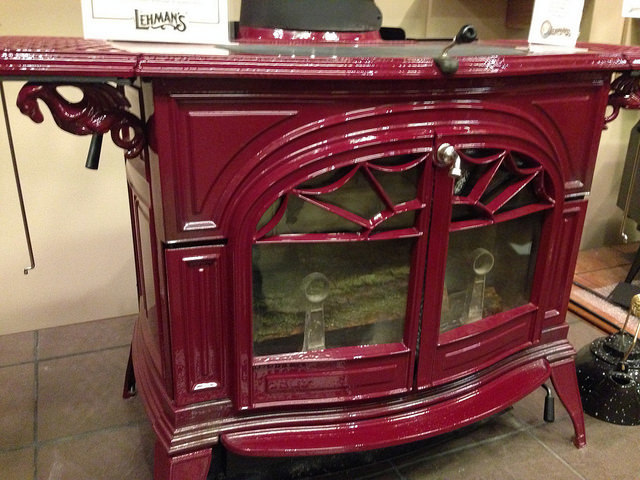
A wood-fired stove at Lehman's (Photo: sonja/Flickr)

A wood-fired stove at Lehman’s (Photo: sonja/Flickr)

What started as a small hardware store serving the local Amish in Kidron, Ohio, grew into something much bigger than founder Jay Lehman ever dreamed. Gathering four pre-Civil War era buildings under one soaring roof, today the store is a place to embrace the past: from old-fashioned treats and sodas to practical, non-electric goods for a simpler life.

The story of the Lehman store is one of “peddling historical technology”. A story of being old-school. And being good at it. Their top-selling products have not changed for decades. Wood stoves, gas refrigerators, oil lamps, water pumps, and water filters are always popular: if you don’t have electricity, you still need ways to store food, stay warm, light the night, and access water.

“We’ve known the term ‘off-the-grid’ for many, many years,” Ervin says. “But now it’s a thing.”

Continue reading

Opening the Arctic Vault

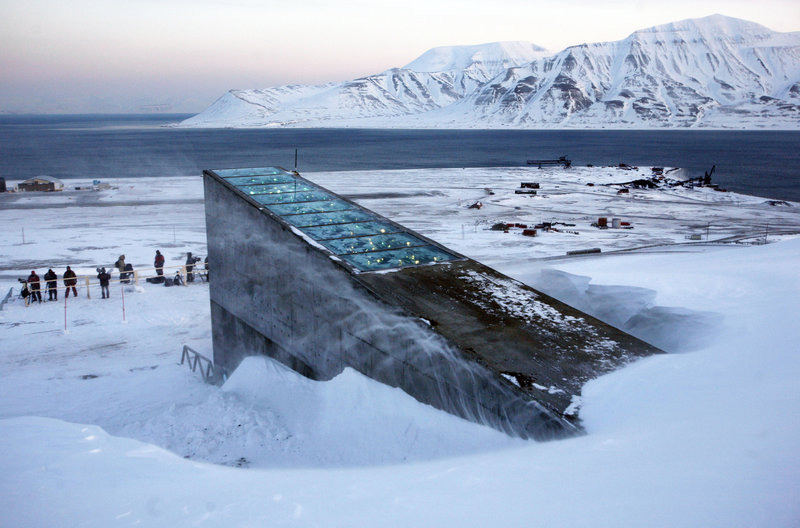
The Svalbard Global Seed Vault was inaugurated in 2008. The "doomsday vault" lies inside an Arctic mountain in the remote Norwegian archipelago of Svalbard. For the first time, scientists are taking some seeds out. PHOTO: John McConnico/AP

The Svalbard Global Seed Vault was inaugurated in 2008. The “doomsday vault” lies inside an Arctic mountain in the remote Norwegian archipelago of Svalbard. For the first time, scientists are taking some seeds out. PHOTO: John McConnico/AP

The ongoing civil war in Syria has led to the first-ever withdrawal from the Svalbard “doomsday” Global Seed Vault, a giant storage unit for plant seeds that’s tucked into the side of a frigid mountain in Norway. In the seven years since the Vault opened, hundreds of thousands of seed samples have gone into its icy tombs. And not one has come out—until now. This week the International Center for Agricultural Research in Dry Areas asked for the return of 325 little black boxes of seeds it had stored in the Svalbard vault. For many years, the center housed its own seed bank near Aleppo, Syria. Now, its scientists hope to use the Svalbard samples to regenerate that collection outside of their war-torn home.

Continue reading

The Prize for Energy Storage

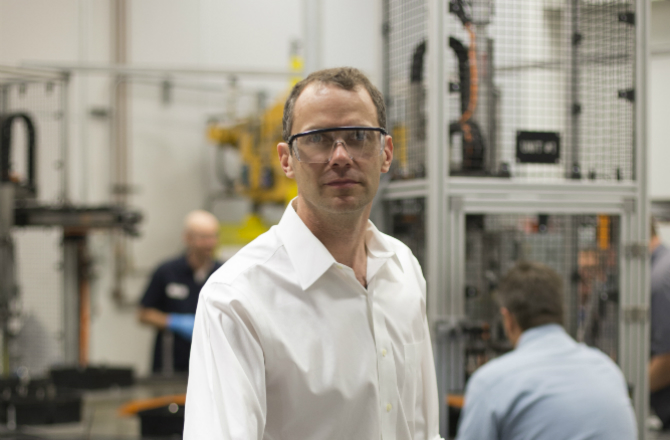
Jay Whitacre is the latest recipient of the prestigious $500,000 Lemelson-MIT Prize, which honors remarkable mid-career inventors who have also demonstrated a commitment to mentorship in science, technology, engineering and mathematics (STEM). PHOTO: LEMELSON-MIT PROGRAM

Jay Whitacre is the latest recipient of the prestigious $500,000 Lemelson-MIT Prize, which honors mid-career inventors who have also demonstrated a commitment to mentorship in science, technology, engineering and mathematics (STEM). PHOTO: LEMELSON-MIT PROGRAM

The Aqueous Hybrid Ion (AHI™) Batteries are based on a simple idea: in order to meet the challenges of the world’s growing energy needs and increase the use of renewable power, we need large-scale energy storage systems that are high performance, safe, sustainable and cost-effective. Jay Whitacre set out to solve this problem and discovered a simple and elegant solution that is a twist on a 200 year-old technology: saltwater batteries. Using abundant, nontoxic materials and modern low cost manufacturing techniques, the AHI batteries are now ready to take on the global energy storage challenge. And have also won Whitacre the prestigious $500,000 Lemelson-MIT Prize.

Continue reading

The Decision is To Bee

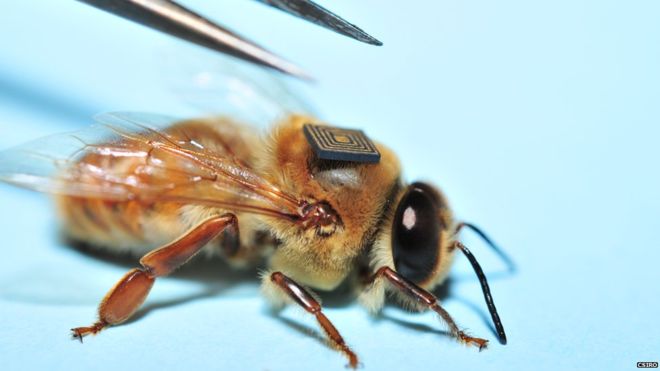
Researchers are using micro sensors to learn about the problems bees face. PHOTO: BBC

Researchers are using micro sensors to learn about the problems bees face. PHOTO: BBC

Around here, we understand the importance of bees. That explains the numerous posts on these winged creatures. If you must know right away, bees are guardians of the food chain and keepers of biodiversity, thanks to their super power of pollination. Precisely why it’s a cause for worry when we hear of their numbers dwindling. Now, an international group of scientists, beekeepers, farmers and technology companies is using cutting-edge technology to help find out why honey bee populations around the world are crashing.

Continue reading

The Showerhead That’s Ruling the Internet

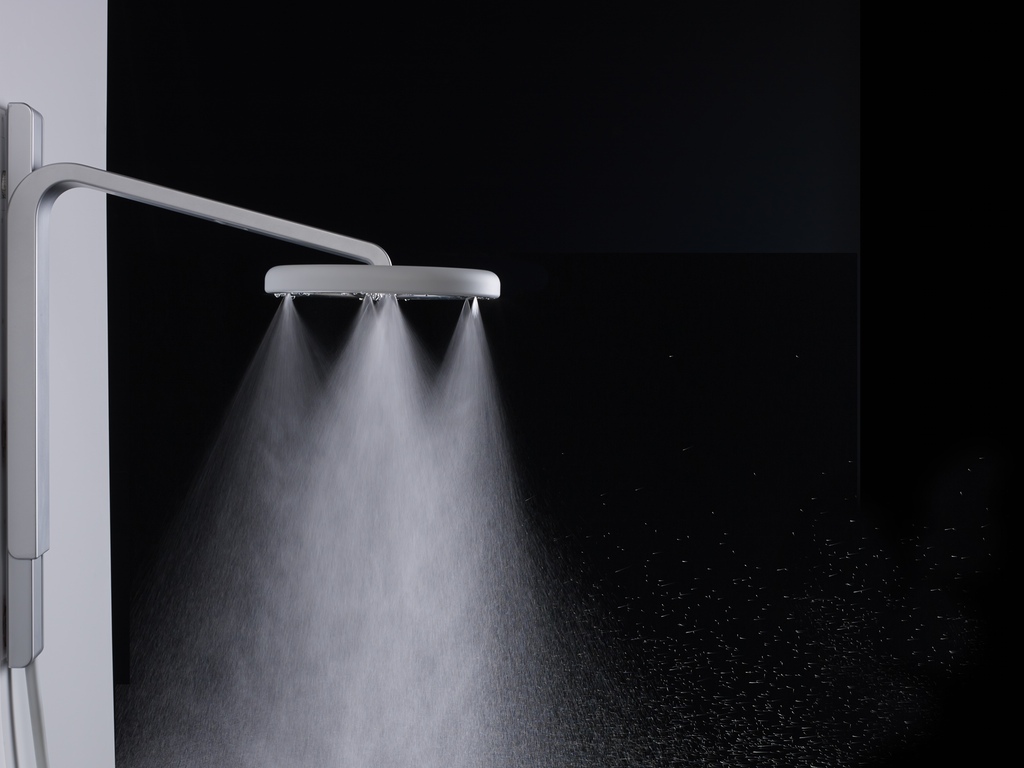
This shower head Is blowing up on Kickstarter thanks in part to Apple's Tim Cook and Alphabet's Eric Schmidt. PHOTO: Nebia

This shower head Is blowing up on Kickstarter thanks in part to Apple’s Tim Cook and Alphabet’s Eric Schmidt. PHOTO: Nebia

What does it take to have the World Wide Web interested in you? And interested is putting it lightly, when we are talking a Kickstarter project that crossed its goal of $100,000 and how, in less than 8 hours. Not to forget having Tim Cook of Apple and Eric Schmidt of Alphabet back you.Well, it takes a showerhead. An extraordinary one at that. One that promises to reduce wastage of water in the shower by 70%, is iconic in design, and has its heart set on revolutionizing the use of water in developing markets. Nebia is here.

Continue reading

‘Lettuce’ Celebrate NASA’s Moment

On Monday, astronauts aboard the International Space Station harvested and ate the first lettuce to have been grown in space. Photo by NASA

On Monday, astronauts aboard the International Space Station harvested and ate the first lettuce to have been grown in space. Photo by NASA 

“It was one small bite for man, one giant meal for mankind.” And that’s putting it lightly. On Monday, after watching a batch of red romaine lettuce grow under a purplish glow in the microgravity of space, NASA astronauts aboard the International Space Station harvested their own fresh produce. And this officially is the first time astronauts have dined on a harvest sown in space. Nothing like ‘home-grown’ food, right?

Continue reading

Sidestepping Oil With Sugar

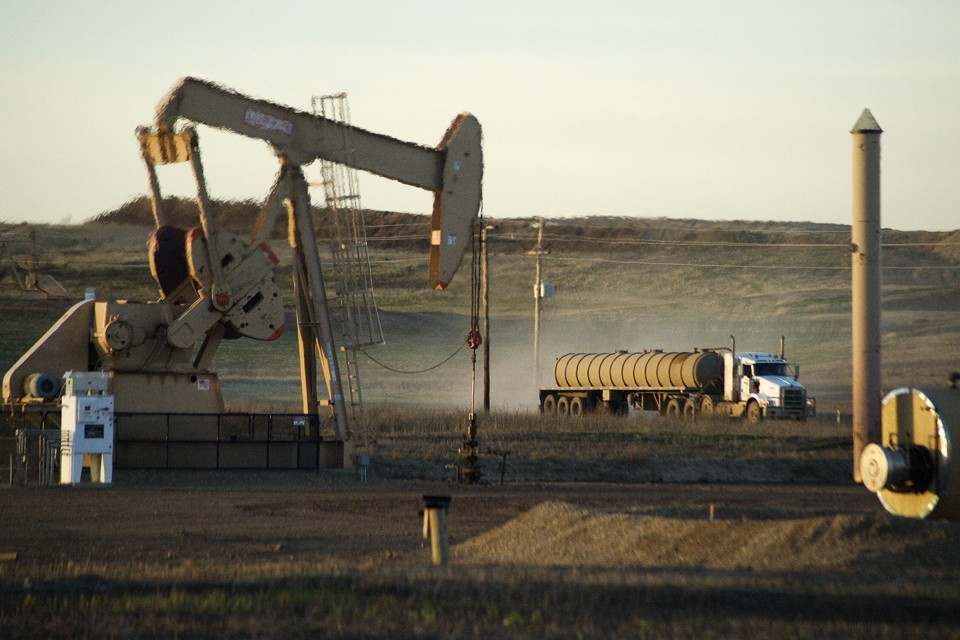
A service truck drives past an oil well on the Fort Berthold Indian Reservation in North Dakota, which produces nearly a third of US' oil. PHOTO: Andrew Cullen

A service truck drives past an oil well on the Fort Berthold Indian Reservation in North Dakota, which produces nearly a third of US’ oil. PHOTO: Andrew Cullen

Oil is one of the non-renewable resources available on the planet, and its scarcity is inevitable if the supply does not meet the growing demand in the current scenario, and it may even lead to “resource wars” among states in the coming years. Oil prices are now near a six-year low, moving down today to about $44 a barrel. The fall has been precipitous: Only a year ago, crude oil was more than $100 a barrel. With the world of oil production being susceptible to the smallest of changes in the global market, it shows up as a space conducive to innovations that can potentially make it economical.

Continue reading

Leaving an Ugly Mark in Space

It’s not just here on earth that litter is a problem. In the last 40 years, there have been more than 5,000 launches into space, and they’ve ended up leaving a mark, and now scientists are worried about the litter they’ve left behind. ‘Space junk‘ are the small objects that we’ve left behind in space.They include things like old satellites, gloves, and toolkits accidentally dropped by astronauts. In 2014, the International Space Station had to move three times to avoid lethal chunks of space debris. The problem also threatens crucial and costly satellites in orbit. So what is the scale of the space junk problem, and what can we do about it?

Continue reading

More Internet, More Power

Facebook’s ‘Aquila’, the first solar powered internet drone, parallels Google’s Project Loon PHOTO: Jewish Business News

Facebook has unveiled its ambitious project with its first comprehensive solar powered drone. With the help of its first drone code named Aquila, the social networking giant aims to provide internet connection to 4 billion users across the secluded parts of the globe. In fact, Aquila joins Google’s Project Loon in the space of connecting people and places.

Continue reading