
Photo:Varghese.T.J
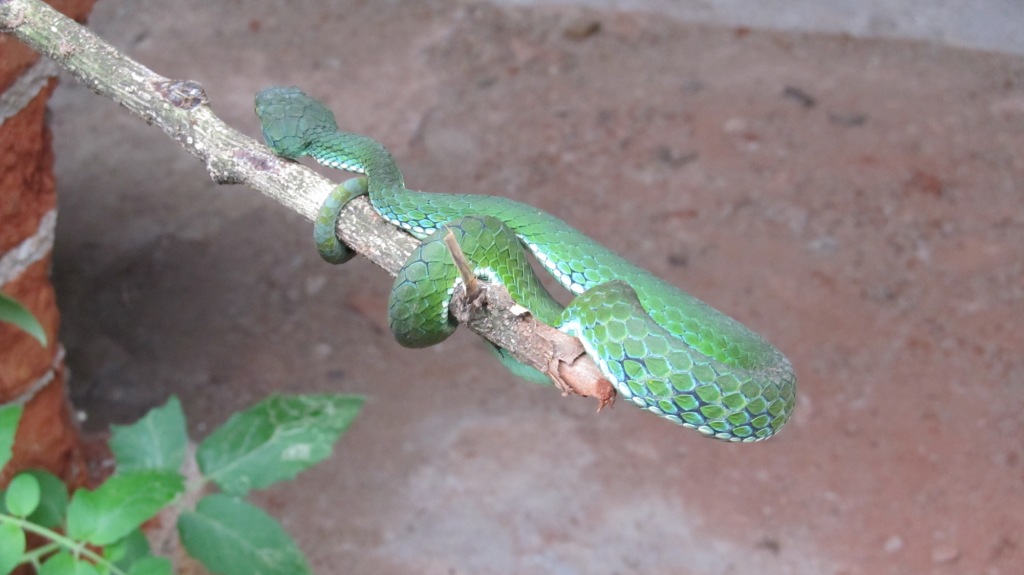
Photo taken by Varghese T.J. in periyar tiger reserve, Kerala in April 2011.
Photo:Varghese.T.J
Photo taken by Varghese T.J. in periyar tiger reserve, Kerala in April 2011.
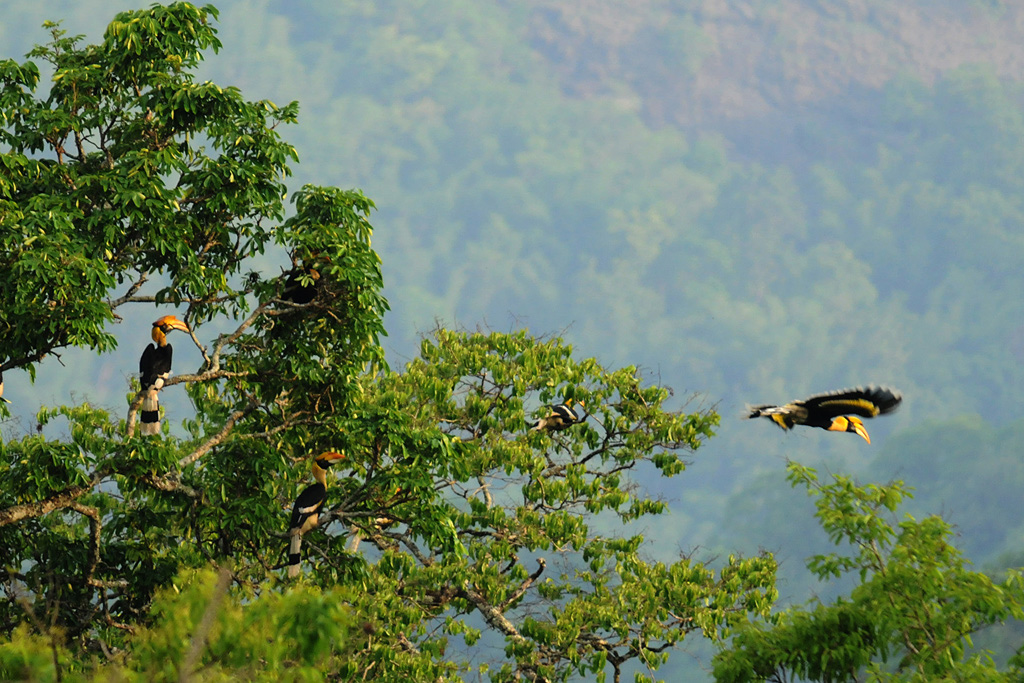
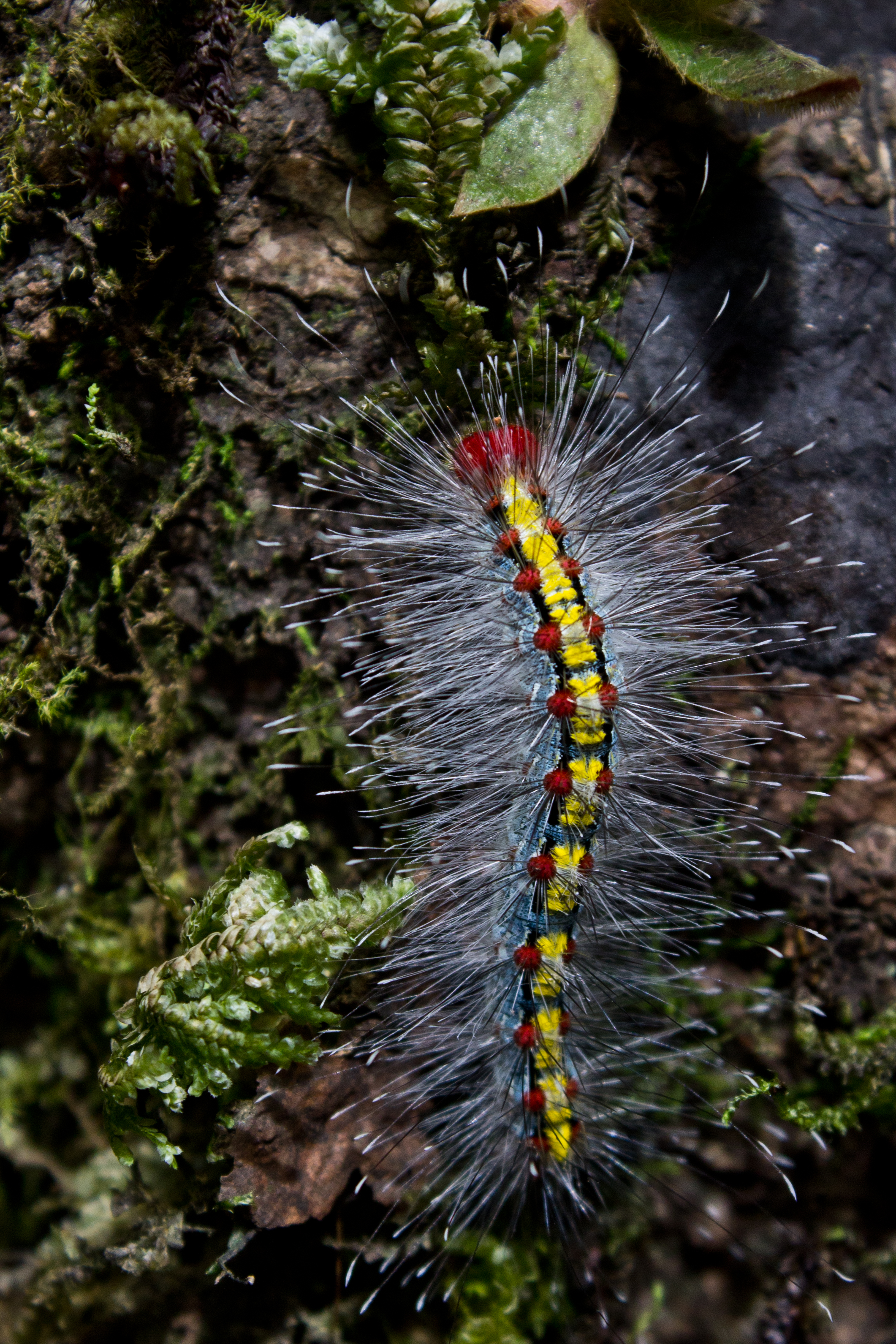
Photo taken by Varghese T.J. in Parambimkulam Wildlife Sanctuary, Kerala in Febraury 2011.

Photo:TJ VARGEESE
Photo taken from Muthanga Wildlife Sanctuary, Wayanad, Kerala, India on January 2010.

photo:TJ VARGHESE
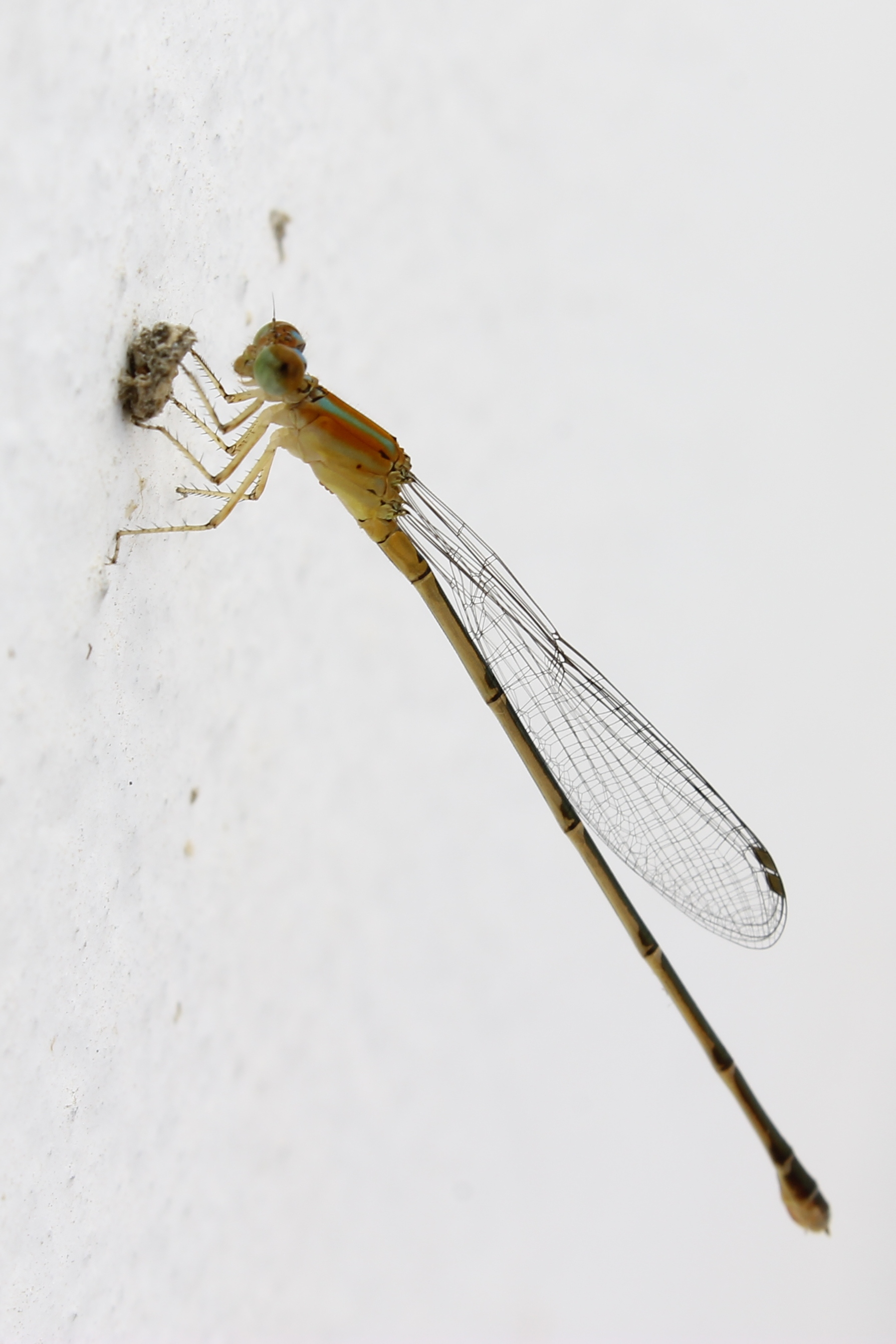
The first time I saw this species, I was dumbfounded, to say the least. We live in a 10th floor apartment in urban Cochin, which admittedly is on the banks of the backwaters. Nonetheless, I was quite surprised to see a dull-colored damselfly float through a window and over our dining room table, and out the door onto the balcony on the opposite side of the room. Fortunately, I gathered my wits quickly enough to rush back with my camera, and corralled the enigma into a corner in the balcony (non-violently, of course), and was able to get a few shots before it breezed off in the lethargic float I’ve come to associate with damselflies. The only time I’ve seen any damselfly zooming the way most dragonflies do is when they’re swooping in on their prey, at which point even the laziest, slowest, and smallest of them can put on quite a turn of speed.
First Edition 1864
Now Rann the Kite brings home the night
That Mang the Bat sets free–
The herds are shut in byre and hut
For loosed till dawn are we.
This is the hour of pride and power,
Talon and tusk and claw.
Oh, hear the call!–Good hunting all
That keep the Jungle Law!
“Night-Song in Jungle” by Rudyard Kipling
In the world of literature we associate Rudyard Kipling first and foremost with India, although in reality he only spent about 12 years of his life here. Born December 30th 1865 in Bombay to English parents, he spent his very early childhood there before returning to England at the age of 5. In his mid-teens he returned to India and spent an additional 6 and half years working as an editor in Punjab. Despite living the majority of his life elsewhere (England and the United States), India and his self-identification as an “Anglo-Indian” defines much of Kipling’s work.
The Jungle Book first appeared in serialized versions but was eventually published in 1894 under one cover, with illustrations by Kipling’s father, John Lockwood Kipling. The Jungle Book and the Just So Stories still remain among Kipling’s most beloved works. Continue reading
A few months ago while staying at Cardamom County, I spent a morning with a wonderful character named Jain – a tribal man with an avid interest in insects and arachnids, working as a guide in the Periyar Wildlife Sanctuary, and incidentally, a friend and student of Mr. Vijaykumar Thondaman‘s. Both armed with cameras, Jain and I entered the reserve just after dawn, and spent the best part of the morning hunting dragonflies and damselflies across streams and fields, ponds and gullies. Continue reading
 The hot hand remains hot. One of the horrible culinary traditions that persists around the world, even though it is repugnant from an environmental perspective, is the harvesting of fins from sharks to make soup. Click the image to the left for but one small data point in the effort to end the illegal harvesting and sale of shark fins.
Better yet, don’t click that. Continue reading
Thanks to Scientific American and its excellent blog posts, this video above is set up with some context. The video shows what will likely be the one chance most of us get to see of this animal. Continue reading
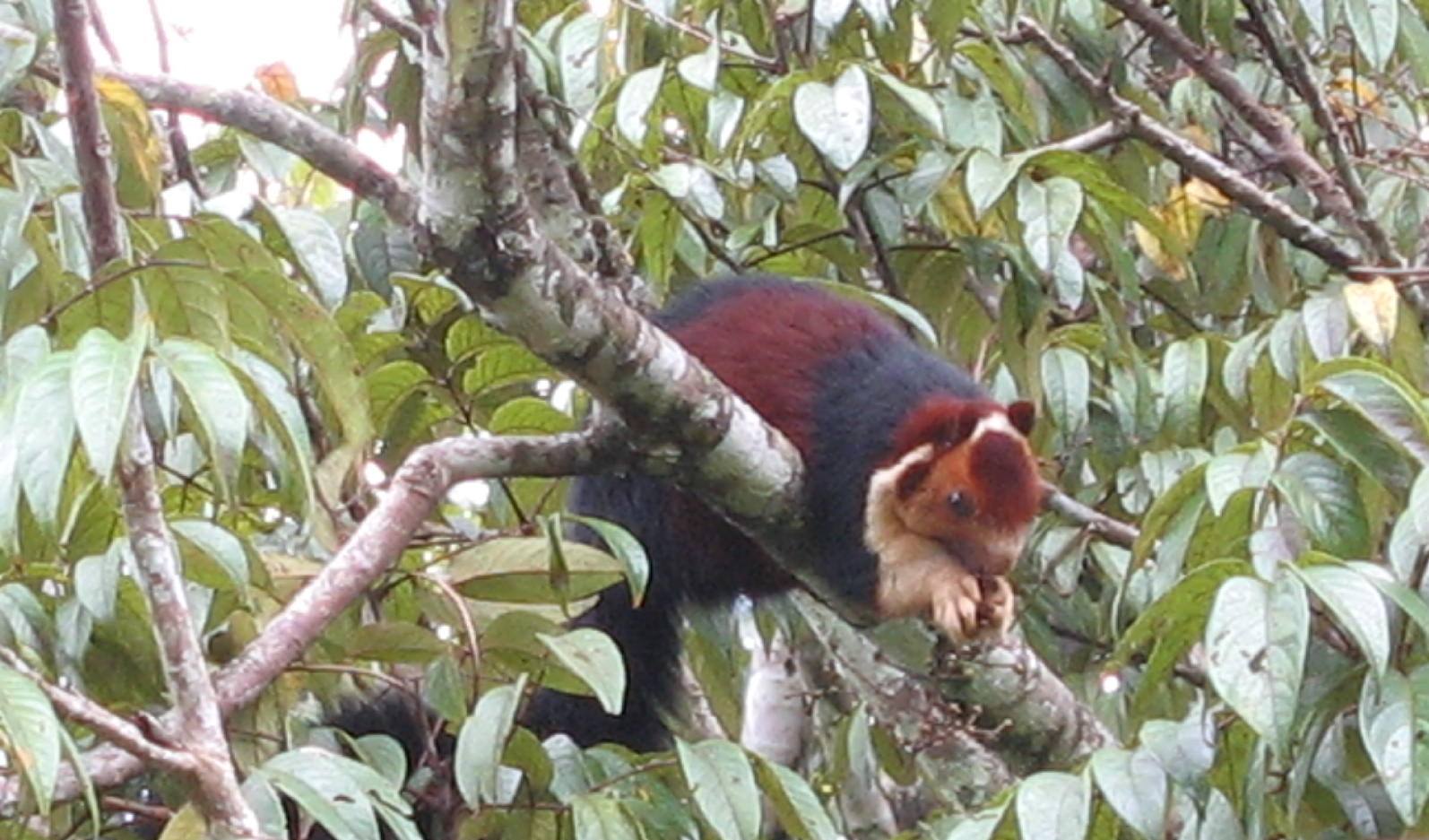
My friends and I usually head into the forest every now & then to bask in the sounds of the forest- the chirping birds, crickets, sounds, monkeys and always in the hope of sighting wild animals. And most of the time we hear the rattling calls of the Malabar Giant Squirrel but we rarely get to capture a photograph of the beautiful creature. Continue reading
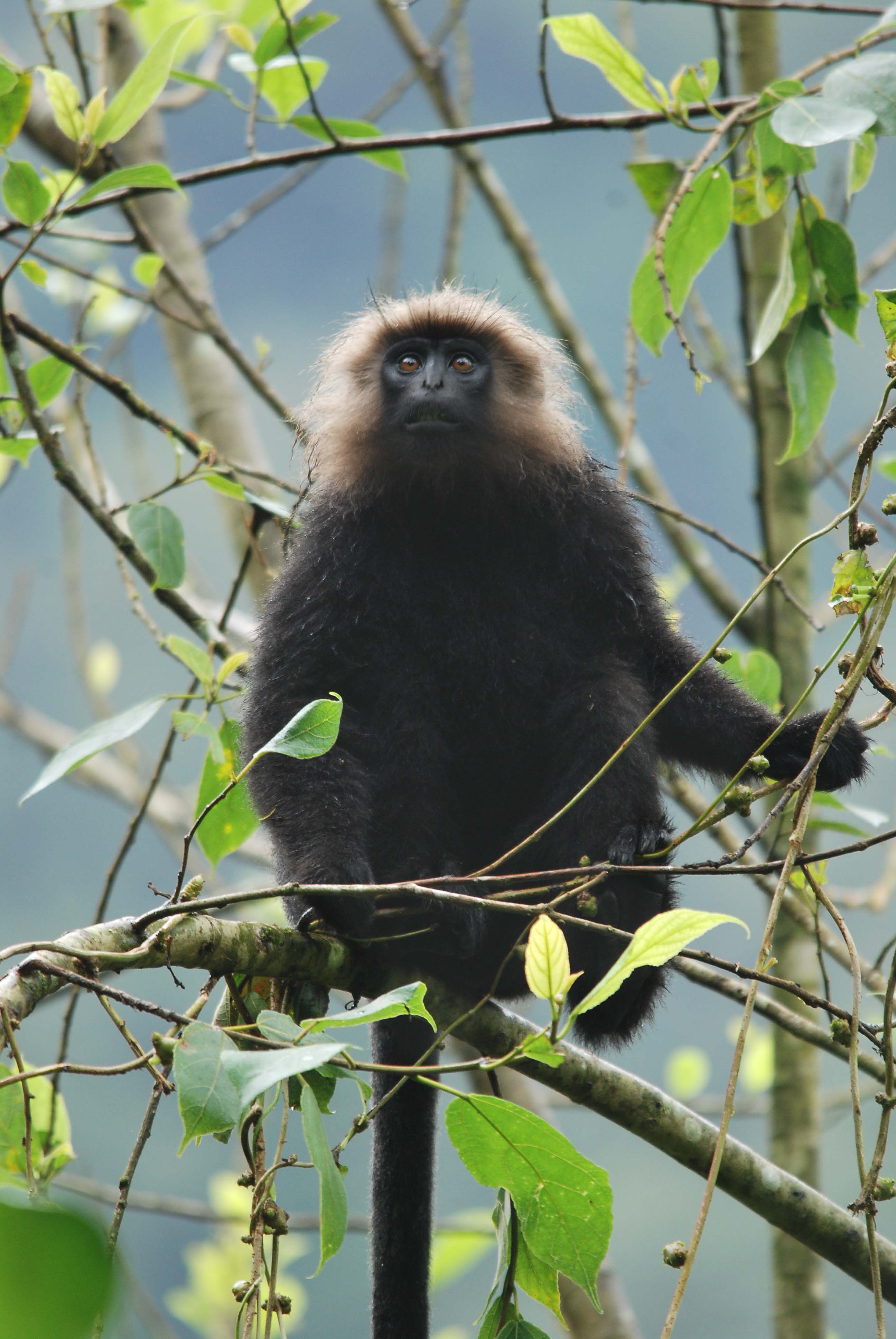
Photo: taken 2 months ago by Shahul -a visitor at the Periyar Park
Niligiri Langur (Trachypithecus johnii) is endemic to the rainforests in the Western Ghats and they are one of the more common sights in the Periyar Tiger Reserve.
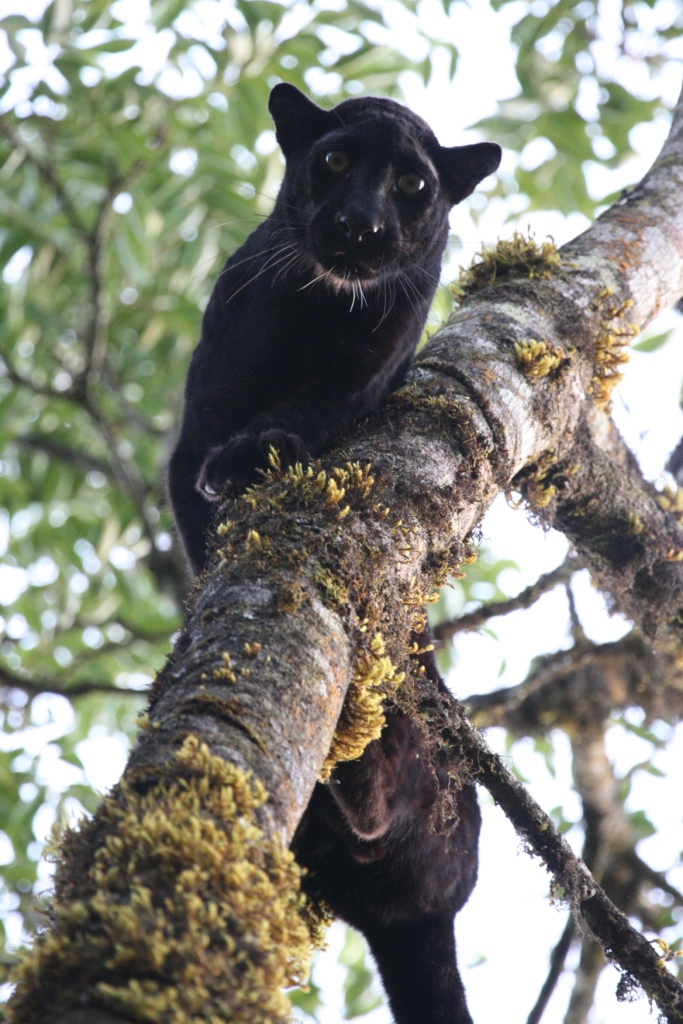
These photos were taken by one of our guests at Gavi, the western section of Periyar Tiger Reserve
Black Leopard (panther pardus)

As mentioned before, most organisms a link or two down on the food chain rely on at least one defense mechanism to survive. Remaining unseen, looking toxic, and tooth-shattering carapaces are all relatively common on all fronts. The crab pictured above, photographed on Aswem Beach in Goa, relies on the first option – besides measuring under an inch across, it camouflages exceptionally well into the sand it scuttles across – and when feels threatened, dashes into hastily excavated boltholes. Continue reading

SAMBAR DEER (Cervus unicolor) are found inhabiting mainly damp woodland environments, like marshes and swamps. In Periyar we have thousands of sambar deer, which is the favourite prey for Wild Dogs, Leopards and Tigers. Whenever they perceive danger, they start giving a repetitive honking alarm call.
Guest Author: Nicole Kravec
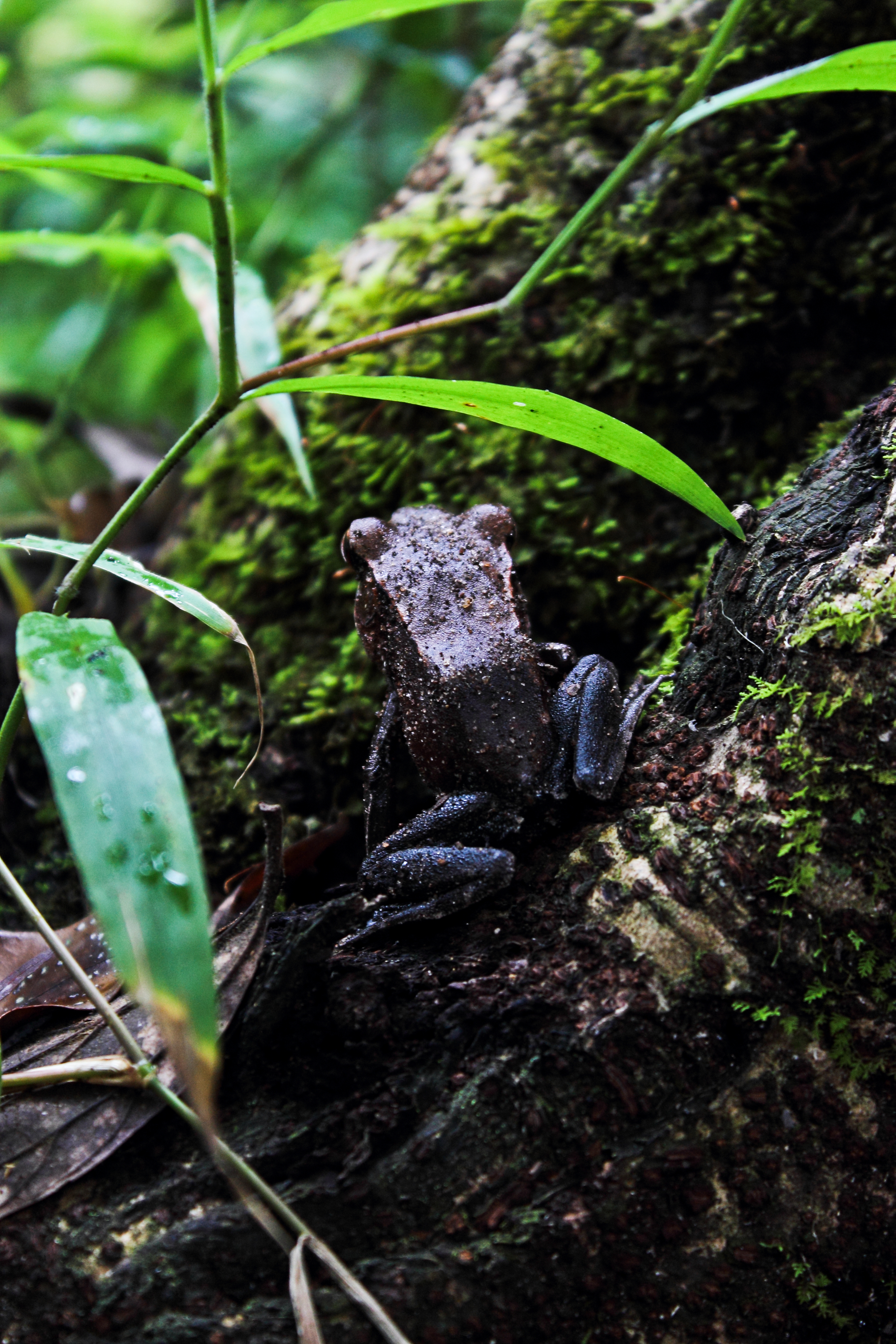
Photo: Milo Inman
The thought of academic expeditions, leeches and Asia brings a smile to my face. I just read a thought-provoking (and pun filled) article in The Economist about conservation in India with a froggy focus.
The article focuses on Mr. Sathyabhama Biju Das’ amphibian affinity and makes the overall point tha while growth damages the environment, it also nurtures a countervailing force: rising green consciousness. Continue reading

As mentioned in an earlier post, I’ve been developing my techniques for improved macro photography without a macro lens. Tough work, but highly rewarding. Besides areas I will soon explore thanks to a new array of equipment (extension tubes, magnification filters, etc.), I have currently enjoyed a great deal of success with the relatively unknown backward-lens trick. Although you lose the ability to focus and meter light, the technique is excellent for artistic photographs of small things. And if it hasn’t been made clear from my dozens of posts on the subject – I love small things. Continue reading
The Periyar Tiger Reserve is famous for its elephant population. According to the 2010 Forest Department census, there are about 1279 wild elephants in the reserve. The world population of Asian elephants (Elephas maximus) is estimated to be around 60,000, about a tenth of the number of African elephants.

One of my uncles was visiting Kerala for a few days, and we did what we always do with VIP visitors: trekking together in the Periyar Reserve. 48 hours ago we were in the Gavi sector, and as always my attention was drawn as much to the charismatic micro-fauna as to their mega- counterparts. In all the places where my family has lived and worked–North, Central and South America, Western and Eastern Europe, and now India–we have always been most impressed by interpretive naturalist guides that can make insects as interesting as primates, pachyderms or felines.
It is not easy, but it is possible. So I am focusing alot of attention lately on small creatures like the one in the photograph above, hoping to unlock visually what these great guides do with words crafted into stories. Continue reading

 Organikos