The most illuminating 75 minutes with earbuds on, in a long time or possibly ever (since my history with earbuds is only a few years old), by far, were spent listening to this. If you are a combined “words person” and “nature person”–how else would you have found your way to this blog?–then you will understand.
Ethiopia, from the perspective of our recent expedition which I have barely begun to process with words, was illuminated for me just a bit hearing this man talk about how we describe places and the impact that ecosystems have on us. Ecosystems serve as metaphors, he says. And that prepositions matter a great deal to how we communicate the impact ecoystems have on us, literally and metaphorically.
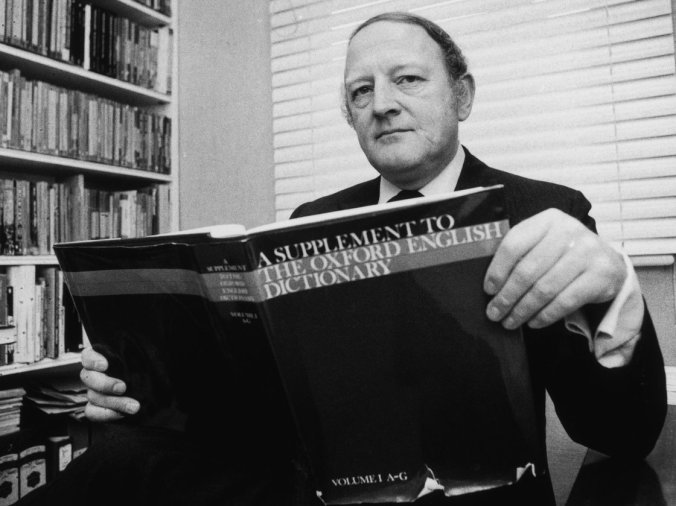
Ethiopia was an enriching experience, in these senses. I will write separately on that illumination. For now, a bit more from Robert Macfarlane, the illuminator on nature, through words. After listening to the podcast of his lecture, I had to know who this was, and it brought me here:
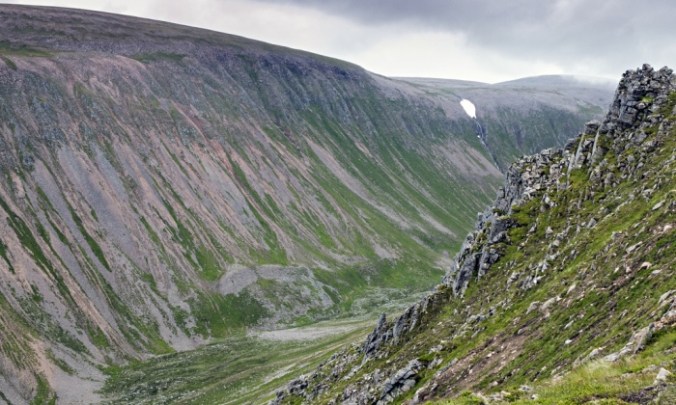
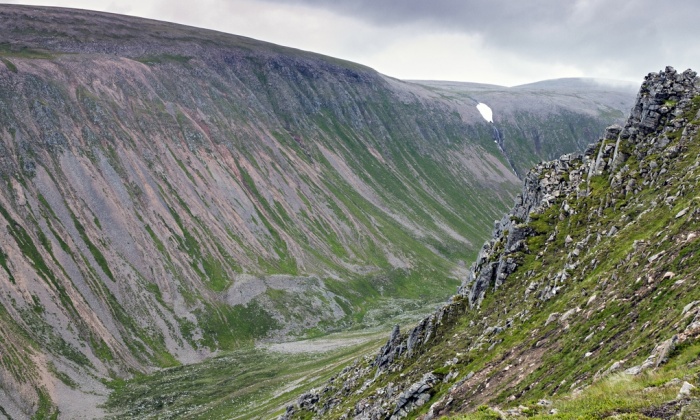
Làirig – ‘a pass in the mountains’ (Gaelic). Photograph: Rosamund Macfarlane
Eight years ago, in the coastal township of Shawbost on the Outer Hebridean island of Lewis, I was given an extraordinary document. It was entitled “Some Lewis Moorland Terms: A Peat Glossary”, and it listed Gaelic words and phrases for aspects of the tawny moorland that fills Lewis’s interior. Reading the glossary, I was amazed by the compressive elegance of its lexis, and its capacity for fine discrimination: a caochan, for instance, is “a slender moor-stream obscured by vegetation such that it is virtually hidden from sight”, while afeadan is “a small stream running from a moorland loch”, and a fèith is “a fine vein-like watercourse running through peat, often dry in the summer”. Other terms were striking for their visual poetry: rionnach maoim means “the shadows cast on the moorland by clouds moving across the sky on a bright and windy day”; èit refers to “the practice of placing quartz stones in streams so that they sparkle in moonlight and thereby attract salmon to them in the late summer and autumn”, and teine biorach is “the flame or will-o’-the-wisp that runs on top of heather when the moor burns during the summer”. Continue reading →






 Organikos