Nuclear Fusion’s Heat Feat

The interior of the JET, where an experiment generated 59 megajoules of heat, beating the 1997 record of 21.7 megajoules. Photograph: UKAEA

We have no expertise in this specific energy-related subject, but we know that new sources of energy are an important potential contributor to the reduction of global warming. So, we read this news about a new heat record from nuclear fusion as a qualified source of hope:

Nuclear fusion heat record a ‘huge step’ in quest for new energy source

Oxfordshire scientists’ feat raises hopes of using reactions that power sun for low-carbon energy

The prospect of harnessing the power of the stars has moved a step closer to reality after scientists set a new record for the amount of energy released in a sustained fusion reaction. Continue reading
Container Ships Versus Whales & Whale-watchers

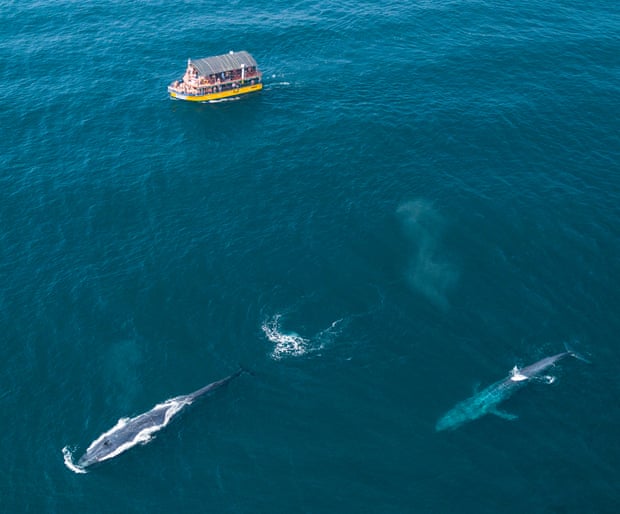
Whale-watching tourism is lucrative for Sri Lanka but even the small boats are at risk from the huge tankers and container ships that use the route. Photograph: IFAW/Christian Loader

It seems a minor request, asking the companies whose ships pass through Sri Lanka’s waters to be considerate of the whales who live in those waters:

‘Giant obstacle course’: call to reroute major shipping lanes to protect blue whales

Unique colony of blue whales increasingly at risk from tankers and container ships, say marine campaigners

Scientists and conservation groups are calling for one of the world’s busiest shipping lanes to be rerouted in an effort to protect the world’s largest animal. Continue reading

Dogs Doing Nature No Favors

Overfertilisation reduces biodiversity by allowing a few thriving plants to drive out others and the wildlife that depends on them. Photograph: John Walton/PA

Who knew? Now you do. Yes, one more thing to think about to take better care of your environment:

Deluge of dog pee and poo harming nature reserves, study suggests

Urine and faeces creating nitrogen and phosphorus levels that would be illegal on farms, scientists calculate

Dog faeces and urine are being deposited in nature reserves in such quantities that it is likely to be damaging wildlife, according to a new study. Continue reading

Chile Has New Hands On Deck

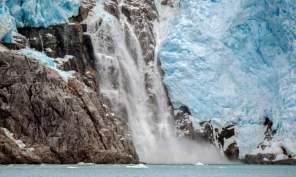
The receding Santa Ines glacier in Seno Ballena fjord in Punta Arenas, southern Chile. Photograph: Martin Bernetti/AFP/Getty

Bringing experts into government does not sound like a news story, until you consider Chile. A country governed for decades by Chicago school economics–a strong invisible hand of market forces combined with a strong visible hand of military rule to keep leftists at bay–Chile’s most recent election led to some new hands in the governance picture.

With the climate crisis, Chile has an opportunity to set a new example for the world. The failure of markets until now to address a human-induced environmental catastrophe will be met with the combined force of expert scientific knowledge and public sector governance:

‘We need politicians and experts’: how Chile is putting the climate crisis first

President Gabriel Boric has brought renowned named climate scientist Maisa Rojas into government to help ensure a greener future

‘We need politicians and experts’: how Chile is putting the climate crisis first
President Gabriel Boric has brought renowned named climate scientist Maisa Rojas into government to help ensure a greener future

Hidden behind the Andes in a quiet corner of South America, a formidable generation of former student leaders are putting together one of the world’s most exciting progressive movements.

On 11 March, Gabriel Boric, 35, a tattooed leftist with a steely resolve to reform Chile from the bottom up, will become the country’s youngest ever president – and his green agenda is echoing across the world as time ticks away on an impending climate catastrophe.

“It is so exciting to see what these young people have done,” says Maisa Rojas, 49, a renowned Chilean climate scientist who has been named environment minister in a cabinet including several of Boric’s student protest generation. Continue reading
Senegal’s Plastic Recycling Entrepreneurship

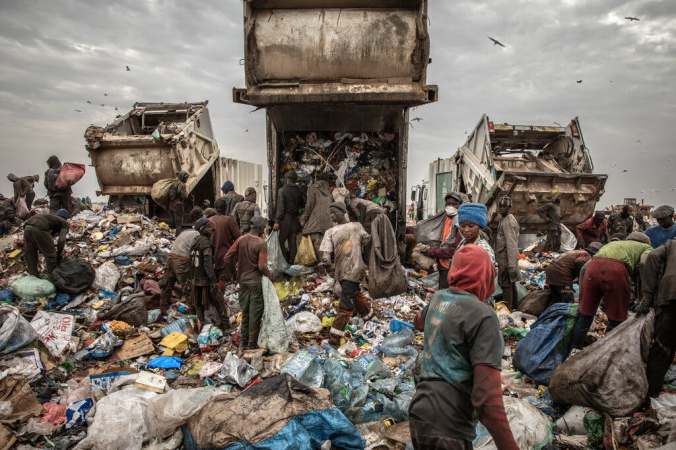
Waste pickers searching for plastics at the main dump in Dakar, Senegal.

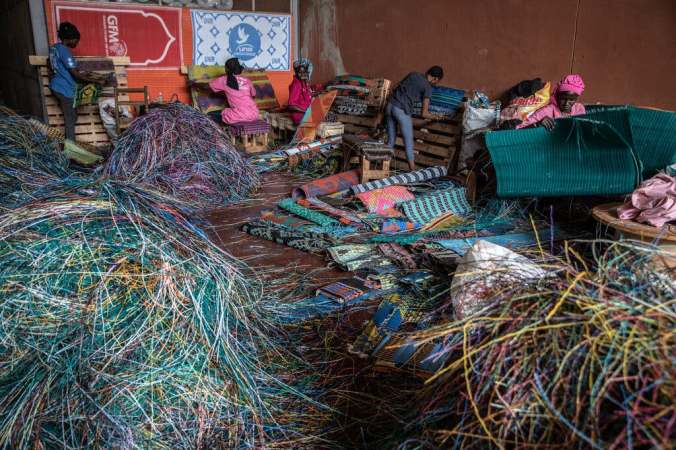
The article below, written by Ruth Maclean and accompanied with photographs by Finbarr O’Reilly, is a portrait in developing world green opportunism. It is not a pretty picture, per se, but it is a sight to behold after the market for recycled plastic seemed to implode in recent years. The photo above shows the gritty reality of the work. The photos below show some of the prettier, and more entrepreneurial downstream opportunities from that work:

Workers stripping reusable plastic from mats at the Sosenap factory, which recycles plastic to make mats and carpets in Diamniadio, on the outskirts of Dakar.

‘Everyone’s Looking for Plastic.’ As Waste Rises, So Does Recycling.

Plagued by plastic pollution, Senegal wants to replace pickers at the garbage dump with a formal recycling system that takes advantage of the new market for plastics.

The main event at the outdoor venue for Dakar Fashion Week in December, which had a theme of sustainability.

DAKAR, Senegal — A crowd of people holding curved metal spikes jumped on trash spilling out of a dump truck in Senegal’s biggest landfill, hacking at the garbage to find valuable plastic. Continue reading

Agave, Night, Nectar

Video (click image above): Mexican long-nosed bats drinking nectar from agave flowers at night. Credit: Bat Conservation International

Bats, agave, and half a minute of night-time feeding are in the video above, which is also embedded in this article by Janet Marinelli, published in Yale e360:

How Preserving Agave Could Help Save an Endangered Bat

Drought linked to climate change, along with overgrazing, is destroying the agave plants on which the Mexican long-nosed bat depends. Now, an initiative is trying to restore the balance between the agaves, the bats that feed on them, and the people who live on these lands.

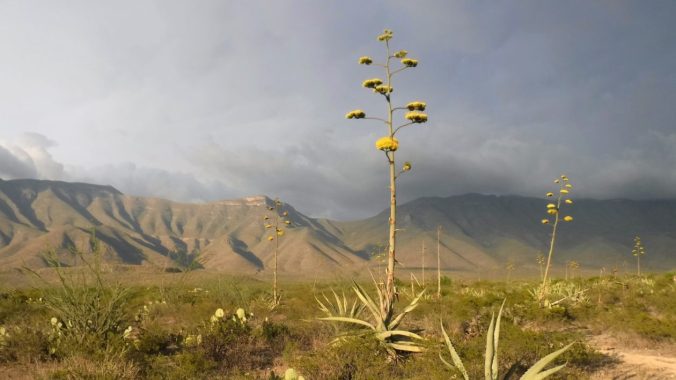
Agaves blooming in Estanque de Norias, Mexico. KRISTEN LEAR / BAT CONSERVATION INTERNATIONAL

At the southeast tip of a large valley in the northern Sierra Madre Oriental is the small Mexican town of Estanque de Norias, some 200 miles west of the Texas border at Laredo.

Continue reading
Volunteering For Town-Saving

The Ascutney ski resort once boasted 1,800 vertical feet of skiing on over 50 trails. When it closed for the last time in 2010, it was a crushing blow to the town of West Windsor. Caleb Kenna for The New York Times

Volunteers inspire more volunteerism, so here is another story about a community volunteering to save its own future, thanks to David Goodman and the New York Times for A Town That Saved a Mountain, and a Mountain That Saved a Town:

At the heart of the mountain’s revival is Ascutney Outdoors, a nonprofit with over 100 volunteers that now runs recreation on the mountain. Caleb Kenna for The New York Times

After the Ascutney ski resort in Vermont closed because of erratic snowfall and mismanagement, it threatened to take with it the nearby town of West Windsor. The community took the situation into its own hands.

Jim Lyall briskly skied up Mount Ascutney, eagerly pointing out the view. We were skinning up a ski area in southern Vermont, but the chairlifts are long gone. At the top of the mountain we arrived at an abandoned ski patrol cabin and lift station. A cold breeze whipped through the deserted structures. It had a ghostly, post-apocalyptic feel. Continue reading
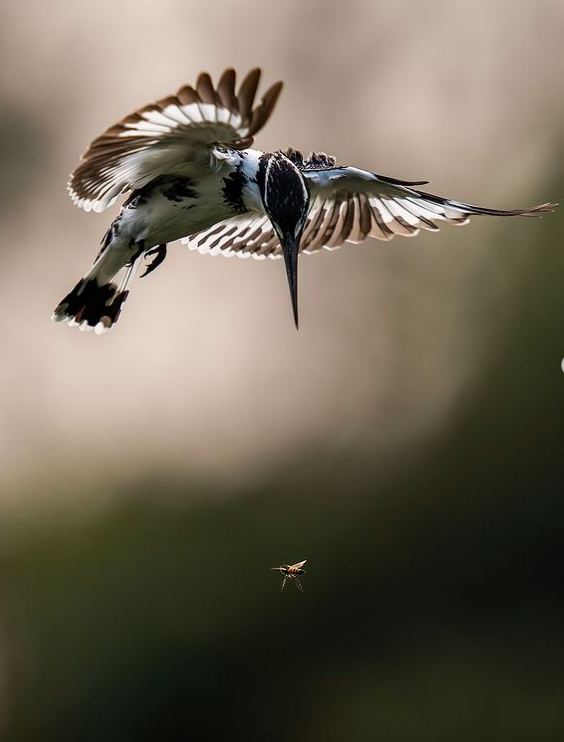
Big Agriculture, Anti-Regulation & Antisocial Behavior

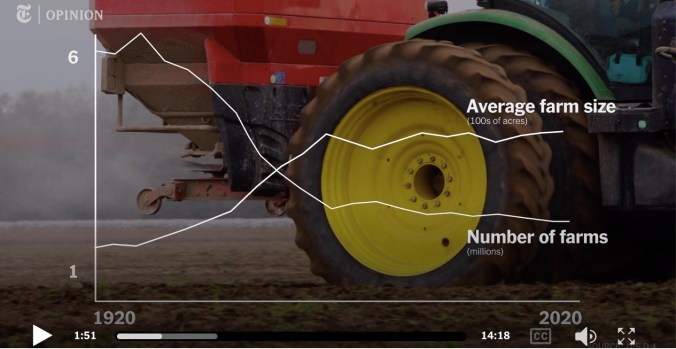
Click any image here to go to an op-ed video that takes just over 14 minutes to watch. You’ll get an inside look into what has happened to food production in the USA, and how, and why.

Summed up, it is all about the power of big-ag lobbying. They want no regulations. They want to decide on their own how to produce food. And it is making a big mess. This anti-regulatory ideology, which has the hallmark of antisocial behavior, is not unique to agricultural lobbyists, but is quite well illustrated by them.

Meet the People Getting Paid to Kill Our Planet

American agriculture is ravaging the air, soil and water. But a powerful lobby has cleverly concealed its damage.

“We’re Cooked” is an Opinion Video series about our broken food system and the three chances you get to help fix it — and save the planet — every day.


The global food system is a wonder of technological and logistical brilliance. It feeds more people than ever, supplying a greater variety of food more cheaply and faster than ever.

It is also causing irreparable harm to the planet. Continue reading

Aesop’s Animals Reviewed In Undark Magazine

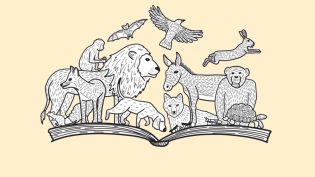
An illustration from “Aesop’s Animals” by Hana Ayoob.

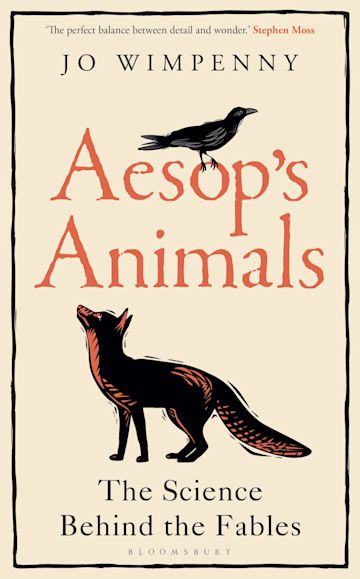
The fables attributed to Aesop were mentioned twice in posts in our pages during our first year. Again the following year. And plenty of times since then. But there is plenty more to say about the menagerie, and a new book takes on that task. Dan Falk offers this Book Review: The Science Behind Aesop’s Menagerie in Undark Magazine (click the image above or the title below to read the entire review at the source):

Aesop’s Animals coverIn “Aesop’s Animals,” zoologist Jo Wimpenny provides a guided tour of animal behavior drawn from the classic fables.

SEVERAL CHAPTERS into “Aesop’s Animals: The Science Behind the Fables,” zoologist and science writer Jo Wimpenny explains that, as a very young girl, she sometimes wanted to be a dog. (In a footnote she credits growing up in Wales for encouraging her “to think outside the box.”) This childhood fantasy, as the reader can readily imagine, involved crawling along the ground on all fours. But that only gets one part-way toward doghood, as the grown-up Wimpenny would come to realize. Continue reading
Palm Oil Potential

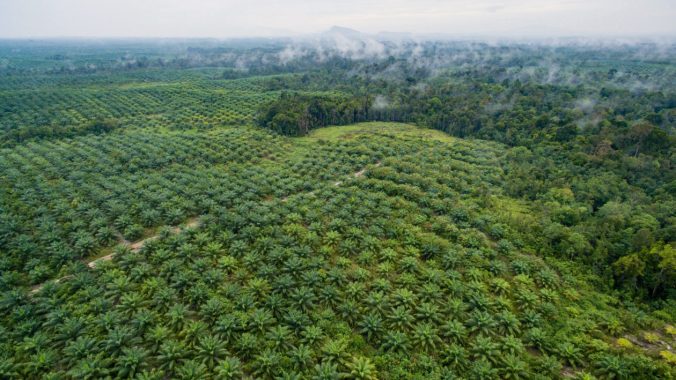
An oil palm plantation encroaches on a rainforest in West Kalimantan, Indonesia. NANANG SUJANA / CIFOR

Palm oil’s problems, and potential solutions have been catalogued in these pages many times. In this recent story by James Dinneen, writing again for Yale Environment 360, a new potential solution is explored:

Can Synthetic Palm Oil Help Save the World’s Tropical Forests?

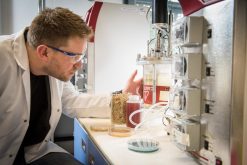
Christopher Chuck, a chemical engineer at the University of Bath, is working to produce yeast able to generate more oil from cheaper feedstocks. UNIVERSITY OF BATH

Numerous startups are creating synthetic palm oil in the lab, hoping to slow the loss of tropical forests to oil palm cultivation. But palm oil is the most widely used vegetable oil, and producing a synthetic version on a large scale remains a daunting challenge.

Tom Jeffries and Tom Kelleher met at Rutgers University in the 1970s while studying industrially useful microbes. Jeffries went on to run a yeast genomics program at the U.S. Department of Agriculture; Kelleher spent decades in the biomedical industry, working with biologics like insulin, which are produced by genetically modified microbes in giant, fermenting vats. Continue reading