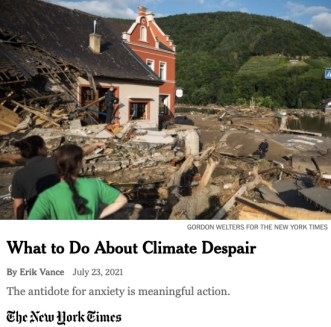
 My first link to the work of Erik Vance came when I was re-writing the welcome to Chan Chich Lodge section of the property’s website. On another occasion his work took me to Madagascar, offering me a much-appreciated journey seven months into the isolation of pandemic. Today, I thank him again for a graphic feature with practical advice on the kinds of steps any of us can take to get some relief from the cataclysm that overshadows even the pandemic. Local variations to the steps he recommends, depending on where you live, might apply; the point is to find them and act on them.
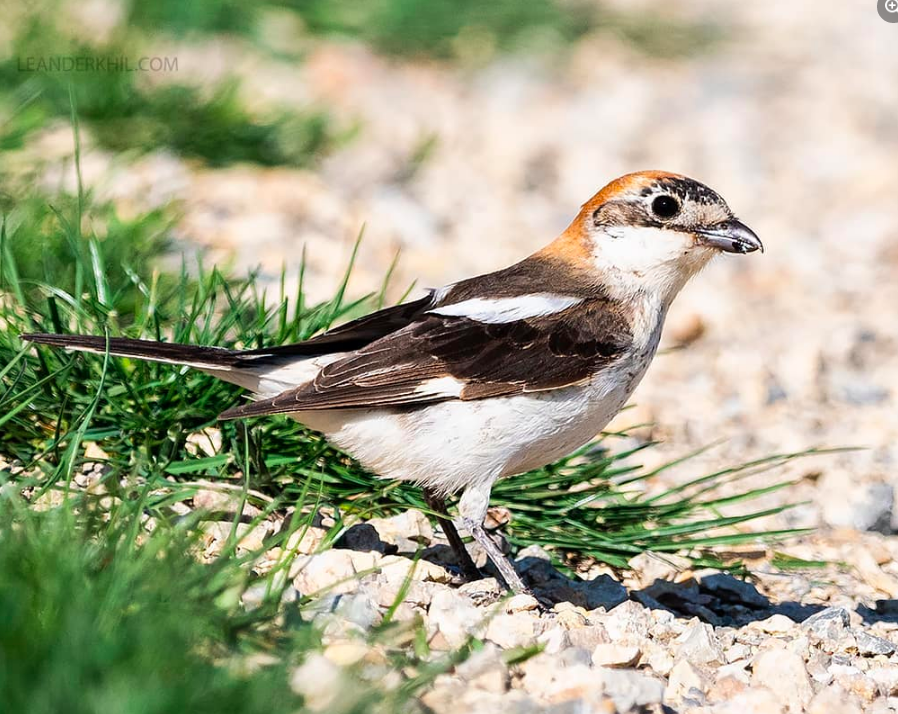
Bird of the Day: Woodchat Shrike
If You Happen To Be In Berlin
 The phased opening of Humboldt Forum, a museum in Berlin, includes this exhibit, and of course a beautiful book to boot.
An interesting feature, in the form of an editorial on the museum’s website can help put this exhibit in context. The goal of this museum is anti-colonial, among other things, according to the museum’s editorial:
According to the people behind the project, the partial reconstruction of Berlin’s historic palace was an expression of the power to mend, to repair the urban fabric and the historical associations enshrined in the space it occupies.
Which is unusual for a well-funded museum in a wealthy country to say. So, this book looks interesting from multiple angles, and the text describing the book is a hint at that:
The elephant is an admired but also endangered animal. In all times and cultures, the ivory of its tusks has been sought after. What kind of material is it, how is it used in history and the present, and what can be done today to protect the largest land mammals from poaching? This richly illustrated volume undertakes a cultural-historical journey and a current positioning. Ivory fascinates – and polarises. Continue reading
Bird of the Day: Indian Grey Hornbill

Rishikesh, Uttarakhand
Recycling 2.0, Maine Gets It Done
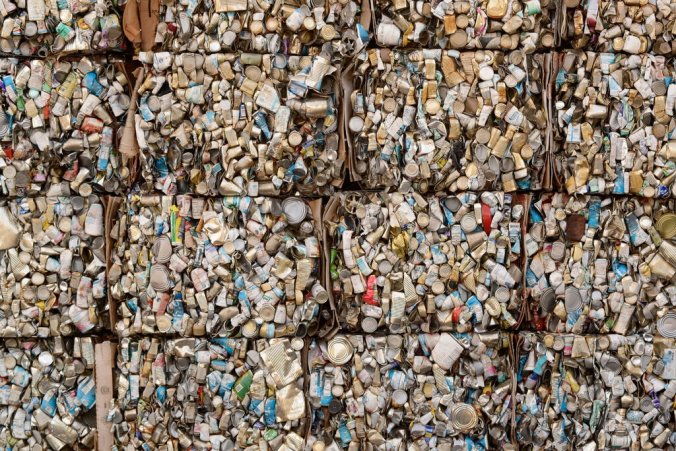
A collection facility in Bend, Ore. The state is expected to adopt a recycling law similar to Maine’s within weeks. Leon Werdinger/Alamy
When we were making decisions about coffee and chocolates that we would offer in the Authentica shops, which we knew to be best-selling categories for travelers wanting to take something home from Costa Rica, product quality was the top consideration. Packaging was a close second. Relative to what was sold in other shops, we radically reduced the carbon footprint of the packaging, and more recently took another step further down that road. We know that every little effort counts, but we also know that the big game is elsewhere, and we are happy to see a relatively small state making big strides in the USA:
Maine Will Make Companies Pay for Recycling. Here’s How It Works.
The law aims to take the cost burden of recycling away from taxpayers. One environmental advocate said the change could be “transformative.”
Gov. Janet Mills of Maine, a Democrat, signed the new recycling policies into law this month. Robert F. Bukaty/Associated Press
Recycling, that feel-good moment when people put their paper and plastic in special bins, was a headache for municipal governments even in good times. And, only a small amount was actually getting recycled.
Then, five years ago, China stopped buying most of America’s recycling, and dozens of cities across the United States suspended or weakened their recycling programs.
Now, Maine has implemented a new law that could transform the way packaging is recycled by requiring manufacturers, rather than taxpayers, to cover the cost. Nearly a dozen states have been considering similar regulations and Oregon is about to sign its own version in coming weeks. Continue reading

Bird of the Day: Black-Chinned Yuhina

Walong, Arunachal Pradesh
Looming Line 3 Battle
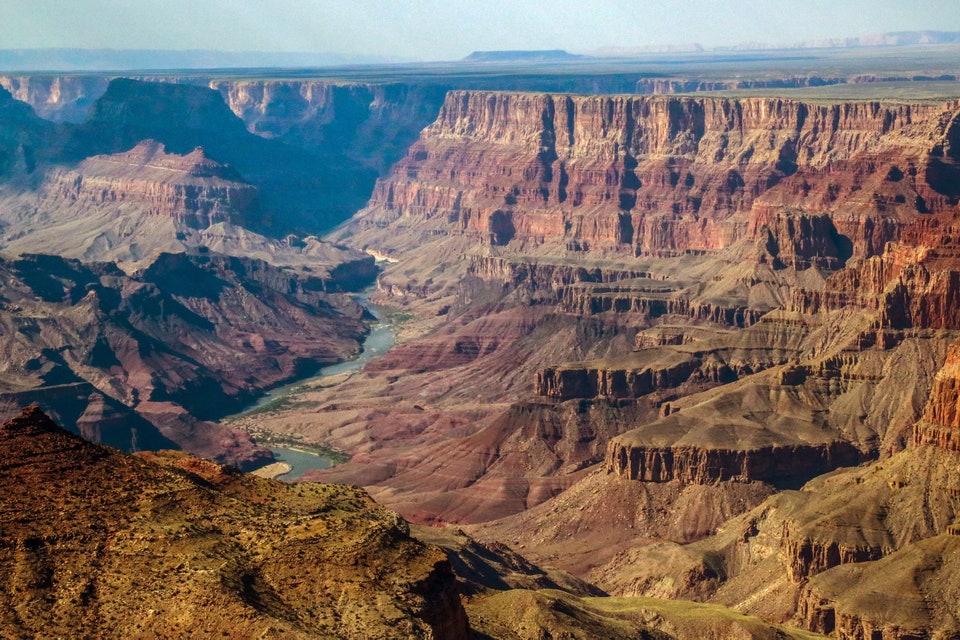
Only a small percentage of Americans visit the Grand Canyon, but its existence, as an ancient place of inestimable value, has a global psychological importance.Photograph by Jim Kidd / Alamy
The Line 3 story started for us last month, and continues today, with another essay by Bill McKibben, this time using the Grand Canyon for context:
Lessons from the Fight for the Grand Canyon
We once saved natural landmarks for their beauty—now it’s for survival, too.
To float down the Colorado River through the Grand Canyon is to meander through geologic time. As you descend, the formations you pass include the Coconino Sandstone, the Redwall Limestone, the Bright Angel Shale—by the time you reach the tortured-looking Vishnu Schist, you’re a couple billion years back in time. Continue reading
Bird of the Day: Black-winged Stilt
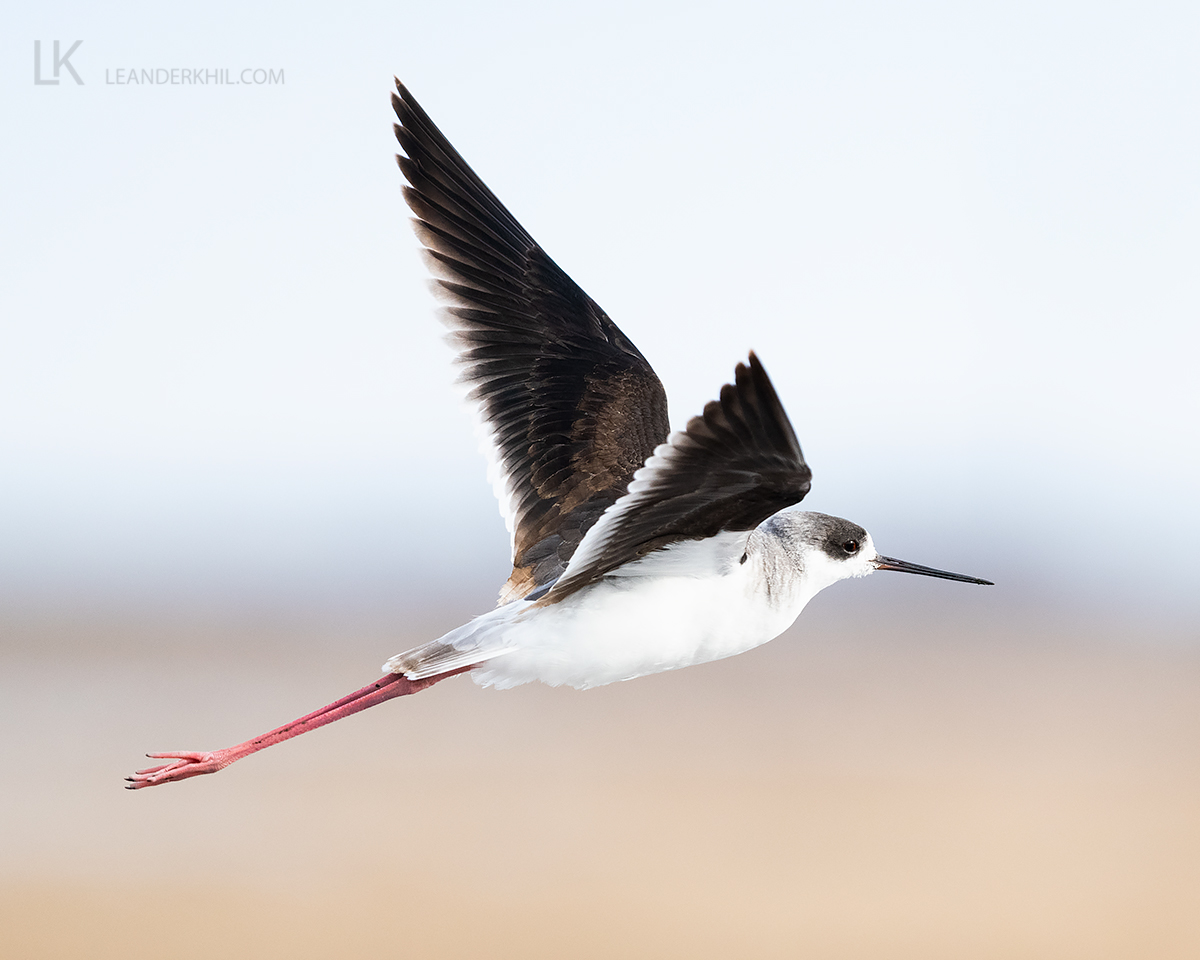
Deutsch Haslau, Austria
A Nest Dislodged, Rolled, Resting
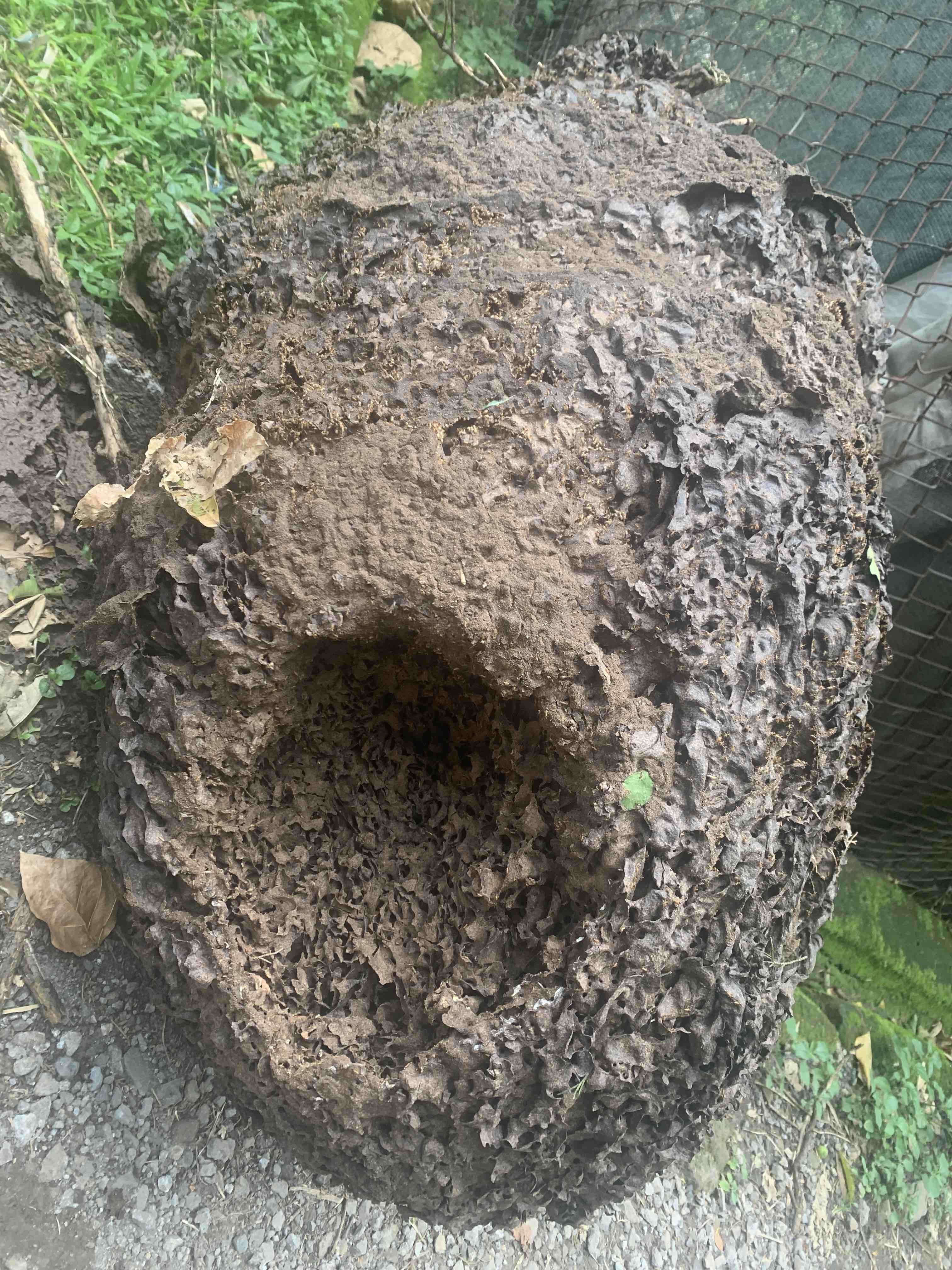
It rolled down the hill from our up-hill neighbor, and rested on our chicken coop.
You can see the size of this nest if you consider the size of the chain-links in the fence it is resting on. It is approximately two feet wide and four feet long, oblong.
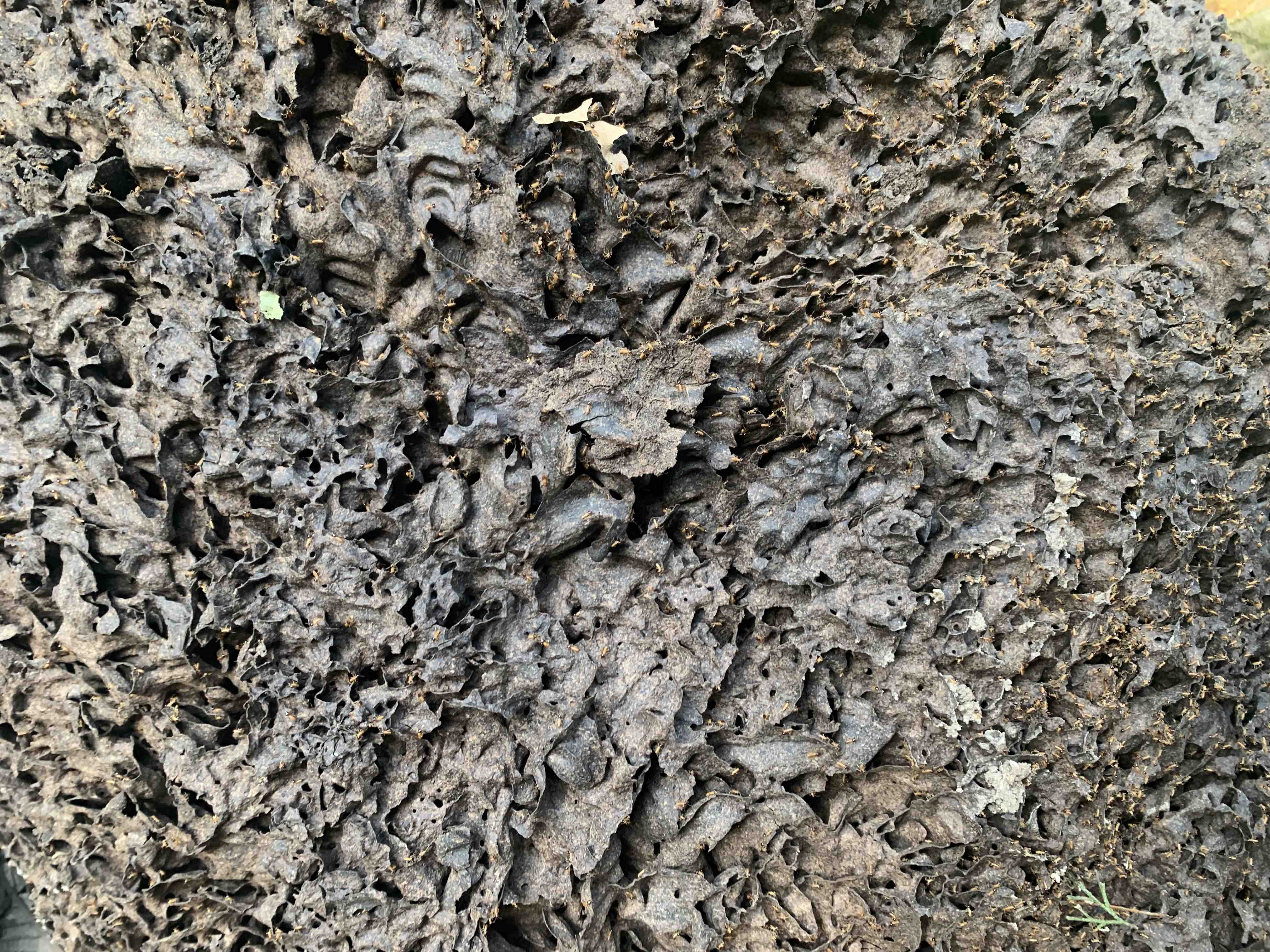
Close examination reveals tiny ant-like creatures crawling in the recesses of the structure. Termites?
The texture is firm, brittle, what seems to be the organic material I frequently see ants carrying off (occasionally something I have planted, to my annoyance), and layered as if dipped in mud. On one side there are sticks that are built into the structure sticking out.
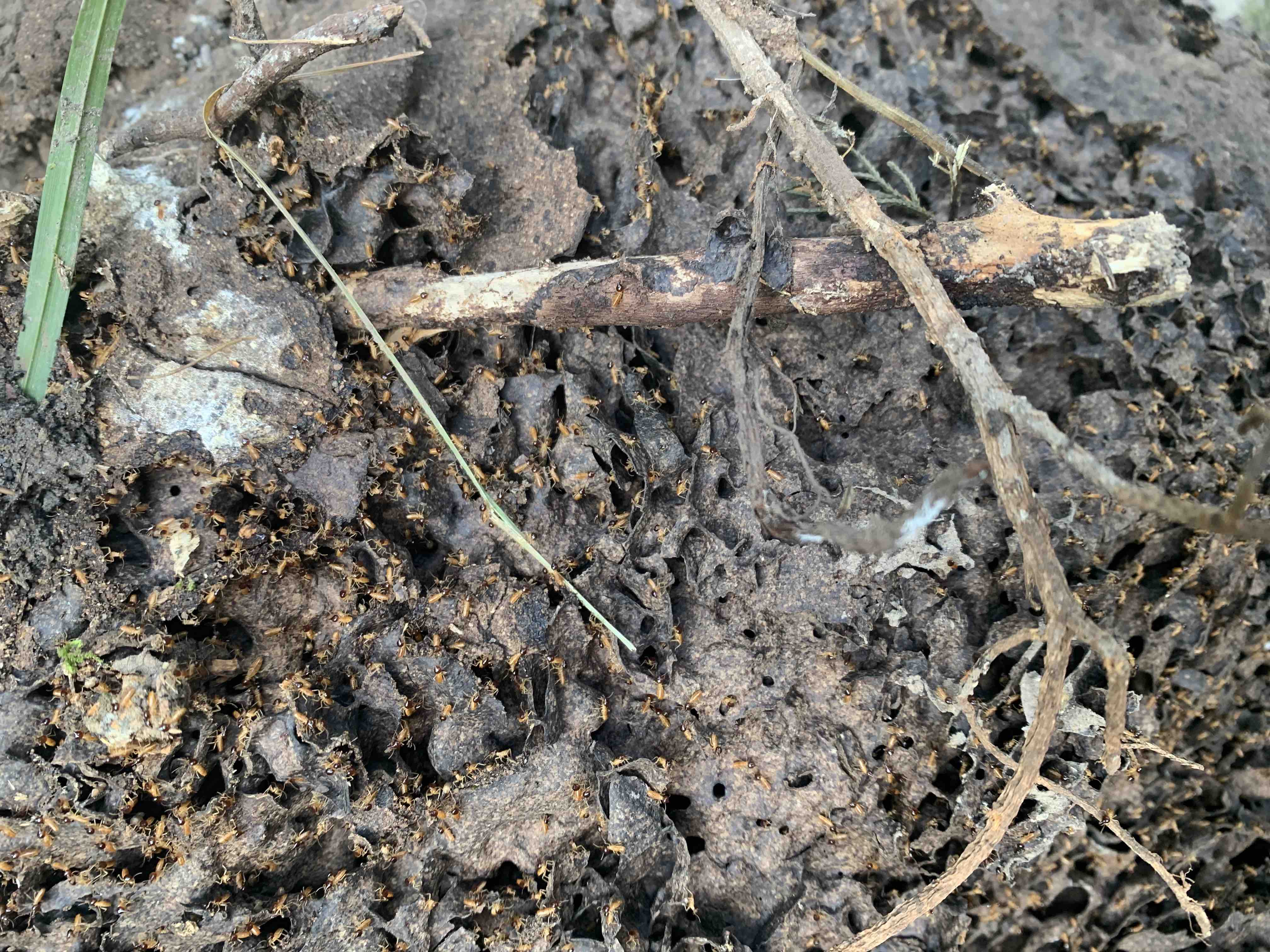
Is a nest like this anything like trust in modern human society?
I cannot imagine how much time was required to build this nest, but ants seem patient, diligent, even tireless. The man clearing brush on the hillside told me that he gave it a little push, and it rolled on its own. It is an apt photo to accompany a review I have just read about the alarming decline of trust in modern society:
Are Americans More Trusting Than They Seem?
Political scientists say that our confidence in our institutions—and in one another—is running perilously low. Economists see a different story.
My takeaway from the article is that trust, a binding agent of society, takes a long time to build, yet can be more easily toppled than you might have imagined. Institutions, through which trust has been built in the past, may be replaced with a different variety of trust according to economists. As of now, I do not buy it.
Bird of the Day: Chestnut-sided Shrike-Vireo
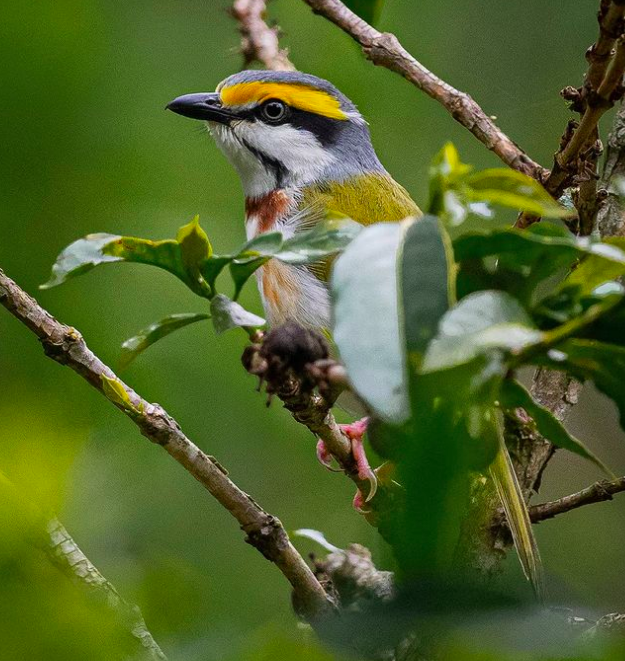
Volcán Toliman, Guatemala
Volts, A Panic-Mitigation Option
Volts: a newsletter about clean energy and politics
What with climate change accelerating and US politics falling apart, it’s pretty grim out there. Yet alongside these doom loops, somewhat anomalously, something good is happening: the transition away from fossil fuels to clean, carbon-free energy is underway, and it is accelerating every day…
Our reading and listening options are constantly expanding and contracting, and especially with climate change and energy topics in particular it can be challenging to find options that do not simply induce panic. We have our regular go-to sources, like Yale e360, that has been creatively informative without just heaping on the bleak (any more than necessary, which it sometimes is). A recent discovery of an analytical source worth sharing is this newsletter/podcast combo by David Roberts. Below is the most recent podcast:

Volts podcast: rampant environmental rule-breaking and how to fix it, with Cynthia Giles
Designing rules (including climate rules) that are harder to break
The US has hundreds of environmental rules and regulations on the books, meant to achieve various environmental goals — clean up coal plants, reduce toxins in consumer products, limit agricultural waste, and so on.
Once these rules and regulations are put in place, most people don’t give them a lot of thought. To the extent they do, they tend to believe two things: one, that environmental rules are generally followed (maybe, what, 3-5 percent break the rules?), and two, that the answer to noncompliance is increased enforcement.
According to Cynthia Giles, both those assumptions are dead wrong.
Bird of the Day: Black-rumped Flameback
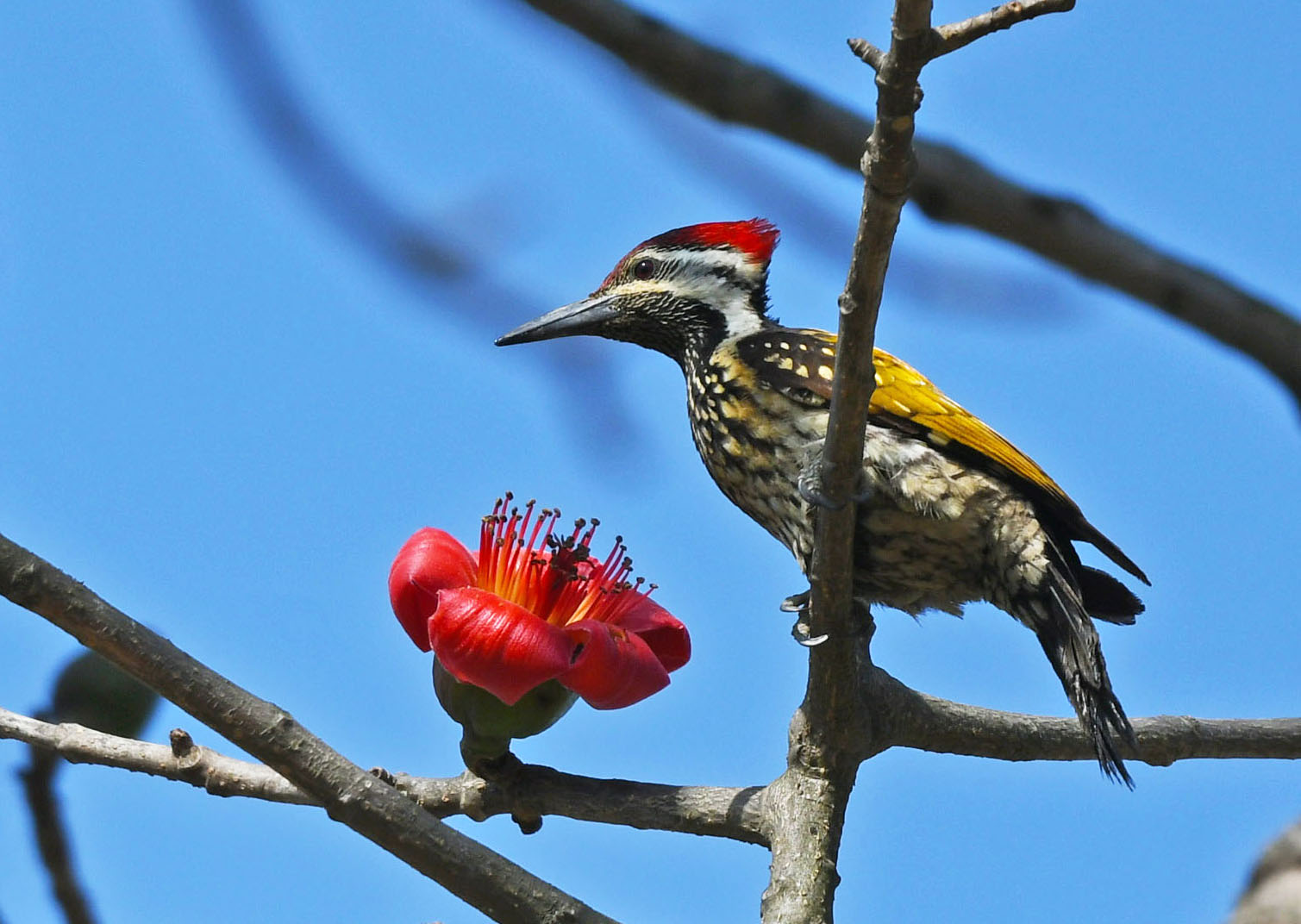
Rajaji National Park, Uttarakhand
Greenland Ends Drilling For Oil
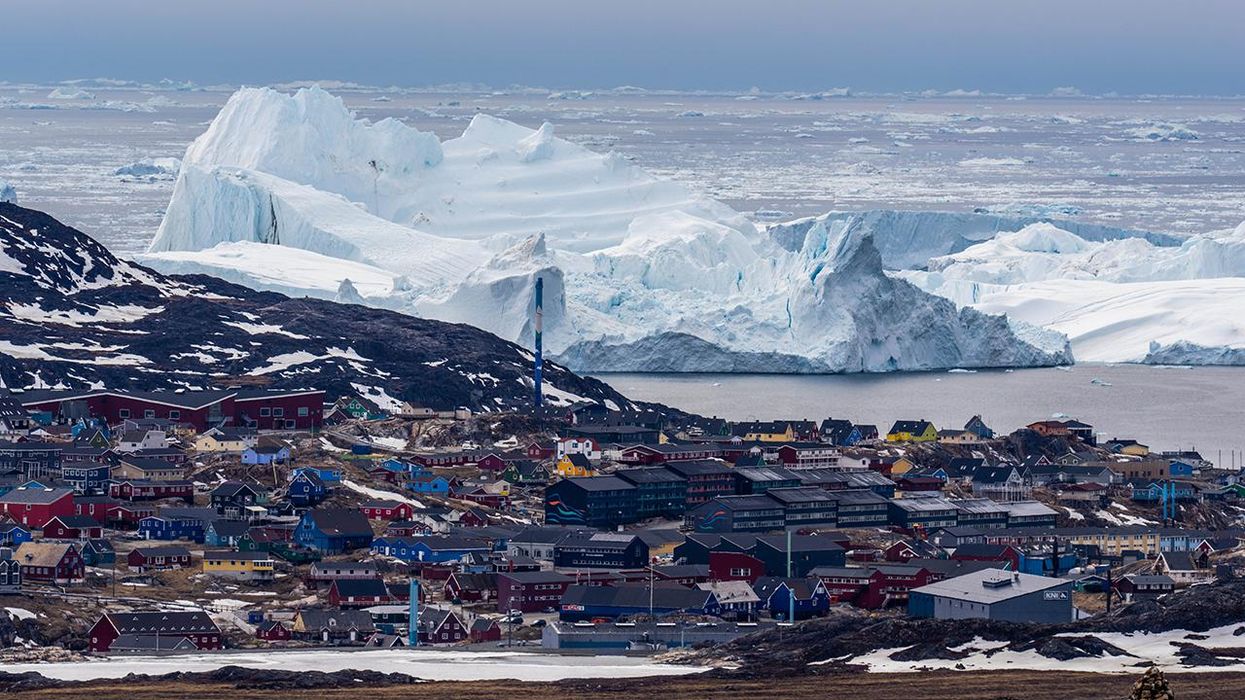
Icebergs near Ilulissat, Greenland. Climate change is having a profound effect in Greenland with glaciers and the Greenland ice cap retreating. Ulrik Pedersen / NurPhoto / Getty Images
Thanks to Ecowatch for publishing this story by Andrea Germanos:
‘Future Belongs to Renewable Energy’: Greenland Ditches All Oil Drilling
Greenland announced Thursday a halt on new oil and gas exploration, citing climate and other environmental impacts.
“Great news!” responded the Center for International Environmental Law.
The government of Greenland, an autonomous Danish dependent territory, framed the move as necessary to transition away from fossil fuels. Continue reading
Bird of the Day: Fieldfare
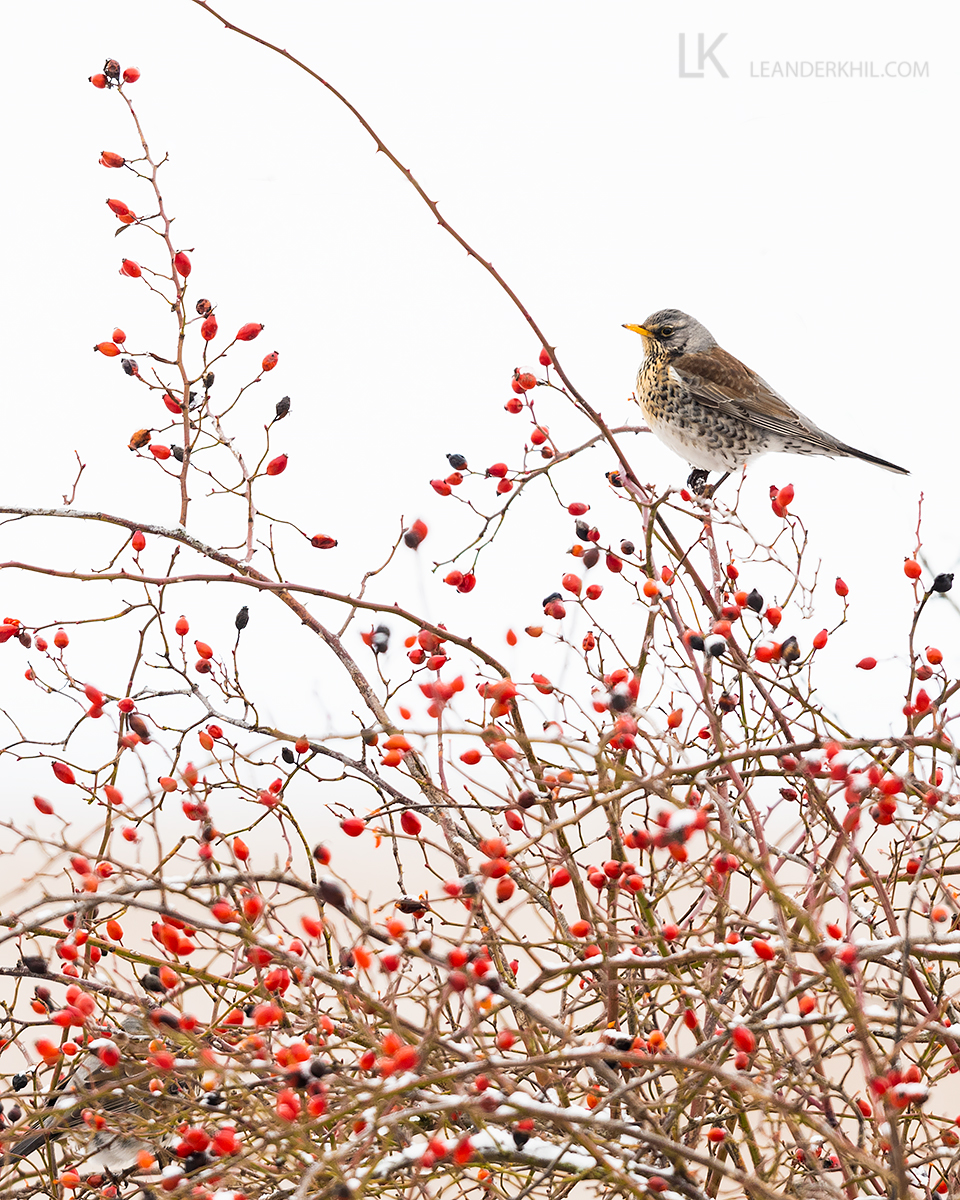
Illmitz, Austria
Appleseed, For Your Consideration
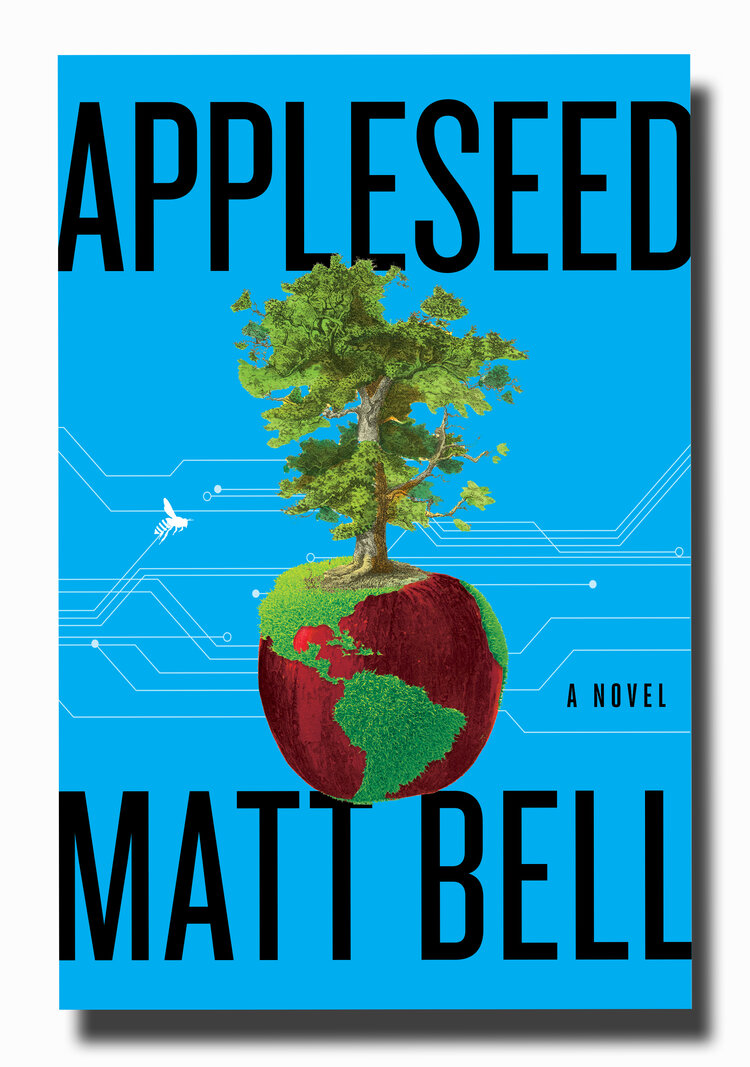
If your summer reading does not include some dystopian fiction and you want to consider adding some, for your consideration this review bhas a strong recommendation of the above book:
A Novel Charts Earth’s Path From Lush Eden to Barren Hellscape
Climate is everywhere in fiction these days. Omar El Akkad’s “American War,” Lydia Millet’s “A Children’s Bible,” N. K. Jemisin’s Broken Earth trilogy, Carys Bray’s “When the Lights Go Out” and Selah Saterstrom’s “Slab” are just a few of the many recent novels to highlight global warming and related extreme weather. Continue reading
Bird of the Day: Brown Pelican
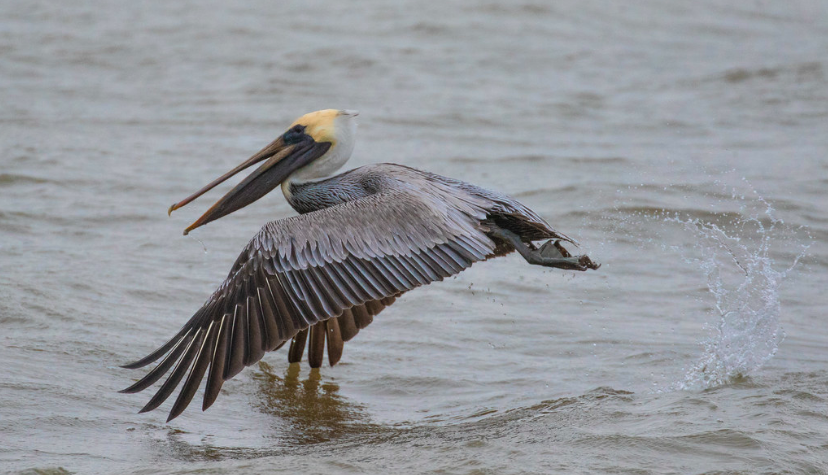
Mad Island Marsh Preserve, TX
The Largest Forest In The World
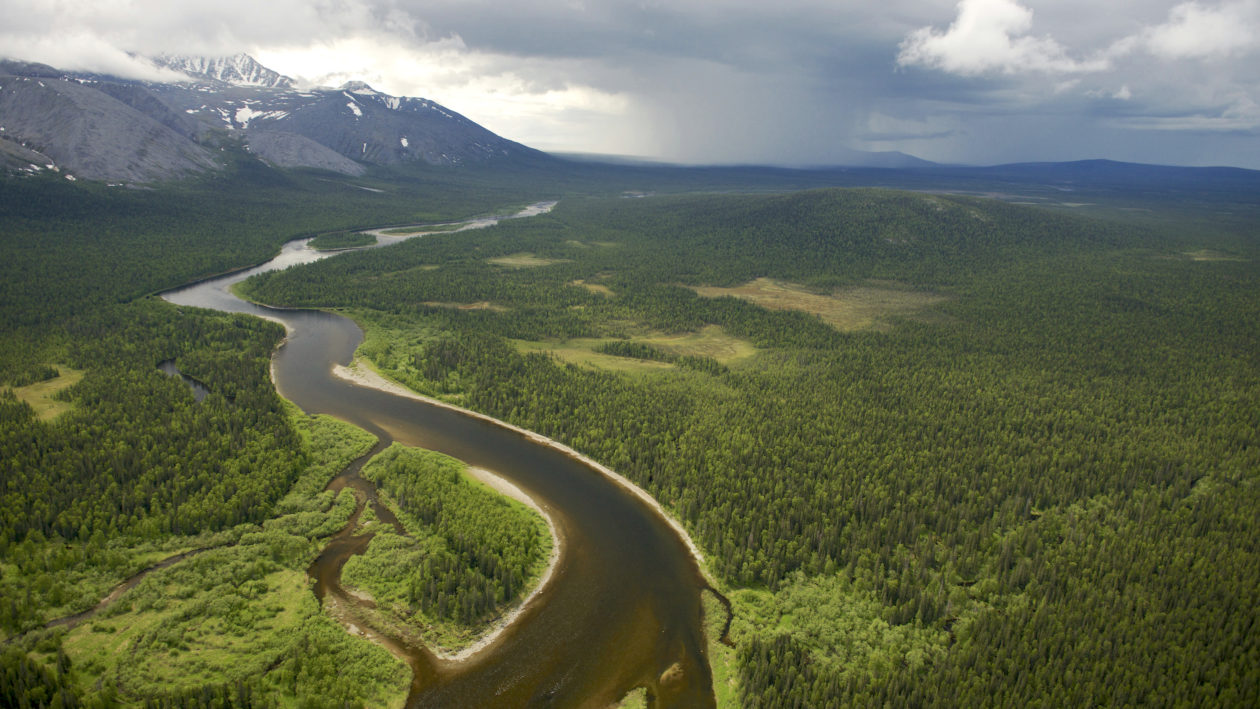
Virgin Komi Forest in the northern Ural Mountains in the Komi Republic, Russia. MARKUS MAUTHE / GREENPEACE
We have not posted many times on the vastness of Russia, and its various natural resources, but they are worthy of more attention. Thanks to Yale e360:
Will Russia’s Forests Be an Asset or an Obstacle in Climate Fight?
New research indicating Russia’s vast forests store more carbon than previously estimated would seem like good news. But scientists are concerned Russia will count this carbon uptake as an offset in its climate commitments, which would allow its emissions to continue unchecked. Continue reading
Bird of the Day: Brown Bush-Warbler

Mandala, Punjab
The Soul Of An Octopus
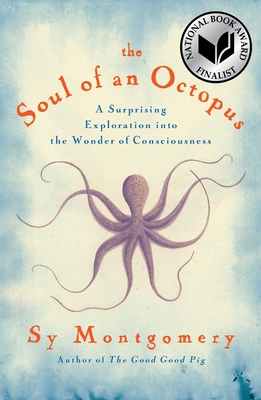 I missed this book when it was first published, but thankfully its author was invited onto a podcast I listen to regularly.
On the author’s own website she links an independent bookseller of her choice as the favored place to buy the book. Bravo.
Klein’s introduction to the conversation:
How Octopuses Upend What We Know About Ourselves
I’ve spent the past few months on an octopus kick. In that, I don’t seem to be alone. Octopuses (it’s incorrect to say “octopi,” to my despair) are having a moment: There are award-winning books, documentaries and even science fiction about them. I suspect it’s the same hunger that leaves many of us yearning to know aliens: How do radically different minds work? Continue reading
Bird of the Day: Wood Pigeon

Frauenkirchen, Austria
 Organikos