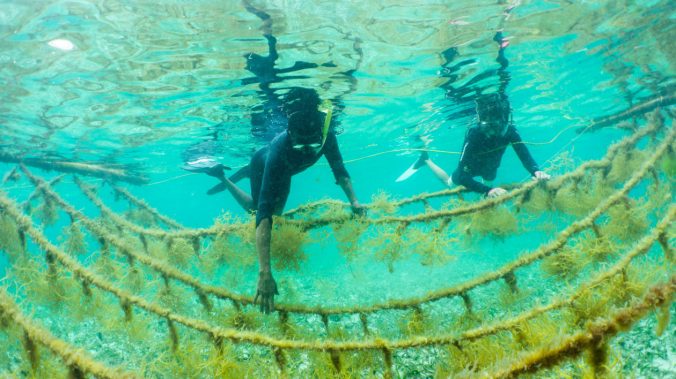
Mariko Wallen and Louis Godfrey tend to the seaweed on their farm in Placencia, Belize. This farm grows two species: Eucheuma (for consumption) and Gracilaria (used for skin treatments and cosmetics). The farm is part of a program sponsored by TNC to bring seaweed aquaculture to the area in cooperation with the Placencia Fishermen Cooperative.
Thanks to the Nature Conservancy’s Cool Green Science website for this:
Aquaculture Adds Value to Habitat
Bivalve and seaweed farming systems result in measurable increases in fish and invertebrate abundance and diversity, new research from The Nature Conservancy, University of New England, University of Melbourne, and the University of Adelaide finds. Continue reading
Breitenbrunn, Austria

When we have linked to rewilding initiatives in the past the settings are usually but not always rural locations. Here is an urban exception worthy of note, as seen on the project’s overview page:
Hunted to extinction across the UK 400 years ago for their pelts and oil from their scent glands (known as castoreum), we have a vision for returning this charismatic animal back to London where it once thrived. In January 2021, working with the Beaver Trust, we brought together some of London’s key conservation organisations, community groups and environmental decision-makers in London to discuss the possibility of beavers in our Capital once again.
BACKGROUND
As the Rewilding movement continues to grow, species reintroductions are gathering pace, and beavers are now high on the agenda of many conservation strategies. As ecosystem engineers, they breathe life into ecosystems, damming up streams to create wetland habitats where wildlife can thrive. In addition to this, the wetland habitats they create are excellent for flood prevention, sequestering carbon and providing water during periods of drought. Continue reading
Parque Regional Lomas de Arena, Bolivia
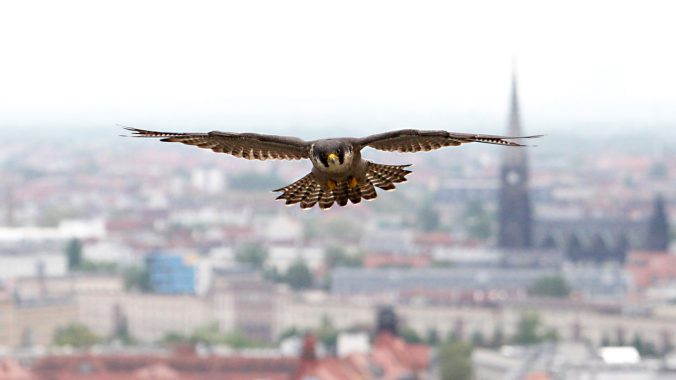
A peregrine falcon flying over Leipzig, Germany. Peregrines survive and reproduce more easily in cities than in rural areas. SEBASTIAN WILLNOW / PICTURE ALLIANCE VIA GETTY IMAGES
We have frequently considered urban greening in reference to social justice and to agricultural innovation. Thanks to Janet Marinelli for this consideration of a more fundamental possibility:
Urban Refuge: How Cities Can Help Solve the Biodiversity Crisis
Cities have long been considered species deserts, devoid of wildlife beyond pigeons and squirrels. But with animals such as snowy owls, otters and bobcats now appearing in urban areas, scientists are recognizing that cities can play a significant role in fostering biodiversity.
Last year, as billions of people around the globe were in coronavirus lockdown, students of Queens College ecologist Bobby Habig discovered a bobcat roaming around the Bronx River in New York City, better known for its recent past as an open sewer and repository for automobile tires and rusted chassis than as a habitat for elusive wildcats. In January, a snowy owl, native to Canada’s Arctic tundra, touched down in Central Park for the first time in 130 years and spent more than a month supplementing its usual diet of boreal lemmings with choice urban fare such as mice and rats. For weeks a coyote was spotted in the Ramble, a 37-acre “wilderness” of rocky crags and hilly forest in the heart of Central Park. Continue reading
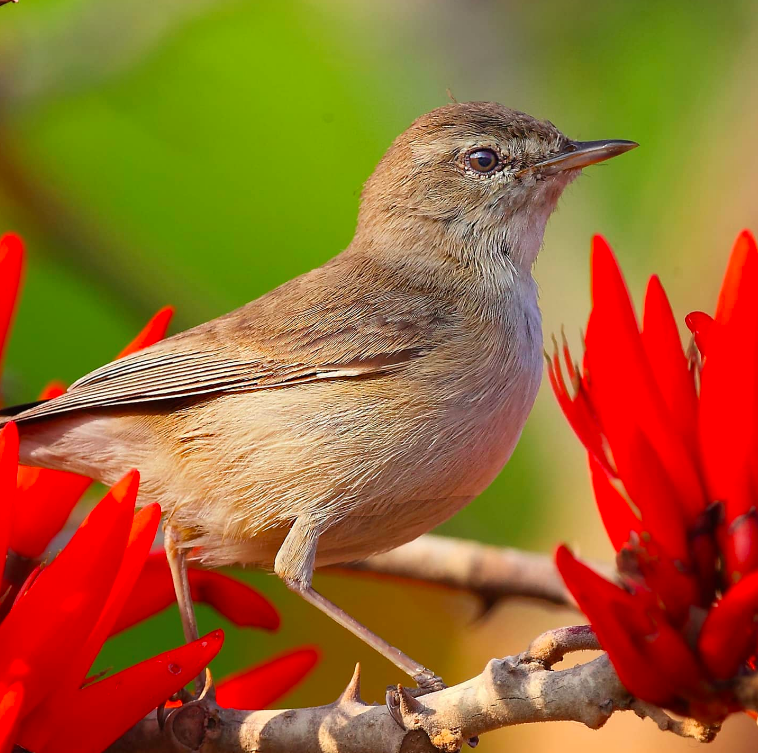
Bangalore, India

The number of urban trees is shrinking due to storms, construction and insects: at the moment, the US is facing a projected loss of 8.3% in urban tree cover by 2060. Photograph: Mary Altaffer/AP
Regardless of the viability of tree-planting as a solution to climate change, the need for more trees in some locations is overwhelming:
US needs 30m new trees to combat shade disparity, study finds
First ever nationwide tally of trees reveals how communities of color and poorer neighborhoods lack canopy
With vast swathes of the American west baking under a record-setting heatwave, a new study has revealed how unevenly trees are spread throughout cities in the United States and how much it disadvantages communities of color and the poor. Continue reading
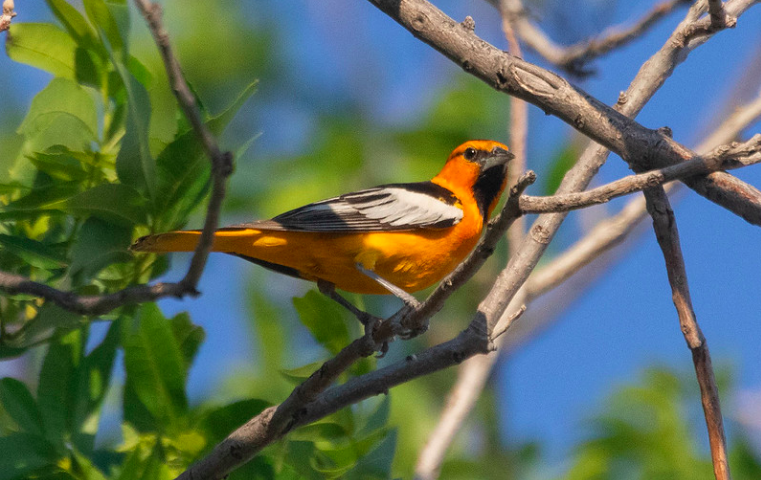
Terrell, Texas
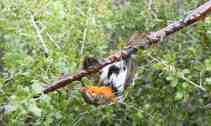
A European robin trapped with glue on a stick, in France. Photograph: Courtesy LPO
It took too long to outlaw, but thank goodness it has finally happened:
France’s highest appeals court has ruled that the hunting of songbirds with glue traps is illegal, saying an exemption that had permitted the practice was in breach of European legislation. Continue reading

Parque Puerta del Cielo, Huehuetenango, Guatemala

Donald Pols, director of the environmental group Milieudefensie, celebrates on May 26 after a court in the Netherlands ordered Shell to slash its emissions. REMKO DE WAAL / ANP / AFP VIA GETTY IMAGES
The hug says all you need to know. Our kids, our grandchildren, and generations to follow will all be wondering why we we fiddled so long while carbon burned. The consequences of choices we make now related to the future of fossil fuel use are epic:
Amid Troubles for Fossil Fuels, Has the Era of ‘Peak Oil’ Arrived?
For years, analysts have predicted that rising world oil consumption would peak and start declining in the coming decades. But with a recent string of setbacks for big oil companies and the rapid advance of electric vehicles, some now say that “peak oil” is already here.
An oil platform facility operated by French oil giant Total in the Atlantic Ocean off the coast of Angola in 2018. RODGER BOSCH / AFP VIA GETTY IMAGES
May was arguably the worst month ever for big oil — and the best for its opponents — as courts and corporate shareholders sided with environmental activists to humble the biggest of the fossil-fuel giants, culminating in “Black Wednesday.”
Electric taxis line up at a train station in Shenzhen, China in October, 2019. NIKADA VIA GETTY IMAGES
On that day, May 26, three events occurred that would have seemed nearly impossible not long ago: activists angry at ExxonMobil’s climate policies won three seats on its board of directors; Chevron shareholders voted to force the company to start cutting emissions; and a judge in the Netherlands ruled that Shell must slash its emissions by 45 percent by 2030.
So what’s next for big oil? Is the game up? Have we reached peak oil? Continue reading
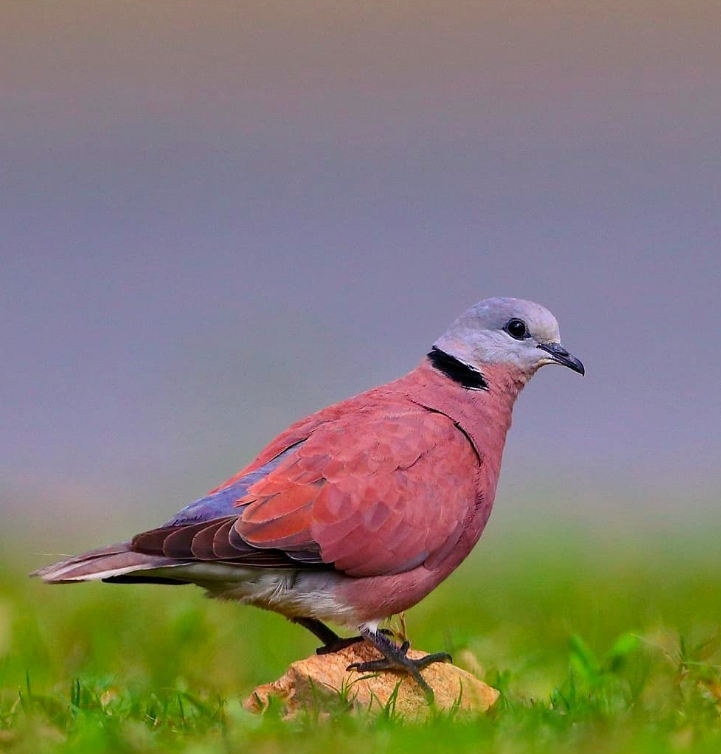
India
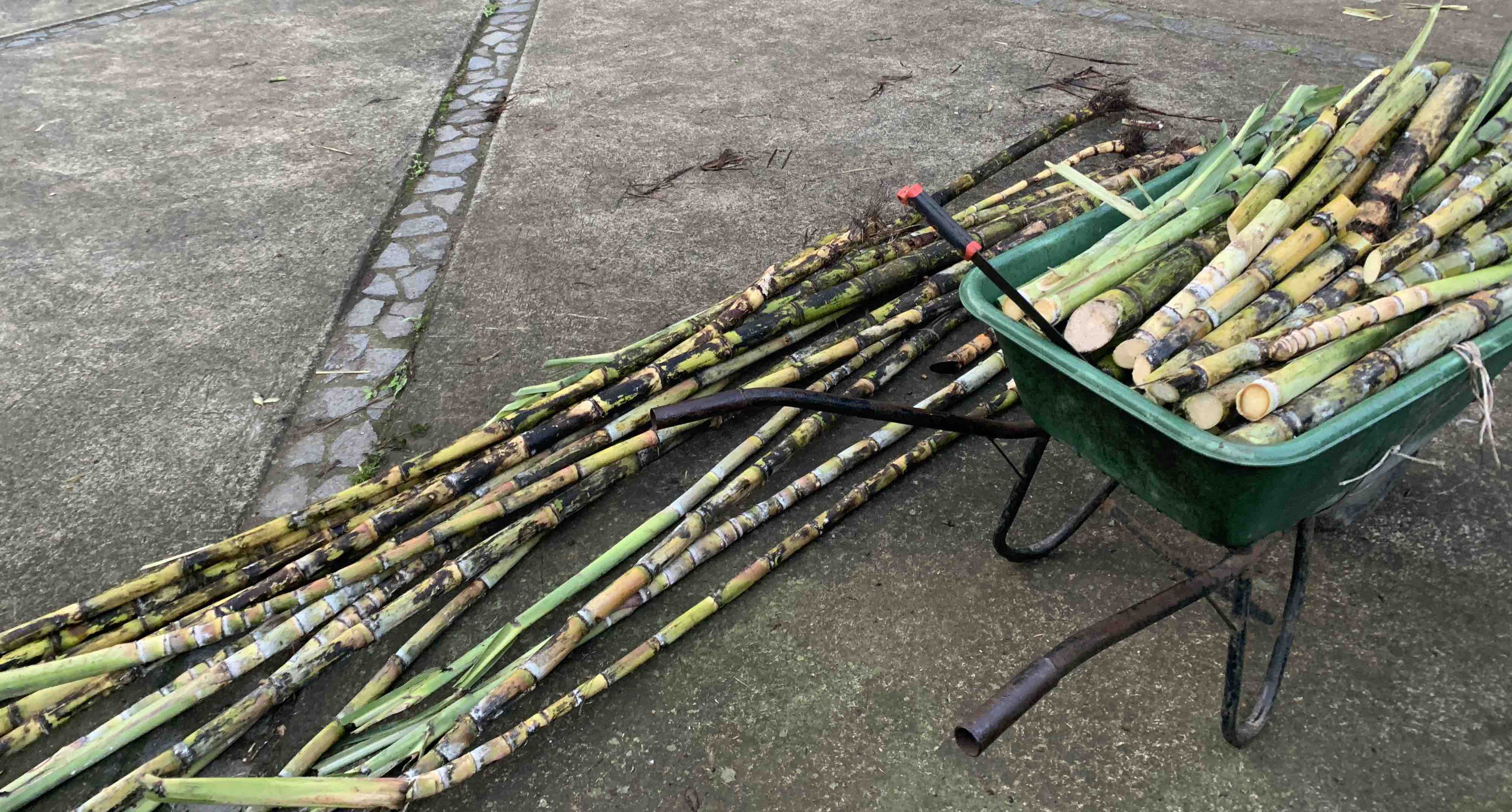
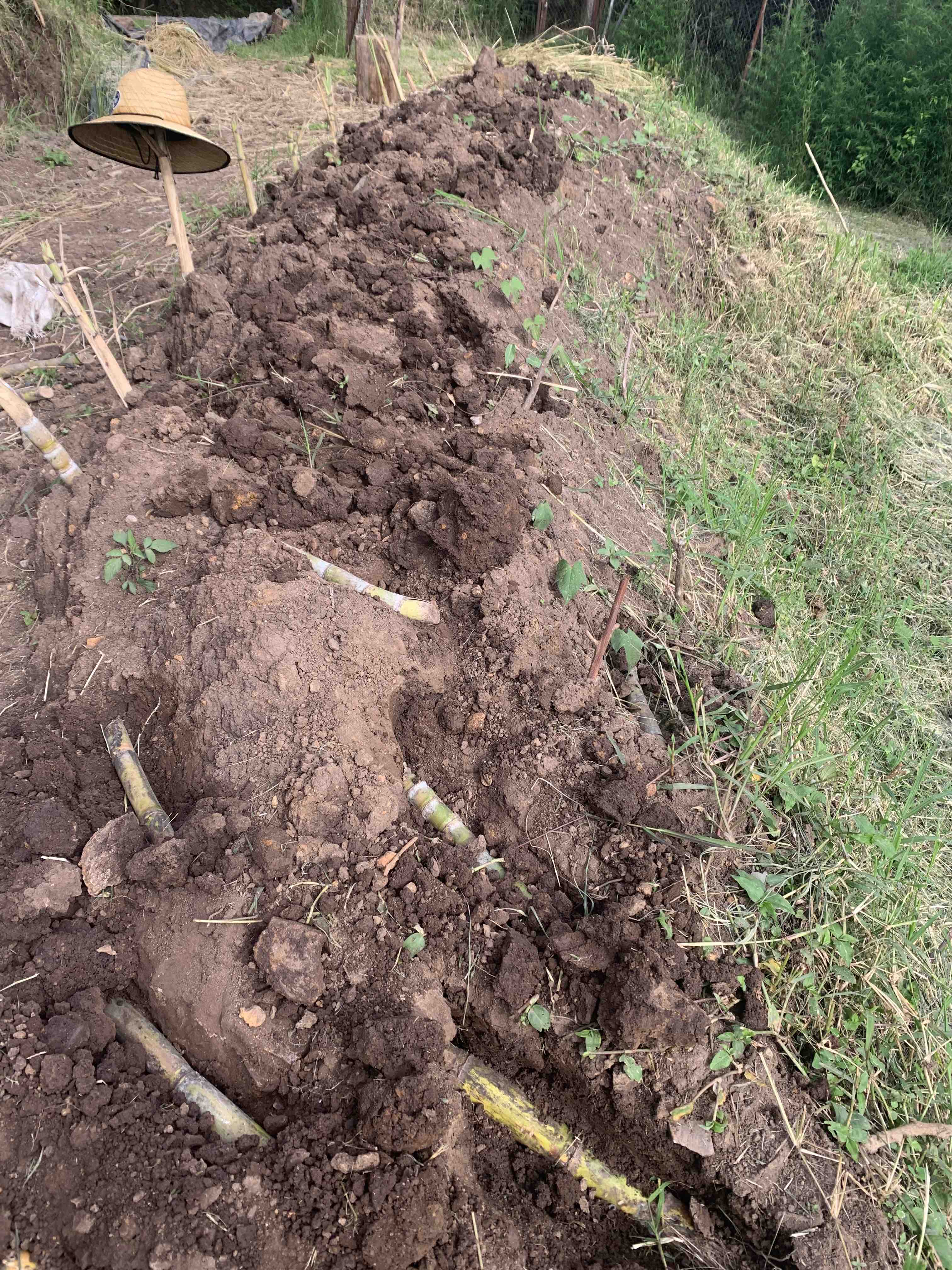
On the first day of this platform’s new decade I posted about harvesting sugarcane for the purpose of expanding the stock. Since then I took the long stalks and chopped them in to about 70 pieces, each between one and two feet long. Here is what it looks like to plant it. Tops of stalks grow best inserted at a diagonal, as seen on the left of the image below, one serving as a hat stand. All other segments get planted horizontally in the soil, just a couple inches below the surface.
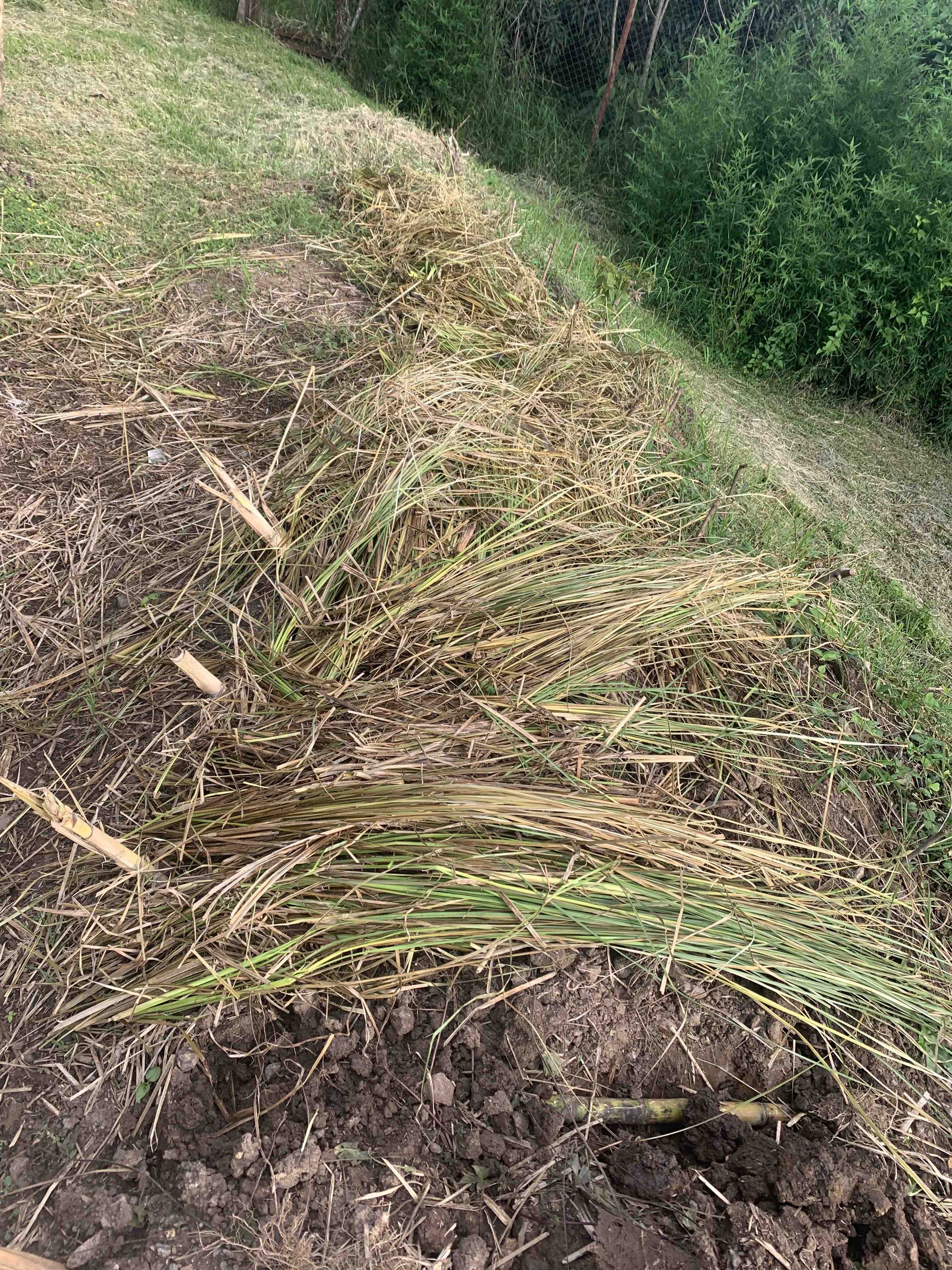
After covering each segment with compost-enriched topsoil, I cover the entire area with freshly cut vetiver grass. This protects the topsoil from the heavy rains typical this time of year, and at the same time allows the nutrients from the decomposing grass to fortify the topsoil.
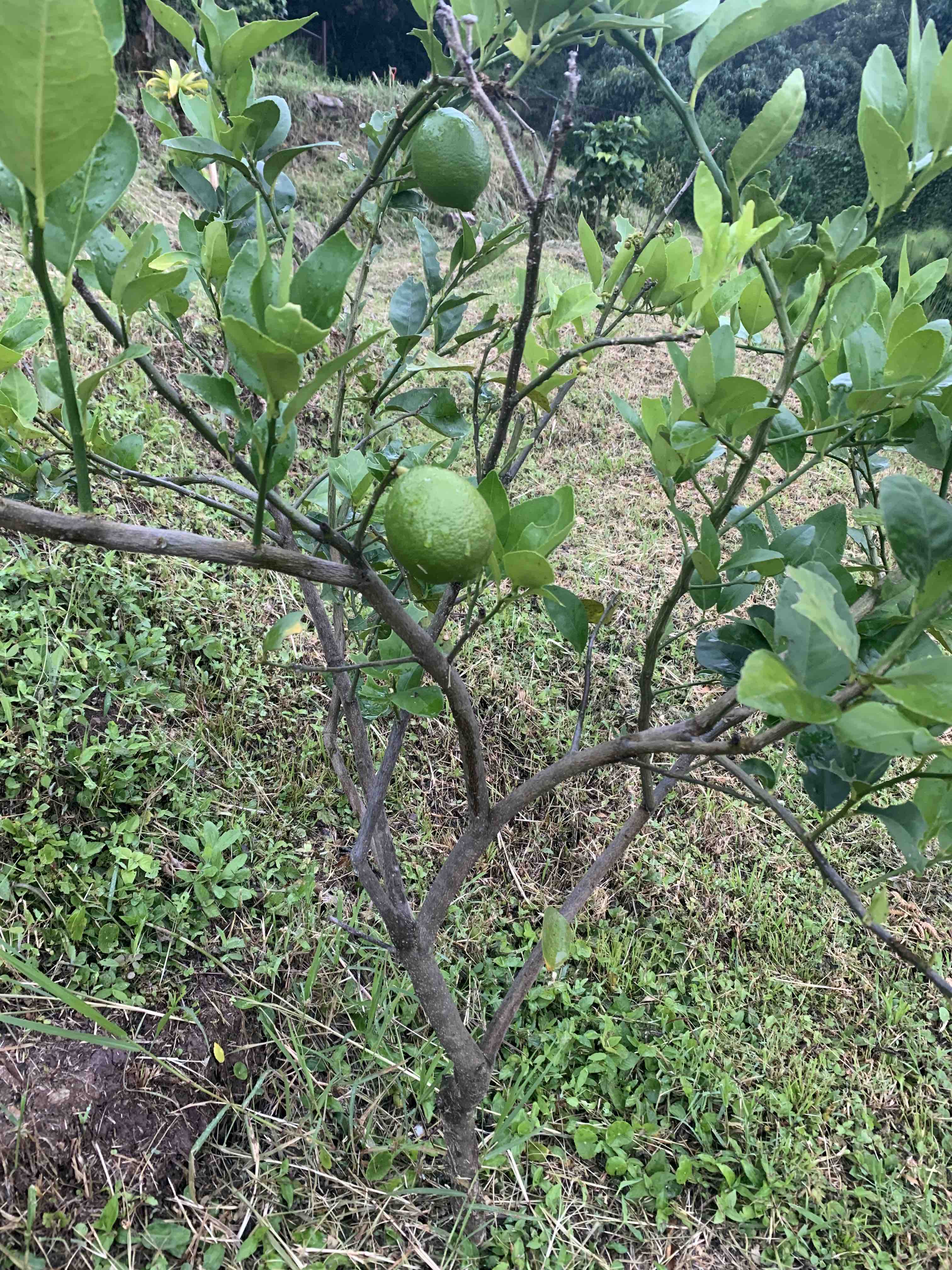
It occurs to me: this time next year we will be sweetening the lemonade. A year prior to planting poro saplings we planted several citrus saplings and they are already bearing fruit now; one more year will mean plenty of sweetened juice to go around.

Terrell, Texas
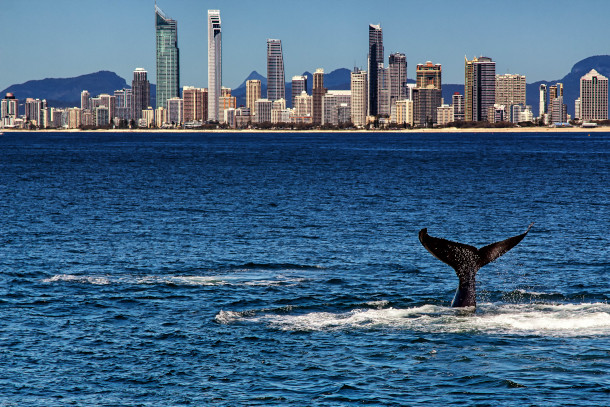
A humpback whale off the shore of the Gold Coast in Australia. (Photo: Steve Austin, Flickr, CC BY-ND 2.0)
Just absorb this (thanks to the Living on Earth podcast for this short segment):
…Experts estimate there are about 40,000 humpbacks that migrate each year between the southern oceans around Antarctica and the oceans around Australia. And there used to be 1500 a half century ago, mostly wiped out due to wailing. Continue reading
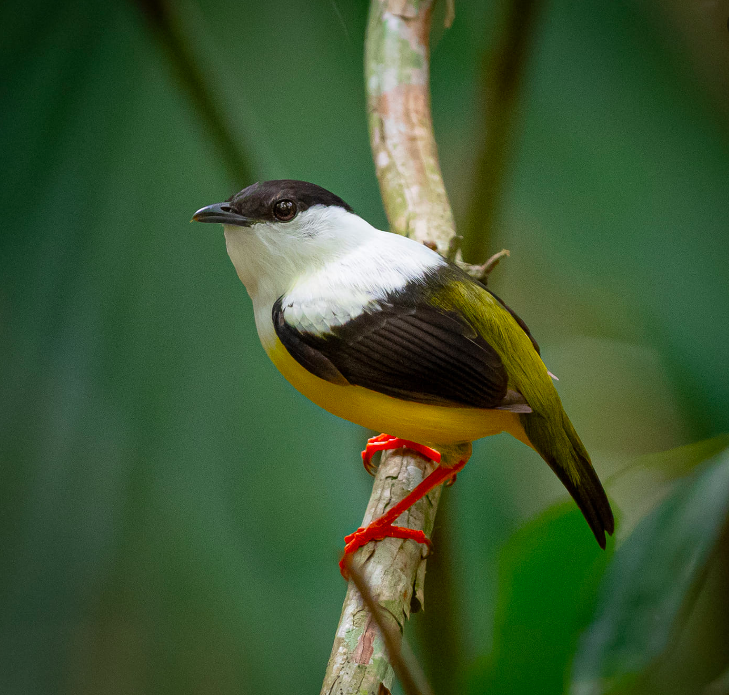
Laguna del Tigre National Park, Guatemala
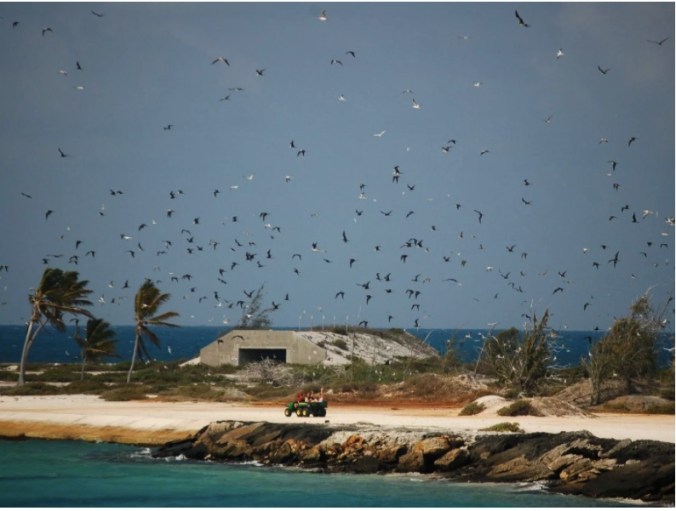
Hundreds of frigate birds and boobies fly over a Crazy Ant Strike Team crew of volunteers at Johnston Atoll NWR.
USFWS
In common language, they are called crazy. They terrorize birds on an island where they did not belong. On this platform we are always going to side with the birds. Full stop. But, even these lousy things ants do are impressive. They remind us that one day ants will rule the planet.
Yellow Crazy Ants, An Enemy To Seabirds, Have Been Wiped Out On A Remote Atoll
The yellow crazy ant was last spotted by Crazy Ant Strike Teams on the vital seabird nesting grounds in December 2017, but it was too soon to tell if they’d been fully extinguished because their colonies are found underground. Robert Peck/HCSU/USGS
After more than a decade, the terrorizing reign of the yellow crazy ant is over on the Johnston Atoll National Wildlife Refuge, part of the Pacific Remote Islands Marine National Monument.
The nonnative invasive insect had been threatening ground-nesting seabirds on the atoll since at least 2010, nearly wiping out the island’s red-tailed tropicbird colony in just a few years and wreaking havoc on other seabirds. But the U.S. Fish and Wildlife Service announced Wednesday that its campaign to eradicate the insects has been a success. Continue reading
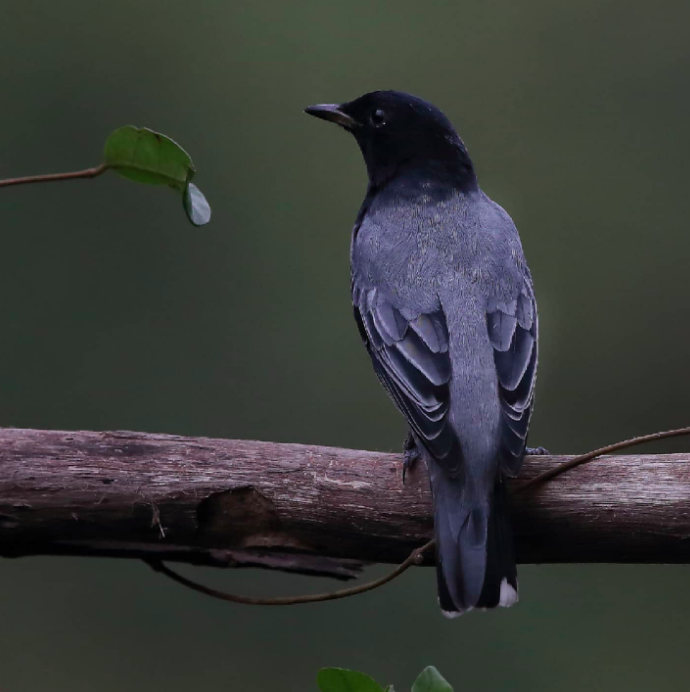
India

Last week, researchers at nasa and noaa found that “the earth is warming faster than expected.” Photograph by Kyle Grillot / Bloomberg / Getty
This week’s newsletter ponders how adaptable we are and serves as a reminder that we cannot take for granted that we are sufficiently so for the changes upon us:
It’s Not the Heat—It’s the Humanity
Rising air temperatures remind us that our bodies have real limits.
By Bill McKibben
It’s hard to change the outcome of the climate crisis by individual action: we’re past the point where we can alter the carbon math one electric vehicle at a time, and so activists rightly concentrate on building movements large enough to alter our politics and our economics. But ultimately the climate crisis still affects people as individuals—it comes down, eventually, to bodies. Which is worth remembering. In the end, we’re not collections of constructs or ideas or images or demographics but collections of arteries and organs and muscles, and those are designed to operate within a finite range of temperatures. Continue reading



 Organikos