
Rio Grande Valley, TX
Rio Grande Valley, TX
San Ramón, Bolivia
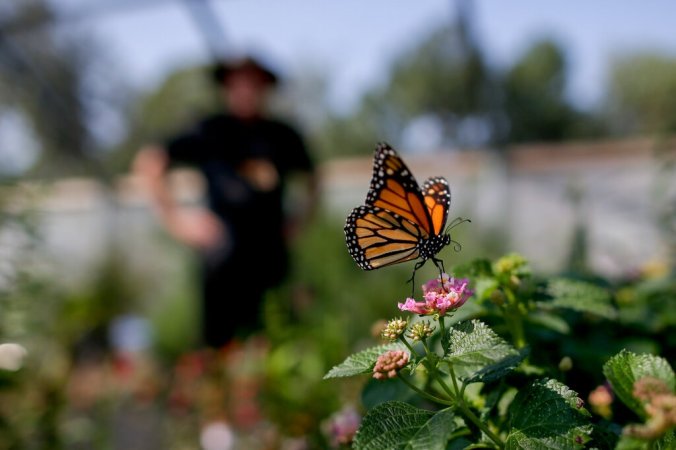
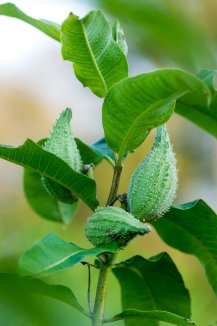
A monarch butterfly on a milkweed plant in Vista, Calif. Gregory Bull
We feature monarch butterflies in our pages to highlight conservation challenges, and milkweed is often part of the story. Claire Fahy’s story below reminds me that the link between the insect and the plant, and the effort in California to repair that link, is one example of why we created, and why I continue to post on, this platform. A short statement of purpose might be something like: in hope there is meaning. June 15 will mark the 10th anniversary of the first post, and I intend to start the next decade with a more regular series on our regeneration efforts on a few acres of land here in Costa Rica. Because it provides a sense of meaning, among other reasons. So we thank those in California who are doing the same on a 200x scale:
A coalition of conservation groups have partnered with the state to add 30,000 milkweed plants in an attempt to restore the species’ population.
A consortium hoping to rescue the Western monarch butterfly is planting three varieties of milkweed: showy milkweed, narrowleaf milkweed and a desert milkweed. Rob Cardillo for The New York Times
Known for their windowpane wing design and bright orange color, Western monarch butterflies add a dash of magic to the California coast, where they spend the winter. Now a coalition of conservation groups, the California Department of Fish and Wildlife, and the environmentalist organization River Partners are working together to extend a lifeline to the monarchs, whose population has been dwindling drastically.
The groups have embarked on an effort to add 30,000 milkweed plants across the state to provide the butterflies with places to breed and acquire the sustenance for migration.
The Western monarchs’ California population has fallen 99 percent since the 1980s, The San Francisco Chronicle reported. A major factor in that drop has been a decline in milkweed caused by farming and pesticide use. Milkweed is vital to monarchs as a place to lay eggs and as a food source for their caterpillars. Continue reading
Mishmi Hills, Arunachal Pradesh
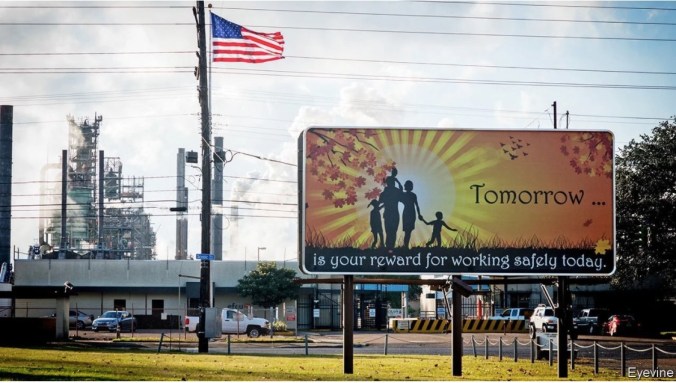
The pressure has been mounting for some time, but it is finally causing needed changes. There were plenty of headlines late last week, but only today do we feel this news means something potentially lasting:
ExxonMobil loses a proxy fight with green investors
An activist hedge fund succeeds in nominating at least two climate-friendly directors to the energy giant’s board
“The stone age did not end for lack of stone, and the oil age will end long before the world runs out of petroleum.” That battle cry animates critics of Big Oil, who dream of phasing out hydrocarbons in favour of cleaner fuels and technologies. Continue reading
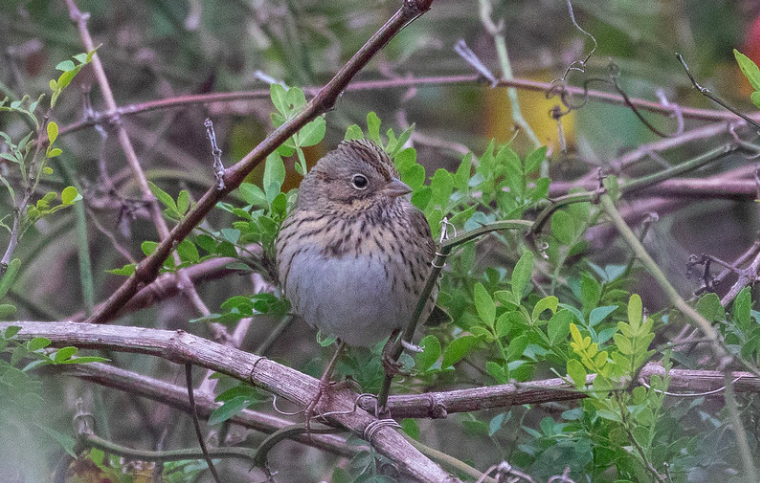
Mad Island Marsh Preserve, TX
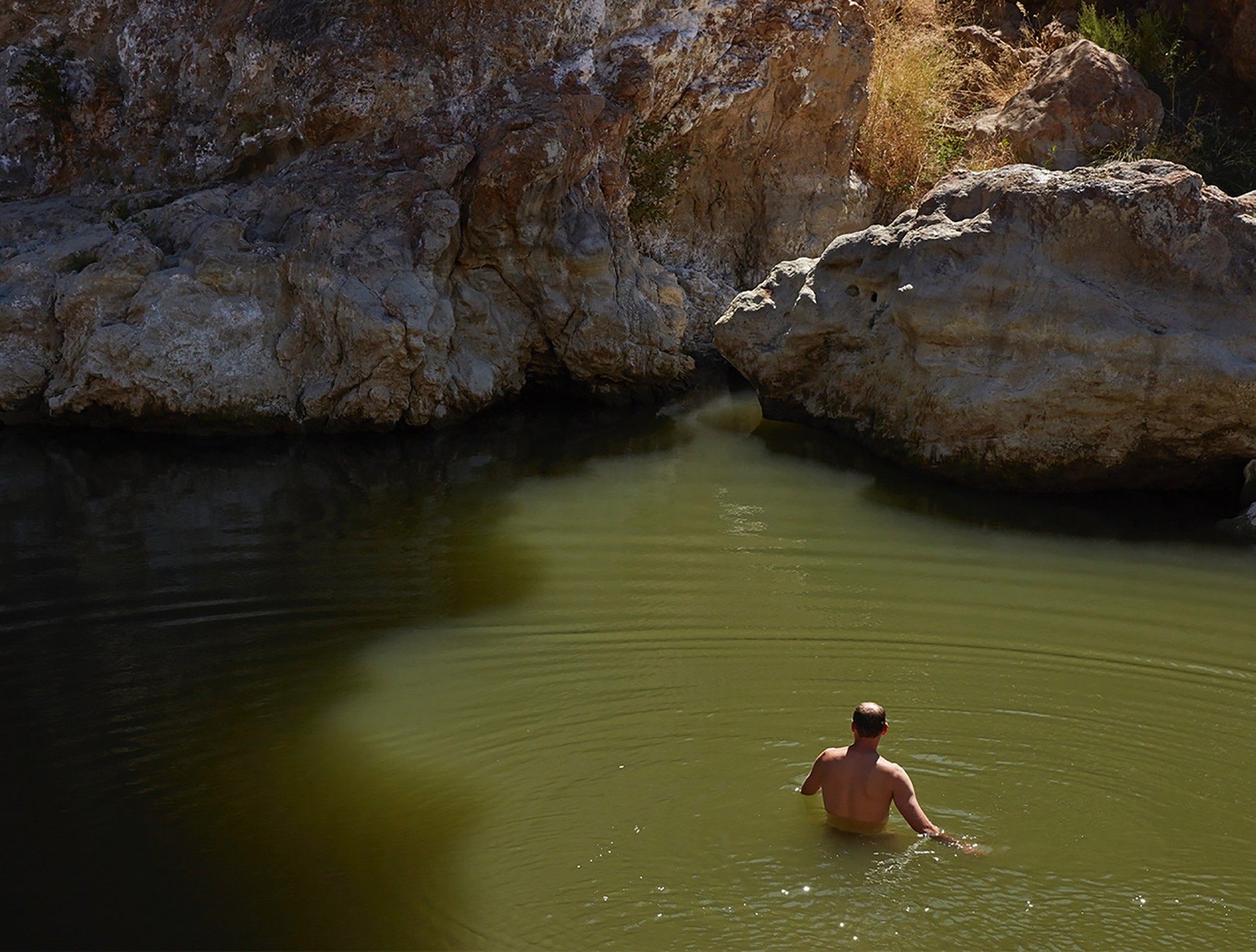
Thanks to Anelise Chen, for this story in the Atlantic, for signaling that summer is here for those in the northern hemisphere:
Swimming in the Wild Will Change You
One man’s journey through public waterways—whether sparkling or dirty or algae-filled—challenges us to look differently at the commons.
Some months ago, as the weather was first turning warm, I was out walking along the Mill River in New Haven when I saw a young man emerge from the water. He appeared to have gone for a swim wearing nothing more than boxer briefs. The sight was shocking; the river had barely thawed, and I’d always thought the unspoken rule about urban rivers was that you didn’t get into them (especially not half naked). This particular stretch at the base of East Rock Park looked idyllic enough, with willows and elms growing along its banks, but around the bend, the water passed through an industrial area with rotting factories and massive dunes of road salt. Continue reading
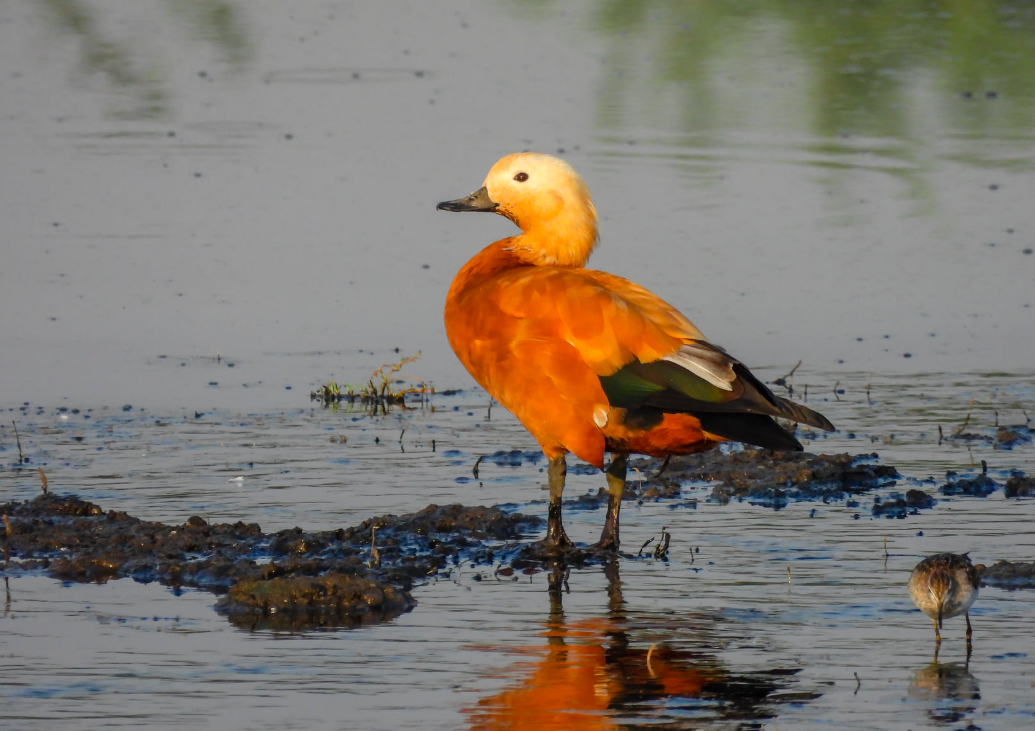
Vijayapura, Karnataka
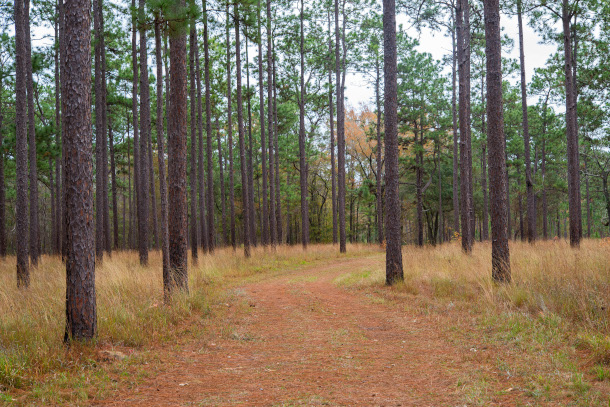
Longleaf pines once covered 90 million acres from Virginia to east Texas but today only about 5 percent of historic range remains intact. Marion Clifton Davis was a modern conservationist who bought tens of thousands of acres in the Florida sandhills and turned them into a private reserve, a project aimed at restoring back the Longleaf pine forest. (Photo: Florida Fish and Wildlife, Flickr, CC BY ND 2.0)
When you have 12 minutes to spare, listen to Tony Hiss talk about his new book on this excellent episode of Living On Earth, and if you decide to buy the book and want to avoid Amazon click the image of the book below:

The Boreal Forest is the world’s largest intact forest ecosystem and is a carbon sink. It’s estimated that if global warming exceeds the 3-5 degree Celsius heat stress and water scarcity could trigger extensive forest death and a dangerous release of the stored carbon dioxide into the atmosphere. (Photo: Kevin Owen, Flickr, CC BY NC ND 2.0)
Climate change is placing stress on plants and animals to rapidly adapt but without intact habitat, that could become impossible for many. Tony Hiss is an award-winning author and joins Host Bobby Bascomb to talk about his book Rescuing the Planet: Protecting Half the Land to Heal the Earth, which looks at several places across North America where communities are already working to protect habitat and biodiversity.
Transcript
BASCOMB: It’s Living on Earth, I’m Bobby Bascomb.
During his first few days in office President Biden announced the goal of protecting 30 percent of US land and water by the year 2030 with a long term goal of 50 percent by 2050. Continue reading

Cochabamba Cloud Forest, Bolivia
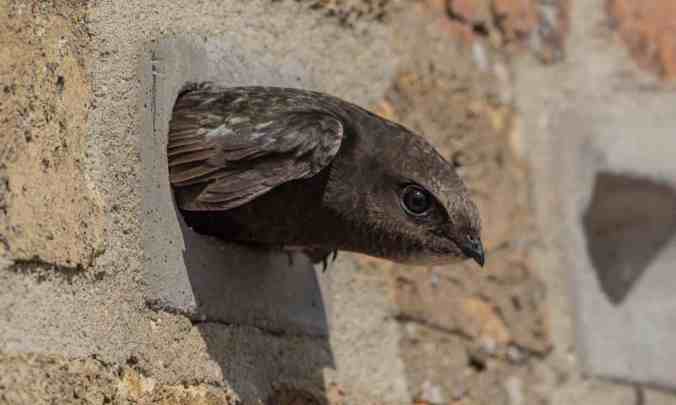
A swift looks out of a nest brick. The bricks are helping to restore nesting sites lost to building modernisation. Photograph: Simon Stirrup
Seth first brought our attention to funky nests during his years working for the Celebrate Urban Birds program at the Cornell Lab of Ornithology. We have done our best with and without Seth to continue to pay attention to bird nesting, funky or not. This news is more than welcome on the purposefully funky bird nests showing up in the UK:
Securing a swift return: how a simple brick can help migratory birds
Many swifts flying back to Britain will find their summer nests lost to building renovations. But bird bricks are offering them an alternative home
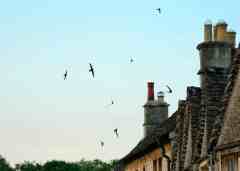
Swifts flock over rooftops in Wiltshire. The migratory birds spend just three summer months in the UK to breed. Photograph: Nick Upton/NPL
Eagerly anticipated by many, it is a thrilling moment when you first hear the distinctive screech or catch sight of the long, tapered wings of the first swifts arriving for the summer. For thousands of years they have looped to the British Isles from Africa to raise the next generation, taking advantage of the long daylight hours in the north and the opportunity to scour the skies for insects from dawn to dusk. Continue reading
Pudukkottai, Tamil Nadu
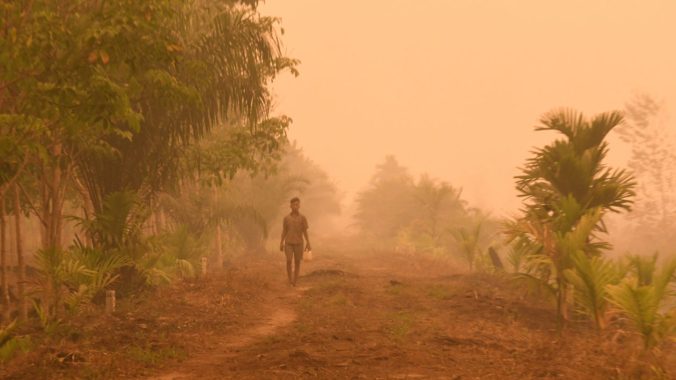
A villager walks through a haze from fires in burned peatland at an oil palm plantation in Sumatra, Indonesia. MUHAMMAD ADIMAJA / GREENPEACE
For all the attention we have given palm oil in the decade of posting links to stories here, strange that Jocelyn Zuckerman only appears once in our pages before today. As with fossil fuels the onus should not be entirely on individuals as consumers; collective action and public policy are essential tools to limiting the damage that corporate palm interests have been causing, relatively unchecked, for too long. We thank her for this clear, strong statement:
The Time Has Come to Rein In the Global Scourge of Palm Oil
The cultivation of palm oil, found in roughly half of U.S. grocery products, has devastated tropical ecosystems, released vast amounts of C02 into the atmosphere, and impoverished rural communities. But efforts are underway that could curb the abuses of this powerful industry.
A few weeks ago, the Sri Lankan president announced that his government would ban all imports of palm oil, with immediate effect, and ordered the country’s plantation companies to begin uprooting their oil-palm monocultures and replacing them with more environmentally friendly crops. Citing concerns about soil erosion, water scarcity, and threats to biodiversity and public health, President Gotabaya Rajapaksa explained that his aim was to “make the country free from oil palm plantations and palm oil consumption.” Continue reading
Maya Biosphere, Petén, Guatemala
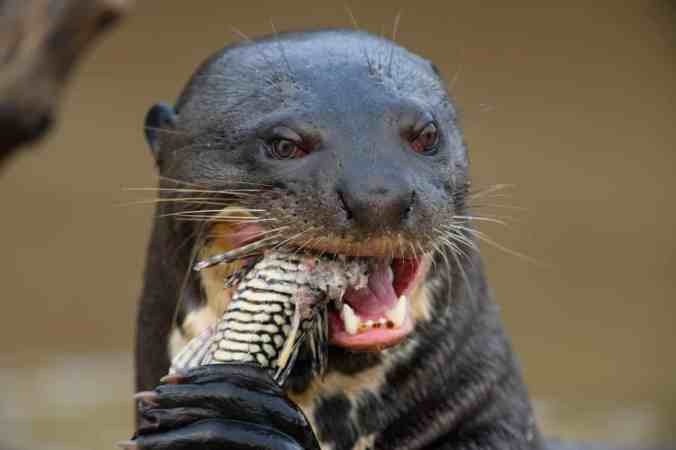
A giant otter in the Brazilian Pantanal. They play a vital role in the health of a river’s ecosystem. Photograph: Barcroft Media via Getty Images
It had been a while. Too long. But great to see once again:
‘A huge surprise’ as giant river otter feared extinct in Argentina pops up
Conservationists thrilled at the sighting of the wild predator, last seen in the country in the 1980s
“It was a huge surprise,” said Sebastián Di Martino, director of conservation at Fundación Rewilding Argentina. “I was incredulous. An incredible feeling of so much happiness. I didn’t know if I should try to follow it or rush back to our station to tell the others.”
Continue reading

Pune, Maharashtra
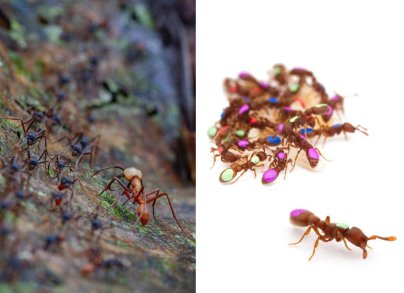
Image #1 Army Ants reproduced with permission from “Army Ants: Nature’s Ultimate Social Hunters” by Daniel J.C. Kronauer; Image #5 painted clonal raider ants photograph by Daniel Kronauer. Credit: #1: Daniel J.C. Kronauer, #5: Daniel Kronauer
It is rainy season, therefore the season for starting the growth cycle of some plants, in Costa Rica. It is always ant season here. Some of the trees we planted last year, mostly citrus varieties but also pomegranate, have become feasting locations for ants who devour their leaves and haul them off.
My assumption, seeing this constantly during the 25 years since we moved to Costa Rica, has always been that ants are primarily vegetarians So, today a bit of ant-wonk from a team of scientists at Harvard University, summarized on Phys.org’s website, to correct my assumption (the video alone is worth visiting the source article):
How army ants’ iconic mass raids evolved
Army ants form some of the largest insect societies on the planet. They are quite famous in popular culture, most notably from a terrifying scene in Indiana Jones. But they are also ecologically important. They live in very large colonies and consume large amounts of arthropods. And because they eat so much of the other animals around them, they are nomadic and must keep moving in order to not run out of food. Due to their nomadic nature and mass consumption of food, they have a huge impact on arthropod populations throughout tropical rainforests floors. Continue reading
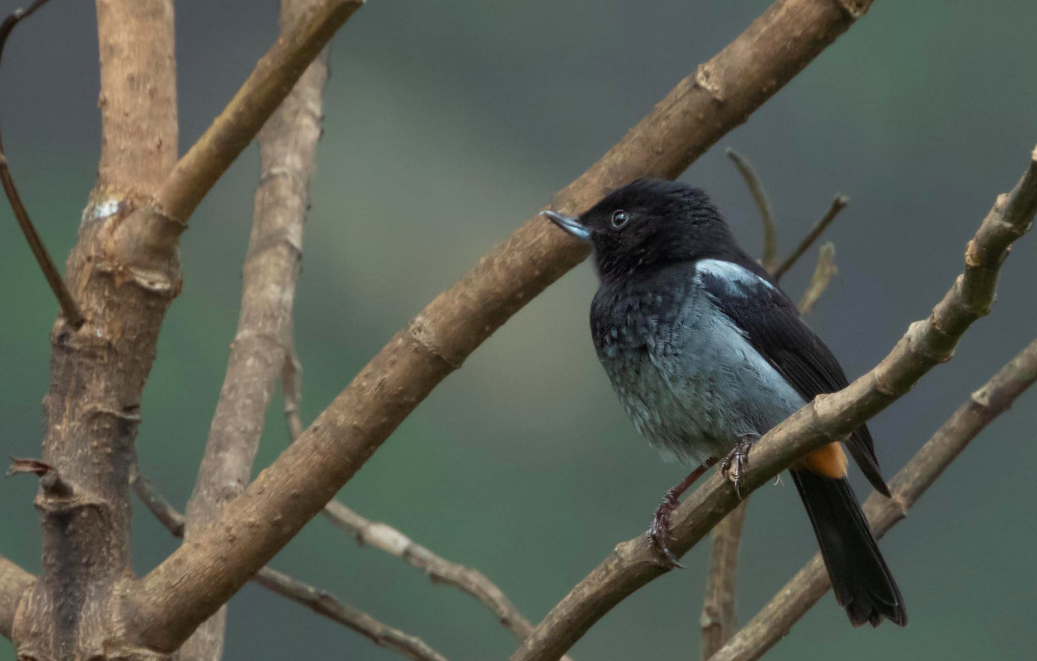
Bolivian endemic
Cochabamba Cloud Forest, Bolivia
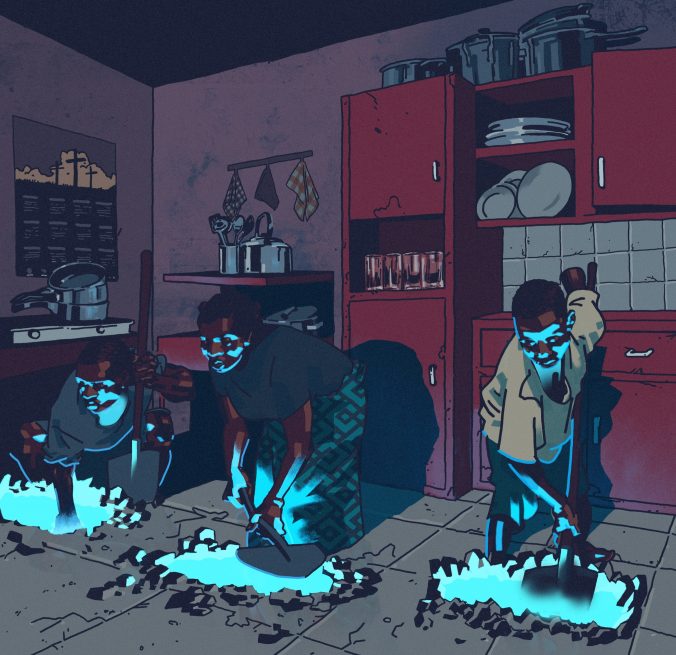
After cobalt was discovered beneath one neighborhood, Congolese began digging under their houses. Some tunnels extended into neighbors’ properties. Illustration by Pola Maneli
Nicolas Niarchos appeared in our pages in 2017 with two short form and inherently pleasant stories. Now he is in full force with a longform account of the impacts new technologies are having on the ground, or rather in the ground, in one of Africa’s more fragile countries:
The Dark Side of Congo’s Cobalt Rush
Cell phones and electric cars rely on the mineral, causing a boom in demand. Locals are hunting for this buried treasure—but are getting almost none of the profit.
In June, 2014, a man began digging into the soft red earth in the back yard of his house, on the outskirts of Kolwezi, a city in the southern Democratic Republic of the Congo. As the man later told neighbors, he had intended to create a pit for a new toilet. About eight feet into the soil, his shovel hit a slab of gray rock that was streaked with black and punctuated with what looked like blobs of bright-turquoise mold. He had struck a seam of heterogenite, an ore that can be refined into cobalt, one of the elements used in lithium-ion batteries. Among other things, cobalt keeps the batteries, which power everything from cell phones to electric cars, from catching fire. As global demand for lithium-ion batteries has grown, so has the price of cobalt. The man suspected that his discovery would make him wealthy—if he could get it out of the ground before others did. Continue reading
 Organikos