
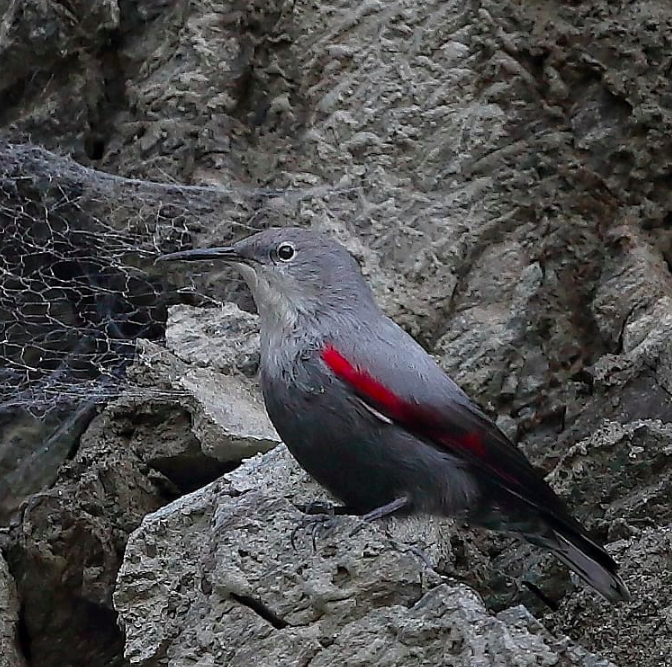
male – Los Ranchitos del Quetzal Reserve, Guatemala
Neo-Tropical migratory species
male – Los Ranchitos del Quetzal Reserve, Guatemala
Neo-Tropical migratory species
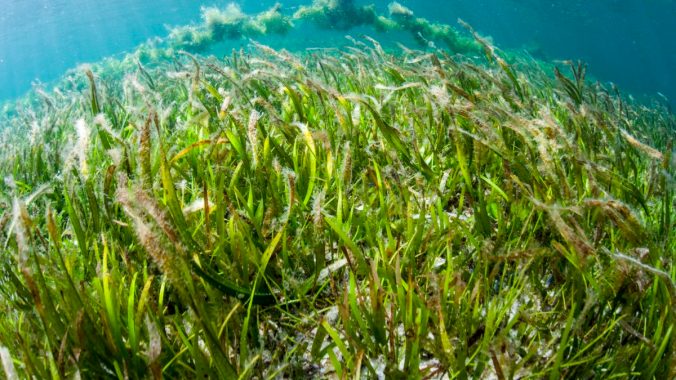
A seagrass meadow near Atauro Island, Timor-Leste. PAUL HILTON FOR CONSERVATION INTERNATIONAL
Thanks to Nicola Jones, as ever, and to Yale e360 for publishing this explanatory article on a relatively new topic:
Why the Market for ‘Blue Carbon’ Credits May Be Poised to Take Off
Seagrasses, mangrove forests, and coastal wetlands store vast amounts of carbon, and their preservation and restoration hold great potential to bank CO2 and keep it out of the atmosphere. But can the blue carbon market avoid the pitfalls that have plagued land-based programs?
A mangrove forest on the Leizhou Peninsula at the southern tip of China. KYLE OBERMANN
Off the shores of Virginia, vast meadows of seagrass sway in the shallow waters. Over the past two decades, conservation scientists have spread more than 70 million seeds in the bays there, restoring 3,600 hectares (9,000 acres) of an ecosystem devastated by disease in the 1930s. The work has brought back eelgrass (Zostera marina) — a keystone species that supports crustaceans, fish, and scallops, and is now absorbing the equivalent of nearly half a metric ton of CO2 per hectare per year. Continue reading
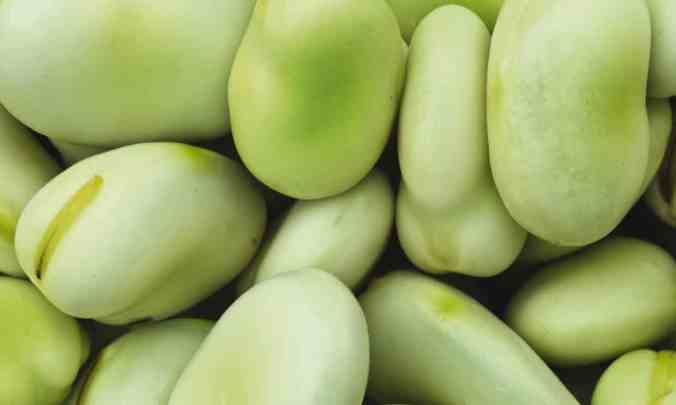
Broad beans and other legumes are abundant in proteins and dietary minerals. Photograph: Christopher Miles/Alamy
Reducing synthetic nitrogen in farming, by letting legumes do more nitrogen-fixing in the soil, has plenty of other benefits:
Legumes research gets flexitarian pulses racing with farming guidance
Plant more bean-like crops in Europe and consider ‘healthy diet transition’ to beat climate crisis, say scientists
Adding the likes of peas, lentils, beans, and chickpeas to your diet, and farming more of them, could result in more nutritious and effective food production with large environmental benefits, scientists have found. Continue reading

Frank Siebert wanted his Penobscot dictionary to capture how he believed the language was supposed to be spoken. Illustration by Laura Lannes
When we link to stories about efforts to conserve intangible heritage, especially those related to indigenous culture, we feel fortunate to have found them. Those that detail the complexities are rare. Today is my lucky day. Alice Gregory, who has appeared in our pages twice previously, is to thank. The time I first read anything by her I was in a bamboo and thatch structure in northwest Belize awaiting a major hurricane whose path I was in. I had nowhere to go. The distraction I found in her subject, combined with her wordcraft, kept the fear of total destruction at bay. If you are looking for something like that right now, try this:
How Did a Self-Taught Linguist Come to Own an Indigenous Language?
The Penobscot language was spoken by almost no one when Frank Siebert set about trying to preserve it. The people of Indian Island are still reckoning with his legacy.
When I first met Carol Dana, in the spring of 2018, she told me that she was thinking of getting a parrot. Dana, a member of the Penobscot Nation, one of five hundred and seventy-four Native American tribes recognized by the United States federal government, was attending a small ceremony at the University of Maine’s anthropology museum. She wore her silver hair pulled back from her face, and introduced herself to me as the tribe’s language master, a title, she added, that she wasn’t fully comfortable with. The idea of mastery seemed an imprecise way to describe the fraught relationship she had with the Penobscot words inside her head. Though not fluent, Dana has a better grasp of the language than anyone else on Indian Island, where six hundred of the world’s estimated twenty-four hundred members of the Penobscot tribe live. She admitted to being linguistically lonely. “I’ve been talking to myself in Penobscot for years,” she said. “You need to say it out loud, so your own ears can hear it.” Though she knew that a bird wouldn’t be able to carry on a conversation, she thought that simply hearing Penobscot words spoken at home by another living creature would be better than nothing. Continue reading
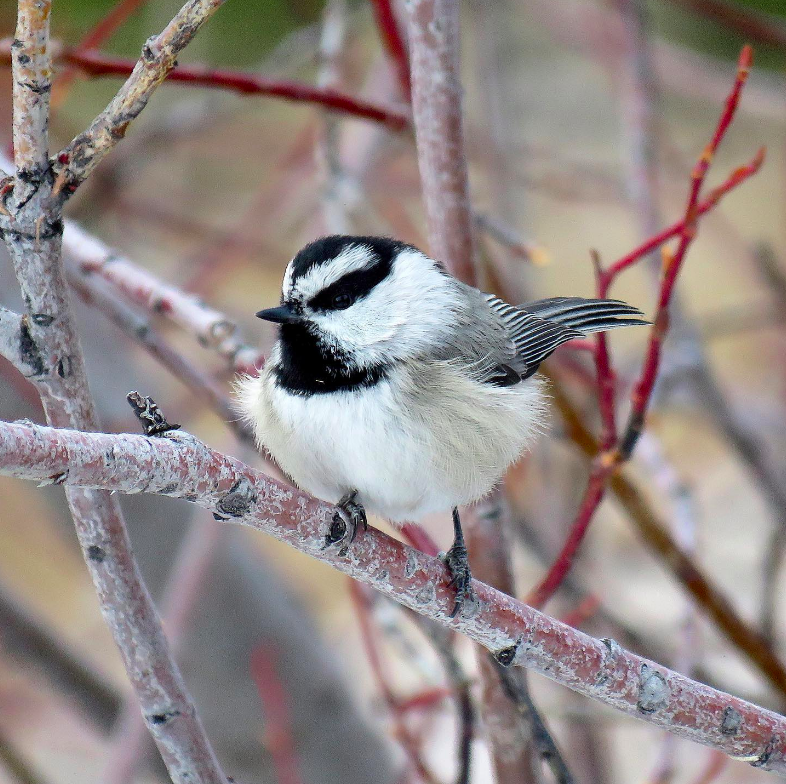
Bozeman, Montana
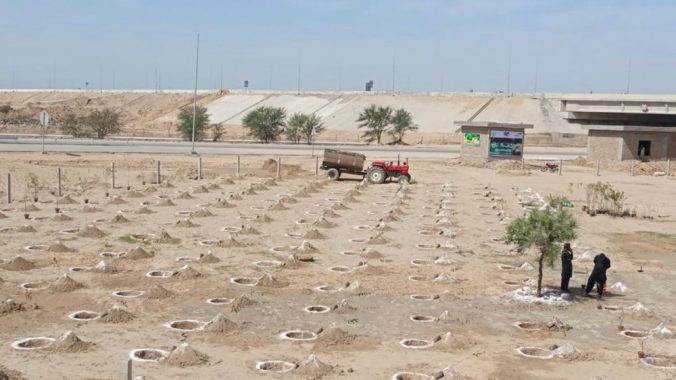
A plantation site for the 10 Billion Tree Tsunami Project in the Khyber Pakhtunkhwa province of Pakistan. BILLION TREE TSUNAMI PROGRAMME KHYBER PAKHTUNKHWA
We have committed to planting trees. And we know that getting to a trillion trees planted is not going to be easy. But the effort has obvious and less obvious upsides. Every great idea also has its downside(s) and challenges to surmount, even planting trees:
Are Huge Tree Planting Projects More Hype than Solution?
High-profile programs aimed at planting billions of trees are being launched worldwide. But a growing number of scientists are warning that these massive projects can wreck natural ecosystems, dry up water supplies, damage agriculture, and push people off their land.
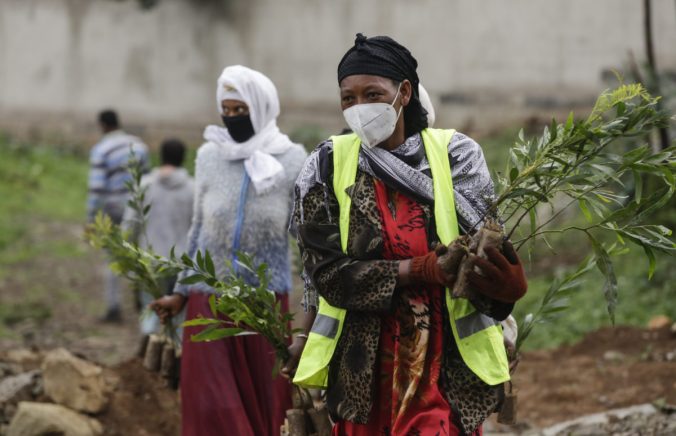
Women participating in Ethiopia’s mass tree-planting campaign in Addis Ababa last June. Ethiopia aimed to plant 5 billion seedlings in three months. MINASSE WONDIMU HAILU/ANADOLU AGENCY VIA GETTY IMAGES
In late January, the multibillionaire Elon Musk took to Twitter and abruptly announced, “Am donating $100M towards a prize for best carbon capture technology”. This triggered a deluge of sarcasm across the platform: “You mean, like, trees?” “I planted a tree, do I win?” Continue reading
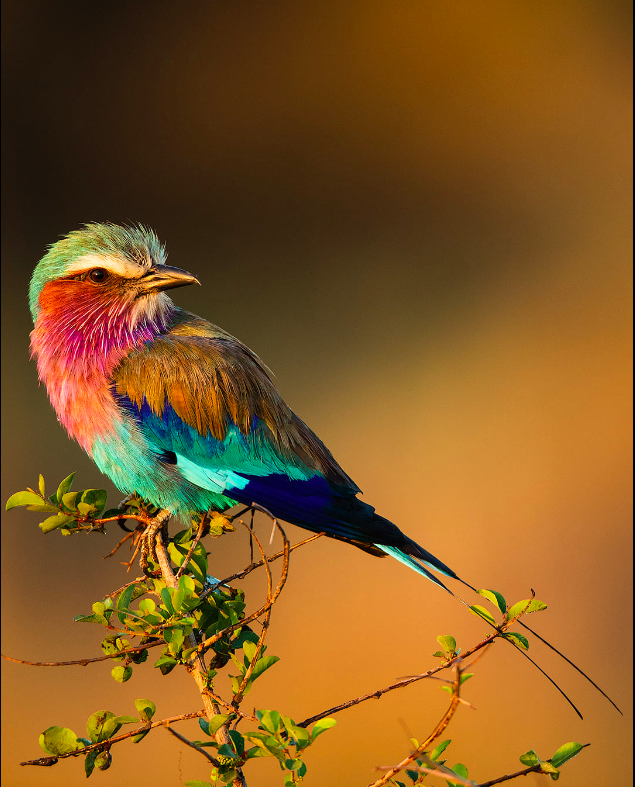
Masai Mara National Reserve, Kenya
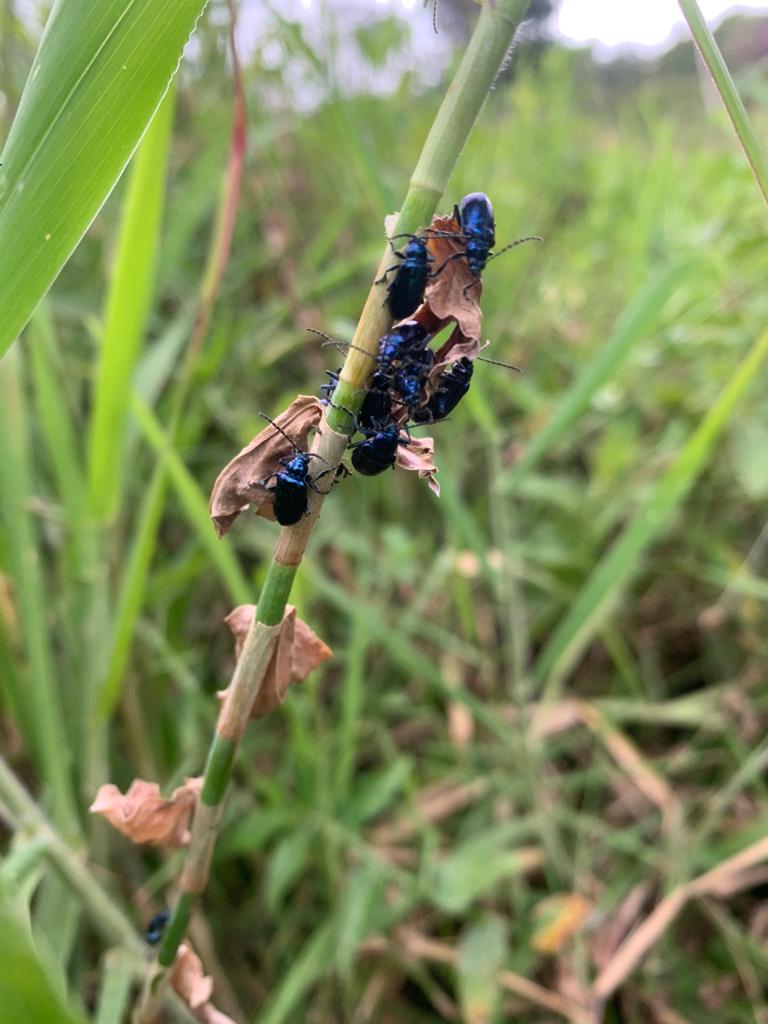 We are having an early change of seasons in Costa Rica, where in the Central Valley the rains do not normally begin until May. In the last week we have had rain several times, which is unusual for April, but would be quite normal in the first half of May.
During the dry season I let patches of green grow without cutting, as a way to see where there may be subterranean water that will be useful in the future for irrigation.
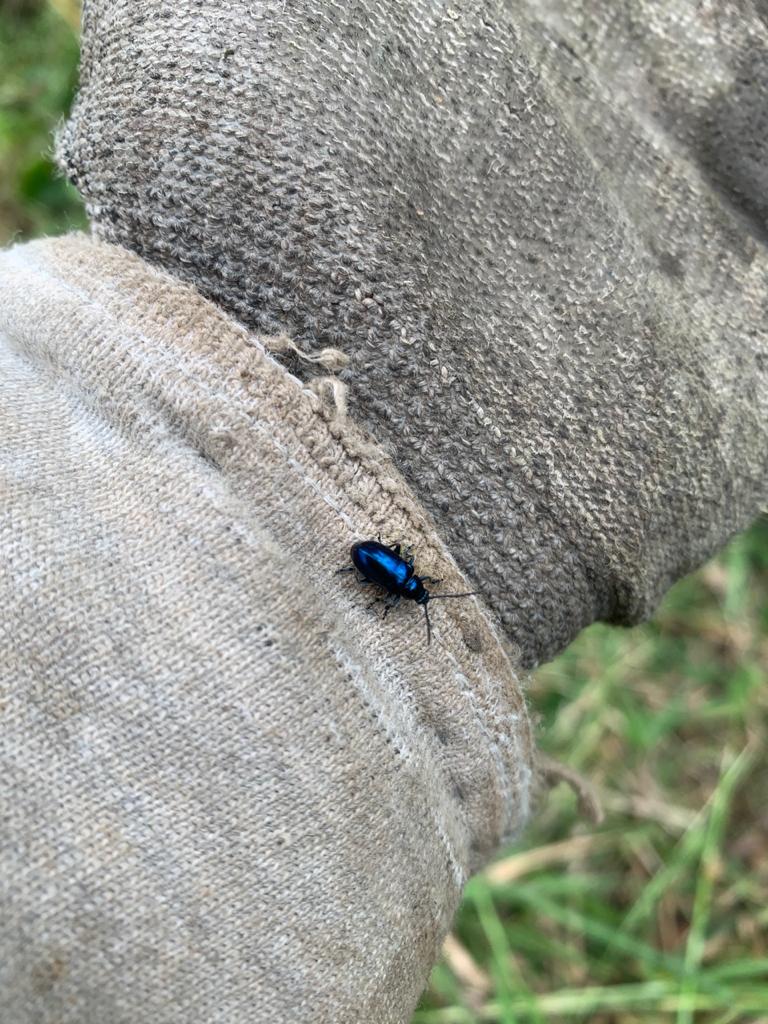
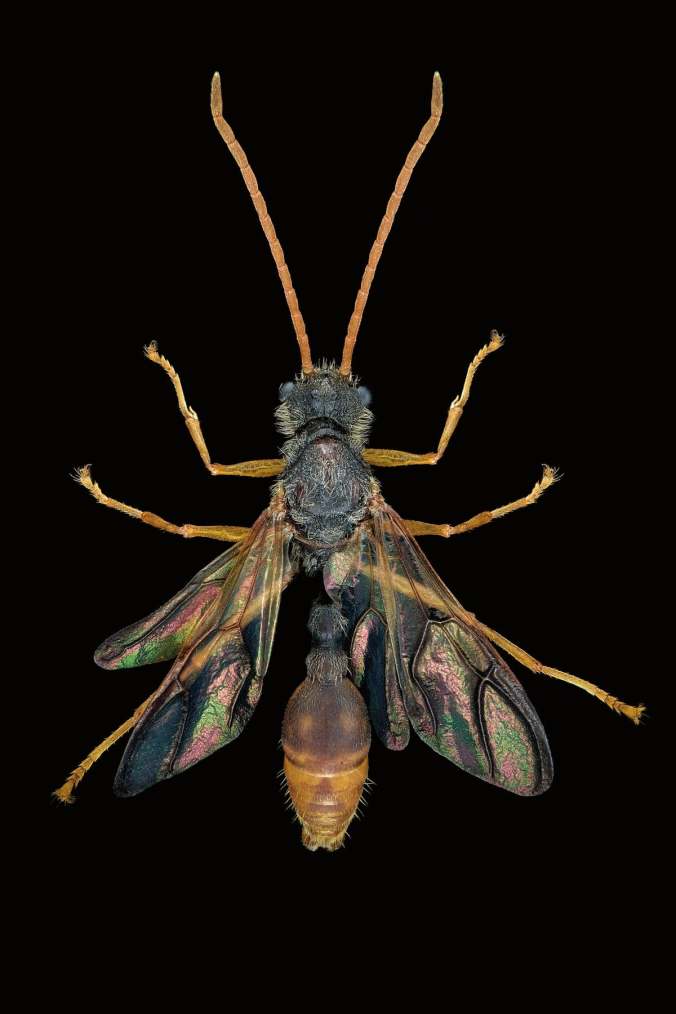
In one such location some grasses grew that resembled bamboo, and once I started moving them recently dozens–maybe hundreds–of these blue bugs started fluttering about.
At the intersection of my sweatshirt and glove one settled long enough for me to get a good look, but I have no recollection of ever having seen this type before. Part of our purpose of the replanting we are doing has been increasing biodiversity on this little bit of mountain terrain, and today I got a buggy blue signal of approval.
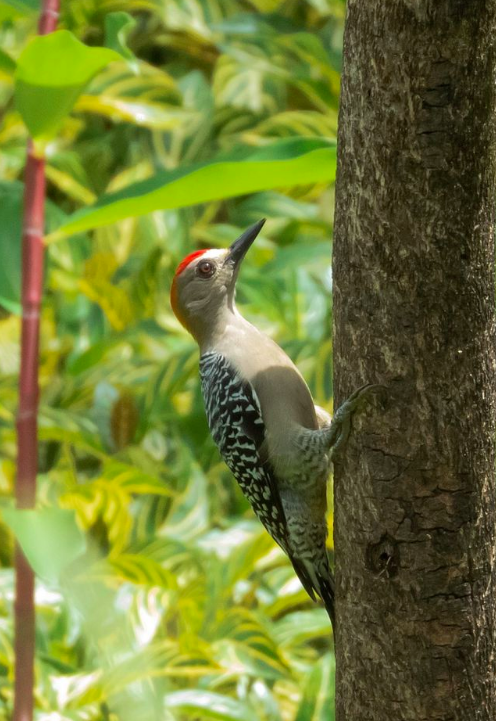
Macaw Lodge, Costa Rica
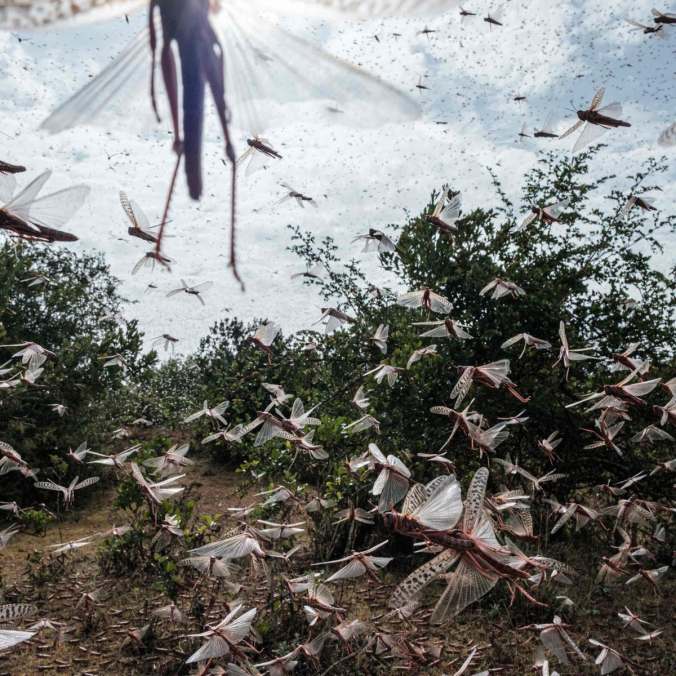
A swarm of desert locusts in Meru, Kenya, in February. Yasuyoshi Chiba/Agence France-Presse — Getty Images
We respect all things natural, but we acknowledge there are phenomena that test our principles. Historic swarms of locusts, for example, make us believe that getting control over their impact is essential for communities where they can lay waste to human endeavor, so we thank Rachel Nuwer for this story from one of the hardest-hit regions:
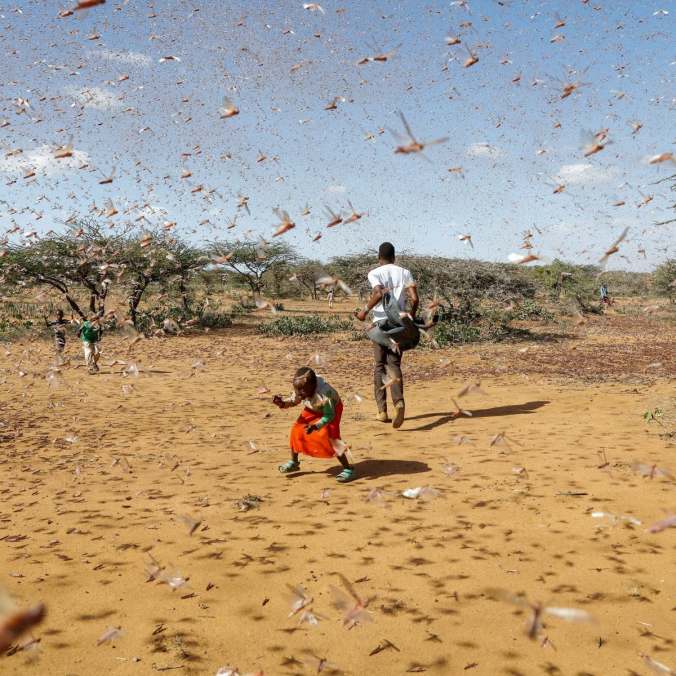
A swarm inundating Naiperere, near the town of Rumuruti, in Kenya in January. When the rains come, locusts can form swarms of more than 15 million insects per square mile. Baz Ratner/Reuters
As Locusts Swarmed East Africa, This Tech Helped Squash Them
A hastily formed crowdsourcing operation to contain the insects in Kenya, Ethiopia and Somalia could help manage climate-related disasters everywhere.
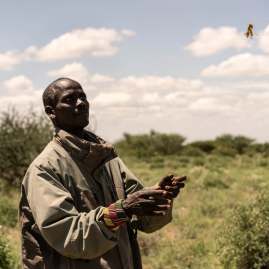
Lake Joseph, a locust tracker, in Samburu County, Kenya in May 2020. Fredrik Lerneryd/Getty Images
Melodine Jeptoo will never forget the first time she saw a locust swarm. Moving like a dark cloud, the insects blotted out the sky and pelted her like hail.
“When they’re flying, they really hit you hard,” said Ms. Jeptoo, who lives in Kenya and works with PlantVillage, a nonprofit group that uses technology to help farmers adapt to climate change. Continue reading
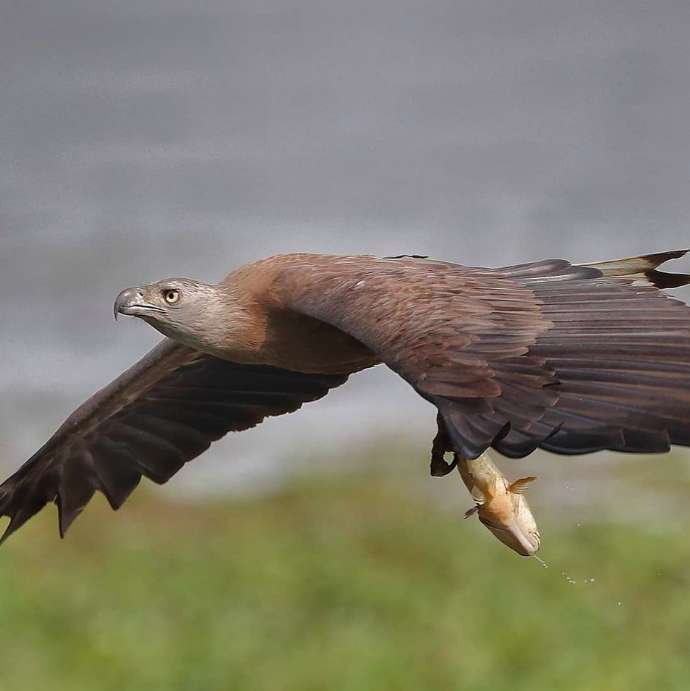
Kaziranga National Park, Assam
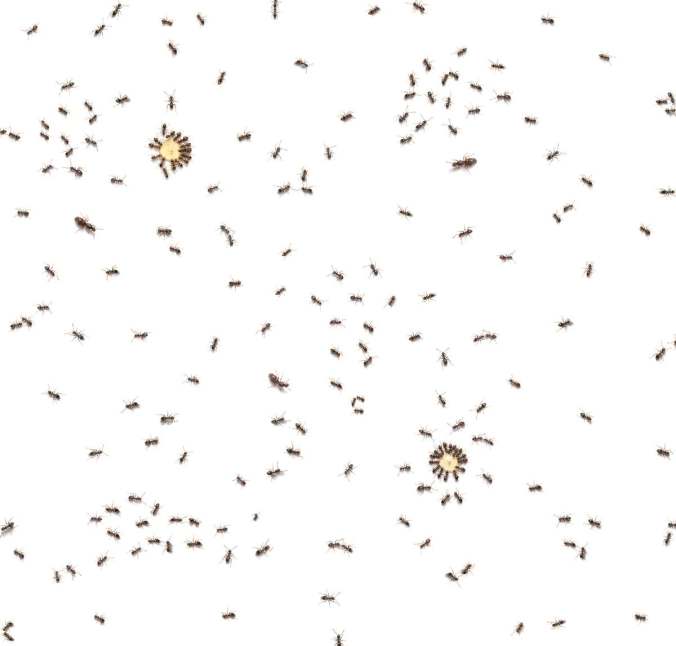
Common black ant (Lasius niger) workers and three queens.
Any given day in Costa Rica the number of insects one is likely to encounter is too great to count. Ants are not automatically loved, but they are respected. Brooke Jarvis, whose writing we saw primarily in the New Yorker previously, has spectacular photography to accompany her text in this New York Times article in the Science section:
Let Us Now Praise Tiny Ants
Even in the densest human habitations, there are orders of magnitude more ants than there are of us, doing the hard work of making our crumbs disappear.
It is telling, the entomologist Eleanor Spicer Rice writes in her introduction to a new book of ant photography by Eduard Florin Niga, that humans looking downward on each other from great heights like to describe the miniaturized people we see below us as looking “like ants.” By this we mean faceless, tiny, swarming: an indecipherable mass stripped of individuality or interest.
Daceton armigerum, male, from northern South America.
Intellectually, though, we can recognize that each scurrying dot is in fact a unique person with a complicated and interconnected life, even if distance appears to wipe away all that diversity and complexity. Continue reading
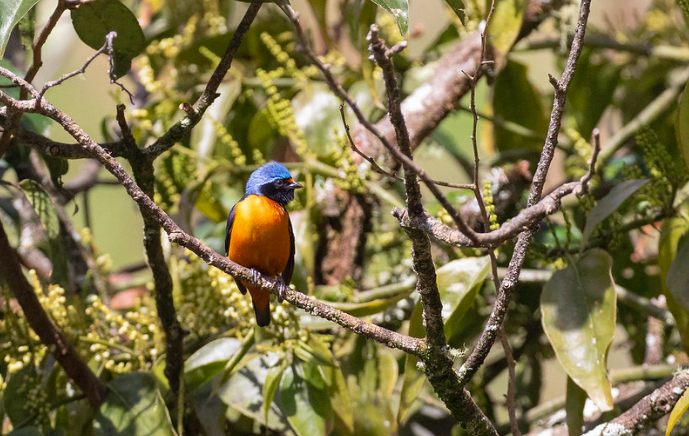
San Gerardo de Dota, Costa Rica
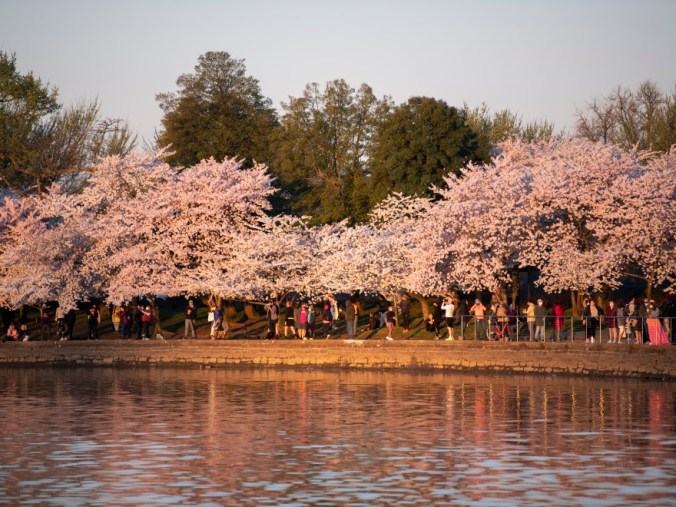
UNITED STATES – March 30: Visitors gather to watch the sunrise under blooming Japanese cherry blossom trees along the Tidal Basin in Washington on Tuesday, March 30, 2021. The 2021 National Cherry Blossom Festival commemorates the original gift of 3,000 cherry trees from the city of Tokyo to the people of Washington in 1912. (Photo by Caroline Brehman/CQ-Roll Call, Inc via Getty Images)
In Washington, D.C. the cherry blossoms came early this year. Plenty was said, including on Texas Public Radio, about the implications related to climate change. Elizabeth Kolbert has this to say, pivoting from cherry blossoms to both environmental and economic policies in the USA:
Biden’s Jobs Plan Is Also a Climate Plan. Will It Make a Difference?
The Administration has an ambitious vision for combatting global warming, but it’s only a start.
Illustration by João Fazenda
The first known reference to Japan’s cherry blossoms comes from the country’s oldest surviving text, the Kojiki, completed in 712. Japan was trying to shrug off the influence of its more powerful neighbor, China, and cherry blossoms became a symbol of Japanese identity, in contrast to the plum blossoms of the Chinese. By the early ninth century, the practice of cherry-blossom viewing had become so well established that the date of the peak bloom appeared in Japanese poems and other literary works. Continue reading
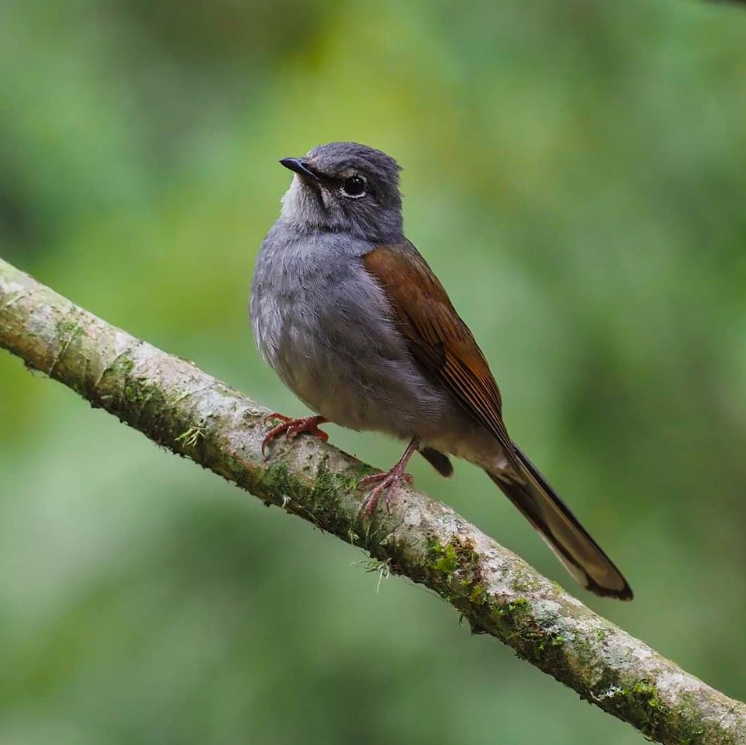
Santa Rosalía, Guatemala

Illustration by Nicholas Konrad/The New York Times; photograph by Getty Images
Commerce is taking place more and more over the internet, and one company is controlling so much of it that choices they make about packaging for shipment have an outsized influence on the planet. We hope they will listen to what these two professors recommend:
Amazon Uses a Lot of Plastic. It Doesn’t Have To.
The world’s biggest online retailer must become a leader in reducing single-use packaging.
The year 2020 may have been heartbreaking for most humans, but it was a good one for Jeff Bezos and Amazon. His company’s worldwide sales grew 38 percent from 2019, and Amazon sold more than 1.5 billion products during the 2020 holiday season alone. Continue reading

Vijaypura, Karnataka
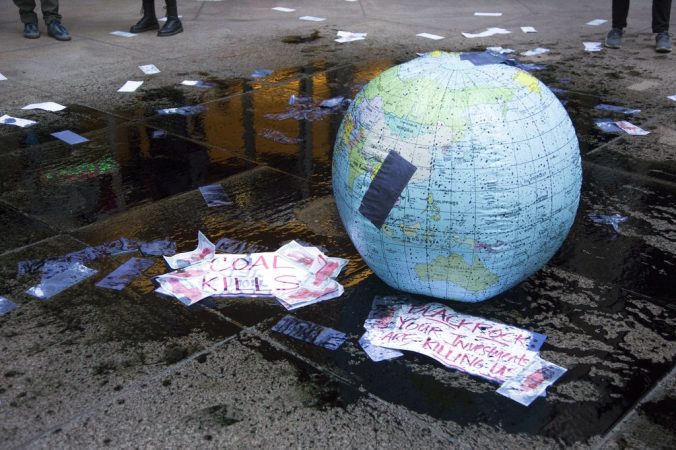
Protesters have argued that you shouldn’t try to profit off the end of the world. New analysis shows that, in any event, you won’t. Photograph by David Grossman / Alamy
This is a short read with a big implication; as always we are grateful to Bill McKibben for his weekly newsletter:
The Powerful New Financial Argument for Fossil-Fuel Divestment
A report by BlackRock, the world’s largest investment house, shows that those who have divested have profited not only morally but also financially.
In a few months, a small British financial think tank will mark the tenth anniversary of the publication of a landmark research report that helped launch the global fossil-fuel-divestment movement. As that celebration takes place, another seminal report—this one obtained under the Freedom of Information Act from the world’s largest investment house—closes the loop on one of the key arguments of that decade-long fight. Continue reading



 Organikos