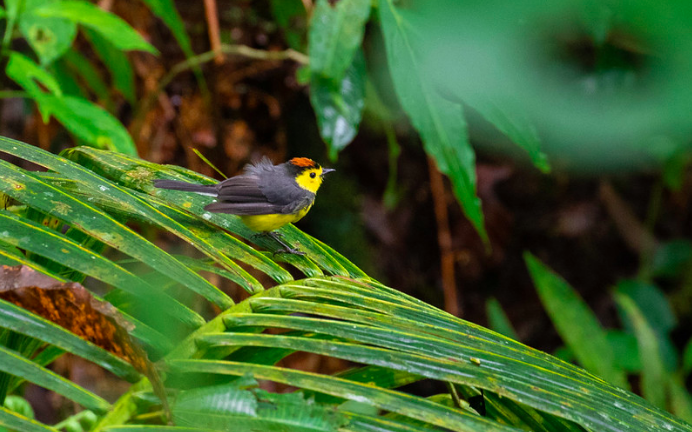
San Gerarda de Dota, Costa Rica
San Gerarda de Dota, Costa Rica
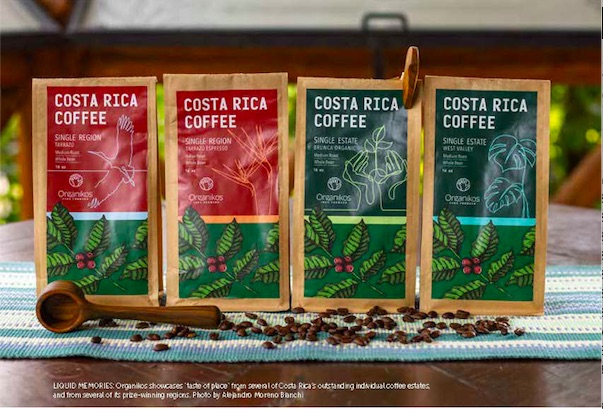
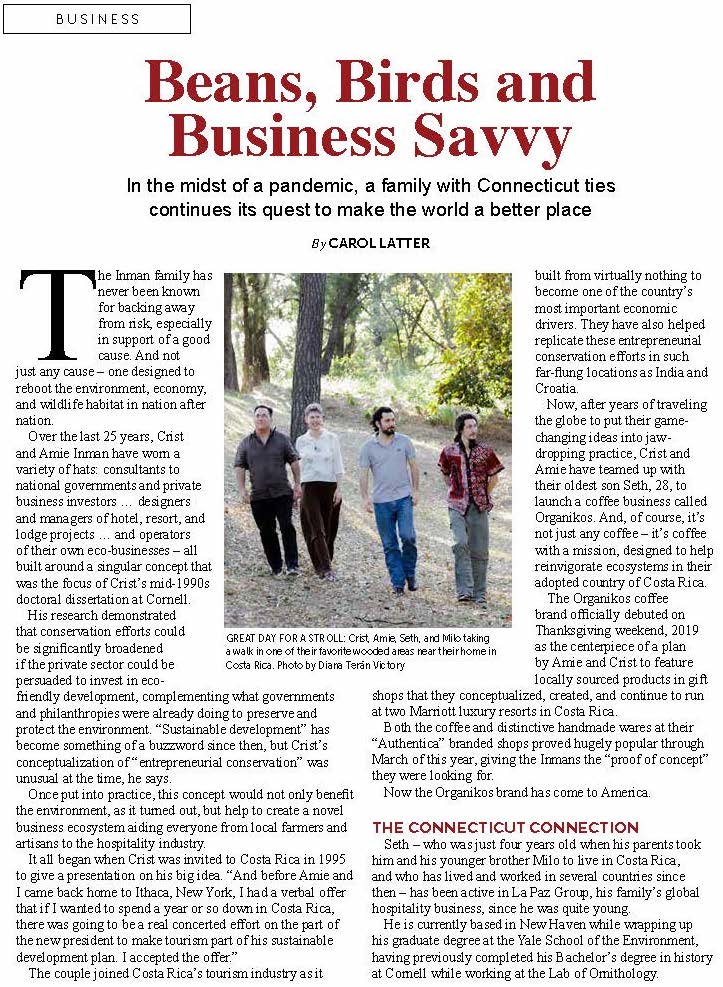 Last month a magazine article was published about the origins of Organikos. We have told bits and pieces of the story in these pages, but Carol Latter was the first person to tell the story from a perspective outside of our family. The online version of the story has two photos, whereas the tangibly published version has ten; in both cases we were happy that a magazine from the state I grew up in, and where Seth has been living since 2018, was interested in sharing this founding story.
Today, reading Marella Gayla’s story about founders trending younger (and why), plenty to ponder. My takeaway is that for whatever reason ambitious young people see an important link between entrepreneurship and positive social outcomes, we can count that as a good thing:
Is Every Ambitious Teen-ager a “Founder and C.E.O.”?
Forget Model U.N. and the SATs. Kids today want to tell college admissions officers all about the companies they’ve started to save the world.
One striking innovation of modern meritocracy is the teen-age executive. High-school students used to spiff up their college applications with extracurriculars like Model U.N. and student council. Today’s overachievers want to grace their résumés with the words “founder and C.E.O.” When schools in Fremont, California, shut down in March, Jagannath Prabhakaran, a sixteen-year-old, seized the opportunity to join the ranks. Continue reading
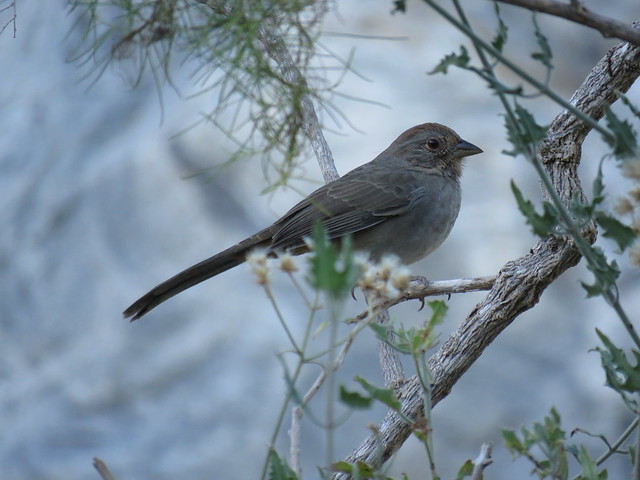
Sierra de la Laguna Biosphere Reserve, Baja California Sur, Mexico
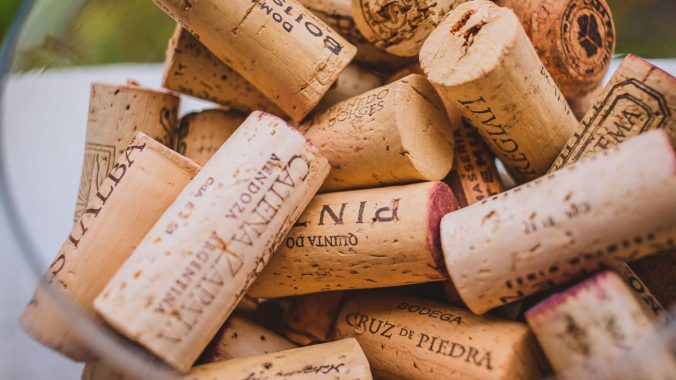

Thanks to Sarah Kennedy and ChavoBart Digital Media for this story at Yale Climate Connections:
The surprising link between wine corks and climate change
Give a toast to cork forests, which store a great deal of carbon pollution.
If you open a bottle of champagne or wine this New Year’s Eve, take a look at the stopper.
In recent years, plastic stoppers and screw tops have come on the market as alternatives to natural cork, but cork can be better for the climate.
Cork is harvested in the Mediterranean from the bark of cork oak trees. The process does not harm the tree, and the bark regrows. But the first harvest cannot begin until the tree is about 25 years old. Continue reading
St. Andrae, Austria

General Electric’s Haliade-X wind turbine at Rotterdam Harbor in the Netherlands. Ilvy Njiokiktjien for The New York Times
Stanley Reed has been our go-to expert on turbines for a few years. The photos and illustrations are particularly helpful to understand the scale of these new models. Thanks to the New York Times for giving him prime space on the front page on the first day of the new year for this story:
A Monster Wind Turbine Is Upending an Industry
G.E.’s giant machine, which can light up a small town, is stoking a renewable-energy arms race.
Twirling above a strip of land at the mouth of Rotterdam’s harbor is a wind turbine so large it is difficult to photograph. The turning diameter of its rotor is longer than two American football fields end to end. Later models will be taller than any building on the mainland of Western Europe. Continue reading

male – Costa Rica

The math teacher at the center of “Miyamoto and the Machine” believes that a well-crafted puzzle can tell a story in numbers.
A poetic closure to a year of challenges, this film looks at one man’s quest to conquer the world with elegant presentation of numbers-as-stories:
The Puzzle Inventor Who Makes Math Beautiful
By
, , and
An elementary-school math teacher silently paces his classroom in a pin-striped stockbroker shirt, his mouth full of braces. Continue reading
Eaglenest Wildlife Sanctuary, Arunachal Pradesh
Because, why not?

Baja California Sur, Mexico
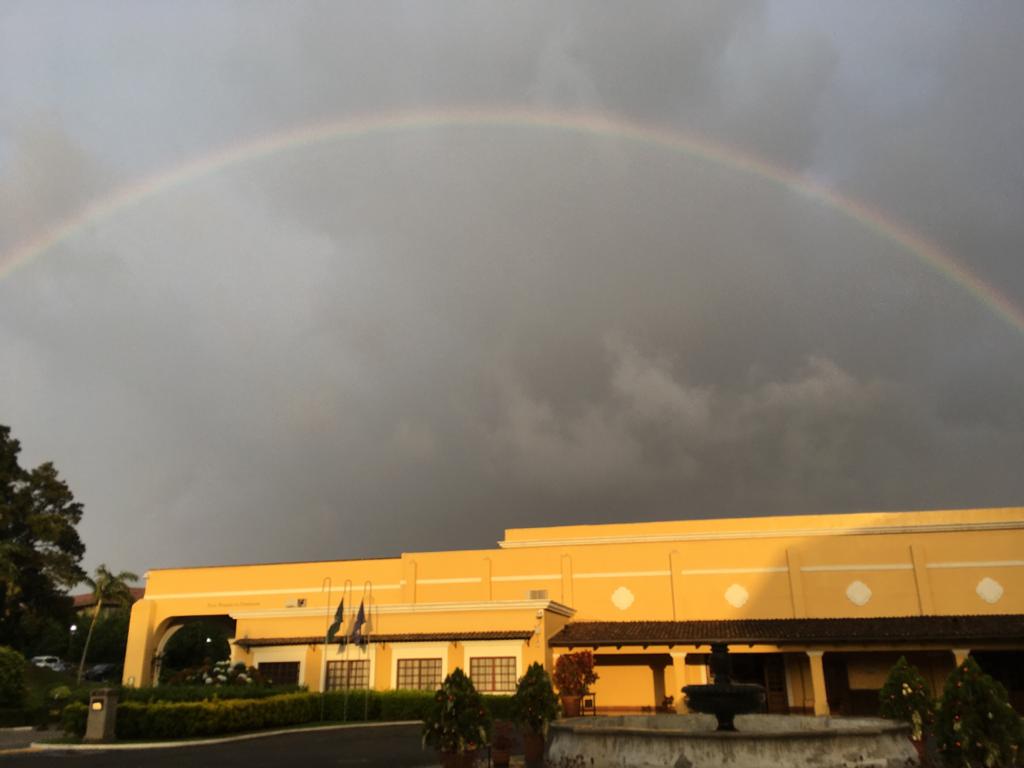
It started with “a meteorological phenomenon that is caused by reflection, refraction and dispersion of light in water droplets resulting in a spectrum of light appearing in the sky. It takes the form of a multicoloured circular arc.” Amie sent this image of the view outside one of our shops, and I suddenly realized I had no idea what a rainbow is. Reading that definition got me wondering where superstitions come from, like the one that makes you think of good fortune when you see a rainbow. Certain that there is a well-documented answer to that, a random turn led to the last photo of that location that we posted on this platform. Which led me here:

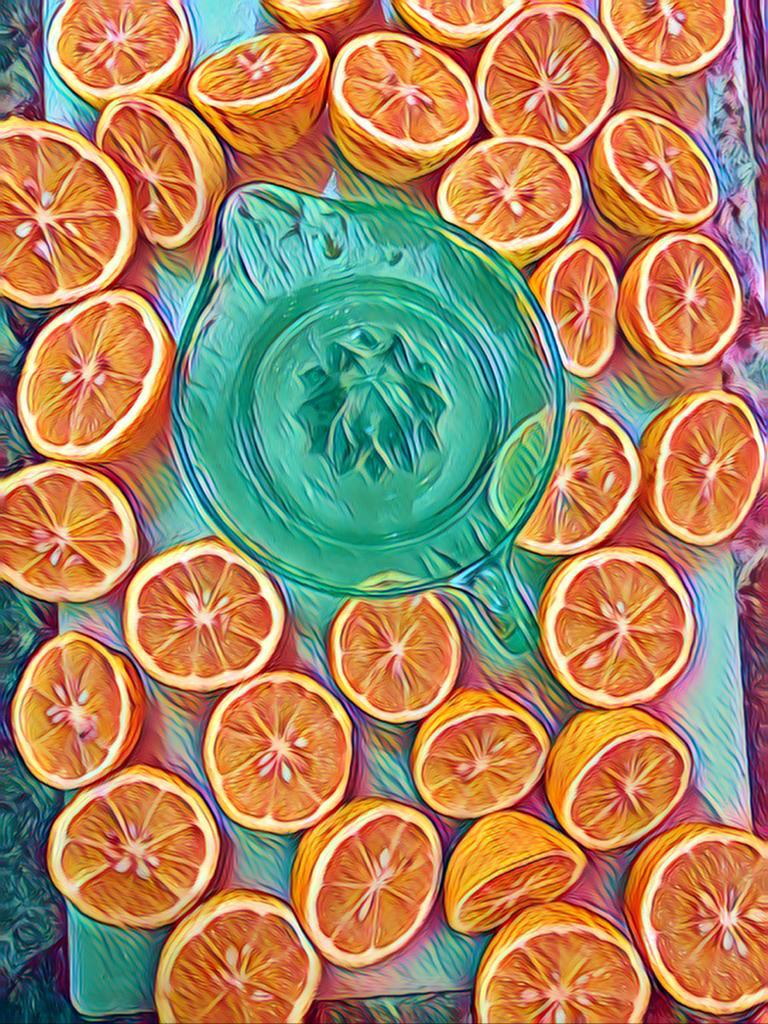
Minutes after that rainbow snapshot I was in the kitchen with a few hundred recently picked fruits from the first trees planted when we decided to rehabilitate this long-ago coffee farm. The antique green glass juicer in the photo above was my companion for the next couple days.
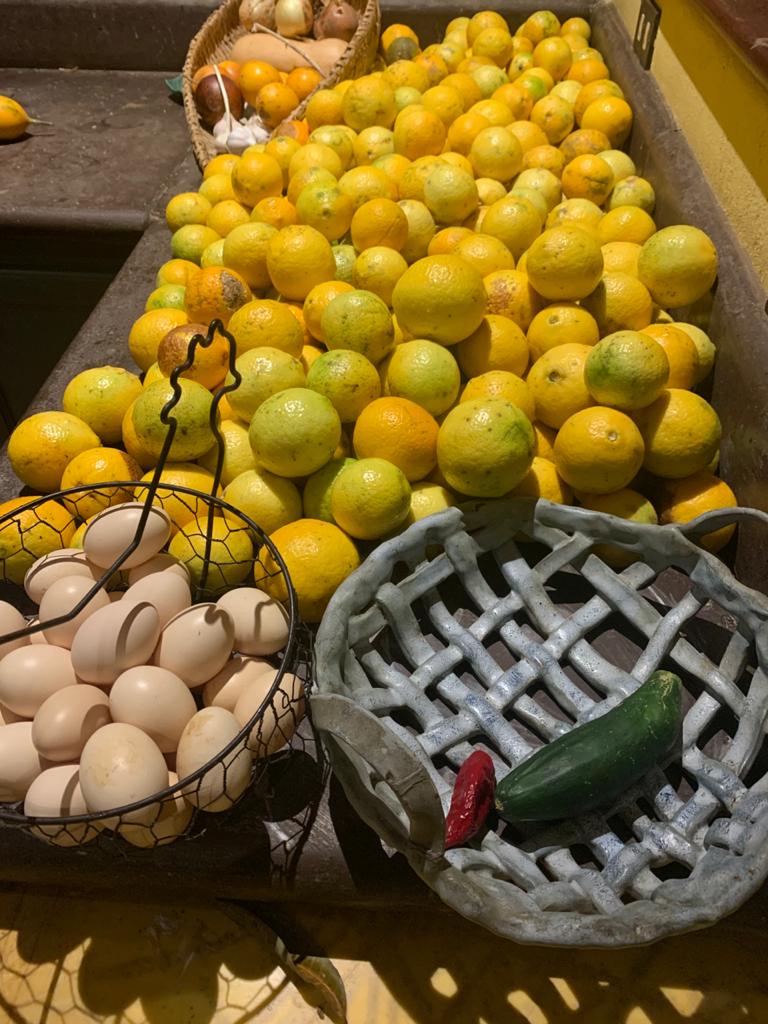
The fruit on the counter is about half the original wheel barrow full, what I now have left to complete after making a few gallons of juice and freezing it. Making lemonade out of life’s lemons is easier said than done, and using a hand-powered tool rather than a modern electricity-powered one is an exercise in curiosity.
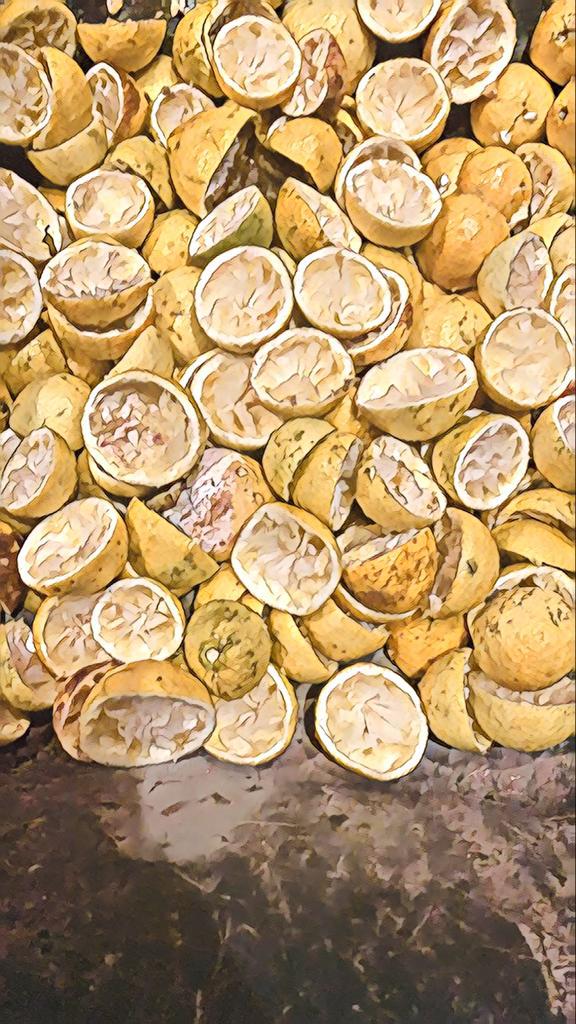
After the lemonade what about the remaining organic material? Of course it will be composted, but what else? My sister had one answer. Make art.
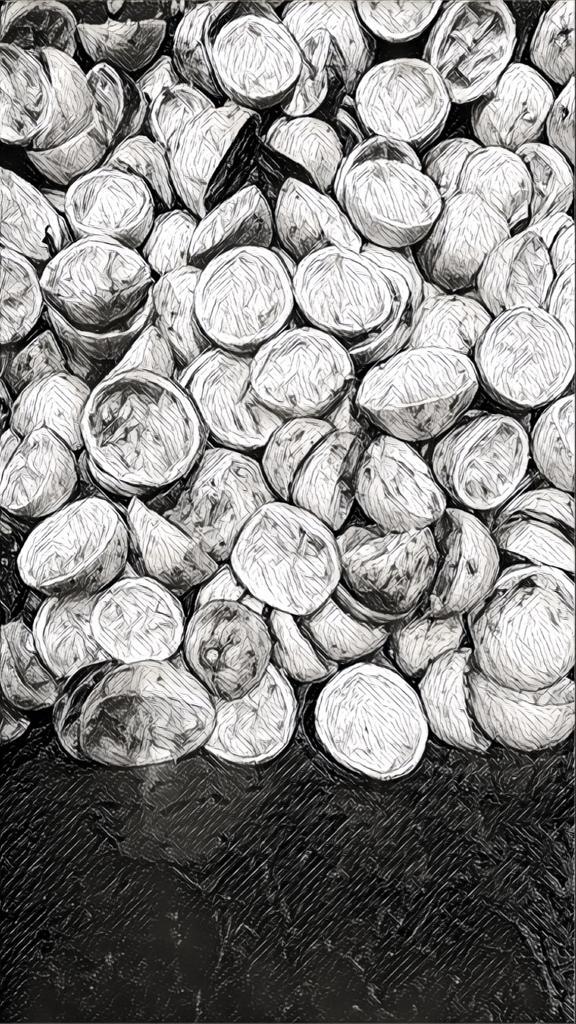
And while you are at it, make more art.
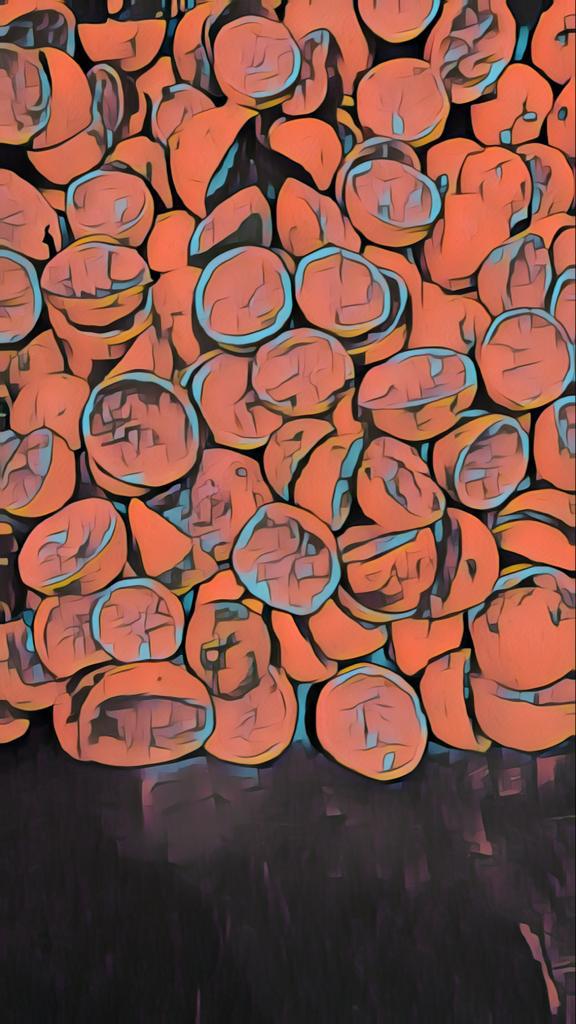
Curiosity and diligent work can be excellent companions.
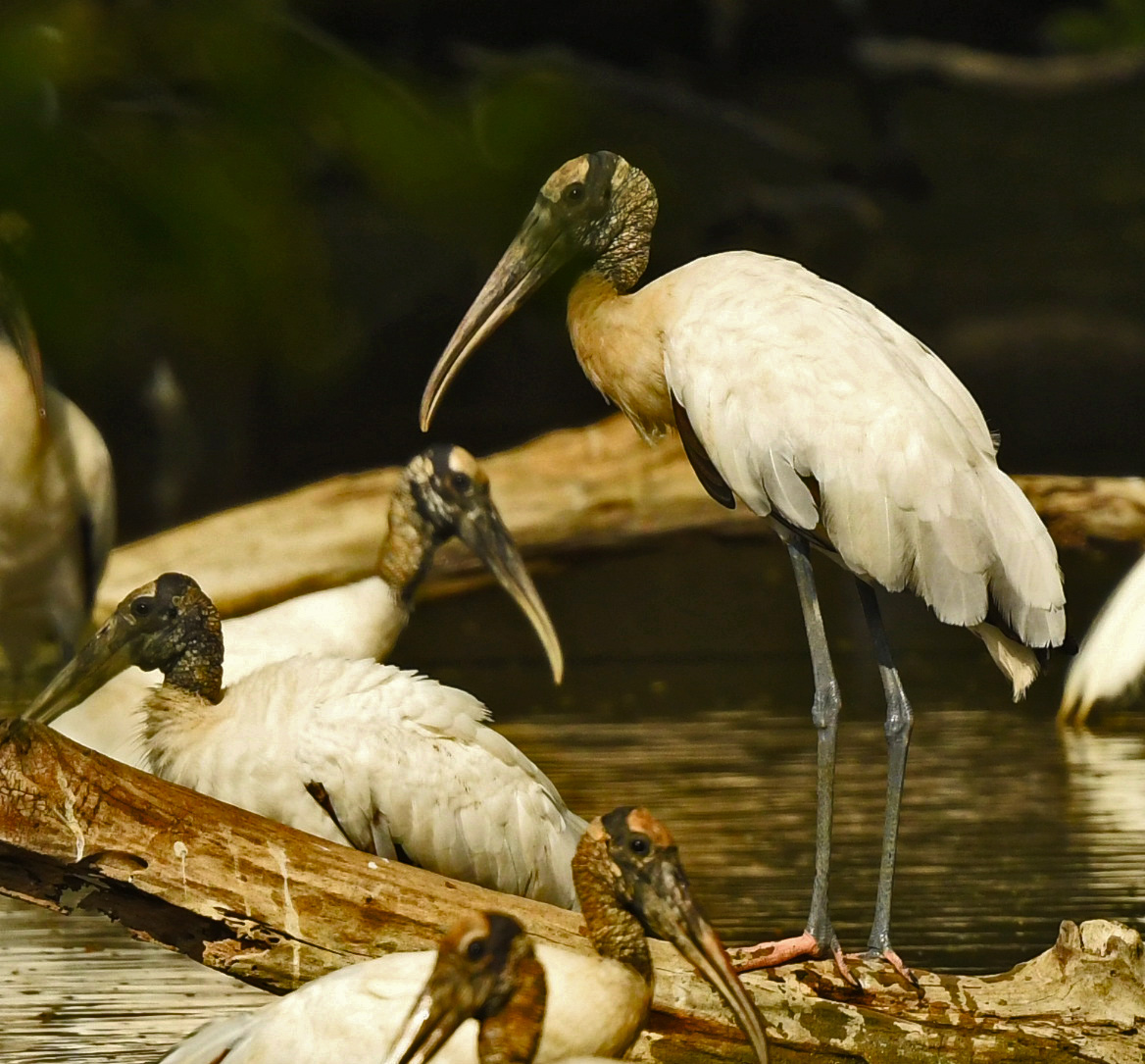
Costa Rica
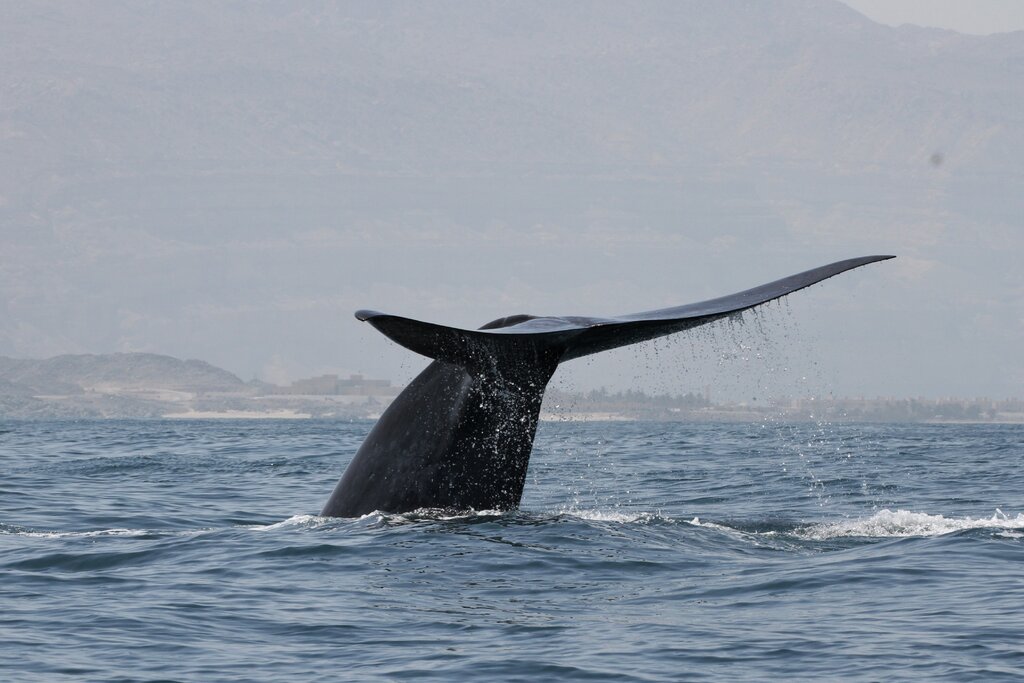
Researchers said that the blue whale song that crackled through the team’s underwater recordings was unlike any they had heard. Robert Baldwin/Environment Society of Oman
Thanks to Katherine J. Wu for this, especially for sharing the recordings of the whale song, and the musical reference for how to think about the difference between this whale population’s song and the that of other whale populations:
A New Population of Blue Whales Was Discovered Hiding in the Indian Ocean
The whales in the group seem to sing a unique song.
Weighing up to 380,000 pounds and stretching some 100 feet long, the blue whale — the largest creature to have ever lived on Earth — might at first seem difficult for human eyes and ears to miss.
But a previously unknown population of the leviathans has long been lurking in the Indian Ocean, leaving scientists none the wiser, new research suggests. Continue reading

Ooty, Tamil Nadu
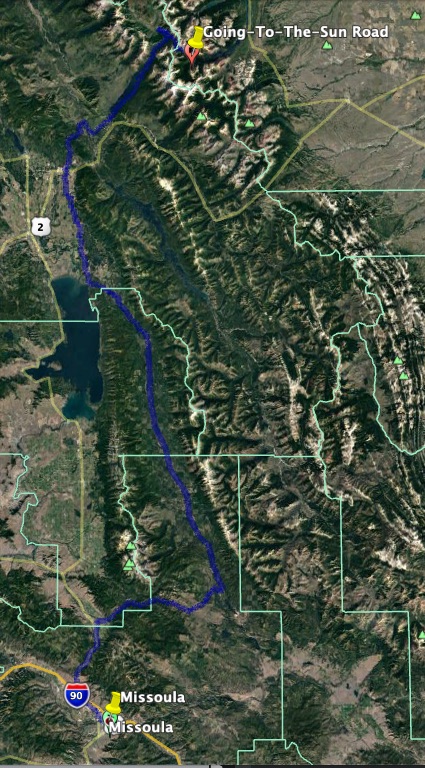 Whether you ride a bicycle or not, the story below is a perfect discovery in the final days of 2020. It was published in March and presumably Kim Cross wrote most of it prior to the pandemic becoming a focal point of life for most people in the world. It is a reminder of the randomness that comes with nomadic life, in my case best exemplified by a chance encounter at an airport in 1983. It is also a reminder of a bicycle journey Amie and I took in 1988, prior to my starting graduate school, which is a welcome reminder considering the stationary nature of our lives since March.
We were completely inexperienced at distance riding, but going from Missoula, Montana to Jasper, Alberta still seemed like a good idea at the time. And it was. The first couple hundred miles, until we got to Going-To-The-Sun Road, were strenuous but not beyond our capacity. Then, that road made us wonder if we had made a huge mistake. Somehow we made it to the top, with the cheering support of the group we were riding with, all experienced distance riders.
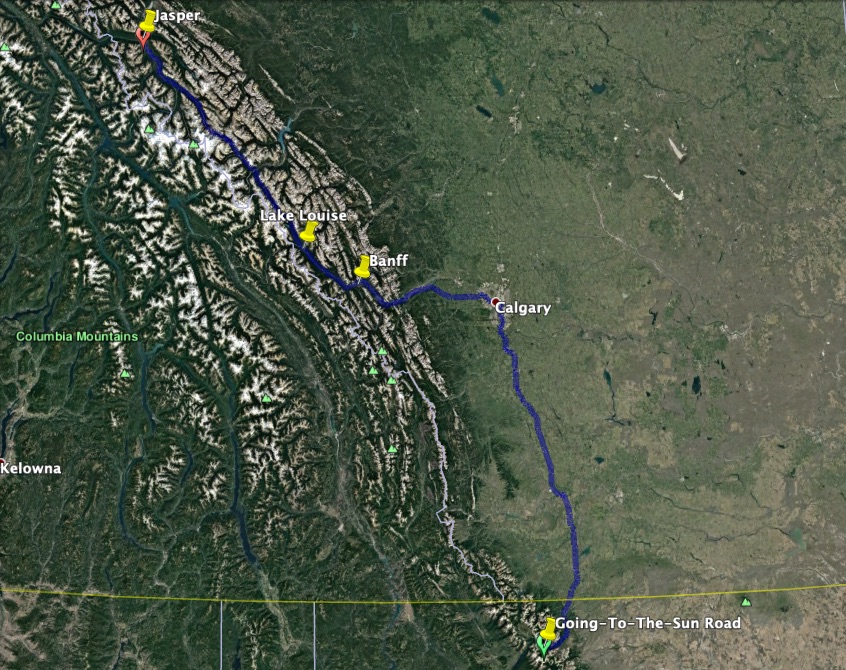 The next 500 miles included plenty of other challenges, including headwinds so strong at the Waterton-Glacier International Peace Park that we pedaled harder downhill than we had going uphill at Going-To-The-Sun. The support we got from, and brief friendships we made with total strangers on the journey is the reason why Kim Cross’s article resonates. Whether you have lived a nomadic life, or wish you had or could, this story is full of reasons to read. Or just look at the pictures and let your imagination ride:
What Happens When Two Strangers Trust the Rides of Their Lives to the Magic of the Universe
LEON HAD BEEN RIDING WEST FOR 309 DAYS. NOEL HAD HEADED EAST FOR 176. THEIR MEETING IN THE DESERT WAS A SMALL MIRACLE.
Once upon a road in Kazakhstan, two men converge in the desert. Strangers born an ocean apart, riding bicycles burdened like camels, they emerge from either horizon, slowly approaching a common point. Day by day, hour after hour, they make their way through a land as flat and featureless as a page without words. Thousands of miles spool out behind them. Thousands more lie ahead.
One rides east. The other, west. Continue reading
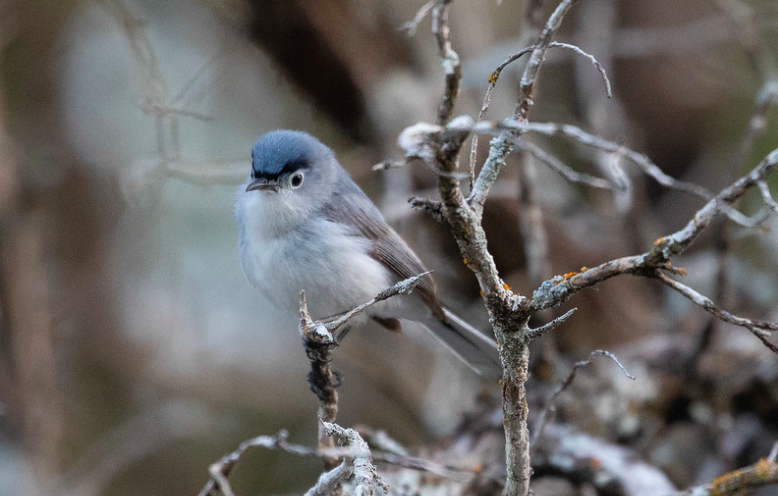 Lake Georgetown Russell Park, TX
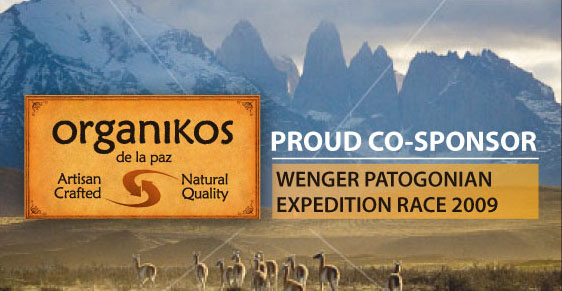 In a brief interview a student recorded my description of the work I was doing in southern Chile from 2008-2010. The Patagonia Expedition Race had secured Wenger’s sponsorship, and now graduate students from Columbia Business School, as well as from Cornell Hotel School, were developing a strategy for how best to use that sponsorship money to achieve lasting conservation results. The patch on the left arm of my jacket shows another sponsor.
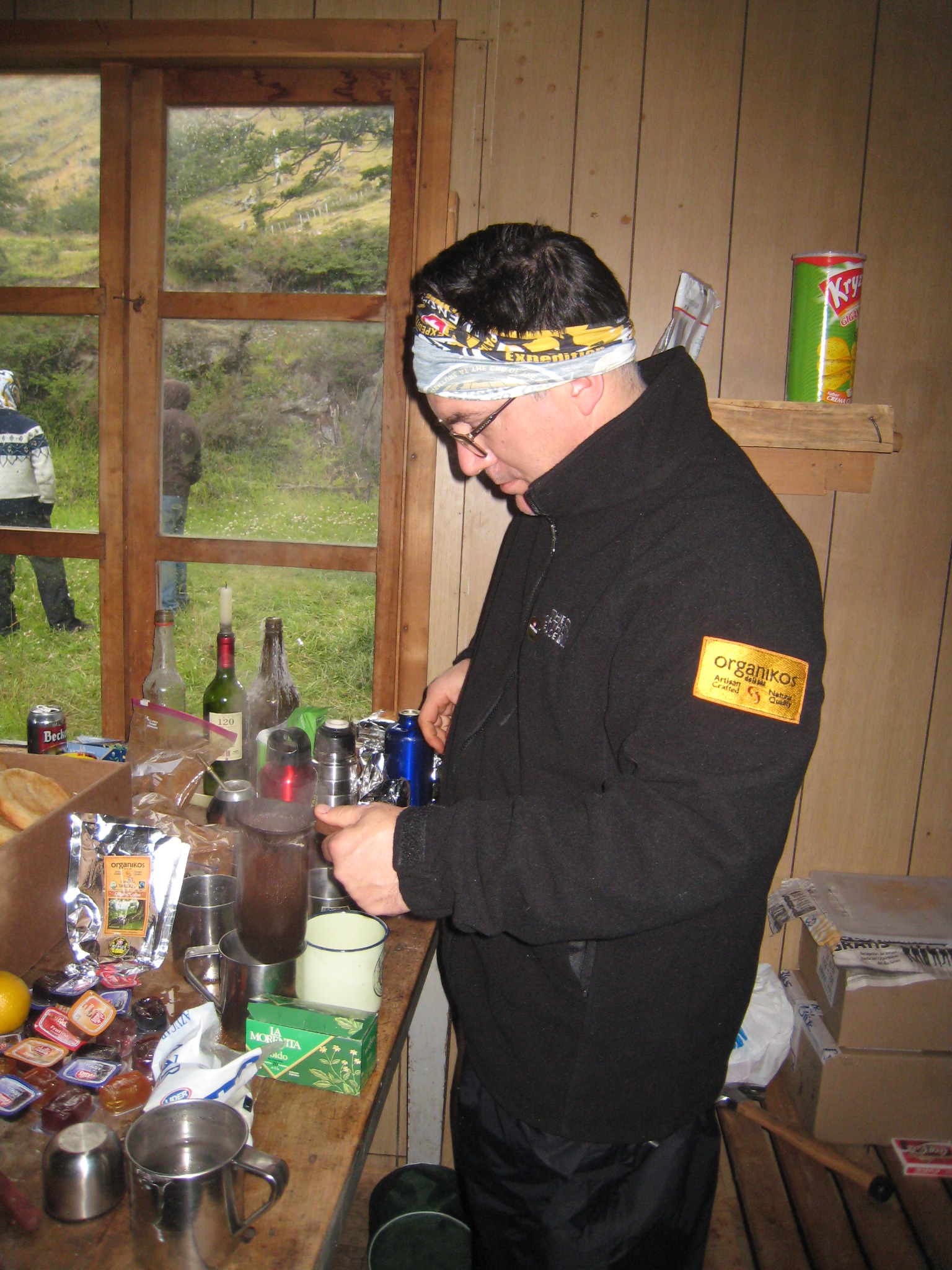 Organikos was a minor sponsor compared to Wenger, but in that earlier iteration of Organikos we were already thinking about what is now the 100% Forward commitment. As a sponsor, I also served coffee from sunrise to sunset at each station along the Race’s 500-mile route. Somewhere I have photos of the race teams drinking Organikos coffee, but at the moment I only find this one of me prepping coffee in the traditional Costa Rican manner to serve to Race volunteers in a farmhouse where we had spent the night on Tierra del Fuego.
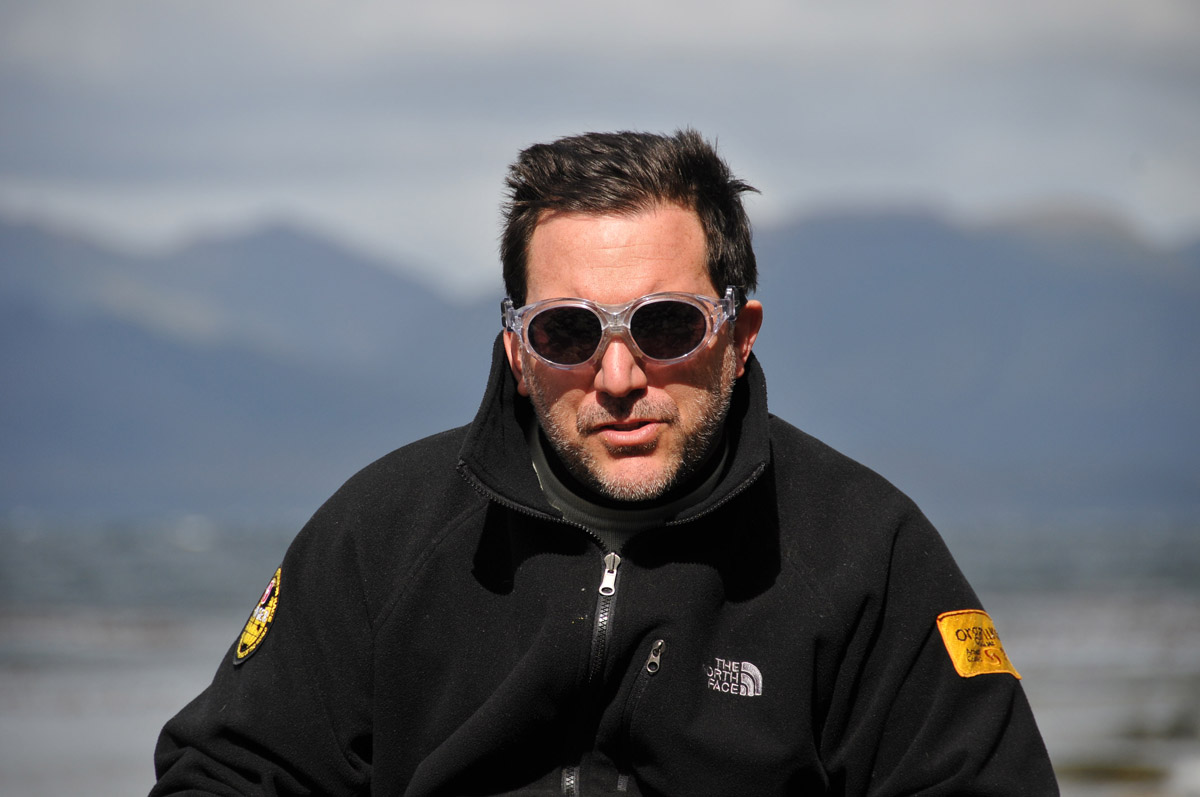 In this photo to the left I was waiting for the racers who would soon be arriving at this station in their kayaks. As serious as I appeared to be, it would take nearly a decade to get that coffee launched more formally into the market.
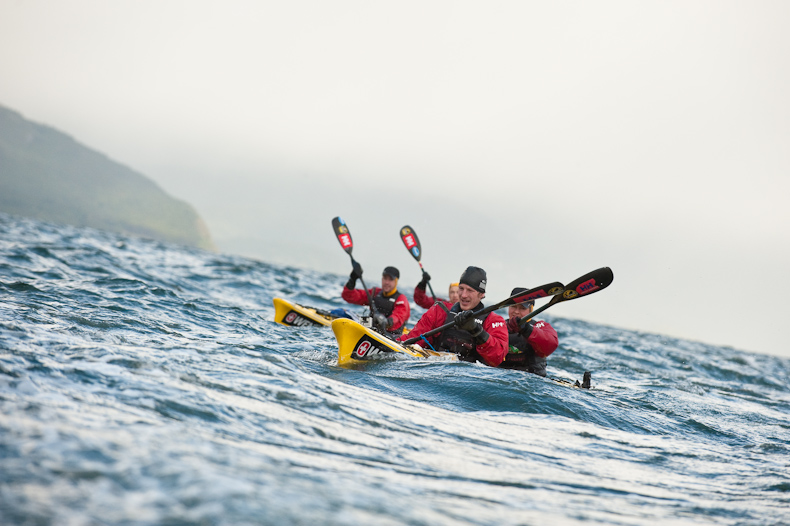
Images Andrew Wilson, Mark Humpfrey, Nicola MaCleod and Bruce Duncan of Team Helly Hansen-Prunesco paddling their way to victory in stage 15 of the 2010 Wenger Patagonian Expedition Race on the island of Tierra del Fuego in southern Chile. Michael Clark Photography
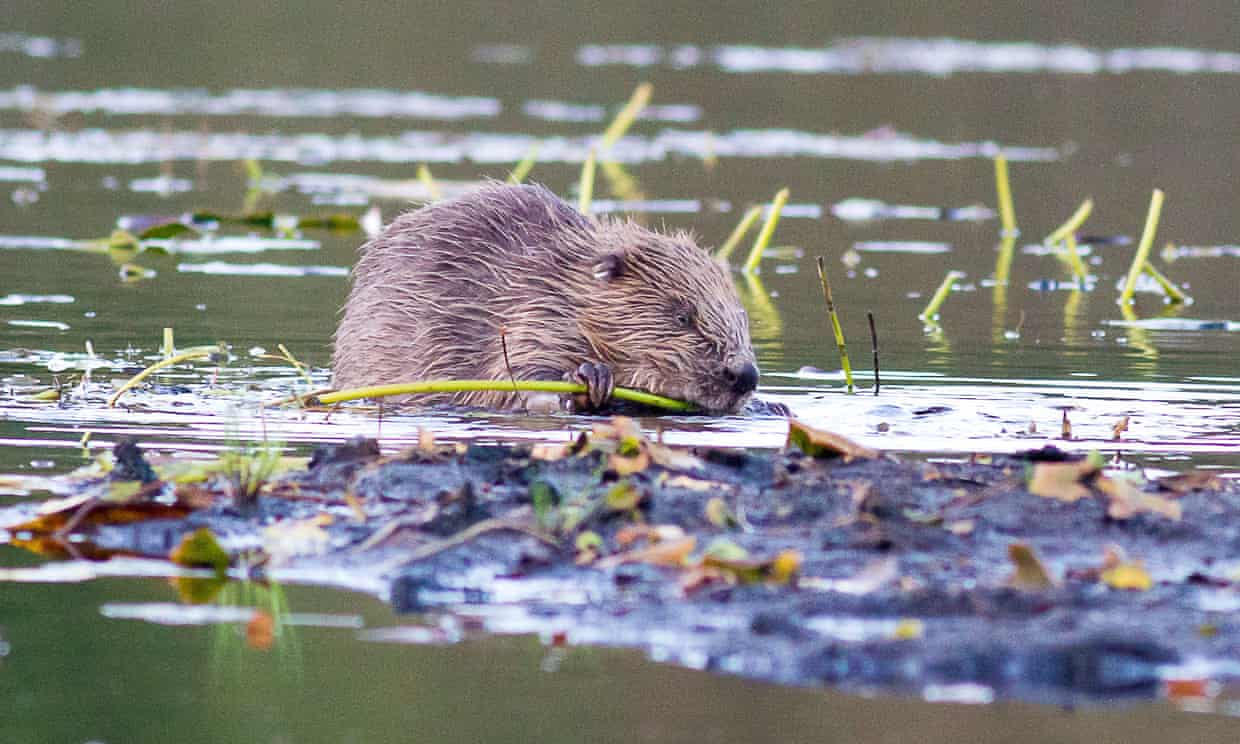
Not long after the photos above were taken, we accepted a new assignment in India that would put the original idea of Organikos on hold. Recently, when Seth took the name and gave it a clear conservation mission, coffee was still the most viable product to start with. I am reminded of all that thanks to Sandra Laville, and the Guardian. Her article, full of good news related to conservation funding in the UK, triggers my memory of the fact that beavers are an invasive species in Patagonia and the Race had the mission of controlling their spread, in the interest of wilderness conservation. Beavers in their natural habitat are in need of protection in some locations, I see:
Wetlands, beavers and Cinderella causes; the growth of environmental funding
Donations from individuals and charities to green causes more than double since 2016
Funding from the People’s Trust for Endangered Species helped reintroduce beavers in Knapdale Forest in Scotland. Photograph: Steve Gardner/Scottish Wildlife Trust/PA
Philanthropic donations to environmental causes have more than doubled in value in the UK as the climate crisis and unprecedented biodiversity loss attract increasing attention from individuals and charities.
The amounts of money given to support efforts to tackle climate change and nature loss range from £5,000 to millions of pounds, and the focus of the funding is as broad.
It includes a £10,000 donation given to support a successful campaign for a deposit return scheme in Scotland; the funding of grassroots defenders of Europe’s last primeval forest, in Poland, and the protection of wetlands in Montenegro; and millions of pounds in support of environmental legal challenges and donations to back campaigning against fossil fuels. Continue reading
Costa Rica
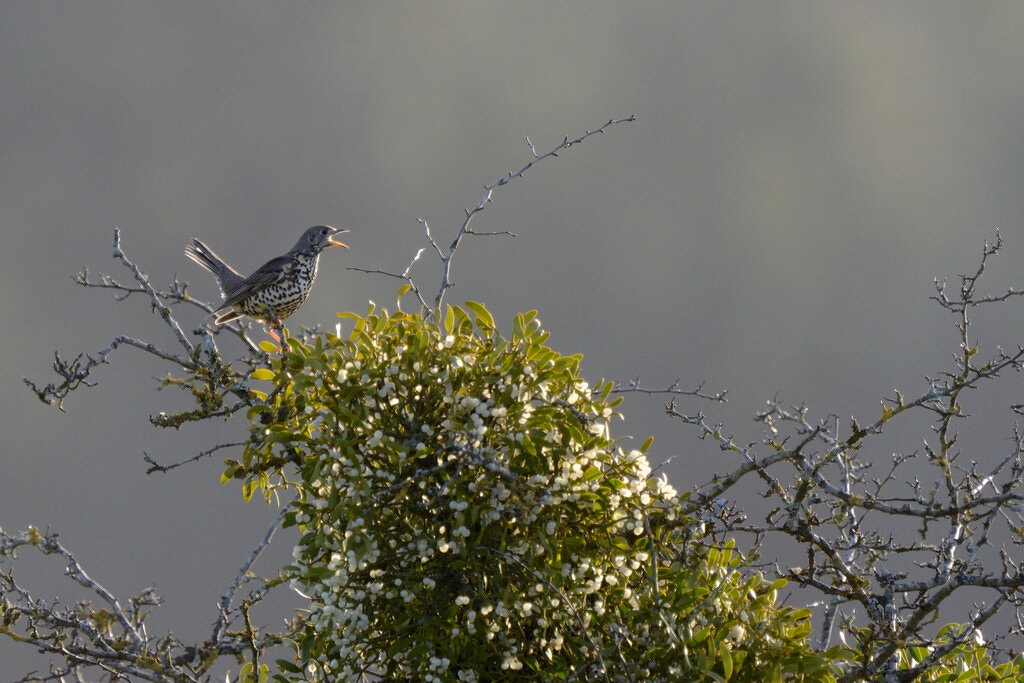
A recent analysis challenges the hypothesis that songbirds helped with a vital step in mistletoe evolution, the move from the ground to the treetops. Fabrice Cahez/Nature Picture Library/Alamy
Cara Giaimo, as ever providing surprising explanations of natural phenomena, has this biology lesson for a holiday tradition:
How Did Mistletoe Get Into the Treetops?
Before someone hung it up in your home, some animal had to get it into the canopies where it thrives to this day.
It’s unclear what trendsetter first hung up mistletoe. Some blame the ancient Greeks, who kissed under the plants during harvest festivals. Others pin it on first-century druids, who might have decorated their homes with them for good luck. Continue reading

 Organikos