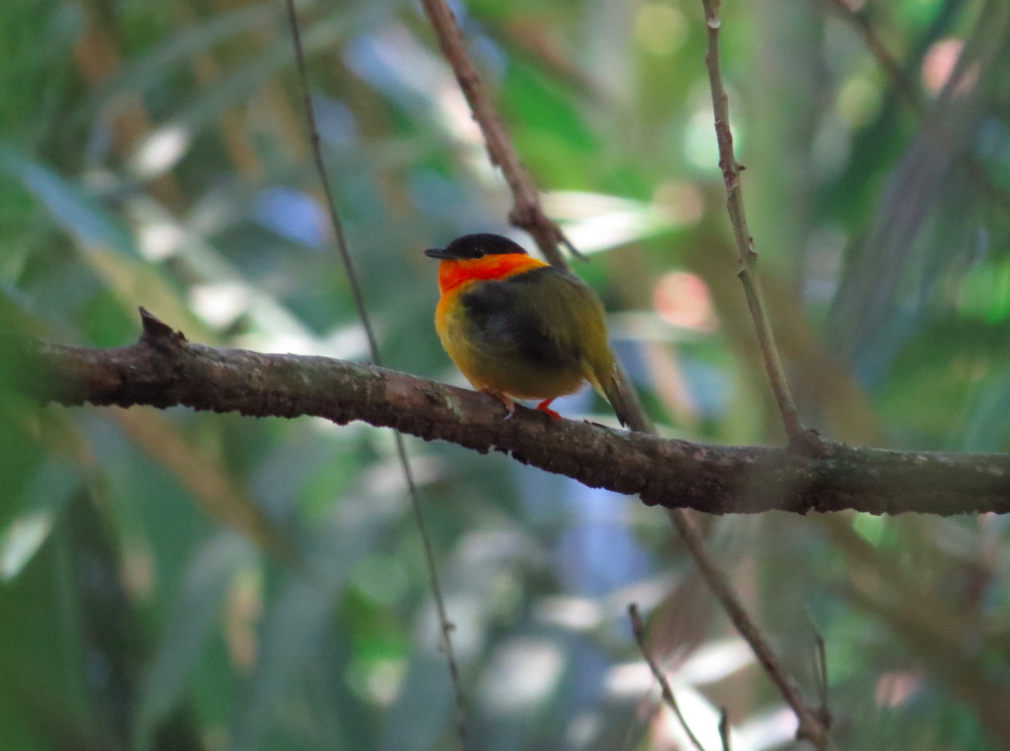
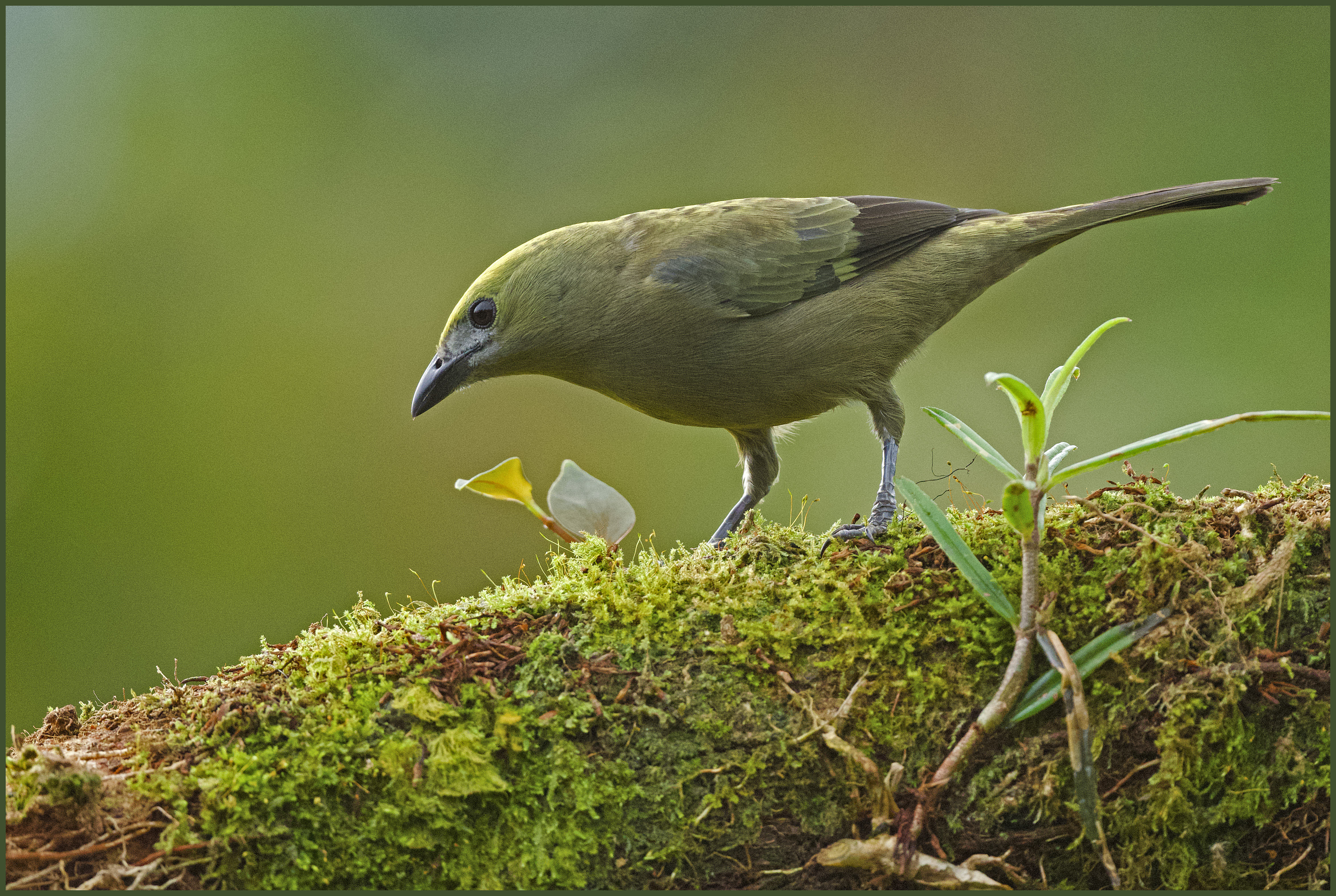
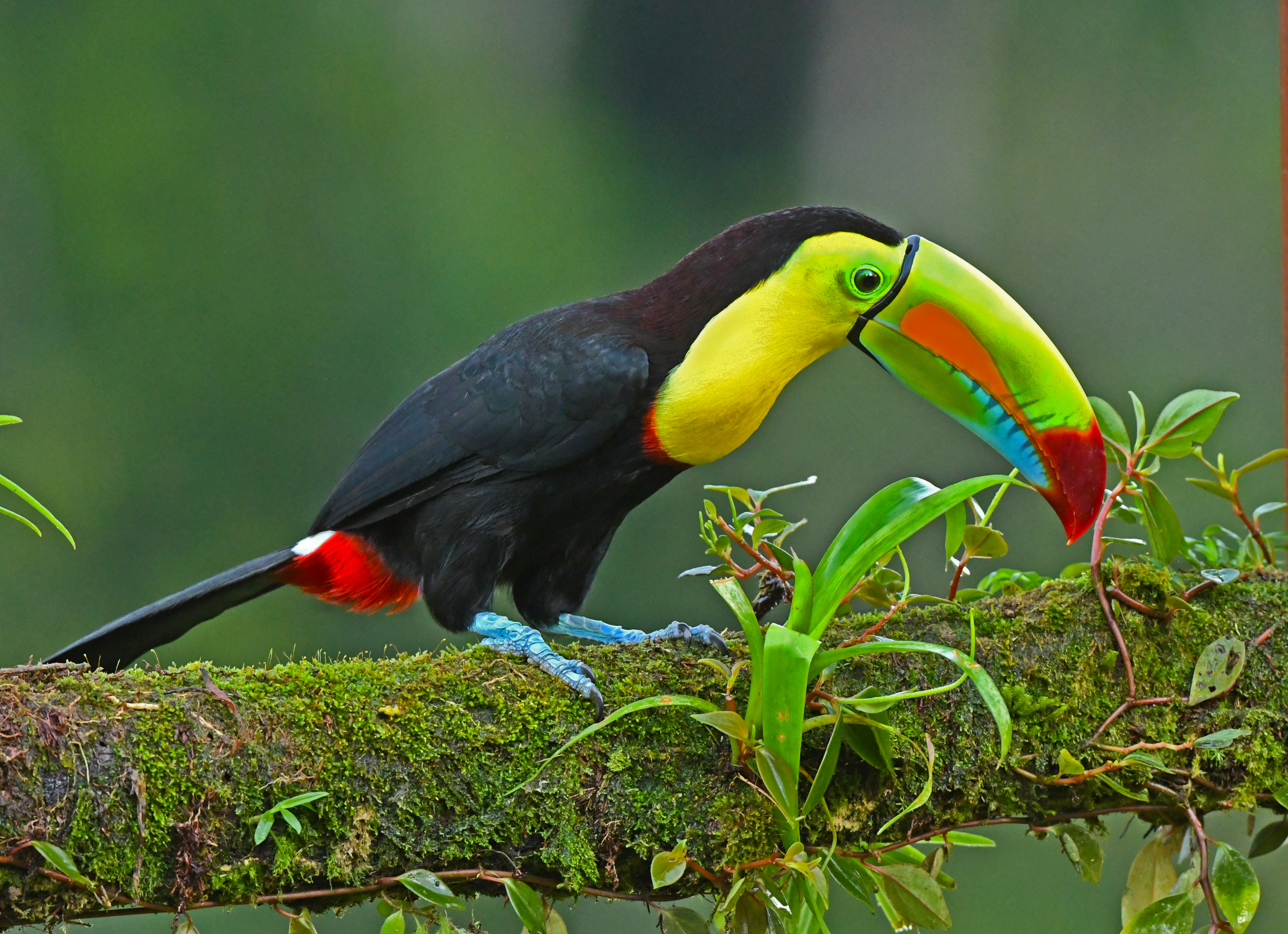
male – Carara National Park, Costa Rica
male – Carara National Park, Costa Rica

Food and Beverage as conservation themes have been long time interests at this site, whether it be recreating ancient ales or maintaining the artisan ethos of ancient food ways.
I have to admit that the blend of cuisine and archaeology are equally fascinating; I would have been one of the first of the “curious passersby” at the feast described here. The article is behind a paywall, but worth the read.
A taste of antiquity: what’s it like to eat 2,500-year-old food?
How Fuchsia Dunlop sampled food from the tomb of a long dead king
The four sheep turned on their spits, wafting out rich aromas over the bleached Turkish landscape. Nearby, I stirred a vast potful of lentil stew over an open fire, lashed by smoke and sunlight. A long table in the yard was already laden with dishes: handmade hummus and fava bean paste, whole honeycombs, stacks of tandoor-baked bread and piles of pomegranates. Beyond it loomed the great burial mound of a ruler of the Phrygian kingdom who had died here in the eighth century BC — thought to be a historical King Midas or his father. Aided by a team of Turkish cooks and food experts, I was doing my best to recreate his funeral feast.
This wasn’t an idle exercise. In the 1950s, archaeologists from the Penn Museum at the University of Pennsylvania had excavated the tomb, near the old Phrygian capital at Gordion. Although this King Midas was not the mythical man with the golden touch, they still found a treasure trove of bronze cauldrons, drinking bowls and clay pots in his burial chamber, including the largest Iron Age drinking set ever discovered. The vessels contained the physical remnants of a banquet the mourners had shared, but it was about 40 years before advances in science permitted chemical analysis of the residues.
This was done in the late 1990s by experts from the Penn Museum, led by Patrick McGovern, scientific director of its Biomolecular Archaeology Project for Cuisine, Fermented Beverages and Health, and author of Ancient Brews: Rediscovered & Re-created.Using modern techniques such as infrared spectroscopy, liquid and gas chromatography and mass spectrometry, McGovern and his team examined the vestiges of both food and drink found in the bronze vessels. The mourners, they concluded, had shared an unusual brew made from a mixture of honey, grapes and barley — a sort of cocktail of mead, wine and beer. And although the researchers couldn’t be sure, they suspected it had also contained saffron because of the intense yellow colour of the residue (and because some of the finest saffron of the ancient world was produced in what is now Turkey).
The chemical detective work on the brown clumps of food matter showed these were the leftovers of a great stew made from lamb or goat that had first been seared over fire to produce caramelisation, then simmered with some kind of pulse (probably lentils) along with ingredients such as honey, wine, olive oil, fennel or anise and other herbs and spices. Continue reading

Macaw Lodge’s gardens fill the landscape with color and provide shelter and food for hundreds of species of animals. All photos by Hugo Santa Cruz
It is regularly the first to wake, its song encouraging us all to do the same. It is still dark but the Great Tinamou is already singing, while a couple of hundred more species begin to flap their wings, to soon sing different songs––some very complicated and sophisticated, to make them stand out from the rest.
As I get ready for the day, I mentally identify and count the different sounds I hear––trying to imitate some of them with little success. While brushing my teeth I go through the 13 identified species, leaving 2 or 3 that I don’t recognize.
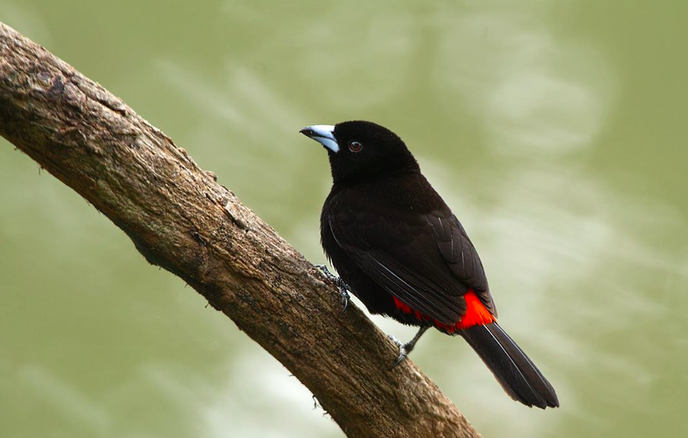
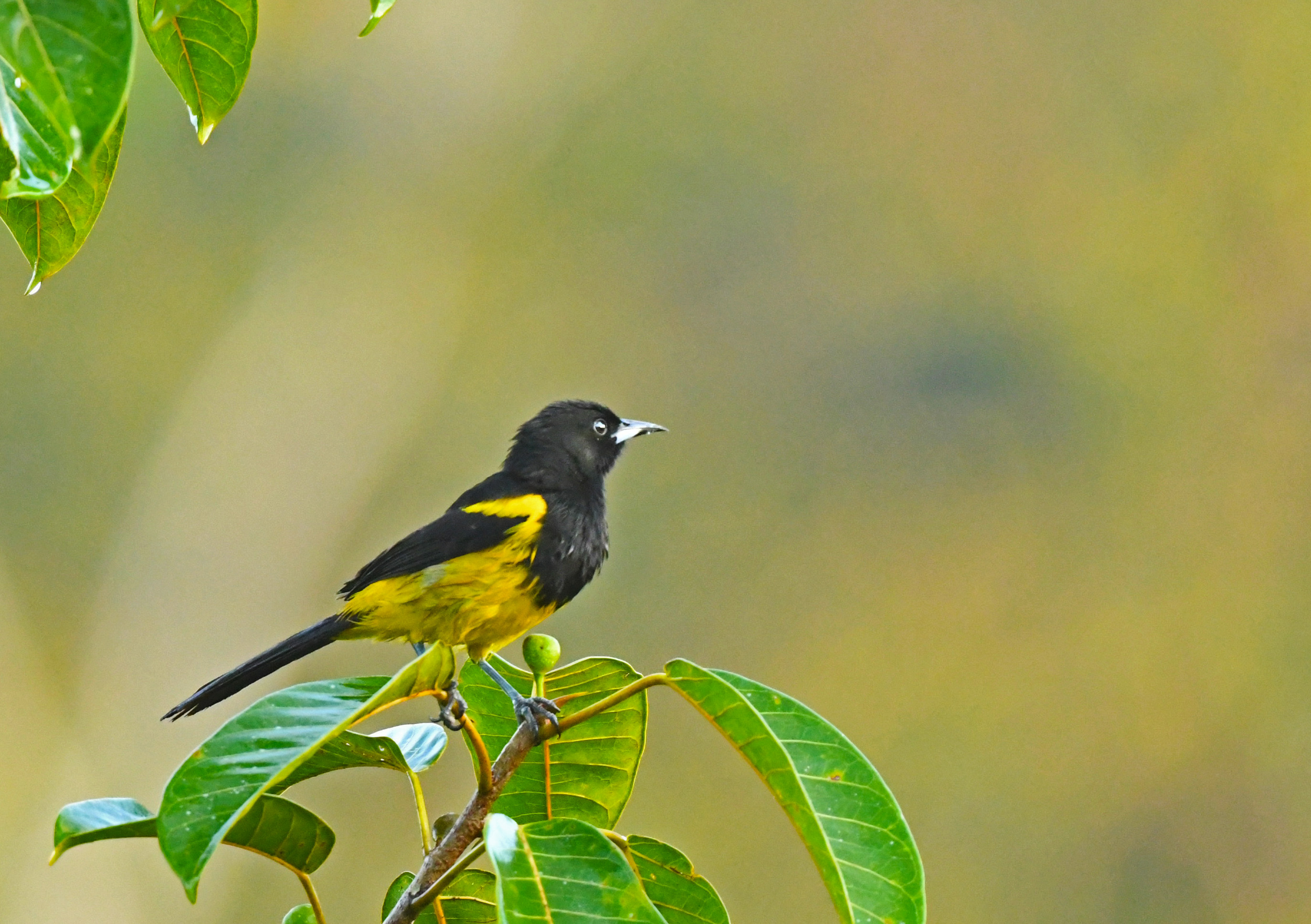
Male Scarlet-rumped Tanager
The recognition of birds by songs and calls is essential to count effectively; some of these songs will delight the most demanding ears, as much as good jazz; and others not so much. Some people living in wilderness areas like this may even come to hate some of the calls, such as the tireless, insistent and unending calls of the Ferruginous Pygmy-Owl. You will feel that it follows your steps day by day, night by night; wherever you move or where you try to sleep… Unfortunately you’re unlikely to actually see it, because it has excellent camouflage, and at scarcely 15 cm tall but living 20m high in the trees, it will remain invisible, but you will know it is there, because you’ll hear it even in your dreams…
If you’re “lucky” to encounter the little owl when he’s looking for a girlfriend, you’ll understand what I mean … and that’s that all people in this area have their history with the “Maja-Fierro” – local name of the owl, due to his shrill and constant monotonous whistle. Continue reading
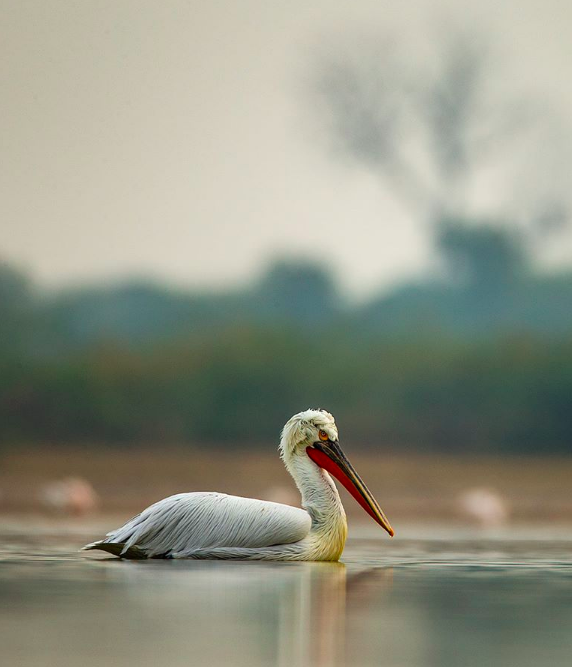
Little Rann of Kutch, Gujarat
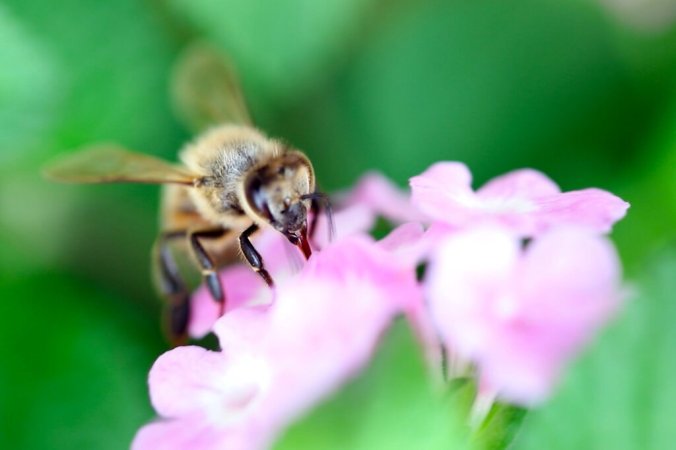
Jiangkun Wei
Bees, in all their surprising ways, are important to humanity, so we share science about them. Our thanks to one of science writing’s most deft explainers, James Gorman, for one more insight. If only for the video, showing the precision of the bee’s ability to drink nectar, this article is worth a look:
A Honeybee’s Tongue Is More Swiss Army Knife Than Ladle
Once again, insects prove to be more complicated than scientists thought they were.
For a century, scientists have known how honeybees drink nectar. They lap it up.
They don’t lap like cats or dogs, videos of whose mesmerizing drinking habits have been one of the great rewards of high speed video. But they do dip their hairy tongues rapidly in and out of syrupy nectar to draw it up into their mouth. For the last century or so, scientists have been convinced that this is the only way they drink nectar. Continue reading
Boca Tapada de San Carlos, Costa Rica
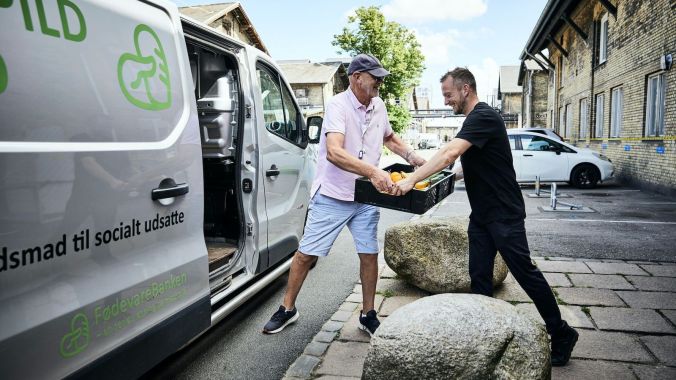
The JunkFood project is to continue, even though Alchemist has now reopened its doors (Credit: Soren Gammelmark)
How words matter is a longstanding theme here, and I have occasionally let a Danish word capture my attention. I am susceptible to stories about modern Danish norms, much as I was by Norse mythology as a kid. So, thanks to Mark Johanson and the BBC for bringing this to our attention:
How a long-forgotten word rallied a nation
A word buried in the history books helped Danes mobilise during the pandemic, flattening the curve and lifting community spirit.
Danish chef Rasmus Munk shocked the culinary world last year with the opening of his audacious Copenhagen restaurant Alchemist, which offers a multisensory food and entertainment experience across 50 courses and five acts. More surprising, still, was what the Michelin-starred chef did next when the pandemic brought his marathon meals to an abrupt halt on 15 March.
By 19 March, Munk had pivoted from serving 2,900kr ($450) worth of molecular gastronomy (think wood ants preserved in candy ‘amber’ and cherry-infused lamb brains) for 48 nightly guests to whipping up 600 daily portions of down-to-earth staples (such as pasta carbonara and chicken puff pie) for Copenhagen’s homeless and socially vulnerable residents.
“I put out a call for help on Instagram, and the next day I had nearly 1,000 emails from fellow chefs and everyday people who offered to drive the food out to the 14 shelters we now work with,” he explains. Hotels and restaurants also got in touch to donate food that would have otherwise gone to waste. Soon, Alchemist’s four kitchens were buzzing with masked volunteers, and the nascent social responsibility project JunkFood, which Munk had started as an experiment before the pandemic, took root. Continue reading
Pucusana, Peru
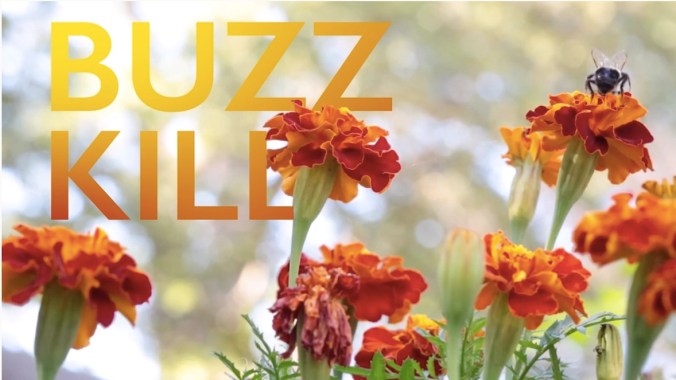
Thanks to Yale e360, as always, for at minimum illuminating important environmental questions and, on days like today, lifting our spirits in the process. Click the image above to go to the award winning video:
Backyard Battle: Helping Native Bees Thrive in a Honeybee World
Native bees are at risk across the United States. “Buzz Kill” — winner of the 2020 Yale Environment 360 Video Contest — depicts the beauty and key ecological role played by these bees and shows how industrialized agriculture and its use of honeybee colonies threatens endemic bee species. Continue reading
Andaman and Nicobar Islands
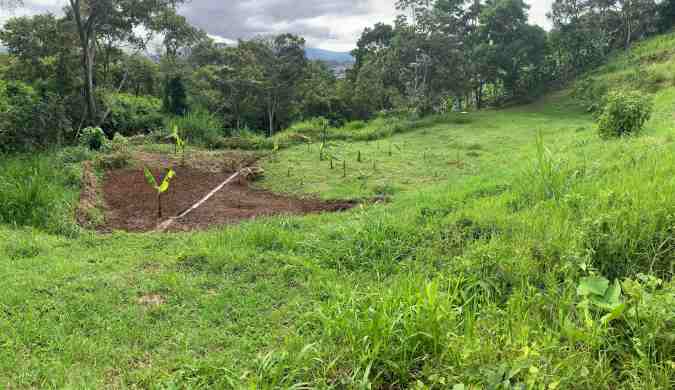
In previous posts I have pointed my lens to this area, but from another angle and with limited scope. In the photo above, in the distant upper right you san see a small light object which is the top of the bee colony. With this view you can make out where the curvy berms lead and if you squint you can see the long quadrangle. A few months prior to our departure to live in Croatia in August, 2006 I decided that this stretch of relatively flat land would make a good football pitch for our boys and their friends. It was a mess of bramble and brush at the time so I cleared it and removed the big rocks and let it be. We would be gone for one year, and when we came back I would finish the pitch.
Plans change. We did not return to live in Costa Rica for another dozen years. This week, as we move to Plan B I took a snapshot of how that pitch looks right now. I am one quarter of the way through removing all the grasses that invaded the land while we were away. Under their blanket is all the rich soil that earthworms produce when left alone for awhile. That pitch, which now has 30 banana and plantain trees, and hundreds of bean plants as well as beets, will next get watermelon where the land is already cleared. These all will help the soil, and prepare the shade needed, in advance of coffee planting next year.
Boca Tapada de San Carlos, Costa Rica
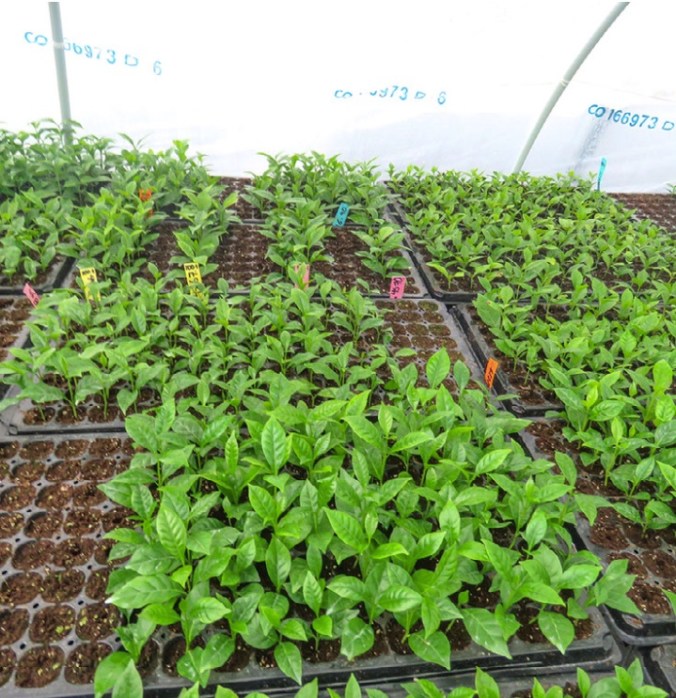
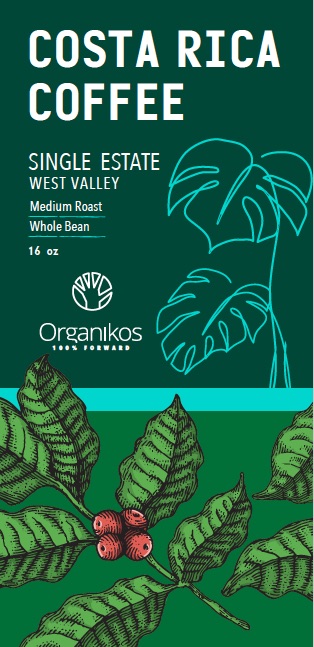 If you have been following these pages for at least a few months, you know that we kept the coffee beans from our last harvest to use as seeds for replanting land that was coffee farm for most of the last century. For better or worse, the photo above is not the result of those coffee beans. It is normal for seeds like ours to germinate in 6-8 weeks. As of today we have precisely zero germination. Plan A, complete. Not a failure, just a lesson in the vagaries of agriculture. Plan B has been growing on me since creating the new labels for our coffee. Specifically one of the single estates that we offer, which is produced at Villa Triunfo in the Western Valley of Costa Rica. These specifications, which I received last year during our cupping sessions, were my guide to rewriting the text for the label on the back of the bag:
This farm is unique in that it has Starmaya and Marsellesa cultivars which were both developed as a joint venture between ECOM and CIRAD (agricultural development in France). This lot of coffee displays how when Marsellesa, a Sarchimor type varietal is properly cared for, harvested and processed it can rival some of the most desirable varietals in the region. This coffee was produced in the Red Honey method which leaves some residual mucilage on the seed prior to drying. After drying, the parchment coffee appears red in color resulting in the “Red Honey” distinction. With this process, a bit of the coffee fruit flavors make their way into the cup as well.
Today, I will put in motion Plan B, one part of which is the acquisition and planting of seedlings from these hybrid beans (those in the photo at the top) that our friends at Villa Triunfo have been having great success with.

Pacific Lowlands, Costa Rica

Common blue butterfly in Weymouth, Dorset, UK. © Verity Hill
Thanks to Alex Morss for this second opportunity to feature her work:
How can butterflies and moths smell?
How can butterflies and moth find food-plants and mates by smell if they don’t have a nose? Ecologist Alex Morss explains how they can sense with other parts of their body. Continue reading

Isla Bastimentos, Panama
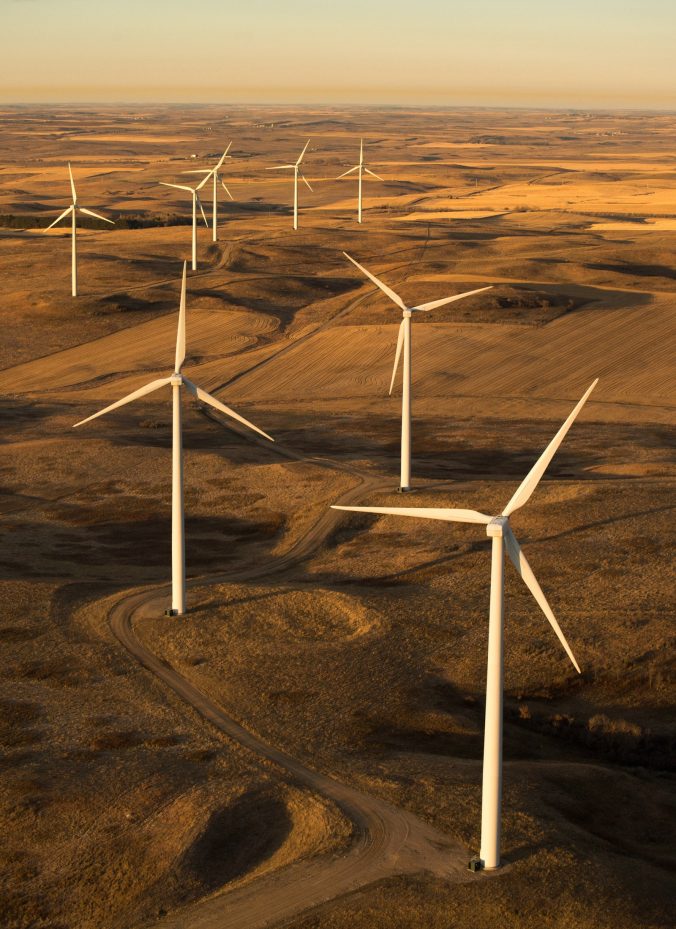
Renewable-energy projects are now finding capital faster than fossil fuels. Photograph by Ken Cedeno / Getty
Since our platform name change, each daily post has been either about coffee or about birds. We have not neglected or forgotten our commitment to all the other important environmental, conservation, culture and related themes this platform has showcased, under whichever name. Today, Bill McKibben, one of our favorite sources of both depressing and heartening environmental news, is our go-to for some good news:
North Dakota Oil Workers Are Learning to Tend Wind Turbines—and That’s a Big Deal
I enjoy big machinery, and it punched all those buttons,” Jay Johnson told me. “They really are big, and, if you like machinery, then there you go.” Johnson has one of the jobs that might, with luck, come to define our era. At Lake Region State College, in Devils Lake, North Dakota, he trains former oil workers for new careers maintaining giant wind turbines. The skills necessary for operating the derricks that frack for crude in the Bakken shale, he says, translate pretty directly into the skills required for operating the machines that convert the stiff winds of the high prairies into electricity. That is good news, not only because it’s going to take lots of people to move the world from oil and gas to solar and wind but because people who work in hydrocarbons are going to need new jobs now that the demand for hydrocarbons is dropping. “It’s impossible to overstate the stillness” in the oil fields now, Johnson says. “Nothing is happening, zero work, and it sure is scary.” Continue reading
Boca Tapada de San Carlos, Costa Rica
Walking yesterday’s theme further down a country road: since late March Community Supported Agriculture (CSA) has been a constant topic of interest. Initially my thoughts were with the family farms supplying our fruits and vegetables. We spent the month of April and much of May looking closely at how we might support them. Concerned that the social distancing and lockdown measures that were sure to come would close the farmers’ markets, putting unbearable pressure on those families and their farms we thought a limited time, limited purpose CSA would help these farmers. It was a good idea, but it was not for us to do. The municipalities, farmer cooperatives and other organizers of the farmers’ markets in Costa Rica proved creative and resilient. So far, so good.
Now, as we prepare to launch our coffee roasting and delivery service in the USA, I see Organikos offering a community the opportunity to support coffee farmers in Costa Rica. Last year, prior to opening, we had projected that in 2020 Organikos would sell 7,000 pounds of coffee in the two Authentica shops. Those two shops were designed to serve the travelers who have been arriving and departing by the millions for the last two decades. We entered into supply contracts based on those projections, and invested in the infrastructure to make it happen. We were on track, through mid-March, to meet the projections. Needless to say, now that will not happen as planned.
We may yet get to 7,000 pounds of coffee sold in 2020. With 4+ months to go, with the website ready to go live and the roaster fired up we will see how quickly we can build a community to support this particular form of agriculture.


 Organikos