female – Telegraph Hill, California
Spring Tidings
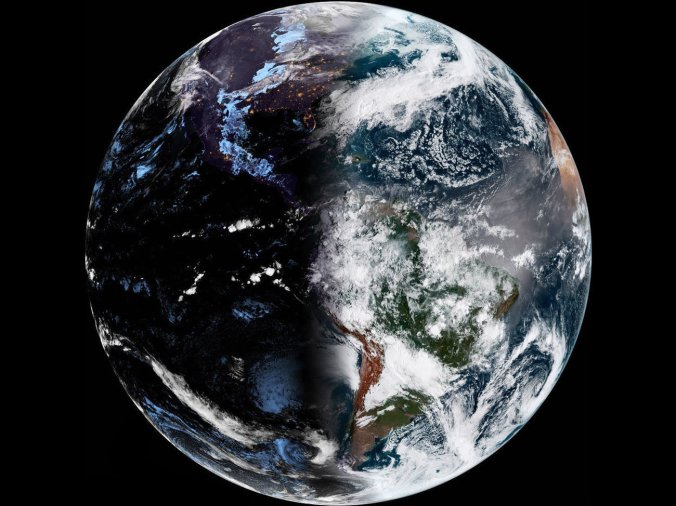
The vernal equinox falls on March 19 nationwide this year. It’s the earliest start to spring since 1896. This photo shows the Earth shortly before the moment of the equinox on March 20, 2019.
GOES-East/NOAA Environmental Visualization Laboratory
It is extra early, which seems none too soon from our point of view:
Spring Starts Today All Over America, Which Is Weird
Spring begins today in America. Good.
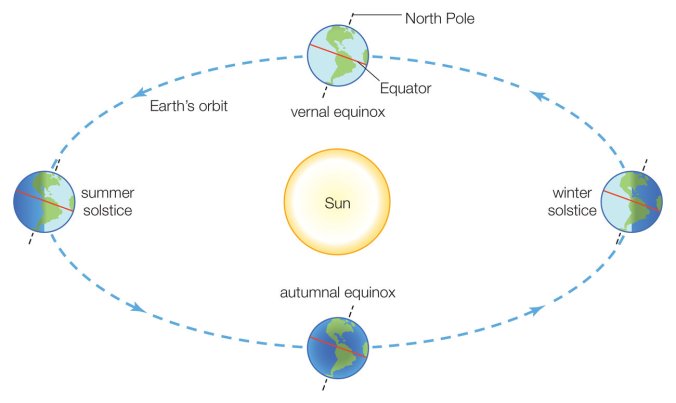
On the equinox, day and night are roughly equal everywhere on Earth. The date varies because the 365-day calendar doesn’t perfectly line up with the motion of the Earth around the Sun. Encyclopaedia Britannica/Universal Images Group via Getty
Perhaps you are mildly surprised to learn that March 19 is the first day of spring. Perhaps you learned as a child that the spring equinox — when day and night are roughly the same length — occurs on either March 20 or March 21.
Indeed, the equinox has historically fallen on one of those dates. This is the first time in 124 years the first day of spring has occurred on March 19 nationwide, irrespective of time zone — even the graphics on the National Weather Service’s website have yet to catch up with the new reality.
So, how did we end up with an extra-early spring? Continue reading
Bird of the Day: Large Ground Finch
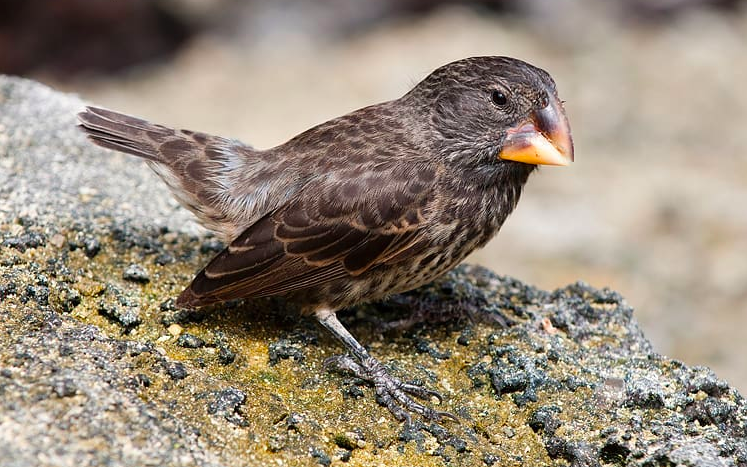
Genovesa, Galapagos Islands
From The Lab Of Ornithology
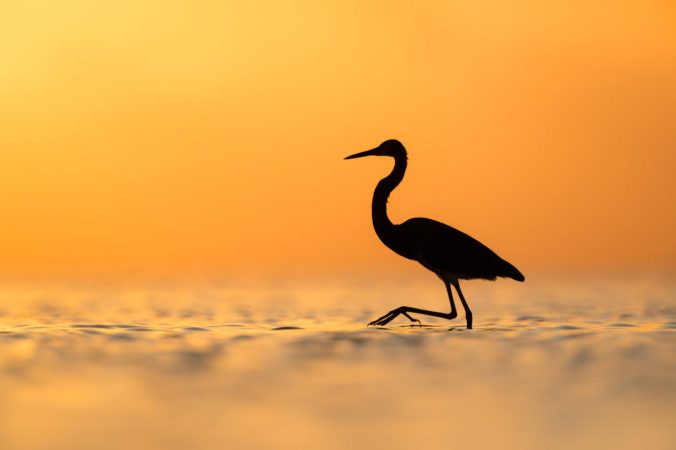
Tricolored Heron by Dorian Anderson/Macaulay Library
Continuing the theme, our thanks to our friends at the Cornell Lab of Ornithology, and especially its director, for this message. It came in an email, but click the image above to go to the Lab’s website where the message continues with the resources you will also find below:
Birds Can Be Beacons of Hope
A Message from Our Director
Dear Friend,
March is normally the month when my wife Molly and I head to central Florida where, every year since 1972, I have studied Florida Scrub-Jays. Things are quite different this year, with the entire world hunkering down for an extended fight against the spread of COVID-19.
Even though I’m sticking close to home for now, I am comforted to know the scrub-jays are there, pairing up under the bright Florida sun, lining new nests with palmetto fibers, unperturbed by the tremendous human ordeal around them.
I often talk about the power of birds, but this year they take on an even more powerful meaning. They enliven our days, brighten the trees, serenade in our backyards and city parks, and bestow us with so much joy and hope, all bundled together in feathers and lively personalities.
Like everyone around the world, we at the Cornell Lab are adjusting to new routines. We’ve also spent recent days scouring our brains and our servers for ways to help—in some small way—people who find their daily lives upended.
If you’re a teacher prepping for a new kind of remote class, we’ll send you ideas. A parent or grandparent whose kids are on an unexpected “spring vacation”? They can play our games and learn. Are you a bird watcher with extra time on your hands—or an inveterate traveler now homebound? We can bring birds and bird song into your home—or let you explore the farthest reaches of the world in sounds and images.
A core part of our mission is to help people celebrate the wonder of birds. We do it because you (and we) love birds, are amazed by their powers, and even gain solace from them and a deep, clean breath of hope.
Together we’ll all get through this. In the meantime, whenever you may need a moment of respite, we invite you to explore, enjoy, wonder, replenish, and spark hope with the resources we have to share.
With my best wishes
John W. Fitzpatrick, Director
Cornell Lab of Ornithology Continue reading
Bird of the Day: Red-rumped Swallow
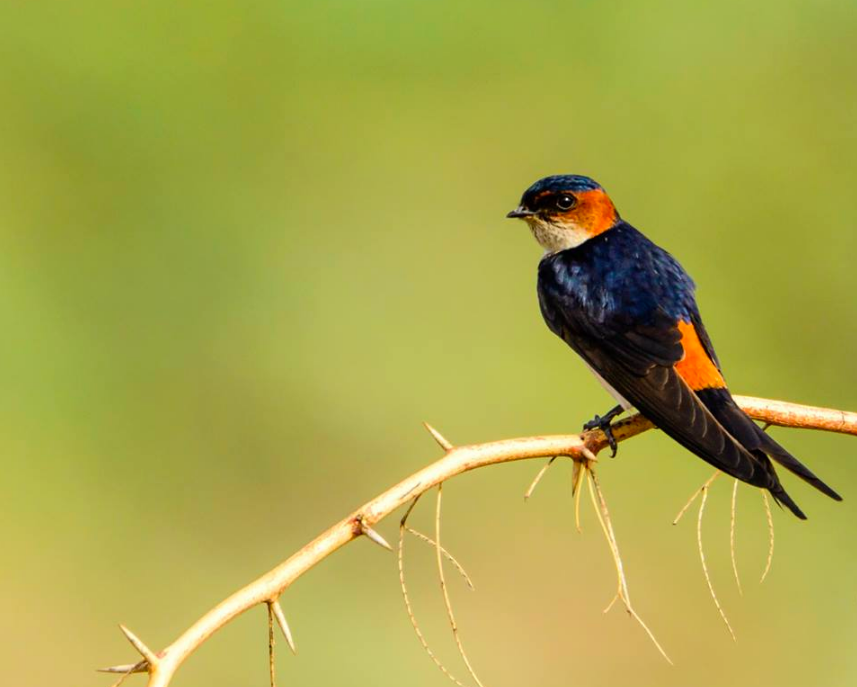
Vijayapura, Karnataka
Bag Snaggers, Inc., We Hardly Knew Thee
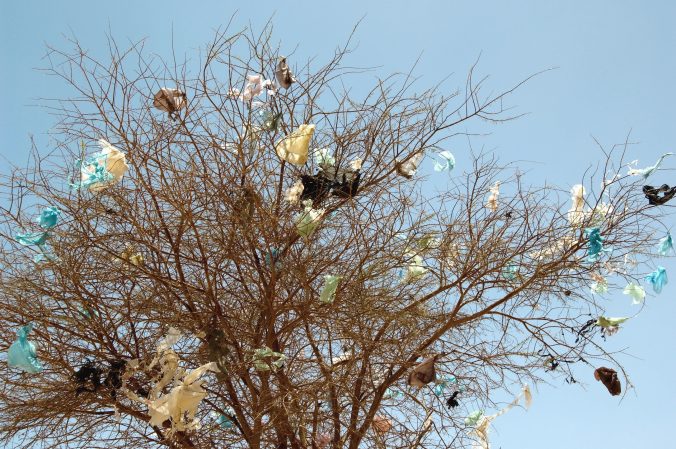
Photograph from Alamy
You can count on these pages continuing to feature these kinds of stories, that remind us of what still can and must be done, or simply provide a daily dose of charm:
My Old Nemesis: Plastic Bags
On Earth Day, 2019, when New York’s Governor, Andrew Cuomo, signed a bill banning single-use plastic bags, he said, “You see plastic bags hanging in trees, blowing down the streets, in landfills, and in our waterways, and there is no doubt they are doing tremendous damage.” It is true that nowadays people do see plastic bags in trees. But they didn’t used to—not because the bags weren’t there but because the people didn’t see them. I believe I am the first person who actually saw bags in trees—that is, noticed them in any official way. Twenty-seven years ago, I wrote a short article for this magazine about plastic bags and other debris in the trees of New York City. Once I started noticing the bags, I couldn’t stop, and I soon passed the affliction on to my friends Bill McClelland and Tim McClelland. Noticing bags in trees changed our lives. Continue reading
Bird of the Day: Rufous-vented Tit
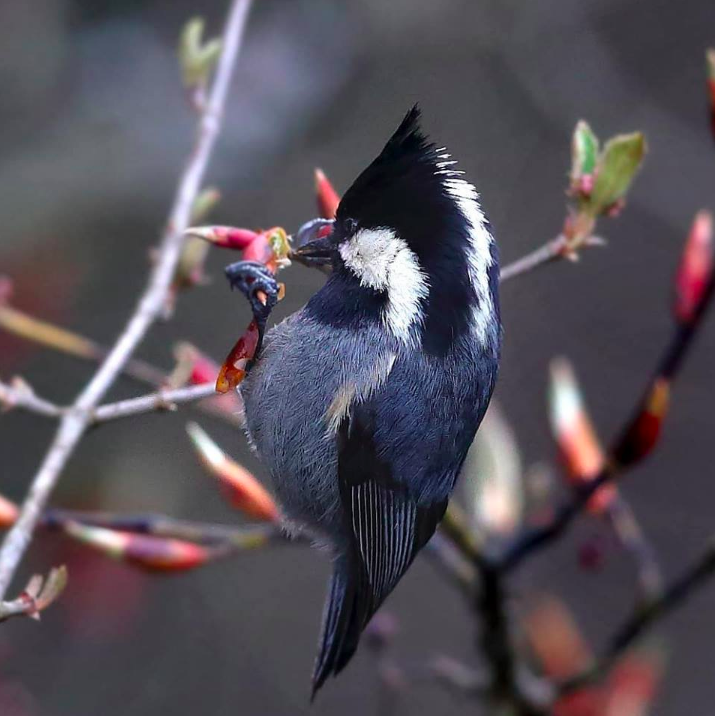
Mandala, Arunachal Pradesh
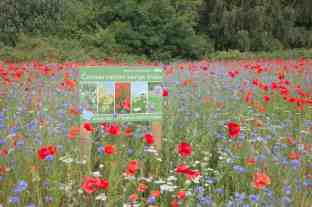
Roadside Wildflowers In The UK
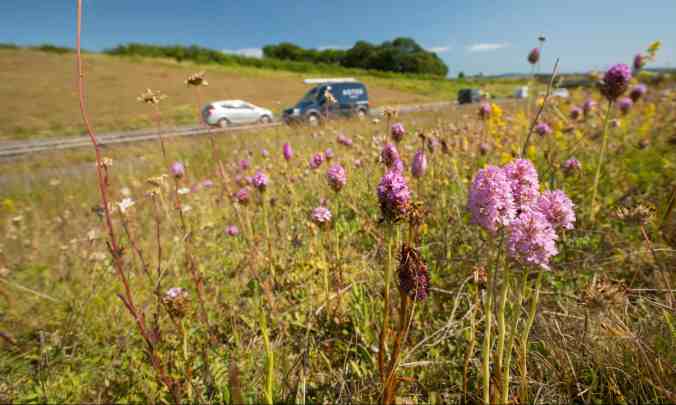
Traffic passing pyramidal orchids and other wildflowers along the A354, near Weymouth, Dorset. Photograph: http://www.pqpictures.co.uk/Alamy
A dose of this kind of news, taken daily, is surely good for mental hygiene:
On the verge: a quiet roadside revolution is boosting wildflowers
Projects to reduce grass cutting and increase the diversity of plants and wildlife along Britain’s roads are having dramatic results
In Sandford, Wareham, wildflowers are part of an initiative to provide an attractive habitat for butterflies and insects, while helping to cut the costs of roadside mowing. Photograph: Eva Worobiec/Alamy
In 2014, Giles Nicholson was battling the growing year from hell. A mild winter followed by a warm, wet spring had turbocharged a ferocious mass of cow parsley, nettles and dense grass along the hundreds of miles of road his team maintains for Dorset council. Austerity meant there was barely enough money to pay for repeated cuttings to hold back the matted swards. Complaints poured in about messy roadsides.
“[The machinery] wouldn’t go through it,” says Nicholson, recalling the overspilling verges. Continue reading
Bird of the Day: Yellow-billed Blue Magpie

Mishmi Hills, Arunachal Pradesh
Coal’s Final Days
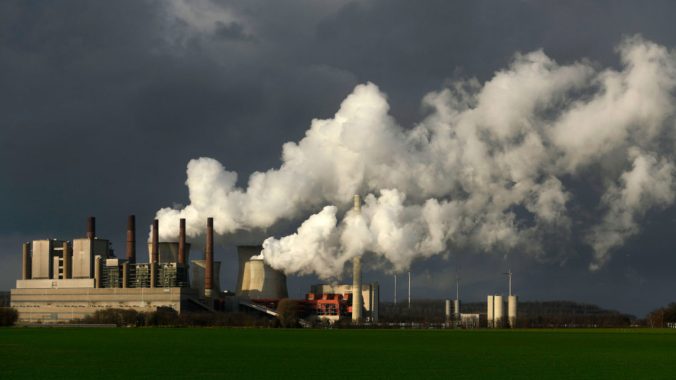
A coal-fired power plant in Neurath, Germany. The country has pledged to phase out coal by 2038. INA FASSBENDER/AFP VIA GETTY IMAGES
Thanks to Fred Pearce, as always for his environmental reporting, and to Yale e360 for this unexpected news that coal is not headed for a renaissance (as some politicians would have us believe):
As Investors and Insurers Back Away, the Economics of Coal Turn Toxic
Coal is declining sharply, as financiers and insurance companies abandon the industry in the face of shrinking demand, pressure from climate campaigners, and competition from cleaner fuels. After years of its predicted demise, the world’s dirtiest fossil fuel may finally be on the way out.
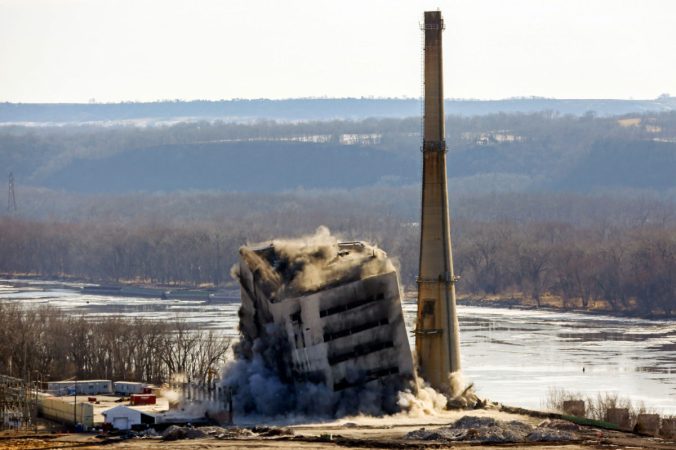
Demolition of the coal-fired Nelson Dewey Generating Station in Cassville, Wisconsin in December 2017. The power plant closed in 2015. NICKI KOHL/TELEGRAPH HERALD VIA AP
Any day now, New York State will be coal-free. Its last coal-fired power station, at Somerset on the southern shore of Lake Ontario, will shut for good as the winter ends. Remember when Donald Trump promised to bring back coal? Well, three years on, coal’s decline is accelerating — in the United States and worldwide. Continue reading
Bird of the Day: Black-and-white Warbler
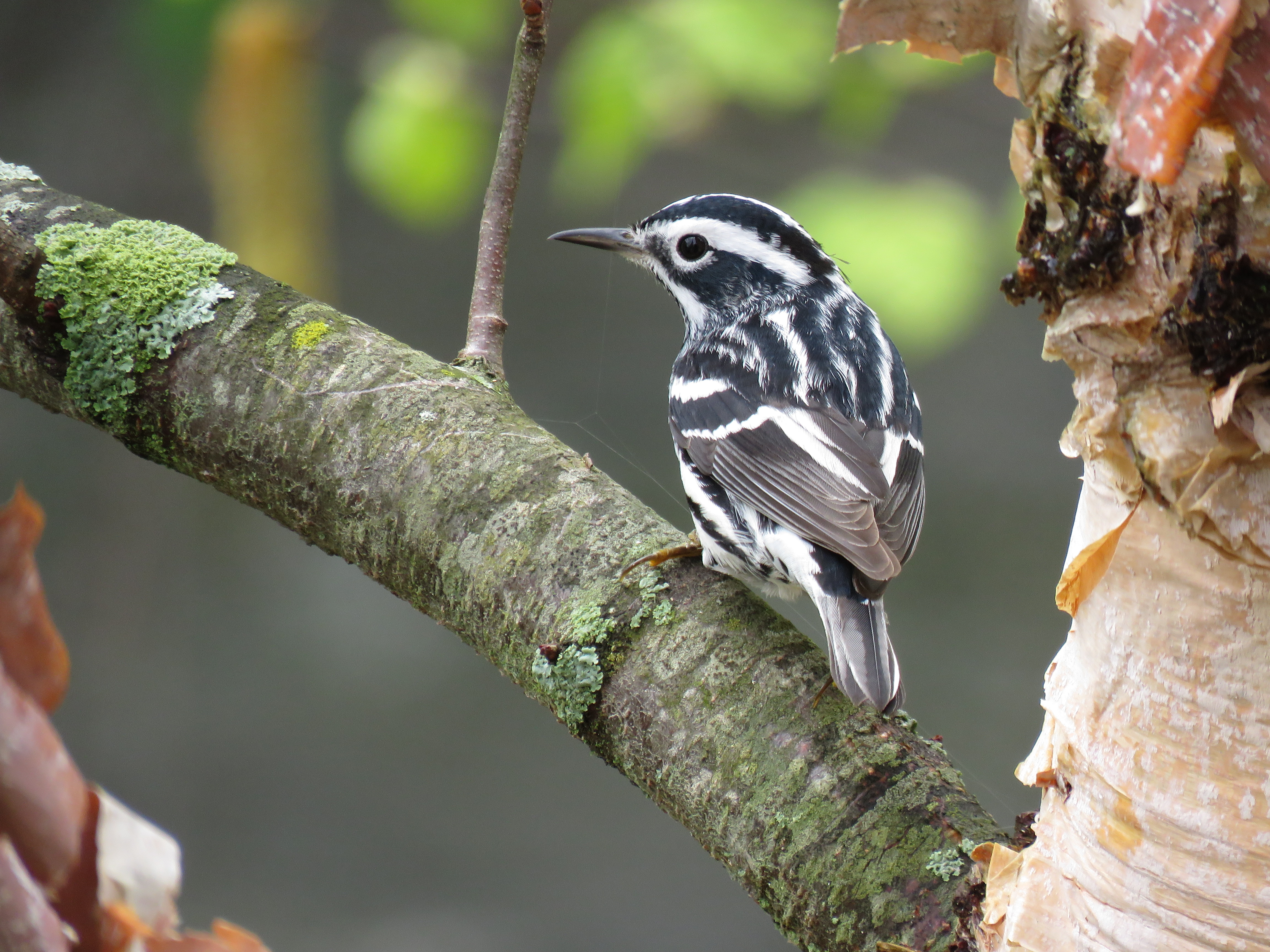
New Haven, Connecticut
Darn Charm
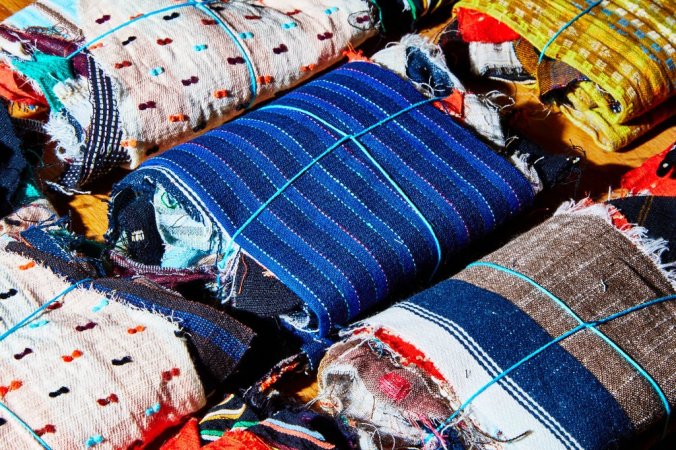
Amy Lombard for The New York Times
Thanks to Steven Kurutz, whose first two appearances in our pages (6 and 4 years ago, respectively) prepared us well for this charming news:
Now Is When We All Learn to Darn Our Socks Again
“Visible mending” has been taken up by those who want to protest fast fashion and disposable culture. It’s also thrifty.
Amy Lombard for The New York Times
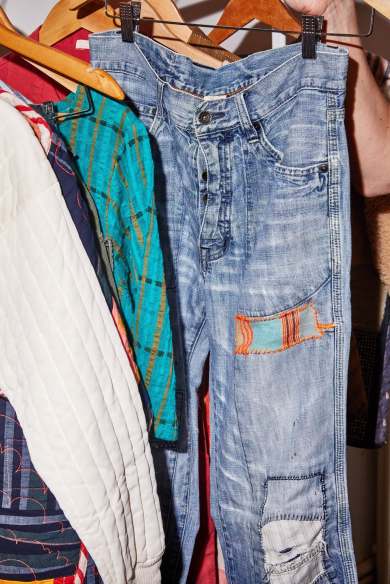
Only a few generations ago, socks were routinely darned, sweaters mended and pants patched. You could buy a sewing kit at any drugstore. Knowing how to use it was a mark of good housekeeping.
Kate Sekules, 58, remembers that world, in which the act of repairing clothes was integral to wearing them. “My mother was a dressmaker to the end of her life,” said Ms. Sekules, who grew up in England. “My mother just mended as a matter of course.”
Ms. Sekules has kept up that thrifty tradition. She started one of the earliest secondhand online clothing exchanges, Refashioner. She buys all of her clothes vintage and mends them all, including her husband’s moth-eaten sweaters. Continue reading
Bird of the Day: Green-crowned Brilliant – male
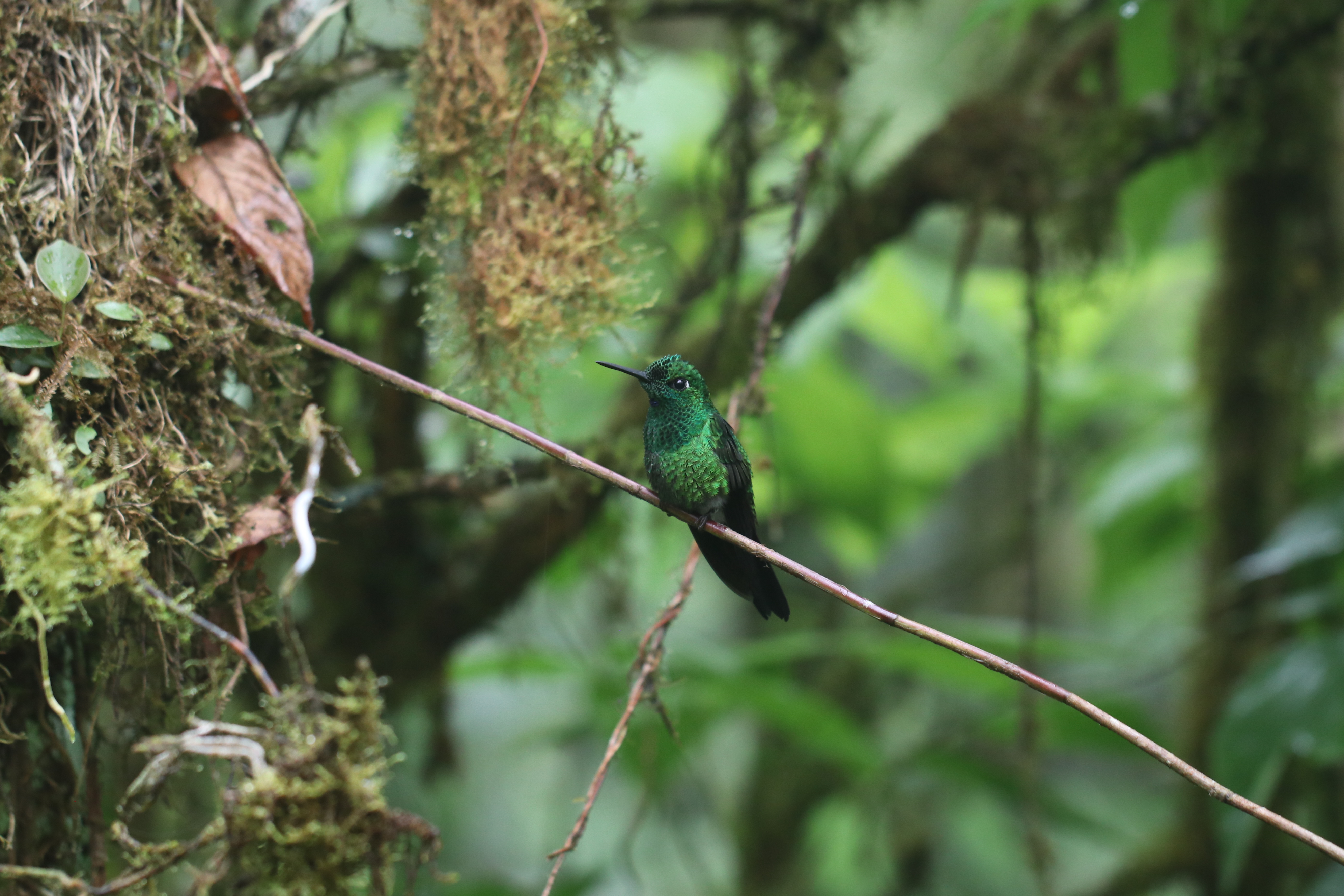
Photo credit: Stephen Crafts
Nectandra Cloud Forest Reserve, Costa Rica
Solar Canoe As Protest

Sunkirum, one of the solar-powered canoes, sails on the Pastaza river. Photograph: Pablo Albarenga
Thanks to the Guardian, and specifically to Francesc Badia i Dalmases in Kapawi, Ecuador, for this story:
Here comes the sun canoe, as Amazonians take on Big Oil
Ecuadorian indigenous groups hope innovation will reduce amount of oil taken from forest only to be brought back as pollution
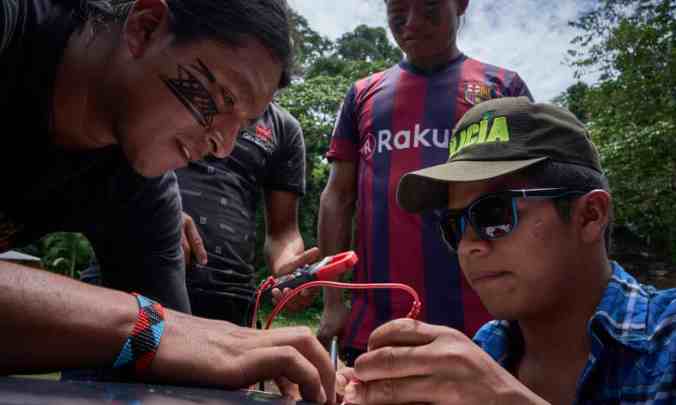
Nantu and his colleagues check the state of a canoe’s solar panels. Photograph: Pablo Albarenga
A canoe slides noiselessly upstream through a landscape of luminous bright clouds reflected in the water. A team of young indigenous people are onboard.
Such vessels are an essential and ubiquitous part of life in the Ecuadorian Amazon, but this one boasts a hugely symbolic difference from its predecessors. It is powered by the sun.
The nine members of the Achuar indigenous group on board are returning home after learning about solar power and installation. It is a technological development they hope to use in their battle with a more traditional power source that threatens their very existence. Oil. Continue reading
Bird of the Day: Green-crowned Brilliant – female

Photo Credit: Stephen Crafts
Nectandra Cloud Forest Reserve, Costa Rica
A Bright Spot On The Horizon
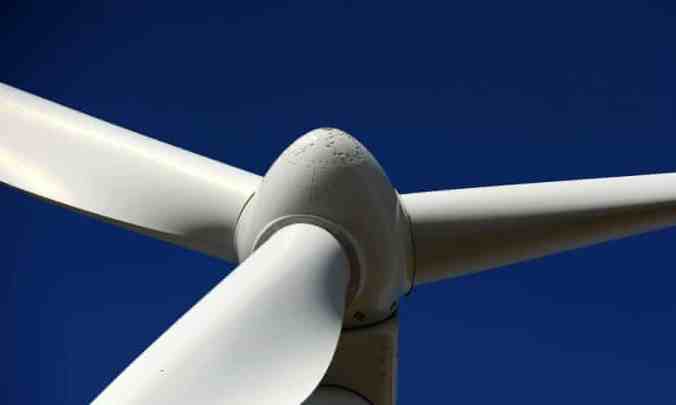
Some times those bright spots on the horizon are more welcome than they might merit, and today we will take what we can get:
Wind and solar plants will soon be cheaper than coal in all big markets around world, analysis finds
Report raises fresh doubt about viability of Australia’s thermal coal export industry
Building new wind and solar plants will soon be cheaper in every major market across the globe than running existing coal-fired power stations, according to a new report that raises fresh doubt about the medium-term viability of Australia’s $26bn thermal coal export industry. Continue reading
Bird of the Day: Whiskered Yuhina
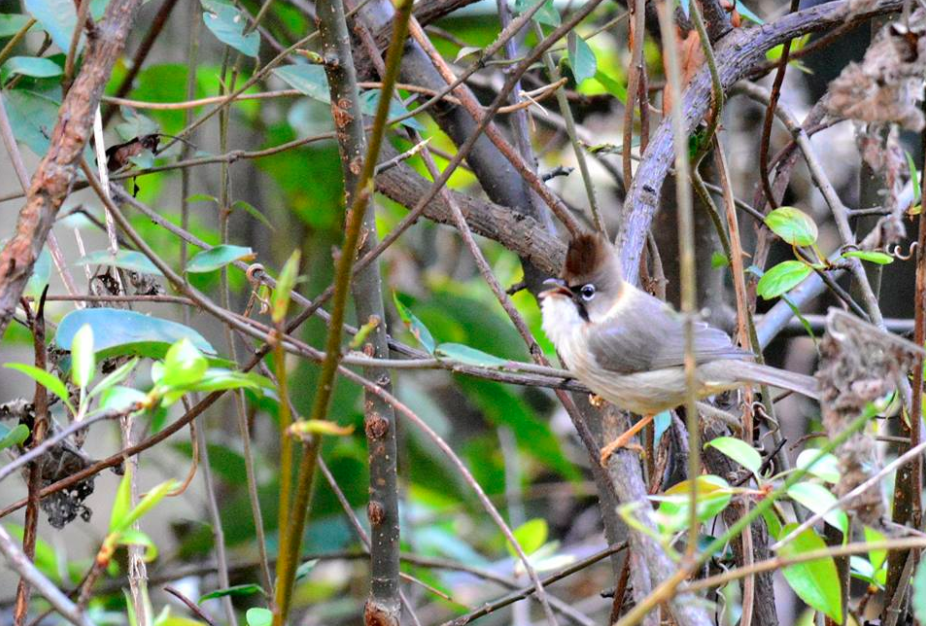
Uttarakhand
Salmon & Earth’s Fate
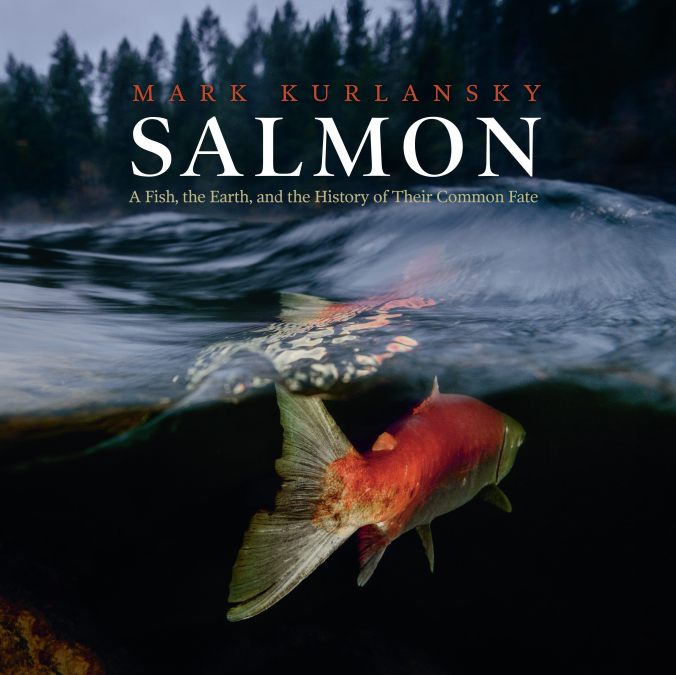
Mark Kurlansky first came to my attention thanks to Seth, whose post I riffed on. Then Seth pointed this out, and I have been on the lookout ever since. And today I was rewarded when listening to the author discuss his new book. Click any image below to go to that interview.
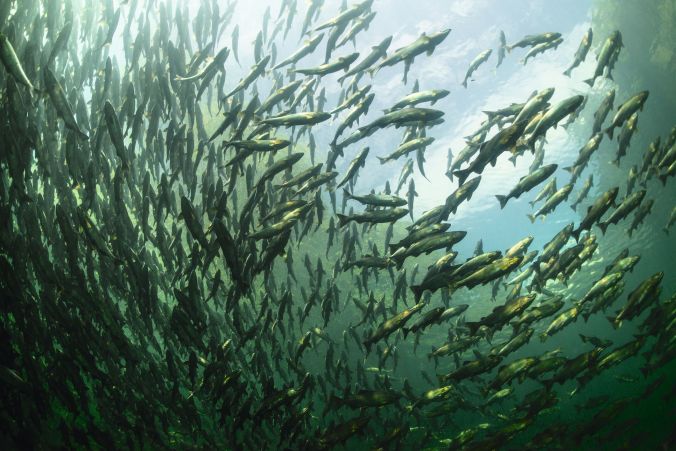 Pink salmon school in the deep pools of the Campbell River, before venturing farther upstream to the spawning beds. British Columbia. (Credit: Tavish Campbell) Continue reading
Bird of the Day: Hispaniolan Woodpecker
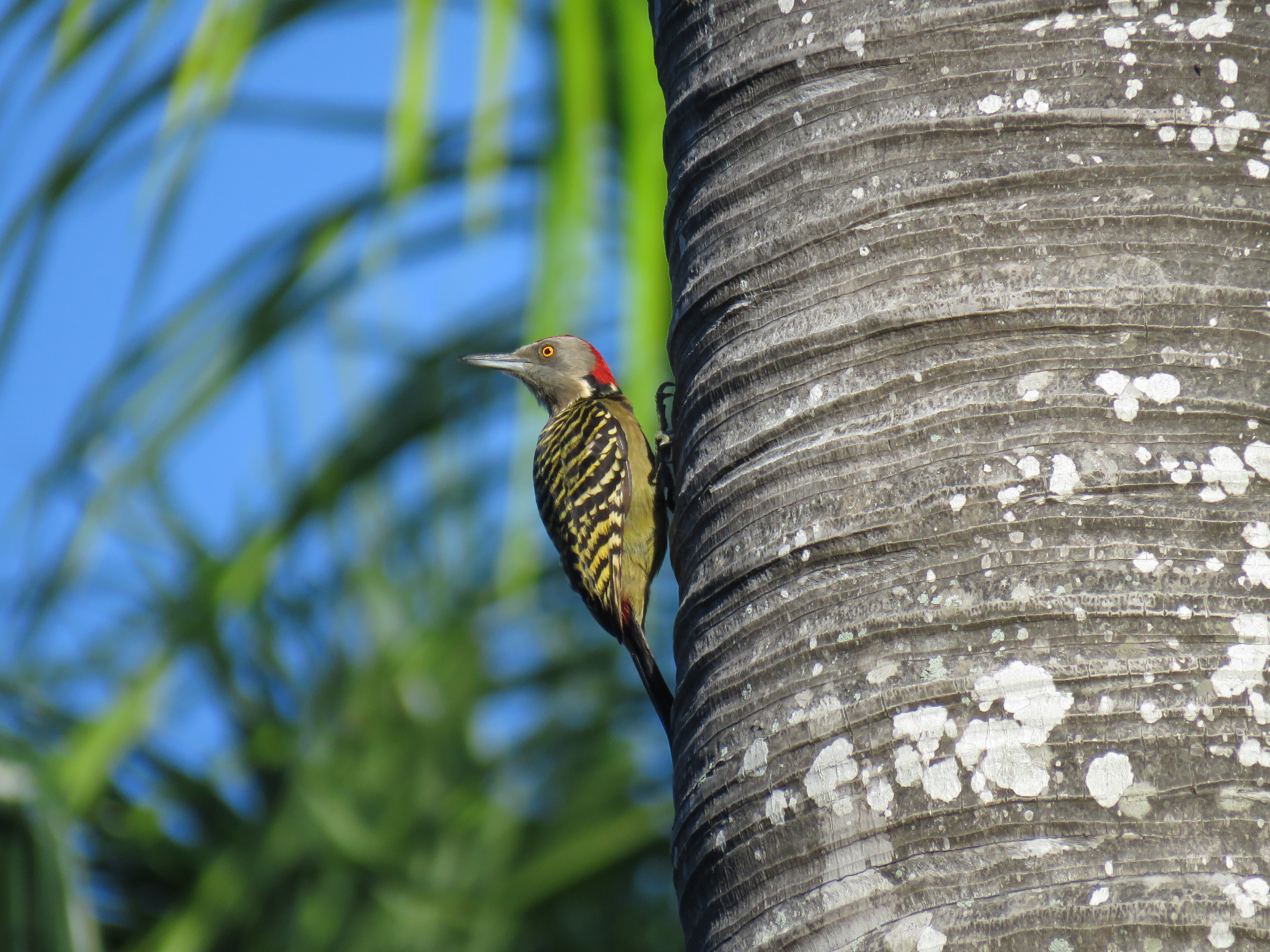
Las Terrenas, Dominican Republic
Let Rem Koolhaas Take Your Mind Off Other Things
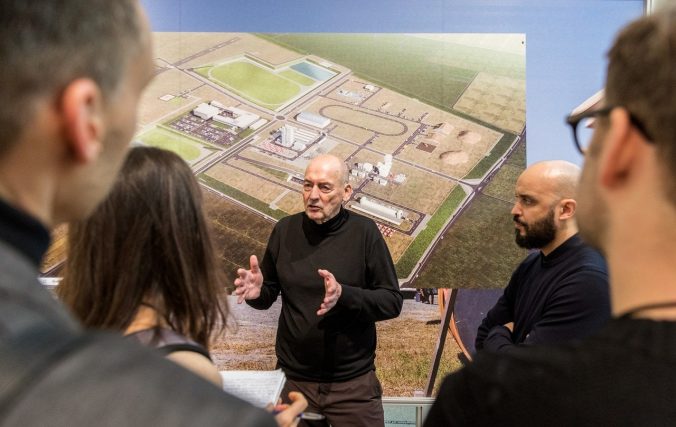
Rem Koolhaas’s new show tells a story that stretches from ancient Rome and China to the environmental, existential crisis of the present. Photograph by Laurian Ghinitoiu / Courtesy AMO
Thanks to Carolyn Kormann for the welcome distraction:
Rem Koolhaas’s Journey to the Countryside
One morning last week, the Dutch architect Rem Koolhaas was slowly turning in place in the center of the Guggenheim Museum’s rotunda, his face tilted up toward the sun-flooded glass roof. Suspended above his bald head was a miniature yellow submarine with a long needle at one end, like a bayonet. The device, Koolhaas explained, was something Australians developed to exterminate starfish. “Because of global warming, they are proliferating to the extent that they need to be killed, to protect the great barrier reef,” Koolhaas said. “The sub injects them with poison.” He smiled slyly. “Organic poison.” Continue reading
 Organikos