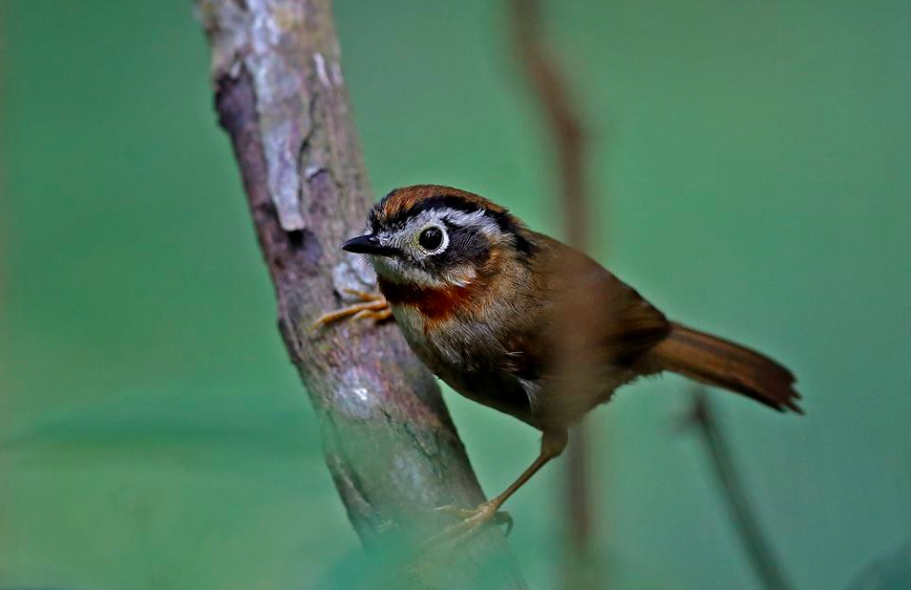
Dehing Patkai Wildlife Sanctuary, Assam
Dehing Patkai Wildlife Sanctuary, Assam
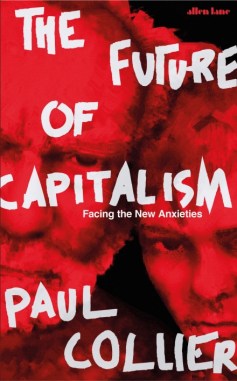 I have a few more books, in addition to this history, on my reading list. Reihan Salam, the executive editor of National Review, provides this preview of the Oxford economist Paul Collier‘s new book:
You might expect that Paul Collier, a noted development economist at Oxford who has devoted most of his professional life to the uplift of the global poor, would see himself as a “citizen of the world.” But that’s not quite right. Collier grew up in Sheffield, a once-flourishing English steel town that provided working-class families like his own with a modicum of prosperity and stability, and that has since struggled in the face of import competition and the loss of many of its most ambitious citizens to London and other dynamic cities. He attributes his prodigious accomplishments in no small part to the cooperative character of the community, and the nation, in which he was raised.
National loyalty, far from being inimical to a more just and decent world in which all, including the world’s poorest, can flourish, is seen by Collier as a firmer foundation for global cooperation than abstract cosmopolitanism, which all too often serves as a mask for unenlightened self-interest. The question animating his small but wide-ranging book “The Future of Capitalism” is whether the sense of rootedness that so defined the Britain of his youth can be restored…
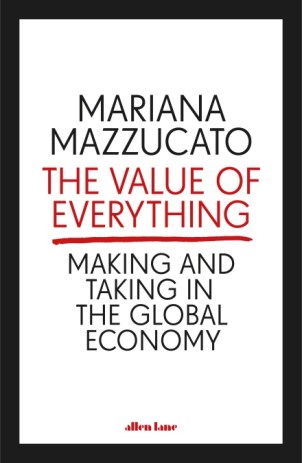 Read the whole review here. My second encounter with Paul Collier was this panel discussion on Intelligence Squared. The way in which the world’s developing economies view capitalism is as important as the current changes in how mature developed economies view capitalism. For that reason I am also looking forward to Mariana Mazzucato’s most recent book, to the right. Surprisingly I had never heard of her before listening to her muse about various influences in her life that led to her distinct voice on how value is created by societies. Her self-introduction makes me wonder how she did not show up in our pages previously:
I’m a Professor in the Economics of Innovation and Public Value at University College London (UCL), and Director of UCL’s Institute for Innovation and Public Purpose . My work is focused on the economics of innovation; patient finance; economic growth and the role of the State in modern capitalism. I advise policy makers around the world on how to achieve economic growth that is more innovation-led, inclusive and sustainable. My 2013 book, The Entrepreneurial State: debunking public vs. private sector myths, looks at the ‘investor of first resort’ role that the State has played in the history of technological change — from the Internet, to biotech and clean-tech — and the implications for future innovation and for achieving public-private partnerships that are more symbiotic. In 2016 I co-edited a book called Rethinking Capitalism: Economics and Policy for Sustainable and Inclusive Growth focusing on the need for new economic thinking to drive more effective economic policies. My new book The Value of Everything, available in UK and US edition, looks at the need to revisit the difference between value creation and value extraction, and the problems that arise when one is confused with the other.
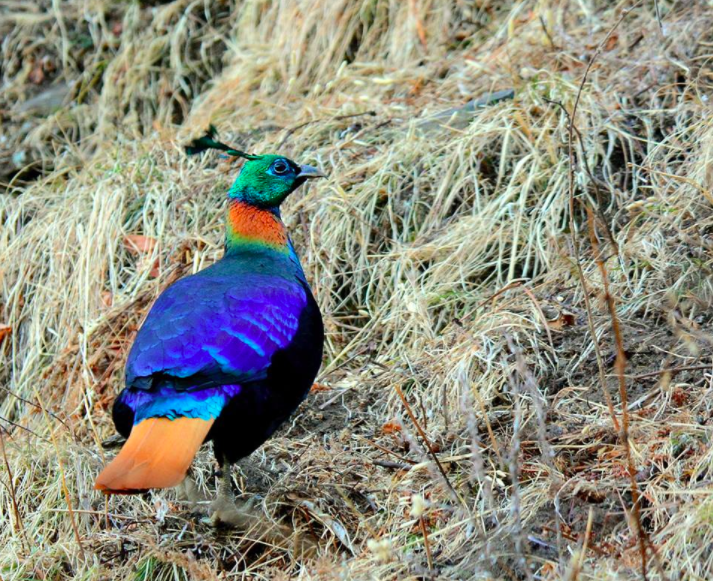
Chopta, Uttarakhand
This is the kind of story that displays the odd new reality of what can count for optimism–finding intriguing solutions for mankind’s self-inflicted catastrophes. From Anthropocene:

Amphibious Architecture
Float when it floods
By Emily Anthes
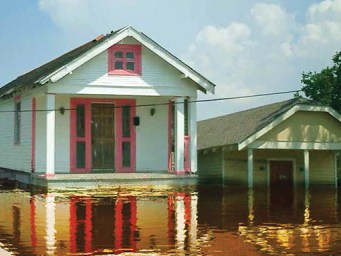
Amphibious structures are not static; they respond to floods like ships to a rising tide, floating on the water’s surface.
Last June, not long after a catastrophic thunderstorm swept through southern Ontario, bringing a month’s worth of rain in just a few hours, a group of 75 architects, engineers, and policymakers from 16 countries gathered in the city of Waterloo to discuss how humanity will cope with its waterlogged future. The timing of the conference was a fitting meteorological coincidence; in a world increasingly transformed by climate change, heavy rains and major floods are becoming more common, at least in some areas. In the summer of 2017 alone, Hurricane Harvey dumped more than 50 inches of rain over Texas; a monster monsoon season damaged more than 800,000 homes in India; and flash floods and mudslides claimed at least 500 lives in Sierra Leone. In the past two decades, the world’s ten worst floods have done more than a 165 billion dollars’ worth of damage and driven more than a billion people from their homes. Continue reading
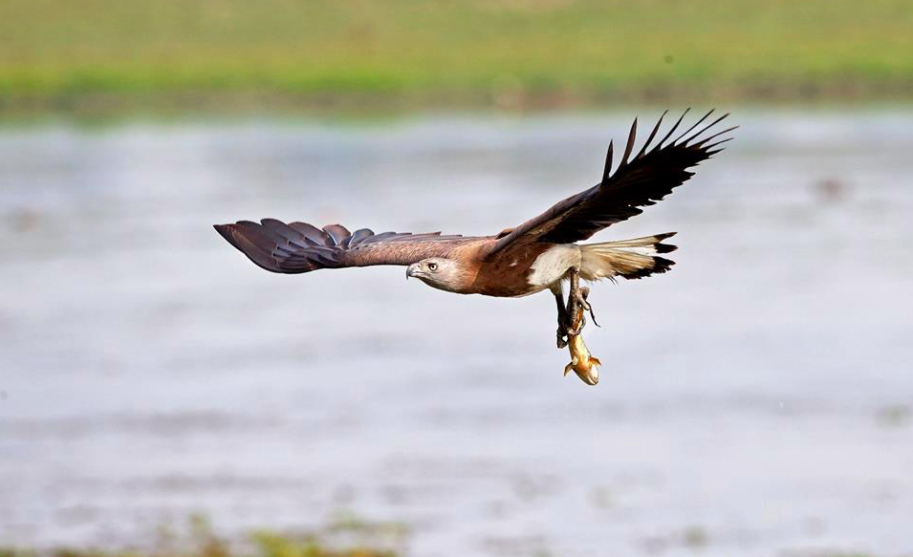
Kaziranga National Park, Assam
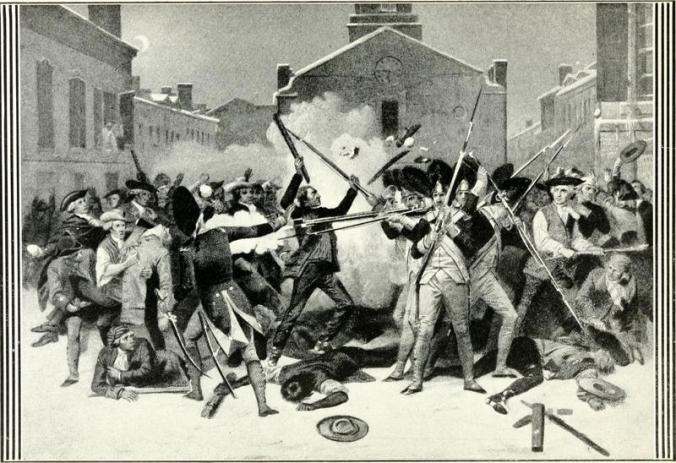
Jill Lepore is a New Yorker staff writer and a historian at Harvard University. She tells David Remnick that her new book is the result of a dare: to tell—or even to understand—the story of this country, from the Age of Discovery through the present day, in one volume. In “These Truths,” Lepore surveys six-hundred-odd years of American history, paying particular attention to themes of immigration, suffrage, and how the media has shaped our democracy. Above all, Lepore grapples with whether the United States has lived up to the promises of its founding. She finds an America alternately fearful of change and fearful of stagnation, trapped between idealizing the past and hoping for a better future. The journey toward progress, Leporesays, is less a march than a stumble.
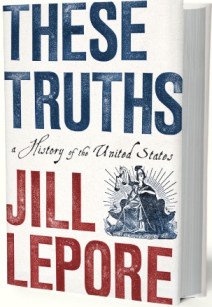
I have listened to several interviews that Jill Lepore has given during her promotional tour of her new book, such as the one above (click the top image to go to the source). Today I listened to this one, and it has convinced me that this is one of the books I should take the time to read to put the country of my birth, and the country that many people regardless of birthplace are currently confused by, back in some kind of perspective.
We mostly avoid political commentary on this platform but it is impossible to pretend that the USA or Brazil, or the world as a whole are moving forward or in a good direction. My point of view on the state of governance is mainly one of surprise and confusion–how did we get so reactionary so quickly, and where will that lead us?
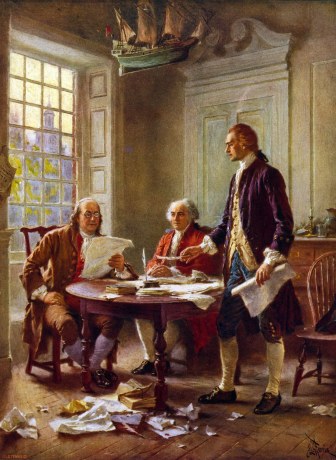
Photograph from Universal History Archive / UIG / Getty
I had already listened to this short discussion of the ideas in this book several months ago. It was interesting but had almost zero impact. On the best of days recently I tell myself that if such a shocking mess is possible, then it should also be possible to imagine and move toward a radically superior future. And that always feels Panglossian. But with a few hundred years of history in mind, Jill Lepore gets me thinking that maybe I can see these times for what they are–not good, nor headed anywhere good–but also see that the cycles of history have had us in at least equally trying times, many times in the past. Ezra Klein has one of the best podcasts out there, and this episode proves it to me:
Jill Lepore is a Harvard historian, a New Yorker contributor, and the author of These Truths, a dazzling one-volume synthesis of American history. She’s the kind of history teacher everyone wishes they’d had, able to effortlessly connect the events and themes of American history to make sense of our past and clarify our present.
“The American Revolution did not begin in 1775 and it didn’t end when the war was over,” Lepore writes. This is a conversation about those revolutions. But more than that, it’s a conversation about who we are as a country, and how that self-definition is always contested and constantly in flux. Continue reading
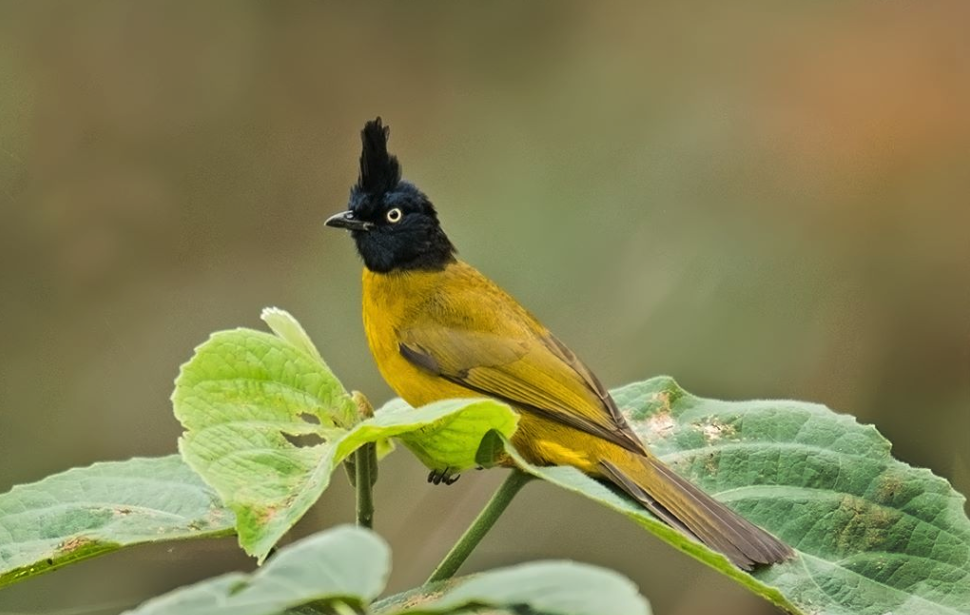
Mahananda Wildlife Sanctuary, West Bengal
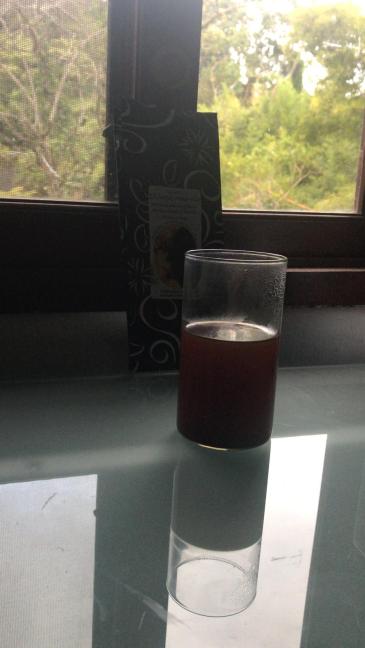 Yesterday’s coffee sample from the Brunca region got us thinking about our interest in foods and beverages that represent the taste of a place we have gotten to know through our work. Today I am sampling a friend’s coffee grown a few hundred meters away from where I sit typing this.
It is an arabica varietal, known as Castillo, that has resisted the rust plaguing Central American highland coffee farms. And this glass of freshly brewed Castillo makes me realize that Authentica is also an outgrowth of the much broader array of work that led to our original interest in taste of place.
In 1995 I gave a lecture based on some ideas that came out of my doctoral dissertation, ideas which I now simply refer to as entrepreneurial conservation. Costa Rica had recently committed to the then-new sustainable development model. I made sure that the ideas from my dissertation could be clearly understood within Costa Rica’s framework. Based on the lecture he received an offer to lead an initiative, based in Costa Rica and serving the countries of Central America, that would facilitate the adoption of sustainable tourism development strategies in the region.

In 1996, tourism was limited in Costa Rica but there was enough of an industry to analyze its component parts. This highlighted pre-existing strengths on which to build a national tourism strategy. One of those components was handicrafts. We have not gone back to look at the findings, but memory tells us that handicrafts were a small but thriving sub-sector of tourism, and some of it was spectacular. The bowl to the left was the first we had seen made of the local wood called cocobolo.
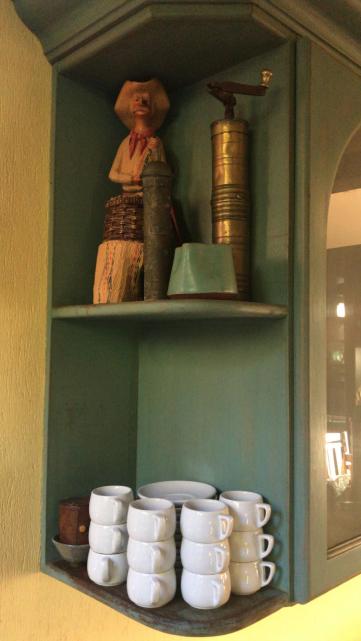 In the 2+ decades since that analysis, times have been difficult for the artisans of Costa Rica even as the tourism sector as a whole has grown dramatically. It is enough to say that something must be done in Costa Rica to valorize the artisans who have been able to hang on, and to likewise showcase the remarkable renaissance of artesania in this amazing country. The campesino in the photo to the right is from an artisan who carves coffee wood, with coffee farmers his primary subject. We received that carving as a gift in 1998 and we recently met the artisan who made it. He has managed to hang on.
On that same shelf is a small ceramic pitcher made by an artist of the next generation, who is a perfect representative of the renaissance we see, now that we are visiting Costa Rica after many years living in other parts of the world. A platform is needed to share these things that we see and love about Costa Rica, things which we believe represent this place well, and put them in a place where they can be purchased, in order to valorize the artistry and craftsmanship.
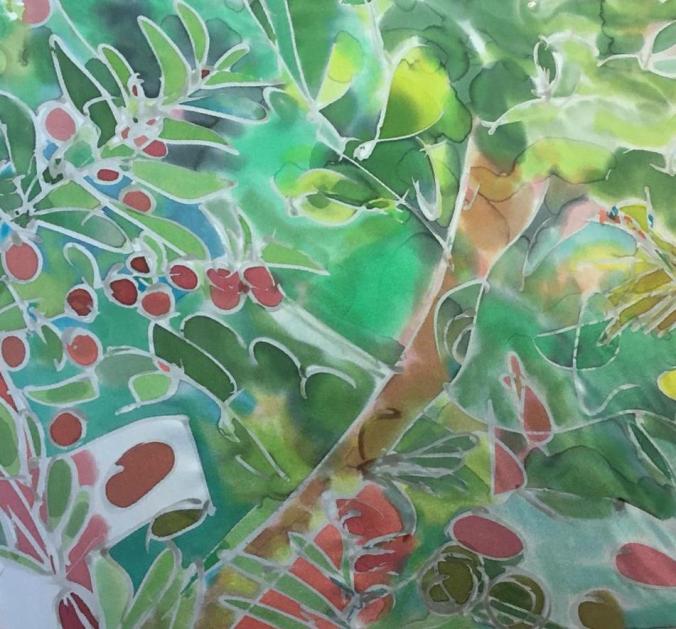
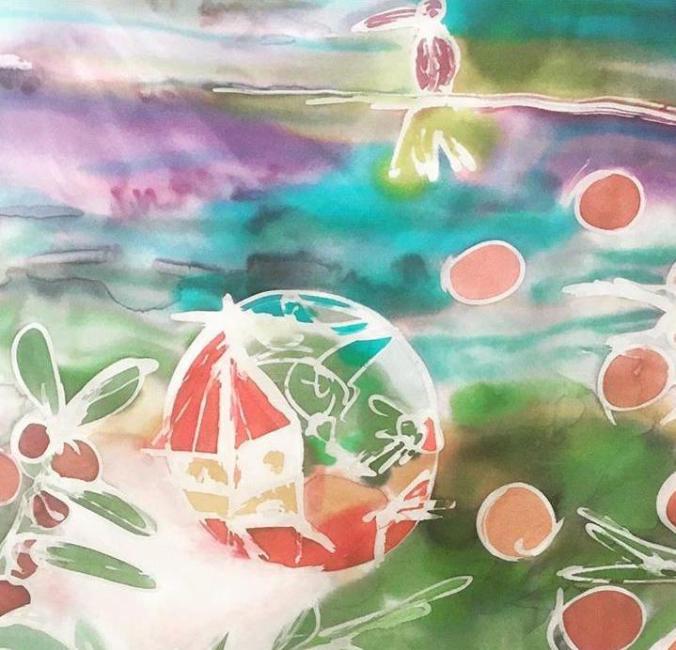
Above is a hand-painted silk scarf made by a local artist whose life on a coffee farm inspired this particular image, and the one below. We will be more specific about these and other artists in future posts. For now it is just enough to say that we believe in local artists, artisans, farmers, roasters, chocolatiers enough that we have formed Authentica as a marketplace for their products, to be sold mostly to visitors who want to take home with them a sense of the place they have visited.

Walong, Arunachal Pradesh
 The new morning, the first of the new year, started just like any other. Coffee. But a theme related to looking forward was set in motion yesterday, and so it was time to taste this new coffee. Drinking mostly coffees from the Tarrazu region for all of 2018, today’s coffee is from the Brunca region.
 It is organic, washed (as opposed to natural process, or anaerobic or other new fangled methods) and medium-roasted. I use a nondescript filter brew machine, and I grind the beans slightly on the coarse side. Maybe I just woke up ready to enjoy the new year, but this tastes like one of the best new coffees I have sampled in the past 12 months. I have lost track of the count, but I have tasted several dozen varietals. This one stands out, perfect for my palate. The fact that it is organic, selected and roasted by friends for their own cafe, makes me think that we will have more of it before too long.
When we moved to Kerala, India in 2010 our flight was the day after Seth began college. We had an implicit goal of offering Milo two years of something different prior to his 18th birthday. Dates of transition, like the first of a new year, are obviously no different from other days, but they can punctuate time with reflective review and reflexive preparation. 2019 will be a transition year. When we left India in 2017 it was without a clue of what we would do next, except our goal was to return to Costa Rica and start something that builds on our work while allowing us to learn something new. Here we go.
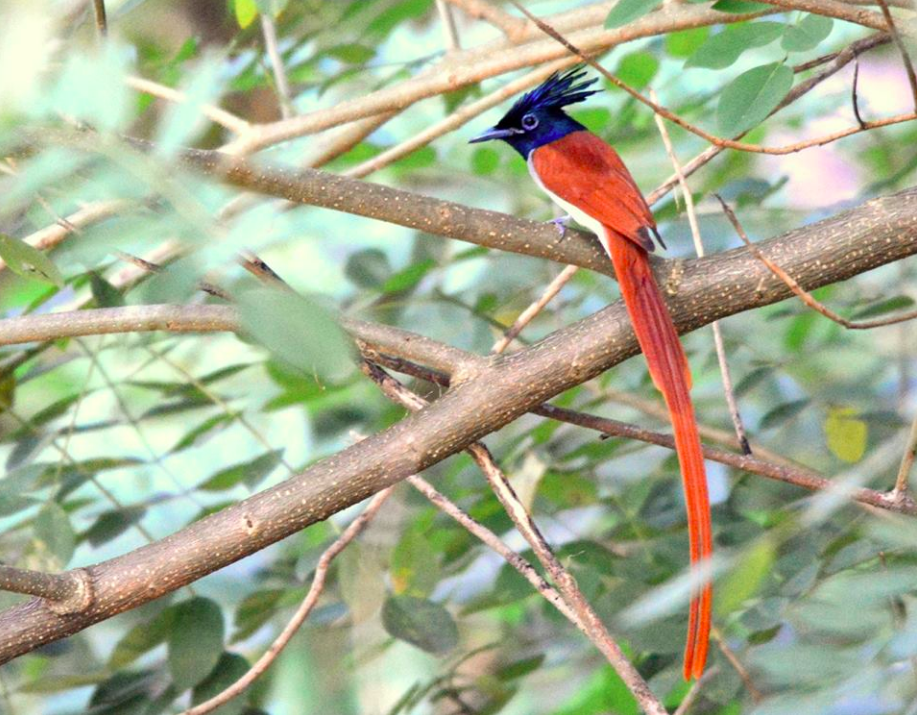
male – Kalamassery, Kerala
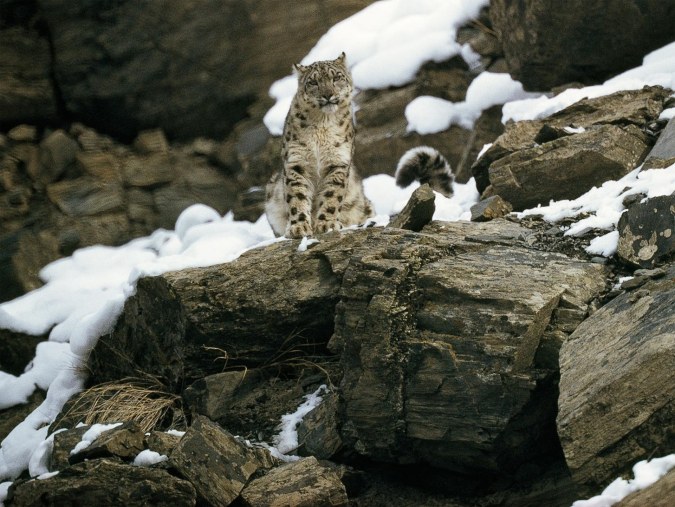
The zoologist George Schaller, whom Matthiessen accompanied to the Himalayas, says that, forty years after “The Snow Leopard” ’s publication, the animal has grown only slightly less mysterious. Photograph by George Schaller
 When I see the name Peter Matthiessen the first thing I think of is a recording of his voice on my telephone ten years ago. I knew he would be passing nearby and had invited him to see what we were doing in Patagonia. His message was a very warm decline of the invitation.
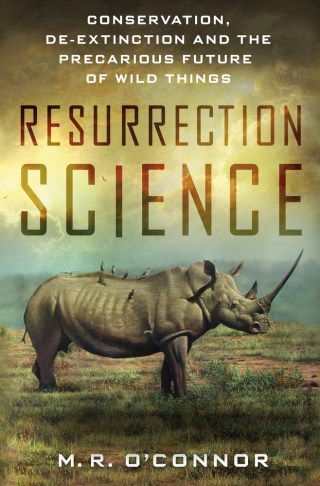
In addition to triggering that memory, M.R. O’Connor’s essay below reminds me that my family’s subscription to the New Yorker began in 1978, possibly with the late March issue in which Peter Matthiessen’s article about the snow leopard appeared. I can trace my interest in conservation back to that, and perhaps this accounts for why that magazine has been arriving weekly for me in the mail ever since. In the meantime this interest has exposed me to books like the one to the right. Which is as good a reason as anyway to make this link the 2018 coda (for me) on this platform:
In the autumn of 1973, the naturalist and writer Peter Matthiessen and the zoologist George Schaller set out on a gruelling trek into the Himalayas. They were headed toward the Dolpo region of the Tibetan plateau. Schaller wanted to study Himalayan blue sheep; Matthiessen hoped to see a snow leopard—a large, majestic cat with fur the color of smoke. Snow leopards, which belong to the genus Panthera, inhabit some of the highest mountain ranges in the world, and their camouflage is so perfectly tuned that they appear ethereal, as though made from storm clouds. Two of them feature on the Tibetan flag of independence, representing harmony between the temporal and spiritual planes.
For Matthiessen, a serious student of Zen Buddhism, the expedition wasn’t strictly scientific. It was also a pilgrimage during which he would seek to break “the burdensome armor of the ego,” perceiving his “true nature.” After it was published, in 1978—first, in part, in The New Yorker, then as a book—“The Snow Leopard,” his account of the trip, won two National Book Awards, becoming both a naturalist and a spiritual classic. It overflows with crystalline descriptions of animals and mountains: “The golden birds fall from the morning sun like blowing sparks that drop away and are extinguished in the dark,” Matthiessen writes. But it’s also an austere Buddhist memoir in which the snow leopard is as alluring and mysterious as enlightenment itself. Continue reading

Walong, Arunachal Pradesh
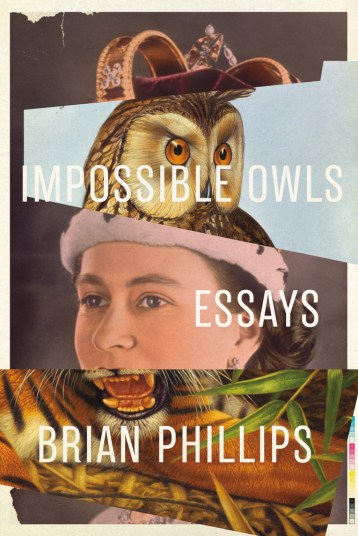 Brian Phillips has not featured once in our pages until now, nor has The Ringer. If you read his essay below, featured also in the book to the right, the fit with our platform here is clear. Strange, though; I would not have expected to see it featured on a website that looks to be mostly focused on sports.
But it is a welcome surprise. It serves as another welcome reminder of some of the highlights of our years in India. And it provides a reason to track the author. The blurb the publisher chose to accompany the book (click the image to the right) is telling: “…Dogged, self-aware, and radiating a contagious enthusiasm for his subjects, Phillips is an exhilarating guide to the confusion and wonder of the world today. If John Jeremiah Sullivan’s Pulphead was the last great collection of New Journalism from the print era, Impossible Owls is the first of the digital age.”
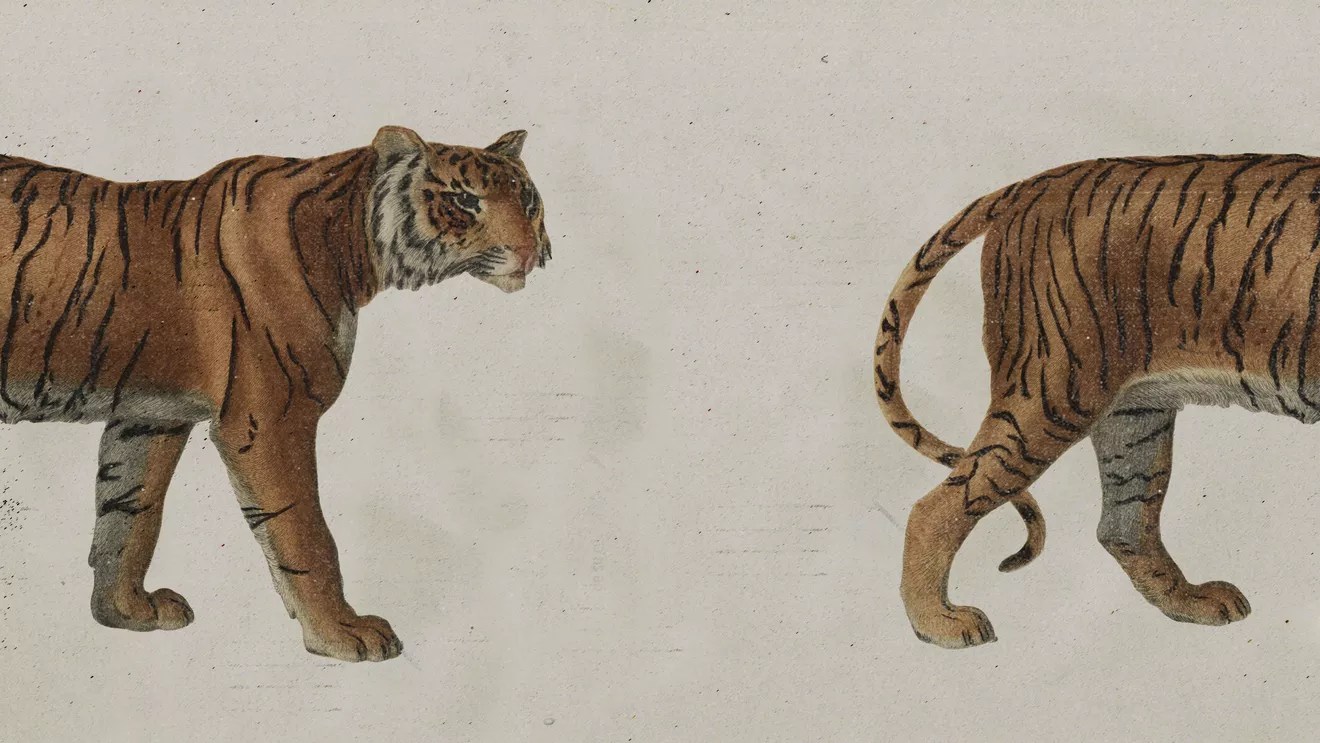
Getty Images/Ringer illustration
Man-eaters
1
Of the twelve tigers I saw in India, one might have been a ghost; two were in water, eight were on land, and one was sleeping in a tree. One stepped out of high grass, crossed the road in front of me, and disappeared into grass on the other side. One walked along a low ridge on the edge of a different road, oblivious or indifferent to the tourists taking her photograph. One looked out from a cover of branches and red leaves, so perfectly concealed that from thirty feet away he kept stereoscoping in and out of sight. Three were cubs, just four or five months old. Three were juveniles, aged around one year. The rest were fully grown. All were tired, because the days were hot, and because the days were dry they moved and breathed and slept in a film of clay-colored dust. Continue reading
Mpala Research Center, Kenya
Lilli Carré
Fungi first appeared in our pages thanks to Milo. And the name of the essayist below was mentioned a couple times earlier as well. He deserves more attention, especially if his attention is focused on bees:
Will Mushrooms Be Magic for Threatened Bees?
We might be able to save honeybees from viruses transmitted by invasive parasites without chemical treatment.
By Paul Stamets
Mr. Stamets is a mycologist.
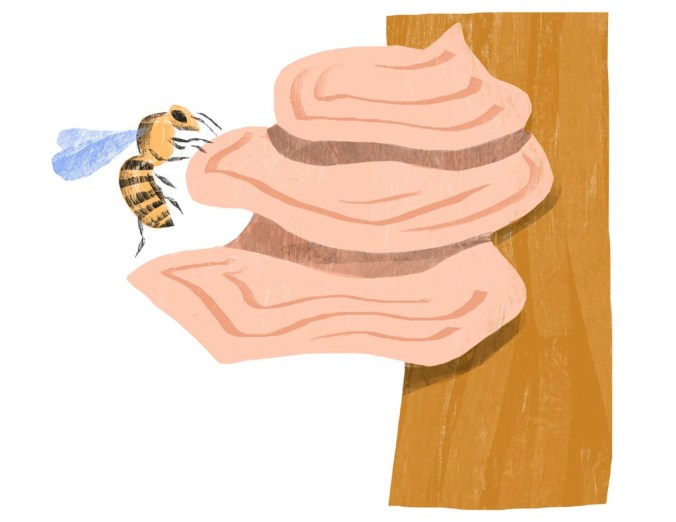
Sometime in the 1980s, microscopic mites that had been afflicting honeybees outside the United States found their way to Florida and Wisconsin and began wreaking havoc across the country. These parasites have invaded and decimated wild and domestic bee colonies. Along with other dangers facing bees, like pesticides and the loss of forage lands, the viruses these mites carry threaten the bees we rely on to pollinate many of the fruits, nuts and vegetables we eat. Continue reading
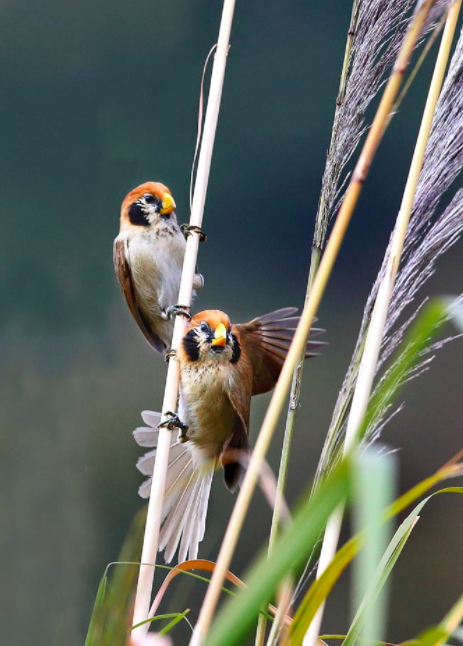
Walong, Arunachal Pradesh

Teach a Wolf to Fish. By University Of Minnesota, Voyageurs National Park And Voyageurs Wolf Project. Nighttime footage of a wolf hunting freshwater fish in a river in Minnesota’s Voyageurs National Park. Dec. 14, 2018
I got to know Natural Habitat Adventures while our company was operating Chan Chich Lodge in Belize. I was impressed with their guides, and with the photographic and video skills of the guests who they brought to the lodge. And all of them were deeply concerned about conservation. But I never saw anything quite like the video above. When you have nine minutes to spare, it is as satisfying as any nature footage as I have seen in a long time. I thank Jim Robbins again for this article, whose focal video about wolves fishing (to the left above) is definitely worth watching:
Watch This Wolf Go Fishing
Yes, researchers in Minnesota have recorded wolves diving into a stream to grab a meal.
Wolves are thought of as red-meat eaters, but a team of biologists in northern Minnesota, near Voyageurs National Park, has documented a pack that often enjoys a meal of fish. Continue reading
Crooked Tree, Belize
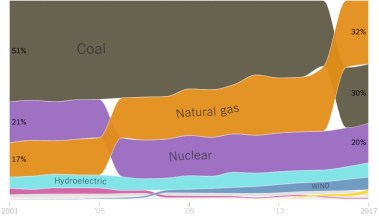
How the United States generated electricity from 2001 to 2017. Percentage of power produced from each energy source
America isn’t making electricity the way it did two decades ago: Natural gas has edged out coal as the country’s leading generation source … and renewables like wind and solar have made small yet speedy gains. But, each state has its own story.

Nadja Popovich an explainer of complicated things with visualization techniques that have impressed us so far, now has this.
In Nevada, natural gas surpassed coal as the top source of electricity generation in 2005, earlier than in many other states. Coal’s role in the state’s power mix has continued to decline since then.
We cannot do justice to it, other than suggest you go see it for yourself. A state by state graphic representation of electrical generation methods:
How Does Your State Make Electricity?
Overall, fossil fuels still dominate electricity generation in the United States. But the shift from coal to natural gas has helped to lower carbon dioxide emissions and other pollution. Last year, coal was the main source of electricity generation for 18 states, down from 32 states in 2001.

 Organikos