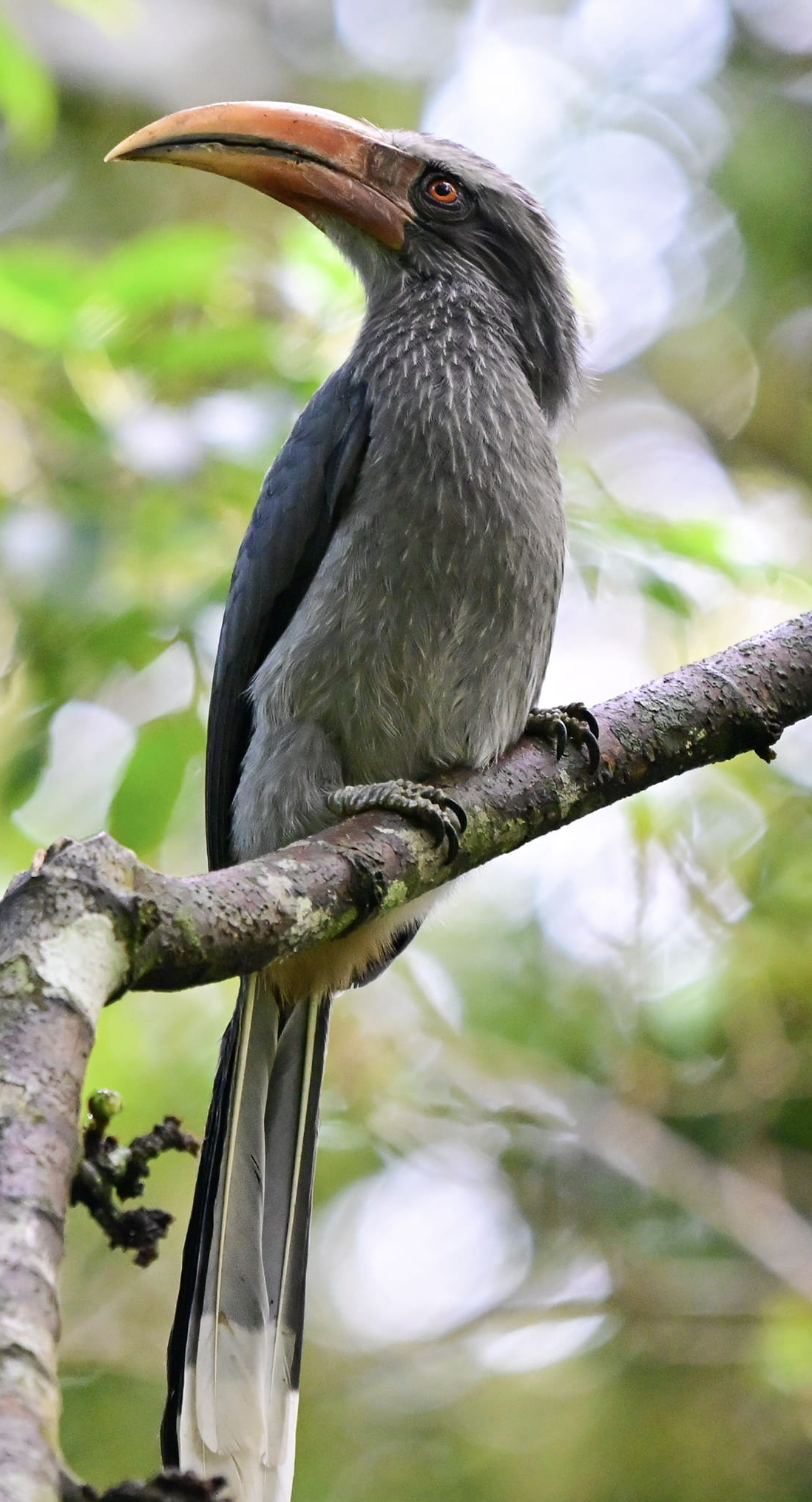
Periyar Tiger Reserve, Kerala
Periyar Tiger Reserve, Kerala

Illustration by Lauren Tamaki
There is more to The Garden Against Time than we appreciated with the first review we read, so thanks to Katie Kadue for this:
The Paradoxical Paradise of the Garden
Olivia Laing’s memoir of restoring a garden unearths the politics and history of cultivating a plot.
The reader of “Paradise Lost” encounters the Garden of Eden at the same time that Satan does. Having leapt over the garden wall, Milton’s athletic antihero flies up into a tree to survey his new surroundings. “Beneath him with new wonder now he views,” Milton writes, Continue reading
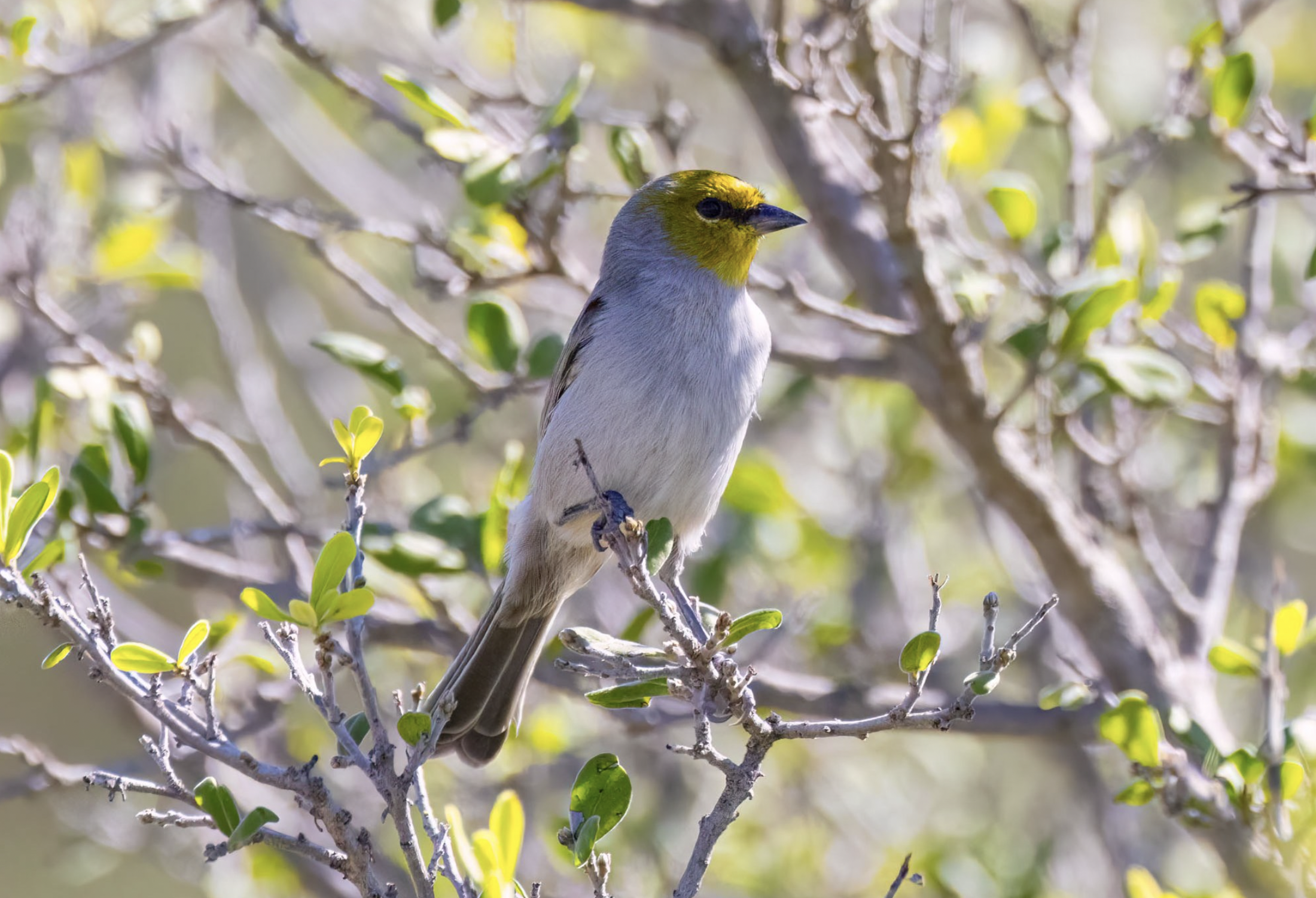
NW Kimble County, TX

Crows can be trained to count out loud much in the way that human toddlers do, a study finds. Andreas Nieder/Universal Images Group Editorial
We have paid crows passing attention, and have not considered them obviously charismatic but always worthy of further consideration:
Crows can count out loud like human toddlers — when they aren’t cheating the test
Math isn’t just a human thing. All kinds of animals, from African grey parrots to chimpanzees, are thought to have some kind of mathematical ability, but it can be hard to test. Now, a new study finds that certain crows have a way with numbers — one that resembles that of human toddlers. Continue reading
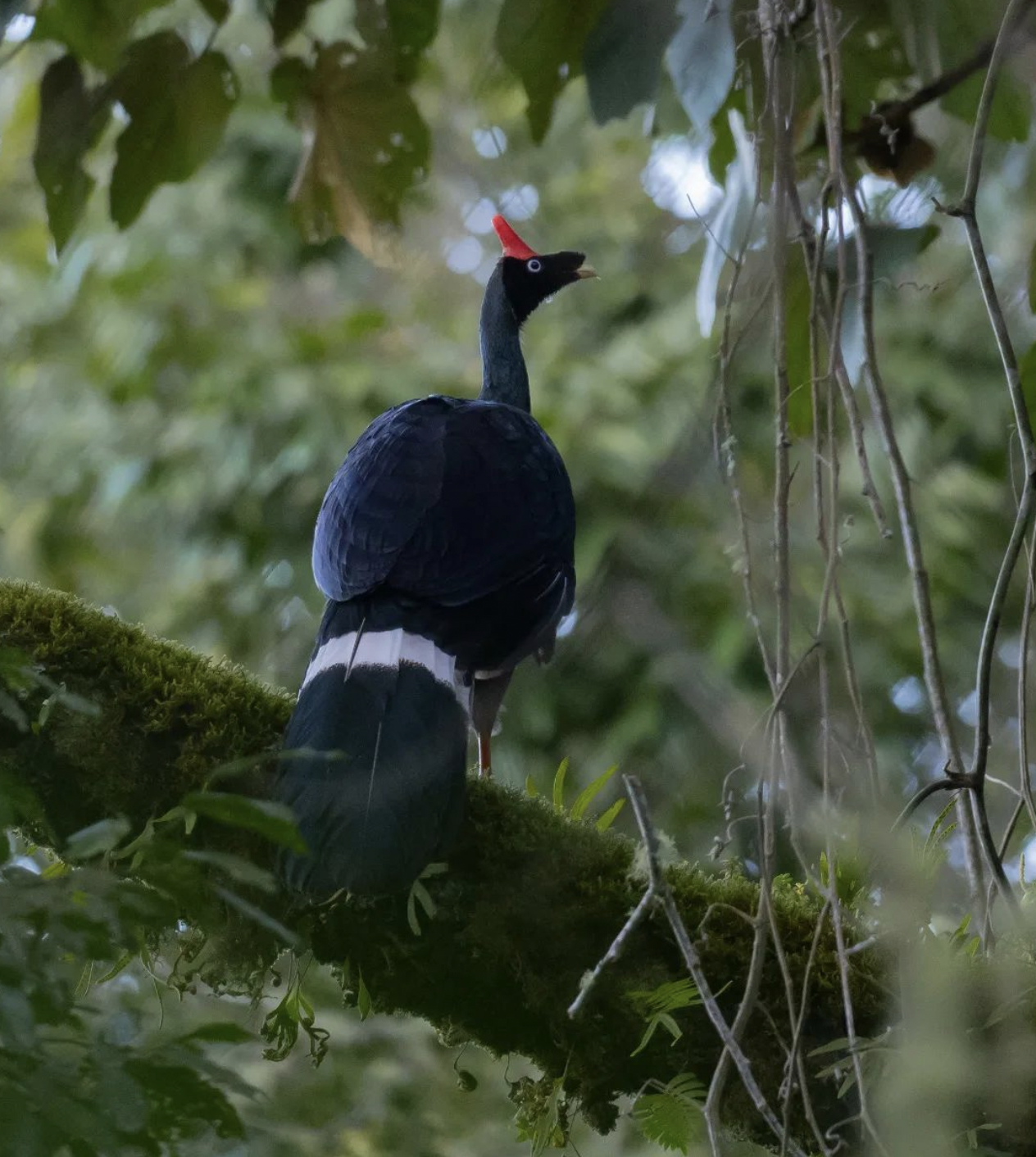
Volcán Atitlán, Guatemala
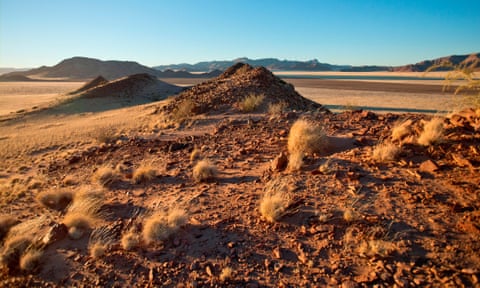
Namibia has a severe housing shortage, with woody encroacher bush reducing the amount of land available for building. Photograph: Hoberman Collection/Universal Images Group/Getty
Mycological options for solving problems are abundant. We had not considered odor as a key potential obstacle, so thanks to Ester Mbathera for this reporting from Namibia:
‘People think they’ll smell but they don’t’: building homes from mushroom waste and weeds
A sustainable project aims to repurpose encroacher bush to create building blocks to solve Namibia’s housing crisis
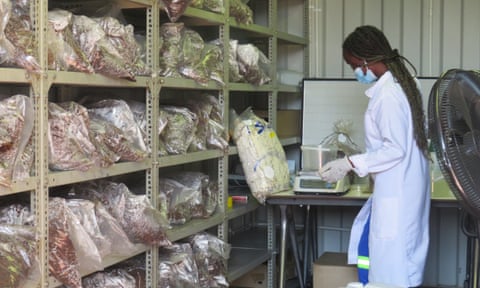
The remnants of the oyster mushrooms grown on weeds of encroacher bush will be used to create building blocks. Photograph: Ester Mbathera
People think the house would smell because the blocks are made of all-natural products, but it doesn’t smell,” says Kristine Haukongo. “Sometimes, there is a small touch of wood, but otherwise it’s completely odourless.”
Haukongo is the senior cultivator at the research group MycoHab and her job is pretty unusual. She grows oyster mushrooms on chopped-down invasive weeds before the waste is turned into large, solid brown slabs – mycoblocks – that will be used, it’s hoped, to build Namibian homes. Continue reading
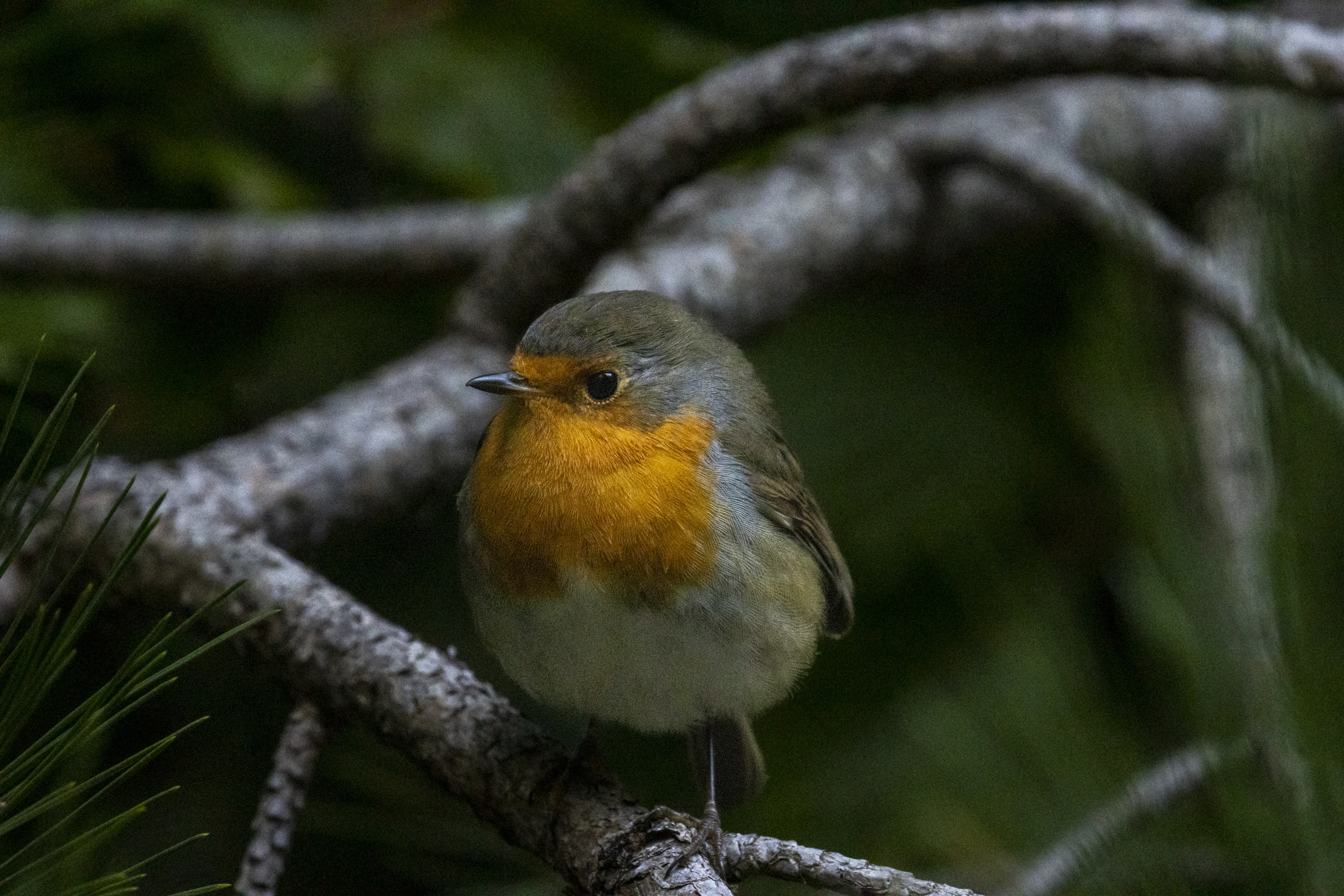
Mount Olympus National Park, Greece
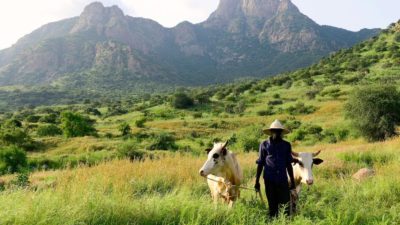
The Guera Mountains in southern Chad, a region that has grown greener in recent decades. NATURE PICTURE LIBRARY / ALAMY STOCK PHOTO
Fred Pearce, writing in Yale e360, offers this surprising news from some of the driest, hottest places:
With CO2 Levels Rising, World’s Drylands Are Turning Green
Despite warnings that climate change would create widespread desertification, many drylands are getting greener because of increased CO2 in the air — a trend that recent studies indicate will continue. But scientists warn this added vegetation may soak up scarce water supplies.
Southeast Australia has been getting hotter and drier. Droughts have lengthened, and temperatures regularly soar above 95 degrees F (35 degrees C). Continue reading
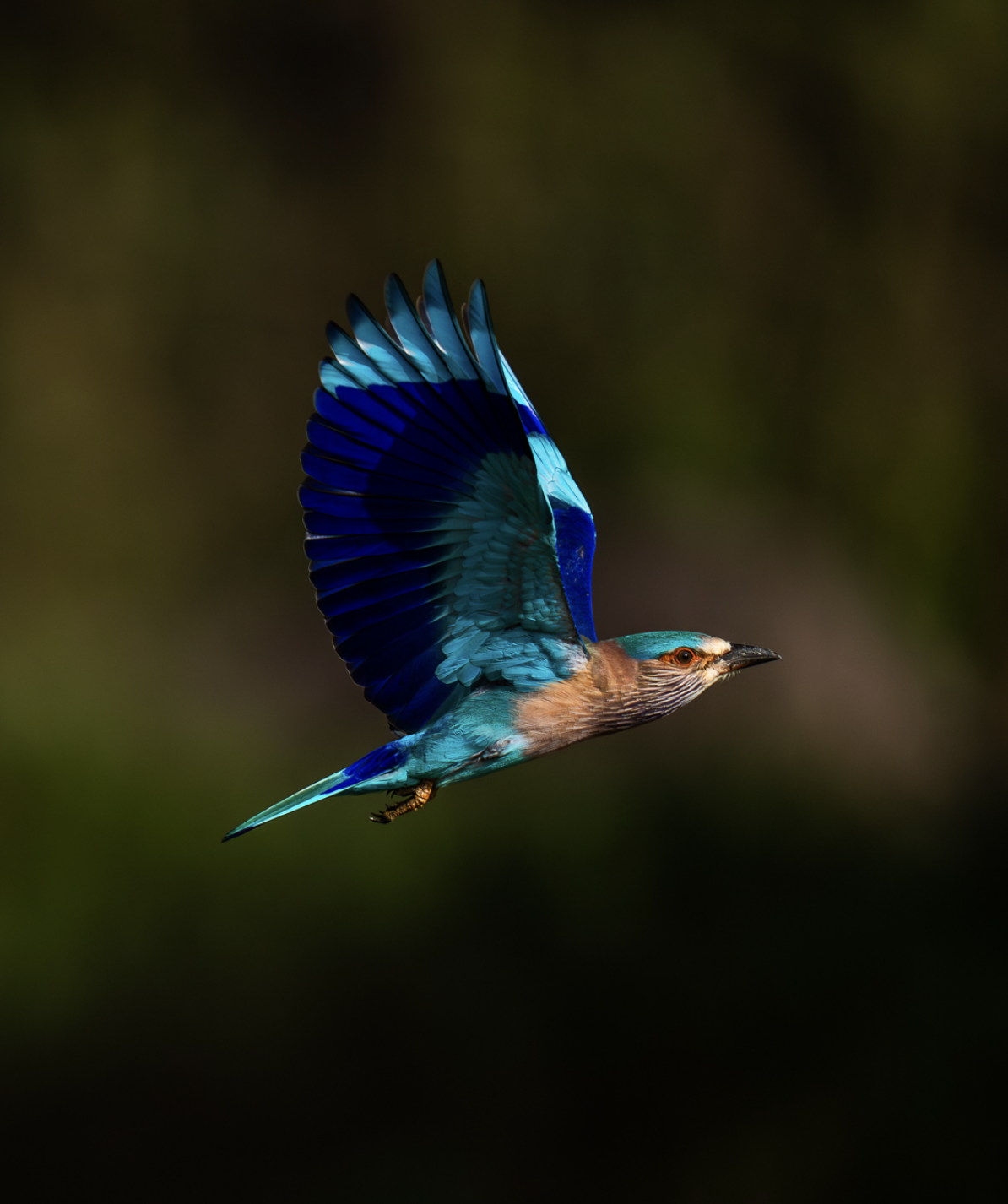

Naomi Anderson-Subryan
Waste has been a regular topic in our pages in the decade+ since we started sharing stories here. Human bodily waste has not been featured, but deserves attention. If you can, consider these options:
What’s Greenest and Cleanest When Nature Calls?
Conventional toilet paper has a big environmental impact. We’ve got the lowdown on alternatives, from bamboo tissue to bidets.
These days, the toilet paper aisle is crowded with products that claim to be more sustainable, from bamboo and recycled material to products with “forest-safe” labels. But are they really better for the environment? And can you cast aside the paper altogether?
Today, we’ll try to get to the bottom of it. Continue reading
Costa Rica
 It is political season, which can be overwhelming. But it has moments of inspiration. Karin Kirk at Yale Climate Connections summarizes the landscape of opinion on key environmental issues:
Six incredibly popular climate policies
The majority of registered U.S. voters support electrification and renewable energy.
A strong majority of registered voters support certain policies aimed at tackling climate change, according to recent research by the Yale Program on Climate Change Communication (the publisher of this site) and the Center for Climate Change Communication at George Mason University.
Here’s a summary of these results. Continue reading
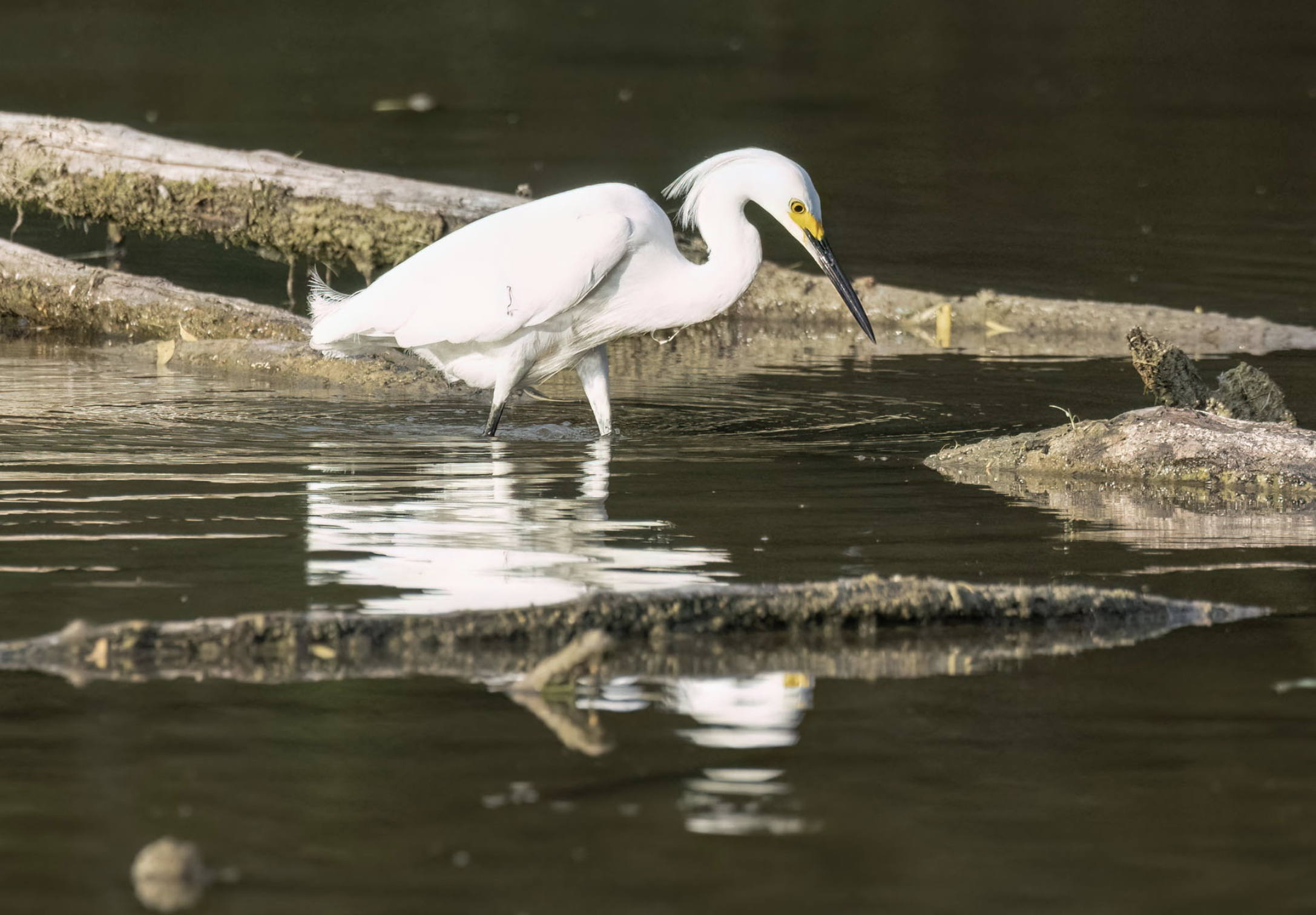
Granger Lake Willis Creek Park, TX
Rewilding can support the development of a wide range of nature-based businesses. NEIL ALDRIDGE
Places can have a particular taste, maybe one that is even iconic, and coffee was the obvious tool in our taste of place toolkit for decades. When it came time to focus on these products as our primary work we drew on some earlier experiments.
One was with honey and the other was with wine. All that was long before coming home to Costa Rica to launch Organikos.

Lunch provided with products from the Wild Côa Network during the ERN-EYR event in the Greater Côa Valley. The Wild Côa Network, which now comprises over 50 members, is driving the development of nature-based enterprise in and around Portugal’s Greater Côa Valley. NELLEKE DE WEERD
We are about to introduce two new products, and one has a story that mixes conservation and rewilding. So, in this story that follows we sense something akin to the Organikos products in our Authentica shops:
Nature-based business networks take off across Rewilding Europe landscapes
Helping nature heal can lead to prosperous local economies. Nature-based business networks are being developed in a growing number of our rewilding landscapes, enabling businesses and communities to benefit from nature recovery in a sustainable way. This, in turn, is generating more support for rewilding.
The network effect
Today, nature-based business networks are a growing feature of Rewilding Europe’s expanding portfolio of rewilding landscapes. These bring businesses together under a shared rewilding vision for the landscape, facilitating the creation of new tourism packages, helping to close gaps in tourism experiences, and creating new economic opportunities. Continue reading
Female
Morro do Aquário, Brazil
Seewinkel National Park, Austria
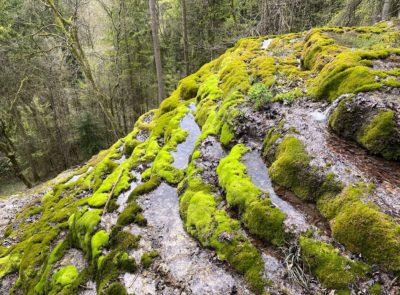
A spring in a forest in Bavaria, Germany. IMAGEBROKER.COM GMBH & CO. KG / ALAMY STOCK PHOTO
Thanks to Yale e360 for publishing this article by Christian Schwägerl, whose influential book The Anthropocene was published one decade ago:
As World’s Springs Vanish, Ripple Effects Alter Ecosystems
Springs, which bring groundwater to the surface and support a host of unique species, are disappearing globally, victims of development and drought. Researchers are working to document and map these life-giving habitats in an effort to save them before they are gone.
A tufa spring in the Neumarkt region in Bavaria, Germany. CHRISTIAN SCHWÄGERL
Strong winds sweep over the Rhön, a vast region of rolling, forested hills and pastureland in central Germany. Undeterred, Stefan Zaenker, leading a group of four volunteers, runs through his checklist alongside a forest road. Are rubber boots disinfected to prevent introducing potentially harmful microorganisms into the wetland? Are the team app and GPS functioning correctly? Have enough flags been packed?
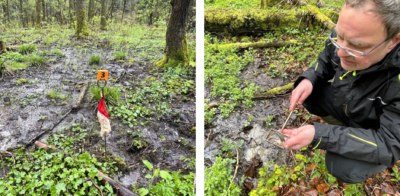
Left: A flag marks a helocrene spring in the Rhön region of Germany. Right: Stefan Zaenker takes a sample from a spring. CHRISTIAN SCHWÄGERL
When all is in order, Zaenker, 56, leads the group into a soggy alder forest. Its mission for the day: to locate and map as-yet-undiscovered springs and document any species inhabiting them.
A senior conservation official for the state of Hesse, Zaenker considers springs so important for human life and biodiversity that he — along with volunteers from the Hesse Association for Cave and Karst Research — spends much of his spare time conducting large-scale searches for them in the Rhön, which includes the German states of Bavaria, Thuringia, and Hesse, and in a nearby national park. Continue reading

Mt Falakro, Greece
 It always comes back to the commons. Thanks to Naomi Huffman at The Atlantic for bringing this book to our attention:
What Gardens of the Future Should Look Like
In her new book, Olivia Laing argues that the lives of all people are enriched with access to land they can use freely.
On a Sunday afternoon in May, the Elizabeth Street Garden, a serene public park wedged between Manhattan’s SoHo and Little Italy neighborhoods, was filled with people undeterred by the gray sky and spitting rain. Visitors sat at tables among fuchsia azaleas and yellow irises, and in the shade of loping old trees, talking, eating pizza, and drinking iced coffee. A painter faced an easel at the back of the garden and composed a watercolor. Continue reading
Beeville, TX

 Organikos