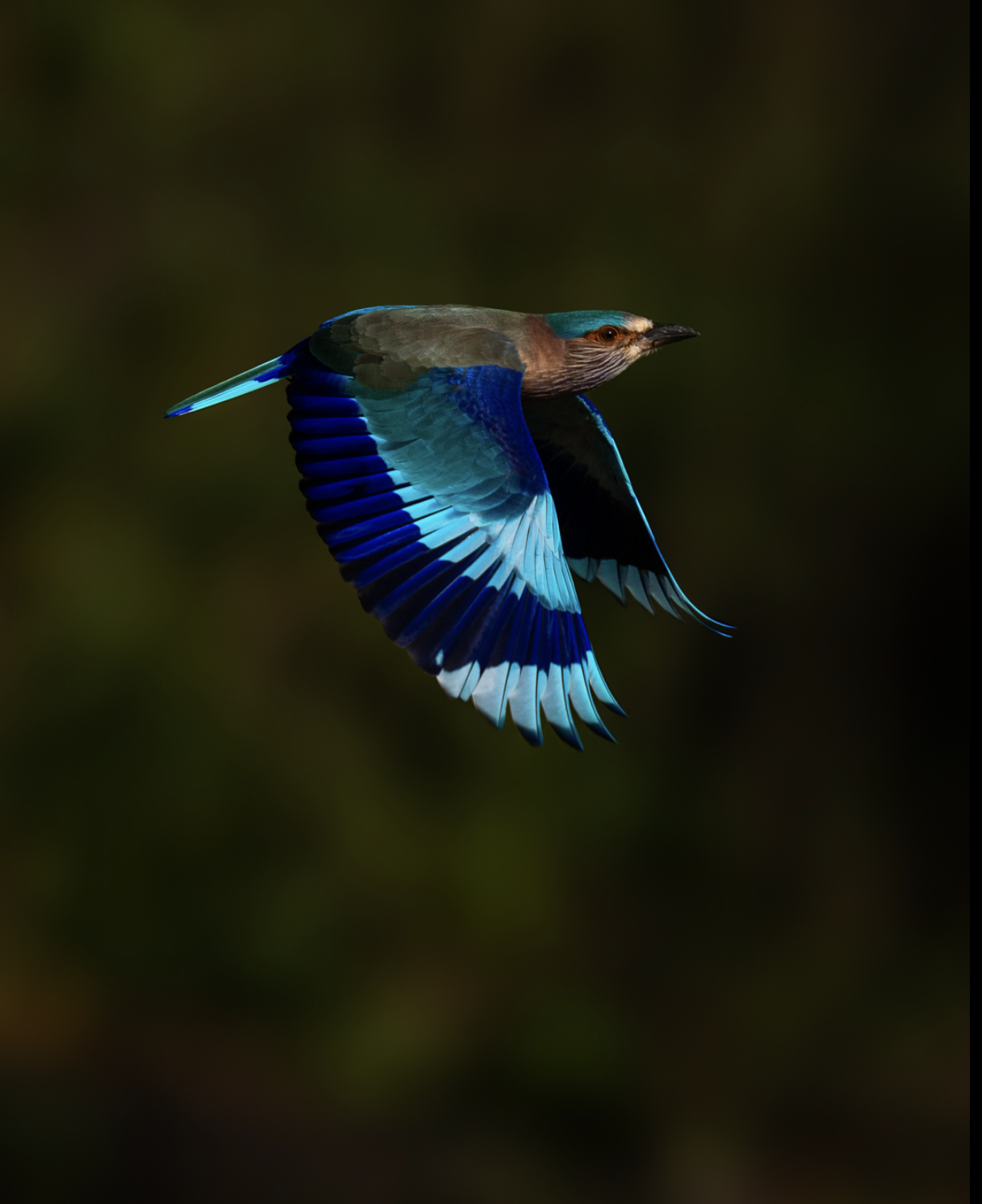
Bird of the Day: Indian Roller
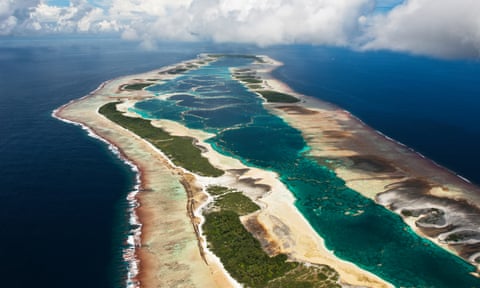
The Millennium Atoll in Kiribati, the Pacific state that is sponsoring Michael Lodge for re-election as ISA leader. Photograph: Mauricio Handler/Getty
Before we leave the subject of oceans, back to the question of how their protection is managed, and by whom.
We are learning today that some of the planet’s smaller nation states have a potentially significant, and clearly long overdue influence on how the oceans surrounding them will be protected:
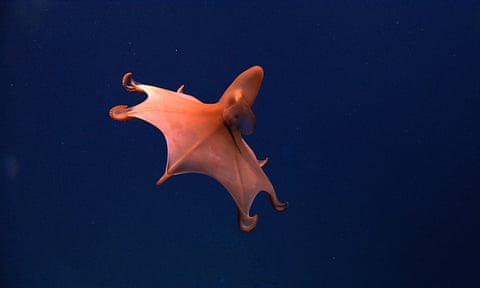
The rare dumbo octopus (Cirrothauma murrayi) is one of many creatures potentially at risk from deep-sea mining. Photograph: NOAA
Inside the battle for top job that will decide the future of deep-sea mining
Marking a pivotal moment for the fate of the barely known ecosystems on the ocean floor, 168 nations will decide this week who will head the International Seabed Authority
Deep-sea mining exploration trials under way in the Clarion-Clipperton Zone of the Pacific Ocean between Hawaii and Mexico. Photograph: Richard Baron/The Metals Company
Leticia Carvalho is clear what the problem is with the body she hopes to be elected to run: “Trust is broken and leadership is missing.” Later this week, at the headquarters of the International Seabed Authority (ISA) in Kingston, Jamaica, nations negotiating rules governing deep-sea mining face a critical vote that could impact the nascent industry for years: who should be the next leader of the regulatory body? Continue reading
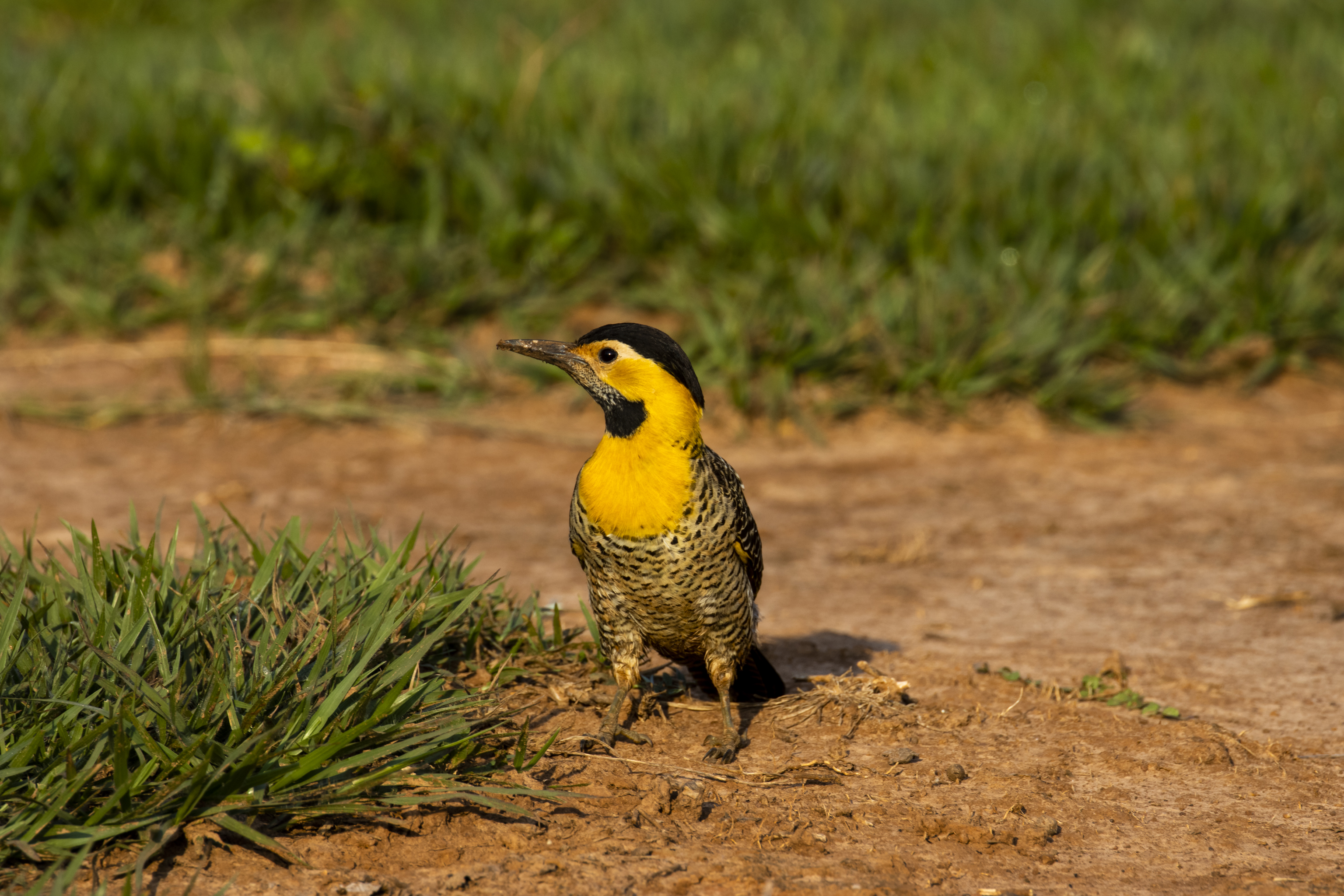
Morro do Aquário, Brazil

Isabel Seliger
While Brisa surfs in Tahiti, the fate of our oceans will be on our minds. While not self-evidently important to most of us, most of the time, their scale on our planet gets us to pay attention when someone makes the case. Porter Fox, who reports on climate change, has come to the following conclusions with regard to those waters:
There’s a New Reason to Save Life in the Deep Ocean
Honey Long and Prue Stent
To most of us, the ocean is a no man’s land — a vast, bottomless and uncharted void. Three-quarters of the ocean has never been seen by humans, and only a quarter of its floor has been mapped in detail, which means we have a better understanding of the surface of Mars than we do of the seas on our own planet. It is this lack of exploration and appreciation — particularly of the layer of cold, dark water that begins where light fades, known as the ocean’s twilight zone — that has led us to a very precarious place. Continue reading
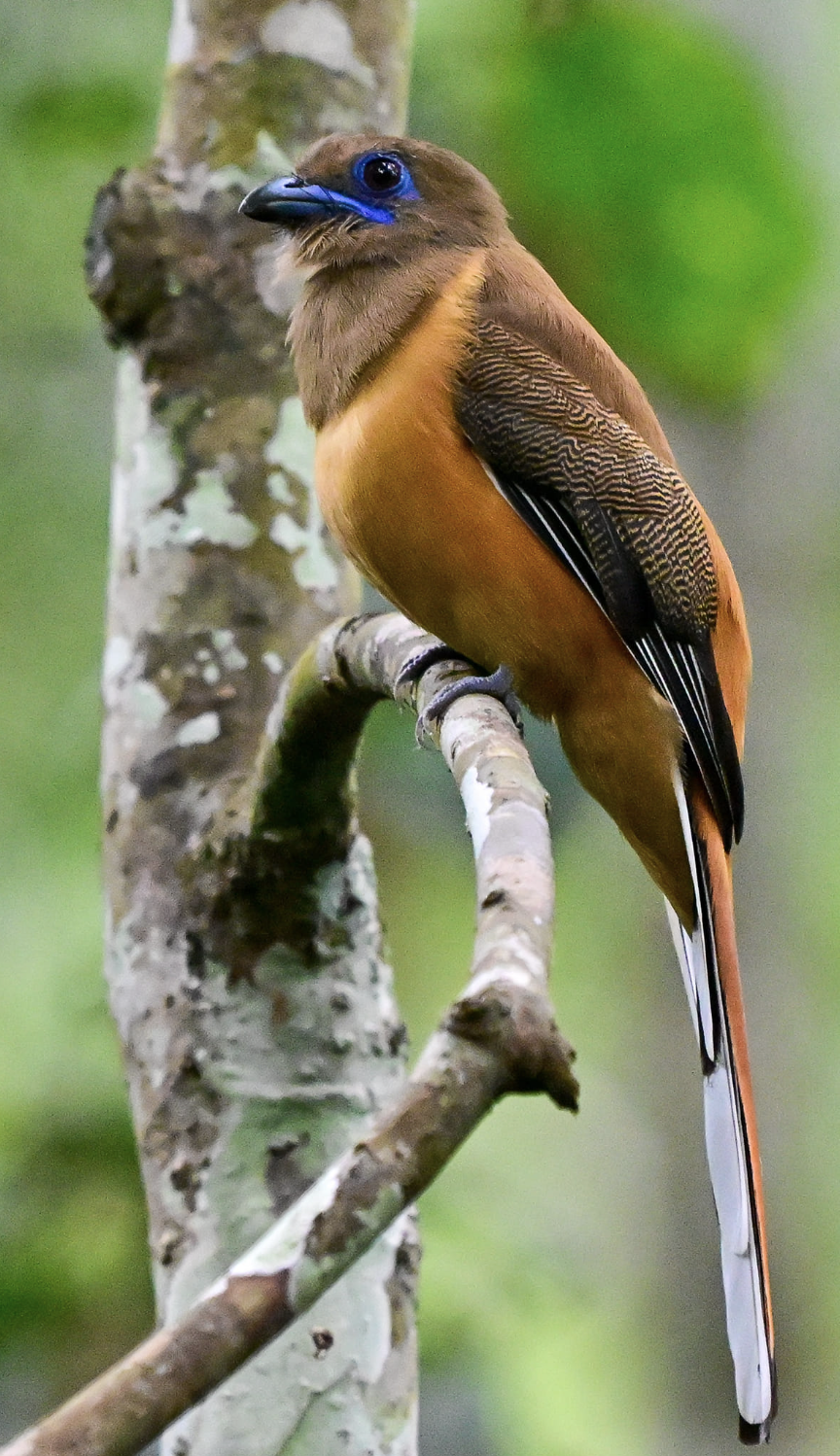
Female
Periyar Tiger Reserve, Kerala

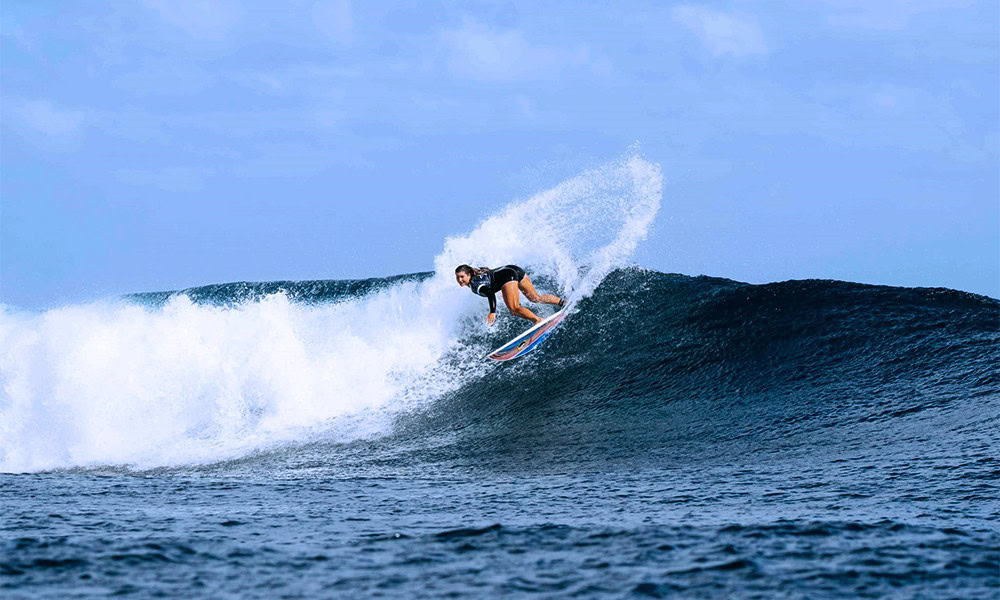
Example of images being shared online in Costa Rica as Brisa Hennessy surfs in Olympic competition in Tahiti
This image above is being shared on social media among friends here, and the local English language newspaper has this to say:
After a magnificent performance, Costa Rican surfer Brisa Hennessy moved on to the third round of the women’s surfing tournament at the 2024 Olympic Games. The Costa Rican athlete obtained a score of 15.56, earning an 8.33 and a 7.23, in the competition held in Teahupo’o, Tahiti. Continue reading
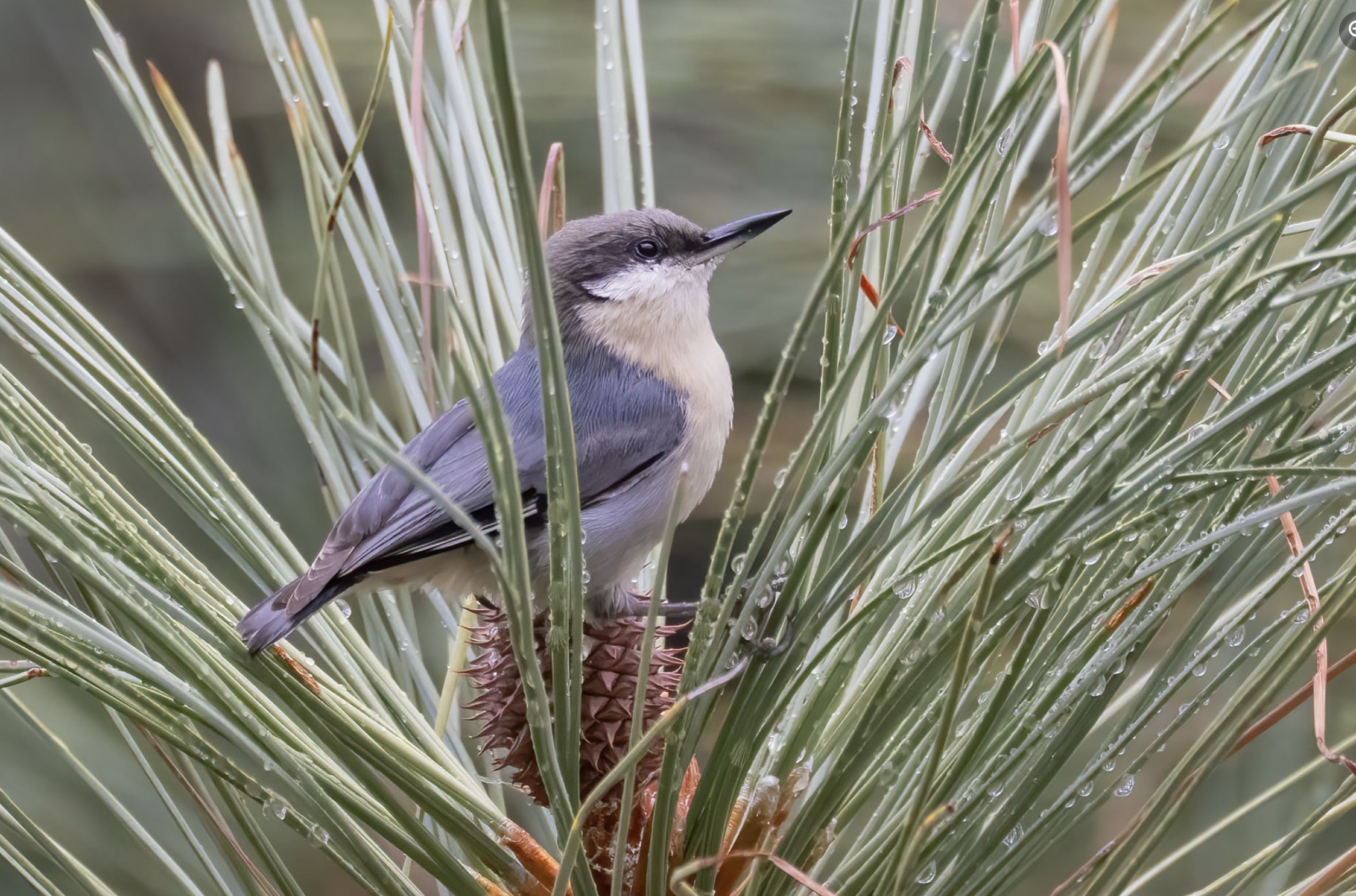
Pine Valley County Park, San Diego County, CA

Grayson muralist Jose Muñóz hand-painted this sign welcoming visitors to Dos Rios. Geloy Concepcion for NPR
California has a new protected area, complete with a Native Use Garden. Visit the website for the Dos Rios, described by National Public Radio (USA) as follows:
The sun rises, shedding light onto an oak grove along the western edge of Dos Rios. Geloy Concepcion for NPR
California’s newest state park is like a time machine
At the crack of dawn in California’s Central Valley, birds sing their morning songs and critters chirp unabashedly. In a shady grove next to a river, an owl swoops down from the spindling branches of an oak tree that has stood its ground for centuries.
A few feet above the tree’s base, its massive trunk is lined with a white ring, indicating how high the San Joaquin River rose during a flood last year. Dos Rios is supposed to flood — it’s a floodplain, recently transformed into California’s newest state park.
The Native Use Garden is a place where, with permission from Dos Rios staff, tribal members can go to gather native plants for ceremonial use and other cultural practices. Geloy Concepcion for NPR
The park opened this summer, emerging among the never-ending rows of agriculture the valley is known for. It’s a lush 2.5 square miles now bursting with hundreds of thousands of native trees, bushes and animals.
Dos Rios, named for the Tuolumne and San Joaquin rivers that meet at the edge of the park, is the first new California state park in more than a decade.
But it isn’t like most state parks. In addition to bringing much-needed green space to an underserved area, its unusual design uses nature-based climate solutions that reinvigorate native wildlife. Continue reading
Seewinkel National Park, Austria
.jpg)
Photograph: Abir Mahmud, University of Dhaka
Our thanks to Hannah Richter for her reporting and writing, as well as to Wired for publishing what sounds not like garden variety too good to be true, but quintessentially ridiculous.
Kudos to Nepal for testing out this idea in spite of how it sounds:
.JPG)
Groups of platforms installed in Nagdaha lake in Nepal. PHOTOGRAPH: SAMYAK PRAJAPATI/THE SMALL EARTH NEPAL
Polluted Lakes Are Being Cleansed Using Floating Wetlands Made of Trash
Platforms combining plants and recycled garbage could offer a cut-price solution for reviving polluted bodies of water.
ON THE BANKS of Nagdaha, a polluted and lotus-infested lake in Nepal, Soni Pradhanang is putting trash back into the water—on purpose.
A floating treatment wetland system loaded with plants. PHOTOGRAPH: SAMYAK PRAJAPATI/THE SMALL EARTH NEPAL
She carefully assembles a platform of styrofoam and bamboo mats, then weaves it together with zip ties and coconut fiber, refuse from nearby tech stores. Then, she pokes 55 plants lush with red flowers through 2-inch holes in the platform, each plant set 6 inches apart. Though Pradhanang’s creation isn’t high-tech, it is effective, and one of the most affordable water-filtration systems available. “I’m cheap,” she says, laughing. Continue reading
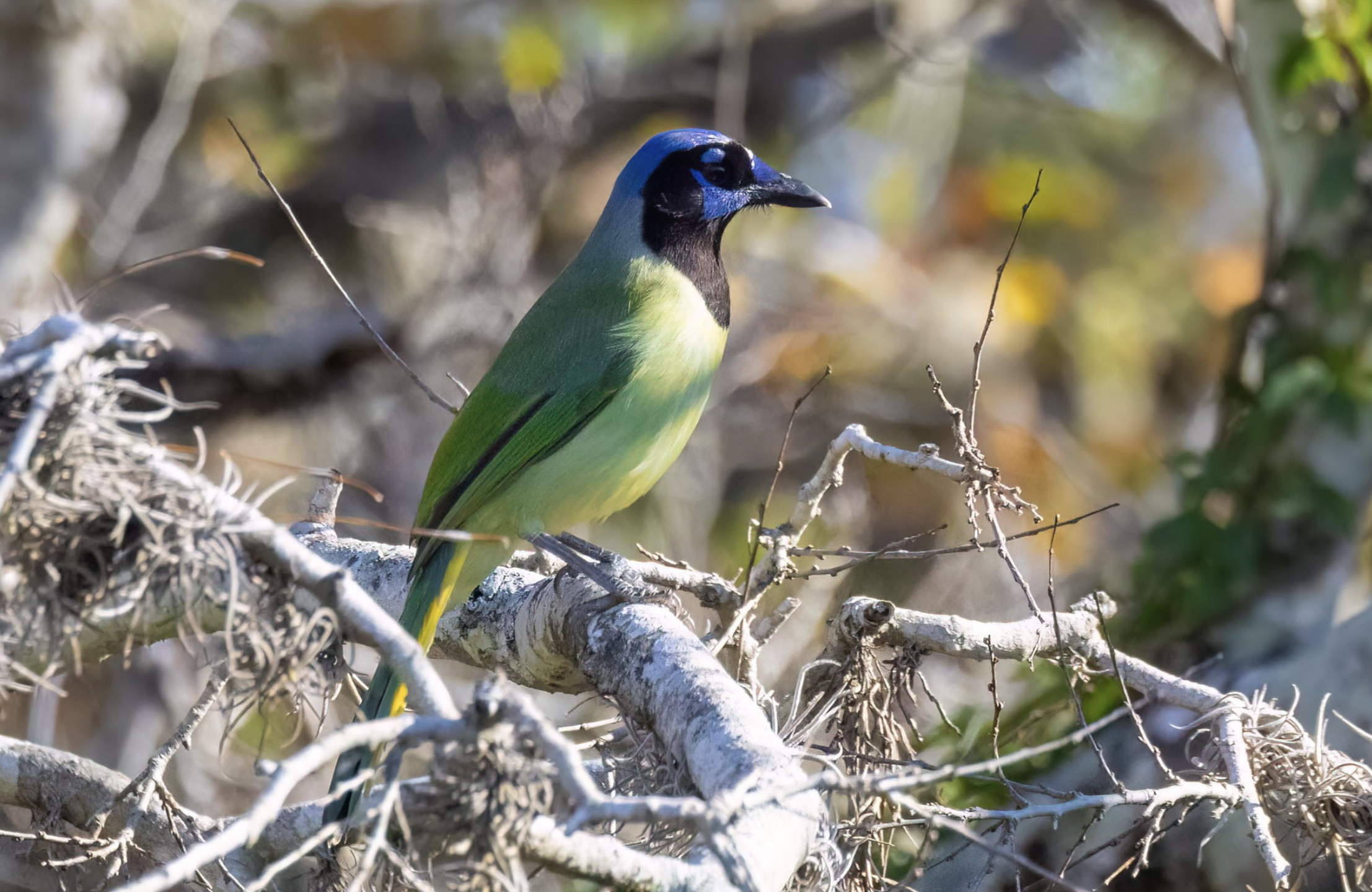
Beeville, TX
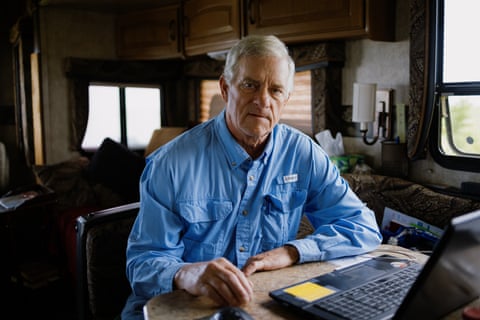
John Allaire, a former oil industry worker, has turned his efforts to blocking LNG plants from being built directly next to his camper home in Cameron parish.
Some states are moving forward with new technologies leading to a cleaner energy future. We respect John Allaire’s work to protect his state from leaning in to dirty energy, reminding us of the choice we all have to just watch others make decisions affecting where you live, or to do something:
‘This used to be a beautiful place’: how the US became the world’s biggest fossil fuel state
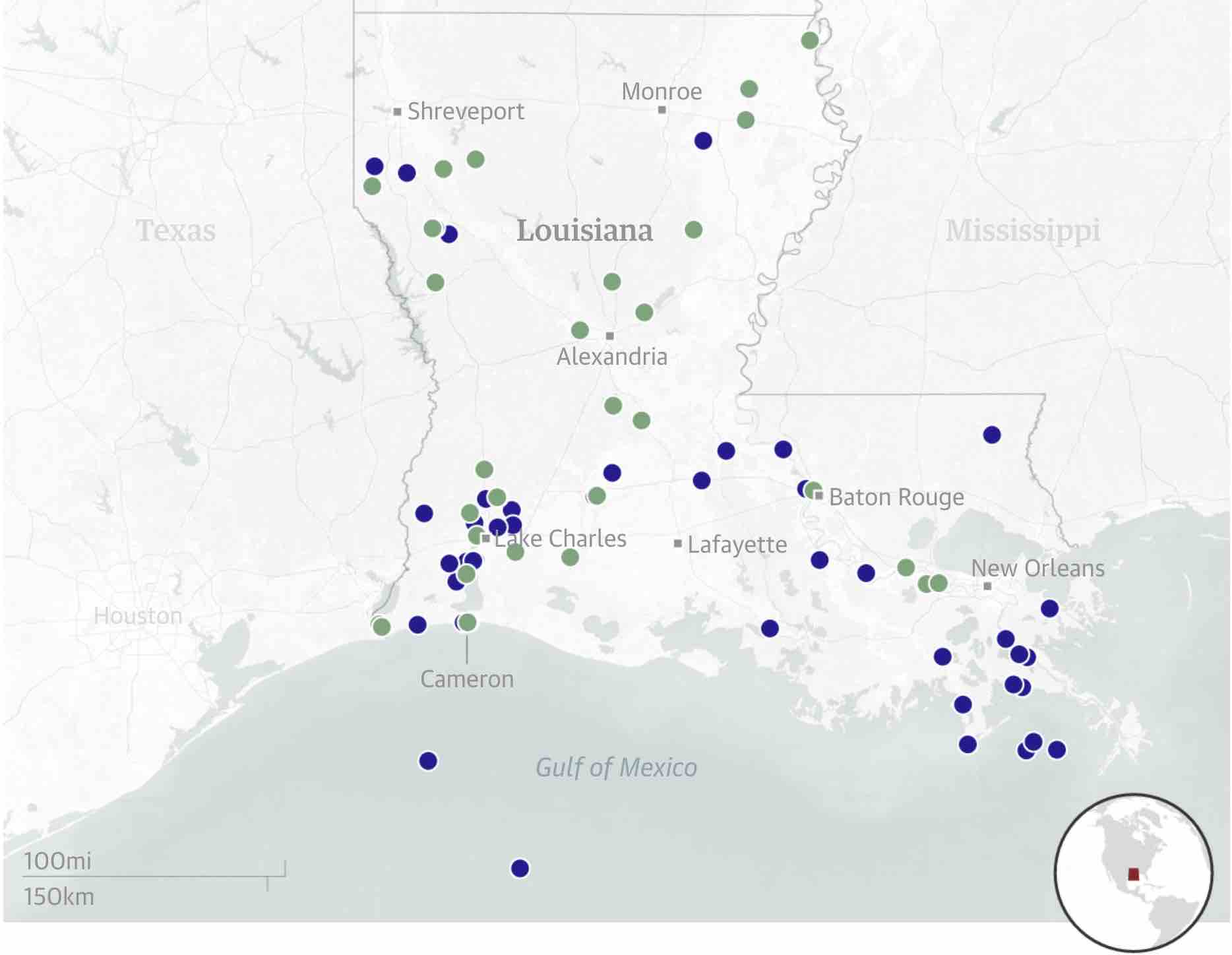
Guardian graphic. Sources: Oil & Gas Watch. Note: Map includes oil, gas and liquified natural gas projects. Those classified as ‘Announced / underway’ also include projects with statuses of ‘Under construction’, ‘Pre-construction’, ‘Commissioning’ and ‘On hold’.
No country has ever in history produced as much oil and gas as the US does now and Louisiana is ground zero
To witness how the United States has become the world’s unchallenged oil and gas behemoth is to contemplate the scene from John Allaire’s home, situated on a small spit of coastal land on the fraying, pancake-flat western flank of Louisiana.
Allaire’s looming neighbor, barely a mile east across a ship channel that has been pushed into the Gulf of Mexico, is a hulking liquified natural gas (or LNG) plant, served by leviathan ships shuttling its chilled cargo overseas. Continue reading
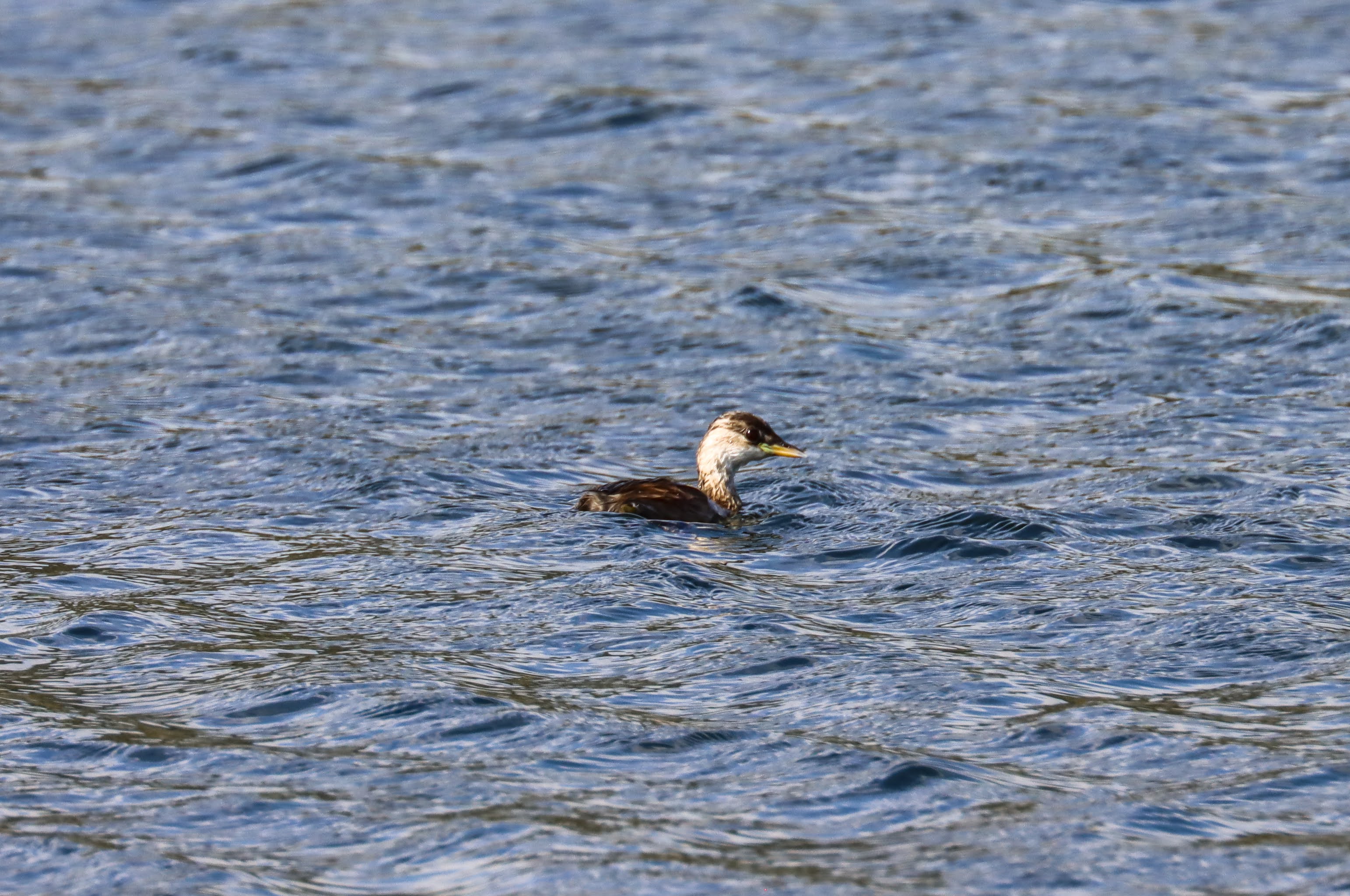
Schinias, Greece
 Thanks to Bridgett Ennis at Yale Climate Connections for expanding our coverage of brownfield remediation, which surprisingly has only featured in one previous post in our 13 years linking to environmental news stories. Now two:
Massive solar farm planned for coal mine site in eastern Kentucky
Solar developer BrightNight is set to transform the Starfire coal mine into an 800-megawatt solar farm, bringing renewable energy and jobs to southern Appalachia.
A massive solar farm is in the works at the site of one of the largest coal mines in southern Appalachia. Continue reading
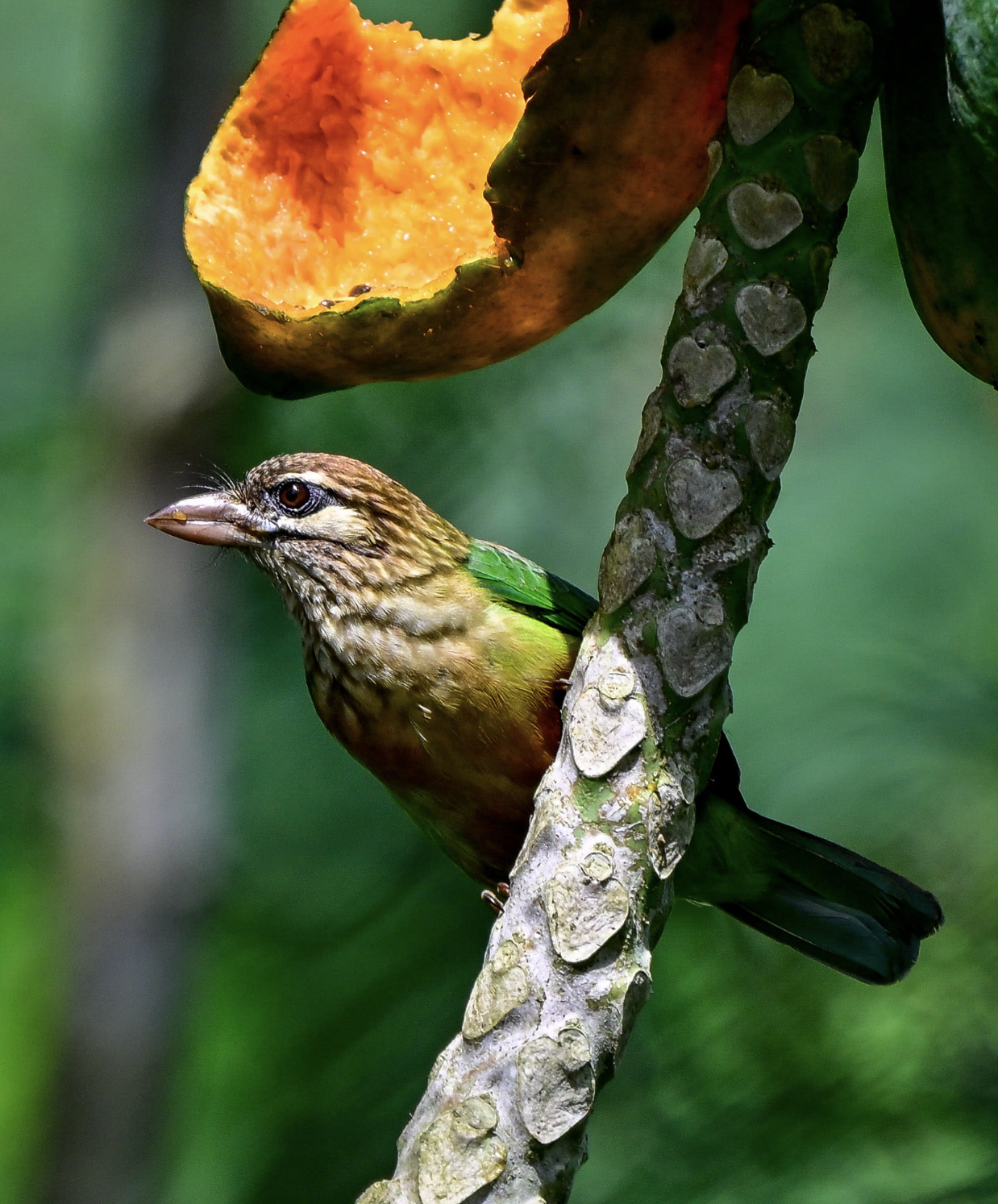
Pullaveli Falls, Tamil Nadu

Illustration of Tupac Inca Yupanqui (an Inca emperor) c. 1590, by an unknown artist. | USED WITH PERMISSION / PRIVATE COLLECTION
In this article by Max J. Krupnick we are given reason to rethink the notion that the Incas had no written language. There is plenty of evidence that they were capable of advanced communication aesthetically:
Unraveling an Inca masterpiece’s secrets
WITH STITCHES as dense as an iPad’s pixels, this woven tunic represents the pinnacle of Inca artistry. The brutal Spanish conquest and the unforgiving march of time have destroyed most Inca textiles, but the tunic now at Dumbarton Oaks in Washington, D.C., survived. Although its symbols captivate visitors and scholars alike, much is left to be learned about the garment. Who made it? Who wore it? Is it truly authentic?
Tunic | ©DUMBARTON OAKS, PRE-COLUMBIAN, WASHINGTON, D.C.
Robert Bliss, who cofounded Dumbarton Oaks, Harvard’s center for Byzantine, Pre-Columbian, and landscape studies, purchased the tunic for his personal collection, so its acquisition history is not well documented. Added to the institute’s holdings in 1963, the tunic attracted scholarly attention as researchers attempted to decode its symbols, which they believed comprised a written language, despite evidence that the Incas did not write. Continue reading
Styria, Austria

People swimming in the Seine, in July of 2024.Photograph by Raphael Lafargue / Sipa / AP
Skip the first half if you are short on time, but in the second half of this article you will find the fruition of imagination and courage we always hope to see more of:
The Unexpectedly Hopeful Paris Olympics
The Games have never lived up to all their ideals—some of which were dubious to begin with. And yet this year’s iteration, for all its flaws, has already inspired some positive change.
…Which brings me to the Seine. When the Olympics returned to Paris, in 1924, the swimming took place not in the Seine but in a pool, the Piscine des Tourelles. Swimming in the Seine was banned altogether one year prior. It was, after all, not merely a river but a road through Paris, crowded with barges. It was also a sewer, filled with refuse from houseboats and the untreated sewage that overflowed the city’s nineteenth-century system when it rained. Various attempts to clean up the Seine failed. When Paris was selected to host the 2024 Games, seven years ago, it was still illegal to swim in the river. Continue reading
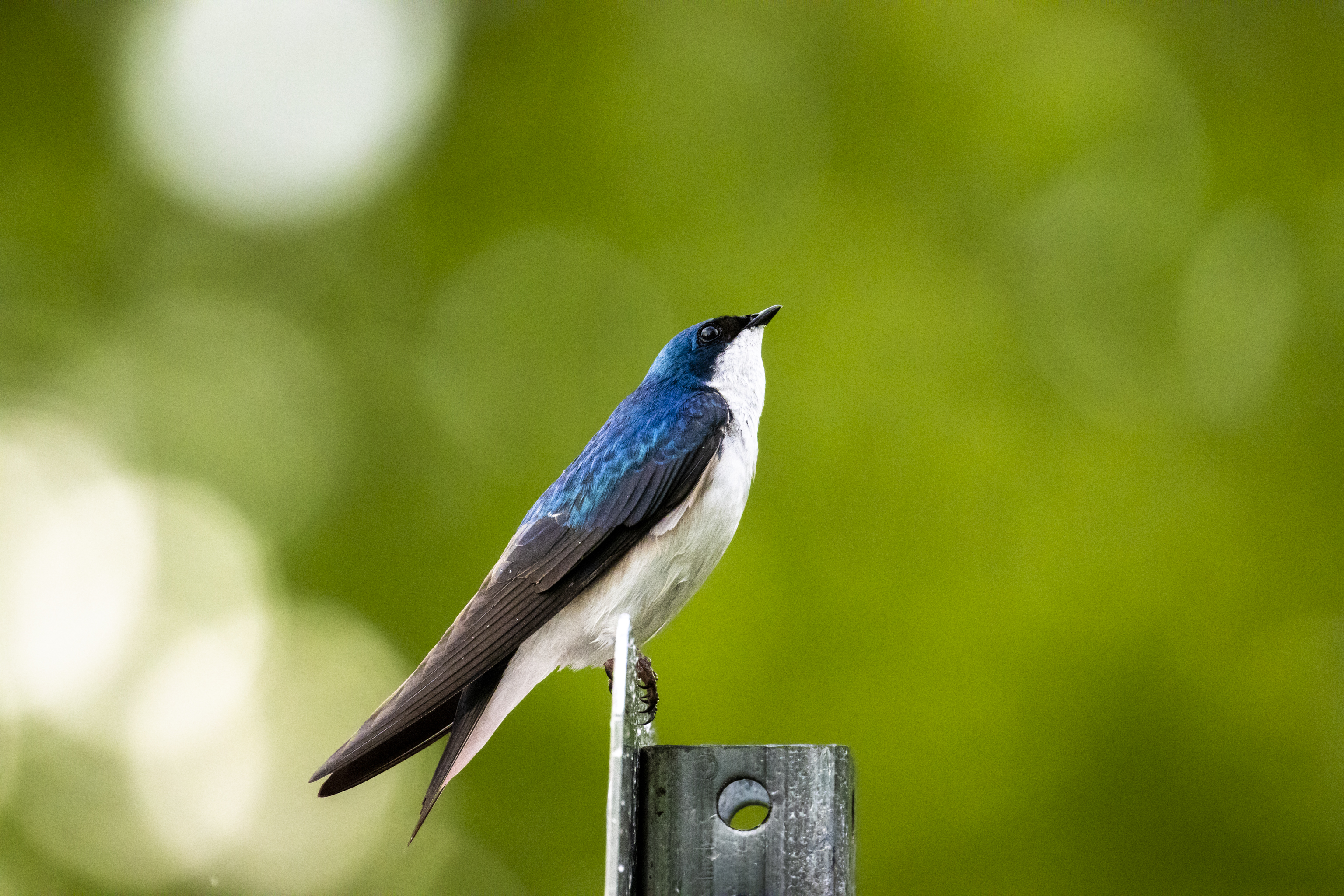
Riverview Park, VA.

The goal of the administration’s plan is to reduce demand for plastics and encourage a market for reusable or compostable alternatives. Eric Baradat/Agence France-Presse — Getty Images
We celebrate when individuals, or groups, do things they were not required to do when those things are in the common interest. Some things require rules, and rules also require imagination and courage to be effective. This is welcome news at the intersection of entrepreneurial conservation and rules set by those in a position to make them work:
The White House Has a Plan to Slash Plastic Use in the U.S.
The government said it would phase out its purchases of single-use plastics, a significant step because it is the biggest buyer of consumer goods in the world.
Calling plastic pollution one of the world’s most pressing environmental problems, the Biden administration on Friday said that the federal government, the biggest buyer of consumer goods in the world, would phase out purchases of single-use plastics. Continue reading




.jpg)

 Organikos