Morro do Aquário, Brazil
Morro do Aquário, Brazil
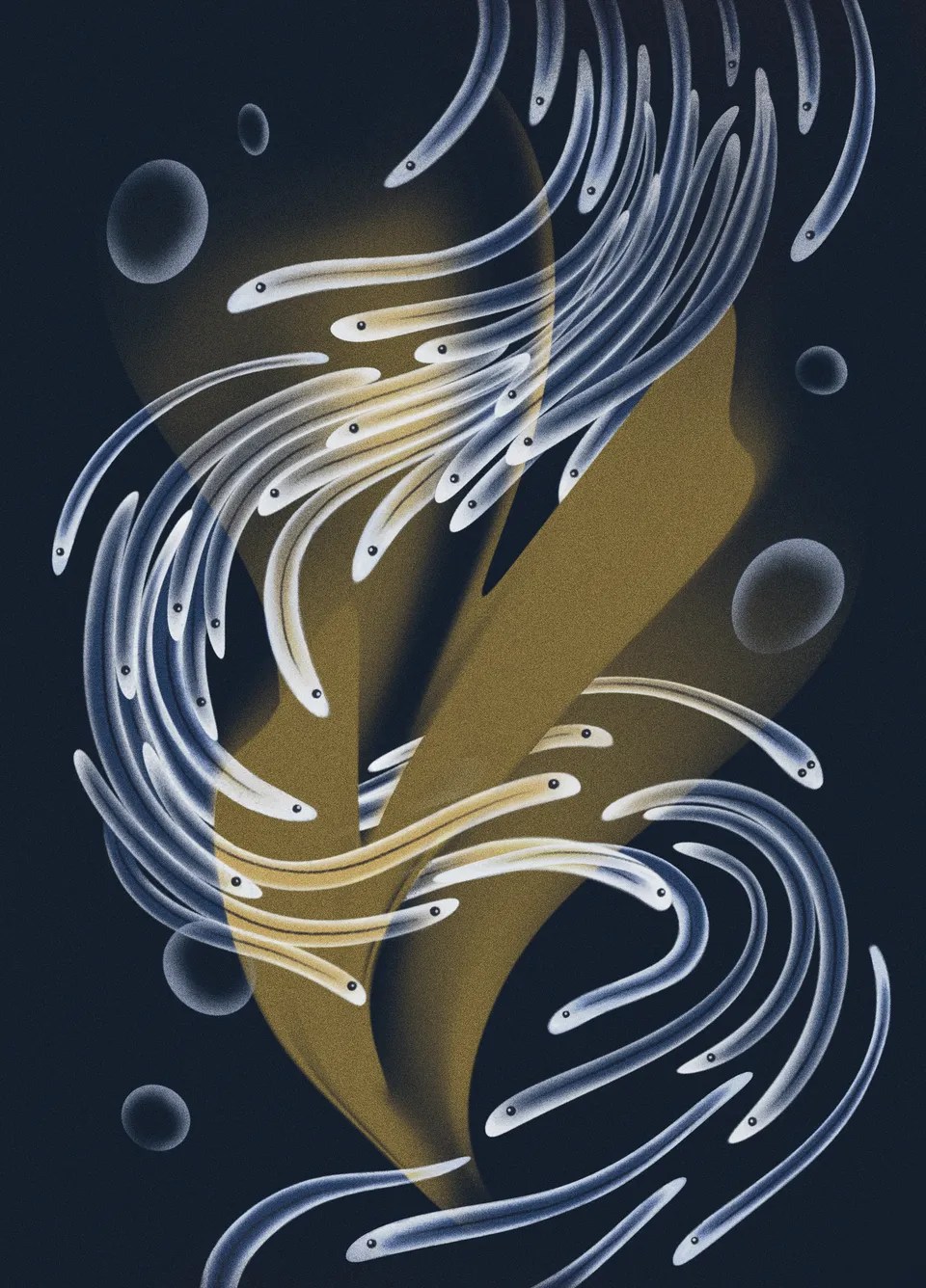
A lot of Mainers want badly to win the elver lottery. This year, more than forty-five hundred people applied for sixteen available licenses. “It’s an industry, not a fucking cult,” a fisherman said. Illustration by Agnes Jonas
Salty language comes with the territory in this story; we thank Paige Williams as always for her excellent reporting at the intersection of natural history and current environmental affairs:
Inside the Slimy, Smelly, Secretive World of Glass-Eel Fishing
Each spring, hundreds of millions of baby eels swarm the waterways of coastal Maine. Soaring global demand incited an era of jackpot payouts and international poaching.
The Sargasso Sea, a warm, calm expanse of the North Atlantic Ocean, is bordered not by land but by four strong currents—a gyre. Vast mats of prickly brown seaweed float so thickly on the windless surface that Christopher Columbus worried about his ships getting stuck. Continue reading
Periyar Tiger Reserve, Kerala
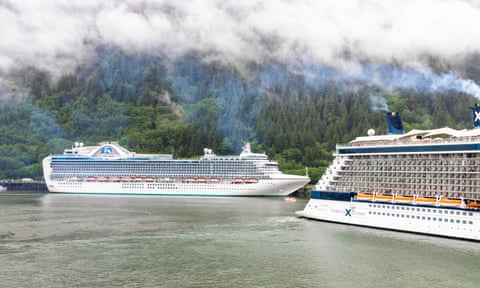
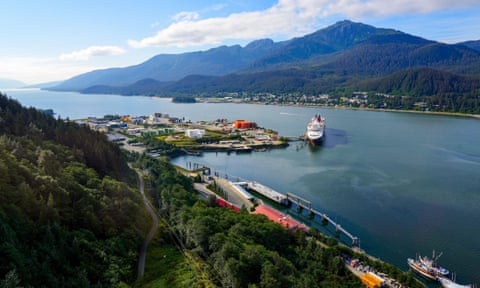
Cruise ships at Alaska’s capital, Juneau, which has a population of 32,000 but had 1.67m cruise ship visitors last year – a 23% rise on the previous record. Photograph: Stephen Dorey/Alamy
We salute you for the care you have chosen to demonstrate, and the sacrifice, Juneau:
Alaska limits cruise ship passengers in capital city after 1.6m visitors last year
Juneau agrees deal with industry body to curtail visits but critics say it does not go far enough to protect quality of life
The Gastineau Channel near Juneau. Some critics of the cruise industry have proposed ‘ship-free Saturdays’ to cut down on the number of ships stopping there. Photograph: Alexandre Rosa/Alamy
Alaska’s capital city is to limit the numbers of cruise ship passengers arriving at the port amid concerns over tourism’s growing impact, but a leading critic of the industry has said further measures to protect Alaskans’ quality of life are needed.
Located on the Gastineau Channel in southern Alaska, Juneau has a population of 32,000 and last year received a record 1.65 million cruise ship passengers – a 23% increase from the previous high. Continue reading
Seewinkel National Park, Austria
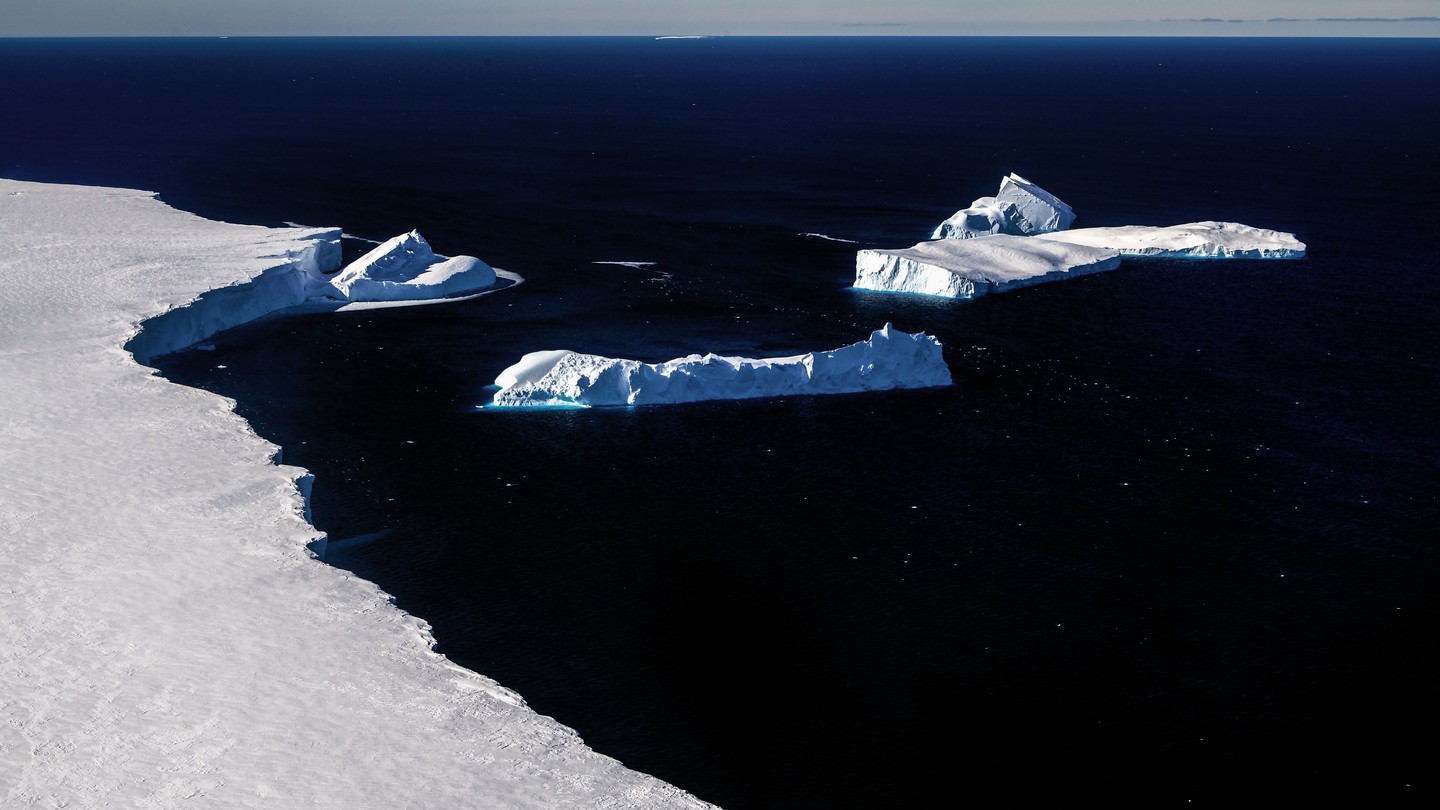
The edge of the Thwaites Glacier, 2023 (Nicolas Bayou)
Ross Andersen, writing for this focused issue of Atlantic, is worth reading for more than just the adventure he encountered reporting it:
A WILD PLAN TO AVERT CATASTROPHIC SEA-LEVEL RISE
The collapse of Antarctica’s ice sheets would be disastrous. A group of scientists has an idea to save them.
The edge of Greenland’s ice sheet looked like a big lick of sludgy white frosting spilling over a rise of billion-year-old brown rock. Inside the Twin Otter’s cabin, there were five of us: two pilots, a scientist, an engineer, and me. Farther north, we would have needed another seat for a rifle-armed guard. Here, we were told to just look around for polar-bear tracks on our descent. Continue reading
Guatemala
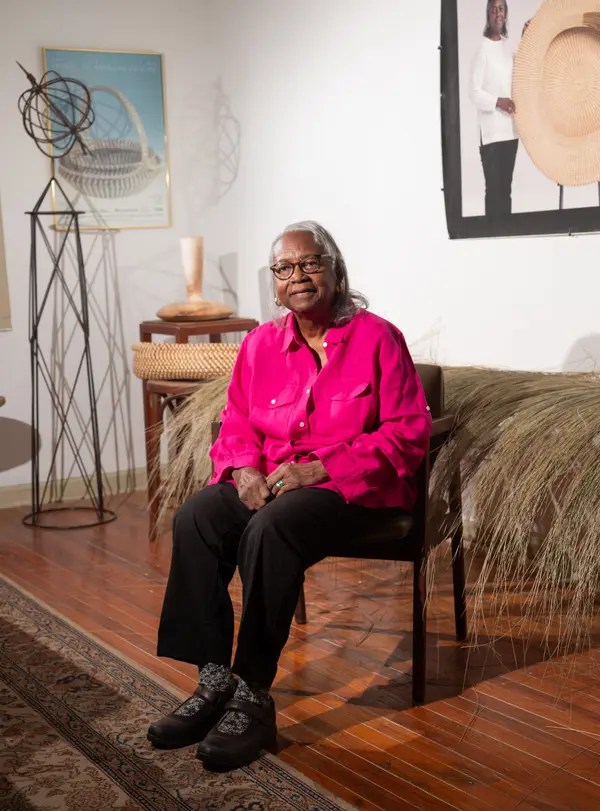
Mary Jackson in her showroom on John’s Island, S.C., with the central element of her creations: dried sweetgrass.
Stories from the deep south of the USA are always welcome in our pages, especially when someone knows a craft in the way Mary Jackson does. Shane Mitchell reports this story from Johns Island, S.C. accompanied by photographs and video by Elizabeth Bick:
A Basket Maker Keeping Alive, and Reinventing, an Ancestral Craft
Mary Jackson, who is featured in museums like the Smithsonian, works in the fiber-arts tradition of the Gullah Geechee of coastal South Carolina.
Mary Jackson was 4 when she learned how to weave. Sitting at her mother’s knee in the late 1940s, she tied her first knots with nimble little fingers, binding coils of sea grasses. In the Gullah Geechee communities of coastal South Carolina, where basket making is a centuries-old tradition, young children often start the weave for their elders. Continue reading
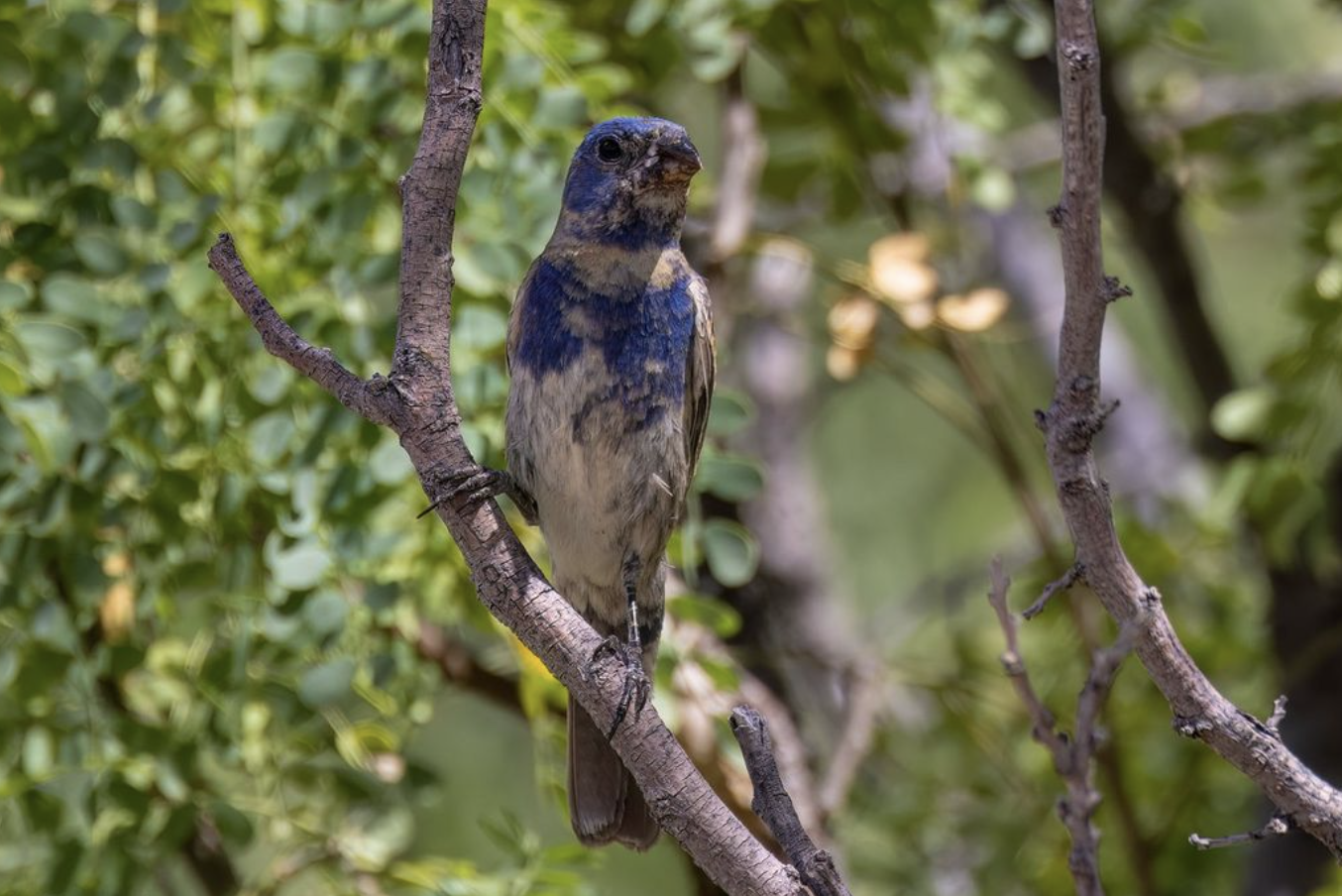
Immature Male
Christmas Mountains Oasis, Brewster County, TX
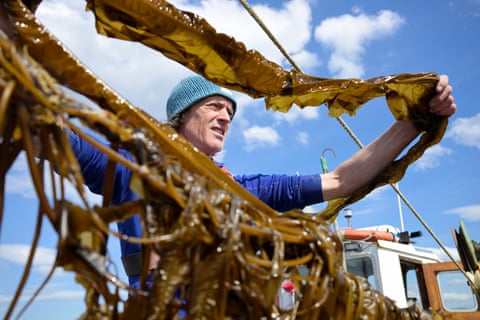
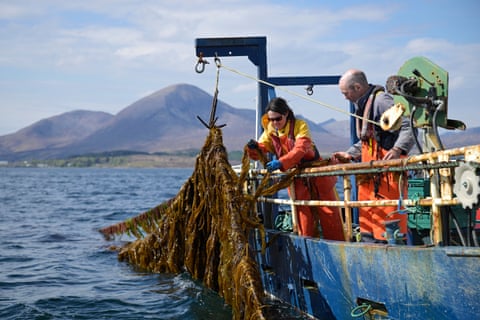
Alex Glasgow of KelpCrofters harvesting the seaweed on Skye
Most of us in the Americas and the European region have not yet had the opportunity to try seaweed, except perhaps in Japanese or other Asian ethnic restaurants. So hearing what the folks who grow seaweed in Scotland are doing with their product to get more of us interested in it–that’s interesting. For these photographs by Christian Sinibaldi and words by Joanna Moorhead we thank the Guardian:
Kyla Orr and Martin Welch of KelpCrofters check the crop from their boat. Photograph: Christian Sinibaldi/The Guardian
Kelp help? How Scotland’s seaweed growers are aiming to revolutionise what we buy
Farmed kelp could produce plastic substitutes, beauty products and food supplements. Just steer clear of seaweed chocolate
Think sun, sea, Skye – and seaweed. It’s early summer off the west coast of Scotland, and Alex Glasgow is landing a long string of orangey-black seaweed on to the barge of his water farm. Continue reading
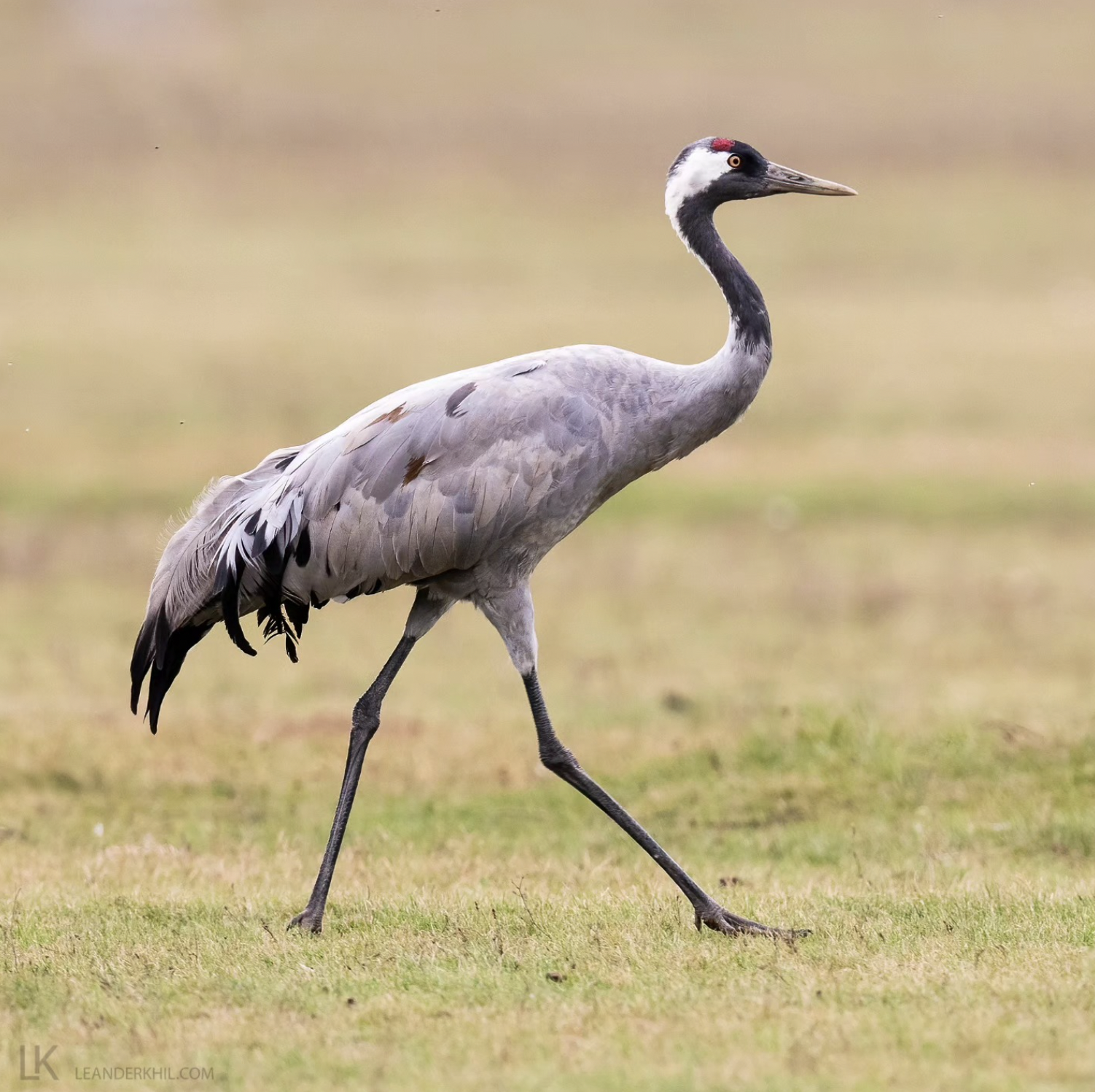
Leander Khil Photography
Seewinkel National Park, Austria
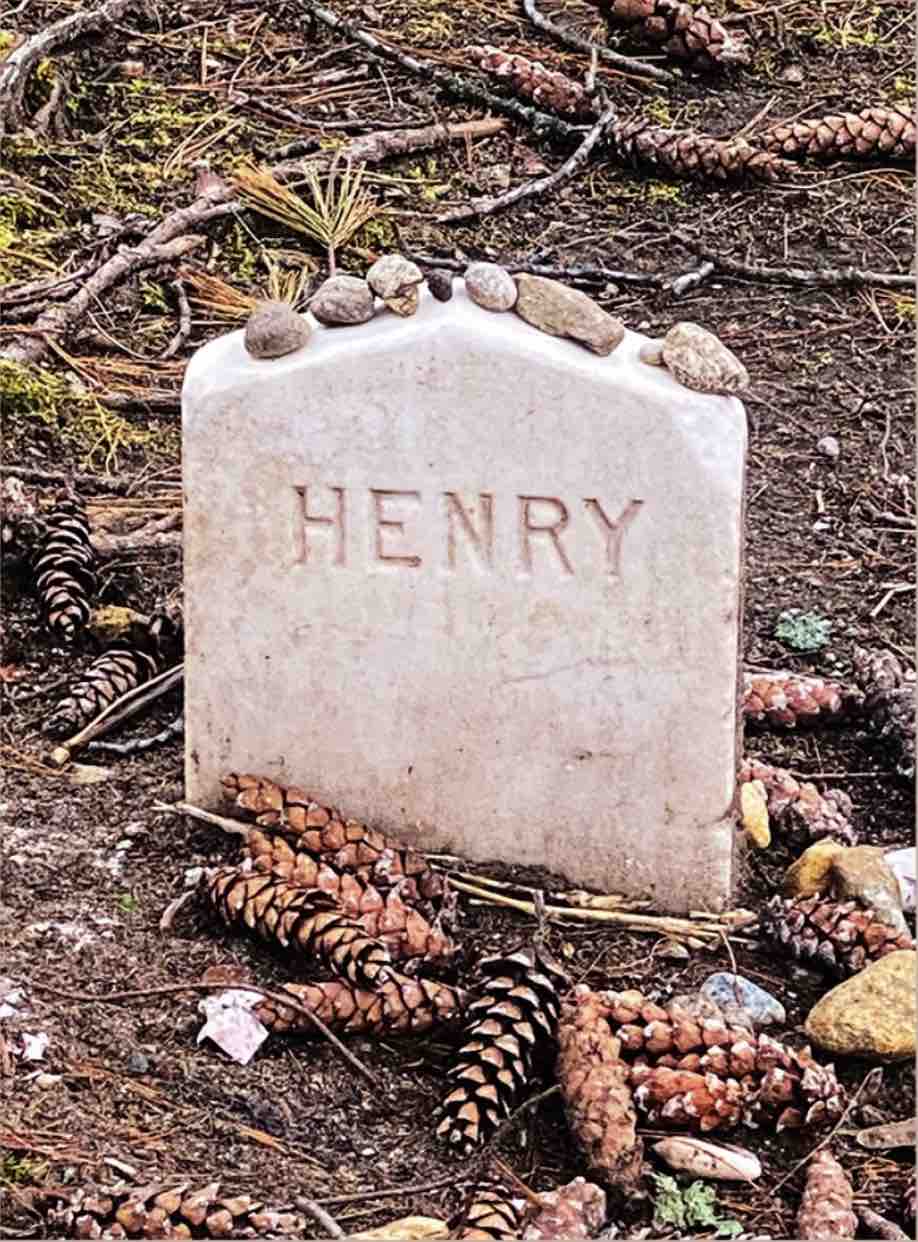
Henry David Thoreau’s grave, Concord, Massachusetts (Jeffrey Goldberg)
Jeffrey Goldberg has not appeared in our pages directly before, but his work has had a profound impact on how we see the world. His editorship of The Atlantic, starting in 2016, overlaps with an increase in that magazine’s coverage of climate change in ways that we have found useful. His introduction to the summer issue of the magazine is a fitting example of his commitment to the topic:
In Wildness Is the Preservation of the World
Returning the planet to some sort of climate equilibrium is a universal interest.
Loyal readers of this magazine know that we are preoccupied with matters of climate change, and that we worry about the future of our home planet. I appreciate (I really do) Elon Musk’s notion that humans, as a species, ought to pursue an extraplanetary solution to our environmental crisis, but I believe in exploration for exploration’s sake, not as a pathway to a time share on Mars. Continue reading
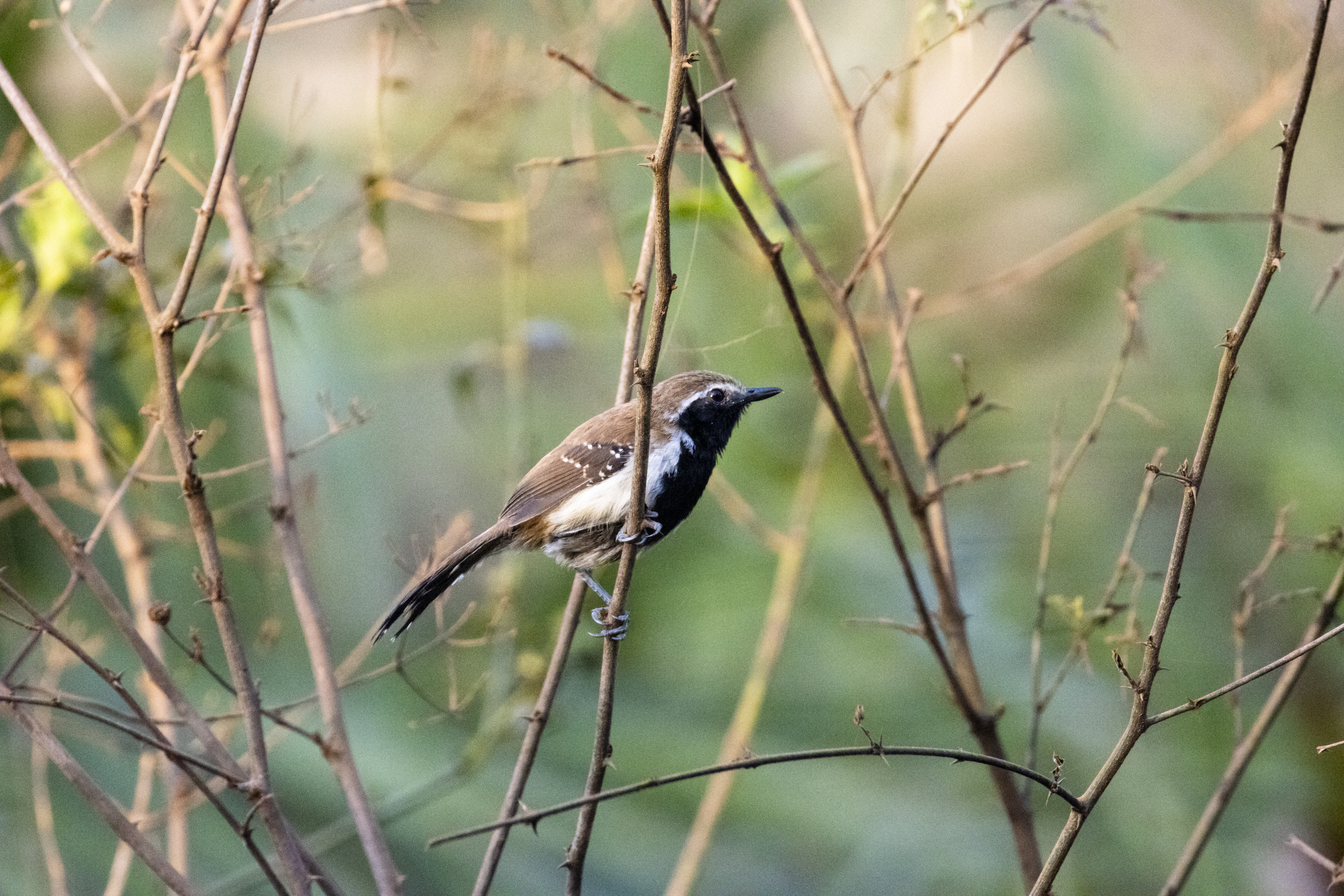
Morro do Aquário, Brazil

Because invasive species are among the main drivers of extinction today, conservationists have made efforts to cull mice in favor of albatrosses, rats in favor of puffins, and pythons in favor of bobcats. Illustration by Javier Jaén; Source photographs from Getty
Invasive species have received plenty of attention in our pages in the years since we first shared on this topic. Creative approaches to solving the problem abound. Elizabeth Kolbert reviews two books that take up the moral implications:
Should We Kill Some Wild Creatures to Protect Others?
Where humans have tilted the game in favor of one species, some believe we should cull predators to save their prey. Others think it’s a mistake to pick sides.
The northern spotted owl is about a foot and a half high, with very dark eyes, a greenish beak, and a rim of feathers, called a facial disk, that makes it appear to be regarding the world with worried perplexity. Like most owls, northern spotteds are nocturnal, but, unlike most of their brethren, they are picky. They can live only in old-growth forests in the Pacific Northwest. Their diet is restricted and seems to consist mainly of flying squirrels. They’re incapable of building nests of their own, and so, to raise their young, they rely on tree cavities or on basketlike growths that are produced by arboreal infections and known, evocatively, as witches’ brooms.
The spotted owl’s fastidiousness produced one of the great environmental conflicts of the twentieth century. By the late nineteen-eighties, it was estimated that only fifteen hundred breeding pairs survived. Since the owls depended on old growth, the only way to save them, according to biologists, was to preserve the Northwest’s remaining stands of ancient trees. The timber industry countered that leaving those trees untouched would cost thousands of jobs. The two sides adopted increasingly confrontational tactics. Continue reading
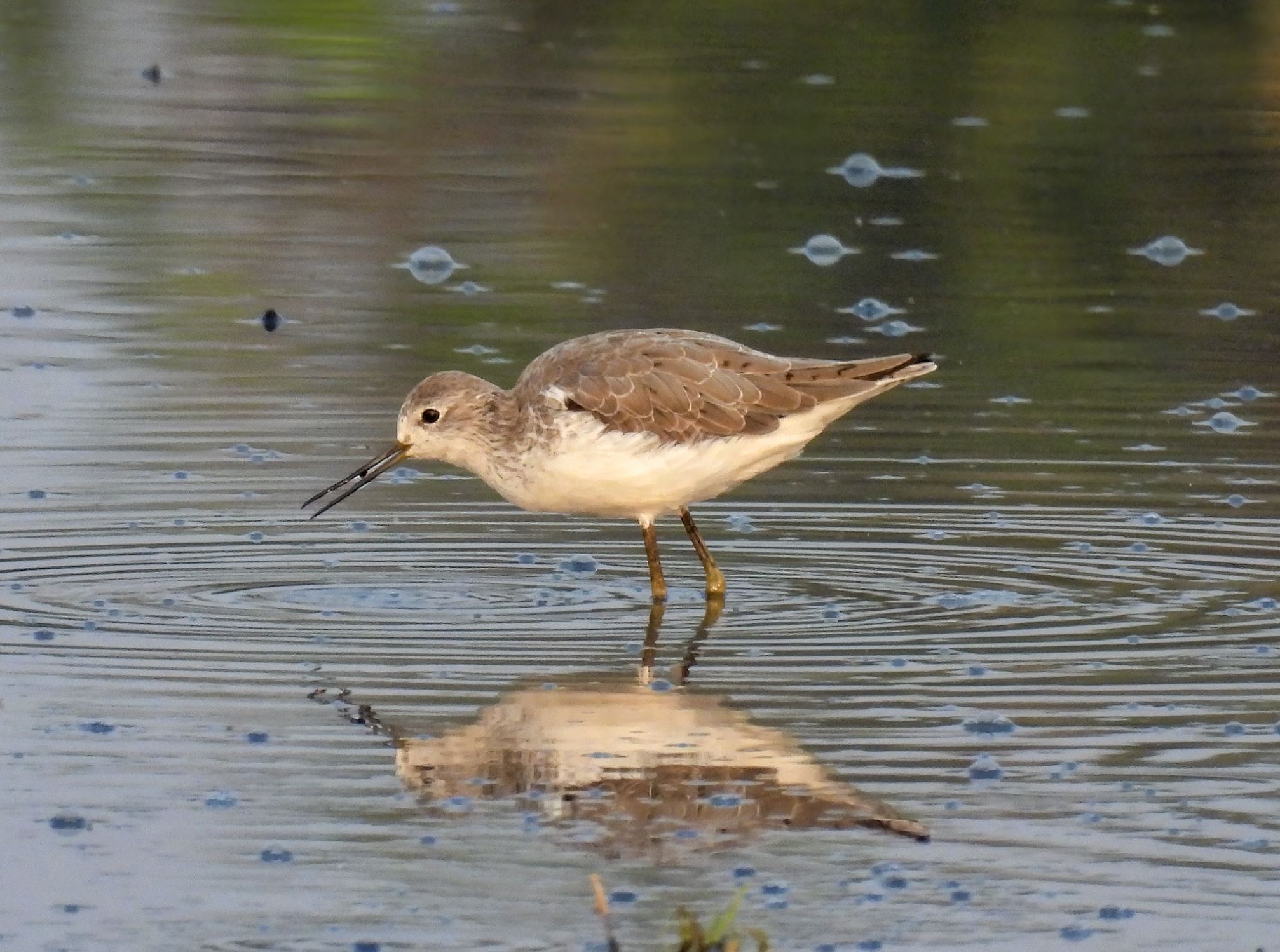
Hanchinal Lake, Bijapur
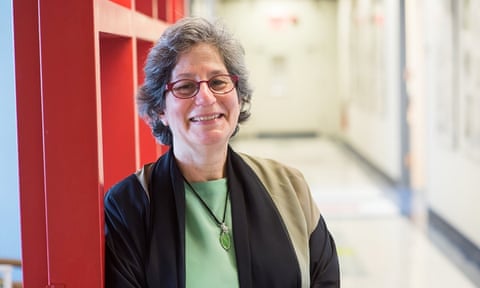
Susan Solomon: ‘Frankly, I worry about climate scientists being encouraged to take a particular stance.’ Photograph: Justin Knight
Killian Fox (long time no see!) offers this wonderful conversation with an optimist who knows the science:
Climate scientist Susan Solomon: ‘Let’s not give up now – we’re right on the cusp of success’
The US atmospheric chemist on why she doesn’t share the pessimism of most climate scientists, fixing the ozone layer, and why Jacques Cousteau is her hero
Susan Solomon was born and raised in Chicago and got her PhD in atmospheric chemistry from the University of California, Berkeley. She is known for her work in the 1980s which established how the Earth’s protective ozone layer was being depleted by human-made chemicals. Continue reading
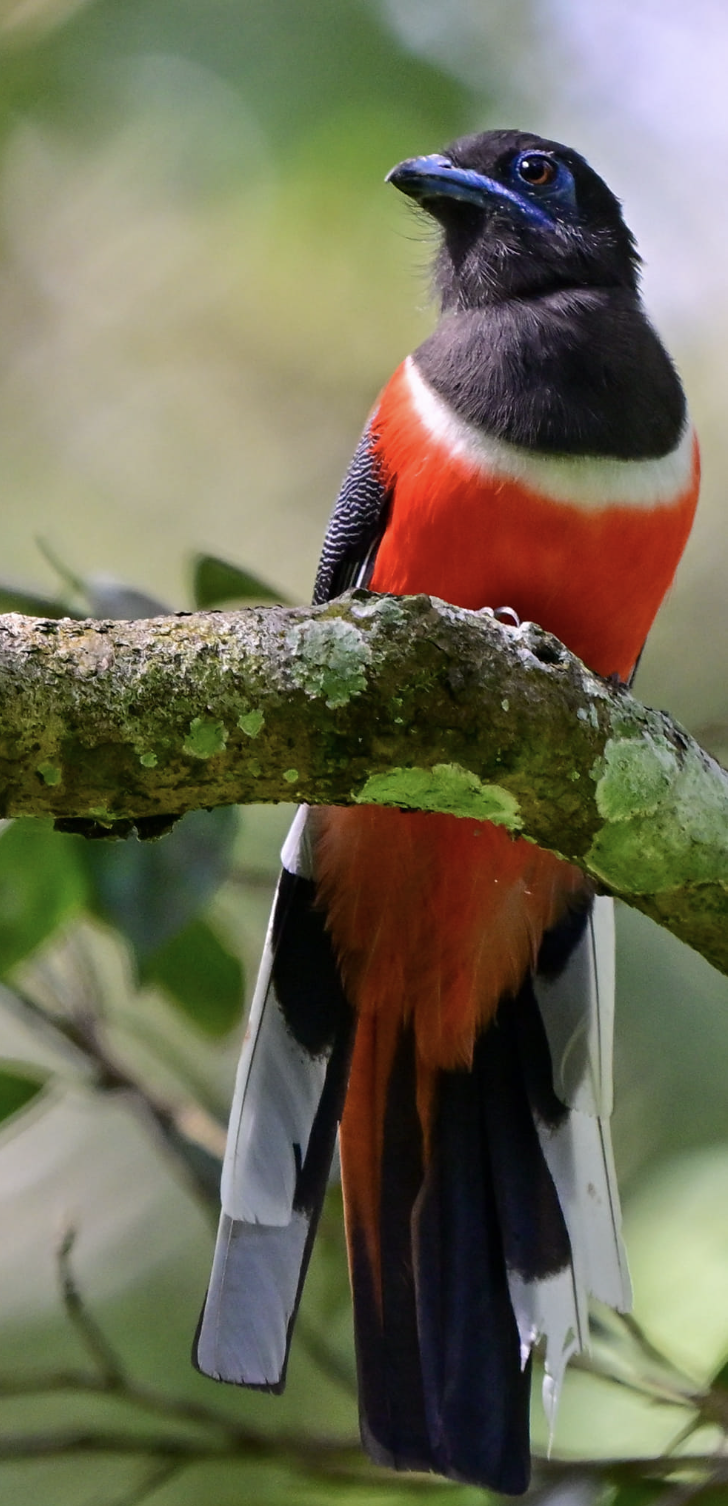
Male
Periyar Tiger Reserve, Kerala
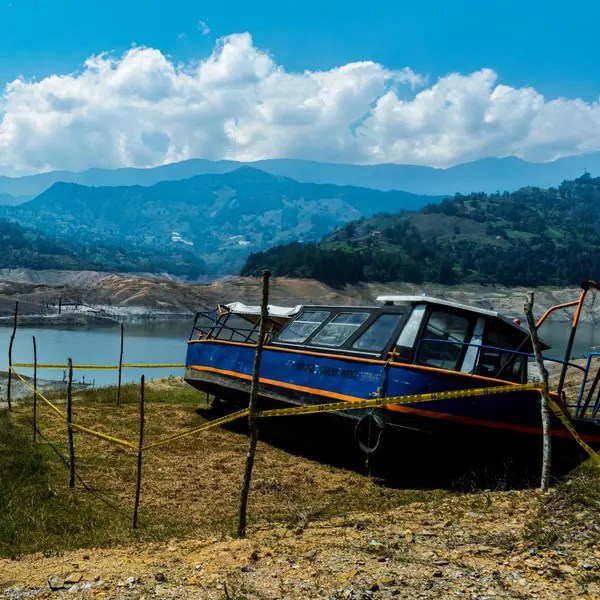
A dry section of the Guavio Reservoir that feeds the Guavio Hydroelectric Power Plant in Gachala, Colombia, in April. Jhojan Hilarion/Agence France-Presse — Getty Images
We knew that dams’ days are numbered, but the evidence keeps mounting:
The struggle of the world’s largest source of renewable last year could have important implications for the fight against climate change.
Global pollution from electricity generation was set to fall last year, thanks to the growth of renewable energy. Then came the droughts.
Hydropower, the biggest source of renewable energy in the world, was crippled by lack of rain in several countries last year, driving up emissions as countries turned to fossil fuels to fill the gap. Continue reading
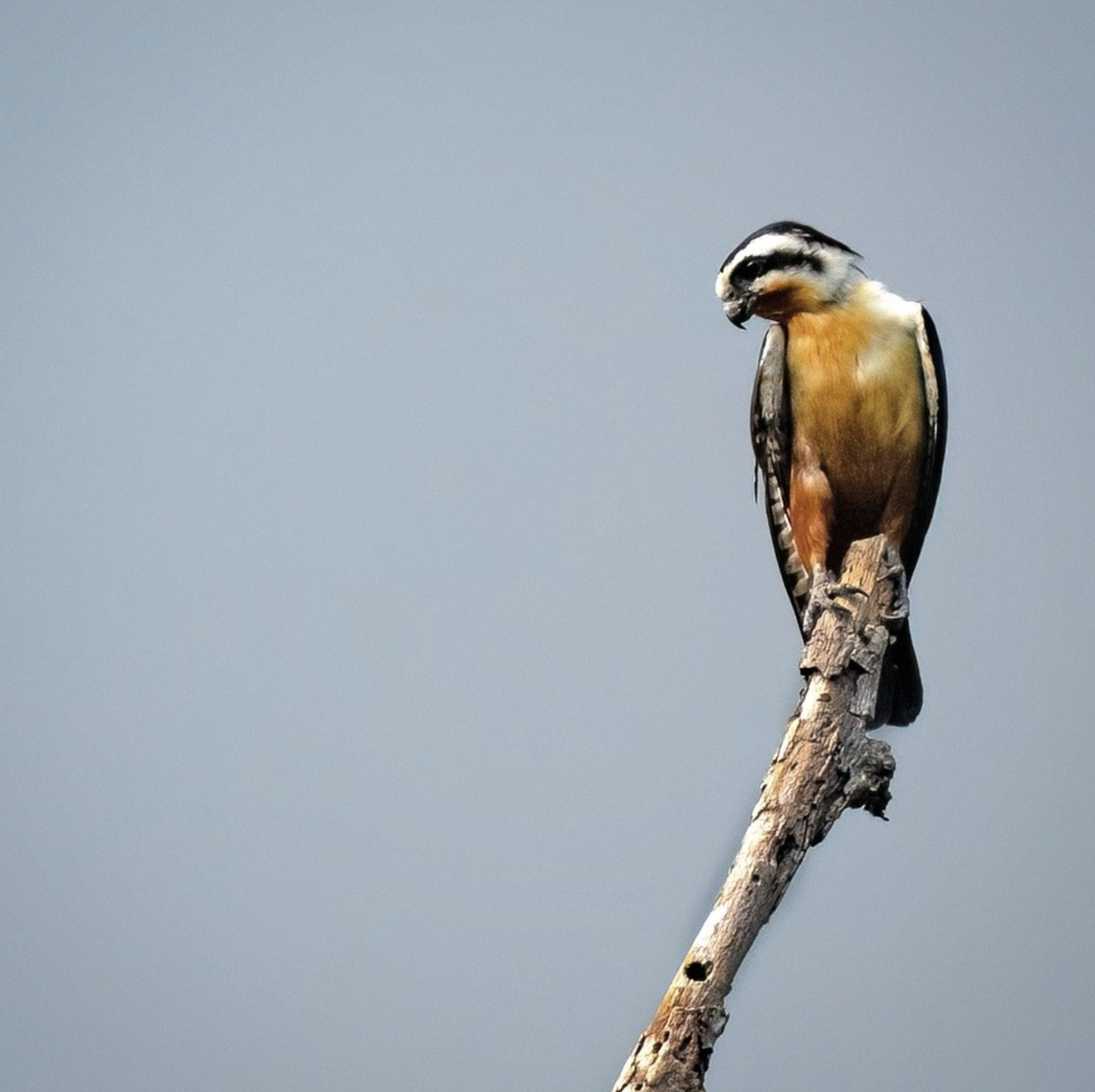
Shivkhola, RongTong, West Bengal
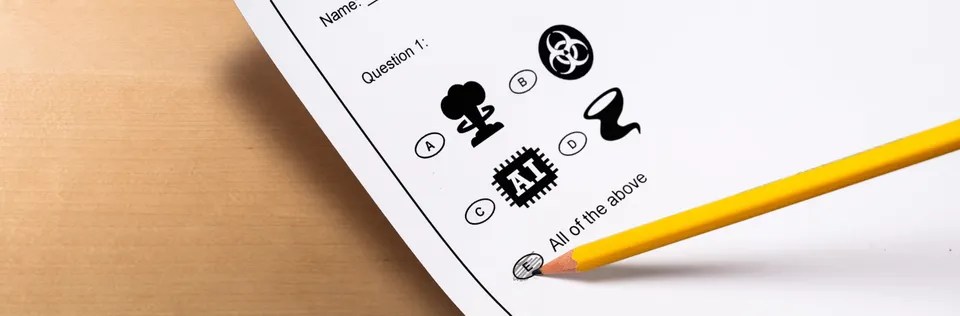
Students in a course at the University of Chicago sorted through the future that they will inherit. Illustration by Ben Denzer
Gags and wonders abound. But now, enough diversionary fun, back to the tough stuff. Thanks to Rivka Galchen, writing in the current issue of The New Yorker, follow along and ponder all the major threats, with rigorous reasoning, in the classroom:
Are We Doomed? Here’s How to Think About It
Climate change, artificial intelligence, nuclear annihilation, biological warfare—the field of existential risk is a way to reason through the dizzying, terrifying headlines.
In January, the computer scientist Geoffrey Hinton gave a lecture to Are We Doomed?, a course at the University of Chicago. He spoke via Zoom about whether artificial intelligence poses an existential threat. He was cheerful and expansive and apparently certain that everything was going to go terribly wrong, and soon. “I timed my life perfectly,” Hinton, who is seventy-six, told the class. “I was born just after the end of the Second World War. I was a teen-ager before there was aids. And now I’m going to die before the end.” Continue reading
 Organikos