
Sivarpanam Palace, Tamil Nadu
Sivarpanam Palace, Tamil Nadu
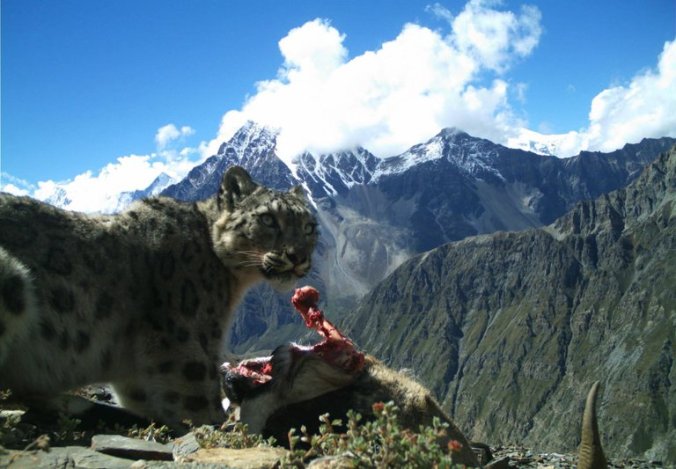
A snow leopard in the Himalayas eating its prey. Credit Madhu Chetri
The New York Times’ always-appreciated Science section, once a Tuesday feature, has been joined by many features made possible by the wonders of modern technology, and the news organization has also responded creatively to the competition made possible by all that wondrous technology. This article by Nicholas St. Fleur is a good example of why we check in on the Trilobites feature of the website daily:
How Do You Save Snow Leopards? First, Gather Their Droppings
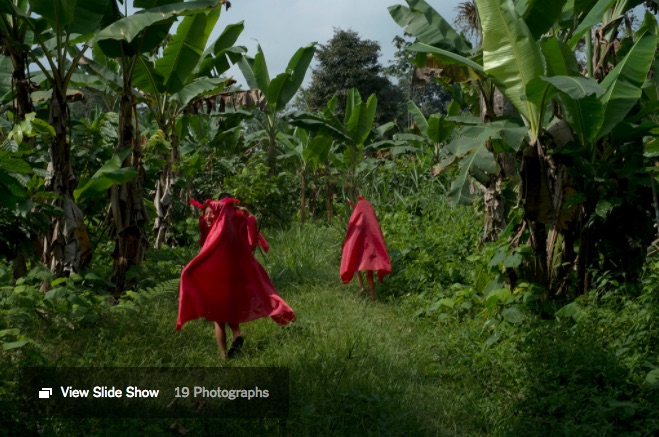
Credit Emilia Lloret/Native Agency
We will all be the beneficiaries, no doubt:
Nurturing New Storytellers in Africa and Latin America
By David Gonzalez
For some people, the idea of “serious” photography conjures up dramatic scenes of suffering, violence and poverty. This can be especially so in parts of Latin America and Africa, where careers have been made by foreign journalists who go in looking for drama. While no doubt there are pressing issues in these regions, there are also scenes of daily life, or less dramatic situations, that go unnoticed, slanting how a global audience sees people and places. Continue reading

Brown Pelican. Photo by ALAN SCHMIERER / Flickr in the Public Domain
Thanks to Cool Green Science:
Five Endangered Species Recoveries You’ve Never Heard Of
by Christine Peterson
More than 40 species have been officially recovered by the Endangered Species Act. Some, like bald eagles and peregrine falcons, have received a lot of publicity.
Here are five lesser known – but no less interesting – stories of recovery. Continue reading

male – Vijayapura, Karnataka
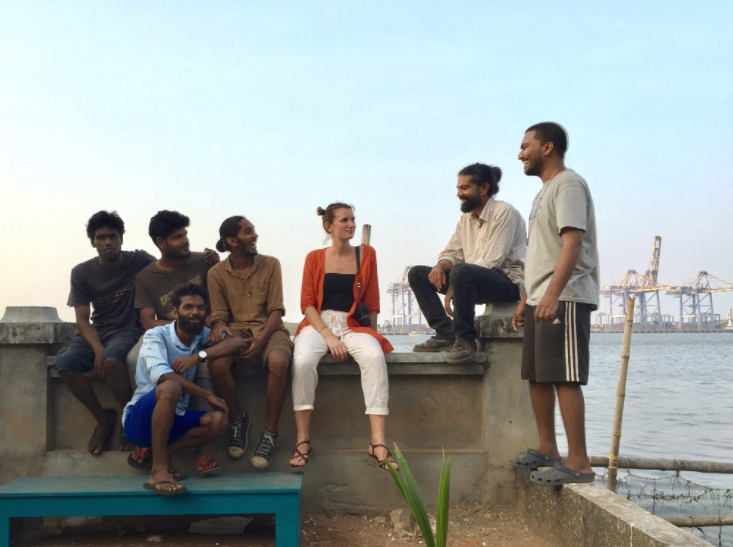
Myself and the Kochi-Muziris Biennale volunteers of The Pepper House.
I often struggle to formulate the words to describe transformative experiences. But now, looking at the film I developed from my month in India, waves of nostalgia and inspiration flutter to me. This post is the India I felt, saw, and loved for 30 days.
I have been fascinated by India since I was four years old, when my preschool teacher brought Sri Lankan rice and curry to class. The sensation of spicy food and description of spice plantations soaked deeply into my curious brain. Throughout my childhood I researched India, and fell even deeper in love, imagining my own body amidst the color and chaos. It was not until I arrived in college (this year), that I would have sufficient time for my first trip to India.
Though I studied Indian culture before arriving, no amount of reading or advice could have prepare me for what I would experience. Continue reading
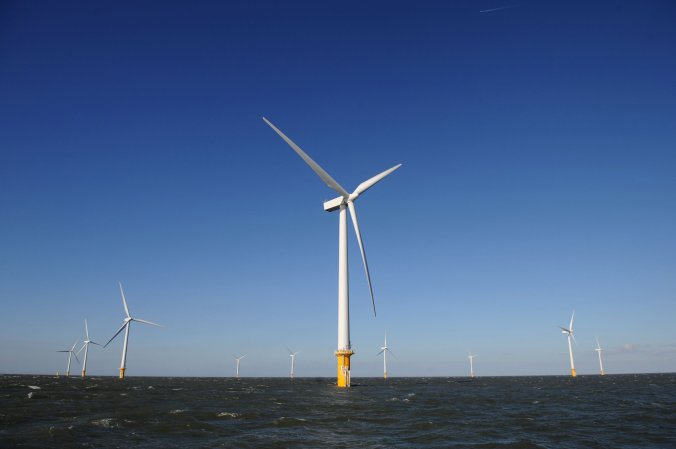
Dong Energy, a Danish company, is installing 32 turbines that stretch 600 feet high off the coast of Britain. Credit Andy Teebay
Thanks to the New York Times for this news from the world of alternative energy:
Offshore Wind Moves Into Energy’s Mainstream
LIVERPOOL, England — When engineers faced resistance from residents in Denmark over plans to build wind turbines on the Nordic country’s flat farmland, they found a better locale: the sea. The offshore wind farm, the world’s first, had just 11 turbines and could power about 3,000 homes. Continue reading
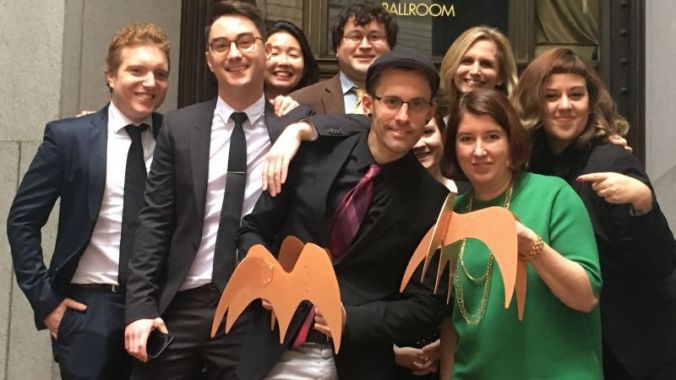
Mother Jones staffers celebrate after winning the 2017 Magazine of the Year award.
We are not normally watching awards shows, but this story catches our attention because of some notable winners in the world of magazines, some of which we monitor regularly for stories relevant to our purpose. And in particular at this moment, when we have been monitoring the news for examples of creative protest, we realize that we had neglected or avoided some of these publications because of their partisan positioning (there is enough of that without our joining in). But this magazine today joins our list of regularly monitored sources because they have been relentlessly pursuing important stories, for a long time: Continue reading
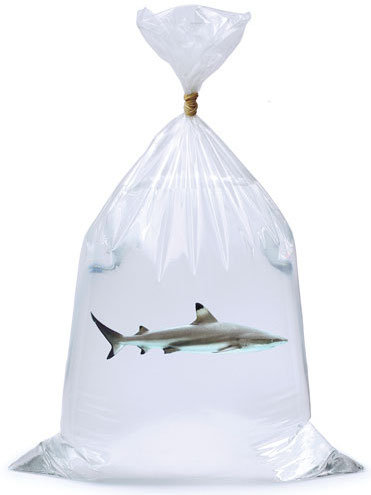 We appreciate Anthropocene’s ongoing efforts to summarize important scientific findings related to the environment, conservation and related topics. Earlier this week Emma Bryce offered “The invisible boundaries of ocean refuges protect even wide-roaming creatures” — a worthy read about these spaces providing more benefit than expected:
In recent years, we’ve preserved several million square kilometers of ocean inside Marine Protected Areas (MPAs), the wildlife reserves of the sea. By cordoning these areas off from commercial fishing, undersea mining, and development, we hope to protect the species within them. But does it actually work? Continue reading
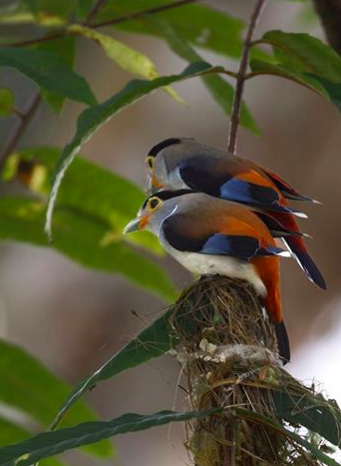
Leimhakong, Manipur

This wild hog from Hawaii was raised at the National Wildlife Research Center in Fort Collins, Colo. Feral pigs in the wild tend to eat anything containing a calorie â from rows of corn to sea turtle eggs, to baby deer and goats. Rae Ellen Bichell/NPR
We appreciate the excellent science produced by employees of the federal government of the USA, both the theoretical and applied problems they tackle depending on their specialty. Thanks to those who deal with creatures like this, who have in common with their feline counterparts in some locations the misfortune of bumping up against human interests. Figuring them out and accommodating them humanely seems a worthy scientific cause:
Scientists Get Down And Dirty With DNA To Track Wild Pigs
by Rae Ellen Bichell
In the foothills of Colorado’s Rocky Mountains, a gravel road leads to a 10-foot-tall fence. Type in a key code, and a gate scrapes open. Undo a chain to get behind another. Everything here is made of metal, because the residents of this facility are experts at invasion and destruction. Continue reading
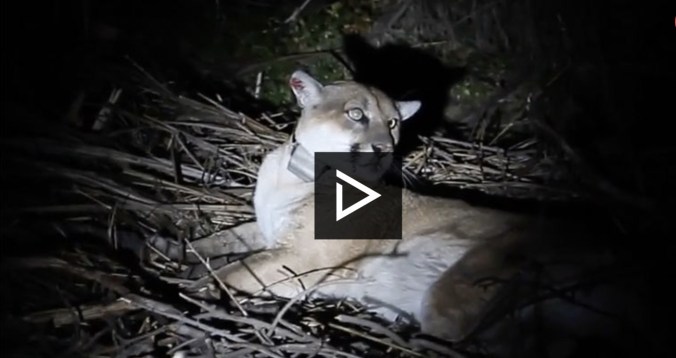
In case you did not see it yesterday, take a look at this when you have the time to read it in full. For now, over a quick coffee, click the image above to go to a video, 5:30 minutes long, to understand what the National Park Service is doing on behalf of this majestic lost cat:
The carnivore biologist Jeff Sikich captures and examines a mountain lion in the Santa Monica Mountains. Courtesy National Park Service

“K+L+32+H+4. Mon père et moi (My Father and I)” right, by Charles Hossein Zenderoudi, on display at the Museum of Modern Art in New York. Credit Sam Hodgson for The New York Times
When the two words model mad first occurred to us, it was simply to thank one of our favorite people for continuing to resist wrongness in new, clever manner, without losing his cool and thereby keeping it effective. Since then we have found a story almost every day that illustrates the fertile ground of protest created in recent times. And today, thanks to the New York Times, we see another one:
MoMA Takes a Stand: Art From Banned Countries Comes Center Stage
By
President Trump’s executive order banning travel and rescinding visas for citizens of seven majority-Muslim nations does not lack for opponents in New York — from Kennedy Airport, where striking taxi drivers joined thousands of demonstrators, to the United Nations, whose new secretary general, António Guterres, said the measures “violate our basic principles.”
Now the Museum of Modern Art — which in past decades has cultivated a templelike detachment — is making its voice heard as well. In one of the strongest protests yet by a major cultural institution, the museum has reconfigured its fifth-floor permanent-collection galleries — interrupting its narrative of Western Modernism, from Cézanne through World War II — to showcase contemporary art from Iran, Iraq and Sudan, whose citizens are subject to the ban. A Picasso came down. Matisse, down. Ensor, Boccioni, Picabia, Burri: They made way for artists who, if they are alive and abroad, cannot see their work in the museum’s most august galleries. (A work from a Syrian artist has been added to the film program. The other affected countries are Somalia, Yemen and Libya.) Continue reading

Atlanta, Georgia
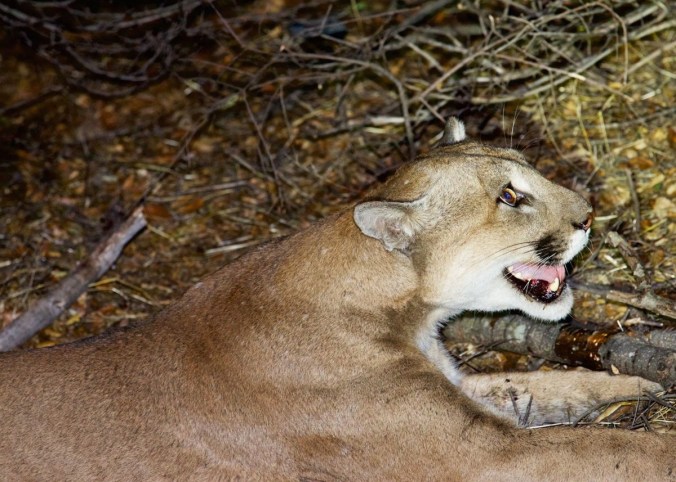
A lion known as P-45 has killed scores of domestic animals—and attracted passionate fans. Courtesy National Park Service
I favor a walk in the woods where pumas feel naturally at home. That said, the world has been changing faster than we like, and faster than pumas can adapt. We have had so many wildcat stories in these pages since we started in 2011, it is impossible to count at this point; also not possible to link back to one that matches the content of Dana Goodyear’s wow piece in the upcoming issue of the New Yorker:
LIONS OF LOS ANGELES
Are the city’s pumas dangerous predators or celebrity guests?
It was drizzling and gray, late fall, on the old Rickards Movie Ranch, high in the Santa Monica Mountains, in rural, red-state western Malibu. Continue reading
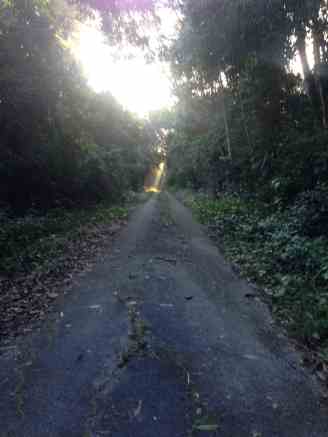 Yesterday in these pages we welcomed you to visit the new website for and the actual place, Chan Chich Lodge. It bears repeating. This time by me personally. Please come here.
The snapshot to the right, taken on my phone just minutes ago on my morning walk, says the same. If you combine it with the last time I was walking these paths, you will see one more reason why I walk every morning.
I walk the roads and paths at Chan Chich every morning with the hope of seeing wildlife, and knowing that breathing the air here is better than doing so almost anywhere else on the planet. It is pure.
Between the puma-sighting snapshot and now I was in India. I have just arrived to Belize again and expect to be here for some time. I did not see any big cats this morning, but the birdlife is as abundant as ever, and their song just now provides very good cheer. If you need more information on why to come to Chan Chich, or how, or when, just let me know.
Thanks to the New Yorker website for this one. No image required. These two paragraphs say plenty about a model mad governor of one state of the union that is resisting the dark clouds of the new political climate, but do read the whole post:
…“At my age, I can go pretty solidly for twelve hours,” Brown, who is fifty-six years old, said. “So, if you have a nine-to-five job, that gives you a couple of hours to be at your local airport to protest the immigration order. Continue reading
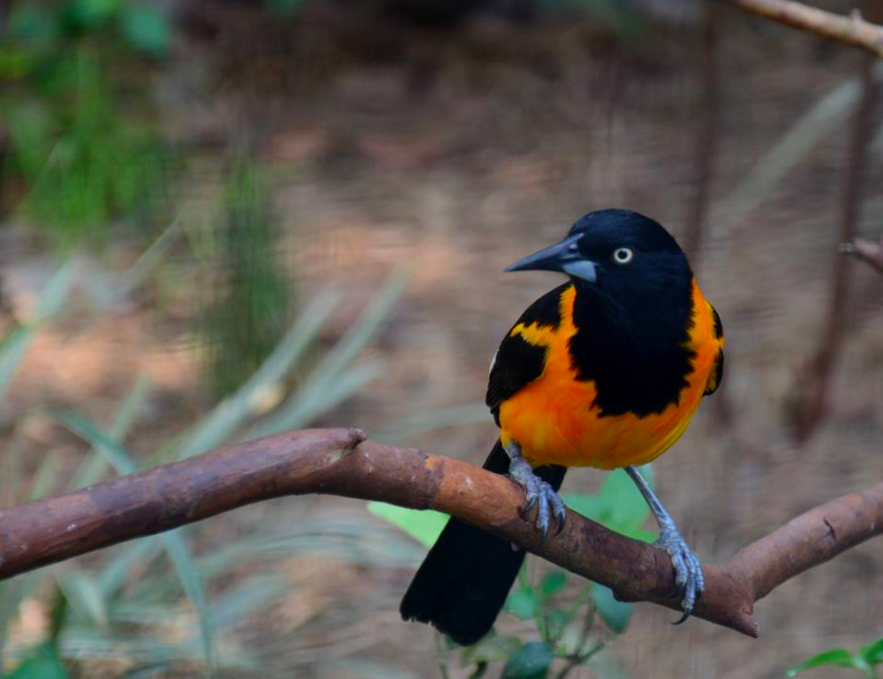

Check out the new website. Then check out the place.

Travis Kalanick wrote in an email to Uber staff on Thursday that he stepped down after he spoke with Trump about his immigration executive order ‘and its issues for our community’. Photograph: Danish Siddiqui/Reuters
We appreciate the Guardian’s continued attention to stories that illustrate model mad
actions, wherever or however they might happen. The fertility of the soil, the richness of the ecosystem in which people are expressing themselves in novel model mad manner, is helping us imagine we will see through the dark cloud sooner rather than later:
Uber CEO steps down from Trump advisory council after users boycott
Travis Kalanick says participation in president’s strategic and policy forum has been ‘misinterpreted’ as endorsement of Donald Trump’s agenda Continue reading
 Organikos