
Costa Rica
10,000 New Electric Buses In India

People wait to board an electric bus in Pune, India. (Image credit: courtesy of ITDP)
Seven years and many bus stories among us recall the old buses. Noisy, smoke-belching, hot and crowded. Time to retire the old ones and at least lessen the noise and belching. Thanks to Sarah Spengeman and Yale Climate Connections:
India makes a big bet on electric buses
Fast-growing cities need electric buses if the country is to meet its climate goals.
Public transportation riders in Pune, India, love the city’s new electric buses so much they will actually skip an older diesel bus that arrives earlier to wait for a smoother, cooler ride in a new model. This has fed a new problem: overcrowding. Fortunately, more new buses are on the way. Continue reading
Bird of the Day: Red-shouldered Hawk
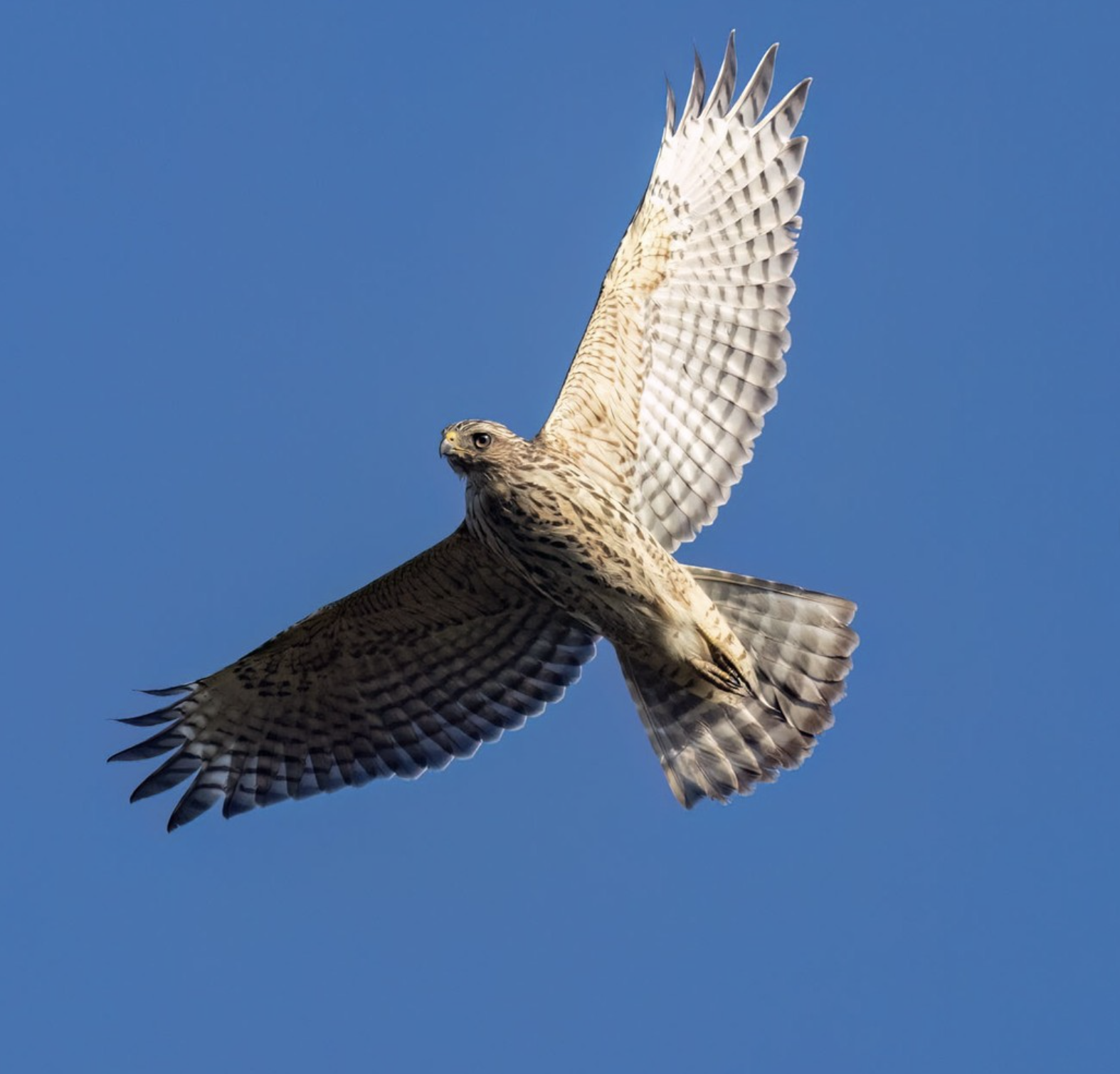
San Gabriel Wildlife Area, Granger Lake, Williamson County, TX
Babatana Rainforest Conservation Project & High Integrity Carbon Credits
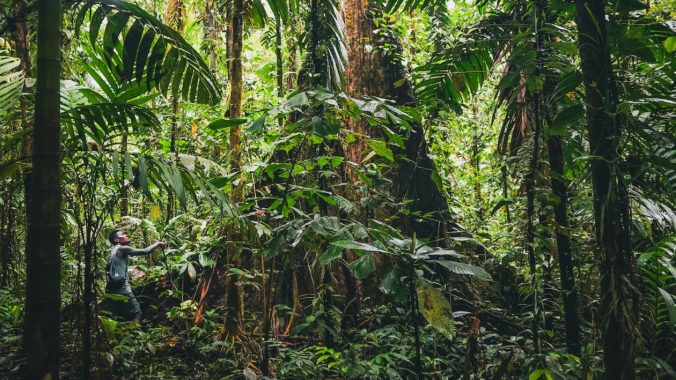
Sirebe tribal ranger Elijah Qalolilio Junior in the rainforest. DOUGLAS JUNIOR PIKACHA / NAKAU

A sign marks the boundary of protected Sirebe land. DOUGLAS JUNIOR PIKACHA / NAKAU
Of all the methods for addressing climate change, new incentives for protecting forests are among those we have most confidence in. Thanks to this article by Jo Chandler in Yale e360, if your introspection after reading this previous article had you down on carbon credits, there may be a way to restore your confidence:
The Sirebe forest at dusk. DOUGLAS JUNIOR PIKACHA / NAKAU
Solomon Islands Tribes Sell Carbon Credits, Not Their Trees
In a South Pacific nation ravaged by logging, several tribes joined together to sell “high integrity” carbon credits on international markets. The project not only preserves their highly biodiverse rainforest, but it funnels life-changing income to Indigenous landowners.
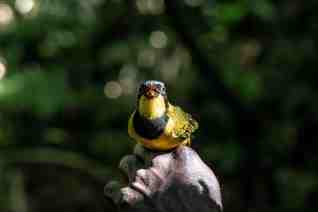
A male oriole whistler on a forest ranger’s hand. DOUGLAS JUNIOR PIKACHA / NAKAU
When head ranger Ikavy Pitatamae walks into the rainforest on Choiseul Island, the westernmost of the nearly 1,000 islands that make up the South Pacific archipelago of Solomon Islands, he surveys it with the heart of a tribal landowner and the eye of a forester. Continue reading

Bird of the Day: Russet-crowned Motmot
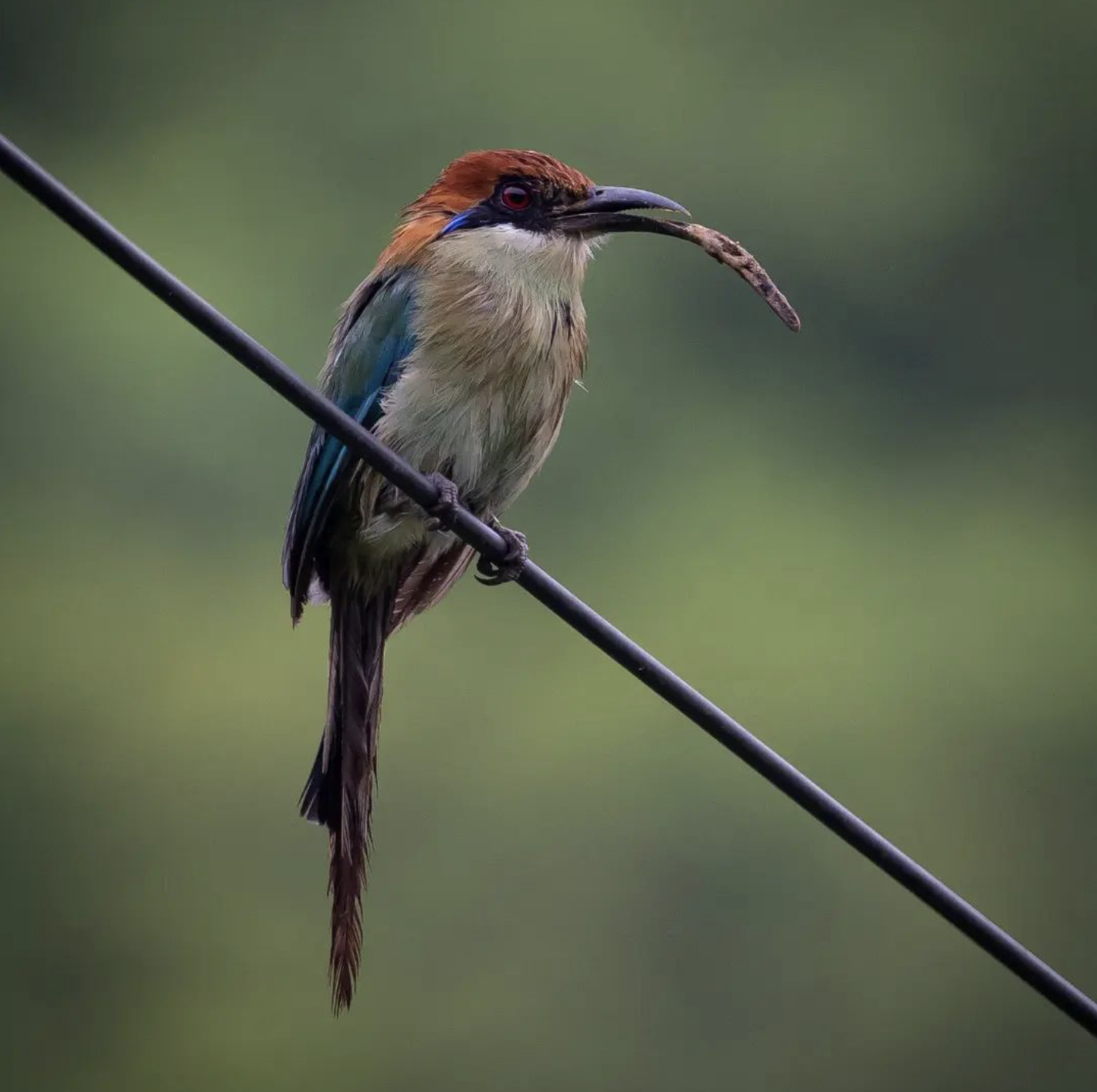
rare beak condition
Reserva Natural Heloderma, Guatemala
Assisted Evolution

Photo illustration by Lauren Peters-Collaer
If conservation failure is an option, then assisted evolution is a necessary consideration. Emily Anthes walks us through the idea:
Should We Change Species to Save Them?
When traditional conservation fails, science is using “assisted evolution” to give vulnerable wildlife a chance.
Scientists are trying to save lowland Leadbeater’s possums, tree-dwelling marsupials known as forest fairies, by crossbreeding them with possums from a separate highland population, a strategy known as genetic rescue.
For tens of millions of years, Australia has been a playground for evolution, and the land Down Under lays claim to some of the most remarkable creatures on Earth.
It is the birthplace of songbirds, the land of egg-laying mammals and the world capital of pouch-bearing marsupials, a group that encompasses far more than just koalas and kangaroos. (Behold the bilby and the bettong!) Nearly half of the continent’s birds and roughly 90 percent of its mammals, reptiles and frogs are found nowhere else on the planet.
Australia has also become a case study in what happens when people push biodiversity to the brink. Continue reading
Bird of the Day: Limpkin
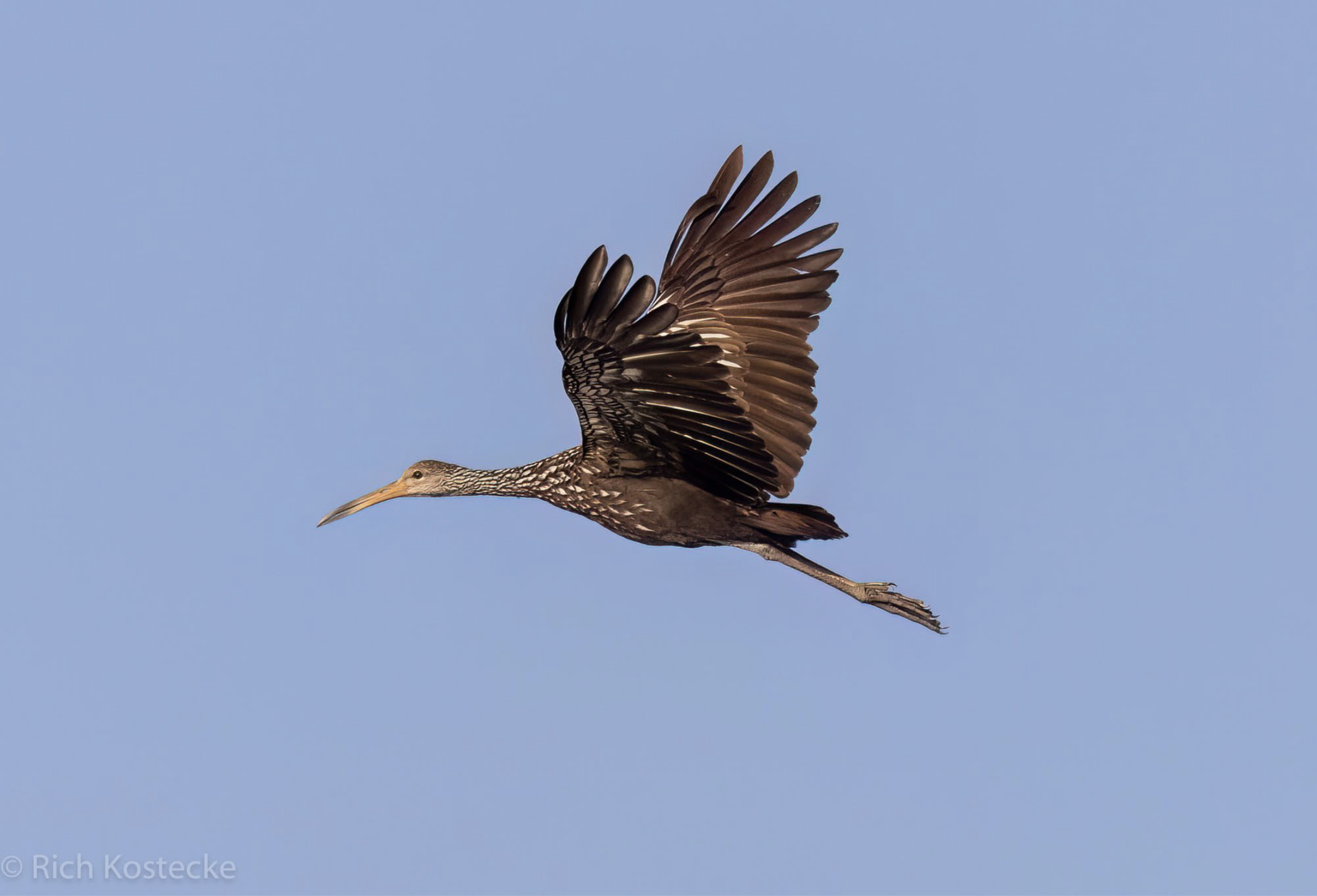
San Gabriel River, TX
Coffee Bags On Other Second Shift Duties
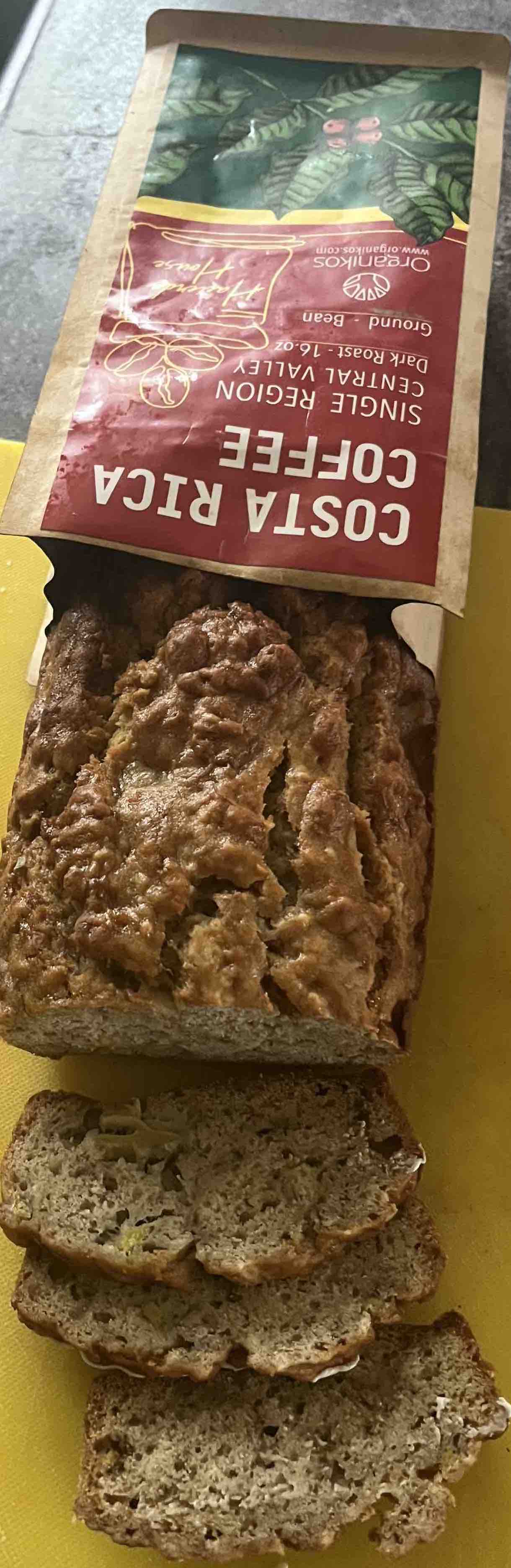
More ways to re-use coffee bags
We have changed our coffee labels, but continue to use kraft bags, and continue to find ways to re-use those with the old style labels. Above, and below, case in point. Continue reading
Bird of the Day: Coal Tit
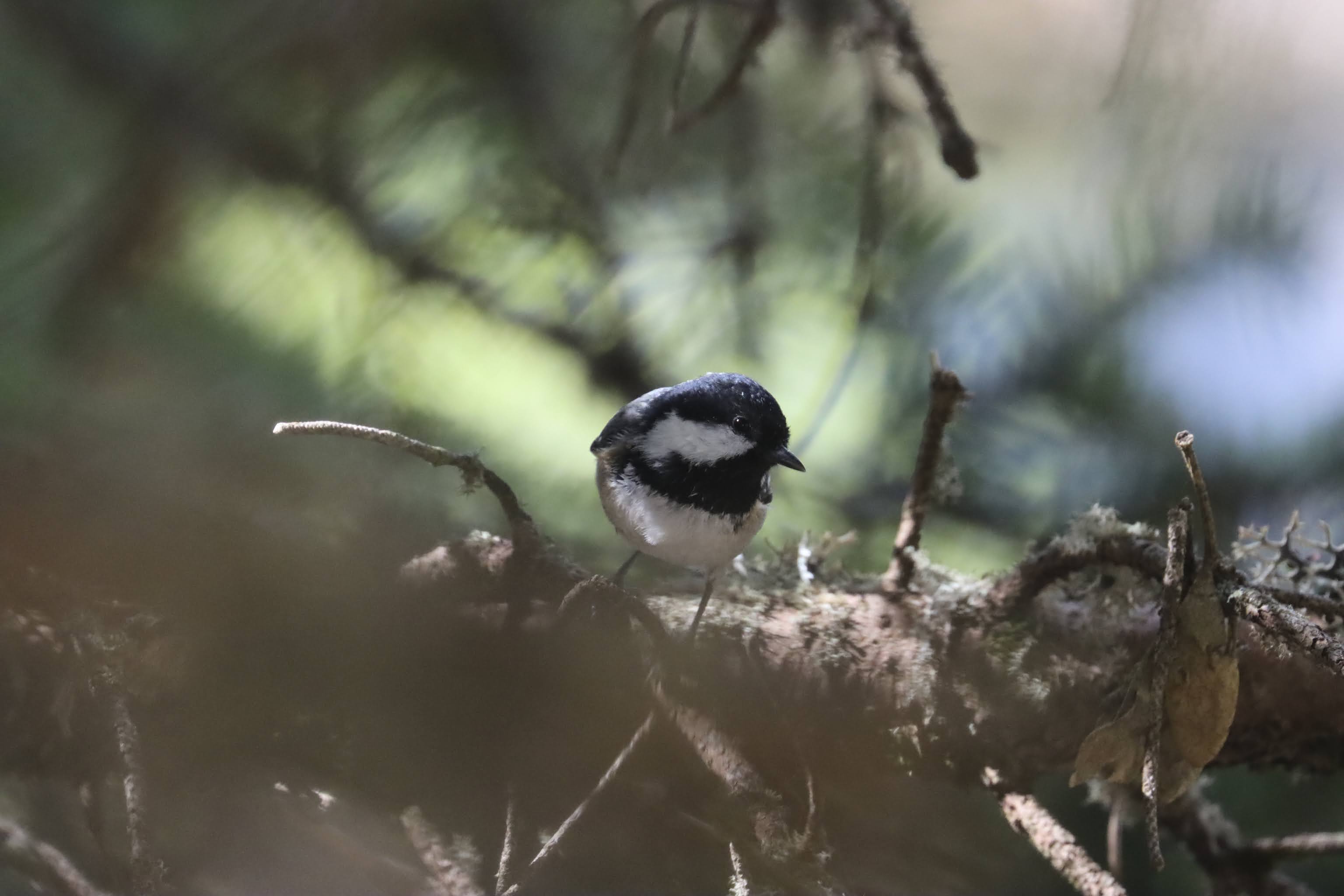
Taygetos Mountains, Greece
Cambodian Mangrove Wonders
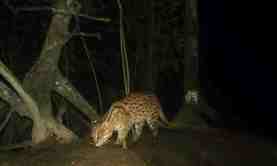
A fishing cat in Peam Krasop wildlife sanctuary. Photograph: Fauna & Flora/FCEE
Thanks to Robin McKie, now Science Editor at the Guardian, for this news from Cambodia:
‘We found 700 different species’: astonishing array of wildlife discovered in Cambodia mangroves
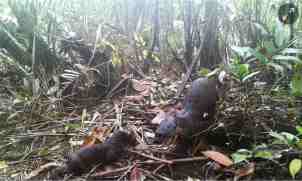
Smooth-coated otters in the mangroves. Photograph: Fauna & Flora/FCEE
Hairy-nosed otters and cats that catch fish are among the startling diversity of creatures making their home in threatened habitats
One of the most comprehensive biodiversity surveys ever carried out in a mangrove forest has revealed that an astonishing array of wildlife makes its home in these key, threatened habitats. Continue reading
Bird of the Day: Barn Owl
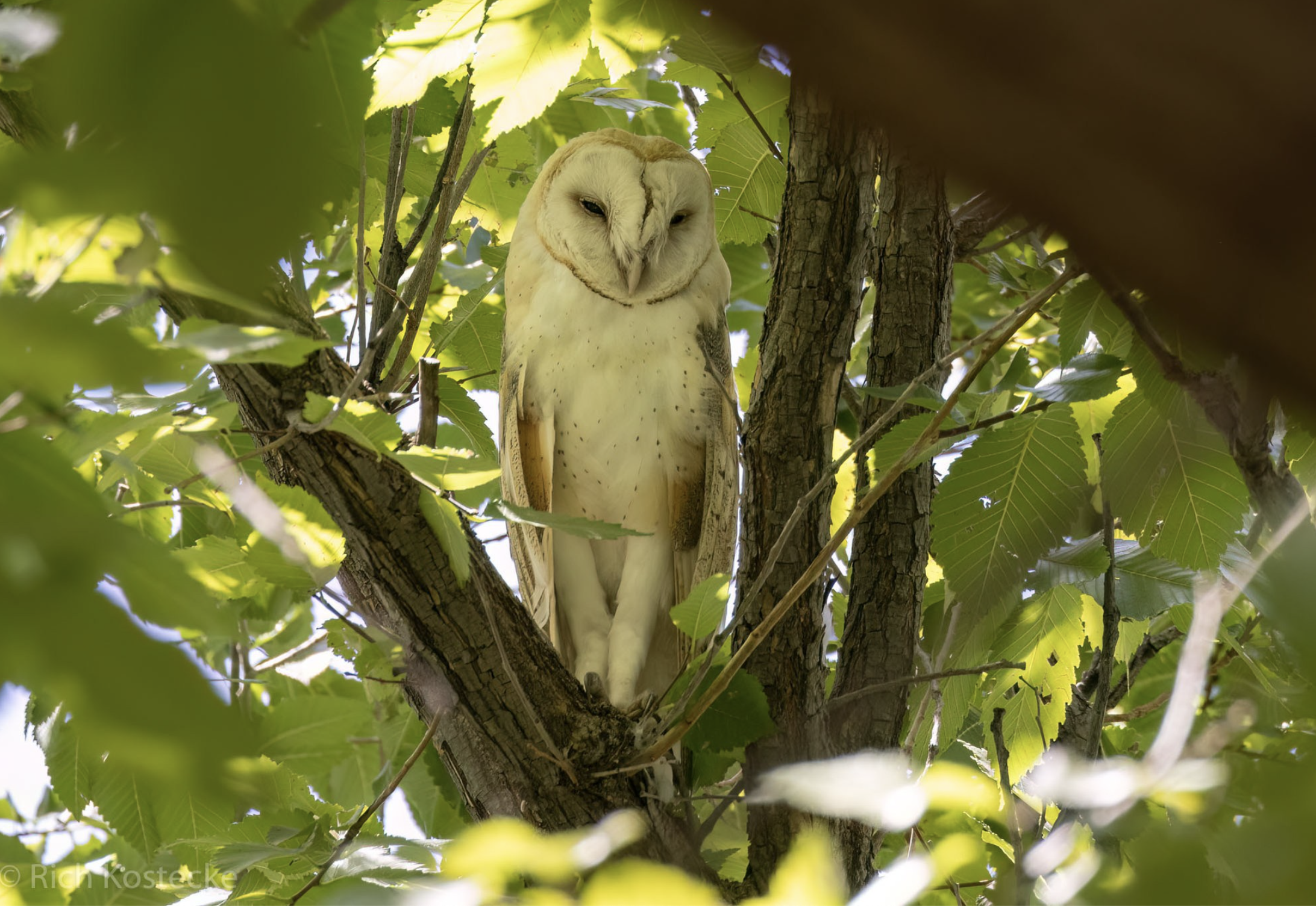
Miller Ranch, Presidio County, TX
Exquisite Textiles

“Development in Rose I” (1952).Art work by Anni Albers / Courtesy © The Josef and Anni Albers Foundation / ARS, 2024
Weavers got more attention during our seven years in India, but we are no less interested in the tradition today. Thanks to Jackson Arn, writing in the New Yorker, for this review:
Anni Albers Transformed Weaving, Then Left It Behind
Her textiles are quiet revelations, but even her later prints show how restraint can generate ravishing beauty.
Imagine you’d been born in 1899. Imagine living through the invention of the Model T, the jet aircraft, the liquid-fuelled rocket, and the computer chip. Now imagine looking back on all this in 1965 and writing, as though with a shrug, “How slow will we appear some day?”
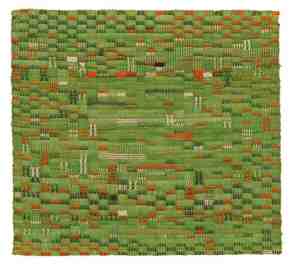
In works like “Pasture” (1958), texture and almost-patterns create an overwhelming experience.Art work by Anni Albers / Courtesy © The Josef and Anni Albers Foundation / ARS, 2024 / © Metropolitan Museum of Art; Photograph by Peter Zeray
It takes an uncommon turn of mind to survive decades this dizzying and then sum them up with perfect nonchalance—but a lot of the greatness of Anni Albers lay in her ability to stay undizzied and keep doing her thing, year after year. Not that she was afraid of innovation; her thing just happened to be weaving, an art form that, by her own calculation, had not changed in any fundamental way since the Stone Age.
Critics reach for a few key words with Albers: “crisp,” “precise,” “mathematical.” Continue reading
Bird of the Day: Brown-hooded Parrot

Costa Rica
Conservation, Tourism & Introspection
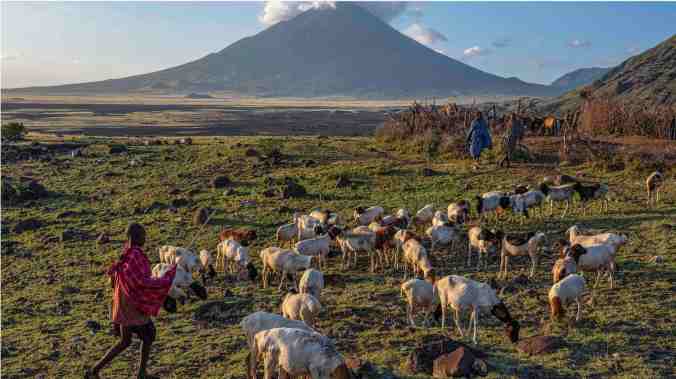
A Maasai boy herds goats and sheep in the shadow of Ol Doinyo Lengai—known to the Maasai as the Mountain of God—in northern Tanzania. Government plans call for the removal of the Maasai from this region, the latest in a long series of evictions.
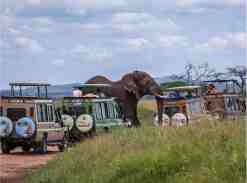
Bumper-to-bumper in Serengeti National Park, the first enclave in northern Tanzania to be set aside for conservation and tourism (Nichole Sobecki for The Atlantic)
If your professional focus is at the intersection of tourism and conservation, this article in The Atlantic, by Stephanie McCrummen with photos by Nichole Sobecki, forces introspection. At least it did for me:
How Gulf princes, the safari industry, and conservation groups are displacing the Maasai from the last of their Serengeti homeland
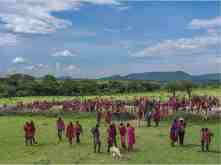
Maasai gather at a livestock market, one stop on Songoyo’s 130-mile circuit from Tanzania to Kenya and back. (Nichole Sobecki for The Atlantic)
It was high safari season in Tanzania, the long rains over, the grasses yellowing and dry. Land Cruisers were speeding toward the Serengeti Plain. Billionaires were flying into private hunting concessions. And at a crowded and dusty livestock market far away from all that, a man named Songoyo had decided not to hang himself, not today, and was instead pinching the skin of a sheep. Continue reading
Bird of the Day: Prothonotary Warbler
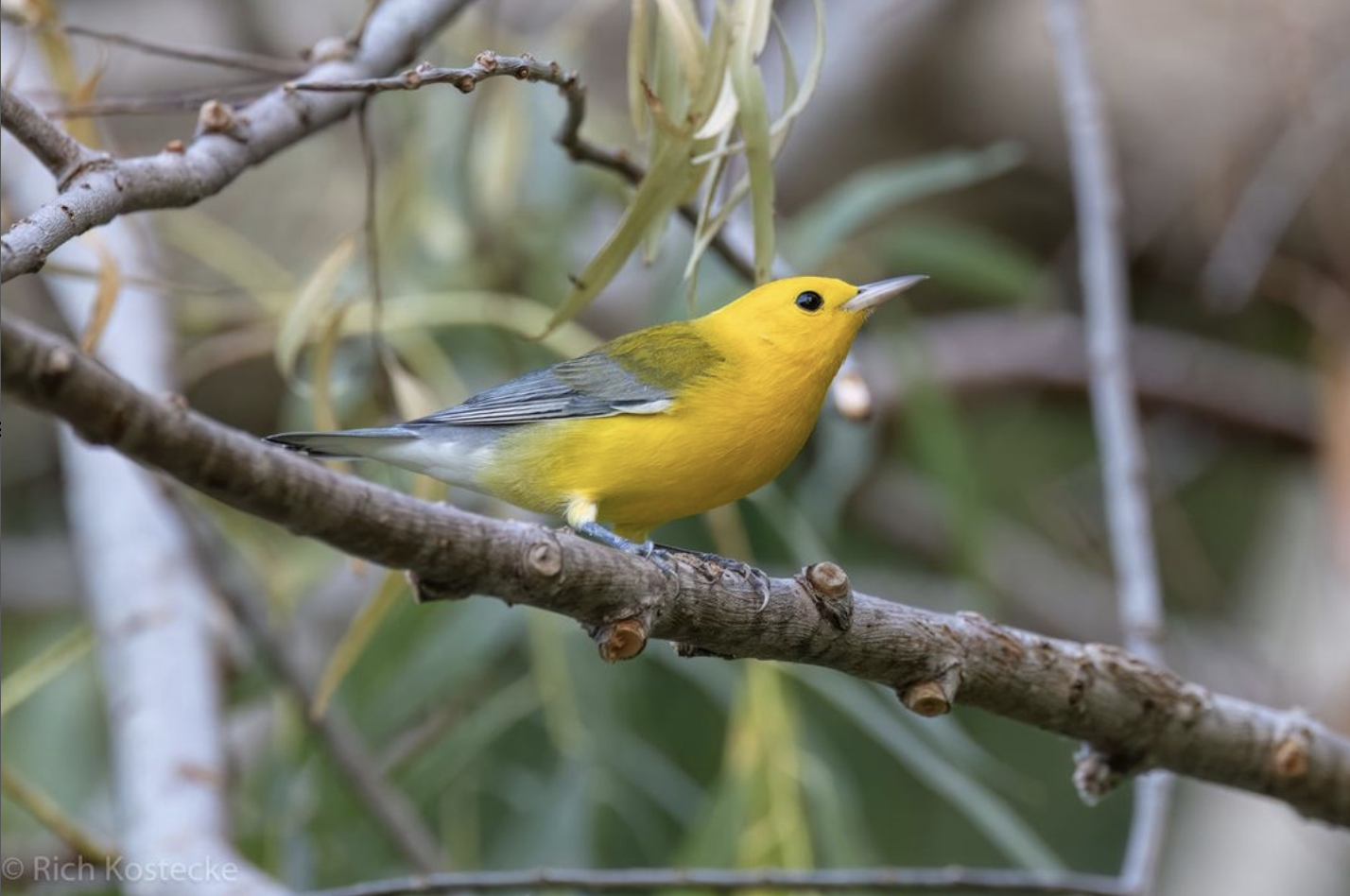
Granger Lake San Gabriel Unit, Williamson County, TX
Industry Pivots Via Carbon Sequestration

This gas processing plant at Casalborsetti is the focus of the first phase of an ambitious plan to capture carbon dioxide and bury it under the sea. Maurizio Fiorino for The New York Times
Where to put carbon is a major question of the day. Thanks to writers like Stanley Reed and publications like the New York Times the ideas keep coming:
Plan to Stash Pollution Beneath the Sea Could Save Money and Jobs
The Italian energy giant Eni sees future profits from collecting carbon dioxide and pumping it into natural gas fields that have been exhausted.
Renowned for ancient churches and the tomb of Dante, the 14th-century poet, the city of Ravenna and its environs along Italy’s Adriatic coast are also home to old-line industries like steel and fertilizer. Continue reading
Bird of the Day: Common Tern
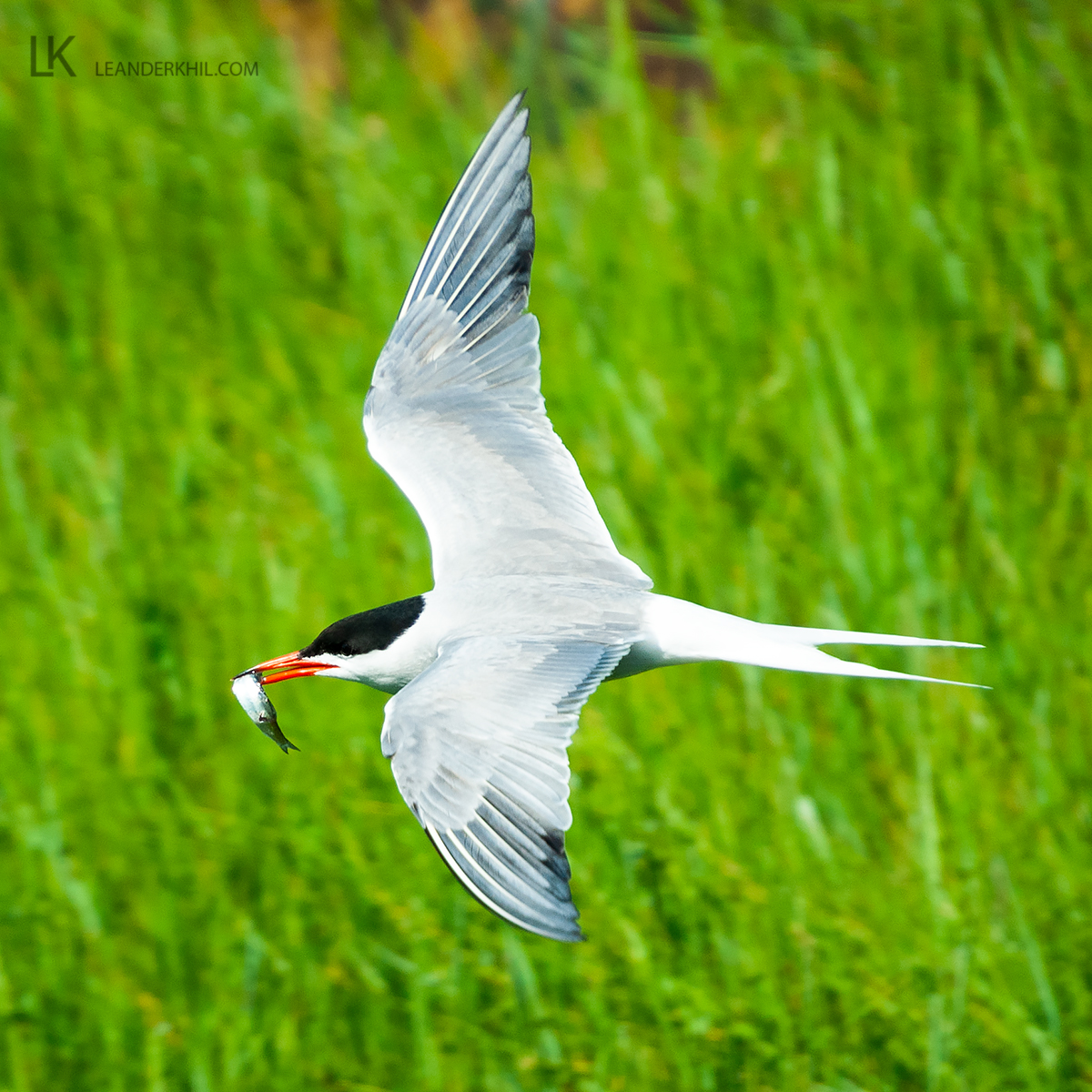
Norderoog Island, Germany
Make Space For Weeds
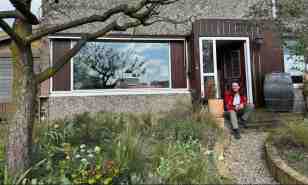
Tineke Menalda on her front doorstep in Amersfoort Photograph: Senay Boztas/Guardian
Weeds are part of nature, whether we like them or not. Thanks to Senay Boztas and the Guardian for this new take on weeds from Holland:
‘We need to accept the weeds’: the Dutch ‘tile whipping’ contest seeking to restore greenery
View image in fullscreen
A pile of ‘whipped’ paving stones in the village of Raalte.National competition has goal of helping Netherlands reach environmental targets by removing garden paving
Tineke Menalda sits in the sun on her front step, nursing a cup of coffee and idly plucking out the odd weed. Three years ago, the front of her terrace house in Amersfoort was completely paved. But now, sitting in a lush garden of trees and green, she is an official ambassador for the strangest new sport in the Netherlands: tegelwippen, “tile whipping”, or “whipping away” the paving stones. Continue reading

Bird of the Day: Secretary Bird

Maasai Mara National Reserve, Kenya
South American Fishing Methods, And Choices

An open-net salmon farm on the Chilean side of the Beagle Channel. Photograph: Dani Casado
As we increase our awareness of the many choices we have when consuming fish (among other things), here is more food for thought:
Puerto Almanza, on the Beagle Channel in Argentinian Tierra del Fuego, is one of the world’s most southerly settlements and best known for the local seafood, especially Patagonian king crabs.
Photograph: Visit ArgentinaWhile the ecosystem is thriving off the coast of Argentina, the proliferation of salmon farms in Chile’s waters is threatening marine life, say critics
A rocky path, strewn with thick tree roots, leads from a dirt road down to a small green hut overlooking the choppy waters of the Beagle Channel, a strait between Chile and Argentina. The shack is home to Diane Mendez and her family but doubles as Alama Yagan, one of nine restaurants in the fishing village of Puerto Almanza. Continue reading

 Organikos