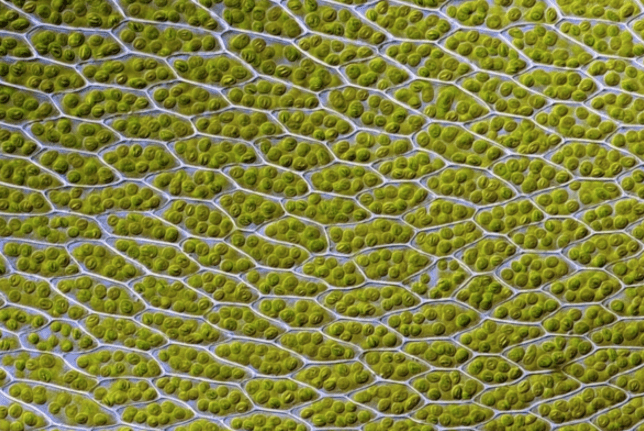
The device uses solar electricity from a photovoltaic panel to power the chemistry that splits water into oxygen and hydrogen, then adds pre-starved microbes to feed on the hydrogen and convert CO2 in the air into alcohol fuels. Credit: Des_Callaghan via Wikimedia Commons
Renewable energy is manifested in multiple forms, utilizing all the classical elements. All the better when innovation brings things full circle in this form of biomimicry.
A tree’s leaf, a blade of grass, a single algal cell: all make fuel from the simple combination of water, sunlight and carbon dioxide through the miracle of photosynthesis. Now scientists say they have replicated—and improved—that trick by combining chemistry and biology in a “bionic” leaf.
Chemist Daniel Nocera of Harvard University and his team joined forces with synthetic biologist Pamela Silver of Harvard Medical School and her team to craft a kind of living battery, which they call a bionic leaf for its melding of biology and technology. The device uses solar electricity from a photovoltaic panel to power the chemistry that splits water into oxygen and hydrogen, then adds pre-starved microbes to feed on the hydrogen and convert CO2 in the air into alcohol fuels. The team’s first artificial photosynthesis device appeared in 2015—pumping out 216 milligrams of alcohol fuel per liter of water—but the nickel-molybdenum-zinc catalyst that made its water-splitting chemistry possible had the unfortunate side effect of poisoning the microbes… Continue reading






 I’ve heard about the Schmidt Pain Scale before, having lived and worked in the tropics for long enough to have seen first-hand, and countless times, two of the insects with the most painful stings on his index: the bullet ant and the tarantula hawk. Of course, I haven’t sought out their stings and will actively avoid the two hymenopterans as much as possible, but Justin Schmidt has been doing the opposite with insects around the world for years. From the TNC Cool Green Science blog:


 Organikos