Innovating on the Ocean Bed

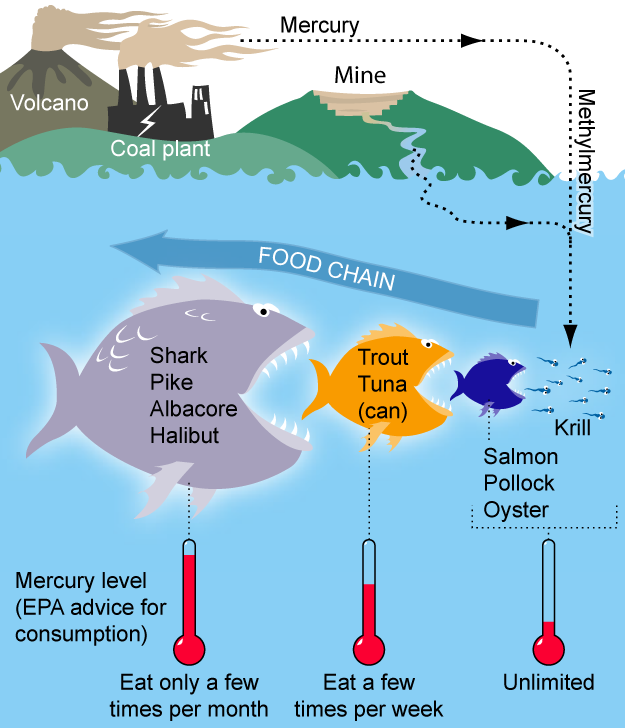
It's important that mercury pollution be contained at the site of spillage, especially oceans, to prevent it from travelling through the food chain. PHOTO: Wikipedia

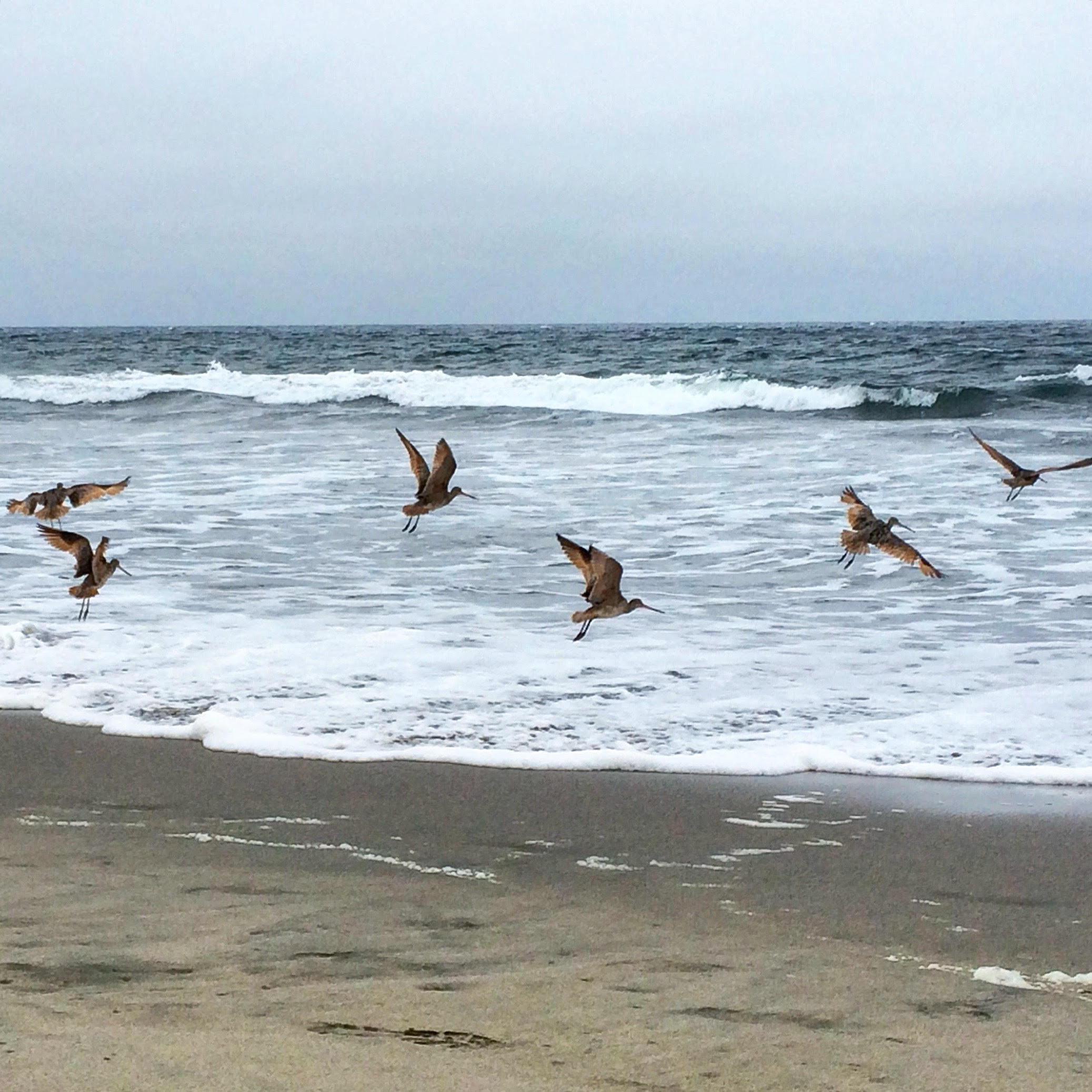
It’s important that mercury pollution be contained, especially in oceans, to prevent the chemical from travelling through the food chain. PHOTO: Wikipedia

Mercury is a potent toxin that can accumulate to high concentrations in fish, posing a health risk to people who eat large, predatory marine fish such as swordfish and tuna. In the open ocean, the principal source of mercury is atmospheric deposition from human activities, especially emissions from coal-fired power plants and artisanal gold mining. Mercury concentrations in Hawaiian yellowfin tuna are increasing at a rate of 3.8 percent or more per year, according to a new University of Michigan-led study that suggests rising atmospheric levels of the toxin are to blame. And there’s a ‘fake’ solution at hand.


Continue reading

Can We Keep Cars Off the Streets

Madrid's car-free zone is just under 500 acres. Only people who live in the zone are allowed to take their cars inside. Those who want to drive in, but don't live in central Madrid, need to have a guaranteed space in one of the city's official parking lots

Madrid’s car-free zone is just under 500 acres. Only people who live in the zone are allowed to take their cars inside. PHOTO: Pictures Dot News

After over a hundred years of living with cars, some cities are slowly starting to realize that the automobile doesn’t make a lot of sense in the urban context. It isn’t just the smog or the traffic deaths; in some cities, cars aren’t even a convenient way to get around. Commuters in L.A. spend 90 hours a year stuck in traffic. A UK study found that drivers spend 106 days of their lives looking for parking spots. A growing number of cities are getting rid of cars in certain neighborhoods through fines, better design, new apps, and, in the case of Milan, even paying commuters to leave their car parked at home and take the train instead.

Continue reading

Here’s How to See a Meal on a Banana Leaf

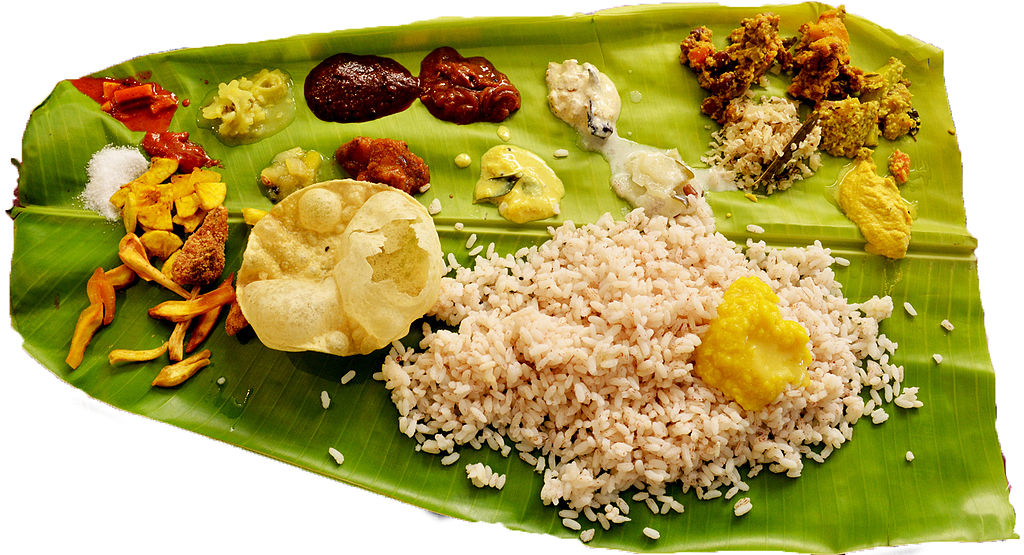
Eating on a banana leaf goes beyond the food; it's about science, energy, and teachings of yore. PHOTO: Wikimedia Commons

Eating on a banana leaf goes beyond the food; it’s about science, energy, and teachings of yore. PHOTO: Wikimedia Commons

The rains have ceased and clearer skies bless our days here in Kerala as the calendar turns a page to August. The words are only beginning to be murmured but sadyakasavuand Onam can put the life back in any Keralite’s soul. Food, clothing, and a festival – in translation – who could possibly ask for more! And one thing that binds them all together is how true to the land they stay. The sadya in particular, once you look beyond the fact that it’s an only-hands affair and is best had sitting cross-legged on the floor, is an example of food science, forms of energy, folk teachings, and more.

Continue reading

The Montezuma Oropendola

A week or so ago, Jocelyn discussed the Montezuma Oropendola’s song as heard on Xandari property in Costa Rica. As you could hear from the linked vocalizations in her post, the bird makes an incredibly strange, gurgling/bubbling sound, recently described by a Xandari guest as “the sound of pouring water from one jug into another.” James and I have put up photos of the oropendola as Bird of the Day posts before, but I realized after reading Jocelyn’s thoughts on the bird that we haven’t featured any video of this common resident species at Xandari in the past. So I went out with my camera this weekend and was lucky enough to capture a minute of behavior footage to share here. The main thing missing is what the male often looks like when he’s vocalizing: perched on a branch, he typically leans forward as he calls, bending down so far that it appears he might suddenly fall off. At the end of his call he swings back up, and starts the process again.

Although the Montezuma Oropendola is a species commonly seen (or at least heard) from Xandari on most days, they don’t appear to have any nests on property. And you’d notice Continue reading

Shaken, Not Stirred – The Golden Age of Cocktails

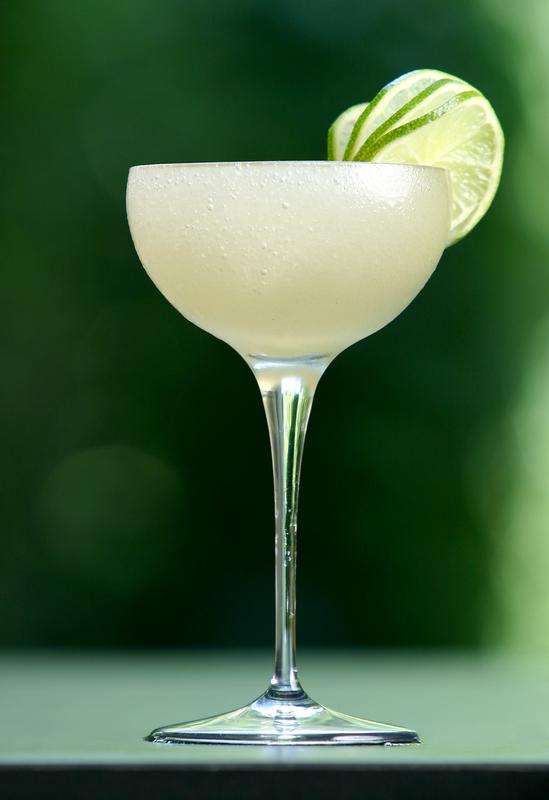
Forget the blender and all of the bottled mixes, the best Daiquiri is made from scratch and it is an unbelievably easy mix of three main ingredients.

Forget the blender and all of the bottled mixes, the best Daiquiri is made from scratch and it is an unbelievably easy mix of three main ingredients.

“Shaken, not stirred” is a catchphrase of Ian Fleming‘s fictional British Secret Service agent James Bond and describes his preference for the preparation of his martini cocktails. The phrase first appears in the novel Diamonds Are Forever (1956), though Bond himself does not actually say it until Dr. No (1958), where his exact words are “shaken and not stirred”. Going by it, there clearly seems to be a preference and an art to topping up a glass. And The Salt‘s trackback to when Americans learned to love mixed drinks shows just that.

Continue reading

Beijing Looks to ‘Making’ Snow

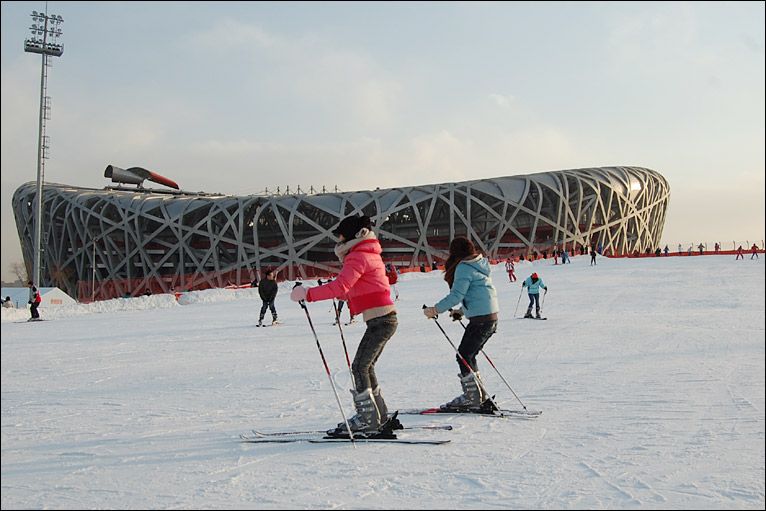
While Beijing has won the bid to host the 2022 Winter Olympics, questions are being raised about the environmental impact of creating artificial snow. PHOTO: BBC

While Beijing has won the bid to host the 2022 Winter Olympics, questions are being raised about the environmental impact of creating artificial snow. PHOTO: BBC

Beijing is still celebrating its chance to host the 2022 Winter Olympics. The International Olympic Committee’s (IOC) decision means China’s capital will become the first city to host the summer and winter events. The candidate cities were down to just Beijing and Almaty, Kazakhstan, after a number of other cities including Krakow, Poland, and Oslo, Norway, dropped out of the bidding, many citing public opposition to the expense of hosting the games. Despite Kazakhstan’s recent oil and gas-driven economic boom, Beijing was considered the safer choice, given that China proved during the 2008 Summer Games that it can put on quite a show. So, think Winter Games, think snow. And where is that going to come from?

Continue reading

A Backyard Solution to Oil Spills

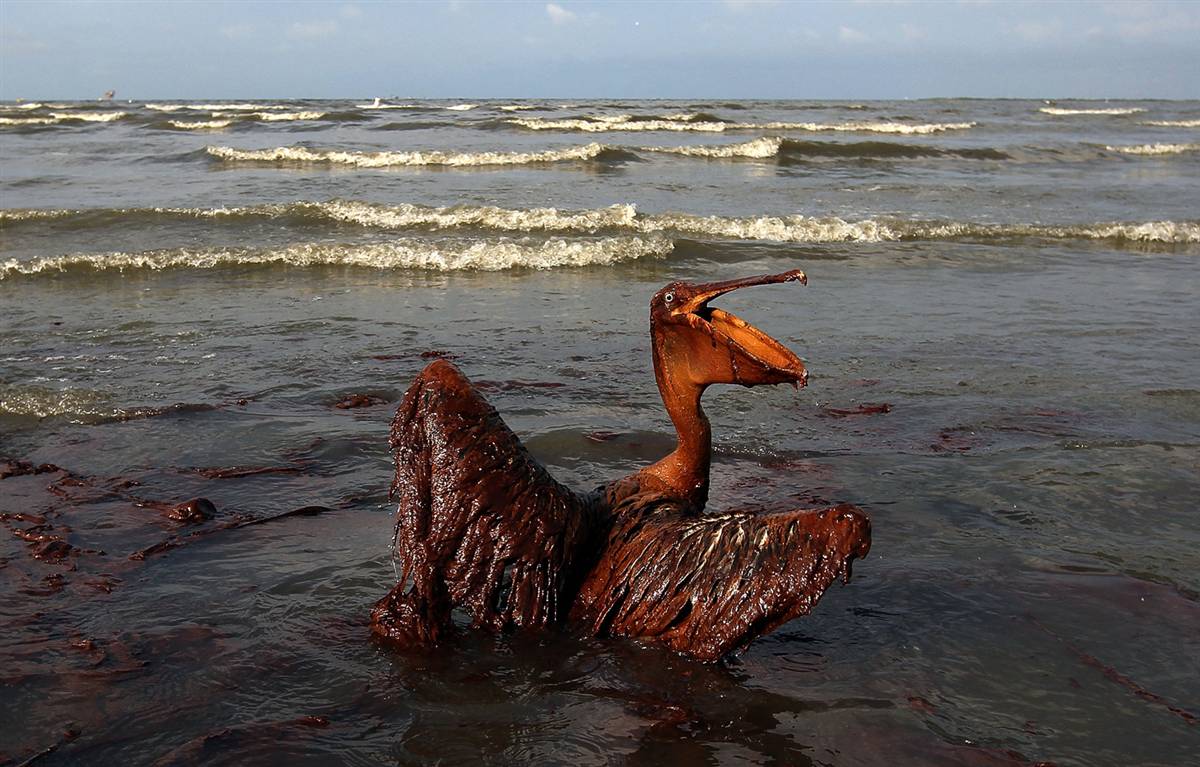
Waste like human hair, sawdust and bird feathers can clean oil spills from water. PHOTO:  Nation of Change

Waste like human hair, sawdust and bird feathers can clean oil spills from water. PHOTO: Nation of Change

Biosorption is a property of certain types of inactive, dead, microbial biomass to bind and concentrate heavy metals from even very dilute aqueous solutions. And Nikhilesh Das discovered just this, at the age of 13, demonstrating reuse and effective waste management. Scalable models of these and we may just have a potent option to deal with oil spills that destroy marine ecosystems for years together.

Continue reading

Fancy Some Printed Food?

What is 3D printing's effect on fine dining? PHOTO: Shiftgig

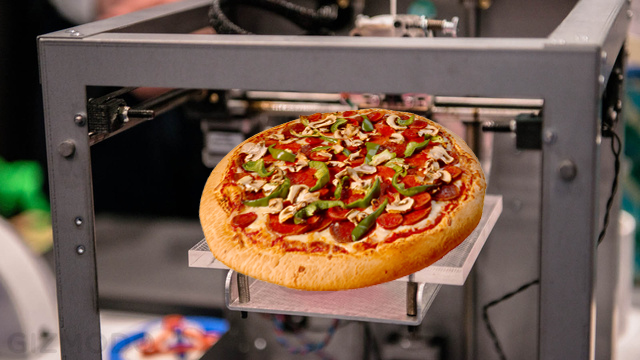
What is 3D printing’s effect on fine dining? PHOTO: Shiftgig

What connects information and software to cooking? 3D printers. Though still finding a fan base among top chefs, the technology is poised to redefine the fine world of fine dining. For now the mechanism is nascent, it takes multiple materials to ‘print’ one dish and its newness is a put-off but it’s also stirring up some interesting innovations in the culinary world. No, not a la carte.

Continue reading

A House For and By the People

This Swedish house was designed by two million people. PHOTO: Tech Insider

This Swedish house was designed by two million people. PHOTO: Hemnet

Technology and democracy – two great forces to reckon with in today’s world. And when these two come together, it exemplifies what community of thought and the powers and possibilities of science can do. Take the Hemnet House. Designed collaboratively by 2 million people (the population size of Jamaica, Latvia, Slovenia and more), the house stands for the greatest tenet of democracy – for the people, by the people.

Continue reading

A Battle on the Ocean Bed

The potential opening of sea cucumber fishing in Galápagos has scientists and conservationists surprised and concerned after news leaked of a July 10 agreement that would allow the collection of 500,000 of the creatures, considered vital to the marine environment. PHOTO: Wikimedia Commons

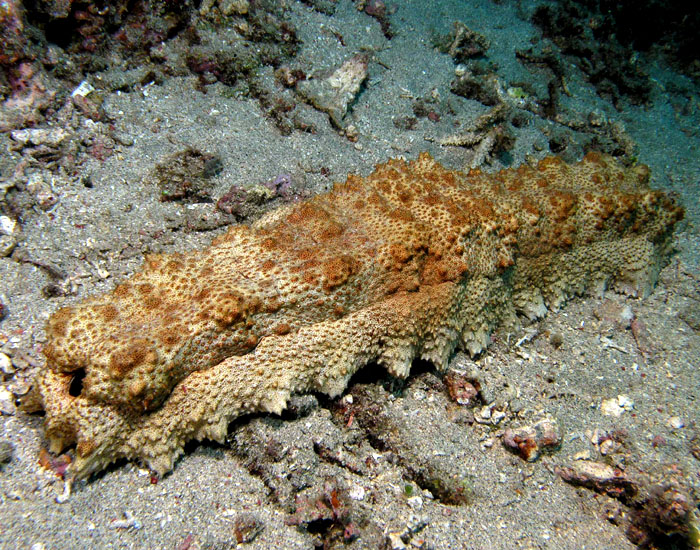
The potential opening of sea cucumber fishing in Galápagos has scientists and conservationists surprised and concerned after news leaked of a July 10 agreement that would allow the collection of 500,000 of the creatures, considered vital to the marine environment. PHOTO: Wikimedia Commons

Sea cucumbers are in the news – again. The marine creature has been talked about as an adjunct treatment for those undergoing chemotherapy. They have also been tipped as a “wonder ingredient” in cosmetics. Not to forget the sea cucumber capsule industry, Asian cuisines that consider it a delicacy, and its place in the underground market of aphrodisiac market. This time around, the news isn’t good.

Continue reading

Will Greece Look to the Sun God?

Greenpeace activists spread a banner pointing at a Greek oil-fired power plant under construction in Rhodes, to reveal one of the most unacknowledged causes of the Greek crisis; the country’’s dependence on imported fossil fuels.

Yes, the Greek people are going through difficult times. There are scenes of pensioners queuing at cash machines to withdraw part of their monthly pensions. And there is also a significant need for reform. Even the International Monetary Fund is going back on its word, prompting the country to look at what best it can do. The space of energy would be a good place to start with, given that the country has under-utilized its natural and most abundant asset.

Continue reading

Two Tablespoons of Salt Please

This eco-friendly lamp runs on just 2 tbsp of salt and a single glass of water. PHOTO: SALt

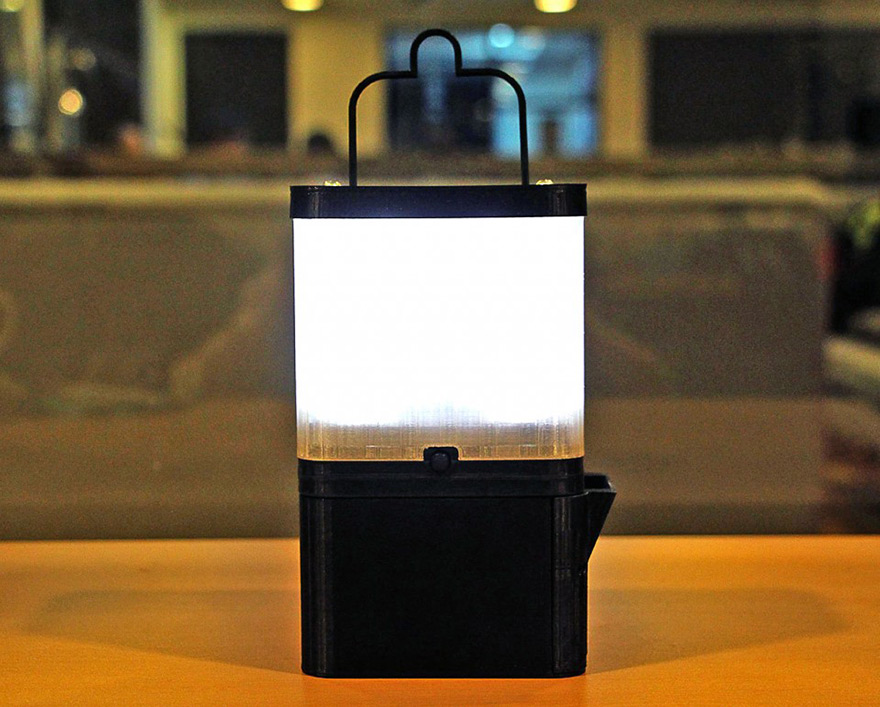
This eco-friendly lamp runs on just 2 tbsp of salt and a single glass of water. PHOTO: SALt

When you discuss abundance of resources, it’s inevitable that shortage creeps into the conversation. So when one looks at how many of the 7,000 islands that make Philippines lack electricity, it’s also difficult to miss the natural and abundant seawater. Engineer Lipa Aisa Mijena and team put both in the same equation and the result is a a lamp that’s capable emitting light for 8 hours on just 1 cup of saltwater.

Continue reading

Can a Casual Birder Have a 500+ Life List?

A Swallow-tailed Kite – a relatively common CR species I first saw just last week – spotted from the El Copal Reserve in Cartago, Costa Rica.

About three years ago, I wrote in a post from Ecuador that “Even after taking a pretty intense ornithology class at Cornell University and working for the Lab of Ornithology, I don’t really consider myself a birder.” Last year I revised that statement a bit, clarifying that “now, as James and I add our observations around Xandari to eBird every day, my opinion may have changed slightly (though I can’t yet subscribe to the labels of bird-head or bird-nerd by a long shot).” Then, this January I wrote of myself and my friends John and Justin that, “Although none of us are the type of birder that pursue ‘life lists’ — a checklist of the thousands of bird species in the world that one has seen — we all use eBird and are definitely interested in seeing and identifying wildlife of any sort.”

Continue reading

Food for the Soul

Sun Woo directs the visitor program at Jinkwansa, a Buddhist temple outside Seoul famous for preserving the art of Korean temple food. Behind her are giant jars filled with fermented soybeans. PHOTO:  Ari Shapiro/NPR

Sun Woo directs the visitor program at Jinkwansa, a Buddhist temple outside Seoul famous for preserving the art of Korean temple food. Behind her are giant jars filled with fermented soybeans. PHOTO: Ari Shapiro/NPR

When it comes to faith matters, it’s interesting to see how matters of divinity are linked to food. One interpretation of it could be the need to connect the intangible with the tangible. And no better universal language than food as a medium to impart lessons for the soul. While most Hindu temples distribute prasadchurches have the Eucharist, Jewish rituals revolve around the seder meal and so on. The Buddhist temple at Jinkwansa too has a food tradition, one that goes back 1,600 years and is renowned for its detoxification power.

Continue reading

Recycling the Core of Computers

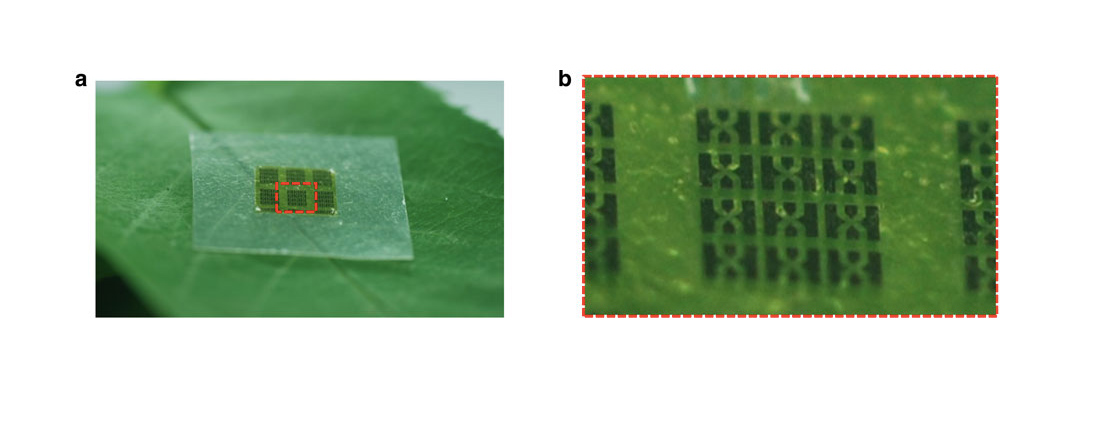
This wooden computer chip could make recycling electronics a lot easier as it replaces most of the silicon with biodegradable cellulose. PHOTO: Co Exist

This wooden computer chip could make recycling electronics a lot easier as it replaces most of the silicon with biodegradable cellulose. PHOTO: Co Exist

A recent report from United Nations University (UNU) found that the world produced 41.8 million metric tons of e-waste in 2014 – an amount that would fill 1.15 million 18-wheel trucks. Lined up, those trucks would stretch from New York to Tokyo and back. Computers and smart phones are among the ditched items, which could top 50 million tonnes by 2017, UNEP estimates. Virtually all electronics contain toxic materials and a lot of this hazardous stuff is in the circuit board, including lead (in the solder), mercury (in switches and relays), and brominated flame-retardants. Some electronics, like smart phones and laptops, contain heavy metals like cadmium, beryllium, hexavalent chromium, or arsenic, which have been shown to build up in our bodies and the environment. Also, the wires and cables that run through all this stuff are often coated with PVC, which contains toxic additives called phthalates.

Continue reading