Many Foods, One Power

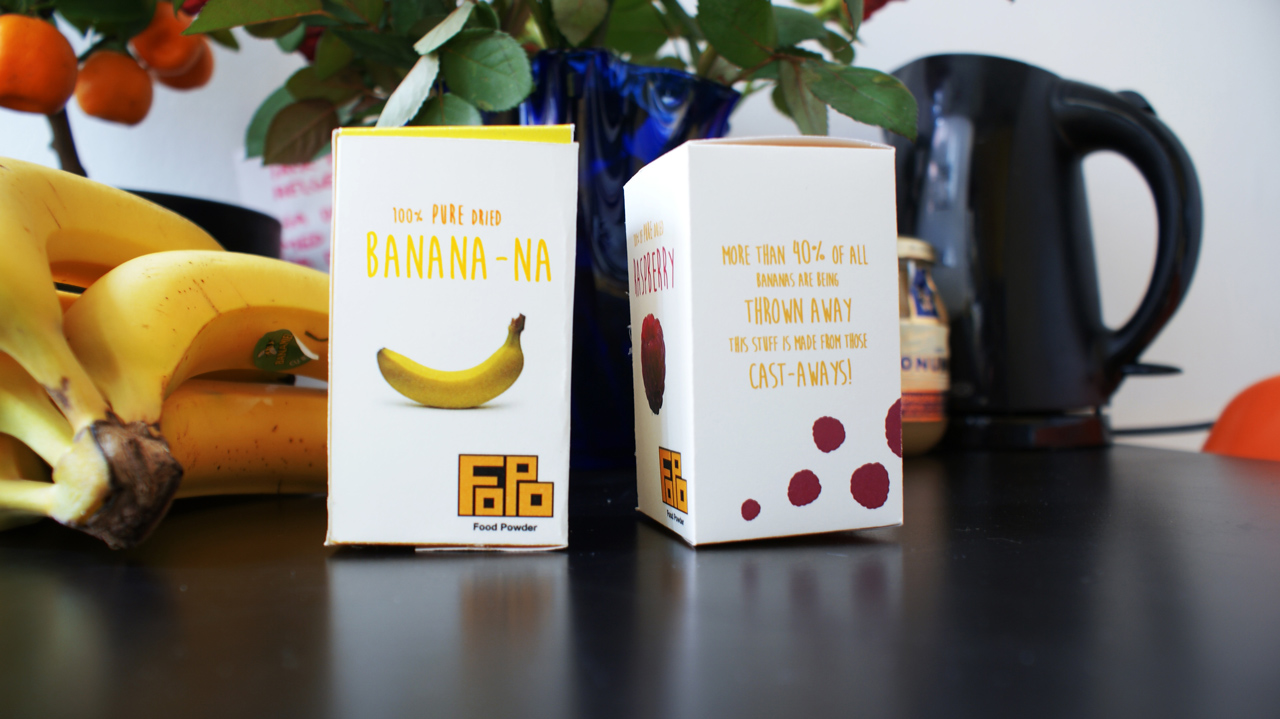
This startup turns almost-expired fruit Into tasty nutritional powder to fight hunger. PHOTO: Co Exist

This startup turns almost-expired fruit Into tasty nutritional powder to fight hunger. PHOTO: Co Exist

According to a 2013 report by UNEP and the World Resources Institute (WRI), about one-third of all food produced worldwide, worth around US$1 trillion, gets lost or wasted in food production and consumption systems. When this figure is converted to calories, this means that about 1 in 4 calories intended for consumption is never actually eaten. About 24 percent of all calories currently produced for human consumption are lost or wasted. In a world full of hunger and volatile food prices, these statistics make a case for ideas to combat food waste. And this Swedish startup may have a solution in which grocery stores and their stock of nearly expired food are the main players.
Continue reading

India to Antwerp, this Story of Diamonds

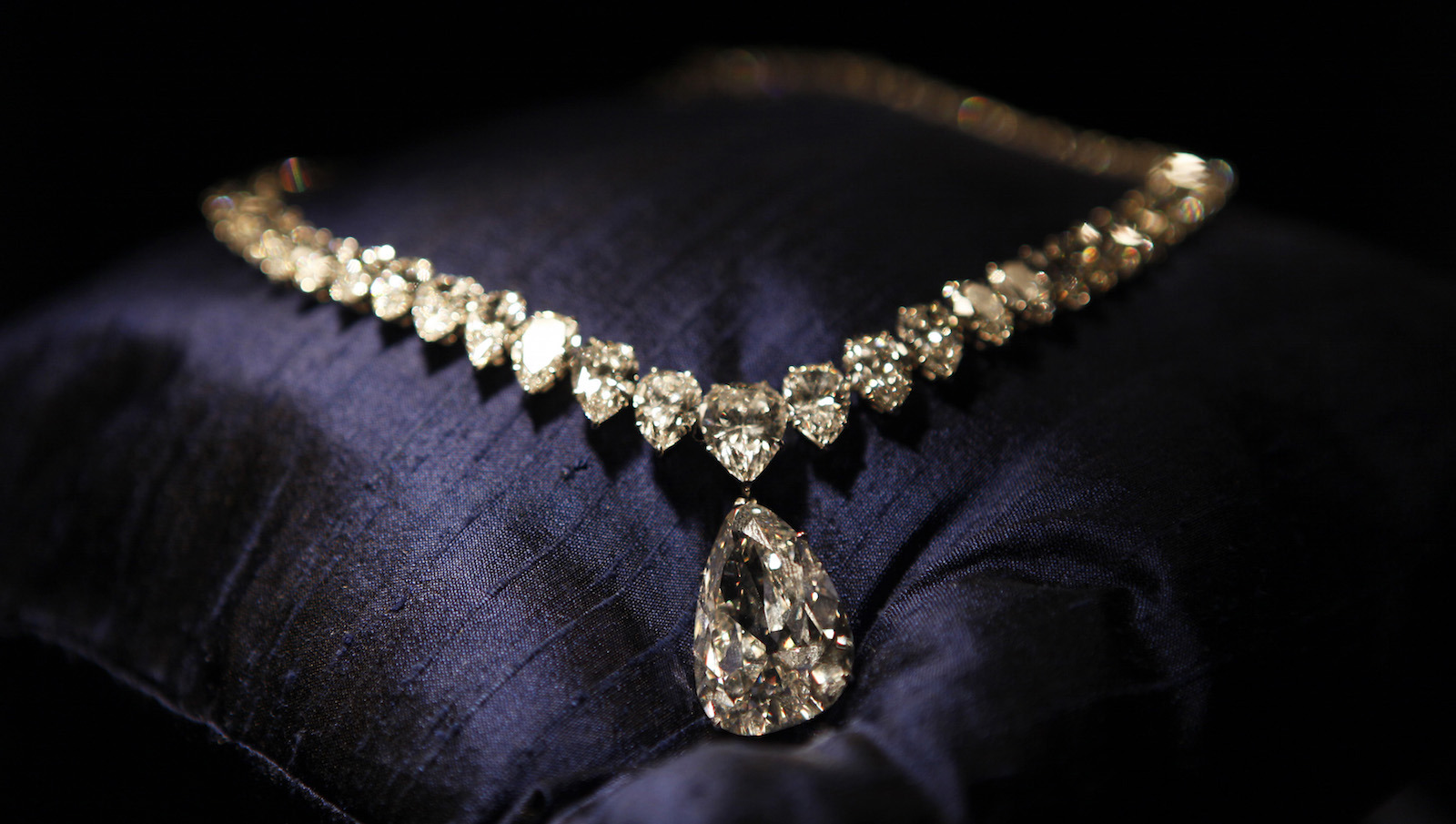
Indians have come to control almost three-quarters of Antwerp’s diamond industry.(Reuters/Finbarr O'Reilly)

Indians have come to control almost three-quarters of Antwerp’s diamond industry. (Reuters/Finbarr O’Reilly)

What New York is to the world’s money markets, Antwerp is to the global diamond trade. Antwerp is also the centre of the secondary or rough diamond market. More than 50% of global production of rough, polished, cut and industrial diamonds passes through Antwerp. Around 80% of the world’s rough diamonds are handled in Antwerp generating an annual turnover of some €30 billion. The most valuable diamonds are usually cut in Antwerp, but as the economy globalises Antwerp remains a nerve centre with much of the actual diamonds shipped out to other, cheaper locations.

Continue reading

Witnessing (and Separating) Color

One must always be camera-ready at Xandari; otherwise one might miss the unexpected beauties that present themselves. On Friday I postponed my dinner (despite my grumbling stomach) in order to take a picture of the breathtaking sunset that was slowly sinking behind the mountains. I had to get to the sunset pool to capture this marvel, and believe it or not, I actually ran. Every second spent getting to the pool meant one less streak of vivid color highlighting the darkening sky. Not to mention, it also meant one second less of battery life on my camera phone with 4% battery left. The stakes were high.

I had not yet witnessed nightfall from the sunset pool, and as soon as I reached my destination I drew in a quick, shallow breath and let out long whispered ‘wooow.’ I was paralyzed with wonder. Birds were swooping down to drink some water from the pool, dodging and weaving one another with such swiftness that I’d lose track of which one I was looking at, all the while the sunlight retreated in the background. It was the ‘bleep’ of my “dying” phone that woke me to my senses and reminded me why I had run here in the first place. I took my pictures quickly and then observed the fleeting moment in stillness. Continue reading

A 3D Printed Shell for Fred

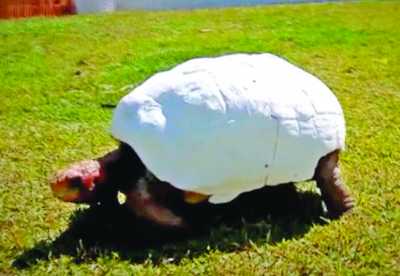
Fred the tortoise received a 3D printed shell after a horrific fire destroyed his original. PHOTO: 3DPrint

Fred the tortoise received a 3D printed shell after a horrific fire destroyed his original. PHOTO: 3DPrint

This one’s a win for goodwill and technology, a fine example of how how ideas can traverse diverse spaces and change lives. The high cost of human prostheses has long been a challenge for amputees and people born with missing limbs, but 3D printers have begun to change that. Unlike traditional manufacturing, 3D printing can create an object in almost any shape by reading a digital model. Using cheap materials, companies and non-profits can now print simple prosthetic hands and arms for as little as $50. And animals like Grecia and Derby, and now Fred, stand to gain, too.

Continue reading

Notes from a Natural History Museum

Harvard Natural History Museum

I recently had the chance to visit the Harvard Natural History Museum. Despite having lived in Cambridge for nearly a year, and having often thought about visiting the museum when I passed by going to and from my apartment, I had not stopped in until now. What a treat! The collections are full, diverse, and well curated. On this occasion, I spent most of my time in the animal wing, but I plan to return soon to take in the flora and minerals, and spend much more time in choice display rooms (e.g. the absolutely gorgeous Mammals/Birds of the World permanent exhibit: see below for pictures).

A ground sloth skeleton. It is hard to get an idea of the size of this creature from this photo, but it probably weighed several tons while alive!

Continue reading

Playing to Light Up Lives

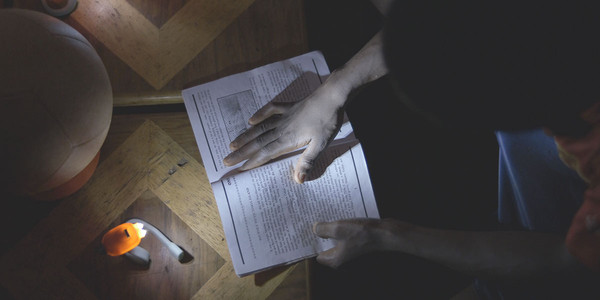
Uncharted Play is a social enterprise based in New York City founded with the mission of harnessing the power of play to achieve social good. PHOTO: UP

Uncharted Play is a social enterprise based in New York City founded with the mission of harnessing the power of play to achieve social good. PHOTO: UP

1.2 billion people around the world lack access to reliable electricity. They end up using kerosene lamps or diesel generators for their lighting requirements. But did you know that the annual collective emissions from kerosene lamps all over the world is equal to the carbon emissions of 38 million automobiles? It’s not just the carbon footprint – burning kerosene lamps indoors is as bad for the lungs as smoking two packs of cigarettes per day.

Continue reading

Here’s to the Orchid Observers

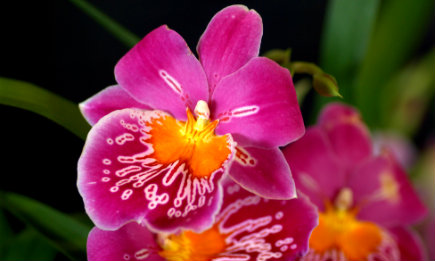
Orchid Observers is a collaboration between the museum and Zooniverse, the citizen science platform established at the University of Oxford. PHOTO: Wikimedia Commons

Orchid Observers is a collaboration between the museum and Zooniverse, the citizen science platform established at the University of Oxford. PHOTO: Wikimedia Commons

A citizen science project to study when and where orchids bloom around the UK has already revealed 200 new flowering locations for particular species. Members of the public are submitting and identifying orchid photos, and also annotating historical specimens. Called Orchid Observers, the initiative aims to measure the effect of warming, and other environmental changes, on the distribution of 29 different orchids. Orchid Observers is a collaboration between the museum and Zooniverse, the citizen science platform established at the University of Oxford. The data it yields will not only be used by researchers at the museum, but will feed into the biological records data held by the BSBI.

Continue reading

Use Them Lights to Grow Some Vegetables

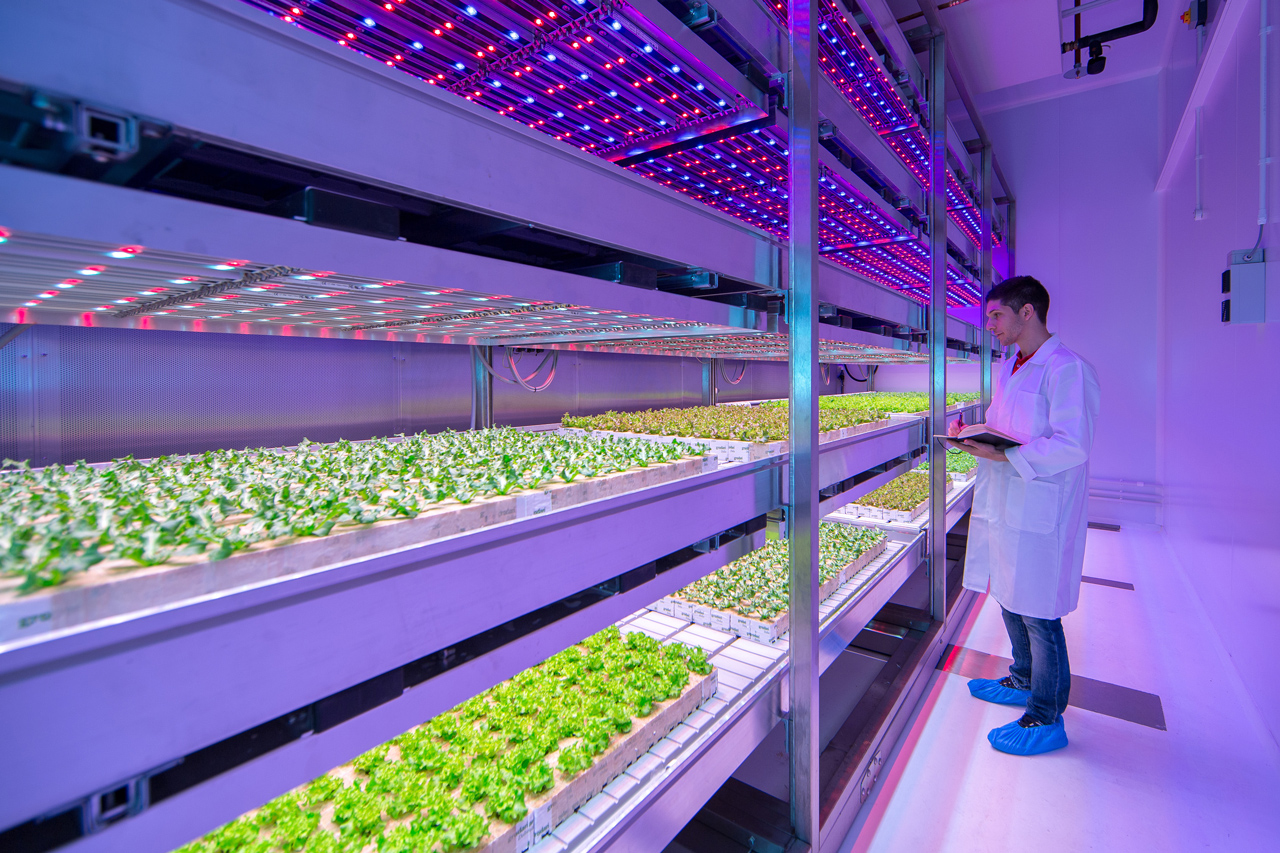
In this huge urban farming lab, LED "Recipes" grow juicier tomatoes and sweeter basil. PHOTO: Co Exist

In this huge urban farming lab, LED “Recipes” grow juicier tomatoes and sweeter basil. PHOTO: Co Exist

Behind a vault-like door, the long, windowless room has the same purple glow as the cabin on a Virgin America flight. Instead of passengers, the space is filled with row after row of plants, each growing under a carefully calibrated series of red and blue lights. White-coated researchers walk by studying each leaf of lettuce or kale. Welcome to the GrowWise Center, one of the largest homes for urban farming research in the world.

Continue reading

India’s First Carbon Neutral Film

What radical policy the government adopts and implements to leave a strong footprint in the paradigm of global climate remains to be seen but micro steps are already being taken by individuals in various other sectors. Carbon offsetting is entering mainstream conversations and niche spaces like film making are thinking green. The first example of a carbon neutral production was George Clooney’s Syriana (2005). And now, the unit of the Bollywood movie Aisa Yeh Jahaan,  starring Palash Sen and Ira Dubey among others and directed by Biswajeet Bora, has become India’s first ‘carbon-neutral’ movie.

Continue reading

What’s Behind the Prawn Sandwich?

Your cheap prawn sandwich may be destroying Sri Lanka's mangroves. PHOTO: Aldi

Your cheap prawn sandwich may be destroying Sri Lanka’s mangroves. PHOTO: Aldi

A swelling appetite for shrimps and prawns in America, Europe and Japan has fuelled industrial farming of shellfish in the past few decades. The industry now has a farm-gate value of $10 billion per year globally and the prawn in your sandwich is much more likely to have come from a pond than from the sea. While the industry is dominated by the likes of China, Vietnam and Thailand, a large number of other countries have invested heavily in cultivation too.

 One is Sri Lanka, which saw the industry as a passport to strong economic growth and widespread employment. Just outside the world’s top ten producers, it accounts for approximately 50% of the total export earnings from Sri Lankan fisheries. More than 90% of the harvested cultured prawns are exported, going mostly to Japan.

Prawn aquaculture has been likened to slash-and-burn cultivation—find a pristine spot, remove the vegetation and farm it for a few years before moving on. But the analogy is misleadingly benign. Slash-and-burn systems on a small scale can be sustainable, since the cut plots can recover afterwards.

Continue reading

Fancy a Chlorine-free Pool?

A natural pool set up by Total Habitat

A natural pool set up by Total Habitat

Natural pools are miraculous, gorgeous creations that use plant life, rocks, and other biological filters to eliminate the need for cleansing chemicals. They’re clean, they’re safe, and they’re absolutely beautiful. These natural pools have been big in Europe for a couple of decades now, with the first ones popping up in Austria and Germany in the 1980s. In the years since, they’ve seen a rapid increase in numbers. Today there are over 20,000 natural pools in Europe, including plenty open to the general public.

Continue reading

A Man of His Work

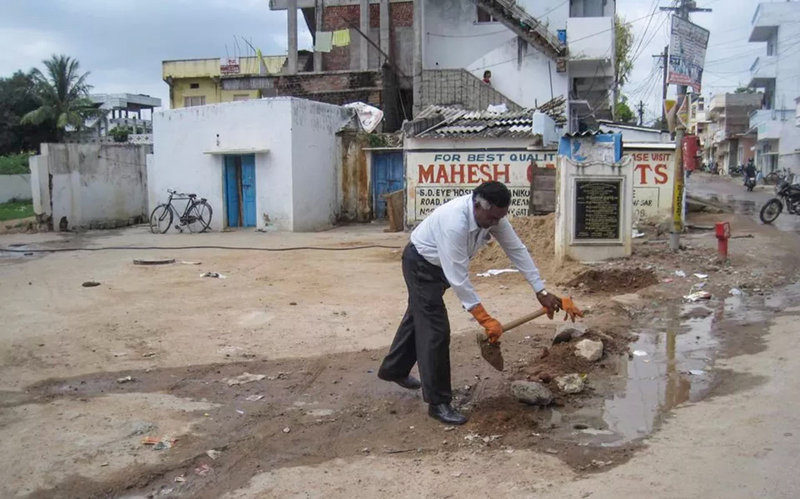
Another pothole bites the dust in India, thanks to the efforts of Gangadhara Tilak Katnam

Another pothole bites the dust in India, thanks to the efforts of Gangadhara Tilak Katnam

“You shouldn’t be out there filling potholes at your age.” That’s what Venkateswari Katnam tells her 67-year-old husband, Gandgadhara. He doesn’t listen. Over the past five years, he estimates that he has filled around 1,100 potholes on the streets of Hyderabad. He carries bags of gravel and tar in the trunk of his Fiat, along with a spade, two brooms, a wire brush and a crowbar. When he spies a pothole — or learns of one from a Facebook message — he can usually fill it in under an hour. He clears out any debris or standing water, pours in the mix of gravel and tar, levels it off and waits about 30 minutes for it to set. He puts up red flags in English, Hindi and Telugu to make sure no one steps or drives in it. And when he’s done, he takes a selfie to add to his collection of filled pothole Continue reading

Solar Power Just an Adapter Away

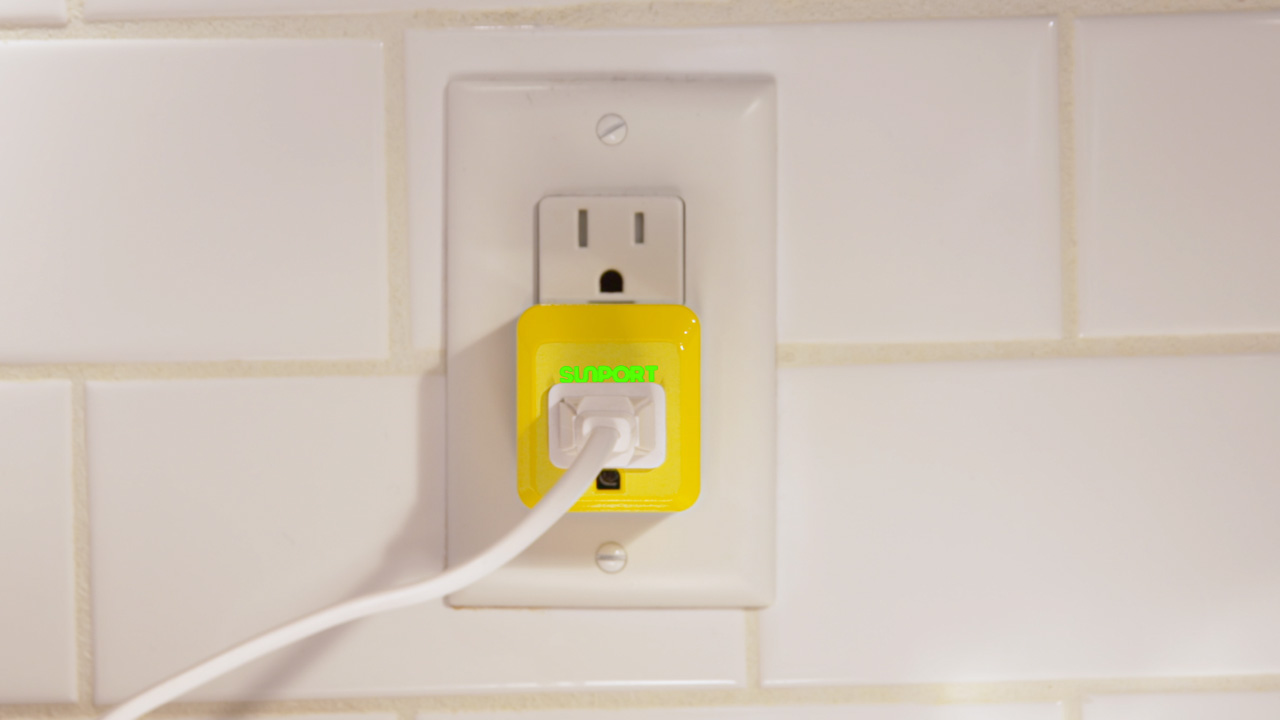
Now you can power your iPhone from the sun, even if you can't afford solar panels.

Now you can power your iPhone from the sun, even if you can’t afford solar panels.

Thanks to steeply falling prices, solar power keeps breaking records for new installations. But it still makes up less than 1% of total energy production in the U.S. The chances are good that you probably don’t yet have solar panels on your roof yet. Now, however, you can run your gadgets on solar just by using a different outlet. Plug your laptop into the SunPort, and it will automatically calculate how much power you’re drawing from the grid—and “upgrade” you to solar instead of coal, natural gas, or whatever else your local utility happens to use.

Continue reading

A ‘Ketchup’ Sachet and its Power to Heal

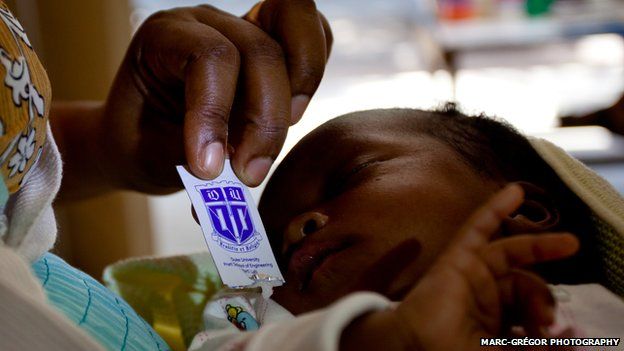
An HIV positive mother in Moshi, Tanzania, giving her baby antiretroviral medicine from the sachet

An HIV positive mother in Moshi, Tanzania, giving her baby antiretroviral medicine from the sachet

Inside a foil sachet, which looks more at home in a fast-food restaurant, an exact dose of antiretroviral medicine is helping to protect newborn babies against the threat of infection from their HIV-positive mothers. According to the UN, mother-to-child transmission in the developing world creates 260,000 new infections in children every year. Thanks to a program involving the Ecuadorian government, the VIHDA foundation in Guayaquil and Duke University in North Carolina, at least 1,000 babies have been born without the infection from HIV-positive mothers.The program is enabling newborn babies to take their medicines efficiently – via a pouch that looks just like the small ketchup sachets you get at fast food restaurants. Only in this case, they are filled with antiretroviral drugs, which protect against HIV.

Continue reading

From Perfume Research to Eco-friendly Pesticides

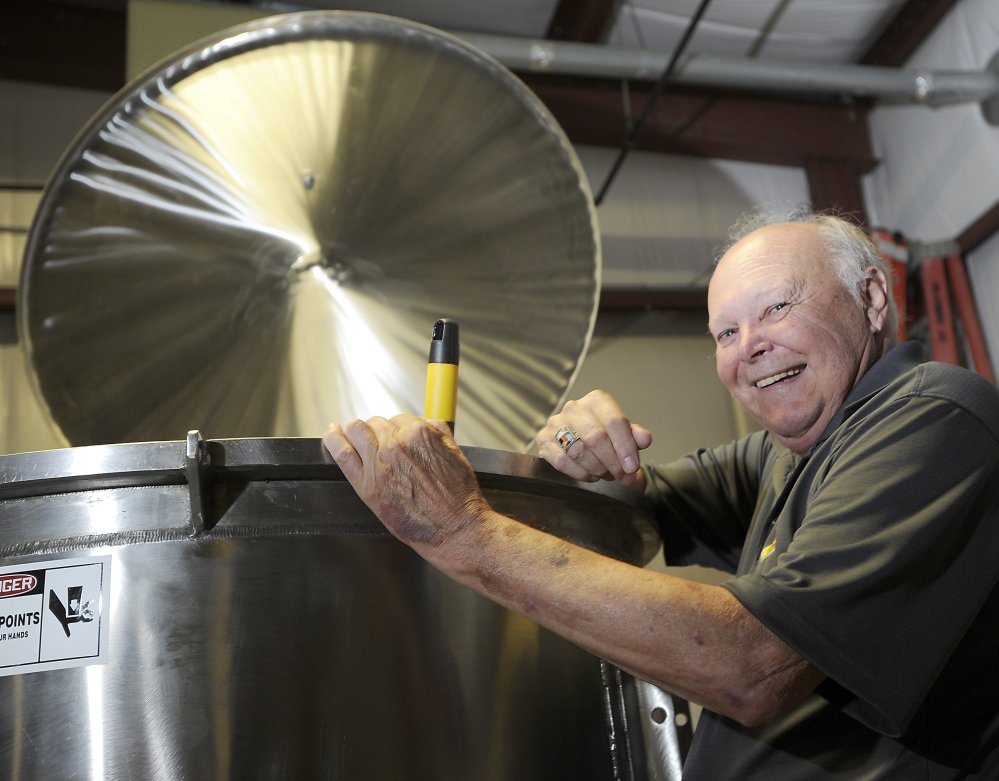
Jim White's Anti-Pest-O grew out of ill effects of working with chemicals as a botanist. PHOTO: Gordon Chibroski

Jim White’s Anti-Pest-O grew out of ill effects of working with chemicals as a botanist. PHOTO: Gordon Chibroski

Are the beanstalks over your heads and the Japanese beetles in your garden driving you into a murderous rage? Then meet Jim White, creator of an eco-friendly insect repellent called Anti-Pest-O. Talk to him about bugs and find how we can dispense with them in the garden without relying on hard-core chemicals. The Portland resident came up with the formula for his product in the late 1990s as a form of self-defense when he was working as a botanist; every time he sprayed his plants with pesticides he broke out in a rash and/or developed a cough.

Continue reading