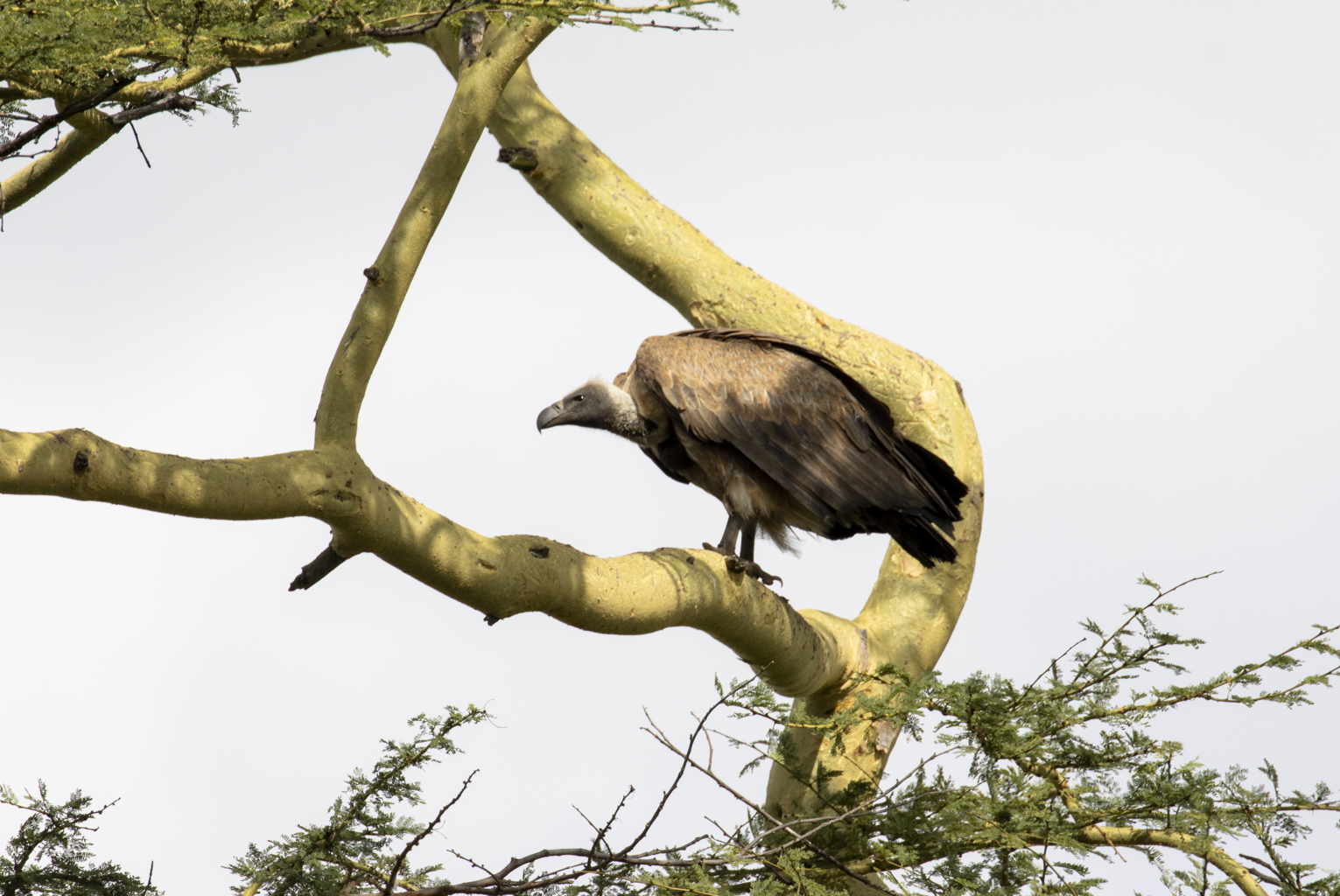
Nairobi National Park, Kenya
Nairobi National Park, Kenya
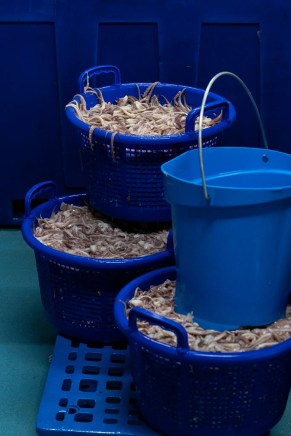
Bins of squid waiting to be packaged in Cape May. In a good week, Mr. Bright said his boats can bring in $100,000 worth of herring. Rachel Wisniewski for The New York Times
You can read the story or click the photo of William Bright below right to hear an explanation of how his case may be the end to regulation as we know it.
A Fight Over a Fishing Regulation Could Help Tear Down the Administrative State
The Supreme Court will hear arguments on Wednesday over whether to overturn a key precedent on the power of executive agencies.
On a blustery fall morning in southern New Jersey, the weather was too rough for the fishing boats at the center of a momentous Supreme Court case to set out to sea.
William Bright, a fisherman in New Jersey. He is the lead plaintiff in a case that could undermine the power of executive agencies, a long-sought goal of the conservative legal movement. William Bright, a fisherman in New Jersey. Photo: Rachel Wisniewski for The New York Times
A herring fisherman named Bill Bright talked about the case, which will be argued on Wednesday and could both lift what he said was an onerous fishing regulation and wipe out the most important precedent on the power of executive agencies, a long-sought goal of the conservative legal movement.
As workers cleaned squid and the salt air whipped over the docks, Mr. Bright, who has been fishing for 40 years and whose family-owned company is one of the plaintiffs, said he recognized the impact the case could have. Continue reading
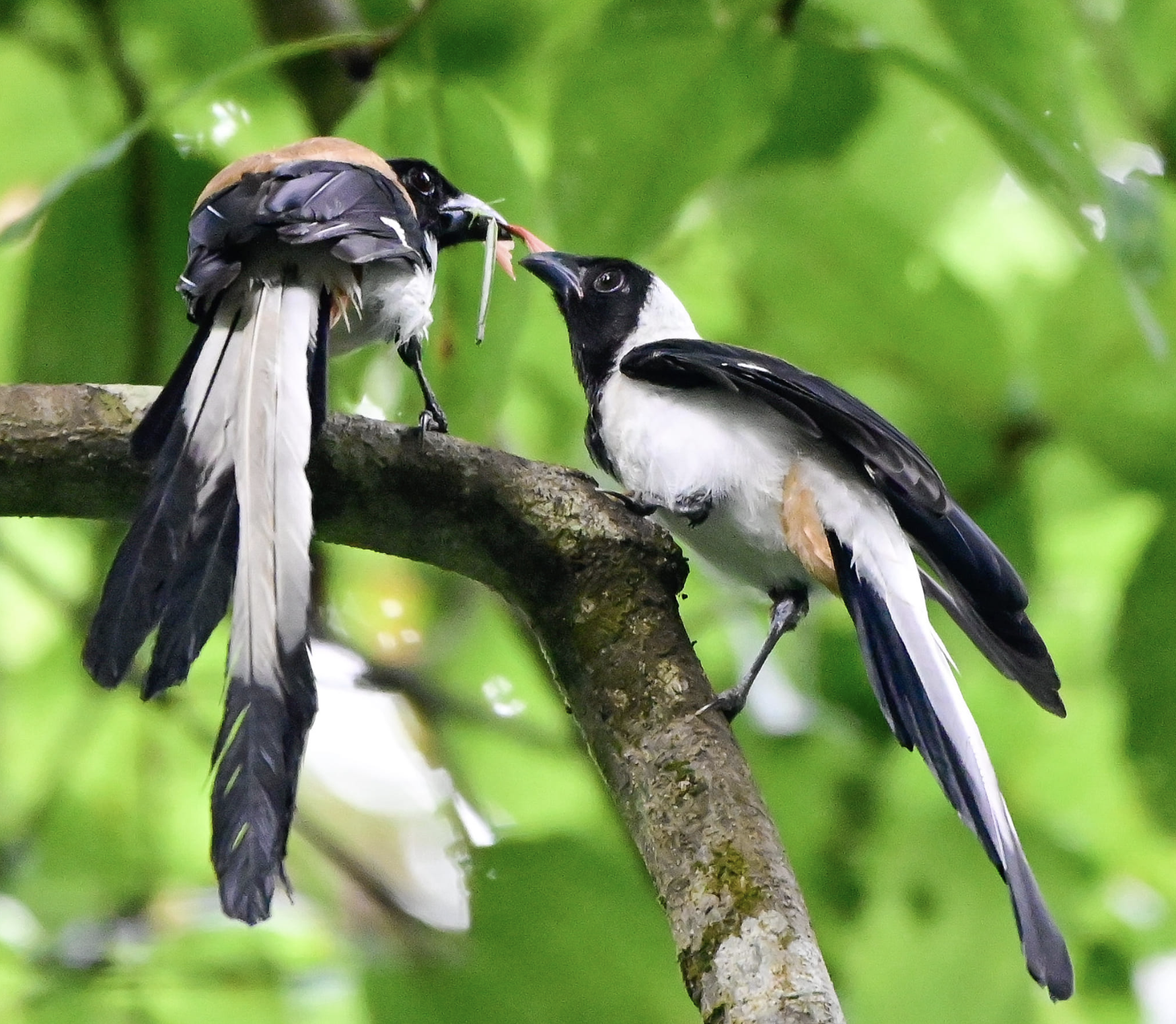
feeding its young
Thekkady, Kerala

Chart: Matthew SparkesSource: Cambridge Centre for Alternative Finance Created with Datawrapper
We already knew it was dirty. But it keeps getting dirtier and the guys who cheerlead unfettered “innovation” come across as celebrating the dirty as the unavoidable cost of progress. Something’s gotta give:
Skull of Satoshi, a sculpture by Benjamin Von Wong highlighting the environmental impact of bitcoin. VonWong/Skull Of Satoshi/Greenpeace blog.vonwong.com/skull/
Should nations try to ban bitcoin because of its environmental impact?
Bitcoin miners seem unwilling to take action to curb the cryptocurrency’s energy and water use – so some campaigners argue that it is time for governments to intervene
The amount of electricity used to mine and trade bitcoin climbed to 121 terawatt-hours in 2023, 27 per cent more than the previous year. Continue reading
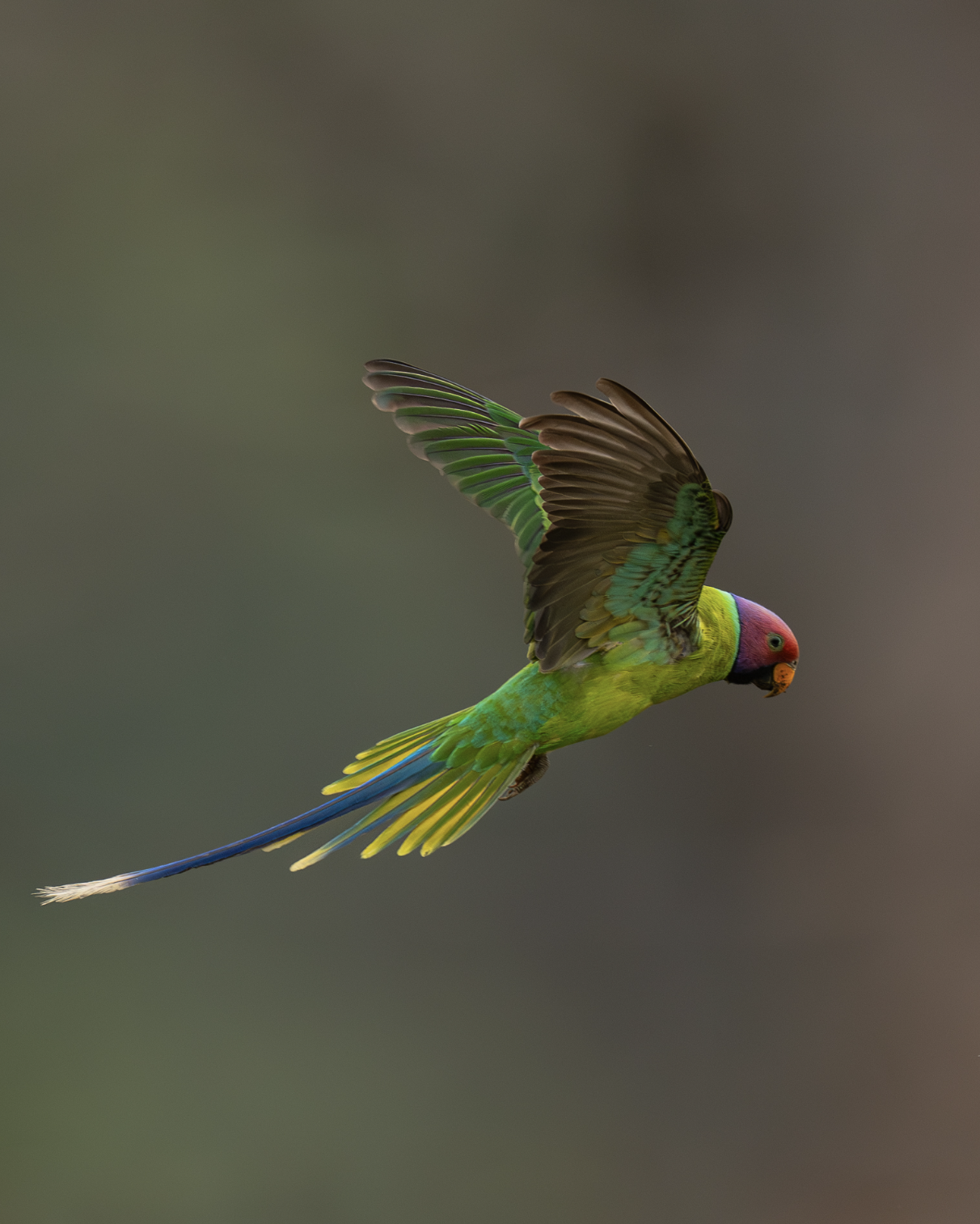
Corbett Tiger Reserve, Uttarakhand
 The vertical farming part of this concept is one we have linked to many times. The appeal is not difficult to grasp even if sometimes the concept is stretched. This is different and worth hearing him out:
Dickson Despommier Wants Our Cities to Be Like Forests
A leading proponent of vertical farming discusses how urban areas should adapt to a perilous environmental future.
Illustration by Daniele Castellano
In 2000, Dickson D. Despommier, then a professor of public health and microbiology at Columbia University, was teaching a class on medical ecology in which he asked his students, “What will the world be like in 2050?,” and a follow-up, “What would you like the world to be like in 2050?” As Despommier told The New Yorker’s Ian Frazier in 2017, his students “decided that by 2050 the planet will be really crowded, with eight or nine billion people, and they wanted New York City to be able to feed its population entirely on crops grown within its own geographic limit.” Continue reading
Namibia
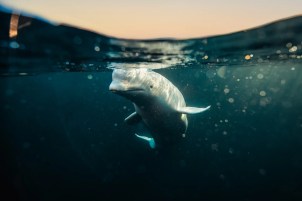
Hvaldimir near a salmon farm in the fjords off the coast of Stavanger, Norway, in Nov. Conor McDonnell
Whale stories are abundant in these pages partly because they are charismatic and tend to evoke joy, but also because they serve as a barometer for how well we are caring for the planet. Here is one more story, as intriguing as any we have linked to before, for the mix:
After escaping captivity, Hvaldimir took up residence in Hammerfest, Norway, where he quickly became an international celebrity. Joakim Eskildsen/Institute, for The New York Times
Hvaldimir escaped captivity and became a global celebrity. Now, no one can agree about what to do with him.
On April 26, 2019, a beluga whale appeared near Tufjord, a village in northern Norway, immediately alarming fishermen in the area. Belugas in that part of the world typically inhabit the remote Arctic and are rarely spotted as far south as the Norwegian mainland. Although they occasionally travel solo, they tend to live and move in groups. This particular whale was entirely alone and unusually comfortable around humans, trailing boats and opening his mouth as though expecting to be fed. And he seemed to be tangled in rope. Continue reading
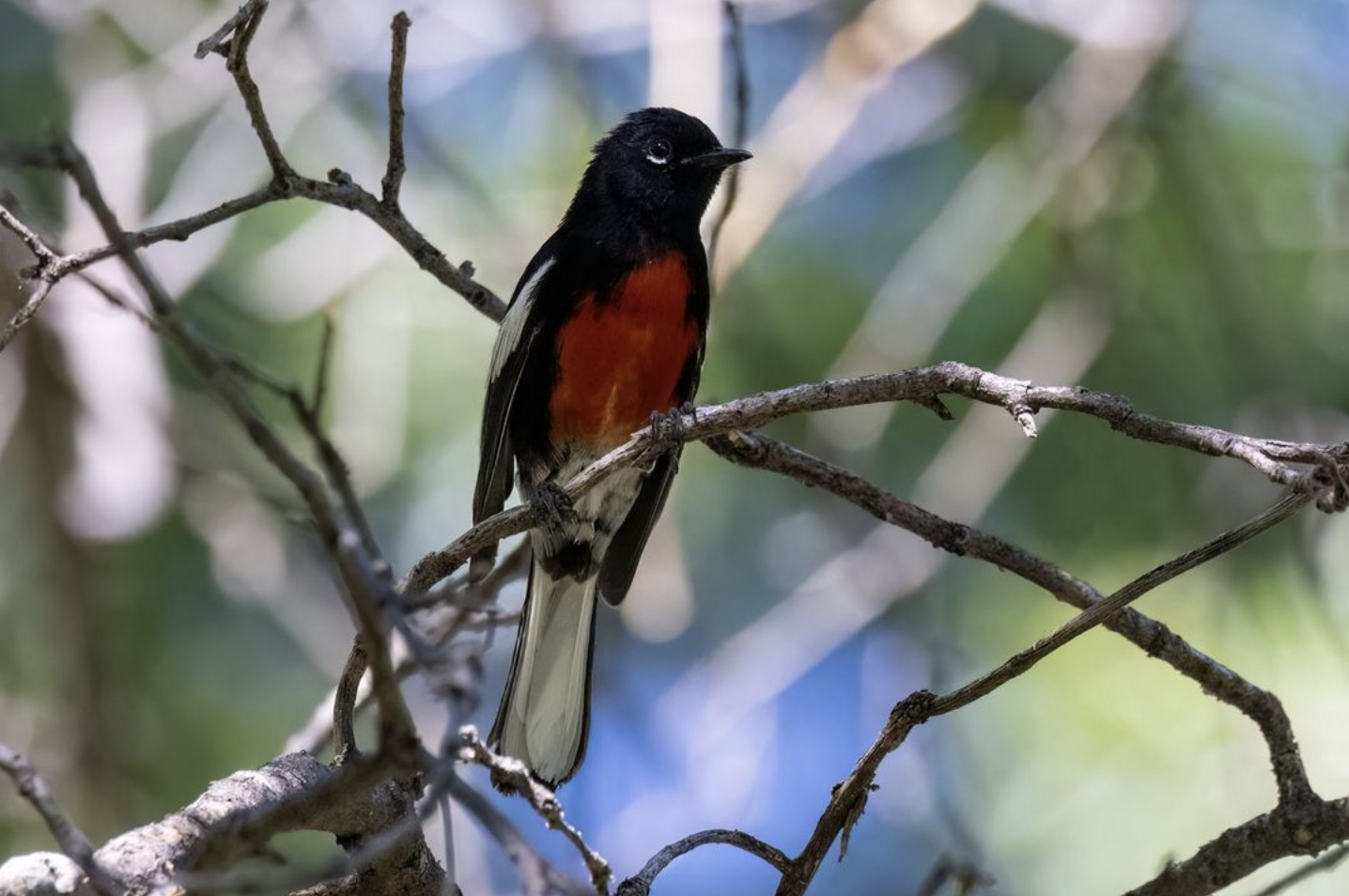
Davis Mountains Preserve, TX
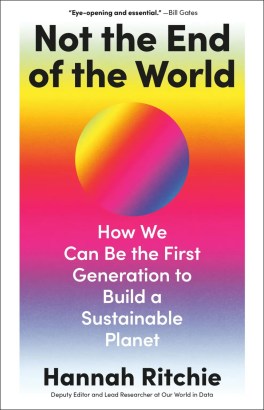 Bibi van der Zee’s reviews and other articles in the Guardian are always insightful:
Not the End of the World by Hannah Ritchie review – an optimist’s guide to the climate crisis
This book is full of pragmatic, hopeful solutions to environmental challenges. But is there something missing?
Data scientist Hannah Ritchie has written a good-hearted, generous book that tries its very best to reassure us about the various environmental crises we face. Which, obviously, is much appreciated: God knows we need all the optimism we can get.
Ritchie is lead researcher at the groundbreaking Our World in Data, a website run out of Oxford University. She begins by describing the moment of revelation she experienced when, after years of feeling helpless and anxious about the state of things, she discovered the Swedish professor Hans Rosling, and “everything changed”. Continue reading
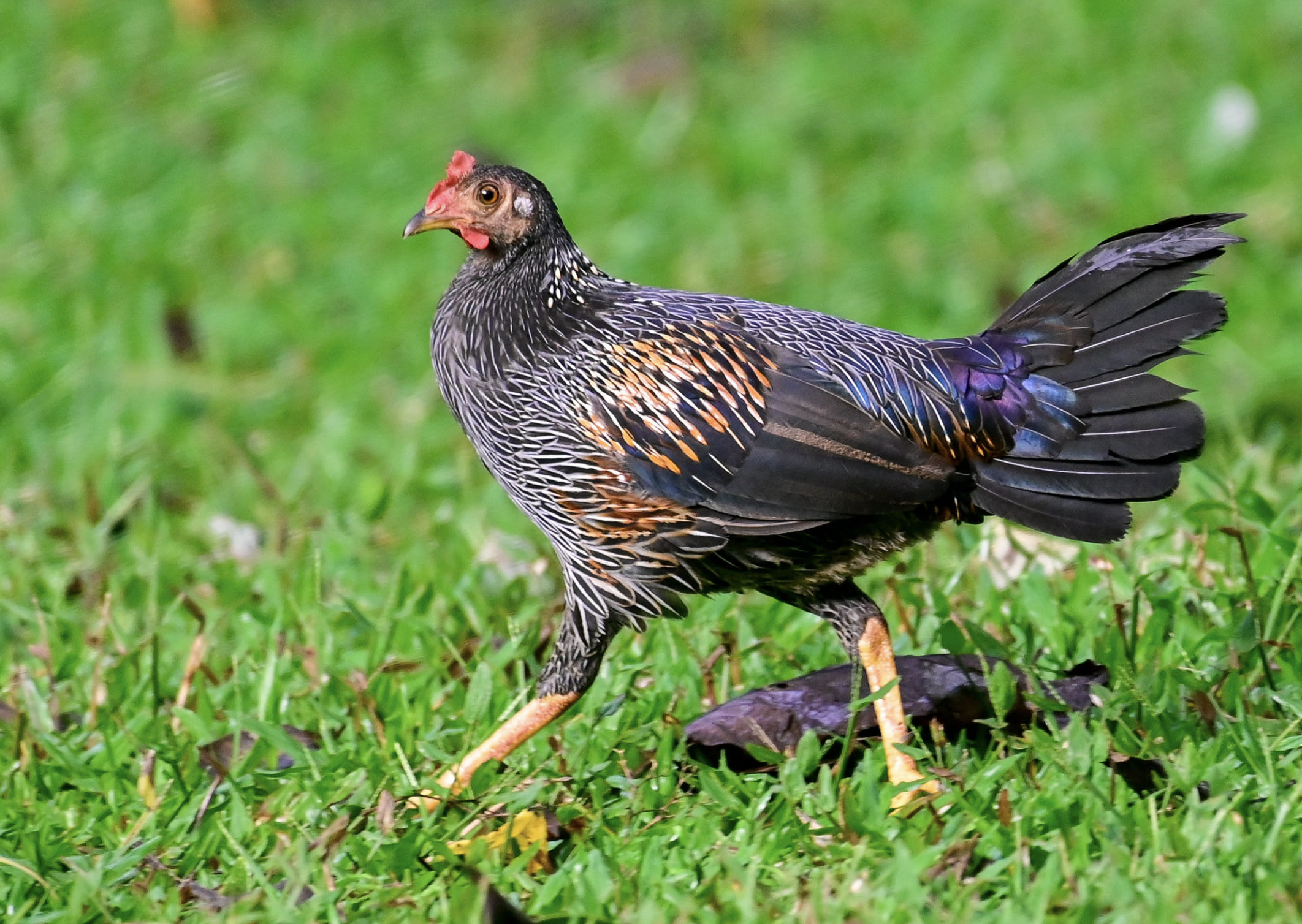
Male
Thekkady, Kerala

Nuclear reactors around the world. Source.
We have linked to articles about nuclear energy before, but this one is more like a cheat sheet for a yes opinion on the option than earlier articles we have read:
Why Nuclear Is the Best Energy
This article will convince you of that nuclear is the best source of energy.1 Don’t read it if you need your mind to remain anti-nuclear. If you are against nuclear, I recommend you to precisely write down your concerns and what it would take for you to be convinced that nuclear is great, otherwise you might move the goalposts subconsciously.
To do justice to the topic, the article had to cover all the important aspects of nuclear energy, and as a result is long. I chose to publish it in one piece despite that so all the relevant information is in one place, and I can update it over time and you can bookmark, reference, and share it. Continue reading
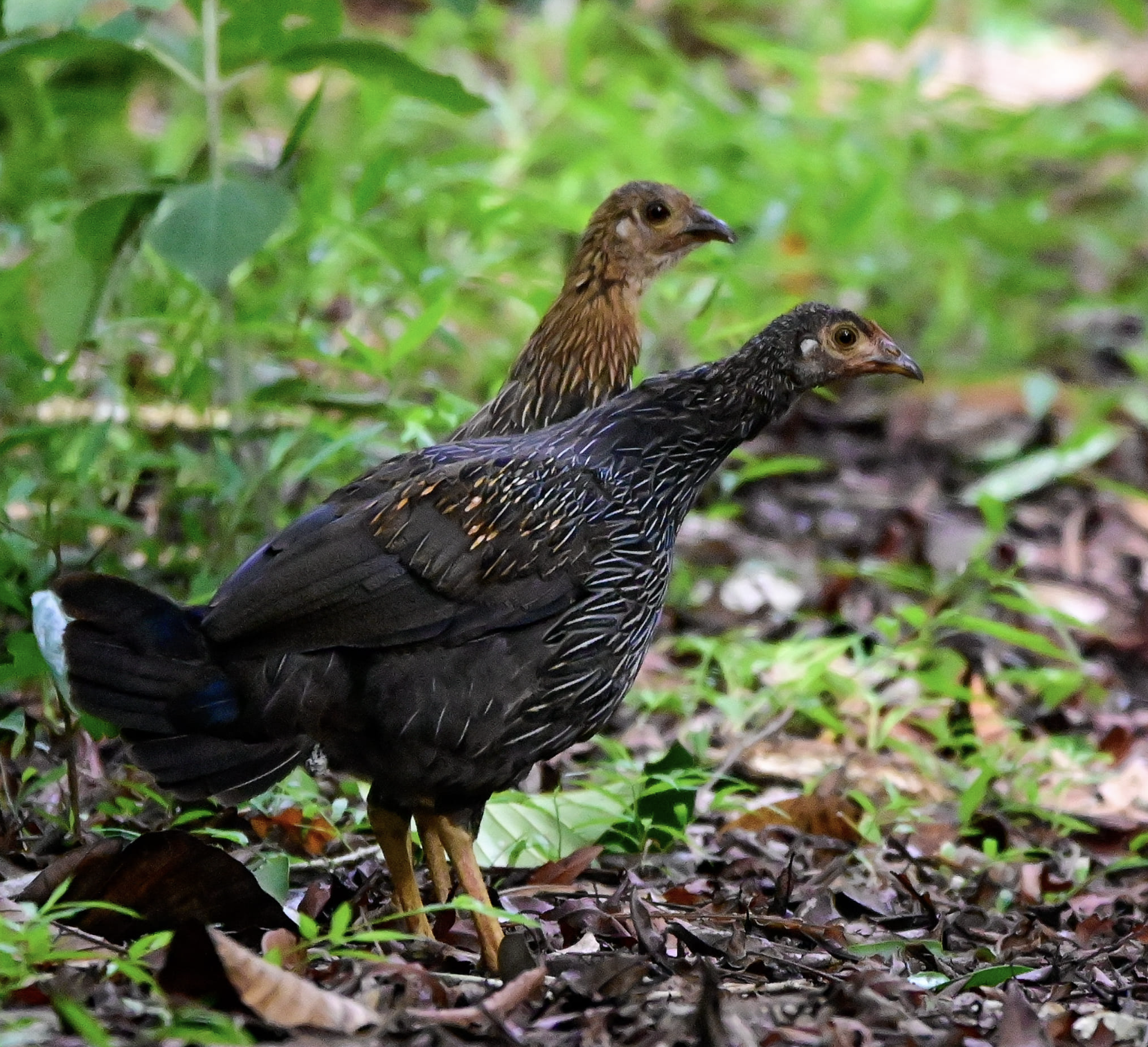
Females
Thekkady, Kerala
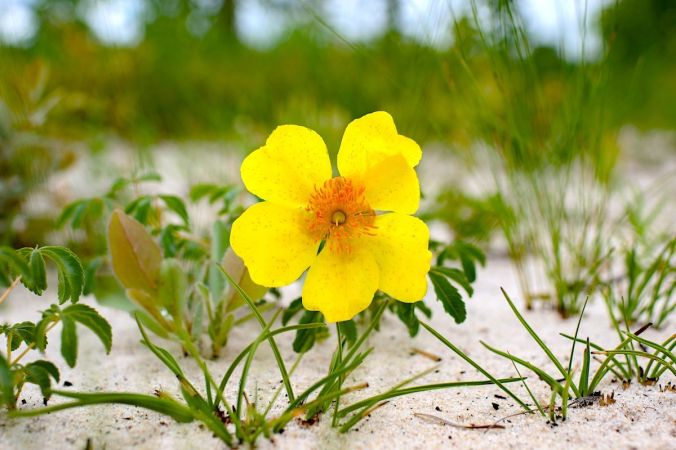
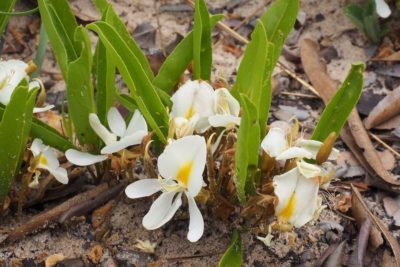
Cochlospermum adjanyae, a flowering plant that grows mostly underground and was first recorded by scientists in Angola in 2023. STEVE BOYES
Thanks to Yale e360:
Ten Curious New Plants and Fungi Recorded in 2023
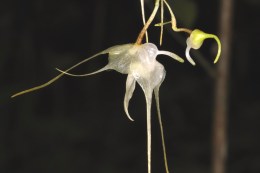
Aeranthes bigibbum. JOHAN HERMANS / RBG KEW
As the planet warms and extinctions mount, scientists are racing to catalog the vast array of life on Earth before species disappear. This year, researchers at the Royal Botanic Gardens, Kew, recorded 89 new species of plant and fungi across the globe, from the rocky edges of Antarctica to a dormant volcano in Indonesia.
Baphia arenicola. DAVID GOYDER / RBG KEW
“It is an incredibly exciting time to be a scientist, but even as we make these wonderful new discoveries, we must remember that nature is under threat, and we have the power to do something about it,” Martin Cheek, a senior researcher with Kew, said in a statement. Continue reading

Breeding Female – photo credit: Nancy Buron
Pawtucket Village, Rhode Island

Just as much as we want packaging of our drinking water to be carefully thought out, we also want the channeling of water to make sense:
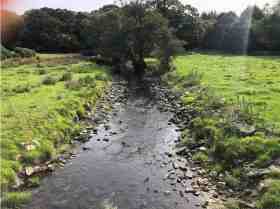
How the beck at James Robinson’s farm looked before the introduction of natural flood management techniques. Photograph: James Robinson
‘The wildlife that has come is phenomenal’: the UK farmers holding off floods the natural way
Planting trees, creating floodplains and rewilding rivers are among the new techniques being used to adapt to a heating climate
The streams, or becks, that run through James Robinson’s Lake District farm used to be cleaned out regularly – with vegetation yanked out and riverbeds dredged, or even completely filled in. Continue reading
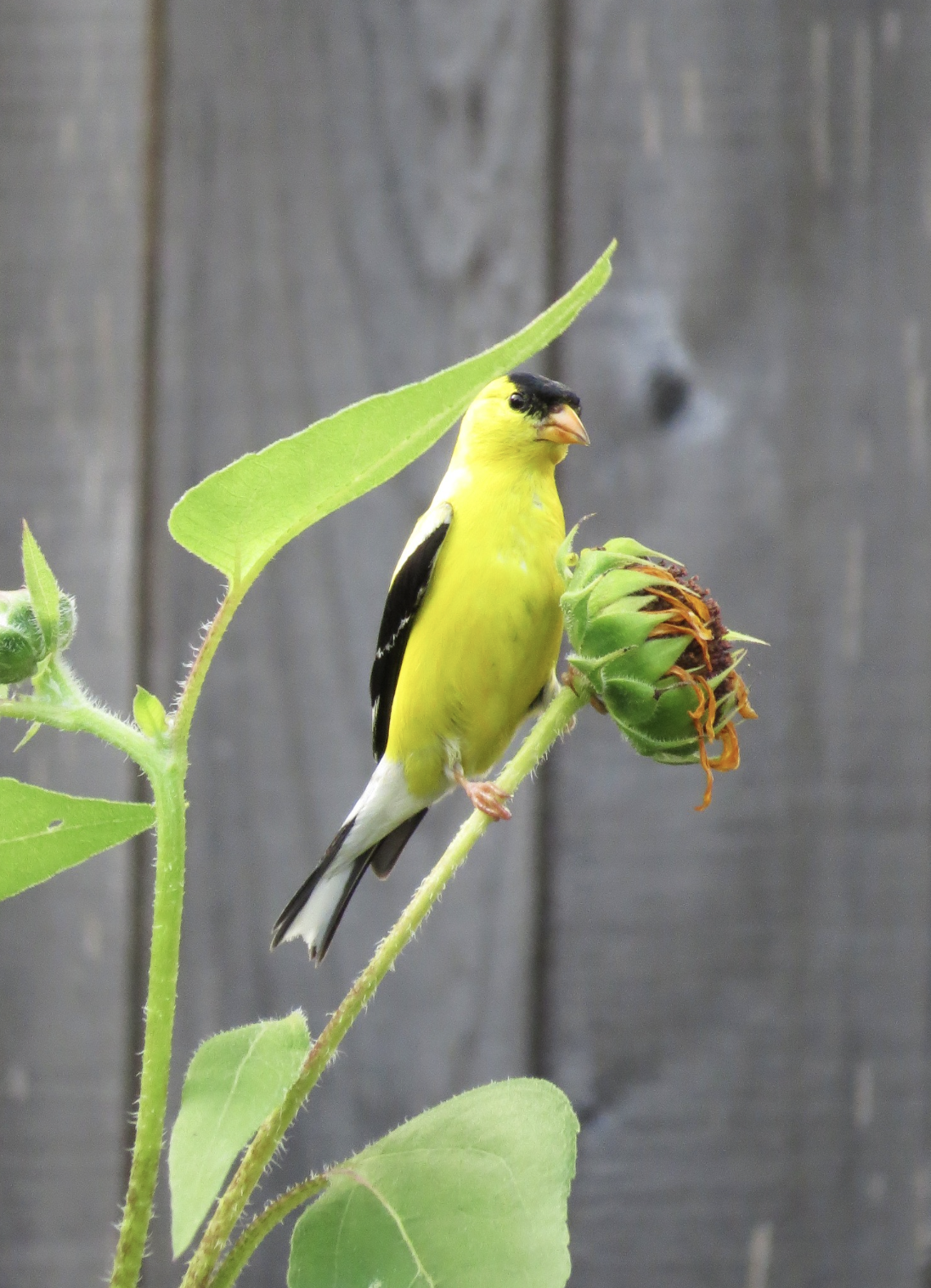
Breeding male- photo credit: Nancy Buron
Pawtucket Village, Rhode Island
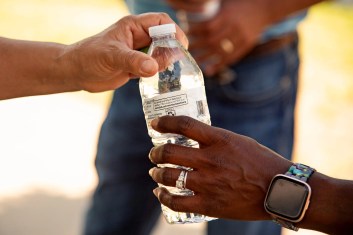
Emil Lippe for The New York Times
The waste has been our main objection to plastic water bottles. But there are other major questions.
We have reason to wonder (more on that another day) whether water in reusable glass bottles is an answer to this one:
Bottled Water Is Full of Plastic Particles. Can They Harm Your Health?
Here’s what scientists know so far about the health effects of nanoplastics, and what you can do to reduce your exposure.
A liter of bottled water contains nearly a quarter of a million pieces of nanoplastic on average, according to new research published this week in the Proceedings of the National Academy of Sciences. Continue reading
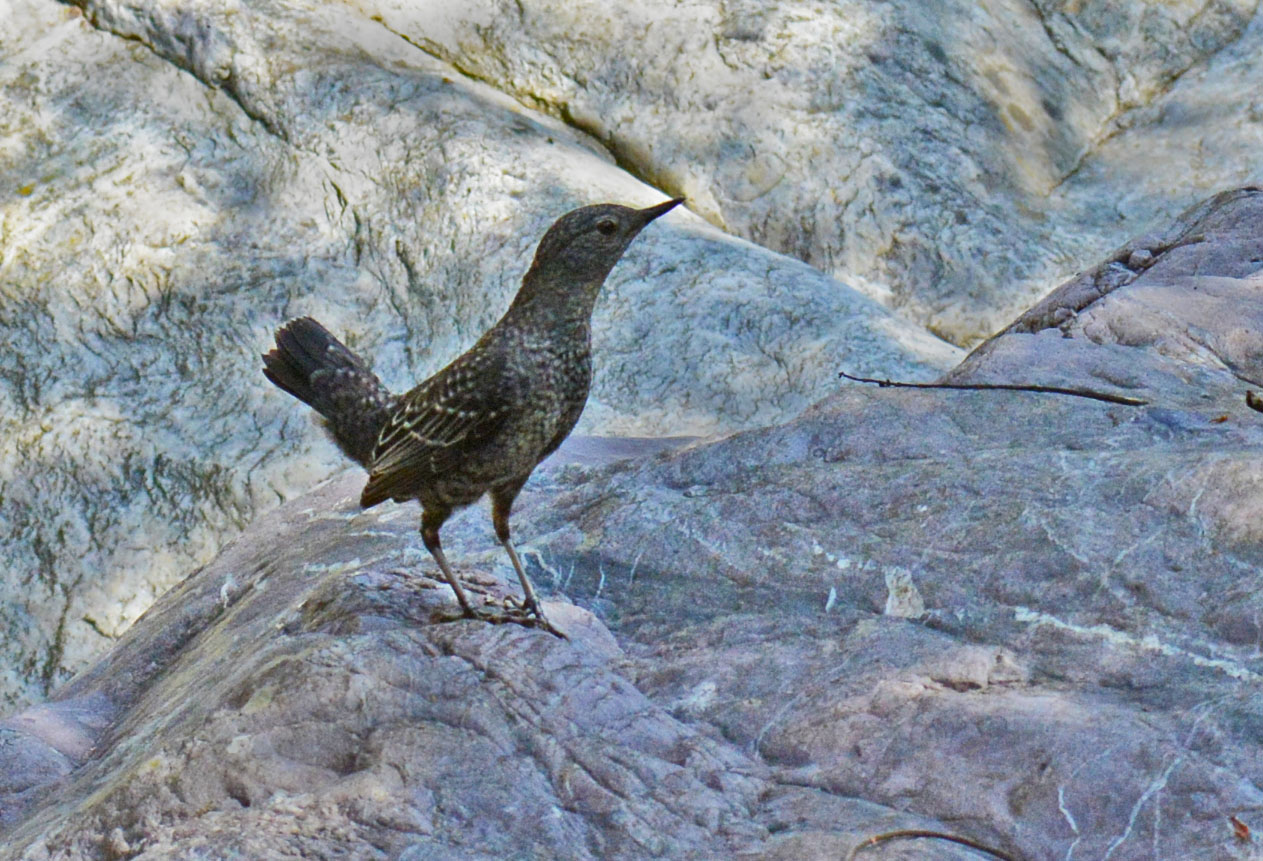
Chaffi, Kumaon Hills Uttarakhand
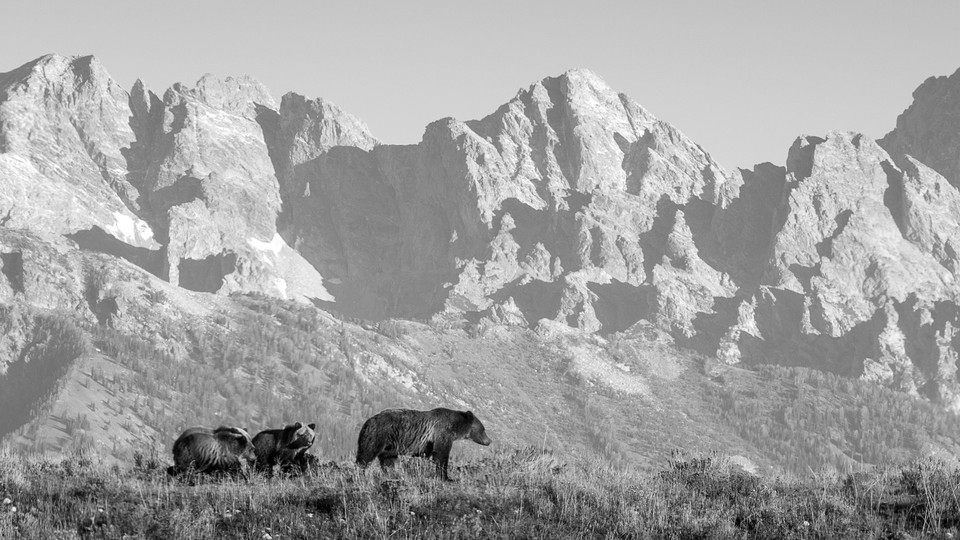
Getty
We always appreciate Katherine J. Wu‘s writings on nature, especially her use of archival material to make a point:
Grizzly Bears Are Mostly Vegan
But humans made them more carnivorous.
On the subject of grizzly bears, the San Francisco Call—a short-lived newspaper that went out of print in 1913—wasn’t what you’d call kind. Continue reading



 Organikos