Learning Laboratories, Museums, And Art’s Future Venues

Jon Chase/Harvard Staff Photographer. Harvard Art Museums Director Tom Lentz (from left) moderated a discussion with MoMA Director Glenn Lowry, A.M. '78, Ph.D. '82, Elizabeth Cary Agassiz Professor of the Humanities Jennifer Roberts, and Paul Ha, director, List Visual Arts Center at MIT.

Jon Chase/Harvard Staff Photographer. Harvard Art Museums Director Tom Lentz (from left) moderated a discussion with MoMA Director Glenn Lowry, A.M. ’78, Ph.D. ’82, Elizabeth Cary Agassiz Professor of the Humanities Jennifer Roberts, and Paul Ha, director, List Visual Arts Center at MIT.

Thanks to the Harvard Gazette for this story about museums functioning as inclusive, modern learning laboratories:

In the 1970s, the Italian architect Renzo Piano was a young upstart with immense talent and brazen daring. It was then, still fairly early in his career, that Piano and his partner, the architect Richard Rogers, redefined the architectural landscape with their groundbreaking Pompidou Center in Paris. Continue reading
If You Happen To Be In Paris

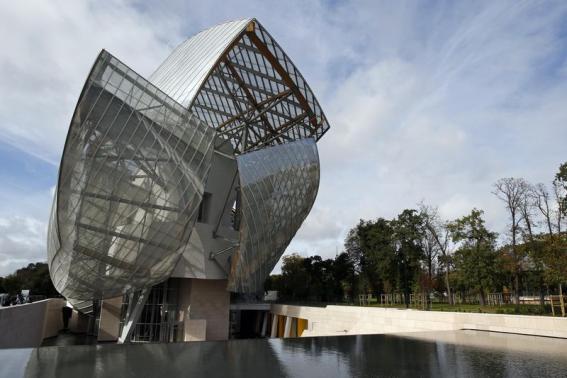
A general view shows the Fondation Louis Vuitton designed by architect Frank Gehry in the Bois de Boulogne, western Paris, October 17, 2014.  REUTERS/Benoit Tessier

A general view shows the Fondation Louis Vuitton designed by architect Frank Gehry in the Bois de Boulogne, western Paris, October 17, 2014. REUTERS/Benoit Tessier

We are in solidarity with the neighborhoods concerned about the loss of green space in Paris, as reported by Reuters on more than one occasion, and this project has been controversial since first announced, but for now, we can only say wow:

(Reuters) – Billowing sails of glass join the Eiffel Tower and the Sacre Coeur as permanent fixtures of the Paris skyline this month, when the new Fondation Louis Vuitton contemporary art museum designed by Frank Gehry opens to the public.

Thirteen years in the making, the museum is the brainchild of Bernard Arnault, the chief executive and founder of LVMH. France’s richest man envisioned a bold new piece of architecture in the capital that would tie the world’s largest luxury group with the cutting edge of art and design.

The private museum that opens to the public on Oct. 27 will be donated to the city of Paris in 50 years. Continue reading

Plastic Bags Going, Going, Gone

Marks and Spencer carrier bag

Marks and Spencer is one of the retailers that has agreed to donate the extra money from carrier bag sales to good causes in Scotland. Photograph: Stefan Rousseau/PA

Small local moves here and there add up, on occasion, to major change. We are amazed to learn of the scale of the success in the Celtic region with the program to ensure consumers and vendors share in the cost of the environmental mess that plastic bags create. Thanks to the Guardian for this coverage:

Scottish shops start charging for bags

Charge of at least 5p a carrier bag introduced in bid to emulate 70% fall in usage in Wales and Northern Ireland

Scotland is joining Wales and Northern Ireland in charging shoppers for carrier bags , in an attempt to encourage sustainable behaviour among shoppers. Last year, shoppers at Scotland’s main supermarket chains alone used 800m single-use bags, most of which end up as litter, landfill or polluting the country’s marine and natural environments.

Continue reading

On the Road to 100 Species at Xandari

Silhouette of the Blue-crowned Motmot, one of Xandari’s most colorful and exciting resident species due to its racquet-tipped tail and partly iridescent plumage.

Over the last four months or so that I’ve been birding around Xandari, in the beginning with the help and company of James, Xandari’s species list on its eBird hotspot has been growing, if not daily, then at least weekly. James and I had charged ourselves with documenting every resident species before the migrants came down starting in September and October. When James left to go back to school in early August, we had seen or heard 80 species on or from property.

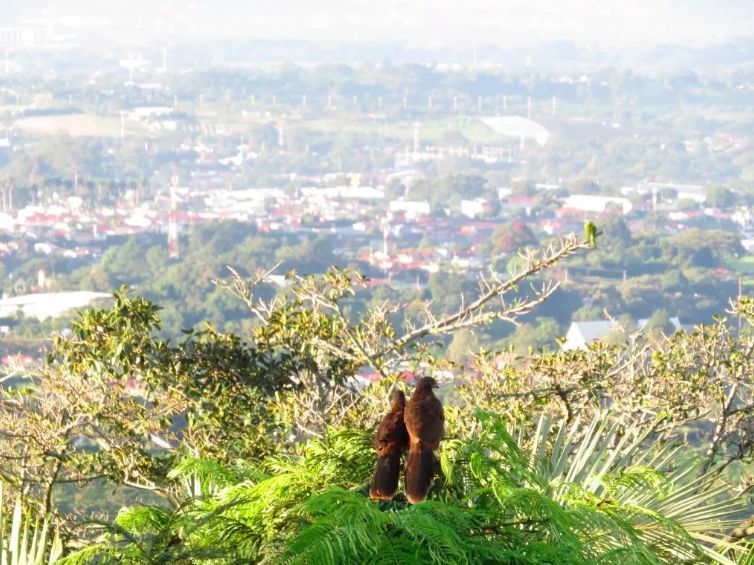
A pair of Gray-headed Chachalacas enjoying the view of Alajuela. Seen from Xandari’s balcony restaurant.

Since then, I’ve seen Continue reading

Bookstores As Cultural Icons

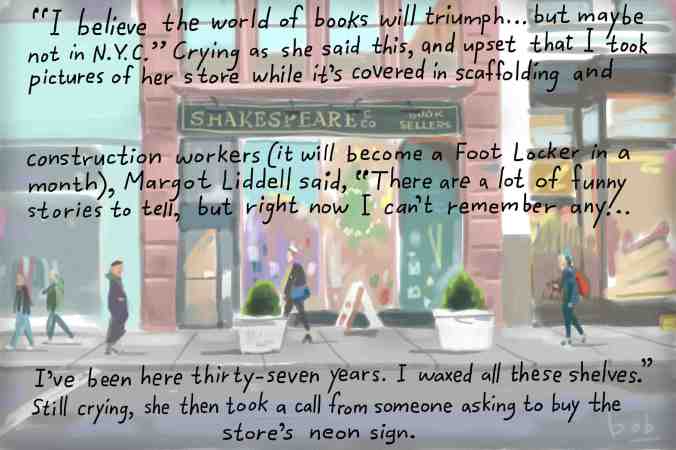
Eckstein_books_07_Shakespeare

Many hope that these are not merely icons of an earlier time, but an essential asset of any culture. Click the image above to go to this exhibition on the New Yorker’s website:

The Endangered Bookstores of New York

BY

Recently, I was browsing for books at Powerhouse Arena, in Dumbo, and noticed a sign asking people not to snap photos of the books on display. What a thing to have to ask!  Continue reading

Library Futures

The New Central Library, Calgary, Canada - Snøhetta

The New Central Library, Calgary, Canada – Snøhetta

Thanks to Phaidon for these images and accompanying story that leads us to believe that libraries are less endangered than we might otherwise have thought, a story about a beautiful new library:

Snøhetta unveils ‘floating’ library design in Canada

Calgary design will feature arches inspired by cloud formations and will house over half-a-million books

As the Frankfurt Book Fair opens this week work has already begun in Calgary, Alberta, to construct a home for 600,000 books directly above a transport hub. The New Central Library by Norwegian starchitects Snøhetta will sit at the intersection of Downtown Calgary and the cultural hotspot that is East Village.

Trains on the light rail track will chug along tracks that appear out of the base of the slim, curved structure, with the library ‘lifted’ above the public transport below. A covered plaza has been created by cutting away the ground levels of the building, as if slicing through the corner of a pat of butter. Continue reading

Biophilia By Any Other Name

Screen Shot 2014-10-19 at 11.38.13 AM

Thanks to Conservation for their regular daily feature, summarizing important research findings related to the environment, and for reminding us in the story below of the great scientist E.O. Wilson, who might note that the findings below are essentially a reflection of his ideas on biophilia. Click on the banner above to go to a new resource that we have just discovered that honors the scientist, and read on for the scientific findings that demonstrate his genius observation even without referencing him:

We’ve been hearing for a while now how simply being around green space more can be beneficial. Early this year, for example, a study found that moving to areas with more trees and vegetation led to an immediate and prolonged improvement in mental health. Just looking at a tree every now and then seems to give us all a boost. Continue reading

If You Happen To Be In Eleuthera…

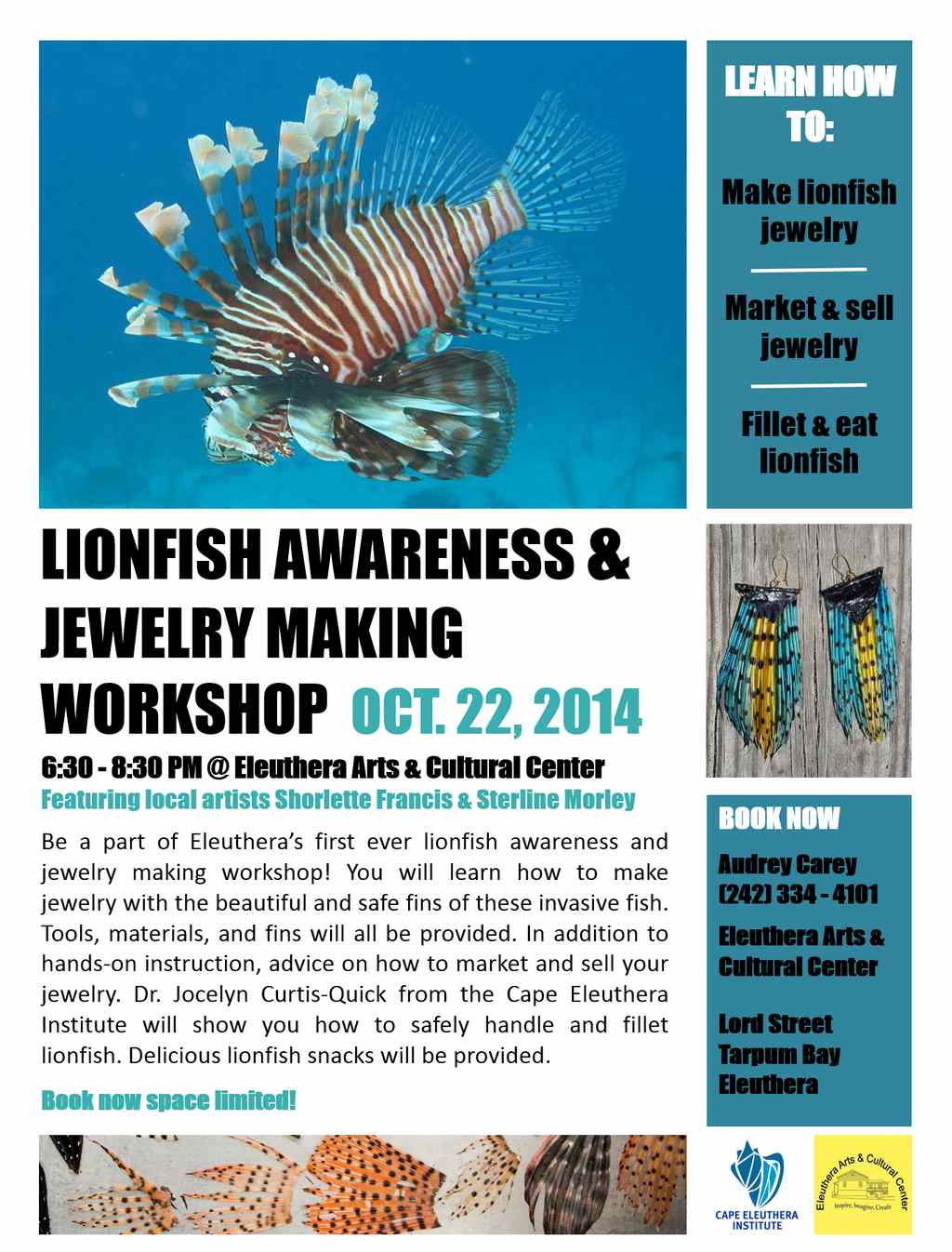
Bahamas-Lionfish-Jewelery

Regular readers of this site are familiar with contributor Phil Karp’s wonderful posts about this invasive species. He’s been advising this group in Eleuthera for several months. We wish we could be there!

Can you?

Speaking Of Greece

36hours-athens-thumbWide36 Hours in Athens

By JOANNA KAKISSIS

The city’s self-confidence and creativity are stirring again after years of tough press that defined Athens as a beleaguered capital.

This post on classics, referencing an earlier post on the same topic reminds us of our hinted promise to tell more about Raxa Collective’s recent scouting visit to Greece, and specifically about prospective project on one of the most fascinating of all the islands. We promise more on that soon.

Why Study Classics?

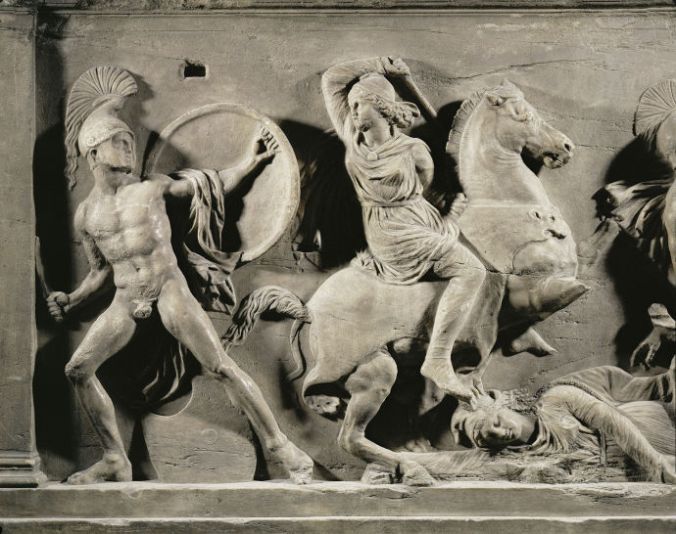
In some archaeological digs in Eurasia, as many as thirty-seven per cent of the graves contain the bones and weapons of horsewomen who fought alongside men. PHOTOGRAPH BY ERICH LESSING / ART RESOURCE

In some archaeological digs in Eurasia, as many as thirty-seven per cent of the graves contain the bones and weapons of horsewomen who fought alongside men. PHOTOGRAPH BY ERICH LESSING / ART RESOURCE

For every question why like this one, there must be many answers. We post enough on the topic to have some guesses. James, one day, may tell us his. For anyone who likes a good story, part of the answer must be simply that. But there may be more; for now let this post on the New Yorker‘s website speak for itself:

The Real Amazons

BY JOSHUA ROTHMAN

Here’s a story, told by Herodotus, about the fierce female warriors known as Amazons. Many thousands of years ago, a group of Greek raiders ventured into what is now northern Turkey. Travelling across the steppe, they came across a group of warrior women. The Greeks kidnapped them, locked them in the holds of their ships, and set sail for home. But the Amazons escaped. They recovered their weapons and killed their captors. Because they were horsewomen, and didn’t know how to sail, the ships drifted far off course. Eventually, though, they landed in the Crimea. The Amazons went ashore and stole some horses. They started marauding, gathering loot, and building up their strength. Continue reading

Book Covers, Storytelling, And The Mind’s Eye

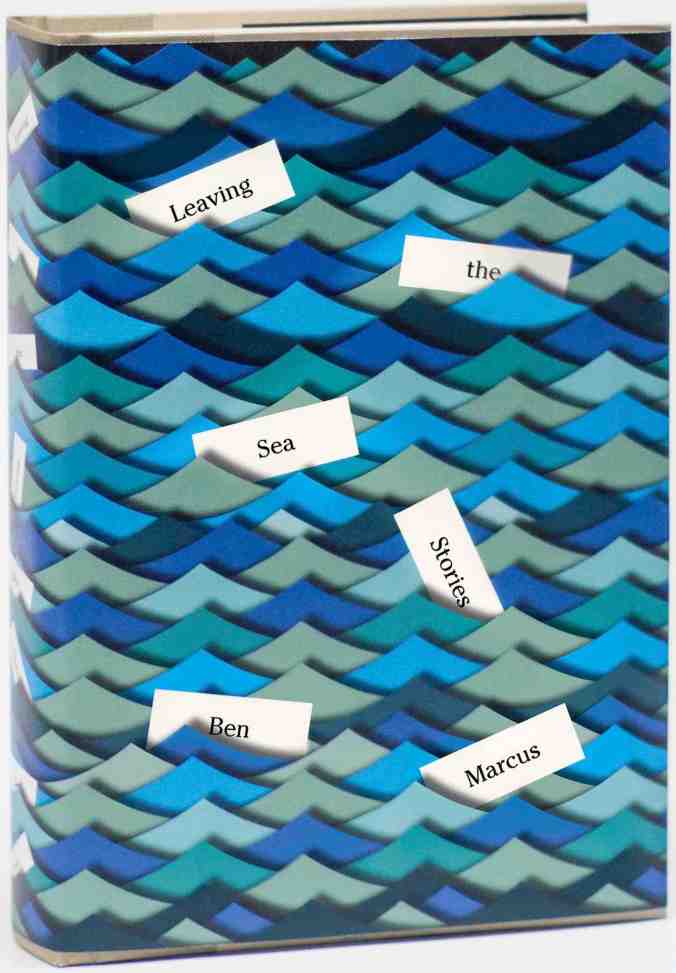
Author Ben Marcus described Peter Mendelsund's cover for his story collection Leaving the Sea as "sumptuous, playful and gorgeous to look at."

Author Ben Marcus described Peter Mendelsund’s cover for his story collection Leaving the Sea as “sumptuous, playful and gorgeous to look at.”

We are most of the time sharing stories, told by our own contributors or chosen by them from other sources, that say something relevant about community, about collaboration, and/or about conservation.  And many of us are involved day to day in hospitality that offers authentic experiences of immersion in “faraway places” relative to where the traveler comes from. We frequently share stories about books and libraries because they are the building blocks of preparation for appreciating what one finds on a long journey away from the familiar. So, this story about a book cover designer was destined to capture our attention:

Peter Mendelsund estimates he’s designed “somewhere between 600 and 1,000 book covers,” ranging from Crime and Punishment to Girl with the Dragon Tattoo. But the self-taught, sought-after designer says he spends a lot of time reading, too. Continue reading

Reducing Demand For The Irreplacable

A black dehorned rhinoceros and its calf at a Johannesburg reserve. Photograph: Stephane De Sakutin/AFP/Getty Images

A black dehorned rhinoceros and its calf at a Johannesburg reserve. Photograph: Stephane De Sakutin/AFP/Getty Images

From the “glimmer of hope” category of news, thanks to the Guardian‘s ongoing coverage of vital environmental issues, we find this story simultaneously depressing and hopeful, somehow:

Rhino horn demand in Vietnam drops by more than 33% in one year

Information campaign successfully changes minds of people who think rhino horn has medicinal value

Efforts to curb the deadly trade in rhino horn appear to be gaining traction, with a poll finding that demand for the animal part in Vietnam has dropped by more than a third over the past year.

After a year-long public information campaign in Vietnam, only 2.6% of people in the Asian country now continue to buy and use rhino horn, a decrease of 38%. Continue reading

Earth Hour 2014 at Xandari

This past March, on the 29th, Xandari supported the 60+ Earth Hour movement by hosting a candle-lit dinner and inviting guests to turn off their lights between 8:30-9:30PM to join hundreds of millions of people around the world in saving energy. In 162 countries and around 7,000 cities, people joined Earth Hour and the World Wildlife Fund for Nature to symbolically pledge to do more for the environment and engage in energy-saving efforts throughout the year. Watch the video below for some footage of national monuments around the world flipping the switch for an hour, and learn more about the 60+ movement.  Continue reading

Listen When Nature Is Speaking

Edward Norton provided the voice for the soil in Conservation International's Nature is Speaking campaign. Credit Conservation International

Edward Norton provided the voice for the soil in Conservation International’s Nature is Speaking campaign. Credit Conservation International

Dot Earth, once upon a time, was a daily source of amazing material, until it seemed to disappear, and then again it reappeared. Ed Norton gets our attention any time:

Nature Talks Back, and Sounds a Lot like Edward Norton

Continue reading

Burn Calories, Eat What You Want

A breakfast taco in Texas. John Burnett/NPR

A breakfast taco in Texas. John Burnett/NPR

Now that the heavy lifting of food trials of 51 is mostly behind us, we are ramping up food trials at Marari Pearl. Any of you who know members of the Raxa Collective food trials team can attest that some of them remain mysteriously svelte, and others are gravitating into Santa Claus territory. Does this story at The Salt provide any explanations, or possible solutions? It is worth a read:

Last month, a friend and I rode bicycles 738 miles up the spine of Texas from the Rio Grande to the Red River, dodging oilfield trucks and yipping Chihuahua dogs.

All that pedaling had us burning about 5,000 to 5,500 calories every day. And so the 10-day journey — eight days of it riding into a headwind — became a movable feast.

There were hero sandwiches, Tater Tots, loaded baked potatoes, rib-eye steaks, chiles rellenos, cheese enchiladas, fried shrimp, cheeseburgers, french fries, hot dogs, barbecue brisket, beef jerky, chocolate glazed donuts, Snickers bars and fried pies. Continue reading