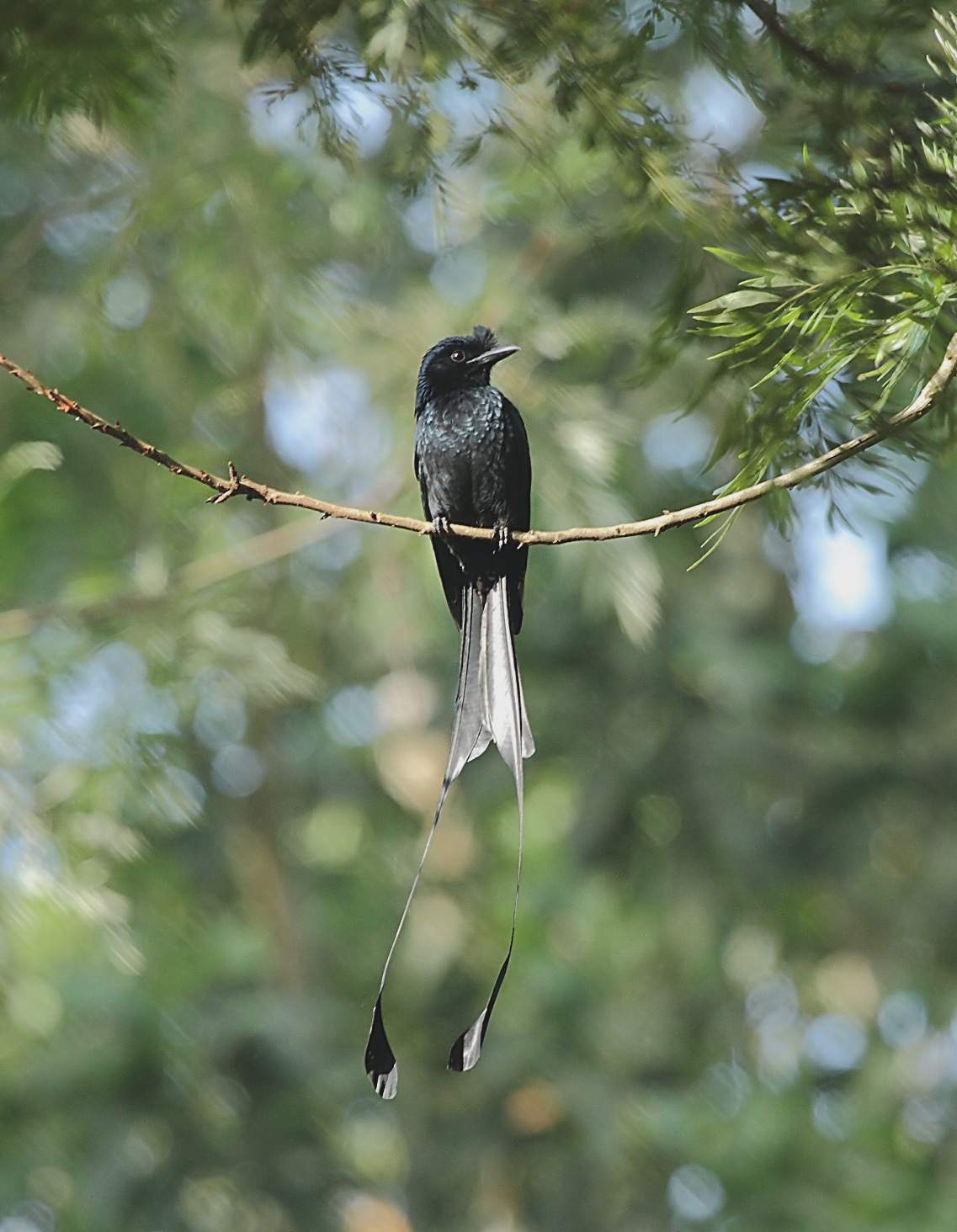
Sakleshpur, Karnataka
Sakleshpur, Karnataka
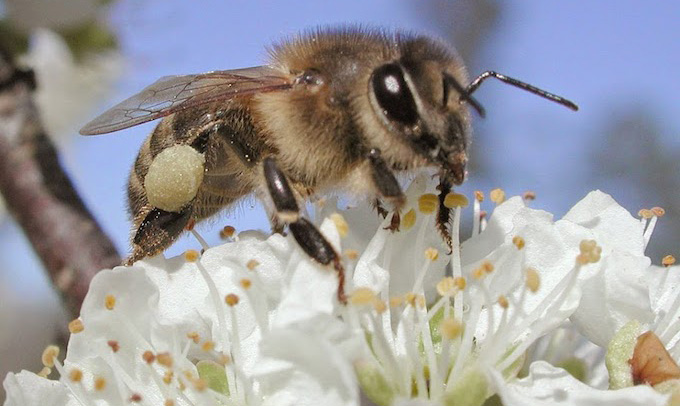
From the current issue of Conservation online, a review of the latest science on one of our favorite topics:
SHOULD POLLINATOR RESEARCH FOCUS ON REGIONS WITH MALNUTRITION? September 19, 2014
Pollinators + plants = food. Right? The domesticated honeybee, along with a handful of wild bee species, is in decline. But 75 percent of the 115 major crop species grown around the world rely on pollinators to give us that food. This equation is woefully out of balance.
Pollinator-dependent crops make up only a fraction of total agricultural revenues, but that’s because the nine priciest crops, which together comprise half of global agriculture as measured by revenue, can become pollinated by wind, or can pollinate themselves. But the economic value of agriculture is only one way to understand the value of different crops. Another is the value of the different crops to human health and nutrition. Continue reading
On a recent trip to the Osa Peninsula for a couple of days, and one herpetologically-rich night, I found a number of the types of animals that make Costa Rica such a popular destination for wildlife-lovers. The Osa is home to about half the species that Costa Rica boasts, making it the most biodiverse spot in the country — or even the world. The density of fauna seen on any hike through the forest back up the statistics (2.5% of the earth’s biodiversity just on this little peninsula?!), and I was glad to be able to get some video of typical animal behavior during my time there. Continue reading

It has been some time since we posted on the topic of altruism, but it is one of the words we come back to directly and indirectly nearly every day, one way or another. We watch out for our own stories to explain this phenomenon. Raxa Collective works in locations categorized as developing economies. Some among our ranks are from so-called developed economies, with among the highest per capita incomes in the world, while others among our ranks are from economies at the other end of the per capita income range.
A consensus has developed among those of us who have worked across a spectrum of countries, a consensus which we considered a bit of a paradox (and a completely unrealistic and unfair generalization, but still we noticed it this way), that poorer people do more surprisingly generous things considering that they would seem to have less with which to be generous.
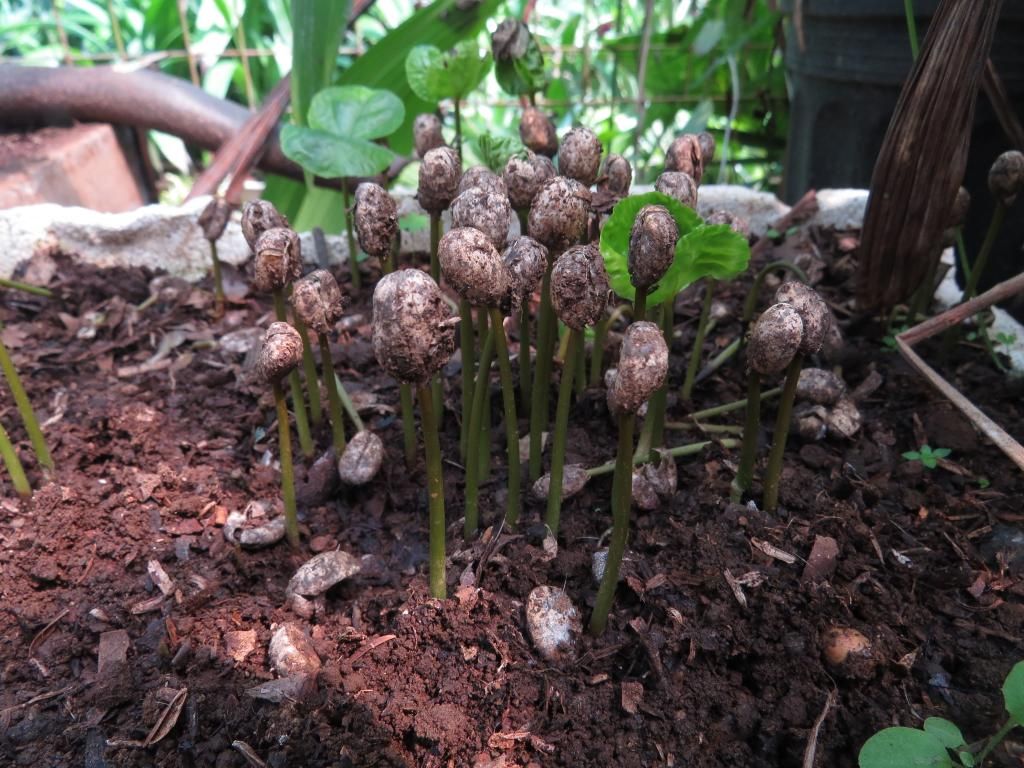 Back in the beginning of July, James and I helped José Luis plant some Bourbon coffee seeds so that they would eventually become seedlings that could be put in bags to grow into saplings. Now, after months of watering and patience, many of the seedlings are finally beginning to emerge. As more and more of them germinate and create their shoots, we’ll be putting them into the bags with soil to wait another year before planting them in the ground at Xandari.
Plenty of other plants have been productive over the last couple months: Continue reading
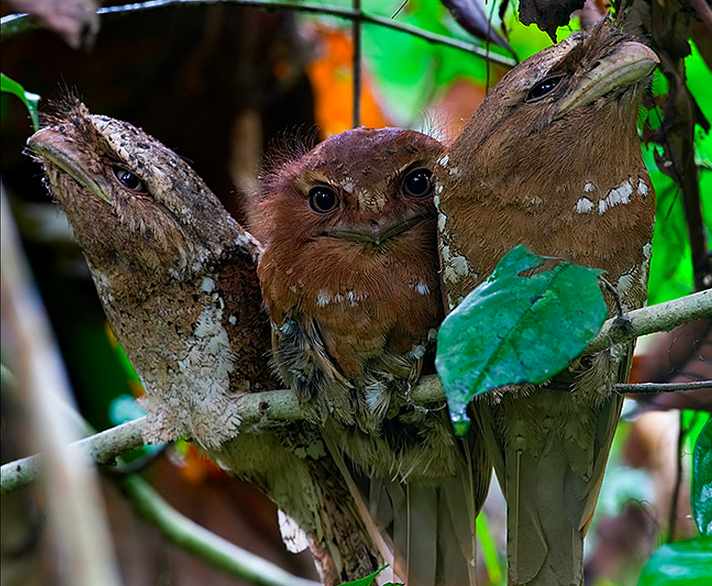
Thattekkad Bird Sanctuary, Kerala
At Spice Harbour boats aren’t the only colorful item floating past the property on a daily basis. While the water hyacinth is lovely, it can also clog the water ways and make boating difficult to manage when it piles up along the edges and eddies of the harbour front.
We hired local fisherman to create a floating bamboo fence Continue reading
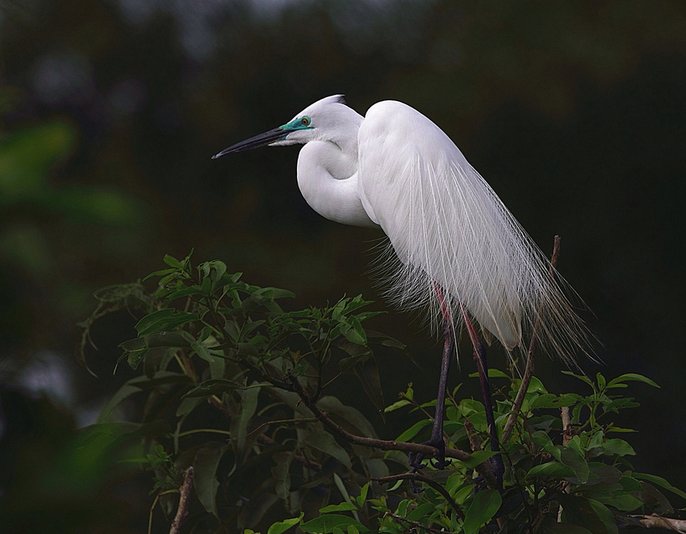
Ranganthittu Bird Sanctuary, Karnataka
 I recently went on a night walk in the rainforest of Costa Rica’s Osa Peninsula, looking for frogs, snakes, and other nocturnal animals with a great wildlife guide who knew the area well. Although we didn’t see any mammals or the famous deadly Bothrops asper viper known as the “terciopelo” in Spanish (velvet) and “fer-de-lance” in French (spearhead). We did, however, see numerous frog species and at least two snake species, although we could only identify the six or seven Cat-eyed Snakes we saw.
 There were also some basilisk lizards getting bit by mosquitoes, a large spider similar to a tarantula, a dragonfly larva in the water, and plenty of frog eggs. At one point we turned off all our flashlights to try to find a glass frog (pictured below) and noticed some bioluminescent mushrooms, which were impossible to photograph in the dark and look pretty dull in the light. Although I’ve forgotten the names of the various frog species featured in the slideshow of the photos I was able to take below, I hope you enjoy Continue reading


A recent study projects that the summer range of the Allen’s hummingbird will shrink by 90 percent by 2080. Photo by Loi Nguyen/Audubon Photography Awards
One more story related to the centenary mentioned here, this time with a podcast interview with to accompany our previous post linking to his editorial in the New York Times:
It’s been 100 years since the last passenger pigeon died. Would we have been able to save the bird today? What is the state of bird conservation in North America? Gary Langham of the National Audubon Society and Ken Rosenberg from the Cornell Lab of Ornithology discuss which species are under threat and how climate change might affect birds in the future.

Yigüirro, the National Bird of Costa Rica
Tacacori, Costa Rica
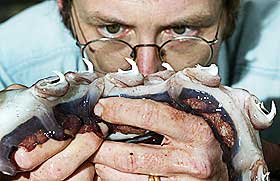 We have posted a few times about awesome oceanic creatures, and their literary impacts, and lots of times about the heroes working to save whales in particular, so when this decade-old but still-fresh article on the giant squid we had missed came to our attention just now, we had to share it:
…Though oceans cover three-quarters of the Earth—the Pacific alone is bigger than all the continents put together—the underwater realm has remained largely invisible to human beings. For centuries, there was no way for scientists to peer into the depths, no telescope that could gaze into the abyss. (A pearl diver can venture down no more than a hundred feet.) Until the nineteenth century, most scientists assumed that the deepest parts of the ocean—where the temperature was frigid, the pressure intense, and the light minimal—contained no life. Continue reading
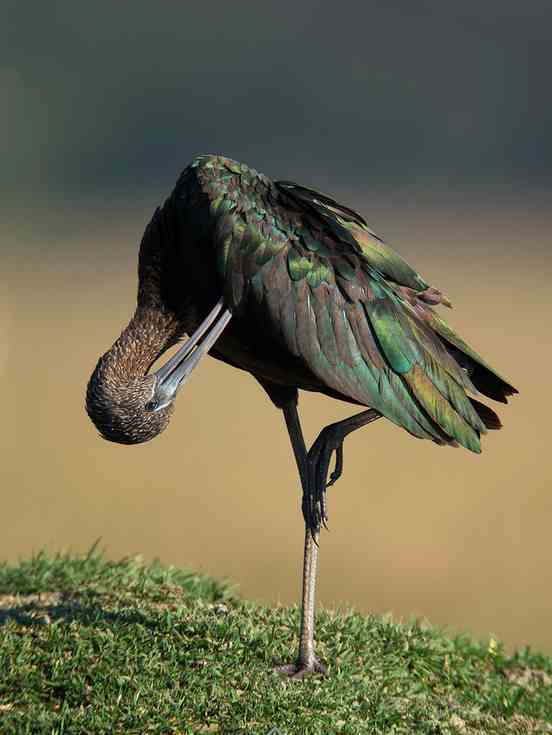
Bharatpur Bird Sanctuary, Rajasthan

“Turquoise Falls, Bruarfoss” © Jerome Berbigier
Continued from Part 2.
As it turned out, it was a British law student, William Lord Watts, who became the first man to truly answer Longman’s call and embark on some serious exploring. In the introduction to his book Across the Vatna Jökull; or, Scenes in Iceland; Being a Description of Hitherto Unknown Regions, Watts started by taking issue with the concerned British subject at home who saw the exploration of wilderness as a waste of “money, time, and labour,” or “utter folly,” explaining that everyone had a mania for something or other, and his own “may be to wander amongst unknown or unfrequented corners of the earth.” Calling for “a truce to critical stay-at-homes,” Watts advanced to the meat of his trip itself.
In his descriptions of his several expeditions, Watts usually employed a calm, scientific and lawyerly tone that make his bursts of romantic and athletic enthusiasm in certain scenes all the more exciting and believable. Nodding to his biggest audience, he also used some of the Continue reading
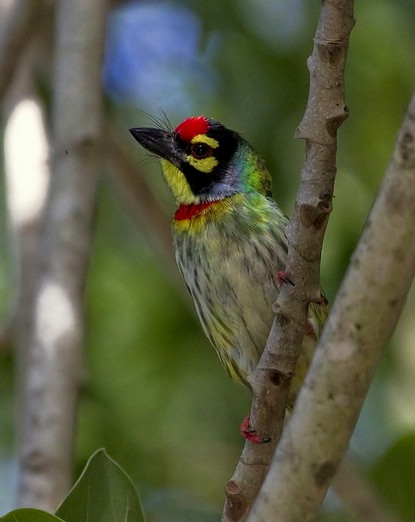
Bangalore, Karnataka
Continued from Part 1.
If Longman’s unorthodox address is interesting as a sign of Iceland’s attractiveness to the middle-class British authentic-seeking traveller, the responses to his suggestions are even more so. In a May 18 article The Critic wrote a review of the Longman’s address that effectively summed up the perceived position of Iceland in the global context of travel and exploration. The author suggested that any adventurous Briton who had already “used up Ireland and Scotland” and “[did] not care to ascend Mont Blanc for the dozenth time” might turn to Iceland for their future travels, as it had spectacular scenery equal to Switzerland and critics were growing tired of “oft-repeated tales” in countries they knew intimately through so many books. The contributor continued by explaining that:

Aerial view of Iceland © Sarah Martinet
We do not ask the good-natured traveller to kill gorillas in Africa after Mr. Du Chaillu’s fashion, or hunt bisons on the American prairies with Mr. Grantley Berkeley. Our request is much more reasonable. Iceland may be reached by the expenditure of a single five-pound note: and in that uncockneyfied land a solitary Englishman may pay all his daily travelling expenses, including those which will be entailed on him by a retinue of three horses and a guide, for twenty shillings.
Kabini, Karnataka

Aerial view of Iceland © Sarah Martinet
It has been months since I’ve mentioned Iceland on the blog, partly because I was exhausted with the subject after completing my thesis in mid-April, but also because I’ve been occupied with less academic matters over the summer. Another reason for revisiting the topic is that over the summer I had the honor of learning that my thesis was added to the Kroch Library Rare and Manuscript Collections–hopefully somebody will find it useful eventually! Now that the volcanic dust has settled and the borrowed library books have been returned, I feel there are a couple facets of nineteenth-century British travel to Iceland left to explore here.
I’ve written about some of the qualities exhibited by British travelers to Iceland before, but Continue reading
This post was originally published on August 2nd, 2011.
While walking to Morgan’s Rock’s lobby yesterday morning, Pierre heard some rustling in the bushes on our right. We looked for the source and were stunned to see an anteater standing on its hind legs, spreading its arms and swaying about like a drunkard but in fact trying to dissuade us from attacking it by trying to appear larger (it was bigger than a very fat house cat, but not by much). I immediately pulled my video camera from my pocket and started filming, and although the anteater had ceased his humorous movements and started climbing a very thin sapling, the footage was incredibly fortunate and very entertaining.
Since the tree he decided to grasp was so young, it started to bend as he climbed higher, reminding me of cartoons where characters are catapulted out of the branches after a certain point. The anteater was less than a meter away and at times looked like a teddy bear, but as a wild animal—and one with claws in full display at that—we refrained from touching him and were satisfied with a video. Eventually, the formicary raider descended the sapling and chose a better escape tree (in a pose reminiscent of the boa’s in a previous post), and we left happy with the sighting of what I thought I’d only be able to see in the summer when foliage was less dense. Continue reading
 Organikos