Humans of New York: The power of documentation

10575445_746153385458764_7383111873998406356_o

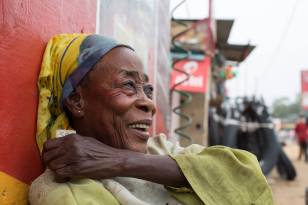
She said she’d let me take her photo if I bought some peanuts from her. Afterward, I asked if she could remember the saddest moment of her life. She laughed, and said: “You’re going to need to buy some more peanuts.” (Kasangulu, Democratic Republic of Congo) Photo Credit: Brandon Stanton

This article from the New York Times describes the recent social media phenomenon- Brandon Stanton’s Humans of New York site and facebook page. At first he was just making portraits of strangers in New York City after losing his job as a bond trader. Then it evolved into interviewing the people about their lives and using them as captions to the photos. Now, he has been commissioned by the United Nations to do a 50-day world tour doing the same thing, but in some of the areas of the world with “the most extreme headlines coming out” to document life on the streets there.  The purpose of the tour is to raise awareness for the UN Millenium Development Goals and to inspire a more global perspective.

I have been a part of the 9.2 million people following him on facebook and just watching the exponential rise in followers since this UN tour has been quite incredible. There has been overwhelming support for his work. Thousands of people writing extensive comments reflecting on how the portraits capture what’s happening in the world. I’ve noticed a lot of heartfelt dialogue inspired by his work in the comments. Continue reading
Lost At Sea

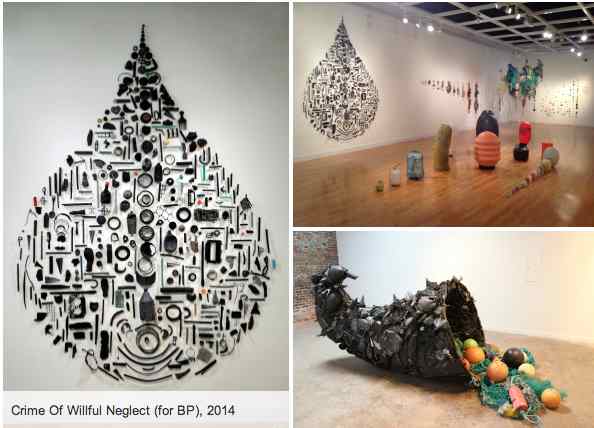
From the Drifters Project by Pam Longobardi

From the Drifters Project by Pam Longobardi

The world’s oceans effect all life on earth and it’s no longer news that even the most pristine places on earth are impacted by our “toxic legacy,” as artist Pam Longobardi puts it. The project statement for her Drifters project is really worth reading. Here is an excerpt I found particularly poignant:

Plastic objects are the cultural archeology of our time.  These objects I see as a portrait of global late-capitalist consumer society, mirroring our desires, wishes, hubris and ingenuity.  These are objects with unintended consequences that become transformed as they leave the quotidian world and collide with nature to be transformed, transported and regurgitated out of the shifting oceans.  The ocean is communicating with us through the materials of our own making.  The plastic elements initially seem attractive and innocuous, like toys, some with an eerie familiarity and some totally alien.  At first, the plastic seems innocent and fun, but it is not.  It is dangerous.   We are remaking the world in plastic, in our own image, this toxic legacy, this surrogate, this imposter.

By doing this Drifters project, she has removed thousands of pounds of material that would be considered trash and then presenting it within a cultural context. Amie wrote a previous post about artists using ocean trash as materials for art. They too found themselves telling the story of global consumerism using plastic.   Continue reading

Butterflies from the Butter-files

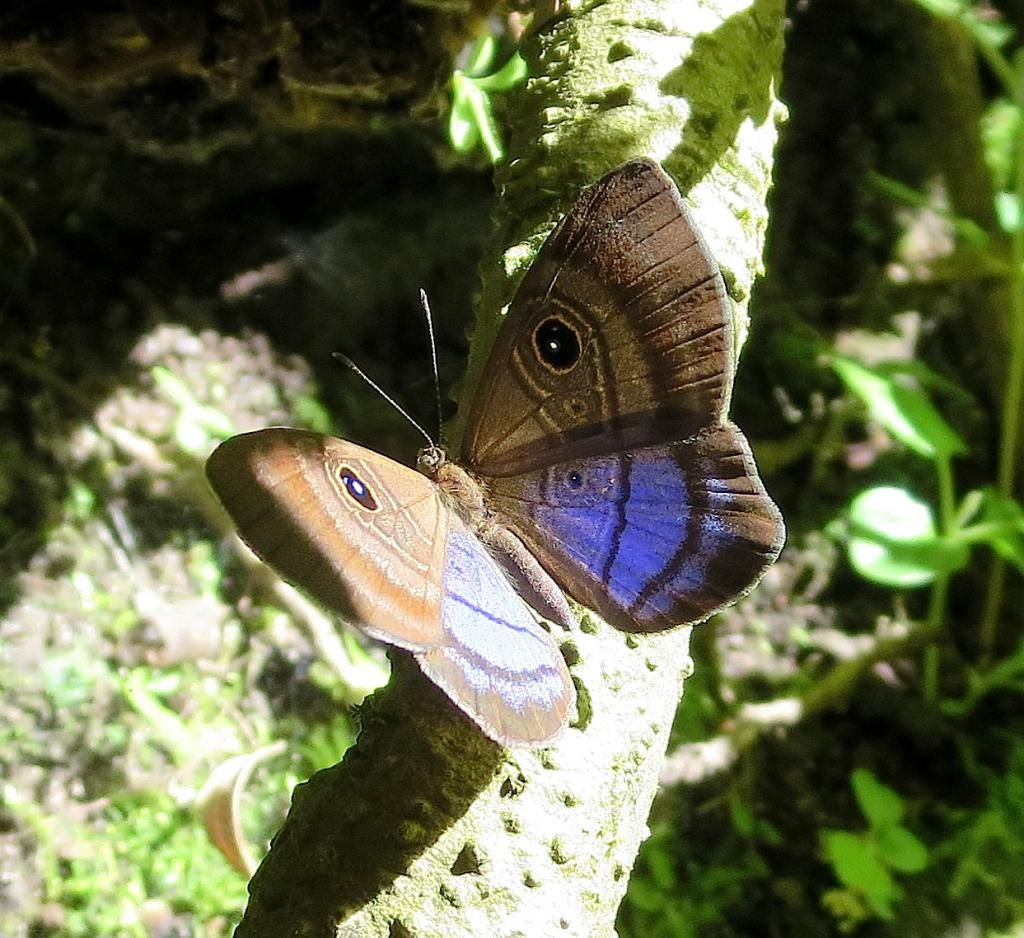
As I mentioned in the “flora-file” series (see posts #1 and #2, more are forthcoming), I’m posting a number of photos I collected during my time at Xandari Resort & Spa this summer. Some of these photos aren’t of plants, so I’ve got to think of another punny name for this post featuring butterflies: what about the “butter-files”? It’ll have to work for now! Continue reading

Seed Saving as a Safeguard for Biodiversity

logo

This is a seed savers network we are looking to collaborate with on our organic farm initiatives.

The recent post here about The New Yorker article on genetically modified seeds and Vandana Shiva helped me understand more about this era we are entering of biotechnology.

Regardless of whether or not it’s healthy to consume genetically modified foods, we are at risk of losing biodiversity and heirloom varieties. In support of protecting biodiversity, having heirloom varieties of plants in the La Paz Group gardens is important. Once the plants go to seed, we can save them to plant the following season.  Continue reading

Seeds, Activism, Hope

140825_r25365_sq-320

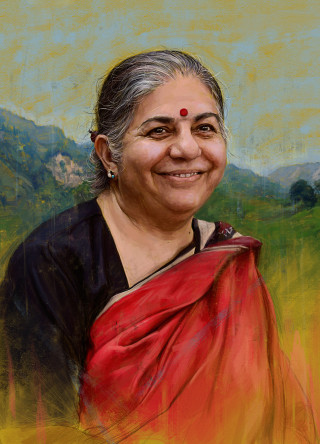
Vandana Shiva is leading the opposition to genetically modified crops. Are they a scourge or a solution to hunger

We had never heard of her before, but seeds have been on our mind lately so we immediately want to know more. So thanks to Michael Specter for his profile Against the Grain–An activist’s controversial crusade against genetically modified crops:

Early this spring, the Indian environmentalist Vandana Shiva led an unusual pilgrimage across southern Europe. Beginning in Greece, with the international Pan-Hellenic Exchange of Local Seed Varieties Festival, which celebrated the virtues of traditional agriculture, Shiva and an entourage of followers crossed the Adriatic and travelled by bus up the boot of Italy, to Florence, where she spoke at the Seed, Food and Earth Democracy Festival. After a short planning meeting in Genoa, the caravan rolled on to the South of France, ending in Le Mas d’Azil, just in time to celebrate International Days of the Seed.

Continue reading

Breakthroughs In Nutrition Via Entrepreneurial Conservation

Exo's peanut butter-and-jelly bar contains about 40 ground-up crickets and has a familiar nutty, sweet flavor. Meredith Rizzo/NPR

Exo’s peanut butter-and-jelly bar contains about 40 ground-up crickets and has a familiar nutty, sweet flavor. Meredith Rizzo/NPR

Thanks to National Public Radio (USA)’s food-focused program, The Salt, for another story on unexpected breakthroughs in nutrition:

…”Insects are probably the most sustainable form of protein we have on Earth,” Bitty Foods founder Megan Miller, who spoke passionately about eating bugs at a TEDx Manhattan event earlier this year, tells The Salt. “The only real barrier to Americans eating insects is a cultural taboo.” Continue reading

Bring On The Night

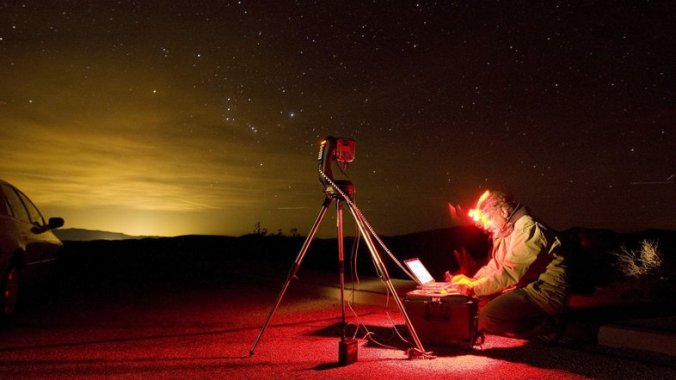
Dan Duriscoe works at a special computer-controlled camera used to photograph the night sky at Dantes View in Death Valley National Park in California. John Locher/AP

Dan Duriscoe works at a special computer-controlled camera used to photograph the night sky at Dantes View in Death Valley National Park in California. John Locher/AP

Supporting an activity that depends on the mitigation, if not reduction, of light pollution? We are all for it:

When was the last time you looked at the Milky Way? Or saw the shape of Cassiopeia? If you live in a city, you might not even remember. In the world’s most populated areas, air and light pollution obscure the sight of thousands of stars once visible to the naked eye. Continue reading

Indian Independence Day at Spice Harbour

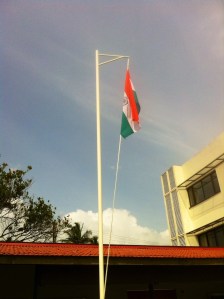
10355655_10201665725084704_4823049703076743324_oYesterday at Spice Harbour I got to participate for the first time in an Independence Day flag raising ceremony.

It’s a good time to tip our hats to history. On August 15, 1947, after centuries of British imperialism, India gained independence. I am no expert on the Indian Independence movement so I won’t speak to it too much, but I know there were many political organizations and philosophies behind it that were united by their desire to end British rule. Mohandas Gandhi’s nonviolent philosophy and civil disobedience is what led the final parts of the struggle for independence that prompted the eventual withdrawal of the British. Since we’re talking about colonial India, we can put Kerala and Spice Harbour into historical context. Continue reading

Say It Ain’t So, Ferran!

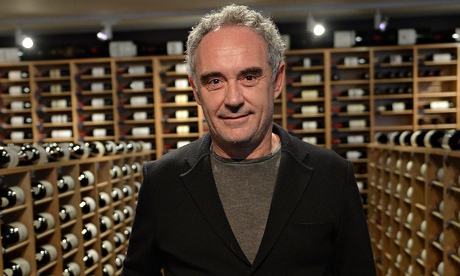
Ferran Adrià, of the award-winning restaurant elBulli. Photograph: Emmanuel Dunand/AFP/Getty Images

Ferran Adrià, of the award-winning restaurant elBulli. Photograph: Emmanuel Dunand/AFP/Getty Images

The quote from a group supporting the development of a museum on a protected coastal ecosystem–“We understand that it’s very easy to raise the populist flag in defence of the environment and that this always manages to attract a good number of supporters,”–says all you need to know to understand how important this issue is. In fact, it is not so easy. It is not easy at all to protect the last remaining unspoiled beaches in the world. We are sure that with a bit of publicity, the right outcome will prevail in this case:

When Ferran Adrià shut the doors of his elBulli restaurant in 2011, he quickly reassured gastronomes that it was not closing for good, just for a revamp. ElBulli would become a cultural foundation , complete with museum and visitor centre called elBulli 1846, all to reopen on an expanded plot in 2015.

Foodies may have been reassured, but not so environmentalists, who are furious that the expanded elBulli will eat up more space on the Cala Montjoi, one of Spain‘s few protected Mediterranean beaches. Continue reading

Our Gang, Thevara, On Independence Day

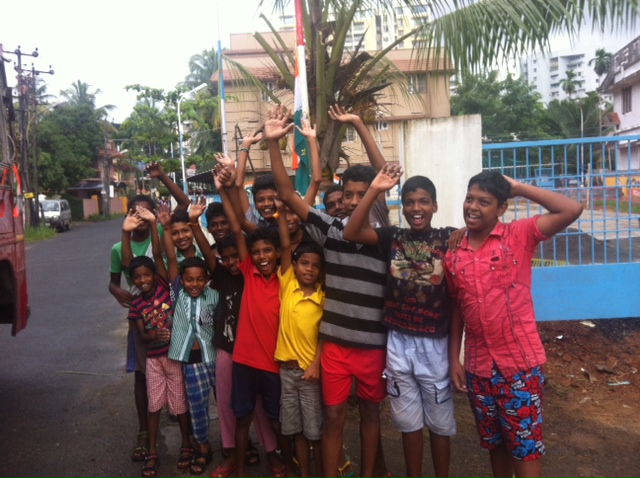
It has been a while since so much of the gang was gathered in one place at one moment. If you look back through the Our Gang, Thevara series over the life of this blog, you will find these, our usual suspects, all represented one time or another. Today, Independence Day 2014, they wanted their voices heard and faces seen again!

From the Flora-Files, Part 1

Right of the reception

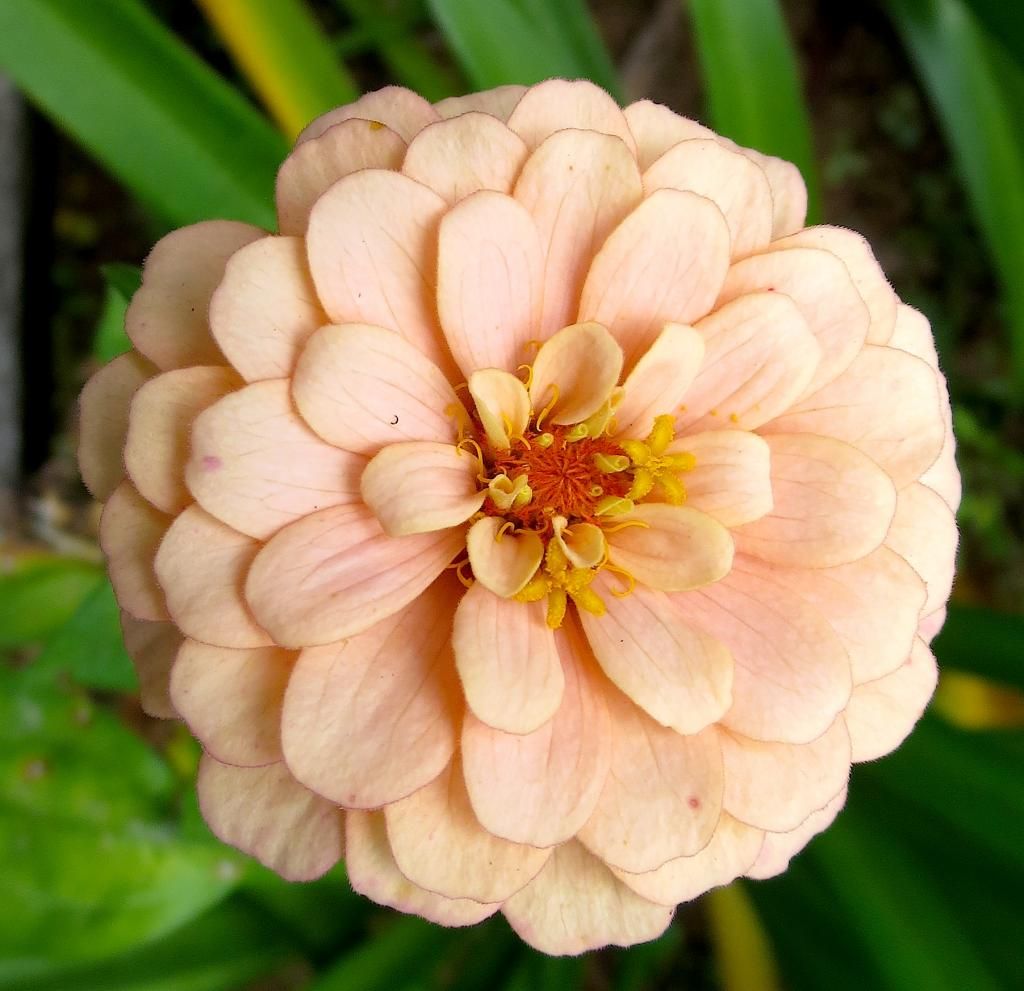
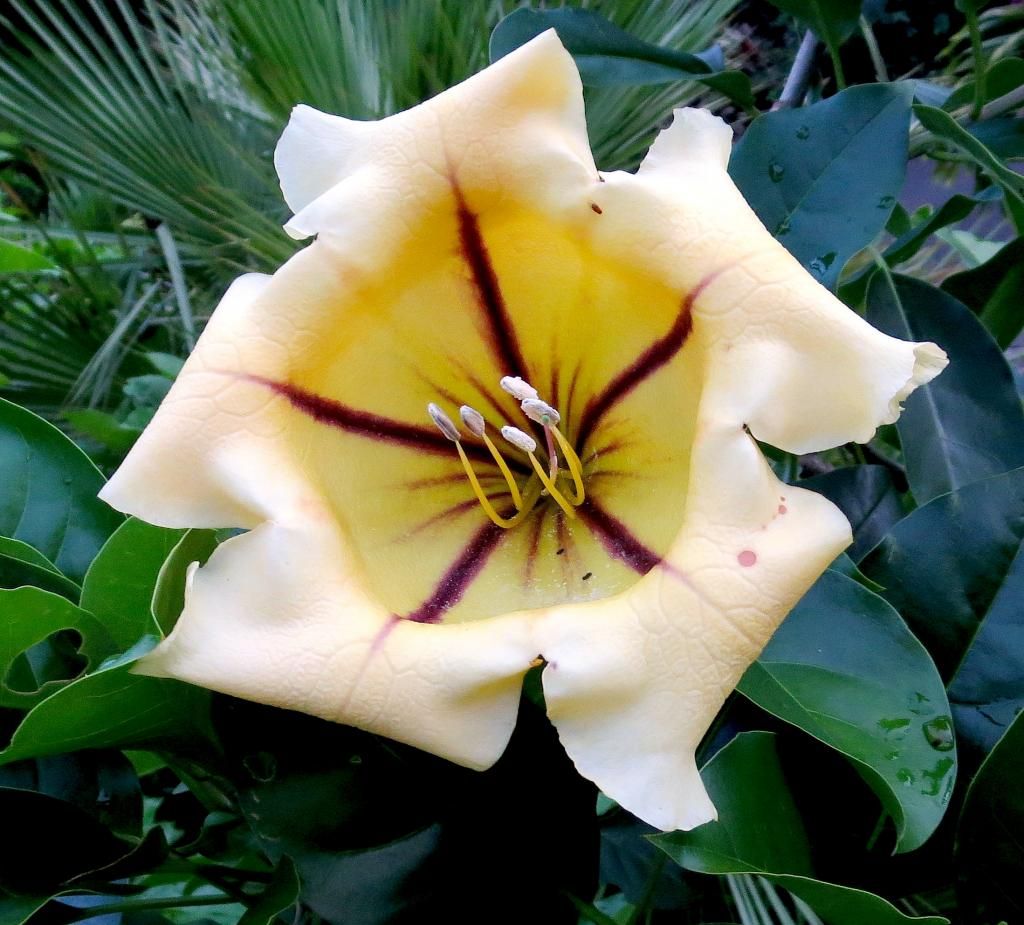
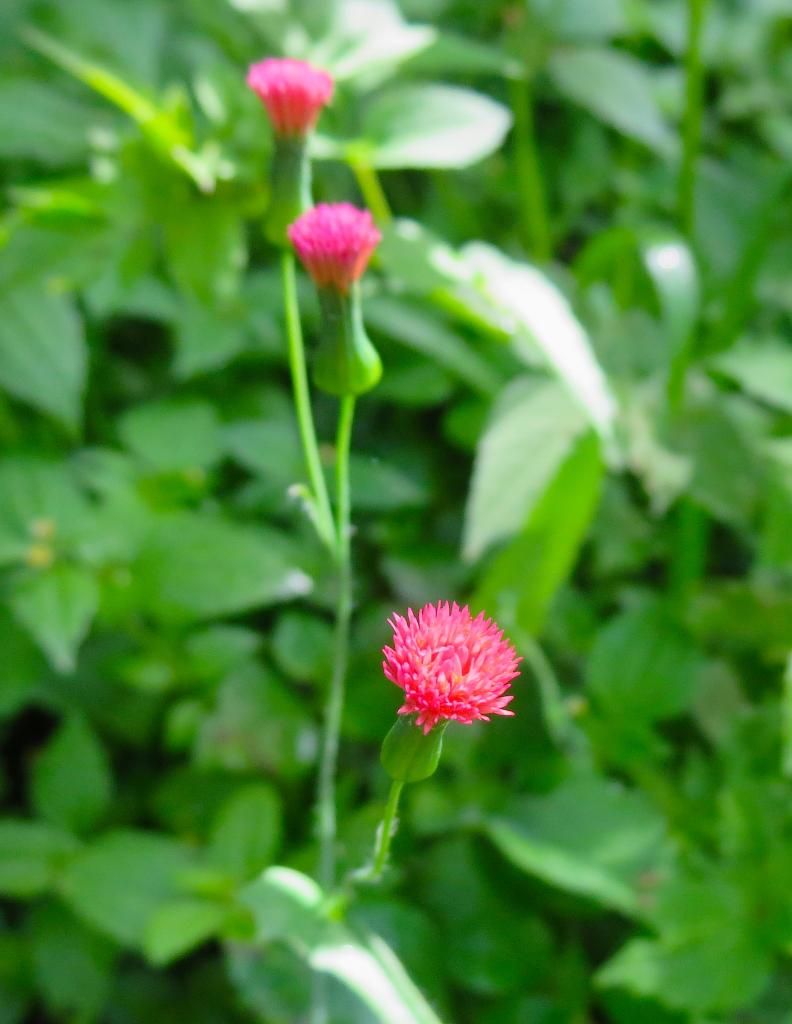
Although, as I detailed in my last post, my internship at Xandari is over, I still have a great backlog of images that I never had a chance to upload while there. (My computer broke.) I’d like to share the better of those photos with everyone here. I’ve named this post “flora-files” because I think the title sort of punny: “files” in the sense of records on Xandari’s flora; and “file” in the sense of the Greek φίλoς (philos), “love,” the same one that shows up in “Philadelphia” or “audiophile.” Look out for more from the flora-files… I’ll detail where I find these flowers around Xandari in the caption, so that if you’re lucky enough to be here while they’re in bloom, you can go seek them out.

Garden paths

Continue reading

Bioluminescent Wonders

Stefan Siebert

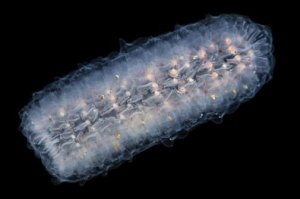
Stefan Siebert. A young colony of Pyrosoma atlanticum.

Sure, science can explain alot of things. And yes, we definitely want to understand. But the wonder can remain a wonder even after we read about the technical details. Bioluminescence is one of those wonders. Better in person, of course, to see and experience the wonder. But for now, written explanation of this photographed wonder will have to do. We will likely never tire of the sightings, in the Times Science section or wherever, no matter how many times, of these creatures:

Continue reading

Sacred Music, Desert Edition

The Monastery of Christ in the Desert in northern New Mexico inspired Robert Kyr to compose the music on his new album of choral works. Karen Kuehn for NPR

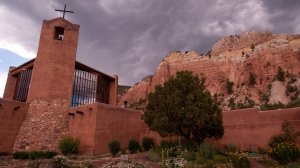
The Monastery of Christ in the Desert in northern New Mexico inspired Robert Kyr to compose the music on his new album of choral works. Karen Kuehn for NPR

We all need to escape the madding crowd from time to time. Where and how? Plenty of choices. Desert. Sacred, devotional acts. Music. As you choose. Or all of the above. Thanks to National Public Radio (USA) for the reminder of such places and activities:

Inspiration can come from unlikely places. For composer Robert Kyr, the silence of a desert monastery is key to the radiant music on his new disc of recent choral works performed by the vocal ensemble Conspirare and its director Craig Hella Johnson. Continue reading