Ramayana Masam

Photo credit: Ranjith

The Ramayana is the holy book of Hindus. In Kerala during Karkkidaka Masam, which is the last month of Malayalam calender, the epic Ramayana is read in Hindu homes and temples. This year Ramayana Masam begins on July 17th and ends August 16th. Continue reading →

One From The Long-form Pantheon

BusinessAdventures

This may not be the first, and certainly will not be the only place you see this reference to Bill Gates’s favorite business book.  We have a longstanding love of long-form journalism, aka detailed descriptive story-telling. So we link to the post on gatesnotes in celebration of an otherwise-might-have-missed-it book:

…Brooks was also a masterful storyteller. He could craft a page-turner like “The Last Great Corner,” about the man who founded the Piggly Wiggly grocery chain and his attempt to foil investors intent on shorting his company’s stock. I couldn’t wait to see how things turned out for him. (Here’s a spoiler: Not well.) Other times you can almost hear Brooks chuckling as he tells some absurd story. There’s a passage in “The Fate of the Edsel” in which a PR man for Ford organizes a fashion show for the wives of newspaper reporters. The host of the fashion show turns out to be a female impersonator, which might seem edgy today but would have been scandalous for a major American corporation in 1957. Brooks notes that the reporters’ wives “were able to give their husbands an extra paragraph or two for their stories.” Continue reading →

Burt, Bees, Believe

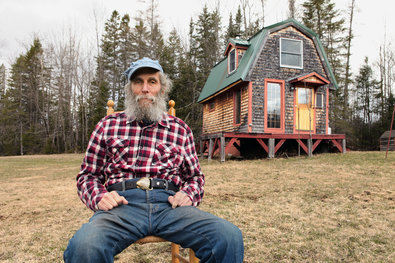
Jody Shapiro. A quiet conversation with the founder of Burt’s Bees.

Jody Shapiro. A quiet conversation with the founder of Burt’s Bees.

More bees, please. More bees pleases. Thanks to the New York Times for satisfying our appetite for bee-related news and features:

Burt Shavitz, the World’s Most Famous Retired Beekeeper

Notes from the Garden: Quantifying Farm-to-Table

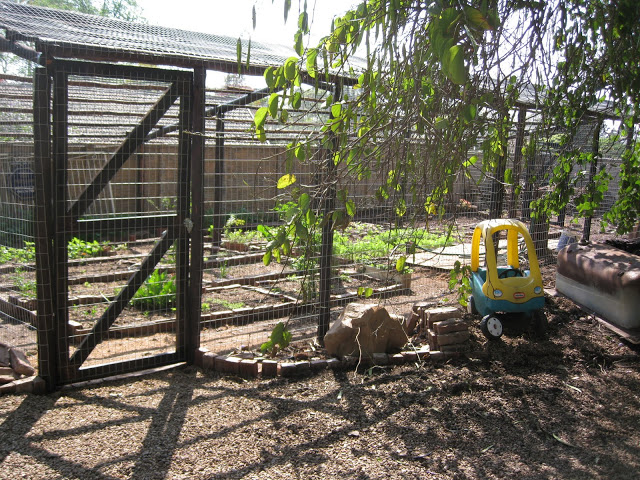
We are in process of building a monkey-proofed area of the garden. You can see my past post to get a feel for the evolution of this idea. The main issue with providing the Cardamom County restaurant with food from the on-site organic farm is monkeys. We were inspired by these subsistence farmers in Ixopo, South Africa, who blogged about building their monkey-proof vegetable cage. They, too, are neighbors with a nature reserve, so their situation is quite similar to Cardamom County! Now, we are on our way to having a truly farm-to-table menu!

Here is the cage we are modeling ours after. Check out their blog: http://foodieschannel.blogspot.com/2011/04/this-isnt-really-recipe-but-its-about.html

Here is the cage we are modeling ours after. Check out their blog: http://foodieschannel.blogspot.com/2011/04/this-isnt-really-recipe-but-its-about.html

You may be wondering, why is there all this buzz these days about farm-to-table? There is more to it than just fresh, delicious food.

Obviously, a lot of nature gets destroyed for agricultural purposes. In the United States, so much land gets wasted on sprawling, inefficient development. In the in-between spaces, you could feed a nation. But we eat up our open, natural spaces for agriculture. Our agriculture is rarely local so it leads to problems of unnecessary carbon emissions from transport and a lot of not-fresh food in grocery stores. When we can use the land we have already developed on to provide the people there with food, why spread ourselves out so thin into nature? Continue reading →

Xandari’s Trails

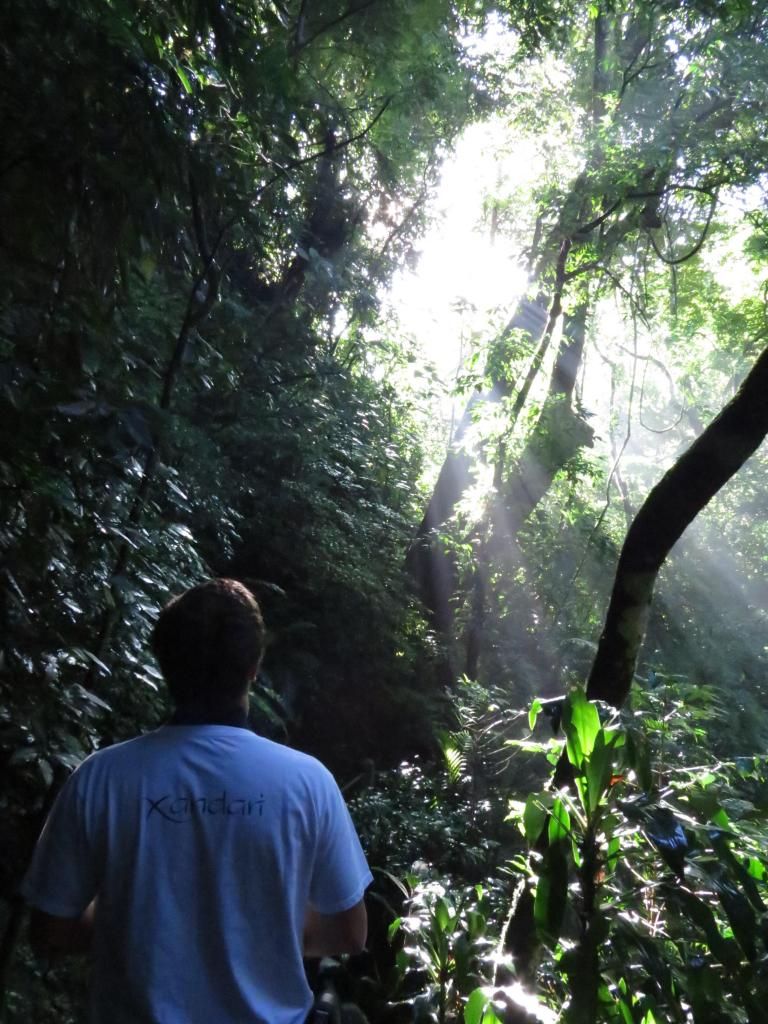
With our daily walks around Xandari to build the resort’s checklist of resident birds and take photos of as many species as possible, James and I are taking full advantage of the remarkable trail system. It allows us to travel several miles around the thirty-odd acres of private reserve in Xandari’s property without tracing back over our steps at all, which would have negative implications on the eBird data that we submit for every outing (we don’t want to increase the chances of counting a bird twice!). Descending from about ~1,150m (~3,800ft) to ~1,080m (~3,550ft), on woody switchbacks that give us vantage points over the surrounding forest and allow views into the canopies of the trees below, James and I walk through many types of bird habitat, which both in theory and in practice yields us a higher species count than if we were to simply walk around the gardens right outside any of Xandari’s villas – though I don’t mean to imply that the gardens aren’t home to quite a few species here!

This slideshow requires JavaScript.

Continue reading →

If You Happen To Be In New York

Book Launch


We believe in, and care about biophilia, which is a phenomenon first identified and named by E.O. Wilson. Thankfully, we are not the only ones. We appreciate the intersection between art and science in elucidating biophilia evident in this book. Thanks, Polly:

Polly Brown is a London based artist, and photographer. Continue reading →

Throwback Thursday: A Fruit Most Treasured


Pomegranate tree at Harvest Fresh Farm. Photo credit: Kayleigh Levitt

Pomegranate tree at Harvest Fresh Farm. Photo credit: Kayleigh Levitt

With Kayleigh stationed at Cardamom County we’re currently exploring ways to make our organic garden more productive, despite the challenges posed by local wildlife. With that goal in mind we visited a colleague’s farm in Tamil Nadu, in an area where they don’t face monkey challenges, but some of their produce requires special netting to protect against birds and bats.

While there we enjoyed a farm tour that included harvesting a few different species of pomegranate, which happens to be part of my daily menu for many years. (Frequent guests at 51 will notice the healthy and delicious seeds making an appearance in many ways.) Continue reading →

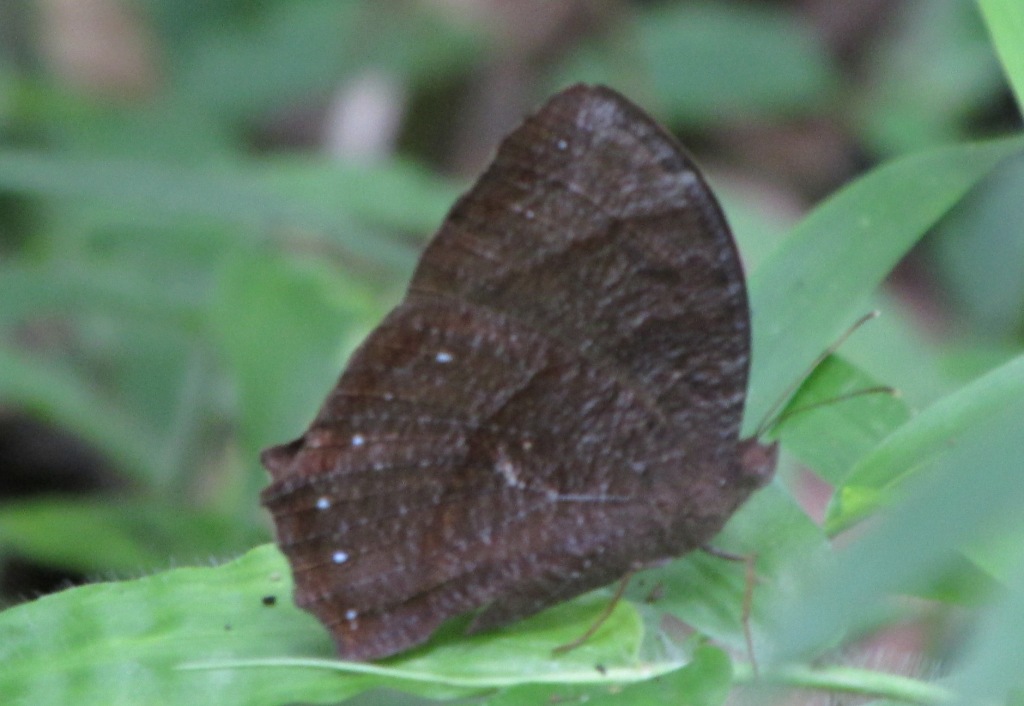
Dark Evening Brown Butterfly

The dark evening brown butterly is found in the forested tracts of the Western Ghats and the Himalayas to Arunachal Pradesh up to 2100 maters. These butterflies prefer shady glades in moist forest habitat, and are attracted to refuse and bird droppings. They have prominent gray wing borders, and apical eye spots.

Notes from the Garden: Mango Hunting

photo 4

The mango has its ancestral roots in India, so something felt really right about shaking mangoes out of the trees today in Cardamom County. Right now I’m reading this delicious book called The Fruit Hunters, written by Adam Leith Gollner. Since I have started it, I have had a whole new context to put my experience of fruit in! Turns out there are over 1,100 varieties of mangoes. The ones I know and love from supermarkets back in the United States are the Tommy Atkins mangoes, which are more common in international commerce.

photo 2Indian mangoes apparently weren’t allowed into the states for almost thirty years due to “pest concerns.” Actually, it was more like, nuclear trade concerns. India and Canada had a nuclear trade relationship in which Canadian nuclear reactors were being used to build a nuclear arsenal. In 2007 though, India signed a nuclear treaty with the United States, only under the condition that India’s mangoes be allowed back in the states. Later when President Bush flew to India to discuss the deal, he announced, “the U.S. is looking forward to eating Indian mangoes.” Continue reading →

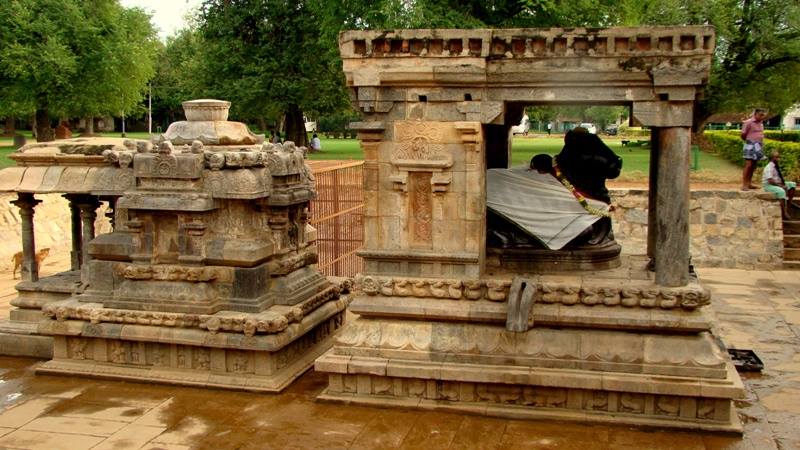
Airavatesvera Temple – Tamil Nadu

Photo credits : Binu Kumar

Photo credits: Binu Kumar

Airavatesvara Temple is locateded at Darasuram near Kumbakonam in Tamil Nadu. It was built by Raja Raja II during 1150 AD. The temple stands out for its intricate, beautiful sculptures. Continue reading →

Bamboo Wind Chimes for Birds

One of the finished chimes

The picture above shows one of a couple bamboo wind chimes that Seth and I built to put up around Xandari. The sound is, err, rather wooden–but definitely mild and pleasant! You may be asking why we took it upon ourselves to demonstrate our mighty artistic prowess. Well, we really had the birds of Xandari in mind with this project. Specifically, a poor Buff-throated Saltator who had thrown himself against the spa window so many times that he had Continue reading →

Small Grass Yellow Butterfly

Small Grass Yellow Butterflies are more common in the foothills, prefering open, lightly forested areas where it flies around bushes. Their yellow wings have distinctive black outer margins, which are broader in the female. Both sexes have two black spots at the end cell of the underside of the forewing. Continue reading →

Elephants, Friends In Need

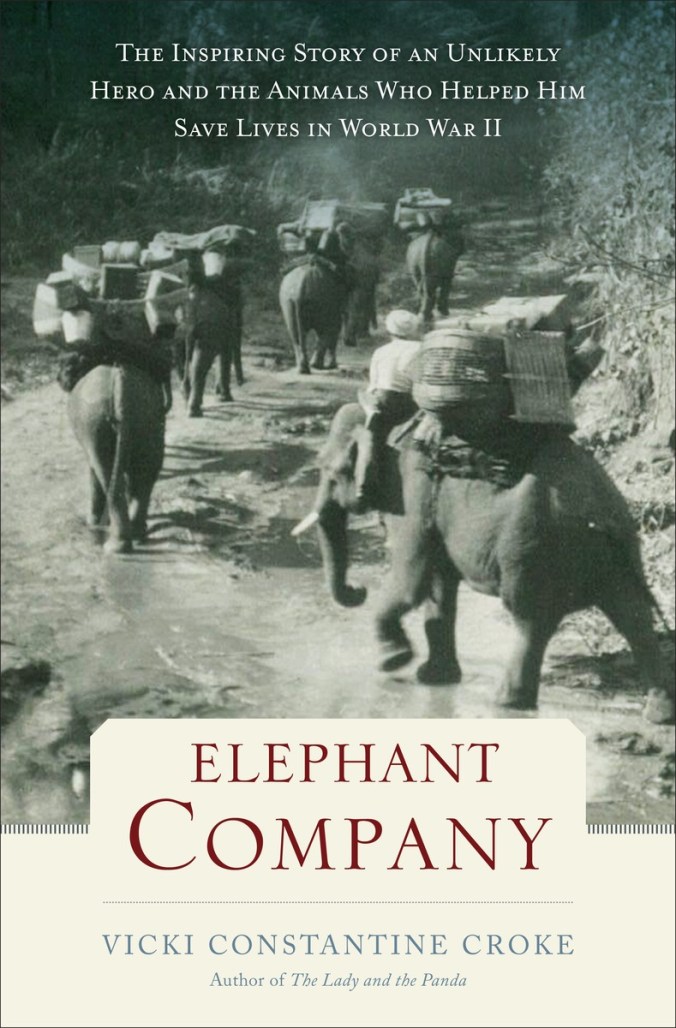
Elephant Company - cover

In the New York Times this book is currently reviewed by Sara Gruen, reminding us of the elephants all around us in Kerala, where there is a long history of domestication. At the Periyar Tiger Reserve, where Cardamom County is situated, there is a hint of the domesticated variety on the outskirts of the Reserve, but a large healthy population of the wild form persists inside the Reserve.

They are also in Ghana, surrounding Zaina Lodge’s perch. We have greater interest in elephants in their natural habitat. Wild. Still roaming freely, with all the messy and dangerous realities that sometimes involves. At the risk of trivializing a tough subject with trite, cliche phrasing, elephants have been friends to humans during times of need (friends in the sense that they saved lives, that is in terms of their impact, not necessarily a reflection of their own volition). It seems only fair that we should return the favor, when we look at the challenges facing elephants in today’s world. The Boston Globe has this to say by way of book review:

…Blending biography, history, and wildlife biology, Croke builds her story around Williams’s exotic adventures. As the book opens, Williams, an English World War I veteran, is just arriving in Burma in the 1920s to work in the Bombay Burmah Trading Corp.’s teak-harvesting operations. It was a lucrative business that contributed to the Empire’s riches, one that took its toll on European recruits, who had to contend with malaria and other tropical maladies. Williams, however, took to the isolated, nomadic existence of the forest manager, traveling hundreds of miles on his rounds. Continue reading →

Camino de Santiago Part 1

10394480_10201305461438338_2752454523553822119_n

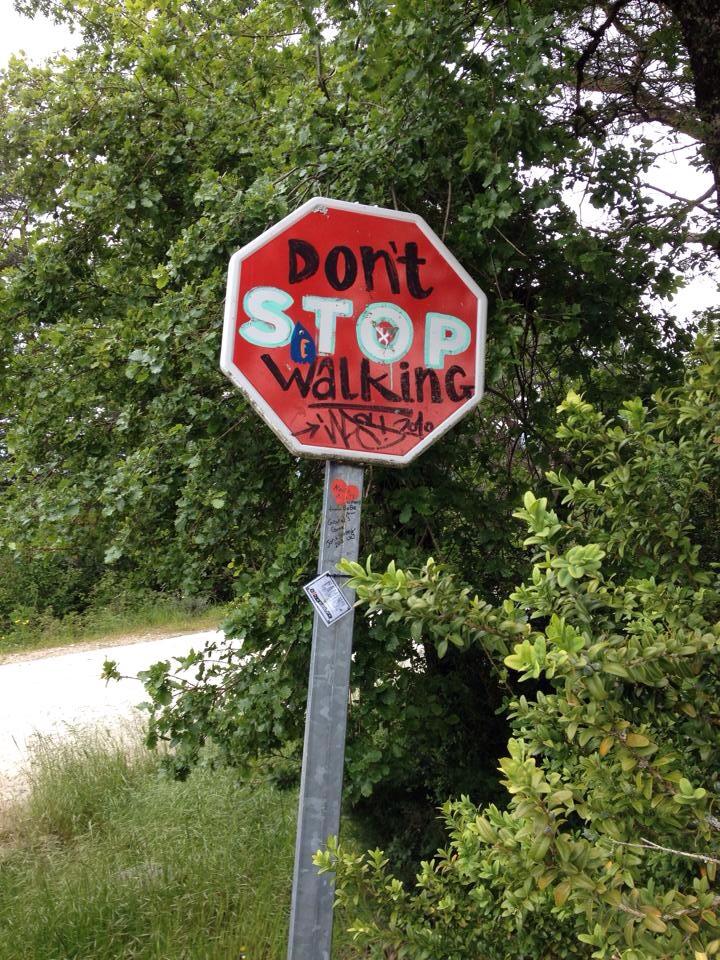
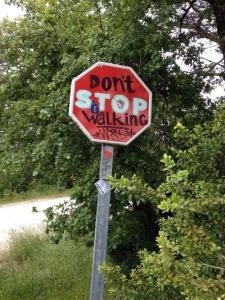
There are good signs everywhere along the Camino. Photo Credit: Kayleigh Levitt

Before coming to India, I was traveling for a month in Spain, walking the Camino de Santiago, an ancient pilgrimage to the cathedral of Santiago, where the apostle Saint James is said to be buried. Nowadays, people walk the Camino for a range of reasons including the traditional Catholic. Everyone I met was walking for a different, personal reason, but many fell into similar and overlapping categories of health, spirituality, personal journey, and cultural experience.

Many of us on the Camino were far from home, but the shared intention of being there was this thread that bound us all together, beyond language barriers and cultural differences. The Camino has its own culture and so we shared that. There were lots of people who were alone, but we were together.

The most popular part of the pilgrimage to walk is the Camino Frances, from St. Jean Pied de Port, France to Santiago de Compostela, Spain. Traditionally, people walked from their house. Although that is less common now, people do still start from their own doorway. There are many places people start the Camino besides St. Jean Pied de Port (as well as many places to end it- there is a walk to Finisterre, the coast of Spain and through Portugual, the Camino Portugués as well). I have been told there are fewer way markers- which are yellow arrows and scallop shells- before the Camino Frances.

Part of the fun of the Camino is hearing about the different ways people have done their journey. I heard of a woman walking alone, starting in Switzerland, with only a compass to guide her (there are fewer albergues too when you start from that far). I met several people who walked 1000 kilometers by the time they reached St. Jean Pied de Port, where I was starting.

I started in St. Jean, which is right at the border of France and Spain. Photo Credit: http://www.caminoguides.com/route.html

At the first albergue I stayed in, which are essentially hostels for pilgrims, our French hospitalera described it something like this: The Camino is not about walking. Walking helps you do the camino, but the camino is an inner camino, when you walk inside yourself.

Continue reading →

Following the Paper Trail, Redux

raxa collective bagI have been following the Paper Trail since I got here as an intern and got involved in this social entrepreneurship project Raxa Collective has been working on! There are some types of environmental action that focus on being inherently low-impact from the original design while other methods focus on closing loops from more poor designs that leave good material wasted, such as newspapers. Something is sustainable when it meets the triple bottom line: environmental, economic, and social. RAXA Collective has been meeting this triple bottom line with its newspaper bag initiative! Working with the group, PaperTrails, they have been able to provide a livable income for local people who are unable to get work for whatever reason. They have work based on creating useful bags or envelopes out of recycled newspaper. Paper Trails has been providing bags and envelopes for Raxa Collective’s properties from newspapers and other recycled material. Now, we are taking the newspaper bag initiative to the next level. Continue reading →

Wild Periyar

Photo credits : E I Sali

Photo credits: E I Salim

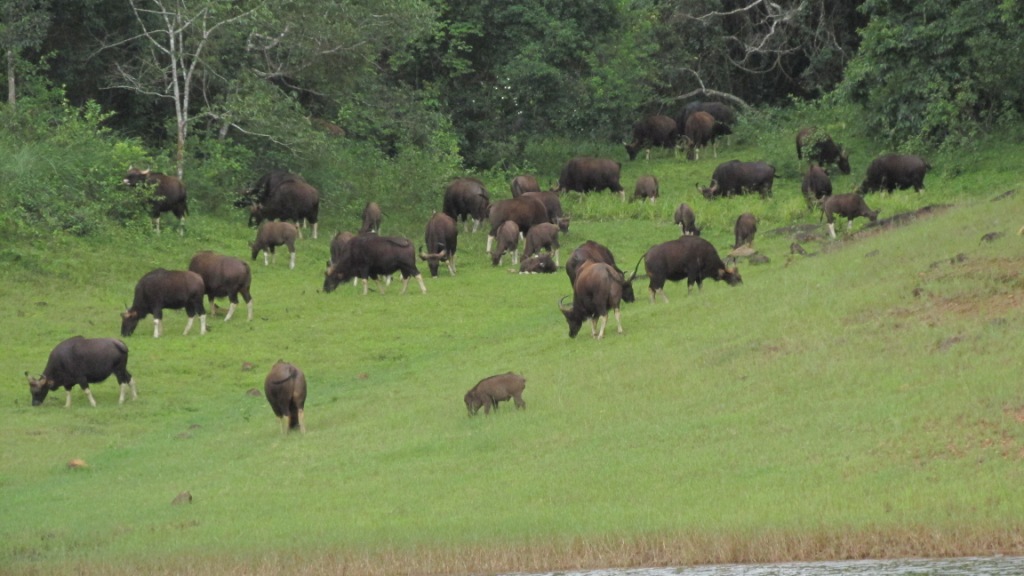
The Periyar Tiger Reserve is a rich biodiversity reservoir of 925 sqr km in the southern portion of the western Ghats of India. Considered one of the thirty-four biodiversity hotspots of the world, it is the land of elephants, gaur (pictured above), deer, and even tigers and other felines.

A 25 sqr km reservoir, Continue reading →