
Outskirts of Bangalore, Karnataka
Outskirts of Bangalore, Karnataka

Photo credits: Binu Kumar
The Travancore Royal Palace is one of the most beautiful and largest palaces of the Travancore Royal family. It is the official residence of the royal family, and was built in 1915 by Sree Moolam Thirunal. This palace has great historical importance in India and is one of the finest examples of Kerala architecture. Continue reading
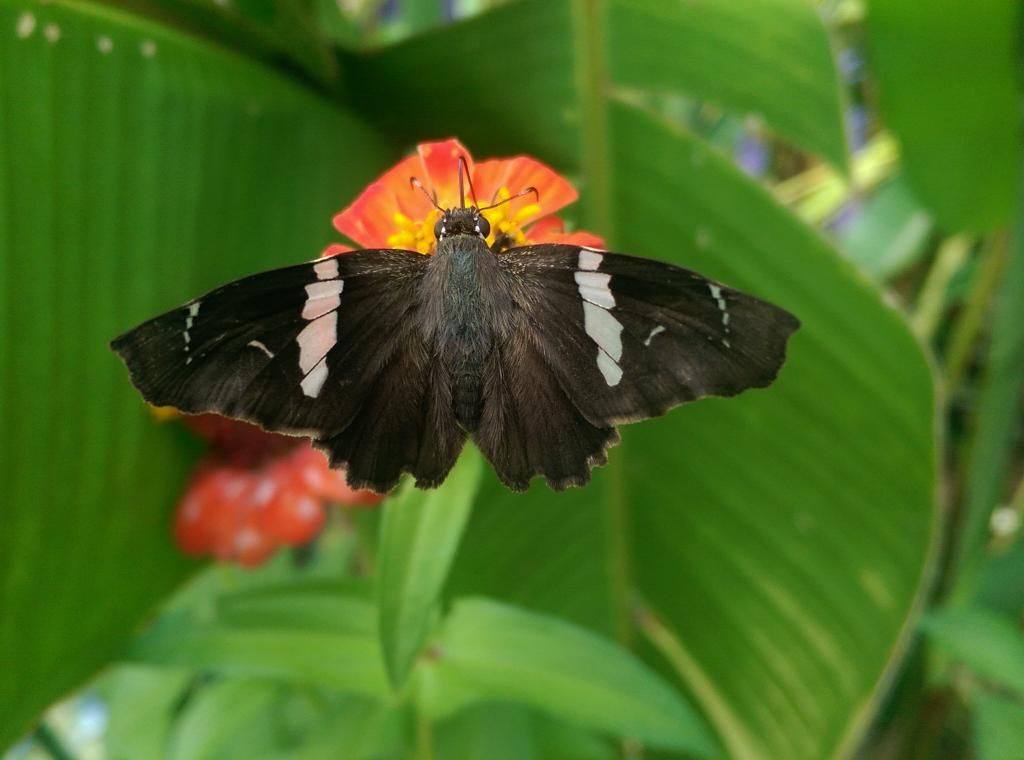 Costa Rica is home to some 1200 butterflies and another 8000 species of moths (both diurnal and nocturnal varieties). This astounding diversity is no surprise, given the country’s neotropical climate and its position as a land bridge between North and South America, each home to a plethora of diverse ecosystems. The tremendous number of butterflies that can be seen goes hand-in-hand with the fact that Costa Rica is home to about 4% of the world’s total biodiversity! Of the butterfly species, some of the most famous include Continue reading
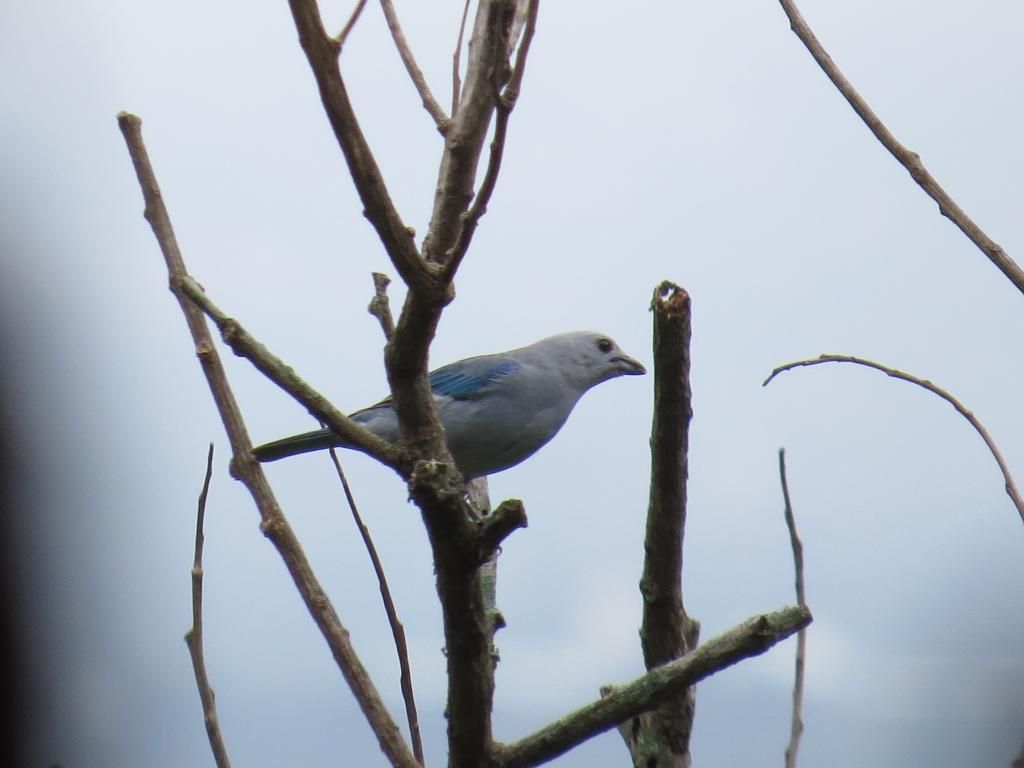
Photo Credit: Seth Inman

© Global Footprint Network
Have the countries with the highest ecological footprints done the best in this year’s FIFA World Cup? Analysts at the Global Footprint Network asked themselves this question in this month’s newsletter addendum and the results of their calculations are interesting — and sometimes surprising!
The eight nations who made it to the quarter-finals represent vastly different lifestyles. If all people on Earth lived like residents of those countries, Continue reading

Photo credits: Binu Kumar
The spectacular Matrimandir (meaning “Temple of the Mother” in Sanskrit) can be found in Auroville, Pondicherry, India. The Matrimandir can’t be called a temple in the typical sense of the word. It isn’t a church or other place of worship, nor is it strongly associated with any religions. It is, instead, envisioned as a place of spiritual energy. The Matrimandir appears as a large golden sphere that seems to be rising out of the earth. Continue reading
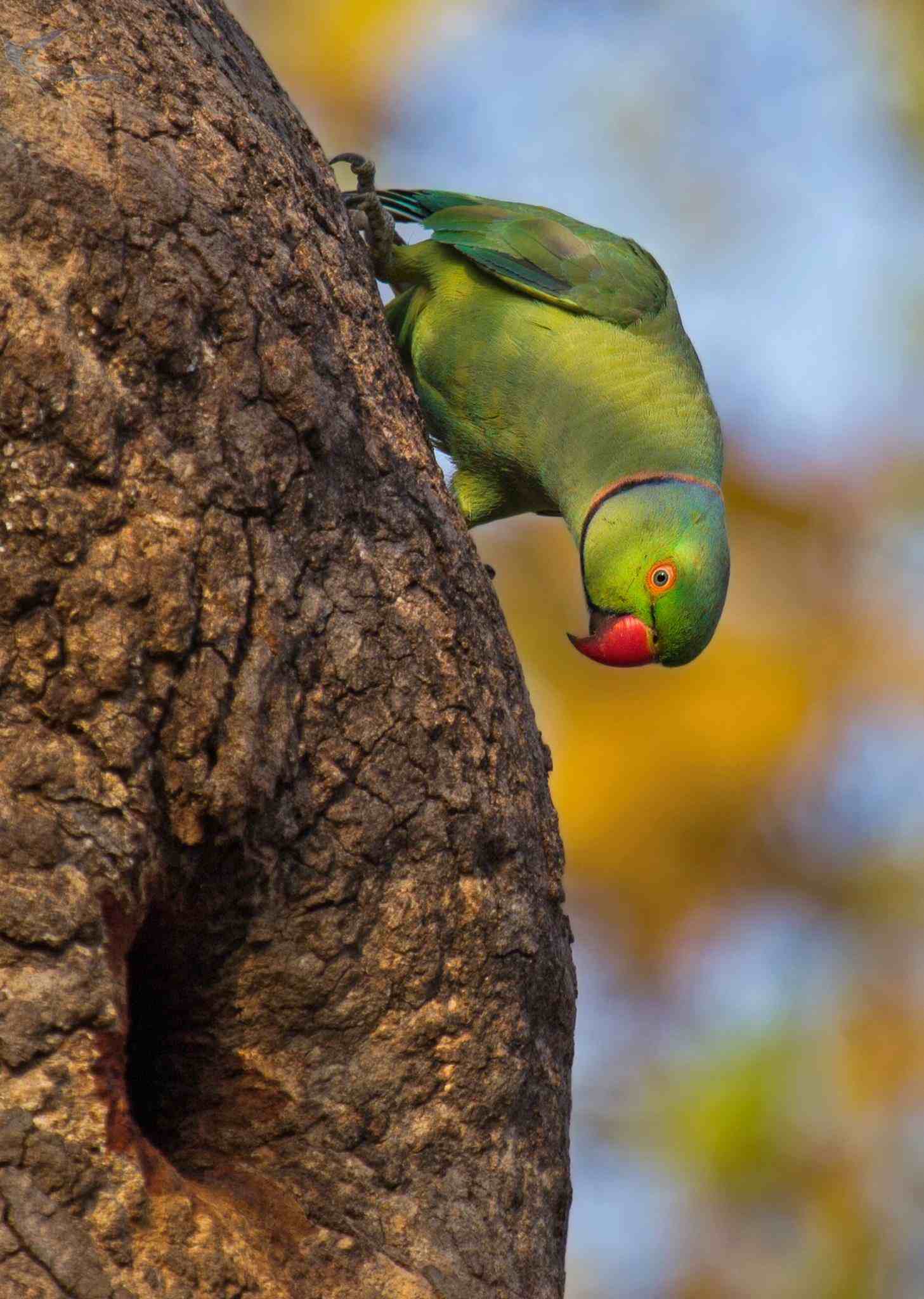
Tadoba Tiger Reserve, Maharashtra
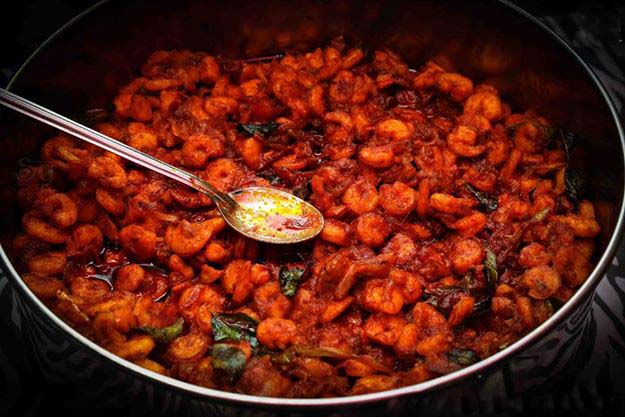
Photo credit: Shymon
Prawns (also called shrimp) are plentiful in the backwaters and coastal areas of Kerala. Prawns are one of the most popular seafood ingredients in Kerala, cooked in a variety of ways to suit different traditional dishes.
The delicious and spicy prawn masala is a favorite way to use the small crustaceans. The prawns are first marinated in a variety of spices, including turmeric, chili powder, pepper, and salt. They are then sauteed in a pan with a small amount of oil, chopped onions, garlic, ginger, green chili, tomato and curry leaves until brown. Finally, adding the marinade, they are allowed to simmer over a low flame for another ten minutes. Yum! Continue reading
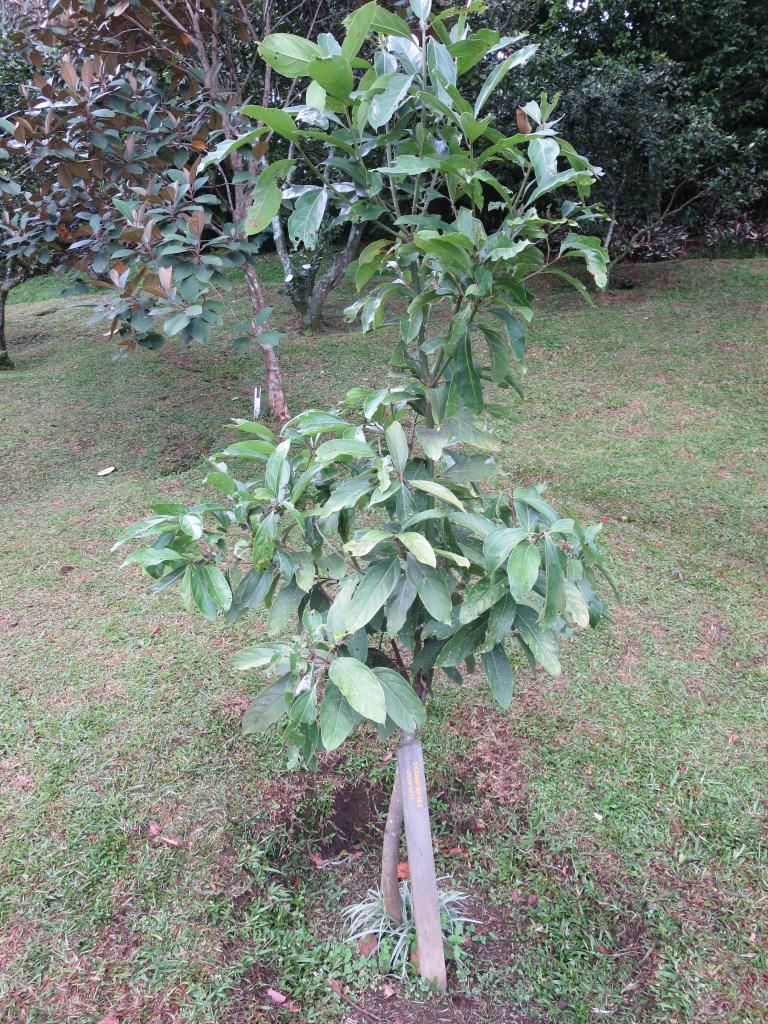
The stake in front that holds the planter’s name says (quite humorously, to my mind): 3 CANADIENSES!
Plant-a-tree programs are real winners: educational, fun, and productive. Next time you visit Xandari (or another sustainable or eco-friendly hotel), be sure to ask about the opportunity about the opportunity to plant a sapling. At Xandari, plantings are usually done in the orchard or in one of the old coffee plots. Everybody who plants a tree has a small wooden stake erected near the spot, commemorating the event and recognizing the effort to make the world a little bit greener. Continue reading

Mysore, Karanji Lake, Karnataka
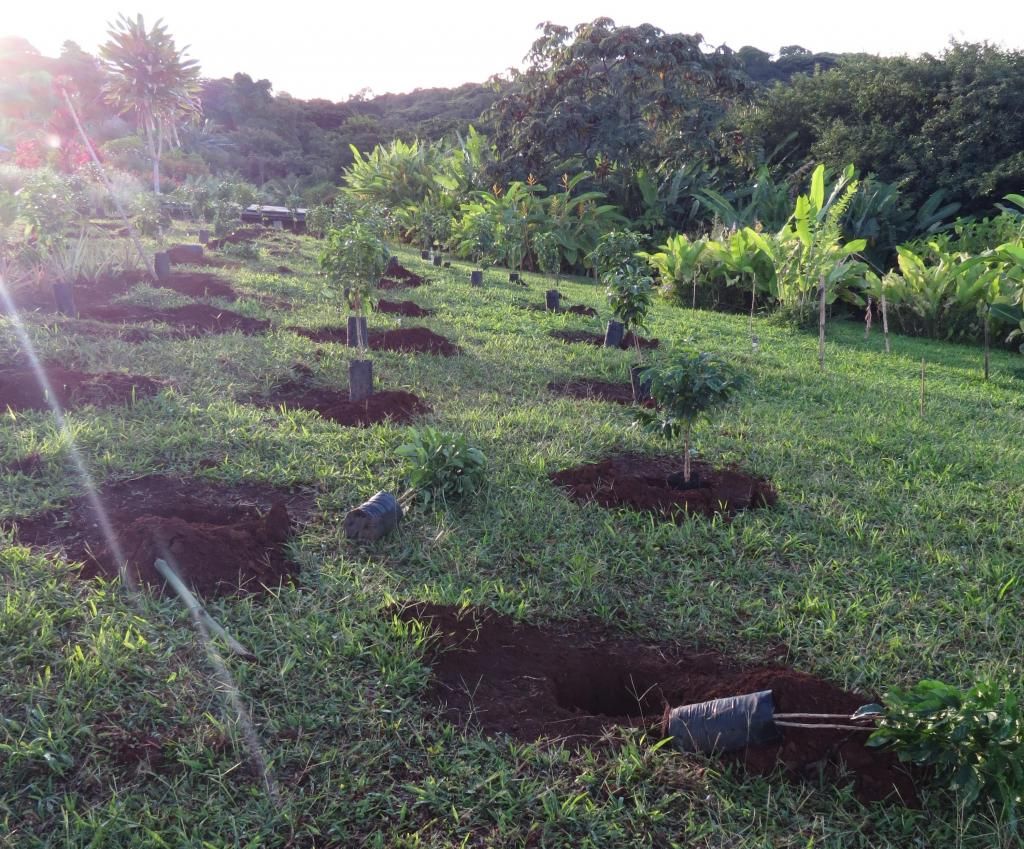 Before my recent experience with growing coffee, the last time I had been exposed to the agricultural side of the brew had been almost exactly two years ago, on the island of Santa Cruz in the Galápagos Islands of Ecuador. The plants that I had a hand in starting up there should be reaching the beginning of their prime production this year.
The scale of the farm at Santa Cruz was much greater than that at Xandari so far, and hopefully Roberto and Reyna will get a bumper crop this year and we’ll be hearing about it!
You can read a little about their coffee farm and some of the work I did there Continue reading
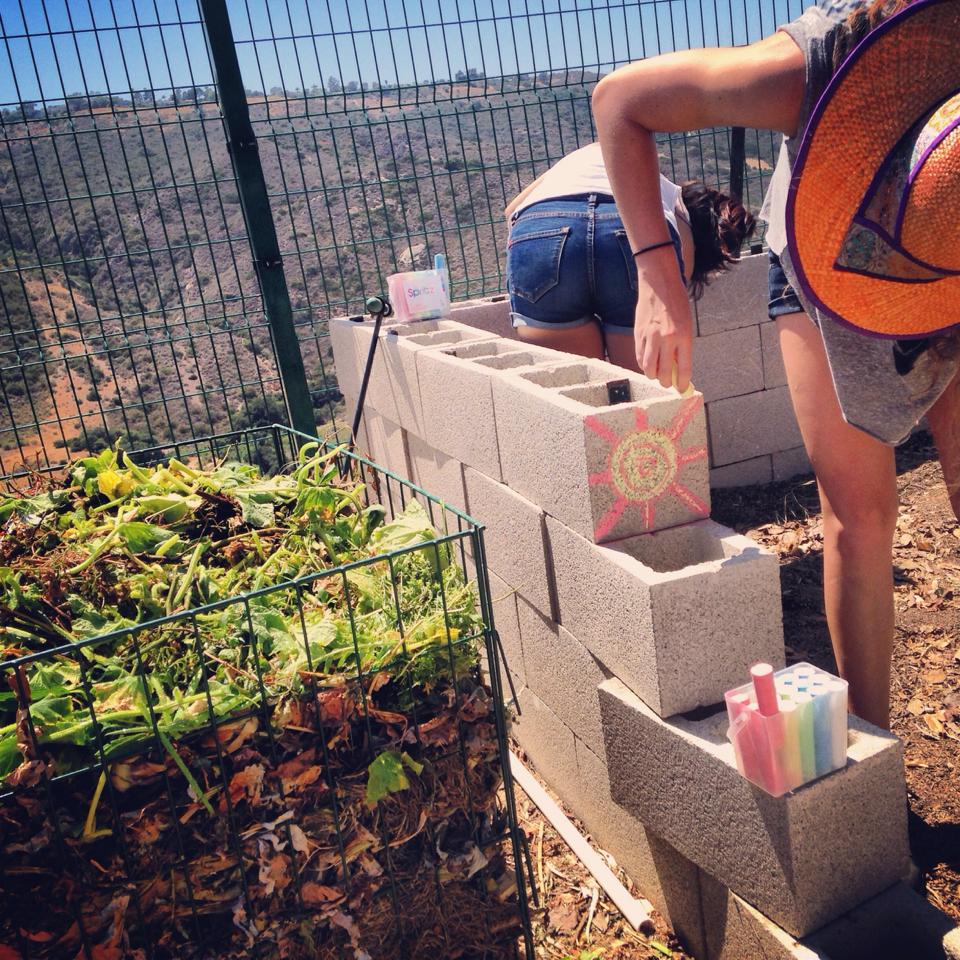
Soka Instructional Garden, Soka University of America. Photo credit: Leia Marasovich
Composting where I live in a sunny Southern California desert climate is very different than the composting we have done since I have been here in tropical Thekkady, India. Here are some pictures of our composting at my university garden I work at. We do ‘hot composting’ above ground. At Cardamom County they’ve been doing a type of vermicomposting, or worm composting. As a gardener, I have always considered earthworms to be a little magical. When there are worms in our garden beds, we always take it as a good omen that our soil is healthy, and healthy soil is the only path to healthy plants. They speed up the decomposition process and essentially create compost gold. They add really beneficial microorganisms to the soil and their castings, or poop, is extremely nutrient rich with the essential ingredients of good soil: nitrogen, phosphorous, and potassium! Where I work in the Soka Instructional Garden (SIG), we make compost tea from the worm castings, and any time a crop is struggling, we can usually nurse it back to life within weeks of adding worm compost tea.
So here, I was happy to see, not only are the worms already dancing happily in the soil, but they have a thriving worm composting bed.There is a hole dug in the ground, maybe 6 feet deep and a good 10 feet across. They fill the hole with any garden waste, add several wheelbarrows of dirt dug up from the poultry area, which is already rich in nitrogen from their poop (therefore speeding up the decomposition process and helping the pile heat up) and then just let the worms feast. Continue reading
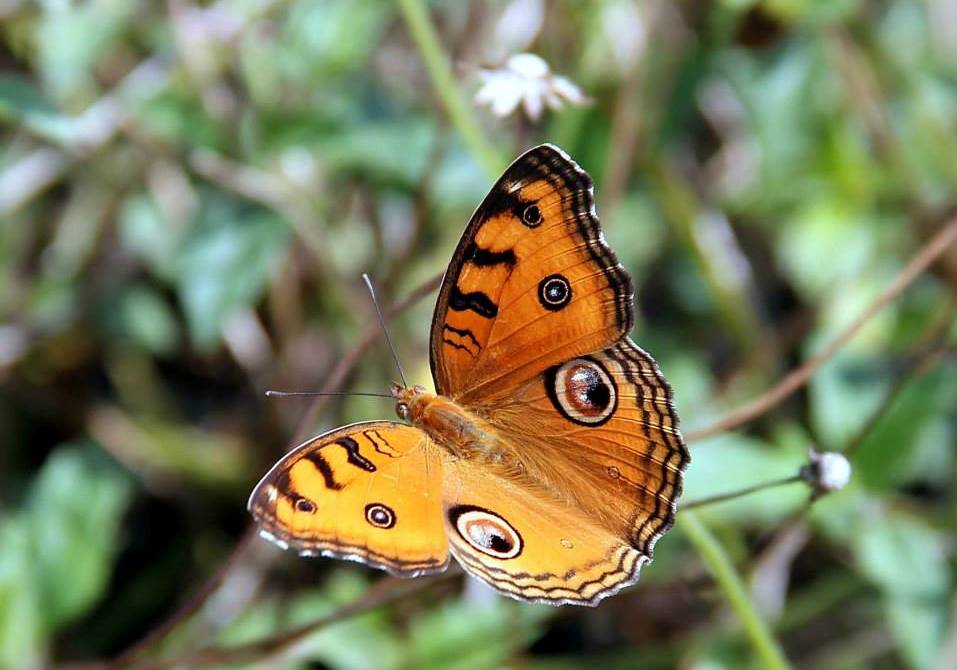
Photo credits : Jose K
Peacock Pansy Butterflies are found across India up to 2000 meters throughout the year, prefering forest edges, waterside vegetation and gardens. These orangish butterfly with prominent peacock eye spots, to smaller eye spots on the upper forewing and larger on the hindwing are very common in the Periyar Tiger Reserve. Continue reading

Hebbal Lake, Karnataka

Aloe vera in Xandari’s garden — Read the post to watch how it’s harvested!
Aloe vera, meaning “true aloe” in Latin, is a versatile and rather mysterious plant. Although it is perhaps best known for its healing properties on (sun-)burned skin, it shows up as an ingredient in many skin and hair products for various therapeutic or cosmetic purposes. The plant’s frequent appearance in traditional medicine all over the world reinforces the belief that it may really possess some restorative power–but just how miraculous is aloe vera after all? Many users of aloe swear by its ability to fight everything from arthritis, stomach ulcers, and diabetes to tooth and gum decay, but despite these glowing reports, the plant has not gained widespread traction as the “miracle drug” some of its proponents claim it to be. Nevertheless, the really astonishing claims in some of these anecdotes, and aloe’s established healing powers in other spheres of health (skin, hair, etc.), could suggest that further scientific research into the plant’s healing properties would not be fruitless.

Photo credits: Jithin vijay
“Tribals,” the term used to refer to native peoples in Kerala/India, have been an integral part of Wayanad for ages. As dense forests and wooded hillsides made way for commercial farming and plantations, Wayanad lost a great part of its quintessential character. Today, around 200,000 tribals belonging to different tribes subsist in isolated pockets, making a living from small land holdings to big plantations. Continue reading

Kaziranga National Park, Assam

Today I was fortunate enough to get to walk through one of the most biodiverse areas in the world second to the Amazon: Periyar Tiger Reserve.
I understand why people travel from all of the world to experience this place. In the United States, we are very proud of our national parks for their diversity and beauty. However, this park feels more untouched than the ones I have been to in the states. It kind of absorbs you. The paths in the forest seem less traveled. Honestly, it feels less touristy and more wild. We only trekked on the periphery of the jungle really. The center of the jungle truly is preserved and only certain people are able to go deep inside.
 Last week, using Borbón coffee seeds graciously given to us by the Doka estate, we started growing new seedlings to eventually plant in the ground at Xandari. José Luis showed James and me how to prepare a substrate of earth mixed with decomposing leaf litter he had put through a sort of wood-chipper to make a soil that closely mimics the forest floor where coffee often grows wild here.
In a wooden box with a corrugated tin floor (so water can drain easily), we made a bed of about an inch of soil. Then we put the two varieties of Borbón on either side of the box. Once the box was full, and we had removed all the rounded seeds that wouldn’t be as healthy as the seeds with a flat face, we added another layer of soil on top and watered the box.
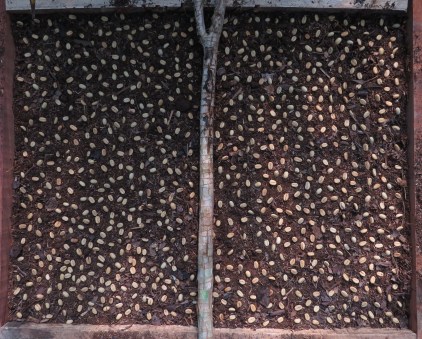 After we had gone, José Luis remembered to add a layer of dead leaves on top of the soil to help keep in the moisture and recreate natural conditions of the forest floor. Later, we went to visit his friend who had sold us the Borbón we planted earlier last month, so that James and I could see what our seedlings would eventually look like as they were transplanted into the black plastic bags we knew so well.
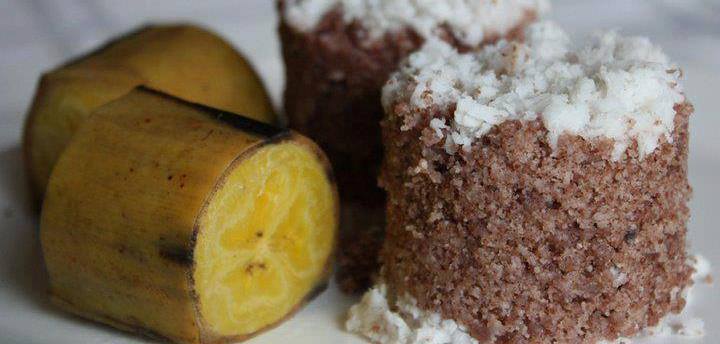
Photo credits: Shymon
When bananas are so ubiquitous here in the tropics, it’s good to have a variety of ways for eating the fruit. For Western readers, boiling bananas might seem strange, but it is quite common in India. Boiled banana is considered an excellent food for infants and children in Ayurveda. In Kerala, cuisines like puttu and rava uppuma (a savory south Indian breakfast dish) are perfectly matched with boiled bananas. Continue reading

