
Bharatpur Bird Sanctuary, Rajasthan
Bharatpur Bird Sanctuary, Rajasthan
 Today in the Cardamom County organic garden, I have been learning the names of things.
Once someone has introduced me to a plant, I take note of its shapes and impress it upon my mind with the name. Later there is some joy, when there is a spark of familiarity among what before was a just mass of green flora.
Here, I have often been asked for my “good name”–the local way of saying what at home we’d call our “given” or “proper” name. I think there is something beautiful about being able to call a person or plant by its good name.

Guest Author: Virginia Carabelli
For Part 2, click here, or if you’re new to the post this is Part 1.
You might wonder at this point, what about permits? All materials used for building in the US have to be tested in a federally approved lab. Straw bales not only passed the required standards, but exceeded them in many tests. Federal building codes supersede state building codes, meaning that no state can legally forbid its use. Most people, including many building departments, are unaware of this fact. Each state, has slightly different requirements. For example, if you live in a seismologically active area, your building code will reflect that (by the way, straw bales perform exceedingly well in earthquakes).
So if you want to build a post and beam structure with straw bale insulation (which is the basic building technique), you should have no problem. However, if you want to build a load-bearing structure (no post and beam to support your roof), you will have to restrict yourself to a small building, following a given formula depending on the size of your straw bales. You might run into some resistance in certain states, although load-bearing was one of the required tests passed by this material. Here in New York, several lovely load-bearing straw bale structures have been legally built. Continue reading
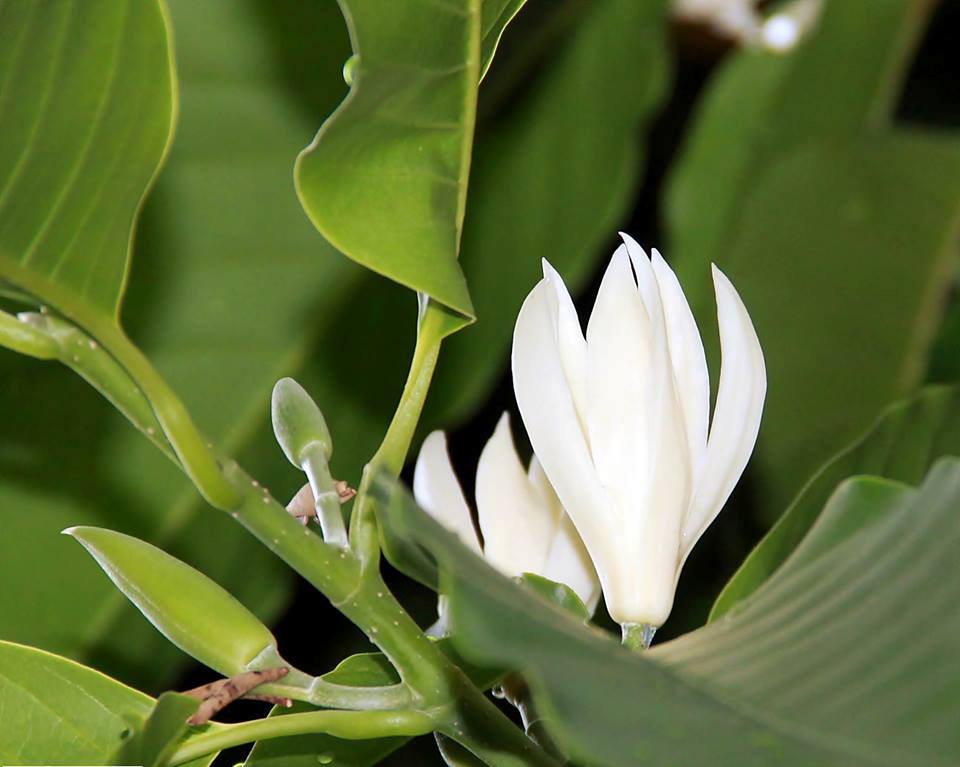
Photo credits: Shymon
Michelia champaca is native to India, and is best known for its strong fragrance. A relative to the magnolia tree, this species grows in the wild throughout India’s Western Ghats. It is a sacred flower for Hindu temple grounds and around homes. Continue reading

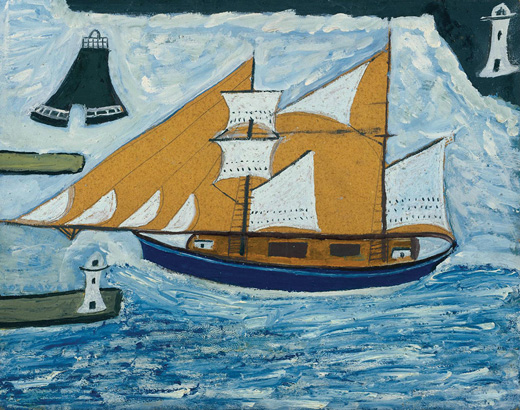
We have been meaning for nearly a year to recommend this article on the relationship between one man and several artists who were otherwise completely unrecognized by the art establishment over many decades. With this man as a champion, after a long effort the artists have finally come into the recognition previously denied to them.
This new show in London reminds us not only to share that article, but to share this review. What explains our interest in this sort of exhibit is the outsider status of the artists. Not “bad boy” outsiders clamoring for attention, but innovators. Thanks to London Review of Books for this review of a current show at the Tate:
‘Proud’ is an epithet that extends from the parade to the workbench. The swagger of troops marching down the street is transferred by the carpenter to the nail that juts out, no less cocky, no less full of itself. There’s much in Tate Britain’s new exhibition, British Folk Art (until 31 August), that straddles both forms of pride. It opens with a fanfare of stout, galumphing tradesmen’s signs: the outsize models of boots, keys, teapots, top hats and so on that dangled over high streets two centuries ago. Continue reading

Photo credits: Unni Pillai
Located in the upper reaches of Kerala at the border with Tamil Nadu, at an elevation of 7,900 feet above sea level, Kolukkumalai offers a fantastic view of the neighboring state of Tamil Nadu. Kolukkumalai is famous for one of the highest tea estates in the country, and is among the most popular tourist spots in Munnar. Continue reading
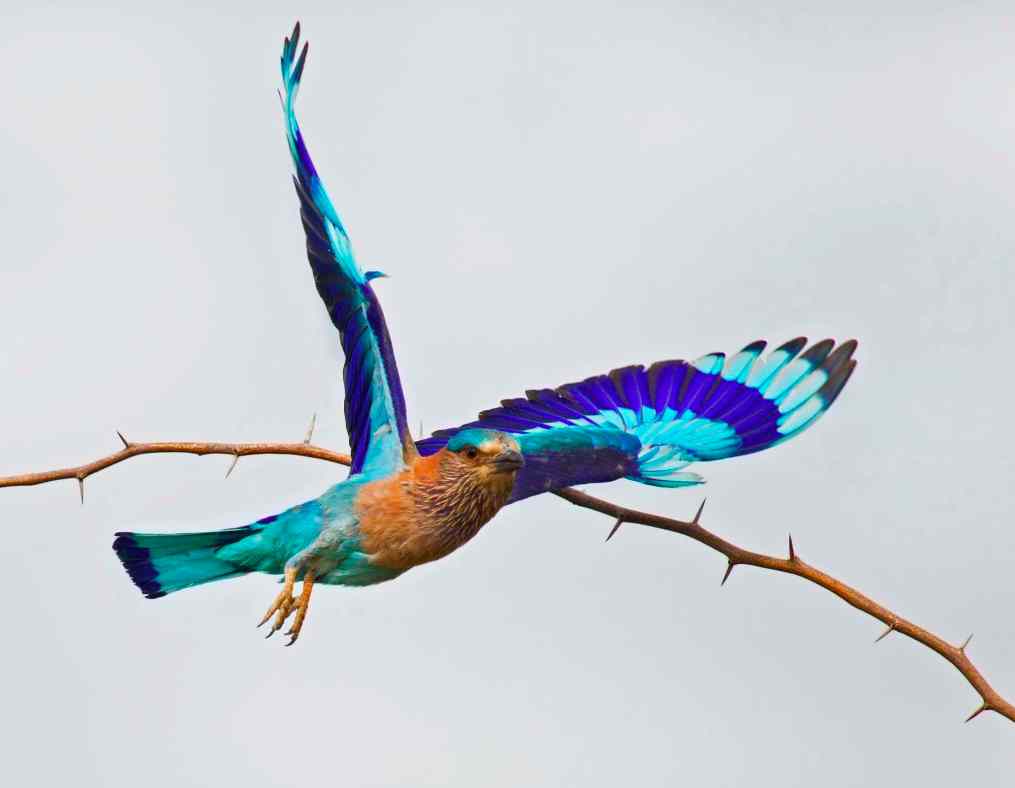
Bangalore, Karnataka
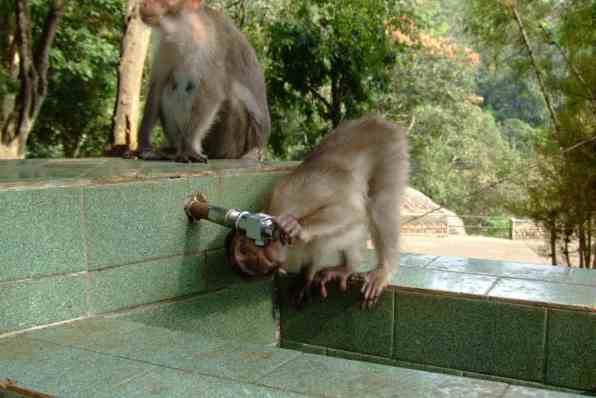
Monkey mischief at the Periyar Tiger Reserve, neighbor of Cardamom County
I have never had to take monkeys into consideration when gardening before.
I am at this jungle-like Raxa Collective property in Thekkady, India. I am here to work as an intern to help with creating a more farm-to-table relationship in the restaurant at Cardamom County. There is an organic garden here that is already providing the restaurant with a decent percentage of their staple foods. However, we face a little problem with some main ingredients such as tomatoes, eggplants, and actually anything sweet that we might like to grow such as grapes or pomegranates.
Monkeys. Continue reading
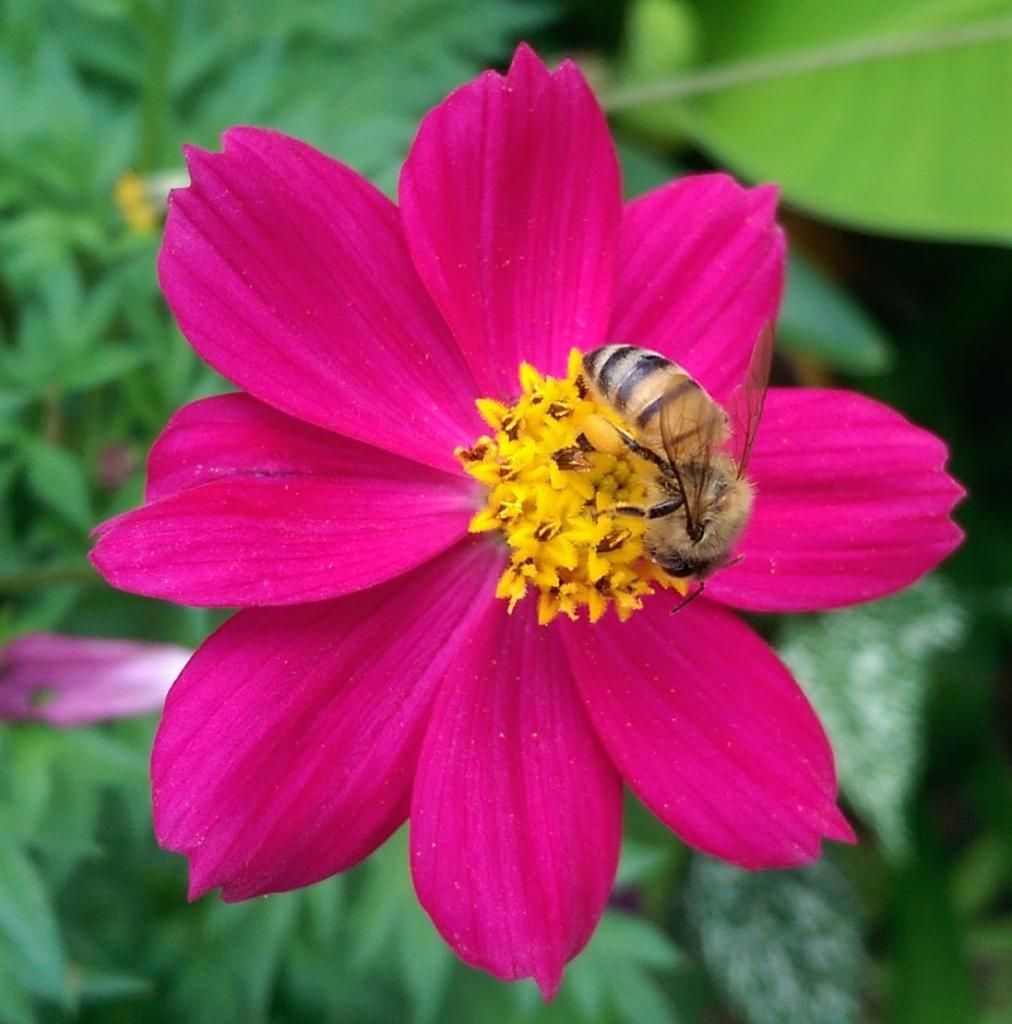
Bee on a flower
Recent posts on flowers at Xandari (here and here) have gotten me thinking about all of the work that goes into making such beauty possible. Mostly I had in mind Xandari’s head gardener, José Luis, and his excellent team. Snapping the above photo, however, I was reminded of nature’s great contribution in the process. Continue reading

Photo credits: Shymon
Jackfruit is known as chakka in Malayalam, and is mostly consumed as ripened fruit. That might seem like stating the obvious, but since jackfruit is so abundant in Kerala, most households make different varieties of traditional dishes from both ripened and unripened fruit. Some examples include chakka puzukku (unripe jackfruit curry), chakka yappam (steamed jackfruit rice cakes), chakka payazam (jackfruit pudding) and chakka chips. Jackfruit trees are cultivated in the Western Ghats of India. Continue reading

Gauhati, Assam
Guest Author: Virginia Carabelli
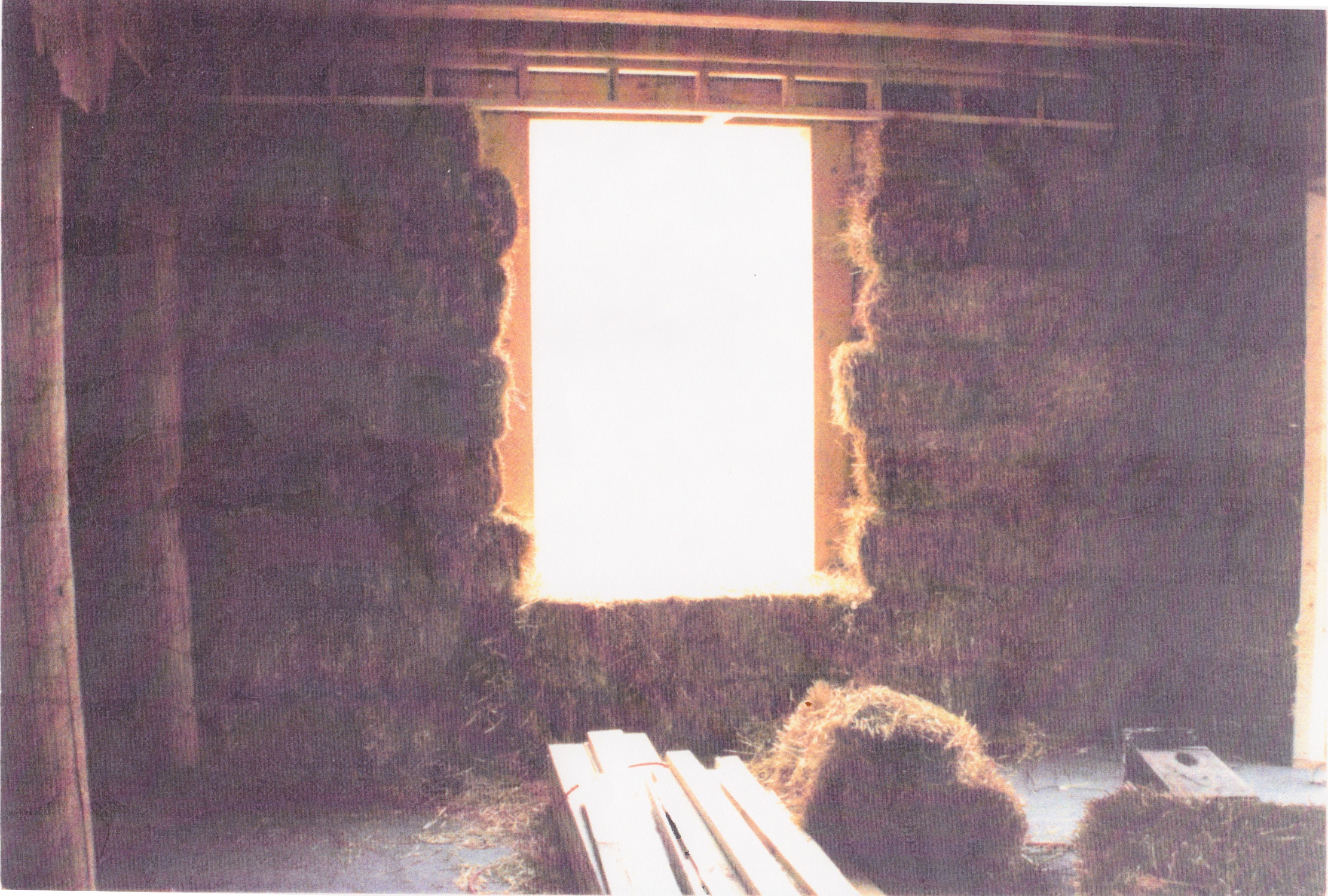
Before
In case you missed the first part of this post, click here.
At this point, let me get the three things that may be on your mind out of the way, before I move to introduce the building technique, without getting too technical.
1. Fire – Fire needs oxygen to burn, a compacted straw bale + encasing in cement or mud plaster offers no oxygen for fire to take hold. Try and burn your phone book as is (do they still make them?) and you’ll see what I mean. At worse, it will smolder.
2. Pests – Straw is like a little stalk of bamboo, in a way. It is the stem of grains whose function is to carry nutrients to the head. It has no nutritional value, protein, etc., so bugs are not very interested in it—they prefer hay or alfalfa. In fact, Continue reading
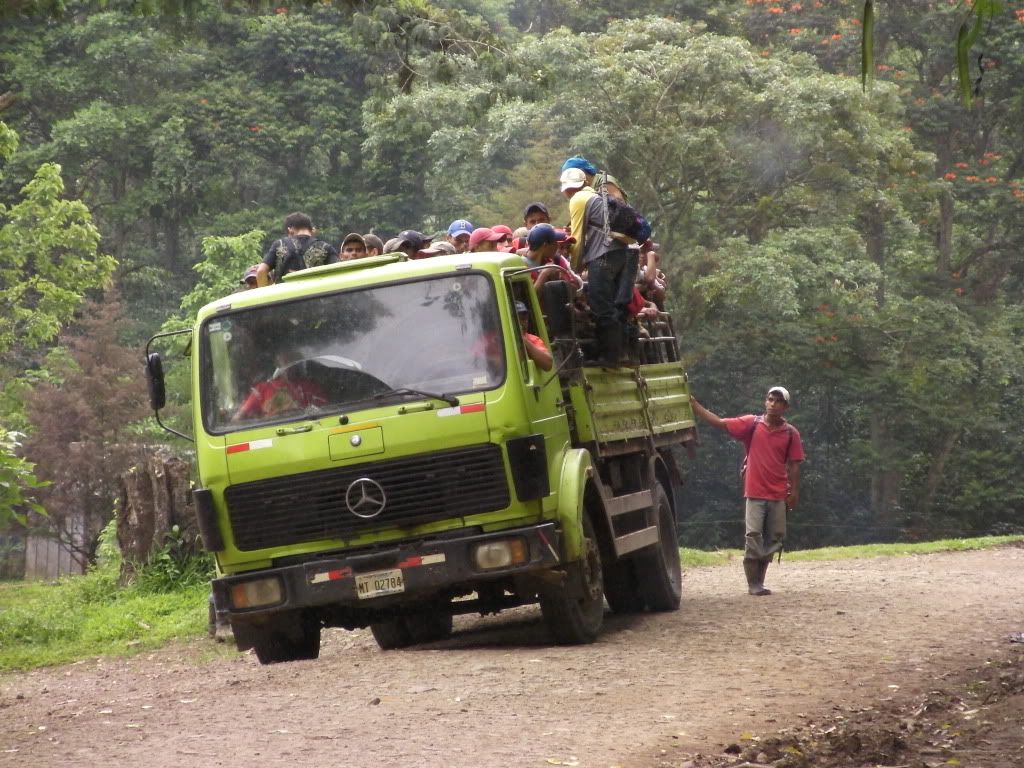
Finca workers heading home at the end of the day
It’s that day of the week again, and I’ve found yet another post from roughly this time several years ago (in this case ~3) that relates to the work I’m doing now. Although I was not performing the physical labor that James and I have helped with at Xandari when I was in Nicaragua during the summer of 2011, I was learning all about the steps that go from the seed to the cup, as they say in the business.
Soon, I hope to experience the Costa Rican side of things, and next week (next Thursday, in fact) I’ll hark back to the Galápagos style of Continue reading

Photo credits: Shymon
Mannarasala is a famous shrine devoted to the worship of the snake gods, or Nagaraja. Thousands of the granite snake idols you see in the photo above line the path through the forest to the Mannarasala Temple in Alappuzha, Kerala, and more are put there by people seeking favour from the Nagaraja every year. Continue reading
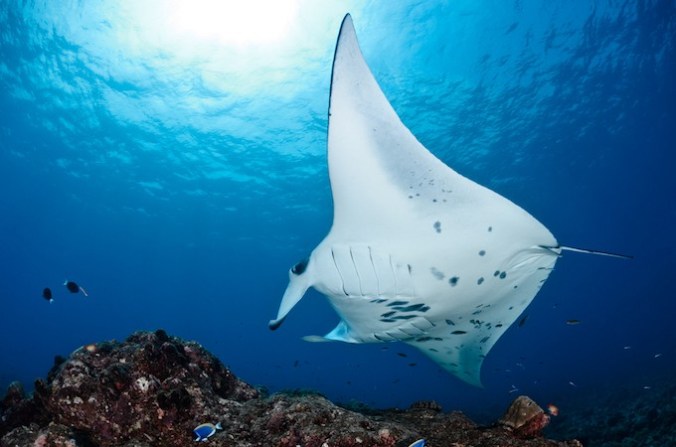
MANTA RAYS ARE WORTH MORE ALIVE THAN DEAD
The title may sound a bit obvious, but this article is anything but (thanks to Jason G. Goldman and Conservation magazine):
Manta and mobula rays, together the “mobulids” are among the most recognizable, charismatic fish in the world. They’re also particularly vulnerable, thanks primarily to the use of their gill plates in Traditional Chinese Medicine. That’s despite the fact that mobulid gill plates are not officially recognized by most practitioners of Traditional Chinese Medicine. There are so many nonsensical aspects to this story that it’s hard to know where to start. Continue reading
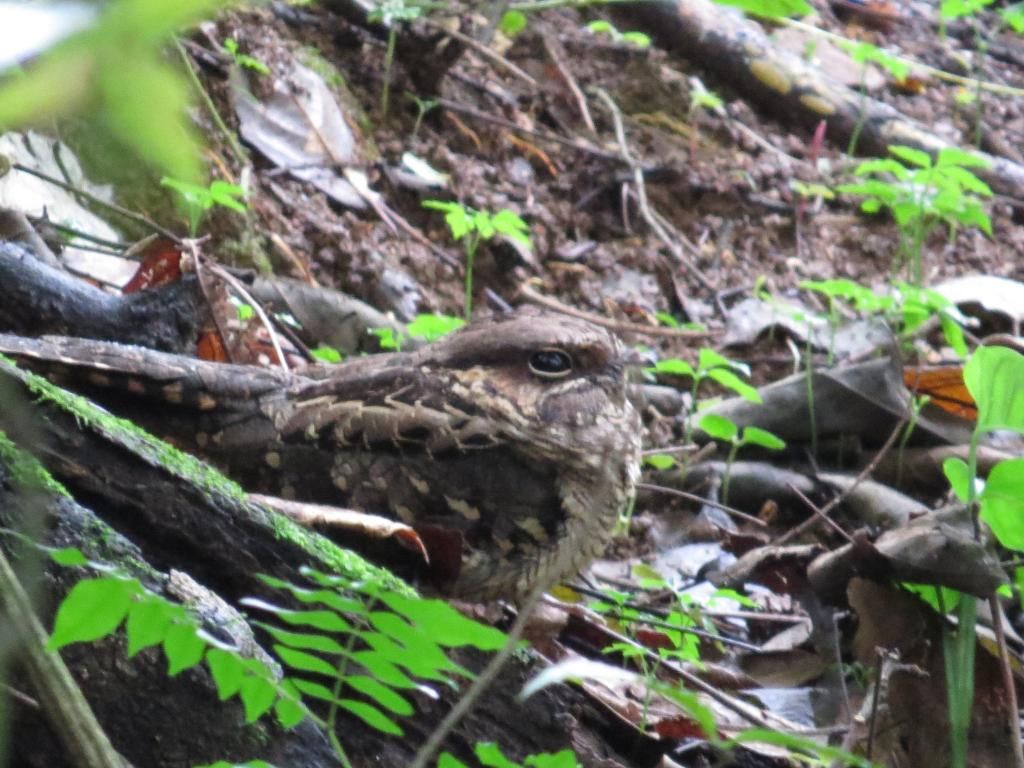
Photo Credit: Seth Inman
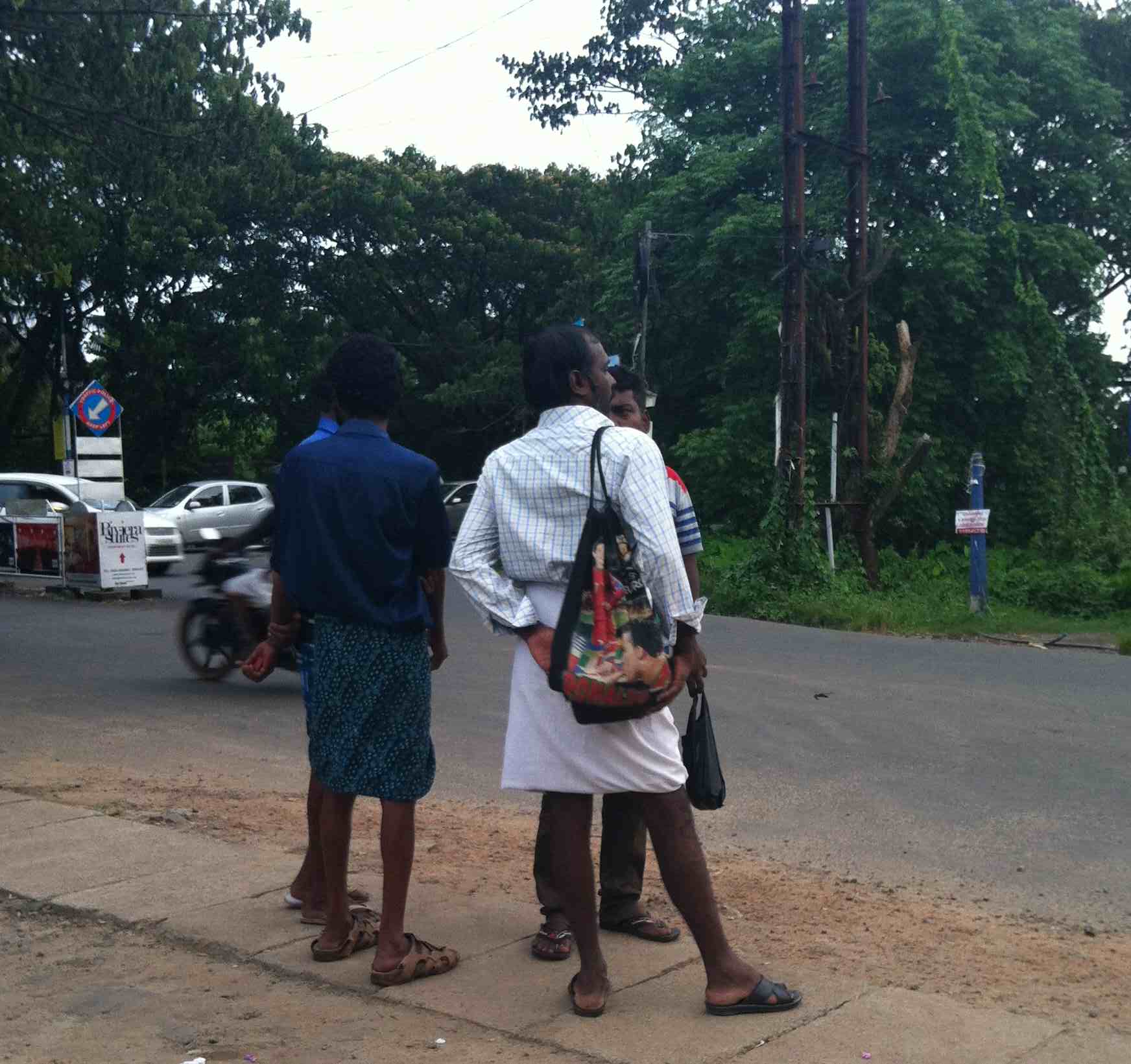
Thevara Ferry Junction
 Cada día, miles de personas alrededor del mundo están visitando un sitio de web, usando un app en su celular, o escribiendo en su cuaderno para documentar las aves que han visto en algún lugar. Algunos son científicos. Algunos simplemente están interesados en anotar la diversidad de sus patios. Varios tienen equipamiento sofisticado para ayudarles ver de lejos o tomar imágenes de las maravillas aladas que buscan.
En países como los Estados Unidos e Inglaterra, el pasatiempo de observar aves es Continue reading

Photo credit: Sherif
The Common Grass Yellow Butterfly lives up to its name. Found throughout all of India, this lepidopteran flies low and close to the ground in fields, and its wings are a pretty yellow with some subtle patterning. Their larvae feed on several different plants, but generally in the families of the spurges and legumes. Continue reading

