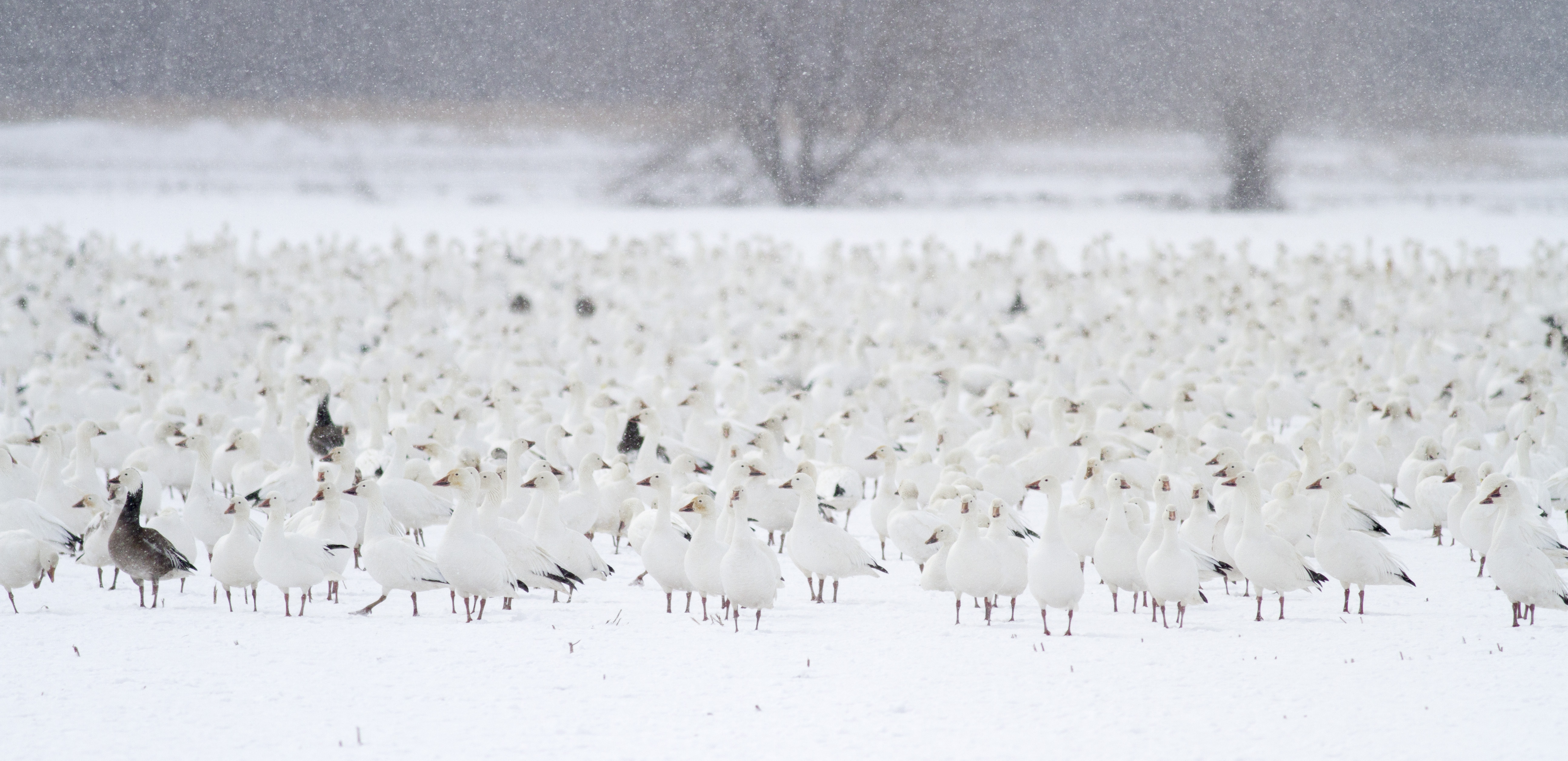
Photo Credit: Benjamin Van Doren
Photo Credit: Benjamin Van Doren
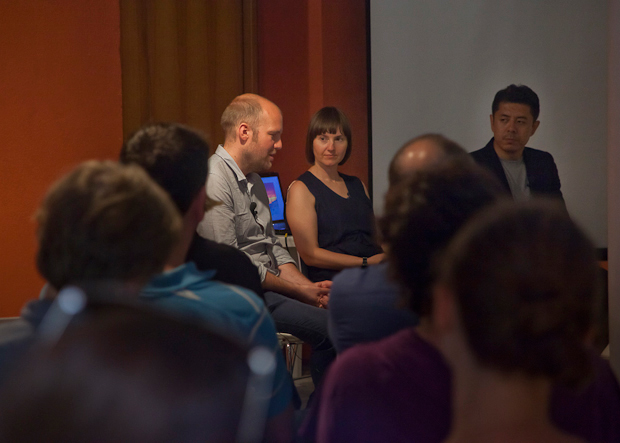
Our interest, invariably, is to showcase authentic culture in each project in every location where we play a role. Mostly, this means how our team members showcase their communities to visitors from other communities in other parts of the world. But it also means something about architecture and design. With the recent opening of Spice Harbour, and the soon-to-open Marari Pearl, we have found ourselves describing the architecture of each property without reference to local or national architectural style so much as to what is “appropriate” to the location.
We admit we do not always know exactly what we mean when we say this. On the other hand, we are content to note that even the “experts” do not always have neat answers to such complex questions, as noted on Phaidon’s website about a forum at the Venice Biennale:
…The debate was ably chaired by the British Council’s Vicky Richardson who began by asking Stephan Petermann a little about the brief set by Koolhaas for this year’s biennale.
“What we were hoping for is that the countries would reveal themselves and their national characteristics by looking at their own history,” he said. “We think they have. It might not be as blatant as the provocation we made, but (you can see it) in the subtleties of the details and angles that some countries take. I hope that people enjoy the diversity of the directions we took.”
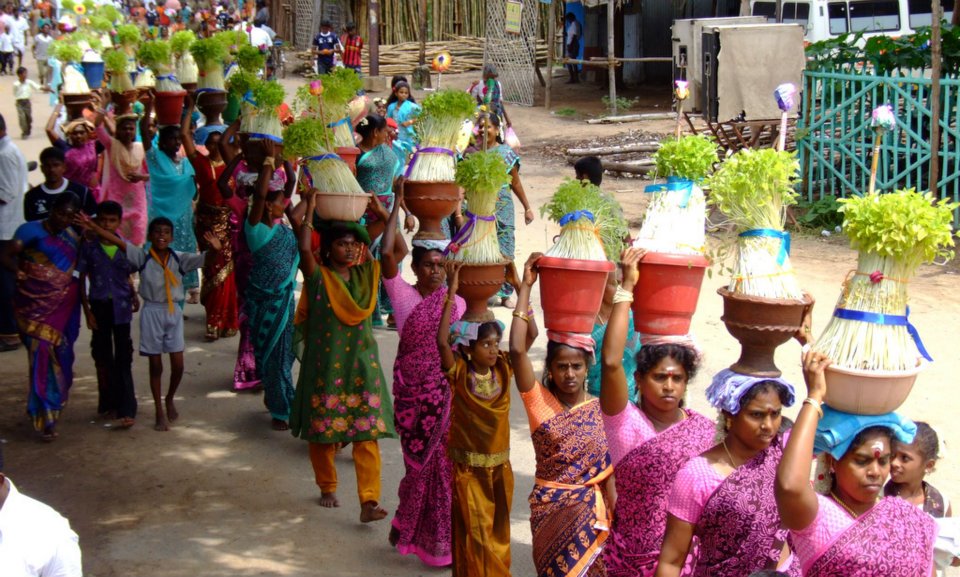
Photo credits: Ramesh Kidangoor
Mulaipari Festival is unique South Indian festival popular in Tamil Nadu, which is celebrated on the 18th day of the Tamil Month of Adi (July). This festival is a famous ritual that takes place at almost every celebration for a village goddess. The women devotees in the procession carry earthen pots filled with the growing plants of nine different types of grains on their heads. Continue reading

Samuel Gibbs test-drives a Tesla Model-S. Photograph: Antonio Zazueta Olmos
Its availability is limited to a few places. Its numbers are limited, period. But in the UK it is about to grow a new market, so this review is timely. We are not in the business of promoting automobiles or other consumer products but several La Paz Group contributors have been in the vicinity of the home location of this car and its claims of zero emissions are such that we could not help noting this remarkable thing:
…Inside it’s all premium Silicon Valley technology. Musk likes to think of Tesla as the “Apple” of cars, which might explain why there is what looks like a large iPad complete with Apple-style graphics where the centre console should be. The 17in touchscreen controls almost everything about the car, from the air conditioning and music to opening the sunroof and firing up the heated windscreen wipers. Continue reading

If you have to ask why, chances are that this sort of thing will not make sense to you under any circumstance. But since Chris Heller has taken the time and made the effort to beautifully elucidate, you might give a few minutes to this video on the Atlantic’s website, which makes us think of the Patagonia Expedition Race, except on steroids:
The Roughest, Toughest Race in the World
Jun 09, 2014 | Chris Heller

Little Rann of Kutch, Gujarat
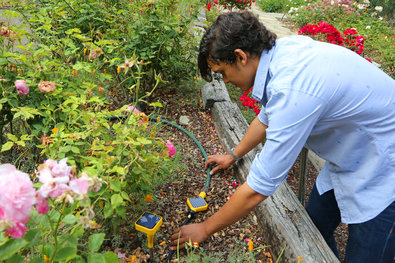
Jim Wilson/The New York Times. Jason Aramburu examining a sensor he developed that monitors the condition of soil in gardens.
Thanks to the New York Times Science section for this good news about a smartphone app to monitor plant health and assist their resistance to drought and other challenges:
PROTOTYPE
Planting for Profit, and Greater Good
By CLAIRE MARTIN

Photo credits: Renuka Menon
Idly is a popular breakfast food of South India. The main ingredients for this healthy and simple traditional food are rice, black gram dal and salt. Continue reading
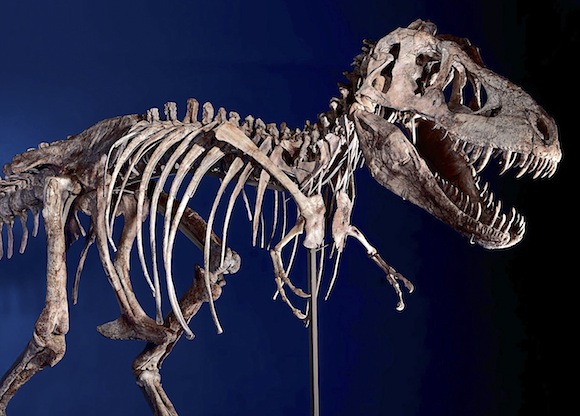
The fossil of a Tarbosaurus bataar, which was returned to Mongolia after it was poached and sold for $1 million, in an undated handout photo. Fossil poachers have become a major problem for paleontologists, wreaking havoc on the sites of dinosaur remains. (U.S. Immigration and Customs Enforcement via The New York Times)
I have normally thought of poachers in relation to live animals and especially endangered species, but here is news that broadened my knowledge of what gets poached and what happens as a result:
On the morning of October 17, 2012, a cadre of federal agents and sheriff’s deputies in Gainesville, Florida, went to the home of a suspected fossil smuggler named Eric Prokopi and arrested him.
As I reported in The New Yorker in January, 2013, the case against Prokopi was unusual and aggressive: it included several counts of felonious smuggling, and characterizations of the defendant as a “one-man black market.” Two months after his arrest, Prokopi pleaded guilty to smuggling the bones of a Tarbosaurus bataar, a Tyrannosaurus rex cousin that lived seventy million years ago in the Gobi Desert of Mongolia, which prohibits the commercialization of natural history. Continue reading

Tate Britain: Exhibition
10 June – 31 August 2014
During the next few months the exhibition will be at the Tate, and then moving to at least one other venue:
Discover the extraordinary and surprising works of some of Britain’s unsung artists in the first major exhibition of British folk art.
Steeped in tradition and often created by self-taught artists and artisans, the often humble but always remarkable objects in this exhibition include everything from ships’ figureheads to quirky shop signs, Toby jugs to elaborately crafted quilts. Continue reading
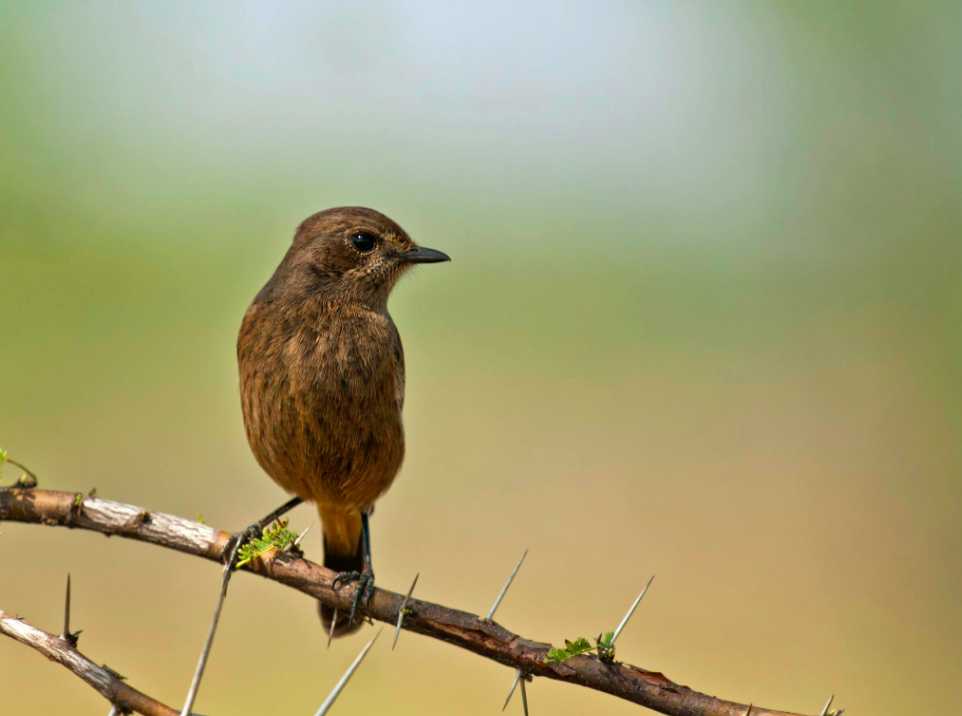

Photo Credits: Ramesh Kidangoor
In the last few years, Kerala Tourism has recorded remarkable growth in the number of both international and domestic tourists visiting the state annually. After its rise to the top in 2003 as a recognized worldwide destination, Kerala Tourism was named a “super brand” by the India Tourism board. Continue reading
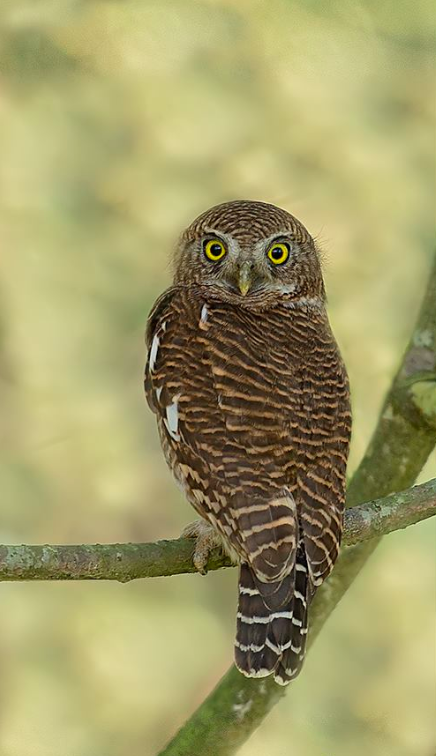
Kaziranga National Park, Assam
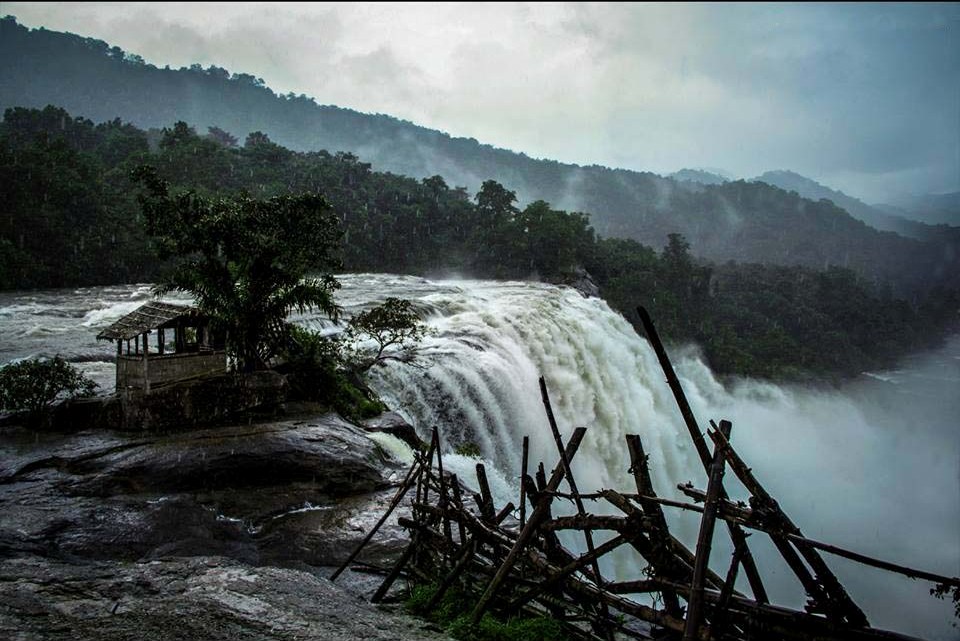
Photo credits: Nithin Vijay
Only 80 km from the city of Cochin, the Athirappally Waterfalls and Sholayar Forest are popular tourist destinations and an ideal location for film shooting. Tourist can enjoy these falls from the top of the rocks and watch water rush past to plunge down about 90 ft. Continue reading


Photo credits: Jithin Vijay
Kerala has a veritable array of performing arts. Theyyam or Kaliyattom is one of the most popular ritualistic dances of Kerala. Costumes with crownlike headgear, breastplates, ornaments, special face painting and variously shaped garments of cloth and palm leaf fronds make Theyyam a colourful visual. It is a devotional performance with a surrealistic representation of the divine. Continue reading
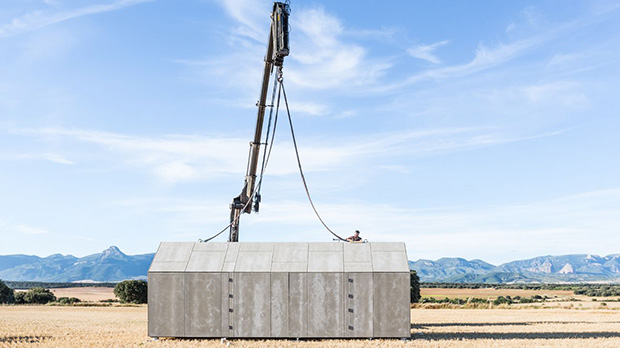
Casa Transportable ÁPH80 by Ábaton is one of the Atlas choices
Thanks to Phaidon for their attention to architecture that not only moves users, but which users can move:
Regular Phaidon readers will already be familiar with our recently launched Online Atlas, the dedicated resource website for architects, students and true lovers of architecture .
The site, which features over 130,000 images, 3,079 projects from 1,537 architects in 115 countries around the world is an invaluable aid to anyone who works in the industry and needs to know who did what, where – and, of course, how.
The Atlas editors have a regular feature in which they focus on a specific, occasionally left field aspect of architecture or an architectural project each week. It’s called Editors’ Focus and the first one was all about small buildings; a more recent post dwelt on nine of the hardest to construct buildings listed. This latest round-up takes in portable architecture. Continue reading
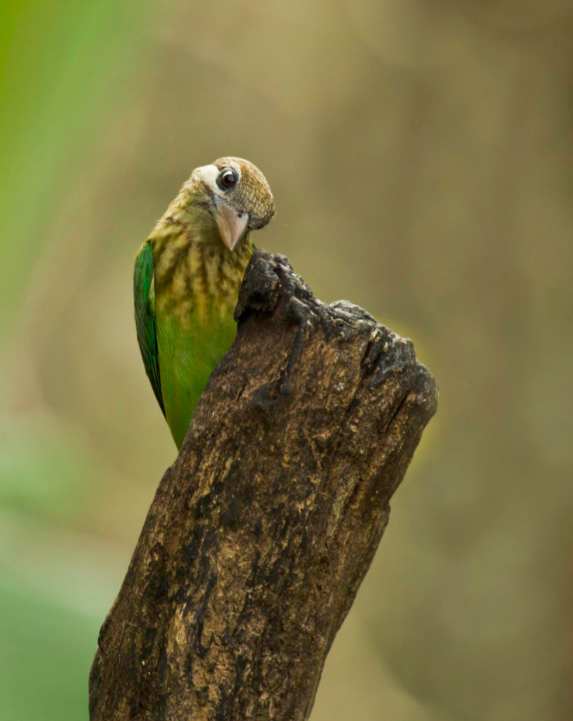
Kerala
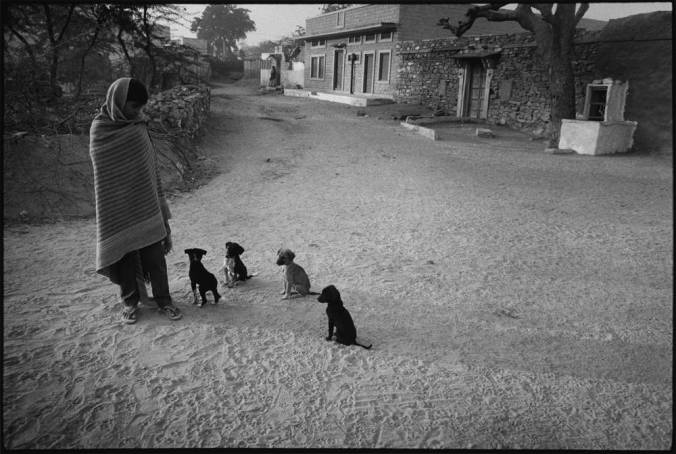
The Wittliff Collections offered a look at this new book, and a talk with the photographer, Mary Ellen Mark, for the launch of her 19th book, Man and Beast. That was some moons ago. We missed the launch, but the New York Times review from Sunday is worth a read, and gives the clear indication that the book is worth a long sitting as well: “Mark has been shooting in Mexico and India since the 1960s, and in “Man and Beast,” she brings together her black-and-white photographs into an affectionate, annoying, stubbornly beautiful book.” Thanks to Leica’s blog for this interview with the photographer:
…Q: Finally let’s talk about this boy with a puppy.
A: That was shot with a 35 mm lens on a Leica. This is one of my favorite dog pictures. It was early morning in Rajasthan, India. It was kind of chilly; that’s why he has a shawl around him. He was just standing there with his puppies. Continue reading
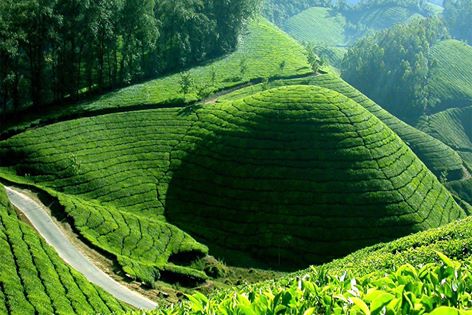
Photo Credits: Roji Antony
Located 1600 metres above sea level, this hill station become the headquarters for several tea plantations scattered throughout the Western Ghats. The need to serve these plantations led to the growth of Munnar and its surroundings. With the tag of tourism, it has became a magnet for travelers, offering great opportunities for walking, trekking, nature photography and golfing. Continue reading
 Organikos