Dairy Story, India Edition

A dairy in India, covered as a feature story in the New York Times?  This catches our attention because our conservation initiative, Amboli Reserve (more about this 2,000 acre project soon), is in the same state and likely within driving distance for our guests to visit:

…On a 26-acre farm a couple hours’ drive inland from Mumbai, hundreds of black-and-white Holstein-Friesian cows laze around, dining on seasonal greens and listening to a custom playlist of rap, pop, classical and even devotional music. They are treated to a routine medical checkup before heading to a ‘rotary milking parlor,’ where their udders are gently squeezed, until the cows step away, at will… Continue reading

Big Business, Conservation, Innovation

We have written about and linked to others’ thoughts on altruism more than once, thinking we will eventually have an ultimate illumination on its origins and how to increase its likelihood. Likewise on our main theme as an organization, with regard to entrepreneurial conservation. We also keep a watch out for big companies (versus entrepreneurs) and governments (as in the case of the state initiative in the banner above, which is discussed below) doing the right thing.

Thanks to this article in the New Yorker for bringing our attention to the efforts to bring sustainable and affordable water to the good folks of Texas, and at the same time raising our awareness of the tightrope walking between big businesses that have many motivations to participate in innovative conservation schemes, and the organizations that have been the innovators in this regard for decades:

Mark Tercek, the head of the Nature Conservancy, recently took a tour of the largest chemical-manufacturing facility in North America: the Dow plant in Freeport, Texas. The Nature Conservancy, which is responsible for protecting a hundred and nineteen million acres in thirty-five countries, is the biggest environmental nongovernmental organization in the world. Tercek, accompanied by two colleagues, had come to Freeport because the facility—a welter of ethylene crackers and smokestacks built next to a river that flows into the Gulf of Mexico—is at the center of a pilot collaboration that he hopes will reshape conservation.The key idea is to create tools that can assign monetary value to natural resources. Continue reading

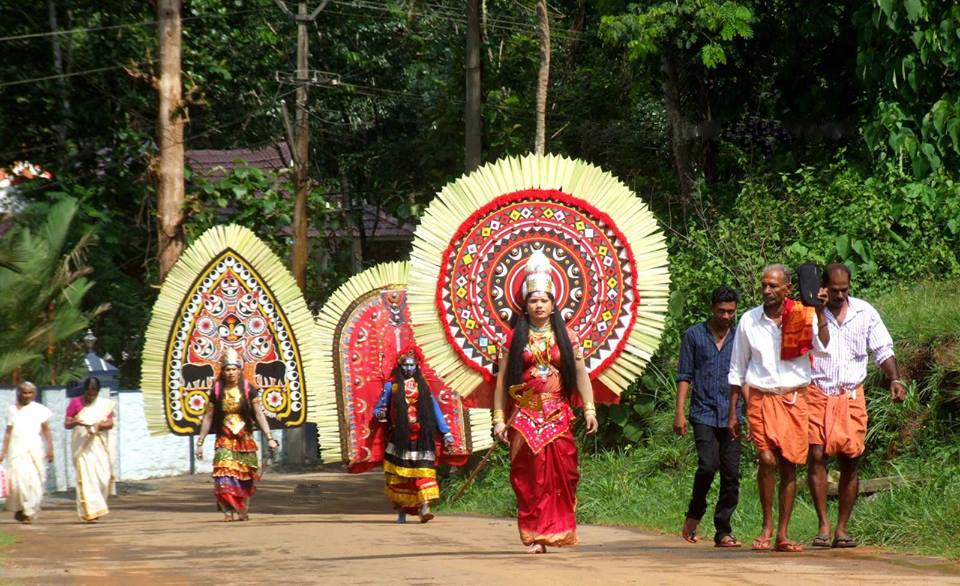
Performing Arts – Padayani

Photo credits : Ramesh Kidangoor

Photo credits: Ramesh Kidangoor

Padayani literally means the “ranks of an army”, but is also related to religious rituals and mythological stories. It is the symbolic victory march of Goddess Bhadrakali after she defeated the demon Darikan. Unmarred by caste distinction, it is a community celebration with audiences providing an active participatory role with drums and pipes used for musical support. Continue reading

Saving Species–One Paper, One Video, One Course, And One Initiative At A Time

saving-species-logo-long-small

We thank Stuart Pimm for his ongoing excellent contributions to conservation through science and education, as well as creative activism, and congratulate him and his colleagues for their most recent publication:

new scientific paper was published today in the prestigious journal Science and it has important findings for biodiversity. Though it reaffirms what we already know—that there is a global extinction crisis and it is worse than we believed—it also details how technology and smart decision-making are offering hope for endangered species and their habitats. Continue reading

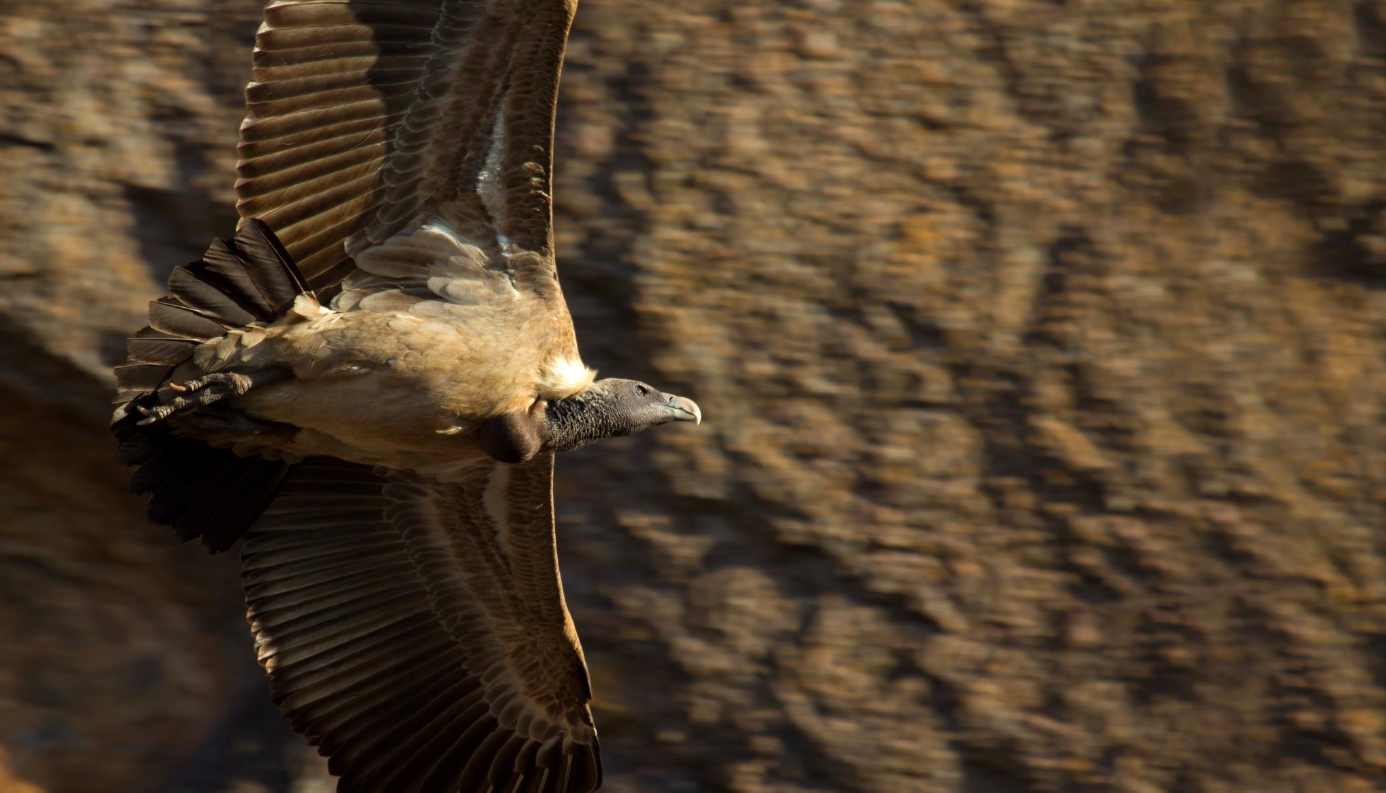
Festival Fireworks – Kerala

Photo credits : Jithin Vijay

Photo credits: Jithin Vijay

Fireworks are an important part of all festivals in Kerala, traditionally happening on the last day to mark the end of the festival. In the case of the famous festival of Thrissur Pooram, the fire works start at 3am and end at 6pm. Continue reading

Mobile Art Exhibitions

The Rodi Gallery, parked in Astoria Park in Queens. Credit Aaron Graham

The Rodi Gallery, parked in Astoria Park in Queens. Credit Aaron Graham

Thanks to the New York Times for its coverage of the arts in general, and for this specific reporting on the efforts to get art where it may be seen outside the normal venues:

On a recent Saturday, Elise Graham and her 22-year-old son, Aaron, pulled a 12-foot van into a parking spot on West 14th Street in Greenwich Village, swung open the back doors, lowered the aluminum stairs, and welcomed visitors inside their mobile Rodi Gallery.

Around the United States, art is on the roll. Inspired by the success of food trucks, gallery owners like the Grahams, who are based in Yorktown Heights, N.Y., have been taking their show on the road. For the last year, they have traveled to populated spots like the meatpacking district of Manhattan, the Peekskill train station and Astoria Park in Queens. This Saturday, they are parking in the center of Bushwick Open Studios, a three-day festival in Brooklyn. Continue reading

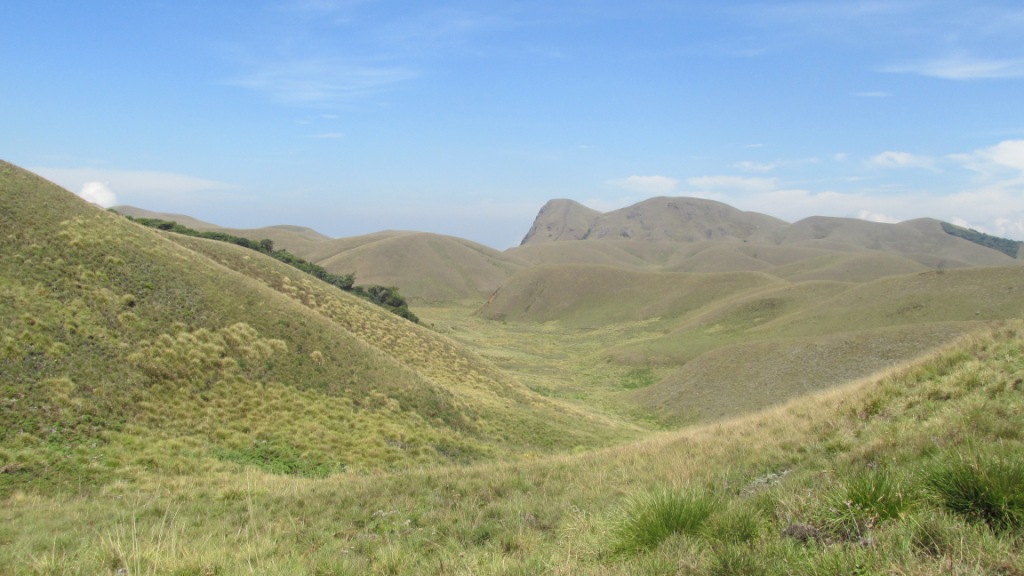
Eravikulam National Park – Munnar

Photo credits: Salim

Photo credits: Salim

Eravikulam National Park is situated near Munnar in Kerala’s Western Ghats of Kerala. It covers an area of 97 sq km of rolling grass lands and shola forests. It’s an ideal hill station for seeing the biodiversity of shola grass land eco-systems. Continue reading

Climate Rescue Plan’s Price Tag

This slideshow requires JavaScript.

The New York Times continues to prove its journalistic value in the realm of today’s most important topics, notably with regard to the environment:

KEWAUNEE, Wis. — Bryan T. Pagel, a dairy farmer, watched as a glistening slurry of cow manure disappeared down a culvert. If recycling the waste on his family’s farm would help to save the world, he was happy to go along.

Out back, machinery was breaking down the manure and capturing a byproduct called methane, a potent greenhouse gas. A huge Caterpillar engine roared as it burned the methane to generate electricity, keeping it out of the atmosphere. Continue reading

Common Leopard Butterfly

Common leopard butterflies are found across the Western Ghats up to 2000 meters. These butterflies prefers forest edges, grasslands, damp patches and wild flowers. This butterfly has black spots and wavy lines with a-pinkish violet tinge underneath the hind wing. Continue reading

Kerala’s Mission 676

676_1923608f

Not all of it is spectacular (zoos are not our cup of tea, generally speaking) but especially the “budding birders” initiative has our attention; we are grateful for the Hindu’s coverage of some the news about several conservation schemes to be established in Kerala:

A primary environment care project with the cooperation of grama panchayats; Rs.259-crore ‘Krishi Raksha’ scheme to protect crops from wild animals; forest academy at Arippa; and ‘Urinunarvu Kadinunarvu’ for the development of Adivasi settlements are among the projects identified by the Forest Department for implementation under Mission 676. A Rs.15-crore project will be launched to conserve water in the catchment areas of rivers and forests during the summer. Continue reading

If You Happen To Be In Dublin

This slideshow requires JavaScript.

Thanks to Genevieve Fussell for pointing this exhibition out to all of us:

In 2009, the Irish photographer Paul Gaffney walked nearly five hundred miles through northern Spain along the Camino de Santiago. Inspired, in part, by his interest in Buddhist meditation, he set off, three years later, on a series of walking trips through rural Spain, Portugal, and France. Continue reading

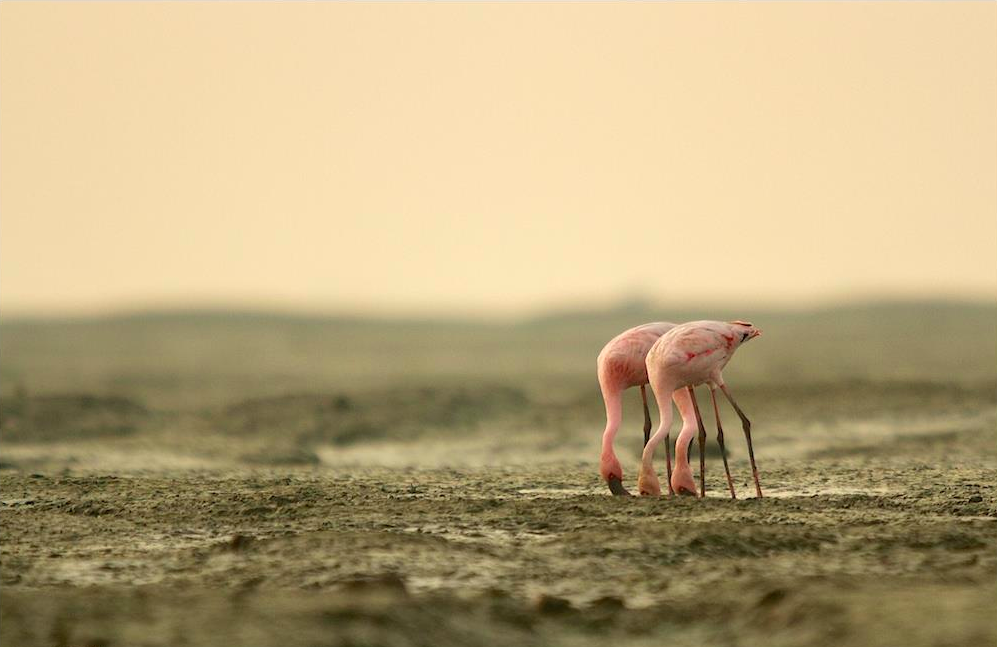
Pahalgam – Kashmir

Photo credits : Renuka Menon

Photo credits: Renuka Menon

Pahalgam is a famous Indian tourist destination situated at the state of Kashmir. The Lidder River runs through a beautiful, undulating meadow called Baisaram surrounded by thickly wooded pine forest. Continue reading

Young Master Word-Crafters

Ansun Sujoe, of Fort Worth, Texas, and Sriram Hathwar, of Painted Post, N.Y., were named co-champions of the 2014 Scripps National Spelling Bee on Thursday. Their siblings helped them celebrate the first shared title since 1962. Manuel Balce Ceneta/AP

Ansun Sujoe, of Fort Worth, Texas, and Sriram Hathwar, of Painted Post, N.Y., were named co-champions of the 2014 Scripps National Spelling Bee on Thursday. Their siblings helped them celebrate the first shared title since 1962. Manuel Balce Ceneta/AP

Thanks to National Public Radio (USA) for keeping us apprised of who’s who in the world of words, spelling edition:

For the first time in 52 years, the Scripps National Spelling Bee crowned two winners last night, after the final two competitors exhausted the word list. The winners were Sriram Hathwar, an eighth-grader from Painted Post, N.Y., and Ansun Sujoe, a seventh-grader from Fort Worth, Texas.

“I like sharing the victory with someone else,” Ansun said. “It’s been quite shocking and quite interesting, too. It’s very rare.”

Here are the words that brought Thursday night’s competition to a close, from the Scripps Spelling Bee site (we’re including the definitions just in case you’ve forgotten them): Continue reading

Britain’s National Collection of Yeast Cultures (Beer Aficionados, Read This)

lead (1)

Shutterstock/KuLouKu

We appreciate the increased interest, across all the media we track, to the cultural and environmental aspects of beer production. Thanks to the Atlantic‘s intrepid investigators for this one:

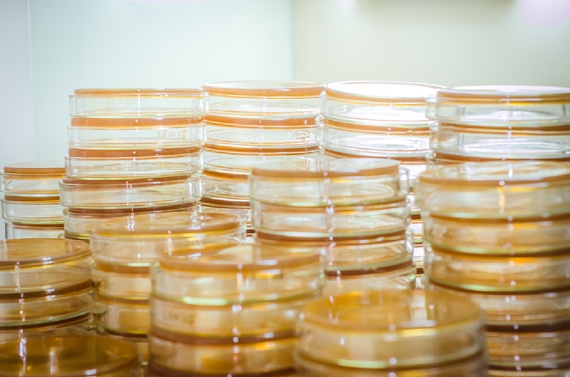
In late November of 2009, the town of Cockermouth, in the Lake District of England, had a flood. Heavy rains—16 inches in 24 hours—led the rivers Cocker and Derwent to overflow their stone barriers; the buildings of the medieval town, as a result, ended up submerged in 10 feet of water. Among those buildings was Jennings Brewery, one of the few establishments in the world that brews real ale—a beer, rich and dark and featuring a texture that connoisseurs might call “chewy.” Real ale is, to the extent that beers resemble animals, endangered. This is partly because it requires a very particular type of yeast in its brewing: a yeast that, during fermentation, sits on top of the wort, the sugary liquid extracted from the mashing process, rather than sinking to the bottom. Continue reading