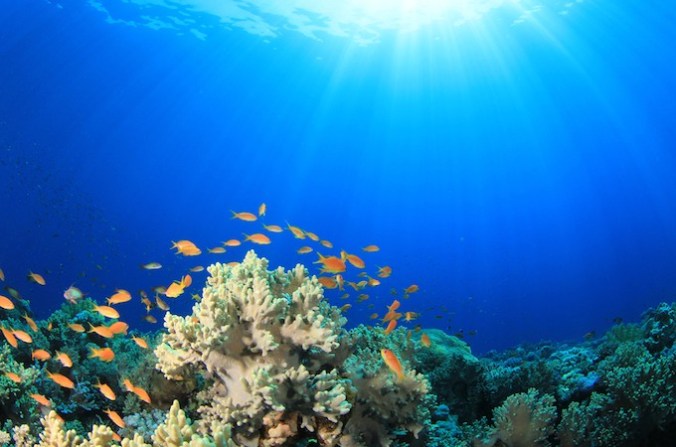
How Coral Reefs Grow By Crawling

coral-reef-shutterstock_116387641-680x450

shutterstock.com

In its weekly “good reads” section Conservation has this following summary of an article in Scientific Reports, of interest to our reef watchers/protectors:

In November 1835, the HMS Beagle visited Tahiti, in the South Pacific. Climbing up the island’s slopes, the young Charles Darwin looked across the sea to nearby Moorea, and saw an island surrounded by a barrier reef. During and after his voyage, Darwin constructed a theory for reef formation that explained how fringing reefs grow into barrier reefs, which then convert into atolls. “The close similarity in form, dimensions, structure, and relative position between fringing and encircling barrier-reefs, and between these latter and atolls,” he wrote, “is the necessary result of the transformation, during subsidence, of the one class into the other. On this view, the three classes of reefs ought to graduate into each other.” Continue reading
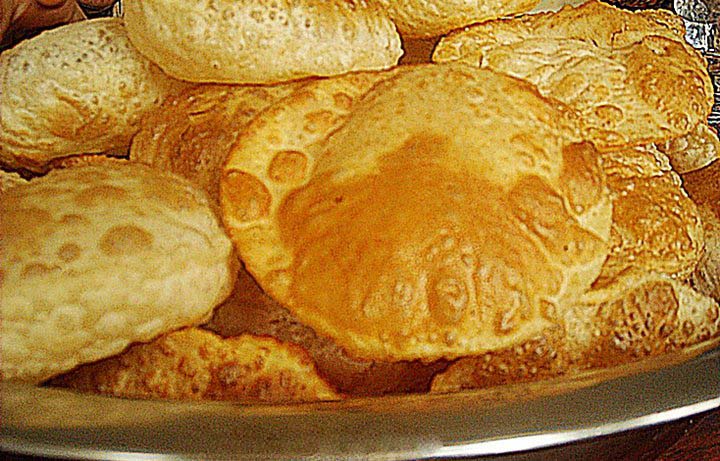
Flavours Of India – Poori

Photo credits : Renuka Menon

Photo credits: Renuka Menon

Poori is a deep fried flat bread made of wheat flour. A dough is prepared  by mixing fine maida flour with water and a spoonful of ghee, which is then divided into small balls. These balls are flattened using a rolling  pin and individually deep fried in cooking oil. Continue reading

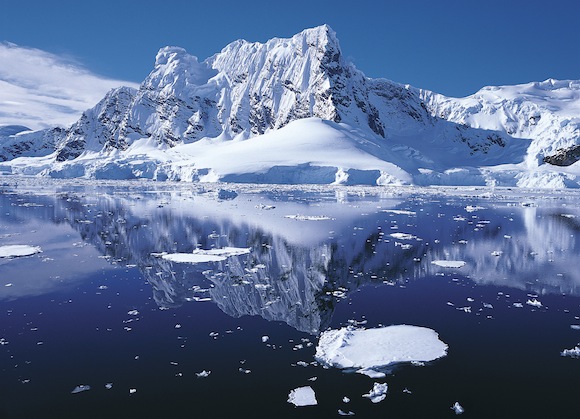
Antarctic Melt Under The Sea

West coast of Antartica

Photograph by Robert Harding/Corbis

A blog post at the New Yorker‘s website rounds up recent news from the Antarctic’s underwater environs, and its not what could be mistaken for good:

It’s been an exciting news month for the polar ice sheets. A study published on May 28th in the journal Nature indicated that, fourteen thousand six hundred years ago, the rapid shedding of Antarctic icebergs raised the world’s median ocean levels by six and a half feet in a little more than a hundred years. That bit of paleoclimatology comes on the heels of a pair of studies, published two weeks ago, concluding that glaciers in the West Antarctic have passed a tipping point and are now doomed to disintegrate and melt. Sea levels will rise by four feet, and up to ten feet if the rest of the West Antarctic ice sheet follows. A third study concluded that parts of Greenland’s ice cap will be eaten away from below, since it is piled atop newly discovered canyons, which will allow warm ocean water to encroach inland for up to sixty-five miles. The rising waters won’t be witnessed by anyone reading this post, as the really big effects lie hundreds of years in the future. But, if the predictions are correct, all of Florida south of Fort Lauderdale will eventually drown. So will broad swaths of the coastal countries bordering the Indian Ocean. Continue reading

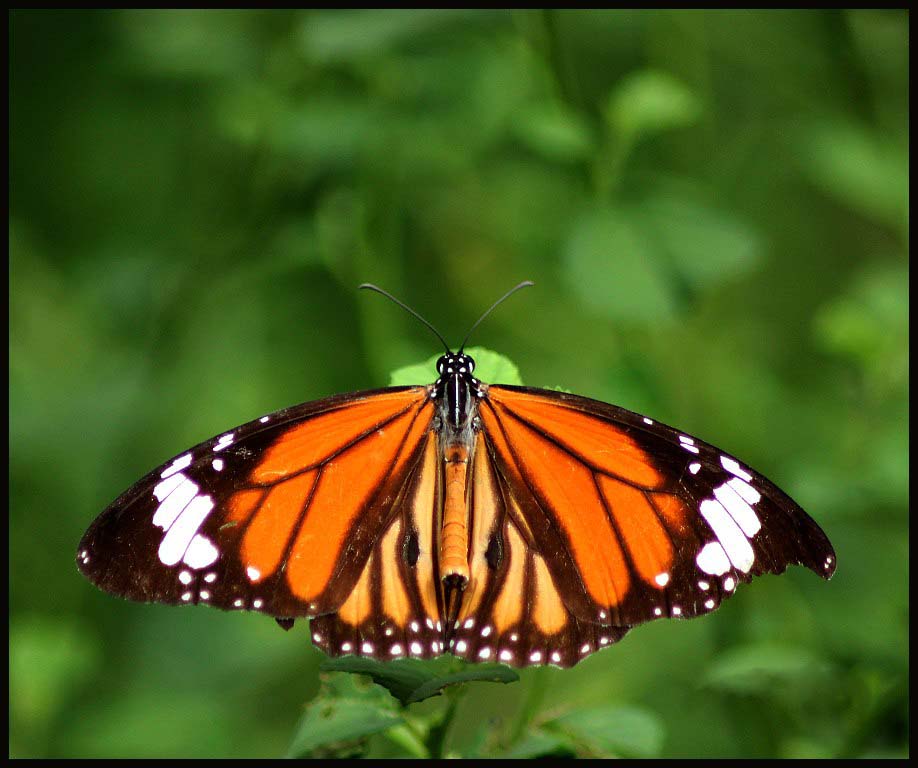
Common Tiger Butterfly

The Common Tiger Butterfly is found across the Kerala’s Western Ghats up to 2500 meters. These butterflies prefers open forest, flying close to the ground in wooded habitats and migrating to the higher hills during summer. Continue reading

Reading Recommendations For Raxa Collective’s Extended Community, And From Raxa Collective Interns

Many universities in the western and northern regions of the world are concluding their academic years about now as summer break begins, which means it is time for Raxa Collective to begin welcoming interns. Some who join have already completed their undergraduate degrees, and prior to beginning their “real” careers they come to spend time in one of our communities, collaborating with our staff, local communities, etc..

One such case is a contributor who has just completed an undergraduate degree; before heading to New England to pursue Ph.D. studies he will carry out projects at Xandari that will allow him to perfect his Spanish language skills. Since he is going to be in the same community as these people below, starting in August, we post this “suggestions on summer reading” article from Harvard Gazette as a prompt for James to make his own summer reading recommendations in a new post. If he takes us up on this prompt we will see who follows his lead and shares their own reading recommendations…

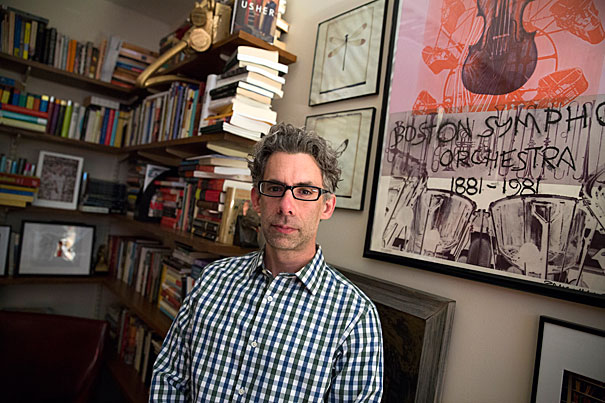
Stephanie Mitchell/Harvard Staff Photographer. Yeats and Bishop made Bret Anthony Johnston's summer reading list but, he said, "I’m eager to happen upon unexpected used bookstores, tag sales, and library fundraisers, where I often buy books outside of my typical reading inclinations."

Stephanie Mitchell/Harvard Staff Photographer. Yeats and Bishop made Bret Anthony Johnston’s summer reading list but, he said, “I’m eager to happen upon unexpected used bookstores, tag sales, and library fundraisers, where I often buy books outside of my typical reading inclinations.”

Bret Anthony Johnston
Paul and Catherine Buttenwieser Director of Creative Writing

This summer I’m going to read W.B. Yeats and Elizabeth Bishop, and “Wynne’s War,” a new novel by Aaron Gwyn about special forces on horseback in Afghanistan.

Continue reading

Calveri Mount, Idukki

Photo credits : Dileep

Photo credits: Dileep

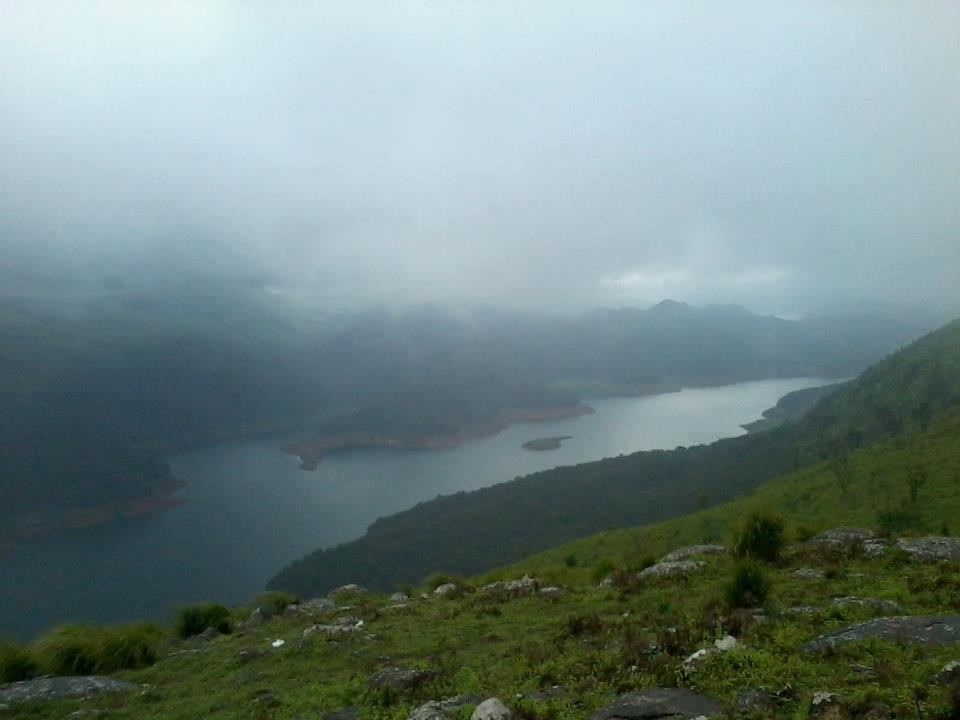
Calveri Mount is a beautiful destination, situated on the high ranges of the Western Ghats about 40 kilometers from Periyar Tiger Reserve. From Calveri Mount one can experience a spectacular panoramic view of Idukki reservoir – the biggest arch dam in India. The location also offers great trekking and the scenic beauty of Idukki’s valleys and high-altitude hills.  Continue reading

Portraiture Of Self-Sufficiency

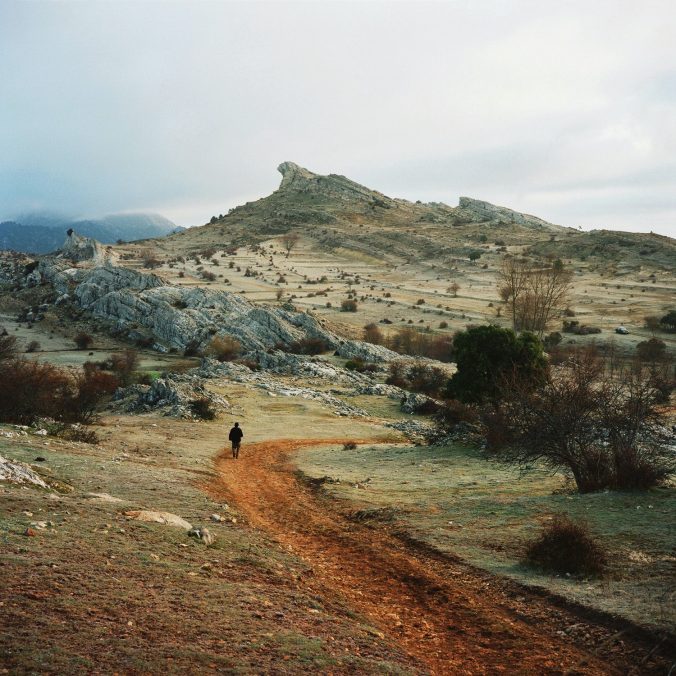
A view of the village of El Pardal, Sierra de Cazorla, Spain, 2013.

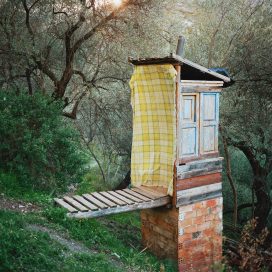
A composting toilet, Sierra Nevada, Spain, 2013.

Many contributors to our platform here, and its readers, have probably considered life off-grid.  Most will experiment during their travels, but stop short of the full monty, which would mean divestiture or most/all possessions and hitting the road. Thanks to this photographer (and the New Yorker‘s far-reaching sampling) for giving us both candid and portrait-like views into some examples of “self-sufficient” lives:

In 2006, while he was backpacking in Australia, the French photographer Antoine Bruy signed up with an international exchange program for volunteers who want to work on organic farms.

Continue reading

If You Happen To Be In Norwich

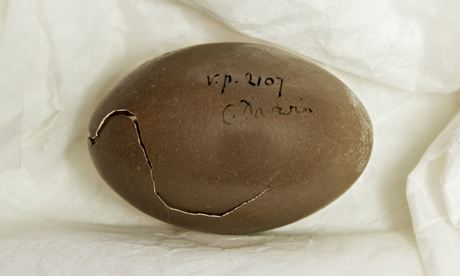
An egg mistakenly cracked by Charles Darwin is among the items in The Wonder of Birds exhibit. Photograph: Norwich Castle Museum & Art Gallery

An egg mistakenly cracked by Charles Darwin is among the items in The Wonder of Birds exhibit. Photograph: Norwich Castle Museum & Art Gallery

Thanks to the Guardian for pointing us to an exhibition that will be of interest to ornithologically-inclined readers of this blog:

It is an unassuming object, a smallish, strangely glossy brown egg, and it is broken because of the carelessness of the last person you would expect – Charles Darwin.

“He squashed it into too small a box and it cracked, unfortunately,” said curator Francesca Vanke, explaining the state of the spotted tinamou egg going on display at Norwich Castle Museum and Art Gallery.

The object is the only known surviving egg from Darwin’s HMS Beagle voyage during the 1830s. Probably drawn to its glossy sheen, Darwin signed it C. Darwin and brought it back to Britain after collecting it in Uruguay. Continue reading

Relationships Across The Boundaries Of Photography And Architecture

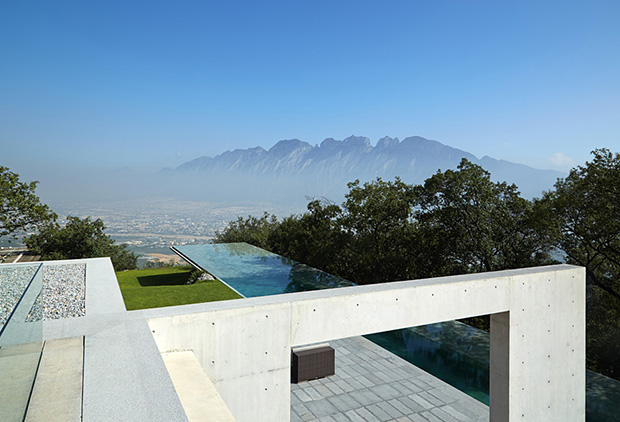
Tadao Ando's Monterrey house, by Edmund Sumner

Tadao Ando’s Monterrey house, by Edmund Sumner

Thanks to Phaidon for this story on the relationship between architecture and photography, or rather architects and photographers:

By the time Edmund Sumner was given his first camera, at the age of eight, he was already surrounded by, and wholly obsessed with, design. Edmund’s father was an interior designer whose clients included the likes of The Rolling Stones; his sister took up the paternal profession, while his brother became an architect.

Sumner, for his part, decided to photograph buildings for a living, and working with his wife, the architectural journalist Yuki Sumner, has specialised in architectural photography, with particular emphasis placed on contemporary Japanese design.

Continue reading

Ekambareswar Temple – Tamil Nadu

Photo credits : Renuka Menon

Photo credits: Renuka Menon

Located in Kanchipuram in the state of Tamil Nadu, Ekambareswar Temple is one of  the famous Hindu temples dedicated to Lord Shiva. This vast temple, covering an area over 40 acres, is one of the most ancient in India having been in existence since at least 600AD.

Continue reading

New York Public Library’s Good And Sensible Decision

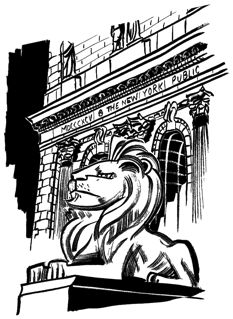
ILLUSTRATION: TOM BACHTELL

ILLUSTRATION: TOM BACHTELL

Thanks for this (and other recent) attention from the New Yorker‘s stable of super-writers (and others, elsewhere) on a topic of ongoing interest to us, especially this important comment:

The New York Public Library’s announcement that it is abandoning its Central Library Plan has been praised as a good and sensible thing, and indeed it is. The C.L.P. would have sold off the Mid-Manhattan Library and the Science, Industry, and Business Library (called sibl; five of its floors not open to the public have been sold already). The collections of those libraries would have been moved to the main research library, on Fifth Avenue, and elsewhere. That hundred-and-three-year-old edifice (now known as the Stephen A. Schwarzman Building), with the stone lions out front, would have been reconfigured: seven floors of its stacks taken out, a lending library added to what had been a research library only, more than a million books moved off-site, and a four-level atrium and other new elements put in, following a design by the architect Norman Foster. Continue reading

Congratulations, Annie Leonard And Greenpeace

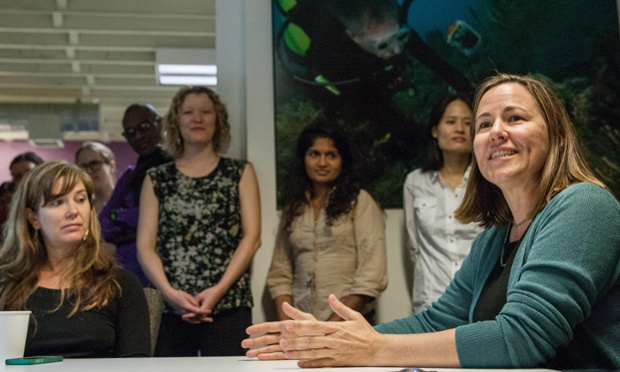
Annie Leonard, a veteran environmental campaigner, is taking over as the new head of Greenpeace USA. Photograph: Erin Lubin/Greenpeace

Annie Leonard, a veteran environmental campaigner, is taking over as the new head of Greenpeace USA. Photograph: Erin Lubin/Greenpeace

We have linked to her work more than once, and this time it is a story of her new commitment that pulls our attention in her direction (thanks to the Guardian for their coverage). Just as we have noted about Paul Watson, not everyone agrees with all the tactics of environmentalists and the organizations they lead, but it is still our interest to share moments of importance like this one:

One of the first things Annie Leonard was asked on being named the new leader of Greenpeace USA this month was: are you willing to get arrested?

“I said: ‘Absolutely! I just need to figure out who is going to drive the car pool’,” Leonard told The Guardian. “It’s going to be interesting being a single mum doing this,” she said.

The last time Leonard worked for Greenpeace, over 20 years ago, the campaign group was known – only half-jokingly – as “boys and their boats”, because of its reputation for dangerous, high-visibility actions. Continue reading

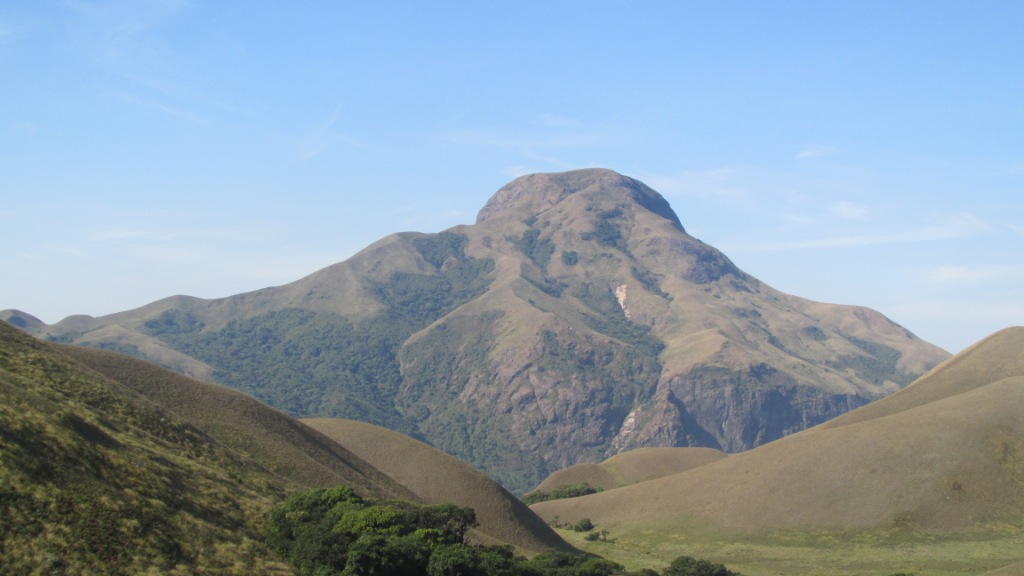
Anamudi Peak – Munnar

Photo credits :  Salim

Photo credits: Salim

Anamudi Peak, highest peak in South India, is situated in Idukki district at Munnar. The slopes of the hills abound in all kinds of rare flora and fauna.The peak is on the southern end of Eravikulam National park and can be reached on foot from there, a technically easy hike on grass slopes. Continue reading

Please Contribute To Kerala’s State Heritage Survey


Thanks to the Hindu’s ongoing coverage of this important work:

The Centre for Heritage Studies at Tripunithura is embarking on a novel effort to document the state’s heritage.

The research and training institute is planning a heritage survey that will stretch across the state and involve the work of students, senior historians, local body officials and the common man.

“We will train students and they will go to the panchayat and ward levels to conduct the heritage survey. The students will speak to local body officials, people across the social strata, elders in the community, and anyone else who can contribute to the study of the region’s heritage,” said N.M. Nampoothiri, dean of academic affairs of CHS. According to Dr. Nampoothiri, the students will go door-to-door and collect information about historical documents, artefacts, architecture and the oral history of each region. The interdisciplinary survey would provide a detailed picture of the social, economic, and political structures of each region. Continue reading

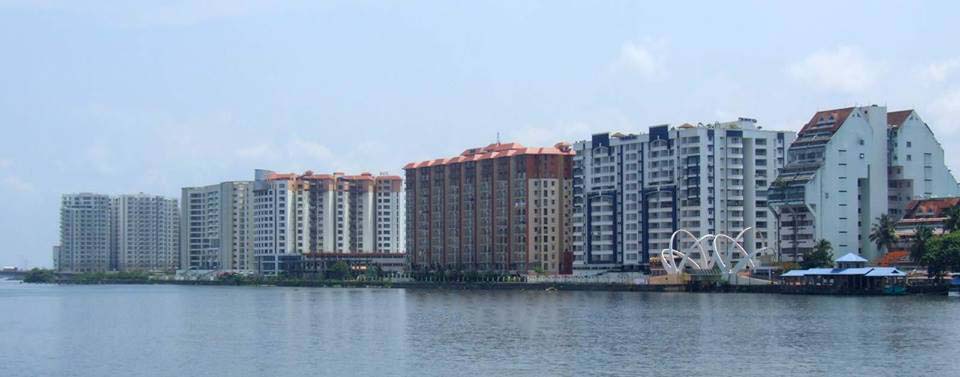
Booming City – Cochin

Photo credits : Remash Kidangoor

Photo credits: Remash Kidangoor

Cochin is one of the largest and fastest growing cities in Kerala. Situated on the coast of Arabian sea, it is one of India’s major port cities. Cochin is considered as the gateway to Kerala for attracting national as well as international tourists. Continue reading