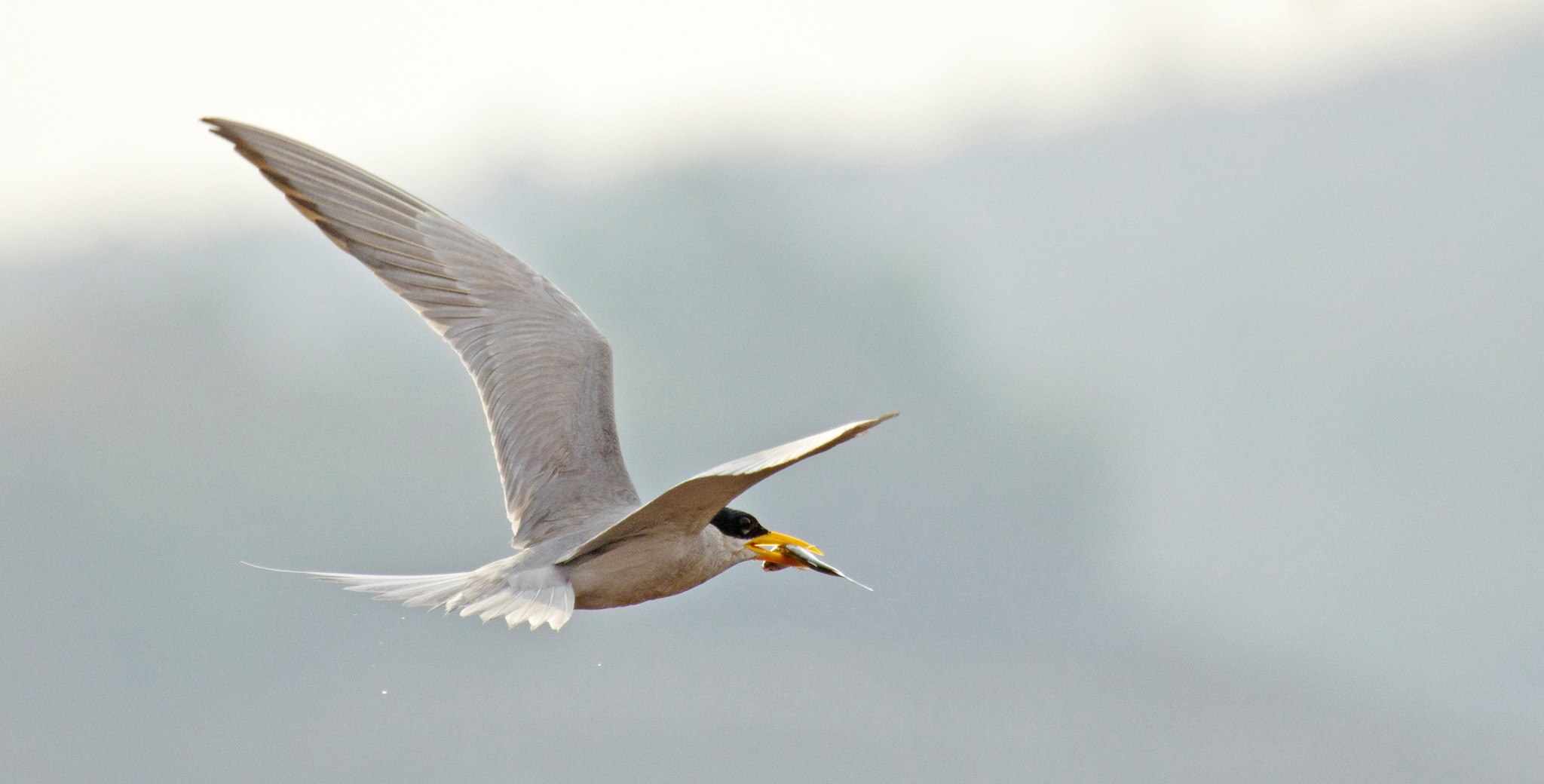

Photo credits: Dileep Kumar
The flower shows at Bangalore’s famous Lalbagh Botanical Gardens are annual events that add another reason to attract visitors to the beautiful gardens. More than 175 varieties of flowers and vegetables are on display. The showcase also features huge floral structures in the shape of mangoes, mushrooms, coconuts and more. Continue reading
The world of birding, it is safe to say, is growing. Occasionally we read about a noted person having established a passion for birdwatching and/or related conservation. Normally we do not take a humorist literally, but David Letterman, in announcing his retirement, seemed to give birds and in particular a newfound interest in bird identification a special credit in realizing he wanted to do something else with his time now:
…Letterman told the audience that people have always asked him how long he would continue to host. His answer is usually, “When this show stops being fun — I will retire 10 years later.”
Continuing his tale, Letterman said that he wanted to share an anecdote: Last fall, he went fishing with his 10-year-old son, Harry, and during the outing, they saw a giant, crazy-looking bird. So when Letterman got into work that following Monday, he spent the entire day making calls to bird societies, e-mailing the photo to his outdoorsy friends, and launching a full-scale investigation to find out what type of bird they saw. Continue reading
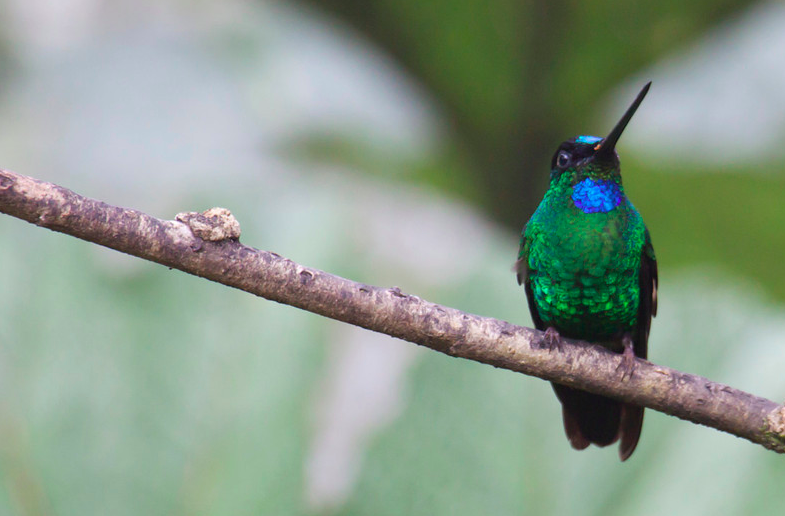
Yanacocha Reserve, Ecuador
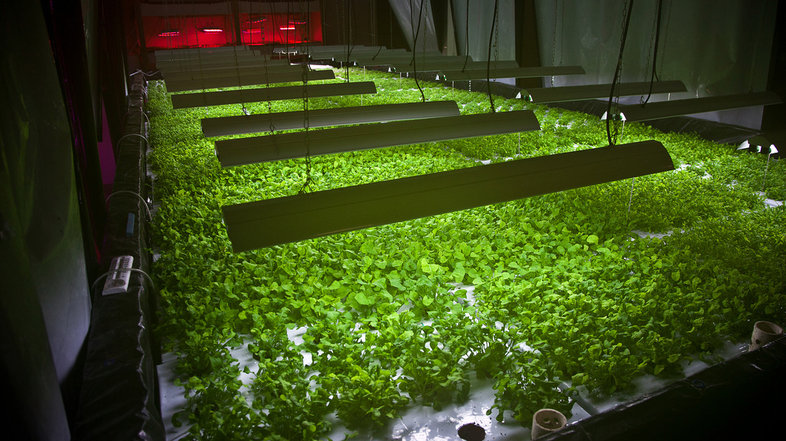
Arugula plant beds inside The Plant, a vertical farm operation in Chicago. Plant Chicago, NFP/Rachel Swenie
Thanks to National Public Radio (USA) for this story on their weekly program called The Salt:
From plant factories fueled by the magenta glow of blue and red LED lights, to the 30-foot tall Ferris wheel for plants in Singapore, we’ve shown you the design possibilities for growing vegetables up instead of out.
But critics ask, what kind of stresses does that put on the plant? And how do you feed this kind of intensive cultivation without spending more than what you get back in the harvest? Continue reading

Photo credits: Jobsun
The Bappiriyan Theyyam is mostly performed in the Kannur district, a major center for Theyyam in the north of Kerala. The most significent aspect of this Theyyam is that the performer climbs to the top of a coconut tree, sometimes even dropping a couple of coconuts when he’s there. Continue reading
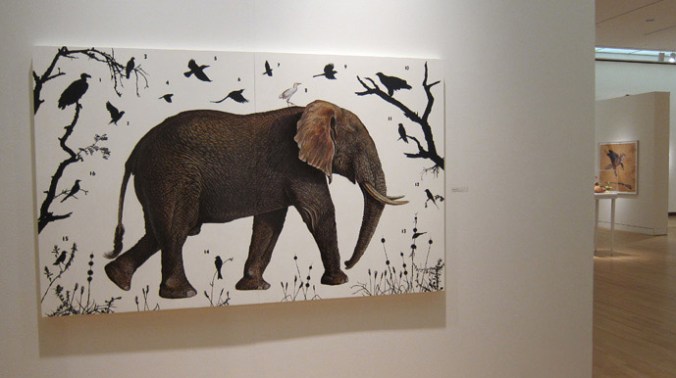
We have been following James Prosek since first learning about his work, and more recently have been looking for an opportunity to catch one of his in-person exhibitions. This opportunity is just around the corner:
Naming Things in the Natural World
Monday, Apr. 21, 2014
9:30 a.m. Welcome reception with Coffee
10 a.m.-2:30 p.m. Program
Continue reading
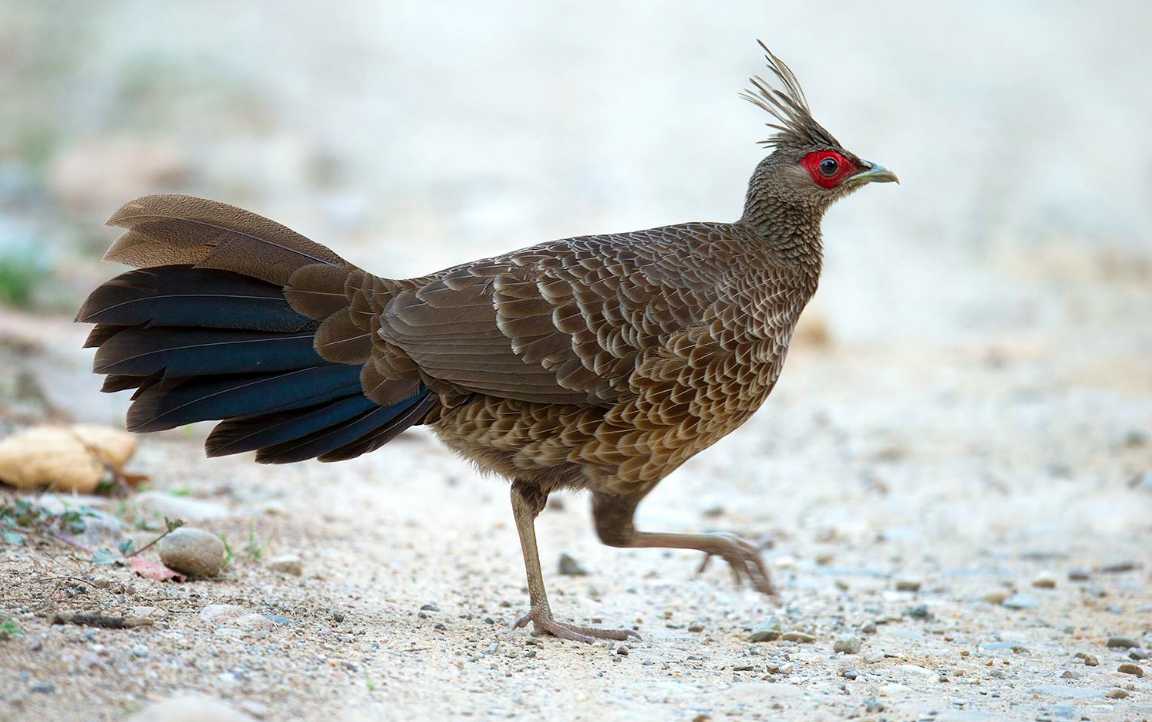
Corbett National Park, Uttarakhand
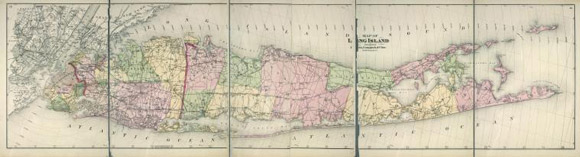
It has been a while since we have seen any old maps of Iceland, or old images of anything for that matter, so combined with a few select Raxa bloggers receiving a near-final copy of Seth’s honors thesis for review a few moments ago, this announcement came as a pleasant surprise:
Last week, the New York Public Library released twenty thousand maps from its extensive collection, which includes more than four hundred thousand sheets and twenty thousand books and atlases, as free, high-resolution digital downloads. In announcing the newly accessible maps, the N.Y.P.L explained that the holding includes more than a thousand maps of New York City from the seventeenth century to the twentieth century, “which detail transportation, vice, real estate development, urban renewal, industrial development and pollution, political geography among many, many other things.” Continue reading
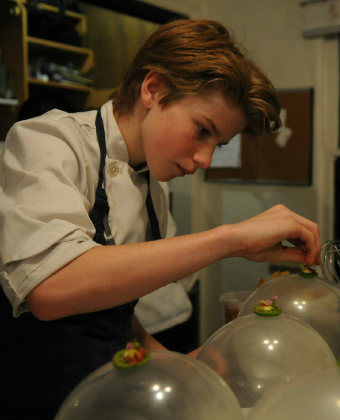 Awesome people get invited places. Awesome people who cook well, probably even more so. We think Flynn, who we first learned about when he was 13 years old, and who we were reminded about more recently in his 15th year of awesomeness, qualifies:
At the age of ten, Flynn McGarry wanted to cook. He began practicing his knife skills afterschool, and then soon after started creating dishes, simple at first, for a few of his mother’s friends. At eleven, came the purchase of Thomas Keller’s The French Laundry cookbook, then Grant Achatz’s Alinea. The influence was immediate…
As noted more than once recently, development of 51 and Spice Harbour have sensitized us to the intersection between food, art, and design so Flynn’s story continues to thrill us. Continue reading
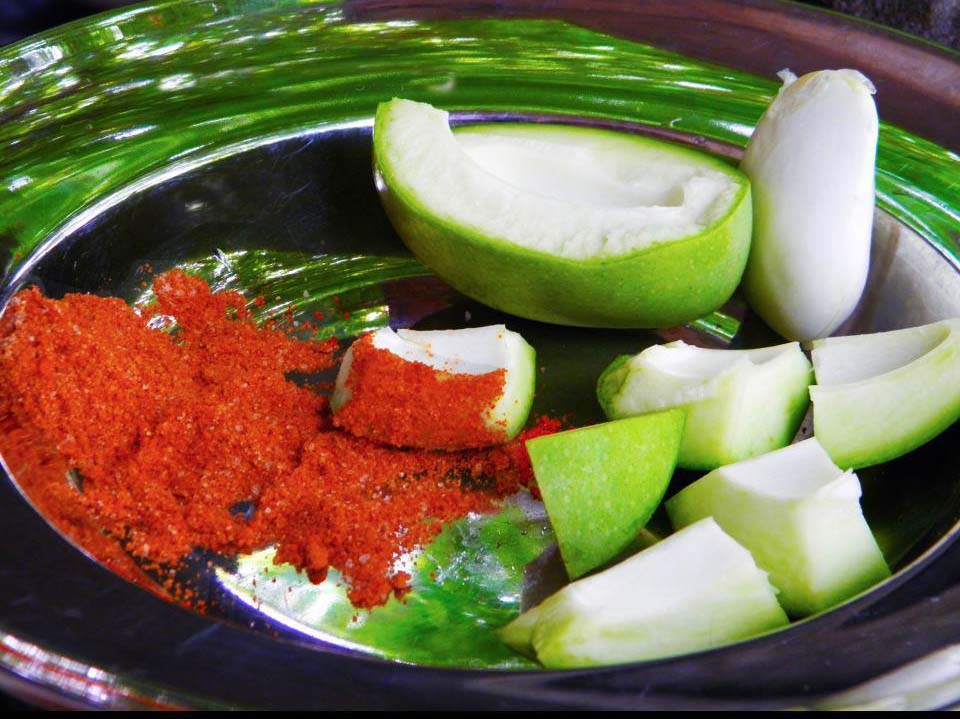
Photo credits: Sachin
Both delicious and easy to prepare, Mango Pickle is an important condiment addition to most Kerala meals. The main ingredients of this spicy and tangy condiment are raw mango, salt, red chili powder, turmeric powder, fenugreek seeds, fennel seeds, mustard oil and vinegar.

What with Spice Harbour and 51 design projects behind us, and the second biennale just ahead, stories about art, design, food and beverage catch our attention more than ever. On the latter, we might think each craft beer is itself an artist’s design searching for masterpiece status, but we might be wrong:
Milton Glaser Critiques Modern Beer Art
The 84-year-old graphic-design legend who created the Brooklyn Brewery identity weighs in on what craft breweries are doing right and wrong.
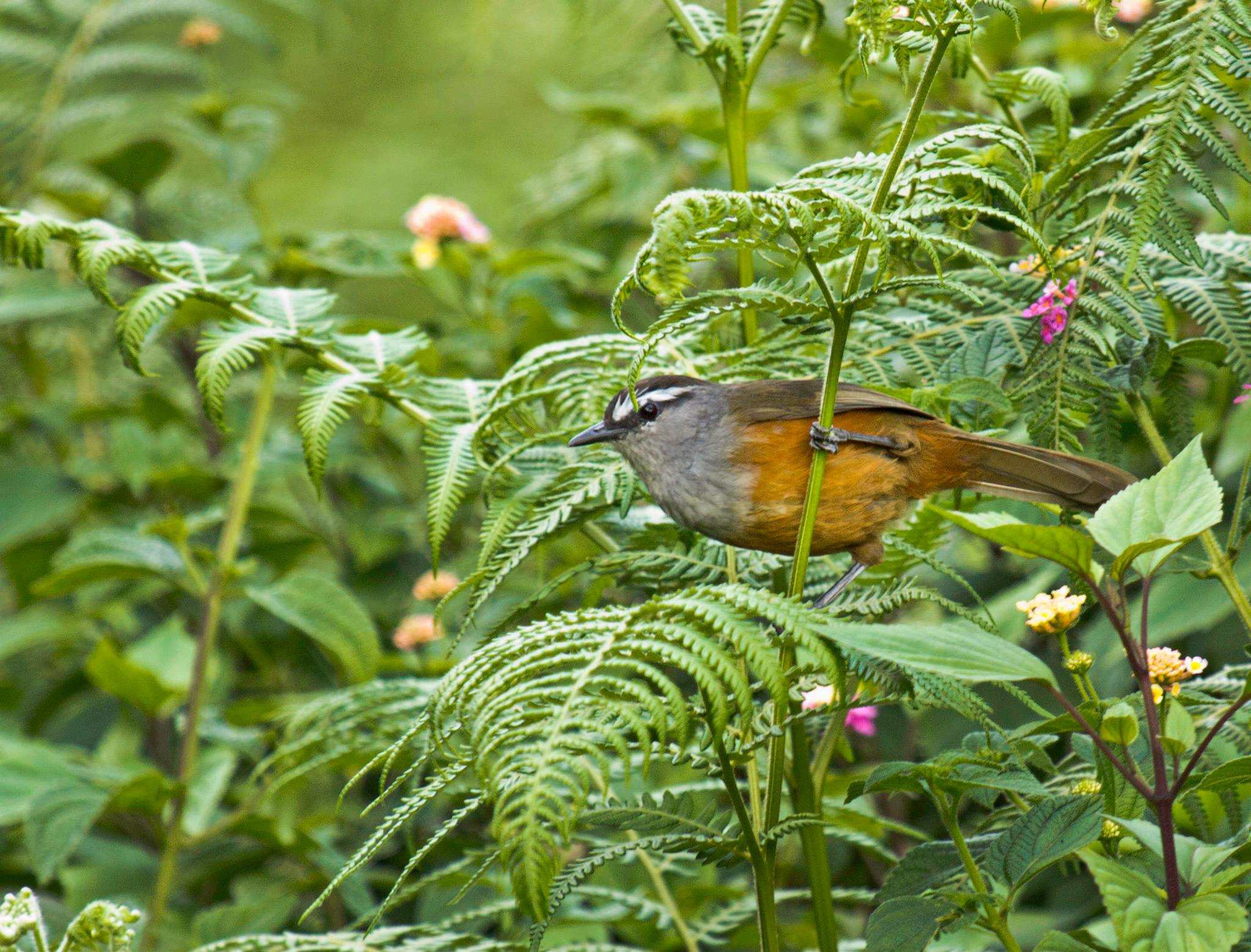
Munnar, Kerala
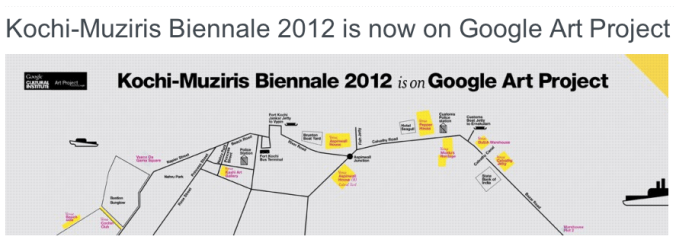
As we finish up our development of Spice Harbour and think about how to sculpt our space into one hospitable to both people and art the flow of news about the second edition of the Kochi-Muziris Biennale is welcome. We’ve written about art in many facets on these pages, including the connection between art and technology. It’s an amusing coincidence that just about a year ago I shared interactive links about the then new, and still very cool, Google Art Project.
So what fun to learn that the Kochi-Muziris Biennale 2012 had “made the cut”, so to speak! It actually isn’t really news, but the good folks at the KMB 2014 website know their social media, and they popped it onto their Facebook page for followers like to me to find, like a wonderful sprinkle of breadcrumbs toward the next edition.
Do you want to revisit and experience the Kochi-Muziris Biennale 2012? Thanks to Google Art Project potentially millions of people across the world can now virtually discover and explore India’s first biennale. With this the Kochi-Muziris Biennale becomes the world’s first and only biennale to be archived and digitized by Google Art Project which has till date only collaborated with museums and other permanent exhibitions. Continue reading
Thanks to the New York Times for the weekly Tuesday Science section:
A CONVERSATION WITH
What Fish Teach Us About Us
Neil H. Shubin, the paleontologist who helped discover a fossil hailed as a missing link between sea and land animals, talks about his television series, “Your Inner Fish,” and why he teaches anatomy classes.

Photo credits: Basheer
Mararikulam beach is located 28 km south of the city of Cochin and 20 km north of Alappuzha town. This nature lover’s paradise is a beautiful beach with the exceptional quality of wide expanses with no waterfront development to mar the views. Continue reading


Luis Guillermo Solis, presidential candidate of the Citizens’ Action Party (PAC), smiles during a walk in San Jose April 4, 2014. REUTERS/JUAN CARLOS ULATE
Raxa Collective is at home in India, which begins the world’s largest democratic elections this week, and in Costa Rica which just concluded its own national elections. We cannot point to many similarities between India and Costa Rica given the differences in size, population, history and just about every other dimension you can think of. But since the late 1940s both have been outlier democracies in their own ways. And maybe that is part of the reason we feel at home in both countries.
We congratulate Mr. Solis and all Costa Ricans on their recent election, and in India, as they say, may the best candidate win. Thanks to Reuters for this update on the election run-off in Costa Rica, and we will highlight as appropriate India’s election results:
A center-left academic who has never held elected office easily won Costa Rica’s presidential election on Sunday, ousting the graft-stained ruling party from power after its candidate quit campaigning a month ago.
Former diplomat Luis Guillermo Solis, of the Citizen Action Party (PAC), won with around 78 percent of votes by tapping in to public anger at rising inequality and government corruption scandals.
His win dislodges a two-party dynasty that has governed the coffee-producing country for decades. It is also another victory for Latin America’s center-left parties, which have steadily gained ground across the region in recent years. Continue reading

A time-honored artisanal endeavor is quietly articulating a 21st century version of industrial production
When we have links to articles reviewing the literature of vegetarian cooking and/or first-person stories, told in multiple parts about the ecological benefits of eating invasive fish species, it is only fitting that we offer information about ecologically sensitive beverages. The community of craft beer producers in the USA in particular has undergone nothing less than a renaissance. Thanks to the magazine website of Conservation for this story:
From the outside, the New Belgium Brewery, located on 50 acres near downtown Fort Collins, Colorado, appears to be an environmentalist’s dreamscape. Company-issued bicycles surround the facility. A parking lot next to the brew house has an electric car charging station. Solar panels layer the roof of the bottling plant. A well-worn biking path snakes across the property. Continue reading
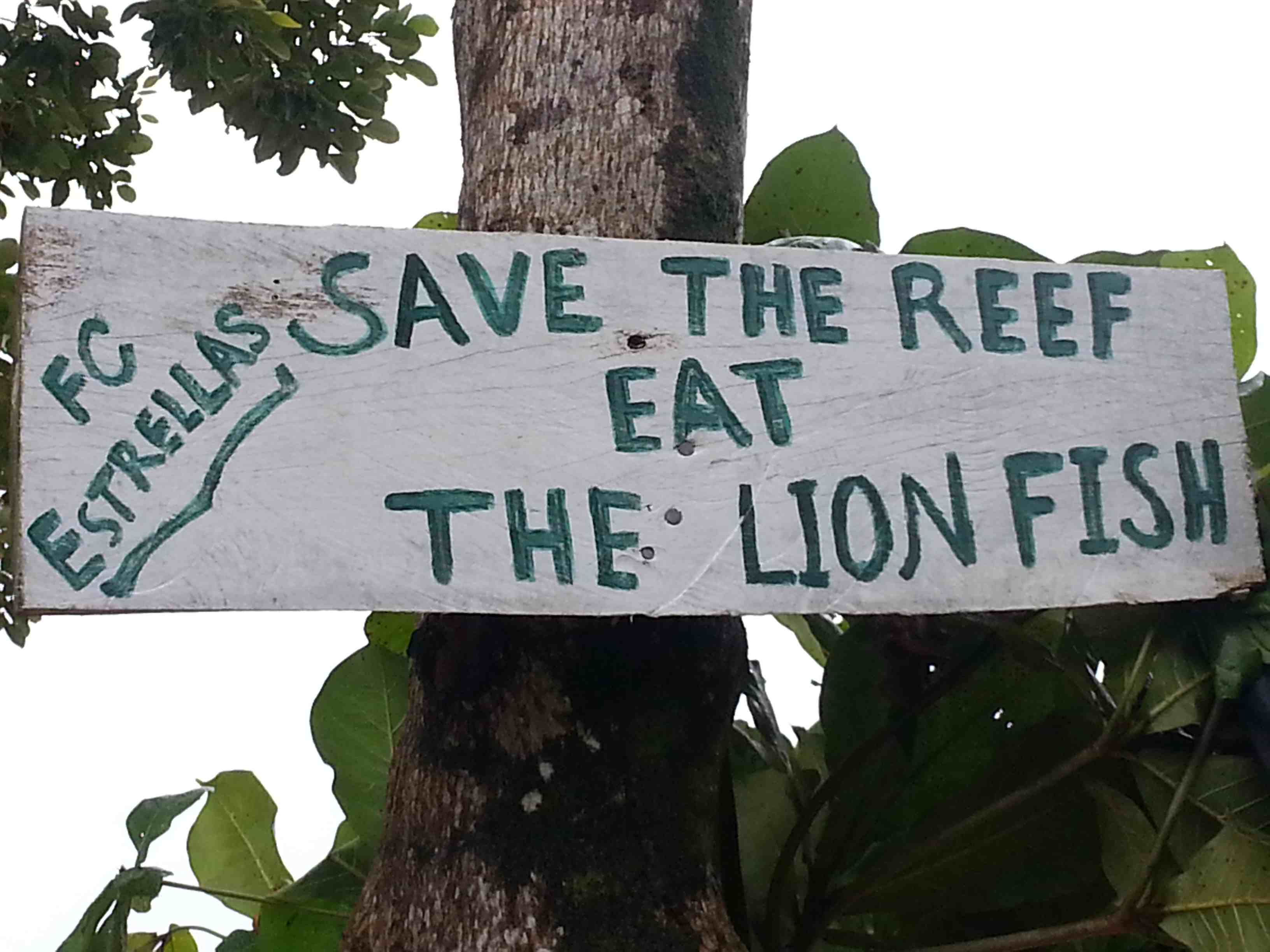
I’ve posted previously about the lionfish invasion that is threatening coral reef and other marine ecosystems throughout the Caribbean, Gulf of Mexico, and Southern Atlantic Seaboard of the United States. As I noted in earlier posts, it is the general consensus of the scientific and conservation community that eradication of lionfish from the Atlantic is impossible. There have been some anecdotal reports that native predators such as groupers and snapper are beginning to recognize lionfish as prey, but there is no systematic evidence, as of yet, of widespread predation. So the conclusion remains that human intervention is the only way to keep lionfish populations in check. The good news is that there is growing evidence that systematic removal efforts can indeed be effective in controlling lionfish populations and in reversing their negative impact on reef health. A study published earlier this year found that populations of snapper and grouper rebound by 50-70 percent once lionfish are removed. And it isn’t necessary to remove 100 percent of lionfish for recovery of native fish populations to take place; the study found that reduction of lionfish populations by as little as 75 percent will do the trick. This is important, given difficulties in reaching lionfish at depths beyond the limits of divers. Also, removal efforts may become more difficult over time, as lionfish on reefs where regular culling takes place begin to wise up and hide from divers (click here for a cute poetic rendition of findings of a study on this behavioral adaptation).
Thus the challenge is to find a sustainable basis on which to undertake the systematic removals that are needed to keep lionfish populations under control. Continue reading

 Organikos