
Yanacocha Reserve, Ecuador
Yanacocha Reserve, Ecuador
We have a soft spot for anyone who, young or old, finds a way to link art and nature. Ricardo Solis has a particular view, one which makes us smile, so here is a bit about him:
Ricardo Solis was born in Guadalajara, Jalisco, Mexico. He graduated from the School of Visual Arts and acquired expertise in workshops taught by outstanding teachers. He has participated in several exhibitions nationally and internationally and his work is in major collections.
From a young age Ricardo was attracted to art and nature. Continue reading

Photo credits: Dileep
Named for the Portuguese word meaning “watering place”, Aguada Fort is one of the largest and best preserved forts in the state of Goa. Portuguese rulers built the fort between 1609 and 1612 for providing a fresh water supply to their passing ships. Continue reading
Horace Dediu
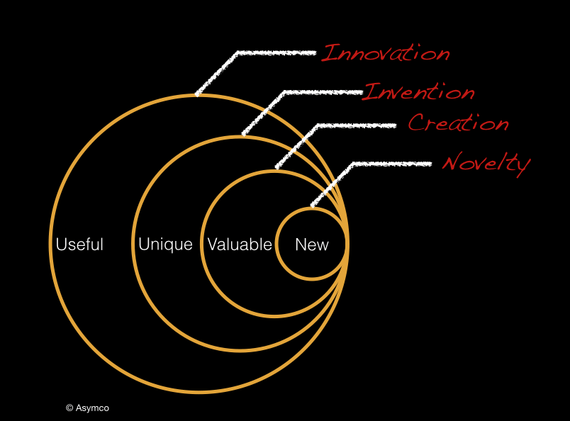
We frequently link to stories about innovation related to protecting natural and cultural heritage, particularly our own favored practice of entrepreneurial conservation. We do so with the hope, and sometimes blind faith, that what we are focused on is not only effective (as in, accomplishing what we set out to accomplish), but also useful (as in, of lasting, rather than just short term value). So, Horace Dediu has our attention. Not the clever new terminology, which is not what we find innovative, but the basic point behind it seems to be:
Innoveracy: Misunderstanding Innovation
Illiteracy is the inability to read and write. Though the percent of sufferers has halved in the last 35 years, currently 15% of the world has this affliction. Innumeracy is the inability to apply simple numerical concepts. The rate of innumeracy is unknown but chances are that it affects over 50% of us. This tragedy impedes our ability to have a discourse on matters related to quantitative judgement while policy decisions increasingly depend on this judgement.
But there is another form of ignorance which seems to be universal: the inability to understand the concept and role of innovation.
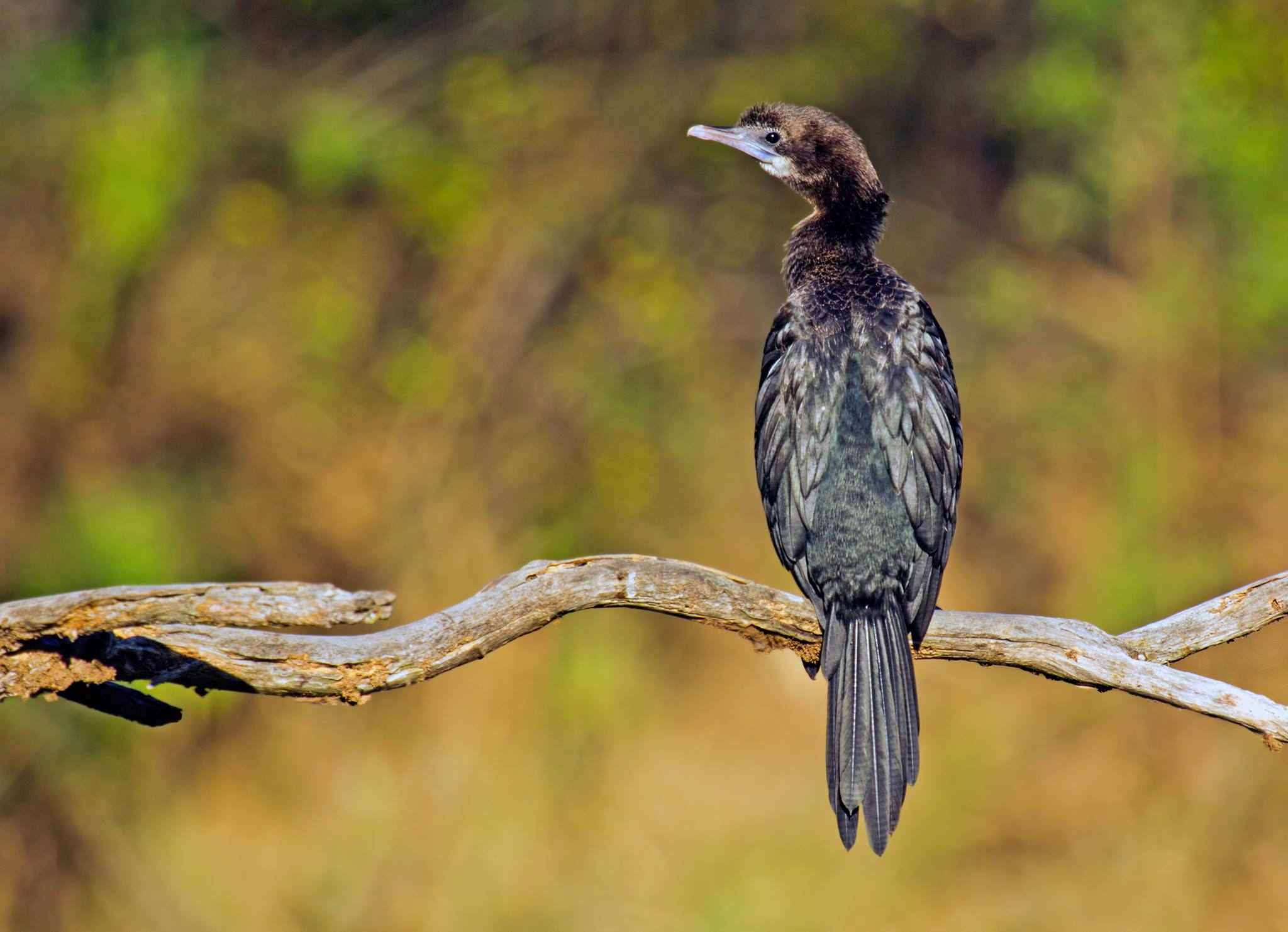
Burkhard Bilger writes about the ongoing effort to explore what may be the deepest cave in the world, located in Mexico. It’s “a kind of Everest expedition turned upside down,” he observes. Above, watch the cavers scale slippery walls, swim through frigid water, and make camp in a cloud forest, as Bilger narrates.
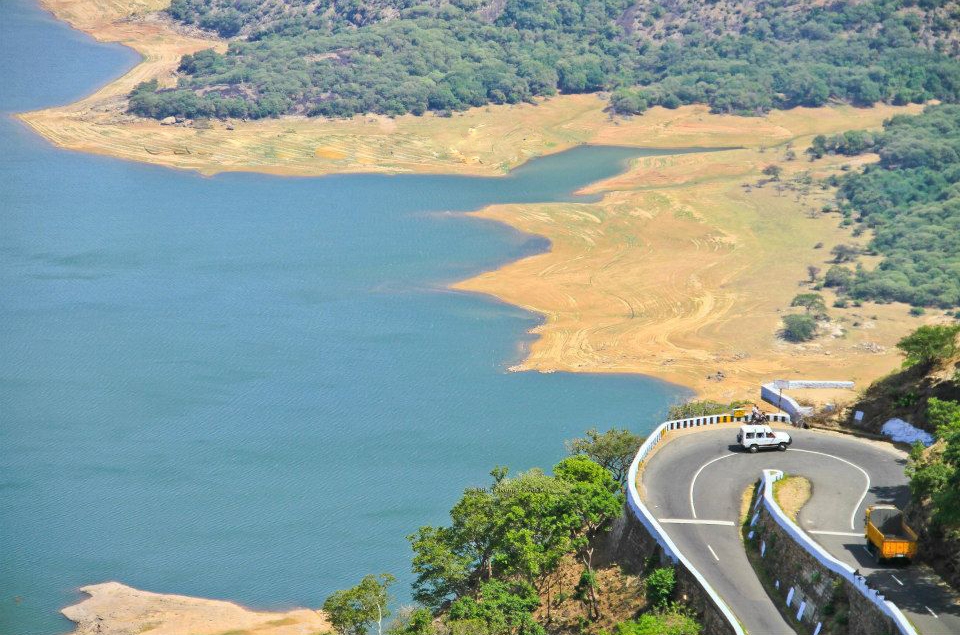
Photo credits: Dileep
Aliyar dam is situated in the Coimbatore district of Tamil Nadu. Constructed over a ten year period between 1959-1969, Aliyar dam is the source for canal irrigation for large tracts of agricultural lands in the bordering regions of both Kerala and Tamil Nadu. Continue reading
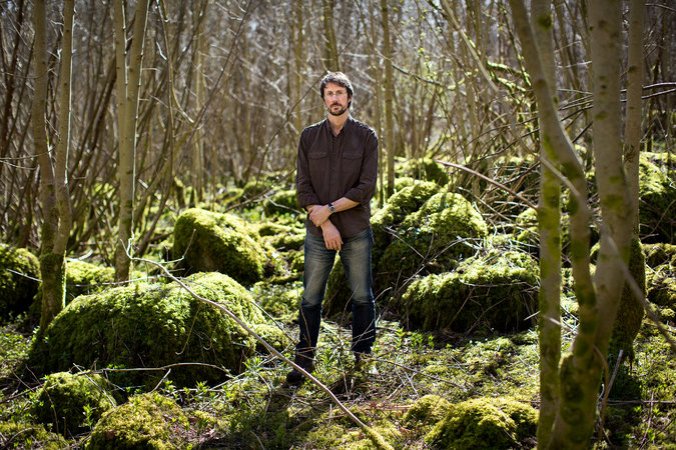
Paul Kingsnorth. Photo by Kenneth O Halloran
Collapsitarian sounds decidedly like the opposite of our approach on this platform, but in this profile I recognize observations and motivations, and even actions if not conclusions, out there among the practitioners. Read the story in this week’s New York Times Magazine:
By DANIEL SMITH
After decades of fervent environmental activism, Paul Kingsnorth decided it’s too late — collapse is inevitable. So now what?
If that seems intriguing, and especially if you want to smile and even laugh a bit, visit Paul Kingsnorth’s website:
OAQs
(Occasionally Asked Questions)
Could you puff yourself up in a few paragraphs of third person prose please?
Certainly. Paul was born in 1972. He studied modern history at Oxford University, where, as well as studying, he edited the student newspaper and was politically radicalised by his involvement in the road protest movements of the 1990s. Continue reading
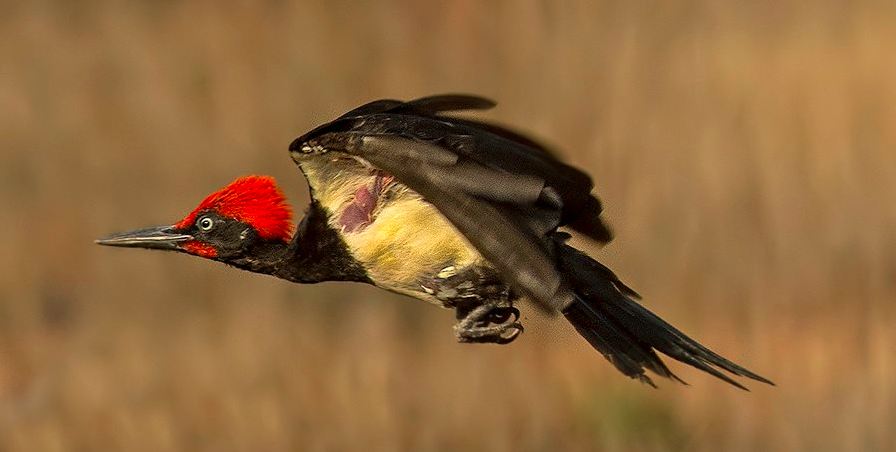
Kabini Backwaters, Karnataka
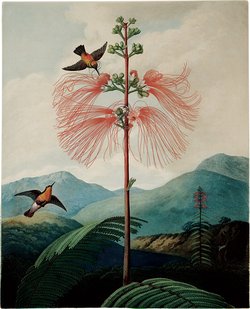
The Large Flowering Sensitive Plant, whose ‘plant electricity,’ Oliver Sacks writes, ‘moves slowly…as one can see by watching the leaflets…closing one by one along a leaf that is touched.’ Illustration from Robert John Thornton’s The Temple of Flora (1799–1807), published in a new edition by Taschen.
Thanks to the New York Review of Books for engaging one of the great thinker-researcher-writers of our time for this story The Mental Life of Plants and Worms, Among Others:
Charles Darwin’s last book, published in 1881, was a study of the humble earthworm. His main theme—expressed in the title, The Formation of Vegetable Mould through the Action of Worms—was the immense power of worms, in vast numbers and over millions of years, to till the soil and change the face of the earth. But his opening chapters are devoted more simply to the “habits” of worms.
Worms can distinguish between light and dark, and they generally stay underground, safe from predators, during daylight hours. They have no ears, but if they are deaf to aerial vibration, they are exceedingly sensitive to vibrations conducted through the earth, as might be generated by the footsteps of approaching animals. All of these sensations, Darwin noted, are transmitted to collections of nerve cells (he called them “the cerebral ganglia”) in the worm’s head.
18 April 2013
Prepare the International Day on Monuments and Sites!
India does not appear on the Events list, but no matter. We take matters into our own hands. Cardamom County‘s relationship with its neighbor, Periyar Tiger Reserve, is stronger than ever; River Escapes has been a pioneer of ecological good practices in Kerala’s backwaters; and now Spice Harbour is contributing to the renaissance of Mattanchery. We encourage our readers, if close to any of the events, to join in:
At the heart of the work of ICOMOS lies the understanding, the protection and the conservation of those structures, sites and ensembles whose interest is linked to history and memory. The value of these elements of our cultural heritage is associated with the history of societies and peoples, as well as the arts and sciences they developed.
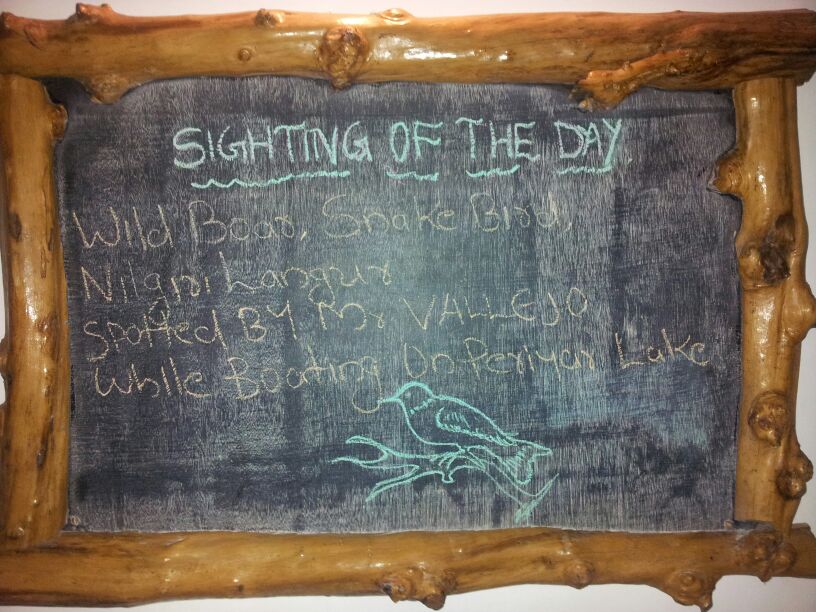
Sighting of the day
It has been a while since we have shared our guest sightings at the Periyar Tiger Reserve. Some guests carry cameras to capture every moment and some just like enjoying the moment. Our reception chalk board gives people the opportunity to share those experiences with others–in this case not in photos but their memories.


In case you do not already know about him and his writing on topics related to modern technology as it intersects with the law, the post excerpted below by Tim Wu is a good place to start. It seems possible to simultaneously agree with the specific point of this post, and also be confused with the general implication. Agreement could stem from reading enough of Tim Wu to implicitly trust his expertise. Confusion could stem from the itinerary planning screen-captured and shown above, which reminds that not everything we buy is re-sellable. Still, we click “Hold” to ponder this just a bit more to hopefully clear the fog:
…we tend to overlook the milder forms of truth-stretching that have come to shape online living, and it’s hard not to. They’re often perpetuated by big and reputable companies, like Apple, Seamless, and Amazon.
Take search. General search sites, like Google and Bing, are pretty straightforward: you type in a query and get results ranked by some measure of relevance; you also see clearly marked advertisements. This experience tends to shape our expectation that searches deliver relevant results. But the same search on sites like Amazon or Seamless turns up not only relevant results but disguised advertisements, as well. Continue reading

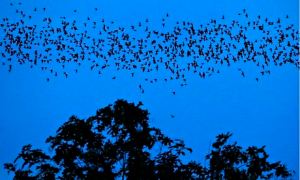
Scientists believe wrinkle-lipped bats could prevent annual paddy losses of nearly 2,900 tons, enough to feed 26,000 people for a year. Photograph: Barbara Walton/EPA
Good news out of Thailand for both bats and rice and also for the concept of mutually beneficial coexistence:
Bats that prey on a major rice pest in Thailand could save paddy harvests worth millions of dollars and help contribute to better food security, claim scientists in a paper published in Biological Conservation.

Photo Credit: Renjith
Pesaha Appam is a traditional food made by Kerala Christians only during Maundy Thursday, the Thursday of holy week. The eldest member of the family blesses and cuts the Appam and distributes it to the rest of the family members. Continue reading

Atanasio, a cliff-face opening in the Sierra de Juárez mountains of Oaxaca, Mexico. The mountains are home to the Chevé system, some eighty-five hundred feet deep—potentially the deepest cave in the world.
The writer who brought you the inside scoop on wild things gone wild, brings you a journey deep into the earth:
On his thirteenth day underground, when he’d come to the edge of the known world and was preparing to pass beyond it, Marcin Gala placed a call to the surface. He’d travelled more than three miles through the earth by then, over stalagmites and boulder fields, cave-ins and vaulting galleries. He’d spidered down waterfalls, inched along crumbling ledges, and bellied through tunnels so tight that his back touched the roof with every breath. Now he stood at the shore of a small, dark pool under a dome of sulfurous flowstone. He felt the weight of the mountain above him—a mile of solid rock—and wondered if he’d ever find his way back again. It was his last chance to hear his wife and daughter’s voices before the cave swallowed him up. Continue reading

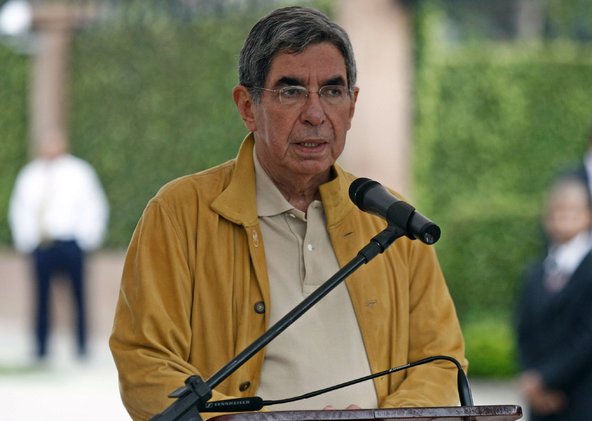
Jeffrey Arguedas/European Pressphoto Agency
I was rushing through an airport recently, in transit between one workplace and another, when the man in the picture above walked past me and our eyes connected; we both stopped. We were not in his country or mine. There was no reason for him to remember who I was, but I had good reason to greet him with “Mr President, you are looking well.” The man has not seemed to age a day since I first met him nearly 20 years ago.
To my astonishment, he recognized me and reminded me that our last meeting was in his office in Costa Rica with a group of conservation-oriented investors interested in that little country’s commitments to its national park system. Oscar Arias played an important role, as President nearly three decades ago, and then again as President in the last decade, innovating a more sustainable future for the national park system, and these investors were interested to hear his views.
Lest anyone misinterpret this as an exercise in name-dropping, my point in mentioning this is very much the opposite. Costa Rica, to use a great metaphor from an otherwise not great sport, “punches above its weight class” in conservation, in health indicators, in education, and even in happiness.
This explains its success in attracting foreign direct investment, and makes all the more remarkable that a Nobel laureate who has twice been president of Costa Rica is approachable and friendly, generous with his time. It is the Costa Rican way, without regard to status. He has time to say hello to a random gringo in an airport. He has time to come to India to say hello to the 15o million new voters (added to the hundreds of millions of experienced voters) engaged in the current exercise of the world’s largest democracy: Continue reading
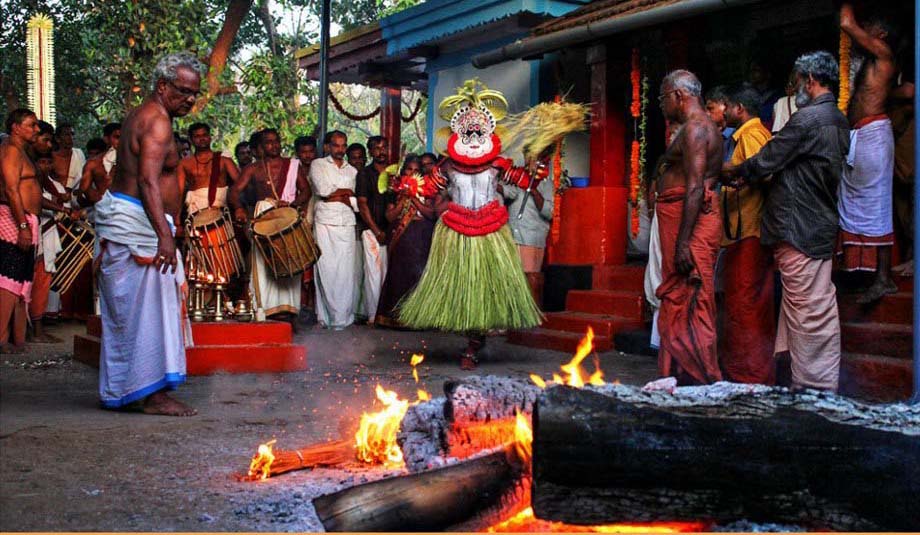
Photo credits: Jayaraj
Pottan Theyyam is a colorful ritualistic dance that forms an integral part of the cultural scene in North Kerala. Dressed in ribbons of tender coconut leaves, with his face hidden behind a mask, the Theyyam dances in a frenzied spell, throwing himself on burning red hot embers and walking on fire without getting burnt. Continue reading


