Amazon Not Prime

Screen Shot 2014-04-04 at 9.06.54 AMJeff Bezos wants Amazon to be “Earth’s most customer-centric company.” What do customers’ interests and concerns include? We believe customers increasingly care about the environmental practices, and cultural impact, of companies they buy from.

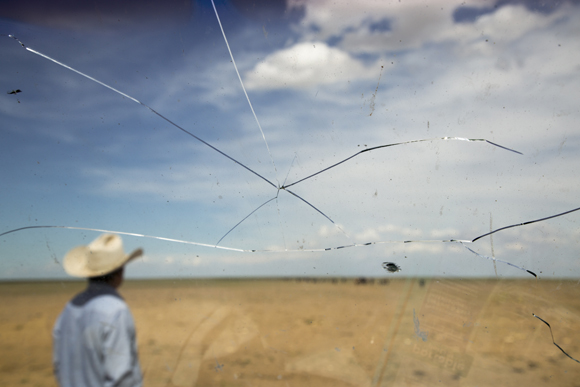
George Packer published a profile of Amazon in mid-February that raises questions about the modern form of capitalism, especially with regard to its impact on culture. Today in a follow up blog post about Amazon on the New Yorker’s website Packer brought to our attention this study about cloud computing’s best and worst corporate citizens. Amazon does not fare well in the analysis. Click the image to the left to go to the full publication, but start with the quick summary below:

Executive Summary

For the estimated 2.5 billion people around the world who are connected to the internet, it is impossible to imagine life without it. The internet  has rewoven the fabric of our daily lives – how we communicate with each other, work and entertain ourselves – and become a foundation of the global economy.

Seemingly on a daily basis, new businesses that use the internet as their foundation are disrupting and often replacing long-standing business models and industries. From music and video to communications and mail, more and more of our “offline” world is moving online. We can expect that trend to continue and accelerate as the global online population reaches 50% of the world’s projected population, moving from 2.3 billion in 2012 to an expected 3.6 billion people by 2017. Continue reading
Bharani Festival Kodungallur – Thrissur

Photo credits : Jithin Vijay

Photo credits: Jithin Vijay

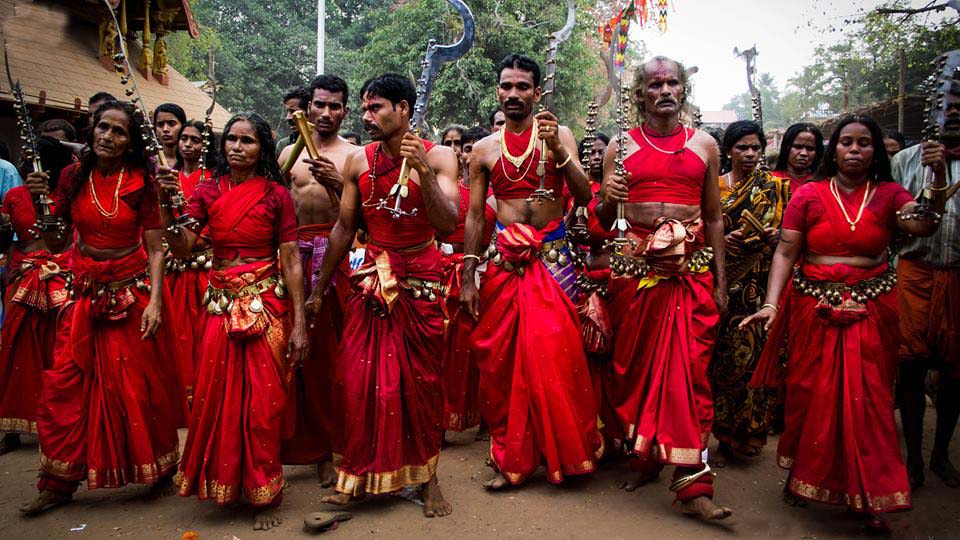
The Kodungallur Bharani Festival is celebrated in the Kodungallur Bhagavathi Temple to commemorate the extermination of the demon Darika by Bhadrakali. This festival attracts the largest congregation of Velichappadu or oracles in Kerala. A series of unique rituals are performed during the festivities. Continue reading

Perchance To Dream

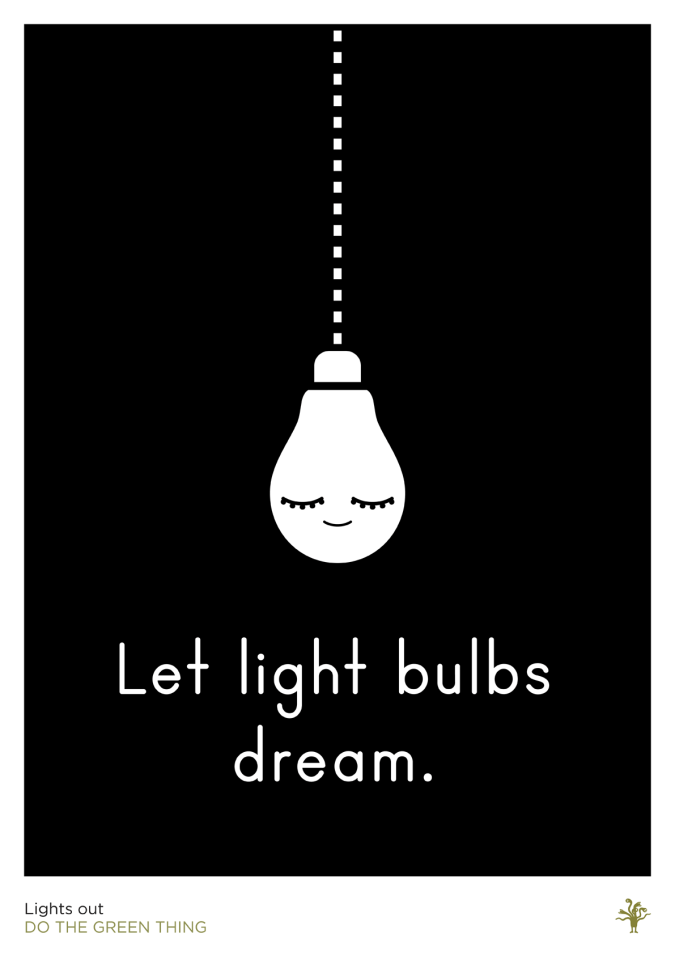
Endearing, yes, unless “Lights Out” makes you think the way Philip K. Dick did about dreaming while inanimate, or even as Shakespeare did; dark stuff that, but we get the point of our friends at this great initiative:

Design company Hudson-Powell have created this rather endearing poster, encouraging us to show light bulbs a bit of compassion.

“In the Shinto religion inanimate objects are often given a persona or spirit to help people relate to them in a more humanistic way and to create a dialog with the object. Taking this idea and applying it to light bulbs, making them delicate living things that need rest and can dream seemed like a playful way of getting people to remember to turn them off.”

Why? Continue reading

Artisan Trending

artisanal_image_main_HArticle

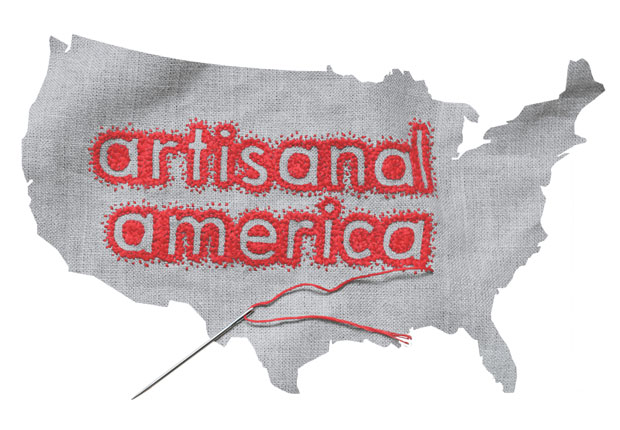
Details is not one of our regular go-to publications, and trendy is not our thing, but this story is worth a read if only for the fascinating graphics:

This is a handcrafted story. Assembled according to the time-honored traditions of the delightfully anachronistic magazine industry, it was carefully conceived by a small group of experienced editors, then slowly stitched together around locally sourced quotes, each word expertly tailored to your reading enjoyment (stitched—a nice word, isn’t it?). The author, emerging from the seclusion of his quiet work warren, submitted the piece only after it had met his exacting specifications and according to no schedule but that dictated by the work itself.

Continue reading

Traditional Ironing Box

Photo credit : Dileep

Photo credit: Dileep


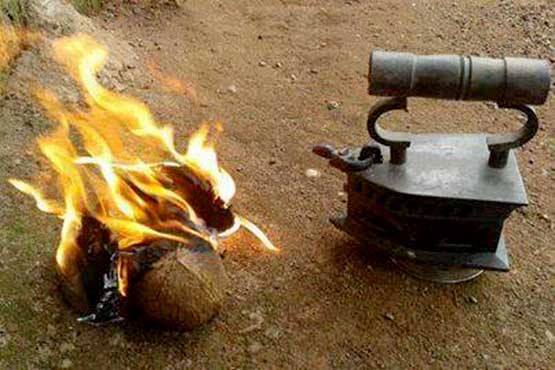
Charcoal ironing boxes were heated with smoldering coals that were taken from a fire and placed inside a box on the top of the iron. The lid of the box had a handle, which allowed people to hold the hot iron as they ran it over clothing, smoothing out wrinkles. In Kerala the box was traditionally made of bronze.

Continue reading

Bring Your Own Bottle

tumblr_mrzmgv3ZXg1qz5g9bo1_1280

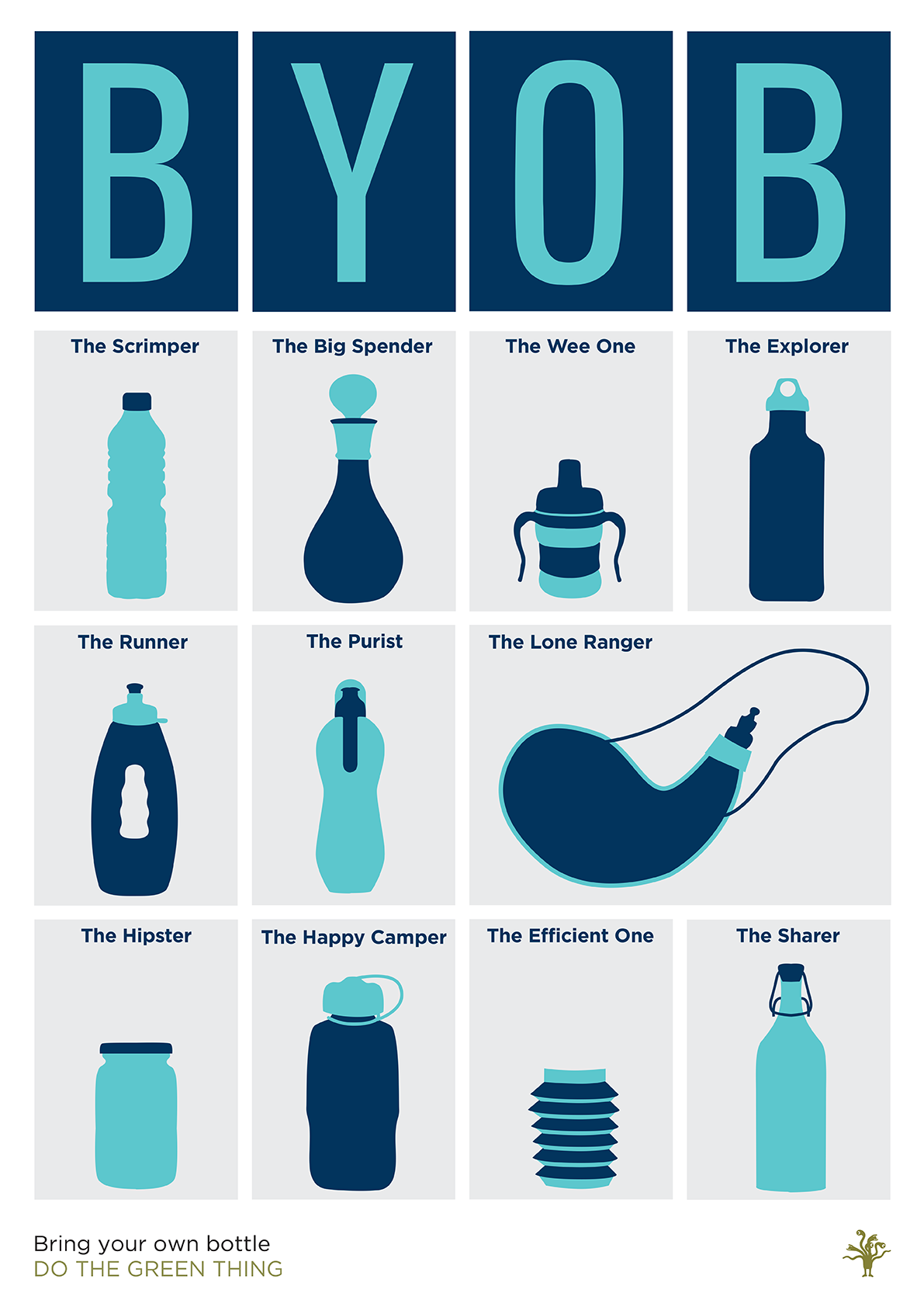
The image above is a reminder for us, as much as it is a pass along to you. After finally securing, in early 2013, a supply of beautiful glass water bottles for all of our restaurants and guest rooms in Kerala, Raxa Collective has been working for the last year to source a reusable and conveniently portable water bottle. The Earth Hour original purpose of the series of which the above poster is a part has a long tail of utility. Today we give thanks for “BYOB” by Rebecca Penmore, one of the altruistic designers at Pentagram giving us more clarity on why we should re-use:

On a hot summer’s day when hydration was the name of the game, Pentagram designer Rebecca Penmore noticed that our bottles of tap water are much more than liquid containers – they are an extension of our personality.

“The aim of my poster is to encourage people to carry their own bottle of tap water and avoid countlessly re-buying mineral water. I have used the well known acronym BYOB as a simple and straightforward way to communicate this message,” says Rebecca. “Bringing your own bottle is not only an easy way to reduce your global footprint, but it can be a great form of self expression!”

Why? Continue reading

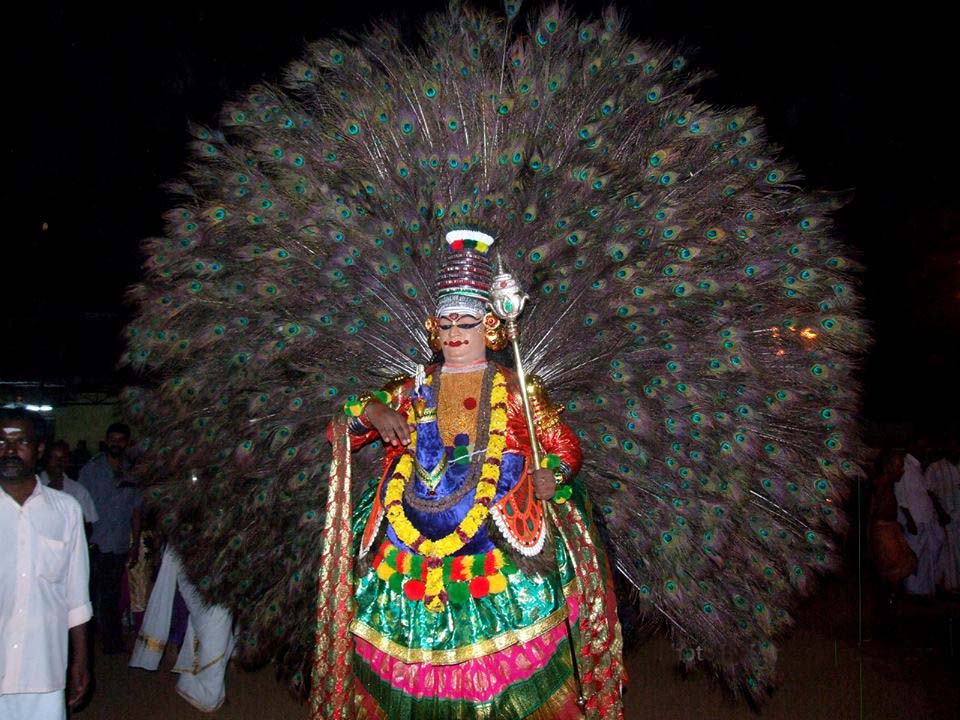
Mayillattam Dance

Photo credits : Ramesh Kidangoor

Photo credits: Ramesh Kidangoor

The Mayillattam Dance derives its name from the Peacock, the celestial vehicle of Hindu Lord Subramania (son of Lord Shiva). Donning the costume of a Peacock, with painted faces, beak, headgear and wings of peacock feather, the dancers perform this ritualistic dance offering. As a ritual, it continues to be practised in the Travancore region. Continue reading

If You Happen To Be In Philadelphia

This slideshow requires JavaScript.

We are on a Prosek roll…Currently, through June in Wood Gallery 227 at the Philadelphia Museum of Art, you can experience an exhibition dear to the heart of many members of Raxa Collective’s team in South Asia, and travelers from around the world, from the artist’s 2008 work:

The Peacock and the Cobra, a portfolio by artist and naturalist James Prosek (American, born 1975), forms the centerpiece of this exhibition. Also on view are a variety of painted pages and other objects from the Museum’s rich collection of art from India and Pakistan. While Prosek is not himself South Asian, the narratives that compose The Peacock and the Cobra invoke a range of ideas and images from the subcontinent. Continue reading

Prosek’s “Wall Of Sillhouettes” Mural

This slideshow requires JavaScript.

James Prosek, who more than a year back we invited to Kerala, has completed the mural that the Cornell Lab of Ornithology commissioned:

Science meets art at the Cornell Lab of Ornithology as the Lab moves toward its centennial celebration in 2015. Artist, writer and naturalist James Prosek’s “Wall of Silhouettes” mural spans the full length of the north wall in the Lab’s visitor center.

The mural of life-sized silhouettes acknowledges the importance of the culture of bird watching to the scientific study of birds, and celebrates the blurred lines between hard science and the intangible beauty of personal experience in the field. Continue reading

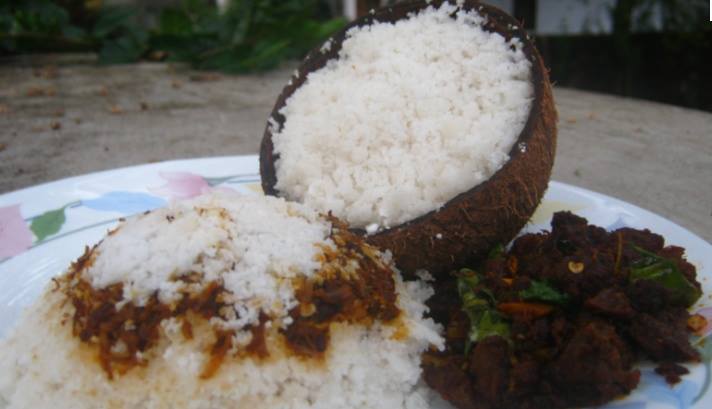
Flavours Of Kerala – Chiratta Puttu

Photo credits : Renjith

Photo credits: Renjith

Chiratta Puttu is a variety of the Kerala Puttu that is steamed in a tube shaped vessel.  The traditional method requires soaking the rice for about one hour. Next clean a half coconut shell and make a hole in the “eye” portion. Boil the water in the Puttu vessel. Continue reading

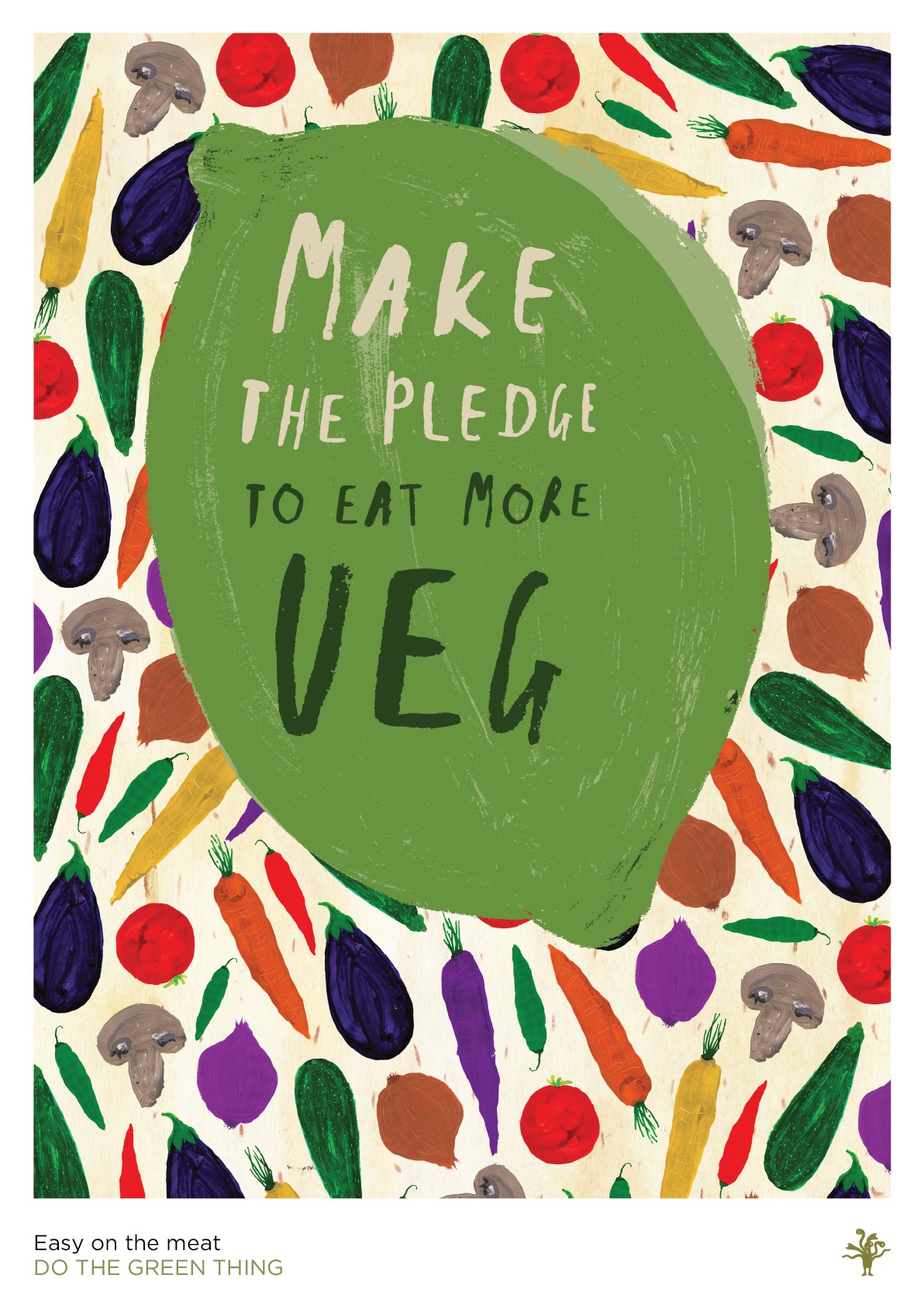
Make The Pledge by Nikki Miles

tumblr_mwb61wXD4G1qz5g9bo1_1280

The day has come. Come! During the last month of food trials at 51, we were looking forward to the day–yesterday–when the doors officially opened and we could invite both vegetarian and non-vegetarian friends to dine, and in particular feast on a roasted vegetable dish rooted in Malabar Coast vegetables and Eastern European foodways. Thanks to another of the Young Creatives for this encouragement on getting non-vegetarians to pledge to add more vegetables to their diet–all it takes is better-tasting veggies, we think, and some creative promotion:

With this playful painting, illustrator Nikki Miles is urging us to make a pinky promise to go easy on the meat and its carbon consequences and enjoy some veg instead.

“I don’t eat a lot of meat but I’m not strictly a vegetarian either,” says Nikki. I have tried being a vegetarian in the past but I found it to hard to give up the odd bacon sandwich or roast dinner with beef gravy.  I only eat meat around once or twice a week because vegetables are yummy too! Eating more veg and less meat is a simple way to make a big difference to your health and the environment.” Continue reading

Climate Change Preparedness

Photograph by Ed Kashi/VII.

Photograph by Ed Kashi/VII. On Monday, the United Nations Intergovernmental Panel on Climate Change released a report on the impacts of global warming, for which it says the world is ill prepared. Elizabeth Kolbert wrote about a leaked draft of the report in this piece, originally published on November 5, 2013.

Not everything we read pleases us. So not everything we post on this site, in spite of our overriding mission to report positive news about conservation wherever we can find it, is meant to draw a smile. Wouldn’t be prudent, as someone once said. Nor would it be prudent to assume someone, somewhere, or anyone anywhere, has taken appropriate measures to even catalogue ways in which we should be preparing for the consequences of climate change. Not if, as some greedy doubt-mongers want people to wonder, but when. Thanks to Elizabeth Kolbert, our favored dismalist on climate change, for this Comment on the New Yorker‘s website:

Late last week, a Web site that claims that there is no scientific consensus on global warming published a leaked draft report on the impacts of global warming. The leak was apparently intended to embarrass the authors of the report, which is the latest installment from the Intergovernmental Panel on Climate Change. However, it seems mostly to have had the opposite effect: Continue reading

Lunchtime, 51

51 LunchAs this post goes up, it is time to step in through the front door of 51. On Bazar Road, neighboring the spice merchants who have been plying their trade for centuries here in the Mattanchery neighborhood of Fort Kochi, you will see this sign on the left side of the road passing from the Brunton Ferry in the direction of the Dutch Palace.

Continue reading

Earth Hour 2014


Earth Hour

Earth Hour

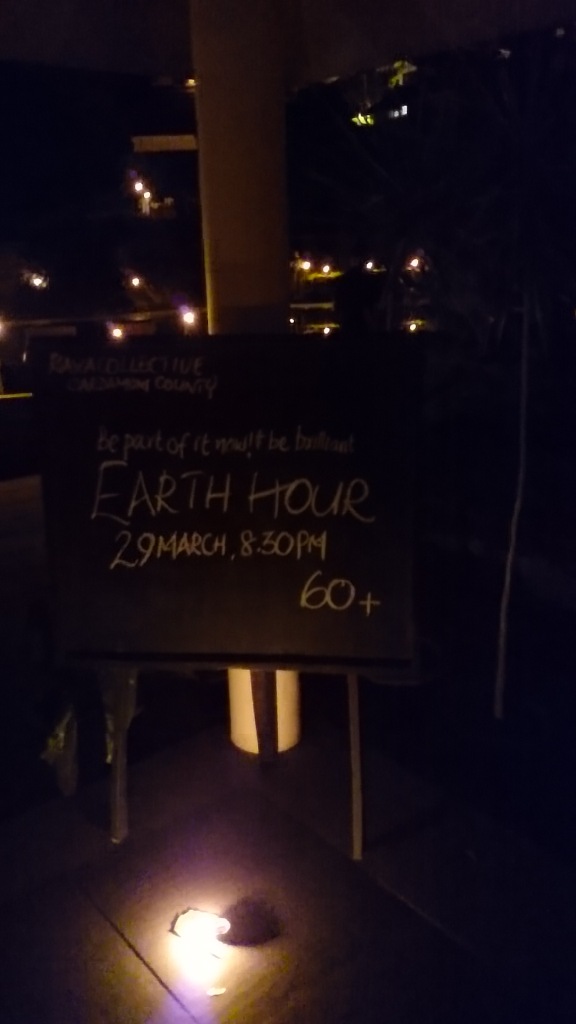
RAXA Collective properties joined the millions of people around the world celebrating Earth Hour on March 29th. Earth Hour is a voluntary movement with the goal to highlight global activism about energy consumption. One hour staggered in local time across the globe people come together and switch off all their electricity. Continue reading

Font Innovation, Greening Government

We like all the dots that can be connected in this story.  First, for our friends at Thought Factory Design, another story about font innovations. Second, the fact that at 14 years old this fellow is thinking about waste reduction in such inventive ways means he may be a candidate for membership on the Young Creatives dream team. Third, a bit of home team pride for several hundred members of Raxa Collective, some of the stories that ran after CNN first reported this mention that Suvir is from a family of Indian origin:

(CNN) — An e. You can write it with one fluid swoop of a pen or one tap of the keyboard. The most commonly used letter in the English dictionary. Simple, right?

Now imagine it printed out millions of times on thousands of forms and documents. Then think of how much ink would be needed.

OK, so that may have been a first for you, but it came naturally to 14-year-old Suvir Mirchandani when he was trying to think of ways to cut waste and save money at his Pittsburgh-area middle school.

It all started as a science fair project. As a neophyte sixth-grader at Dorseyville Middle School, Suvir noticed he was getting a lot more handouts than he did in elementary school. Continue reading