The Canopy Is A Portal

When we first met Dr. Meg Lowman last year we were already familiar with the use of tree climbing techniques for forest biology research. But the pioneer of canopy ecology includes an additional dimension to her REU (Research Experiences for Undergraduates) by acknowledging that physical mobility has little to do with being an effective field biologist. “To explore the canopy we climb ropes not trees, and in the lab we use microscopes, computers and minds, which have no limits.”

The Baker University program had been open to eight students, half of whom had ambulatory disabilities. All eight students were professionally trained to ascend into the canopy to collect moss, lichen and leaves to measure the impact of the invertebrates like tardigrades (water bears) on the habitat. Continue reading

Beauty of Idukki

Photo credits : MN Shaji

Photo credits: MN Shaji

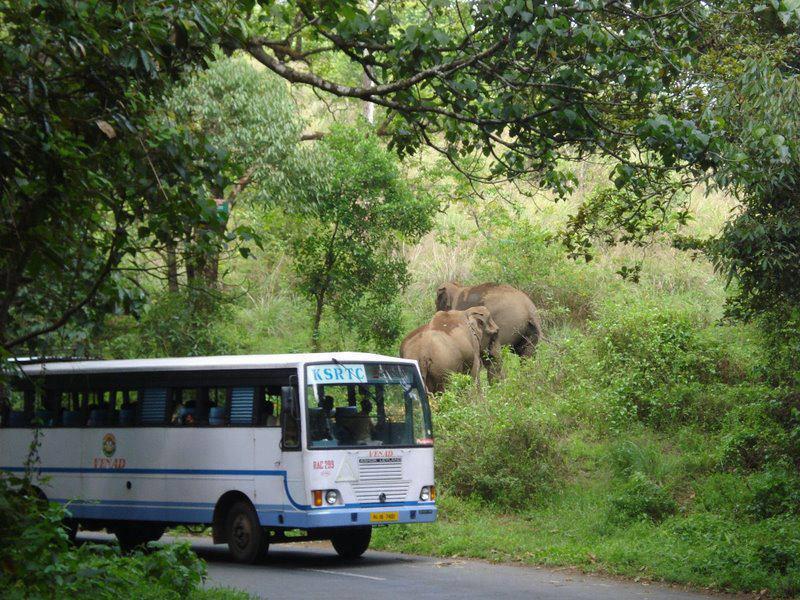
Kerala’s Idukki District is known for its famous dams, forests and rich animal habitat. With an astonishing 50 percent of the total area under green cover this hilly region has managed to retain its charm and pristine environment. Idukki’s stunning natural beauty and diverse wildlife make it   dream tourist destination. Continue reading

How Many Options Does It Take To Change A Lightbulb?

(From left) Incandescent, CFL and LED light bulbs. Many people are finding that choosing the right light bulb has a steep learning curve.

(From left) Incandescent, CFL and LED light bulbs. Many people are finding that choosing the right light bulb has a steep learning curve.

From National Public Radio, an update to the ongoing knowhow required to change a lightbulb efficiently (click the image above to go to the podcast):

Buying a light bulb used to be a no-brainer. Now it’s a brain teaser; the transition to more energy-efficient lighting means choosing from a dazzling array of products.

We’ve long identified bulbs by their wattage, but that is actually a measure of electricity, not the brightness of a bulb. The amount of light a bulb generates is measured in lumens.

An incandescent 60-watt bulb, for example, gives off 800 lumens of light. And LED bulbs, which are more energy efficient than their incandescent counterparts, can deliver the same amount of light using as little as 10 watts.

The Environmental Protection Agency says that if every household replaced just one incandescent bulb with an “Energy Star”-rated LED or CFL (compact fluorescent), Americans would save close to $700 million per year in energy costs.

But with so many types of bulbs with different price points and life spans now on the market, many consumers are confused.

When we asked for your questions about light bulbs, we got an earful. So we called in Noah Horowitz, director of the Natural Resources Defense Council’s Center for Energy Efficiency, to answer your most frequently asked questions. Continue reading

Fascinating Feathers

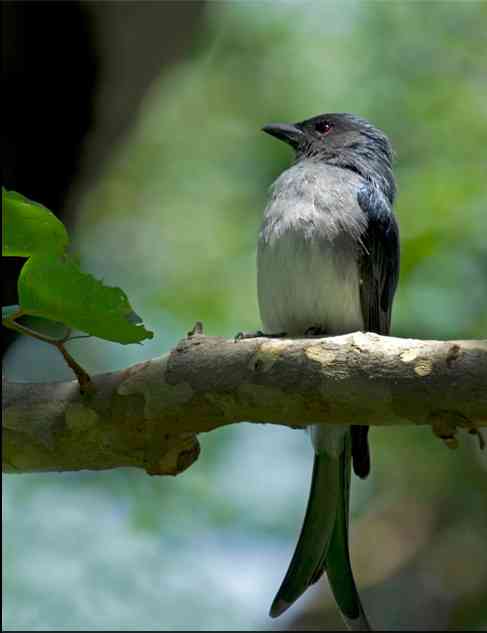
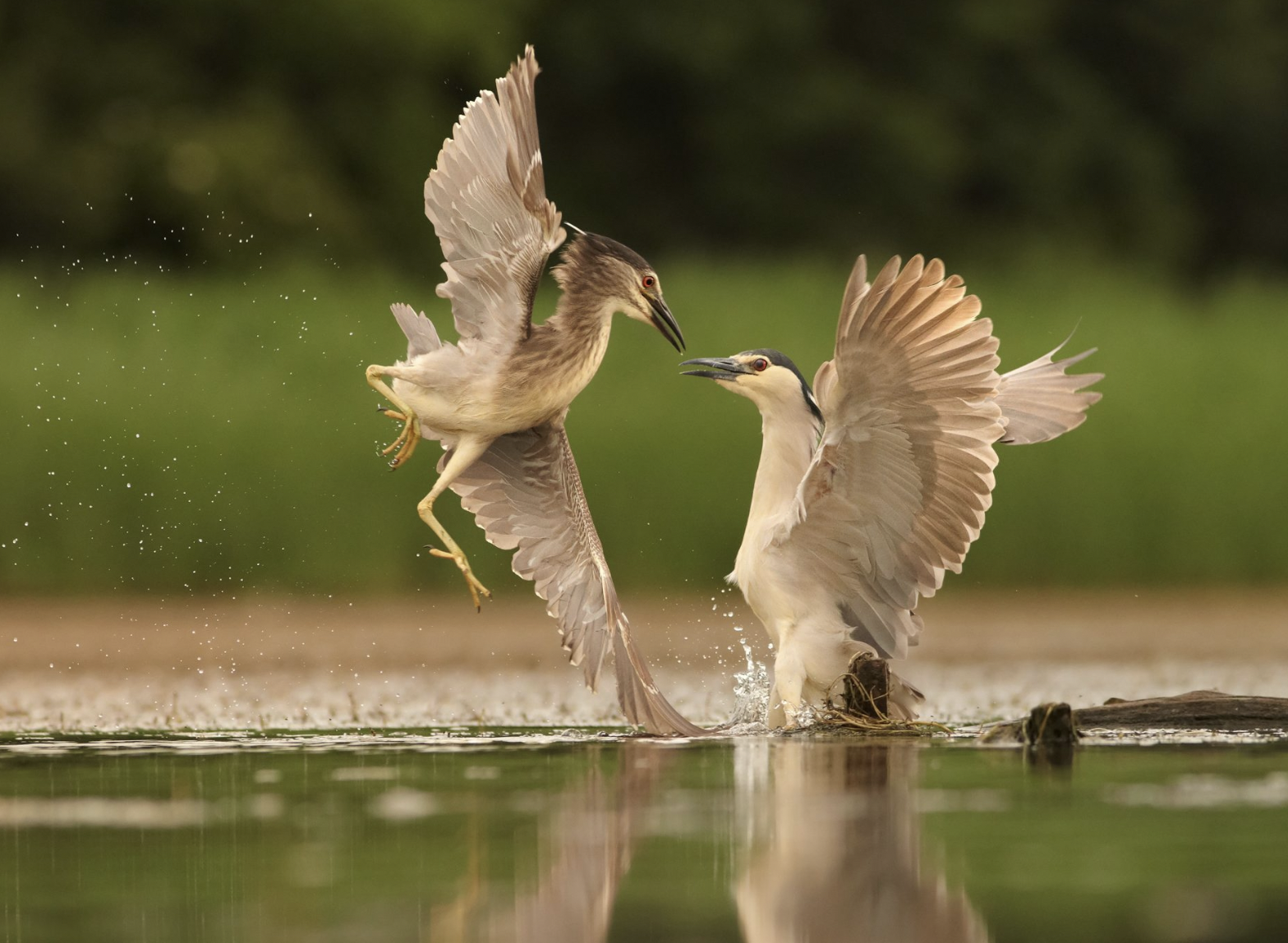
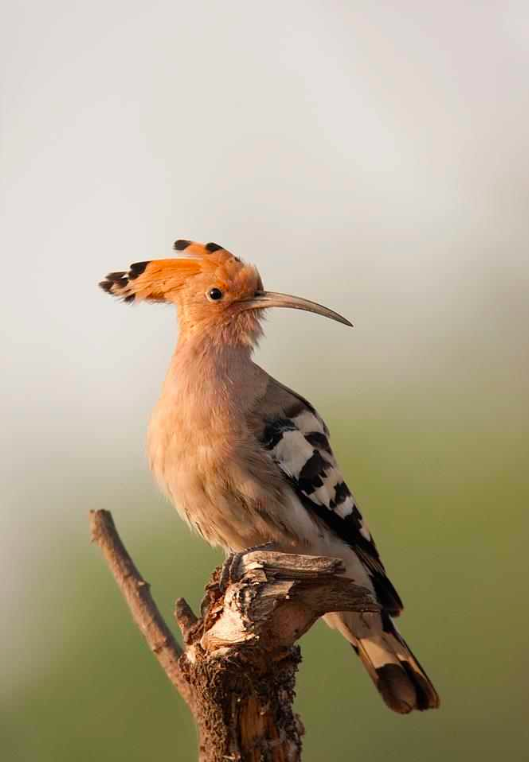
Starting in late November, 2013 and ending in mid-January, 2014, the CUBs Fascinating Feathers Challenge received six hundred submissions, and we selected around fifty of those entries as award-winners in their distinct categories.

Best Dressed was the most popular category for participants, leading us to believe that people find birds beautiful! And rightly so. Out of the stunning array of well-dressed bird photos and pieces of art that are shared in the category, we saw both common and less-known birds, with colorful and monochromatic plumage patterns, but all with a great sense of style and a pleasure to look at!

Much harder to see were the entries in our Best Camouflaged category — these inconspicuous fellows were often feathered to perfection when it came to blending in with their surroundings and fooling us into thinking they were just another rock, or a pile of leaves, or a stump on a tree! Just as the Best Dressed birds are emblematic of the sexual selection that takes place throughout much of the animal kingdom, the Best Camouflaged appropriately illustrate the importance of adapting to the environment over the course of evolution and becoming better predators or luckier prey as a species. Continue reading

Butterflies Of Kerala -Tawny Coster

Photo credits : Aparna P

Photo credits: Aparna P

The Tawny Coster (Acraea terpsicore) is a colorful butterfly distributed all over Kerala from the plains to the hill ranges up to 1500. They are primarily found close to and during monsoon season, prefering open grass land, forest edges and gardens. Continue reading

This Modern World, Its Conceptual Artists, Its Discontents

What with bird-counting, we almost missed the dumb hoax–not to say the hoax was dumb but that the hoax about dumb was almost lost on us.  And not only because we do not always scan the “news” far and wide enough to catch such scintillating plums. Also because we might not have seen the art in this concept; only the discontent, the humor, the clever. Is it art? Protest? Both?  The post below on the New Yorker’s website, as often happens, sheds the light we need to “get” what might otherwise have been lost:

Last weekend, a pop-up shop called Dumb Starbucks appeared in Los Feliz, Los Angeles, five miles east of the Hollywood Hills. It seemed like any other Starbucks store, but it gave away “dumb” versions of items sold by the Seattle-based coffee giant: Dumb Iced Vanilla Latte and Dumb Blonde Roast. For full effect, there were compact discs with names like “Dumb Jazz Standards,” “Dumb Taste of Cuba,” and “Dumb Nora (sic) Jones” by the registers. Californians waited in line for hours for the “horrible coffee,” while Starbucks grew flustered at the use of its “protected trademark.” Before the caffeine buzz could wear off, the loud voices of the social-media sphere started wondering: Who put up Dumb Starbucks? And was it a legitimate political statement about consumerism—perhaps an offshoot of Occupy Wall Street—or a well-executed viral marketing stunt? Continue reading

Signs of Spring: The Latest CUBs Challenge!

On Saturday, Celebrate Urban Birds started its latest Challenge, called Signs of Spring, to welcome the (in many cases impending) return of sunnier days, greener grasses, and most importantly, migratory birds. For those of you wondering what ever happened with our Fascinating Feathers Challenge from the holiday season, check out this post.

Photo © Cornell Lab. Individual photos by T. Grange, V. DuBowy, P. Siegert, and Z. Boles.

Continue reading

Xandari’s Great Backyard Bird Count

This slideshow requires JavaScript.

When you walk into the reception area at Xandari, the first thing you will see is an invitation to join into the count underway across North America and a few international locations, including India and Costa Rica. Raxa Collective properties are all in. Xandari is in perfect form, with excellent weather, and the birds are out in full force. And what a backyard it is…


Taste Of Kerala – Star Gooseberry

Photo credits : Renjith Rajan

Photo credits: Renjith Rajan

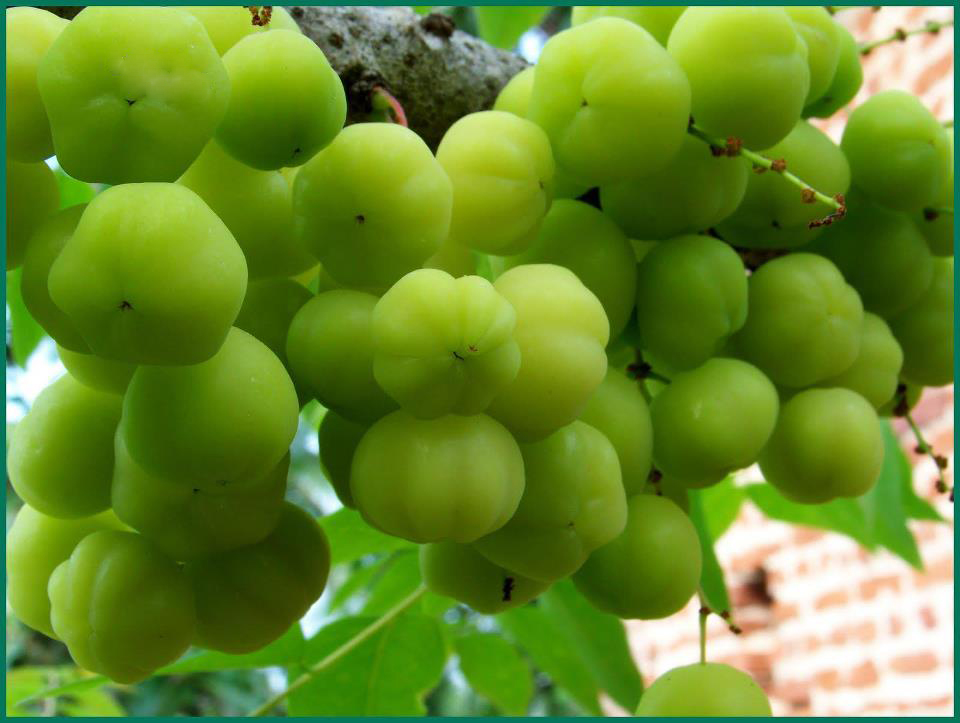
Star Gooseberry is native to the Malay Islands and Madagascar. The small deciduous tree can grow up to 25-30 feet height. Abundantly found in Kerala for its acidic fruits that are mainly used for pickling and for the preparation of preserves. Although it also makes excellent jam, star  gooseberries are also used in traditional medicines.

Calling On Solomon In A Birds-Versus-Science Conundrum

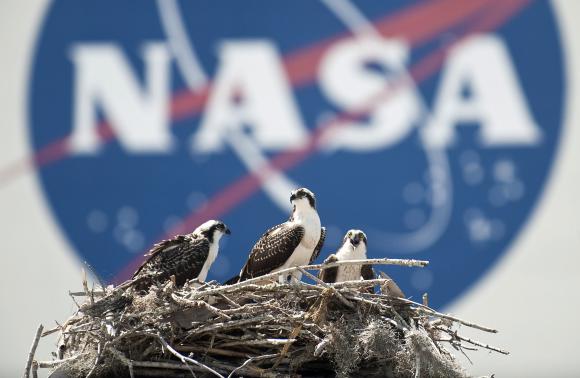
A family of Osprey are seen outside the NASA Kennedy Space Center Vehicle Assembly Building in Cape Canaveral, Florida in this file photo taken May 13, 2010. CREDIT: REUTERS, BILL INGALLS, NASA/HANDOUT/FILES

A family of Osprey are seen outside the NASA Kennedy Space Center Vehicle Assembly Building in Cape Canaveral, Florida in this file photo taken May 13, 2010. CREDIT: REUTERS, BILL INGALLS, NASA

Anyone who has been following Raxa Collective’s blog for more than a day is probably aware that we pay close attention to birds.  We do this because many of the places where we operate conservation-focused lodging are also exceptionally biodiverse bird habitats. Most of the travelers who visit our properties are at least interested in birds, and many are serious bird-watchers. But we also pay attention to birds for the same reason we pay attention to science in general: they are an indicator of the health of our planet and we want to both pay attention to the indicators and understand them better. Science matters. So, in general, we are NASA fans.  But the story here makes us wonder what Solomon’s wisdom might advise:

Florida’s plan to build a commercial space launch complex in a federal wildlife refuge surrounding the Kennedy Space Center drew sharp words from environmentalists and strong support from business boosters during the project’s first public hearing on Tuesday.

Advocates say the proposed spaceport is needed to retain and expand Florida’s aerospace industry, which lost about 8,000 NASA and civilian jobs after the shutdown of the space shuttle program in 2011.

Opponents of the plan to carve out about 200 acres from the 140,000-acre (57,000-hectare) Merritt Island National Wildlife Refuge cite concerns over protecting the refuge’s water, seashore, plants and wildlife, which include 18 federally listed endangered species. Continue reading

Kerala Butterflies – Blue Admiral

Photo credits : Aparna P

Photo credits: Aparna P

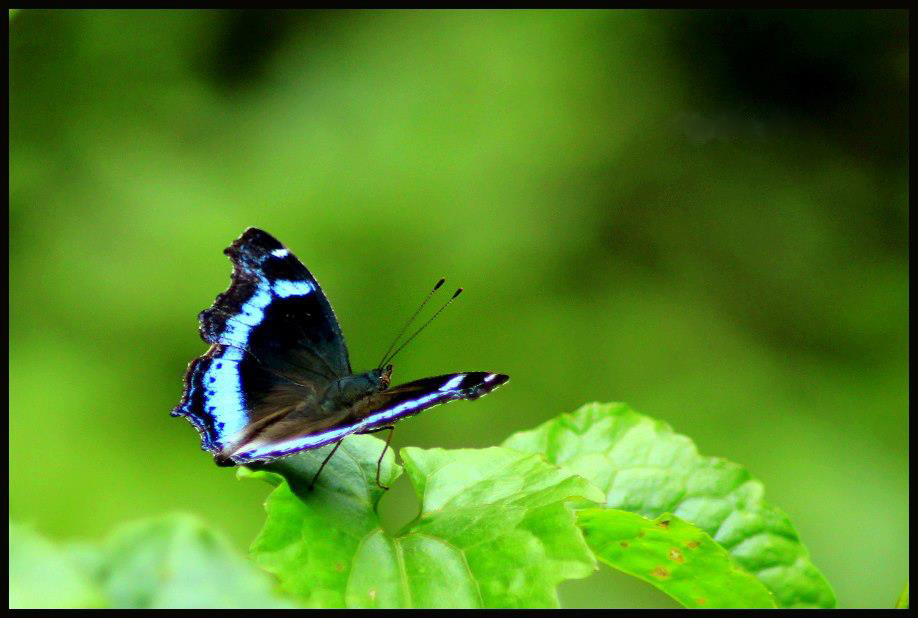
The Blue Admiral butterfly, Kaniska canace, is a colourful butterfly commonly found in the hills of  Southern India up to 2500m above sea level. Usually solitary, this butterfly is blackish blue with shining silvery blue bands across the outer edge of the wings. These butterflies fly close to ground, preferring to be near water, forest openings and paths.

Grid Growth Gazing

(Thinkstock) Is there anywhere left on Earth where it’s impossible to access the internet? There are a few places, but you have to go out of your way to find them, discovers Rachel Nuwer.

(Thinkstock) Is there anywhere left on Earth where it’s impossible to access the internet? There are a few places, but you have to go out of your way to find them, discovers Rachel Nuwer.

As much as we encourage travelers to join us off grid in remote locations, to disconnect and engage in authentic experiences of communities and ecosystems not like home, nonetheless we depend on the grid for our ability to connect with those very same travelers. We are paying increasing attention to the evolution of connectedness, and this report by the BBC is of interest:

It can be easy to forget what life was like before the internet. For many, not a day goes by without checking email, browsing online or consulting Google. Some 1.3 billion people alive today are young enough never to have experienced anything else. Yet has the network of networks underpinning all this activity actually reached every part of the globe?

Various reasons still stop people accessing the internet where they live, of course. There’s censorship, for starters. “We don’t get much traffic from North Korea,” says John Graham-Cumming of CloudFlare, a content delivery network – the equivalent of a regional parcel distribution centre, but for web traffic. “Likewise, early in the Syrian civil war they cut off internet access and we saw a drop in traffic coming from those Syrian connections.” Continue reading

Yoga In Perspective

San Antonio Museum of Art

San Antonio Museum of Art. ‘Yogini’; sandstone statue, Kannauj, Uttar Pradesh, first half of the eleventh century. William Dalrymple writes that ‘in ancient India yoginis were understood to be the terrifying female embodiments of yogic powers who could travel through the sky and be summoned up by devotees who dared to attempt harnessing their powers.’

William Dalrymple, in the New York Review of Books, provides a summary of four books that should be considered essential reading to understand yoga in its proper historical context. The last few paragraphs are among the best:

…Yogis seem to have gone particularly out of control during the eighteenth-century anarchy between the fall of the Mughals and the rise of the British. This is a subject explored by William Pinch in his brilliant 2006 study of the militant yogis of the period, Warrior Ascetics and Indian Empires.

European travelers of the period frequently describe yogis who are “skilled cut-throats” and professional killers. “Some of them carry a stick with a ring of iron at the base,” wrote Ludovico di Varthema of Bologna in 1508. “Others carry certain iron diskes which cut all round like razors, and they throw these with a sling when they wish to injure any person.” A century later the French jewel merchant Jean Baptiste Tavernier was describing large bodies of holy men on the march, “well armed, the majority with bows and arrows, some with muskets, and the remainder with short pikes.” By the Maratha wars of the early nineteenth century, the Anglo-Indian mercenary James Skinner was fighting alongside “10 thousand Gossains called Naggas with Rockets, and about 150 pieces of cannon.” Continue reading

Black Box Exploration

It has been a while since we linked over to a Radio Lab podcast, but this one is a good comeback story (click the black box to go to the podcast):

This hour, we examine three very different kinds of black boxes—those peculiar spaces where it’s clear what’s going in, we know what’s coming out, but what happens in-between is a mystery. From the darkest parts of metamorphosis, to a sixty year-old secret among magicians, to the nature of consciousness itself, we confront the stubborn gaps in our understanding.

Kerala Church Festival – St.Mary’s Church, Kuravilangad

Photo credits : Ramesh Kidangoor

Photo credits: Ramesh Kidangoor

Church festivals mark a special form of festivity among the Christians of Kerala. Called Perunal, these celebrations add verve and flavor to local communities. St. Mary’s Church in Kuravilangad is an ancient church believed to have been built over thousand years ago, which celebrates the famous kappal festival (vessel procession) every year in February. Continue reading