The Story Behind Our New Banner’s Banners

If you visit this blog several times a day, or happen to chance upon any of our pages when the randomized top banner is just right, you may have noticed that for the past 48 hours a new picture has been thrown into the mix of our banner images, which have been growing steadily — and stealthily, given that the last time we addressed them explicitly was in 2011 — over the past few years.

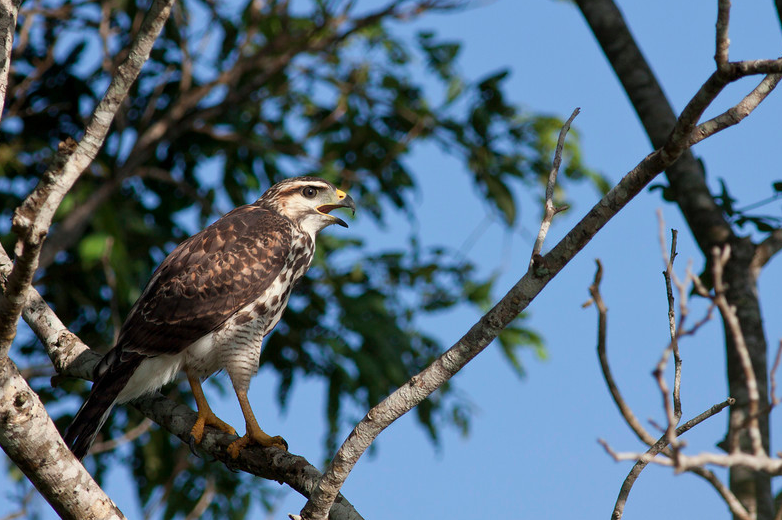
The number of banner images has since doubled, with more dragonflies, some great-looking tree bark, picturesque tea plantations, and other scenes that we think make a pleasant and interesting (and hopefully not too distracting) backdrop to our written content on any given page. But the banner in question is about sharing and celebration, so I’m sharing a little bit about the image this time around.  Continue reading

The Lotus

Photo credits : Ramesh Kidangoor

Photo credits : Ramesh Kidangoor

The lotus, a symbol of the goddess of wealth and prosperity Lakshmi, is also the national flower of India. It has long been said that the lotus’ growth from deep mud has symbolic significance, as beauty can bloom from any condition. In India, lotus roots are also consumed as side dishes to rice or various types of bread, and they are also used to make pickle. Continue reading

Glowing, Growing And Going

From sea horses that glow red to bright green eels, researchers have discovered 180 species of fish that fluoresce under blue light.

Green and bright. We get it. The future favors those who broadcast well, and these green eels qualify. As do the great science writers we tend to follow. From the excellent home for such writers, the Science section of the New York Times:

Fluorescence Is Widespread in Fish, Study Finds

By JAMES GORMAN

The findings, that at least 180 species and 16 orders of fish are biofluorescent, have implications for their evolution and behavior. (See the related  video, Fluorescing Fish) Continue reading

Periyar Sightings

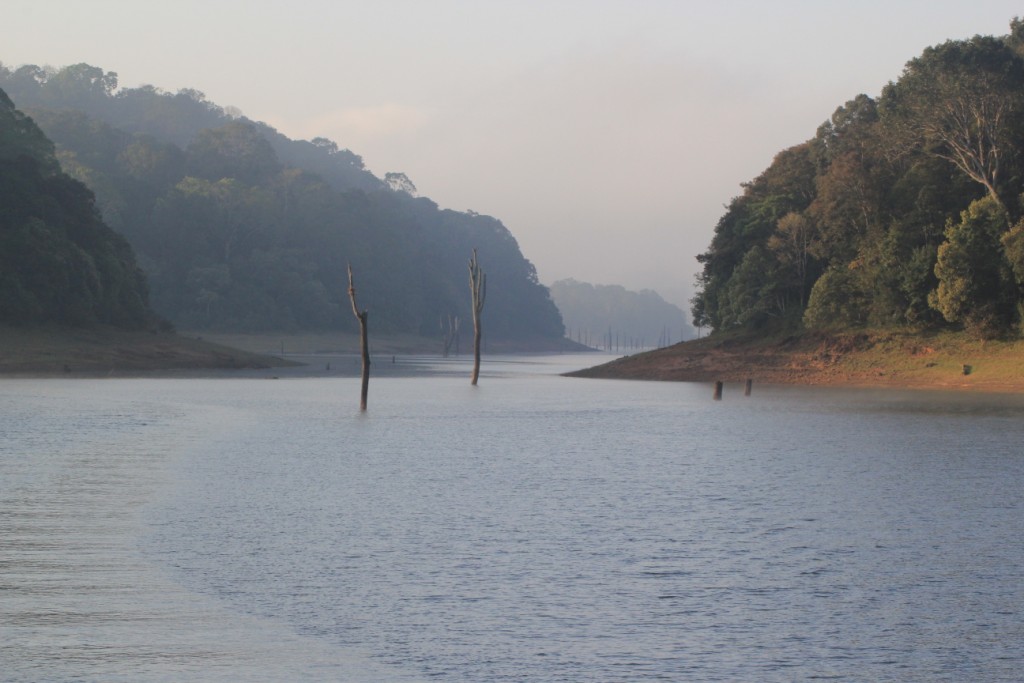
Periyar Lake

Periyar Lake

Today we are sharing the sightings of Mr. Vinoy Khakie from his experience inside the Periyar Tiger Reserve. His photos are impressive despite the fact they were taken from a moving boat.

Continue reading

Bee-eater Behavior

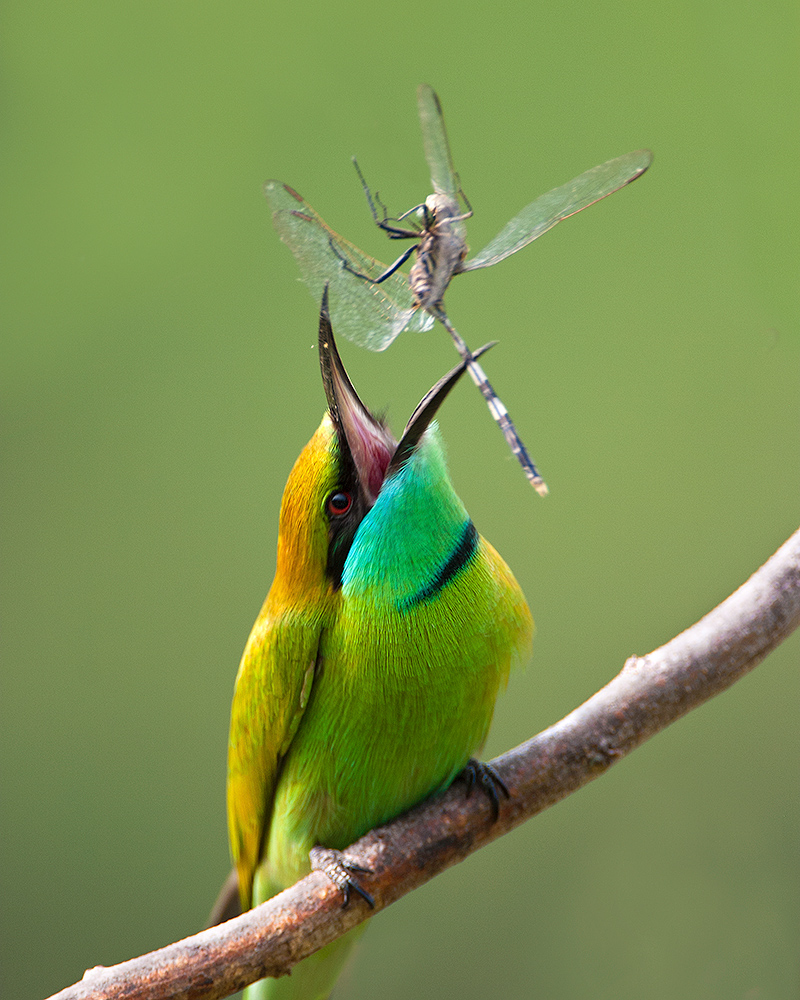
Green Bee-eater by Sudhir Shivaram - RAXA Collective

There are 4 key elements to be a better photographer.

1. Understand your subject.
2. Understand the fundamental concepts of photography, including composition aspects.
3. Understand your equipment and shooting techniques.
4. Have a good grasp of digital post processing.

Each of these are very tightly coupled with each other and it is important to have a good grasp on each of them. Continue reading

Of Festivals and Traditions, the Royal Way….

sarvani

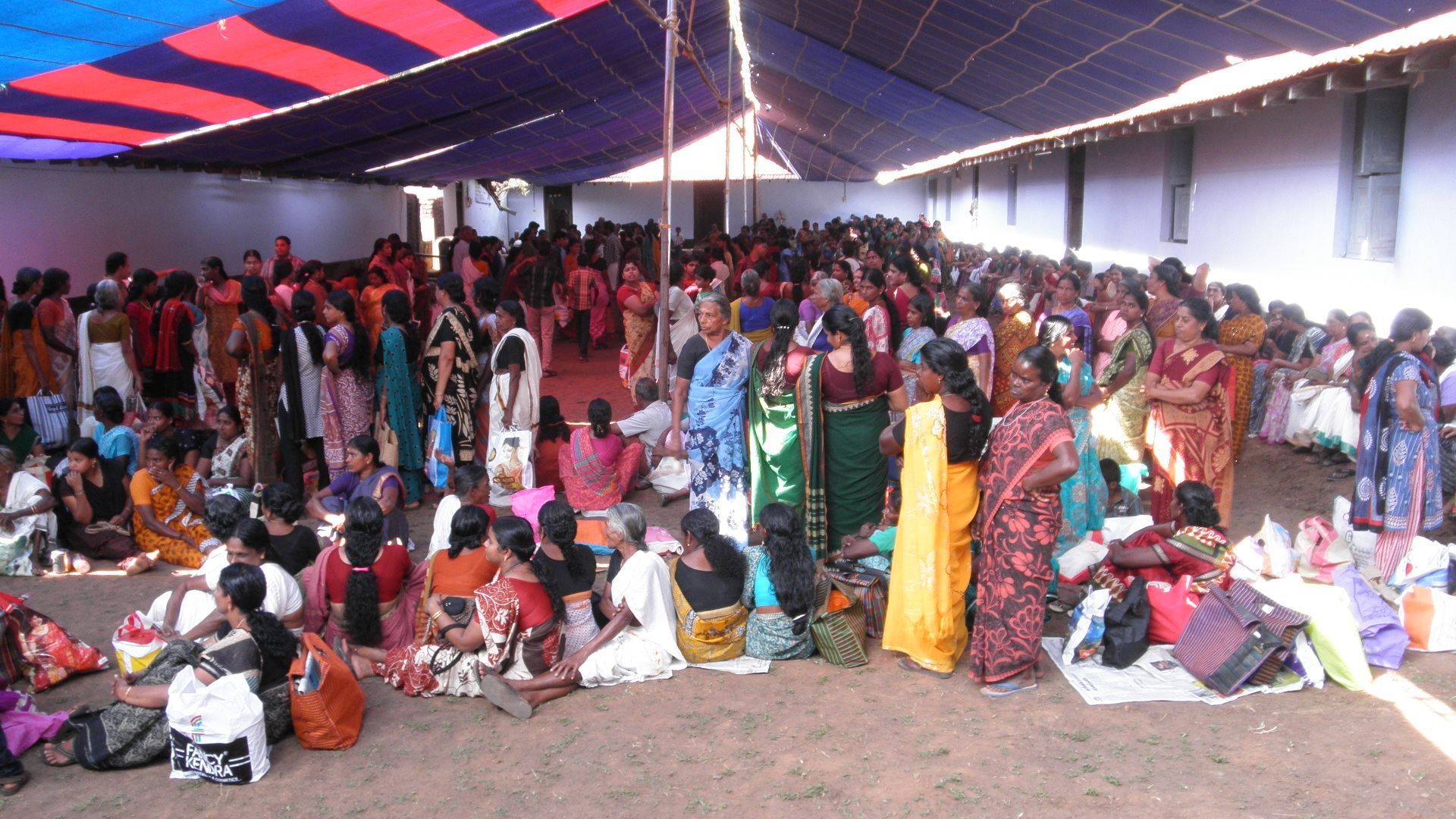
Sarvani Sadya (Food served by the Royal Family)

Kerala is known for its culture, traditions and festivals. After a gap of 2 years, I had the chance to attend our family festival at Nilambur Kovilakam. Normally people from outside the family are not allowed to enter the temple, since it is my family’s, but this festival, called ‘Nilambur Pattu’, gives a chance for all to attend and seek the blessings of our family God ‘Vettekkorumakan’. Continue reading

Photographing A Community In Flux, With Empathic Eyes

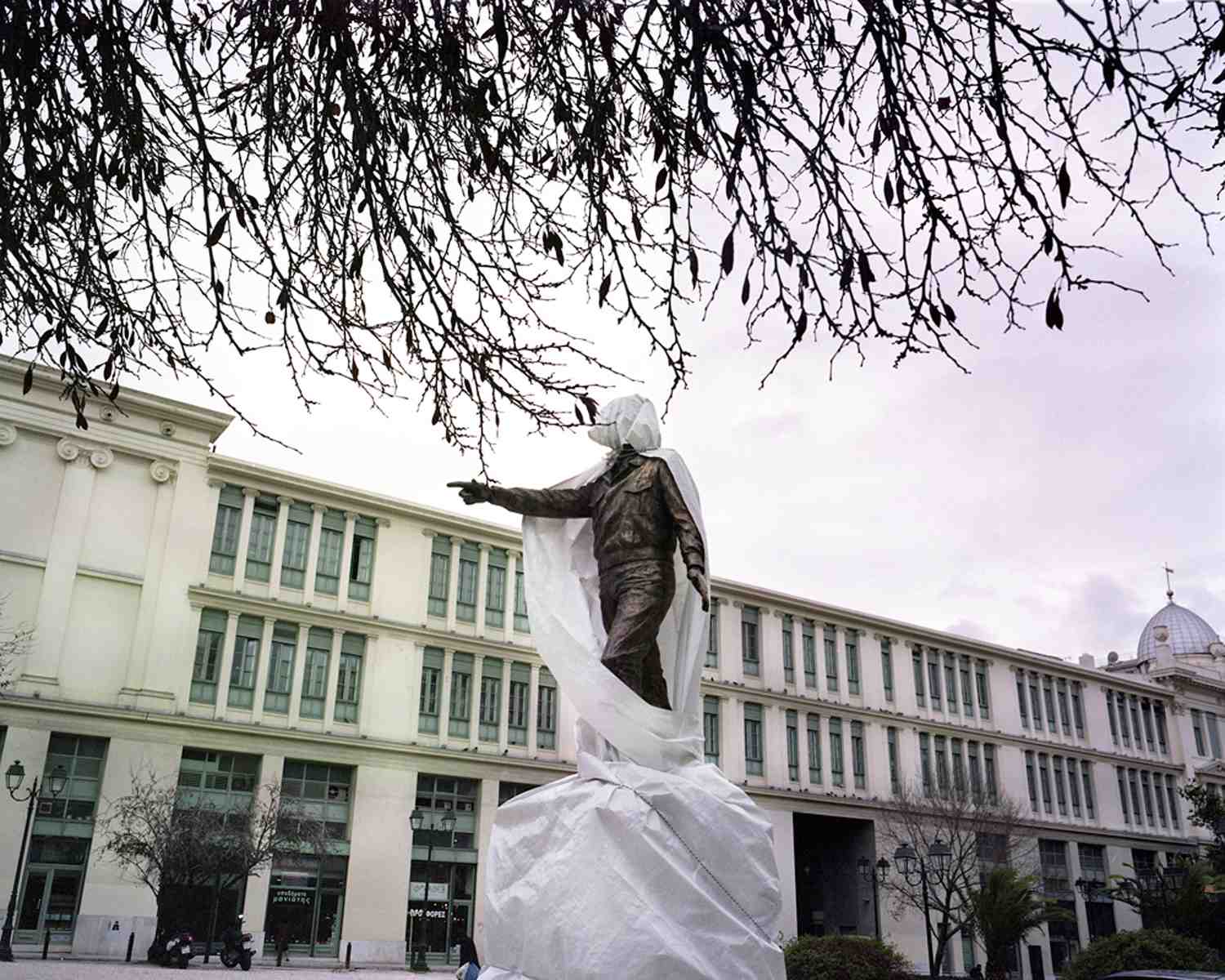
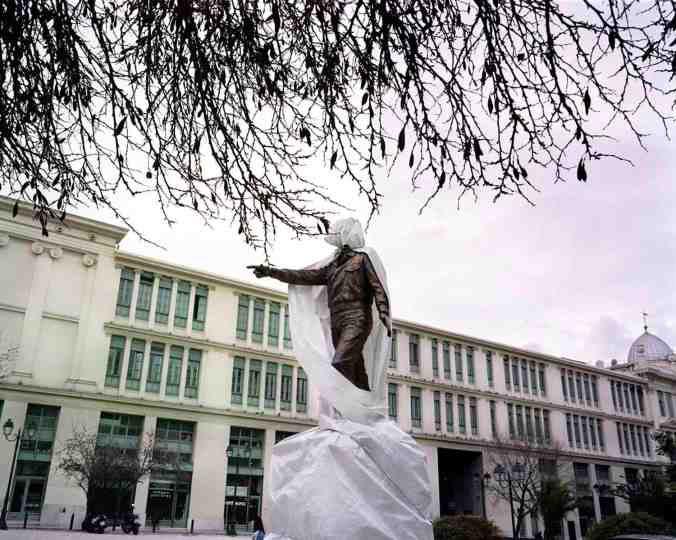
Statue under construction of Alexandros Panagoulis, resistance fighter against the fascist regime. Photograph by Eirini Vourloumis

Statue under construction of Alexandros Panagoulis, resistance fighter against the fascist regime. Photograph by Eirini Vourloumis

For numerous reasons, Raxa Collective has deep care for the fortunes of Greece, of Greeks, and especially for the institutions that will move Greece to a better future. In no particular order, a few reasons for this deep care: one of Raxa Collective’s founders entered an immersion language tutorial in Greece for most of 1981, and developed an affection for the place that became a lifelong commitment; the grandmother of two Raxa Collective contributors is from Greece, and so their family in Athens has been living through the unfolding of events the rest of us see as headlines; two other contributors to Raxa Collective met in New York’s JFK airport 30+ years ago waiting to board a flight to Greece, and have made frequent pilgrimages back to Greece to pay tribute to its importance in their lives; several Raxa Collective contributors were recently in Greece tasting organic olive oil from the village where that grandmother is from, and Raxa Collective is currently developing a project to support that organic olive oil initiative.

A blog post by the New Yorker‘s Elissa Curtis brought to our attention today the photography of a Greek who has captured some arresting images that is relevant to us for any and all of the above reasons:

As the economic crisis roiled Greece, the photographer Eirini Vourloumis stepped away from the chaos and found quiet spaces in her home country to tell the story of disruption and decline. She had returned to Greece after eleven years abroad, and she saw it again with fresh eyes. Continue reading

Ernakulam – Kerala

Photo credits : Immanuel Abraham

Photo credits : Immanuel Abraham

Ernakulam, which I wrote about last April, was once the official capital of the Raja of Kochi. The city is said to have received its name from a Tamil word that means ‘abode of Shiva’. Today, Ernakulam is seemingly half Kerala backwaters and half one of the fastest growing cities in the country. Continue reading

If You Happen To Be In Bombay

50 year anniversaries are always worth noting. Whether it is a marriage, a birthday, or the opening of an art gallery, let’s have some fun.  Thanks to The Caravan, we see just enough about The Dreamers to want to visit Chemould Contemporary Art Gallery during the next visit to India’s thriving commercial and artistic capital, ideally before the “Aesthetic Bind” exhibition finishes in early April:

UNTIL THE 1940S, art in Bombay was an occasional pleasure for the city’s European and Indian elite, displayed most prominently at an annual exhibition sponsored by the Bombay Arts Society that was more a social event than an artistic initiative. Continue reading

Brown, Crickets, Entrepreneurship And Kickstarter

This slideshow requires JavaScript.

We have been following both Kickstarter and Brown University for some time, with interest in how this generation of graduating entrepreneurs from universities are pursuing careers in sustainability-related fields. And now, a word about alternative sources of nutrition that intersects these interests:

10g bioavailable protein. All-natural. Gluten/grain/soy/dairy free. Made in America.

Exo will introduce to the West one of the most nutritious and sustainable protein sources in the world: insects. Through combining cricket flour (slow roasted and milled crickets) with organic and all-natural ingredients such as raw cacao, dates, almond butter and coconut, we have created a bar that is high in protein, low in sugar, incredibly nutritionally dense, and packed with omega 3 fatty acids, iron and calcium. Our bars are free of: unnatural sugars, gluten, grains, dairy, soy, artificial preservatives and anything processed. Continue reading

Sun Bear Habitat, Palm Oil Cultivation, And The Conflict Of Interests

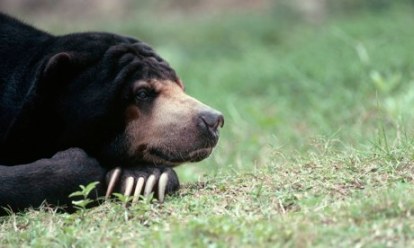
Sun bearJust as we were beginning to worry about what might have happened, months having passed since the Guardian’s Environment section had an article we wanted to link to, yesterday we encountered a semi-precious and today a gem quality article that reminds us of why we check that section each day:

Like a proud dad, Siew Te Wong’s office walls and desk are covered in baby pictures, but unlike ordinary infants these possess four-inch claws and a taste for insects and honey. Wong, a leading sun bear researcher, has a heartfelt passion for the world’s smallest bear that is as big as the problems facing the species. Continue reading

Murinjapuzha Waterfalls – Kuttikkanam

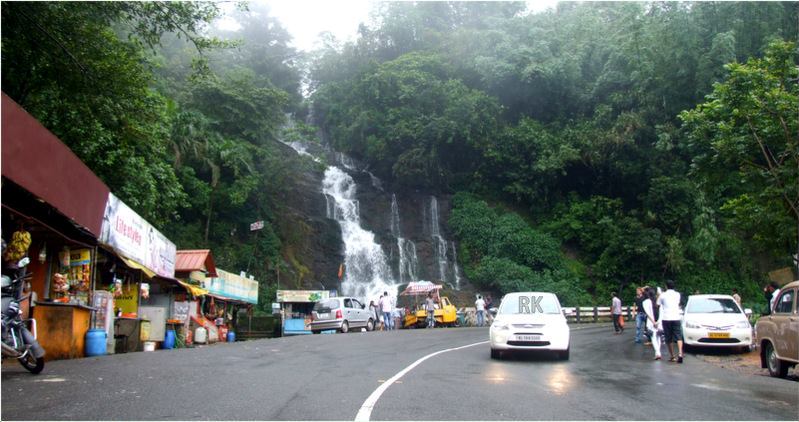
Photo credits: Ramesh Kidangoor

Photo credits: Ramesh Kidangoor

Murinjapuzha is a beautiful waterfall located 40 km from Thekkady en route to Cochin. The area is at its best soon after the monsoon when the Western Ghats are at their greenest and the rushing water draws visitors to stop at the local tea shops to take in the views. Continue reading

Conversation, Conservation, Controversy

We have recommended more conversation, and we mean all kinds, including the occasional heated debate. When it comes to the subject of climate change, we do not feel obliged to air the views of big-moneyed propagators of denial.  When it comes to potential solutions to slow the acceleration of climate change, or mitigate its impact, or such reasonable areas of debate, the doors are wide open, topically speaking.

We hope to learn from citizen scientists, research scientists and practitioners alike so we can become better informed and make better judgements on this complex topic. Take a look at the wording of this memo from the “Sierra Club Grazing Core Team” to Sierra Club staff and volunteers “(particularly those involved with sustainable-energy/climate-change campaigns, and commercial grazing on public lands)” before watching the TED talk above:

Summary

Recent widespread interest in Holistic Management (HM), primarily stemming from Allan Savory’s presentation at the February 2013 Long Beach, CA, TED conference, makes it important that Club members and staff be consistent in their response to calls for application of HM. Savory has received considerable attention for his claim that application of HM to husbandry of ungulate livestock (typically cattle) in the world’s grasslands could sequester sufficient atmospheric carbon to reduce atmospheric carbon concentrations to pre-industrial levels. The Sierra Club’s Grazing Core Team urges the Sierra Club to reject HM as a tactic to reverse climate change for the following reasons: Continue reading

Successful Women Writers, Entrepreneurial Exemplars

circa 1923:  American author Willa (Sibert) Cather (1873 - 1947) uses a ledge while writing outdoors during a vacation in New Hampshire.  (Photo by New York Times Co./Getty Images)

circa 1923: American author Willa (Sibert) Cather (1873 – 1947) uses a ledge while writing outdoors during a vacation in New Hampshire. (Photo by New York Times Co./Getty Images)

Writing in the New Yorker‘s website section titled Page-Turner, Joan Acocella posted recently about the tendency of women writers, historically, to begin their writing careers later than their male counterparts.  She uses Willa Cather’s case as an example and draws a conclusion that could  as easily be applied to entrepreneurship (bold added below to highlight the conclusion):

…By her thirties, she had acquired a very good job, as the managing editor of McClures, an important New York magazine. She got to go to Europe and meet famous writers. But secretly she herself wanted to be a writer. She was sure she could not be. The most honored novelist of that time, the nineteen-tens, was Henry James: refined, complicated, urban. Cather, meanwhile, was still kicking the dust of Red Cloud off her shoes. Finally, at thirty-seven, in what must have been a wrenching act Continue reading

Mural Paintings – Kerala

Photo credits :Ramesh Kidangoor

Photo credits: Ramesh Kidangoor

Kerala has a rich mural heritage dating back to the 7th and 8th century. These early wall paintings were characterized by their elaborateness, symbolic coloration and ornamentation, and ability to display emotion. The murals were painted using natural dyes extracted  from plants.   Continue reading

More Reasons To Spend Some Time In Mozambique

This pygmy chameleon is one of many such unique and new species discovered in the Mount Mabu forest of Mozambique. Photograph: Kew Gardens/Julian Bayliss

This pygmy chameleon is one of many such unique and new species discovered in the Mount Mabu forest of Mozambique. Photograph: Kew Gardens/Julian Bayliss

Bob Dylan, in 1976, released a song called Mozambique. It does not mention biodiversity as one of the reasons to visit the country, but it is better written than the following headline (something has happened to the Guardian‘s Environment section in recent months):

Protect the Mozambique forest found on Google Earth, scientists say

Mount Mabu rainforest teeming with new and unique species including pygmy chameleons and bronze-colour snakes

We will leave it to the grammar police and philosophers to parse those two sentences (commercial software should not be the focus of a headline justifying conservation; and these are certainly not new species but newly discovered); nonetheless we recommend reading the excellent information about this ecosystem: Continue reading