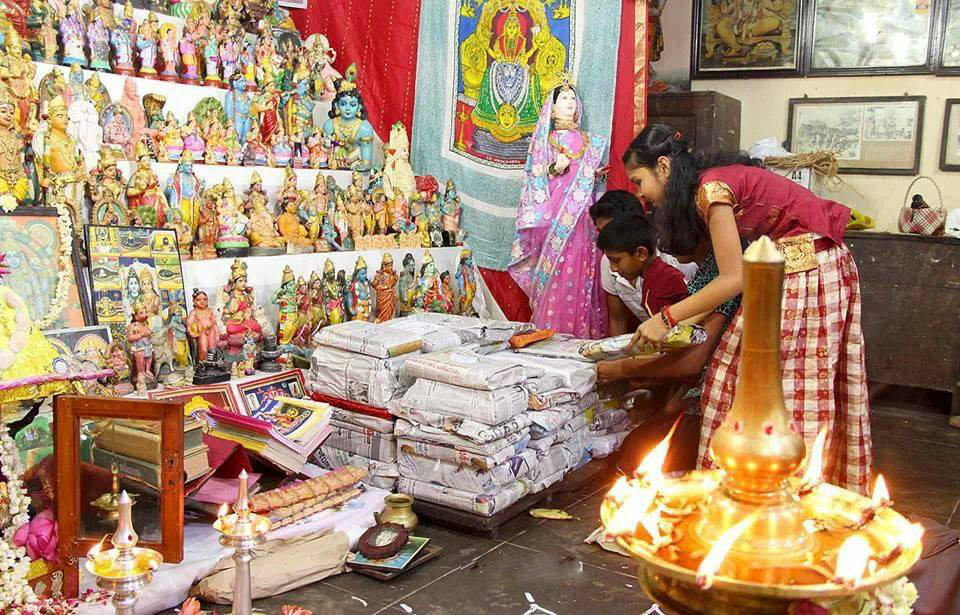
Theyyam

Photo credits: Dileep Narayanan

Photo credit:  Dileep Narayanan

Theyyam is one of the most popular ritualistic dances of Kerala. Of the variety of performing arts, most have roots in folk tradition and are often related to religious rituals and mythological stories.  Theyyam is a devotional performance with surrealistic representations of the divine. Continue reading

Odd Architects And Other Natural Wonders Brought Into Better Focus

Photograph: Arco Images GmbH / Alamy/Alamy

Photograph: Arco Images GmbH / Alamy/Alamy

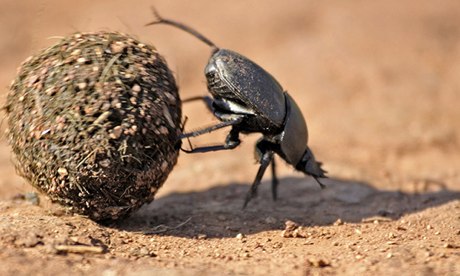
The Guardian is preparing us for 2014’s new lineup of nature shows on television by highlighting the role of technology in bringing us a closer view of all things wild, including more than one of the types of amazing creatures we like featured in the photo above:

An unusual line-up of stars will make their names on television next year. They include the gigantopithecus, a huge extinct ape – resurrected through the wonders of CGI – which will frolic in 3D with David Attenborough in Sky’s Natural History Museum Alive.

The south-east Asian tree shrew and the dung beetle will bear testimony to the hardships that the world’s tiniest animals endure, in BBC1’s Hidden Kingdoms, while Dolphins: Spy in the Pod, also on BBC1, will reveal the intimate lives of wild cetaceans through the use of cameras fitted to robot fish. Continue reading

Conservation’s Answer To A Butterfly’s Lost Food Supply

Setting the Table for a Regal Butterfly Comeback, With Milkweed

From this week’s Science News section of the New York Times, an article by Michael Vines about how:

Conservationists have planted milkweed, a favored food of the butterfly, along migratory routes where natural habitat has been plowed under for crops.

Then And There, Here And Now

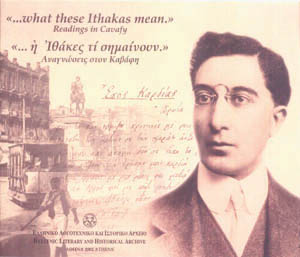
Orhan Pamuk says that “C. P. Cavafy makes no explicit reference to himself in his best and most stirring work; and yet, with every poem we read, we cannot help thinking of him.”

Does it take an Istanbulian to know one? Does it take a great writer to know one? You do not need to be a fan of poetry, nor of this particular poet, to appreciate the observations of one of the great observers of our time, with regard to living here and there but neither here nor there, and with regard to the idea of universality in art:

Cavafy was born in Alexandria, Egypt, in 1863, to a Greek family of wealthy drapers and cloth merchants. (The word kavaf, now forgotten even by Turks themselves, is Ottoman Turkish for a maker of  Continue reading

What Part Of Sacred Is So Difficult To Understand?

Navajo activist Klee Benally chains himself to an excavator on the San Francisco Peaks, which he and 13 tribes consider sacred. Ethan Sing

Navajo activist Klee Benally chains himself to an excavator on the San Francisco Peaks, which he and 13 tribes consider sacred. Ethan Sing

We are encouraged to see more coverage of these important cultural-ethical issues:

The Paris auction of 27 sacred American-Indian items earlier this month marks just the latest in a series of conflicts between what tribes consider sacred and what western cultures think is fair game in the marketplace. Continue reading

Ananthapadmanabha Swami Temple, Kumbala

Photo credit: Ramesh Kidangoor

Photo credit: Ramesh Kidangoor

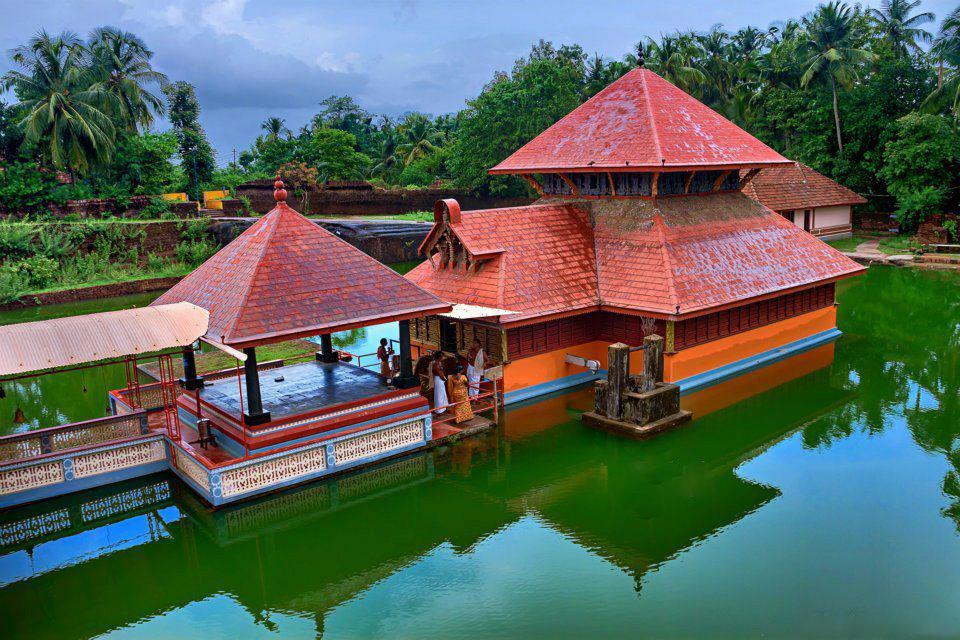
The Ananthapadmanabha Swami Temple is situated in Kasargod district in the midst of a serene natural lake.  The temple, rich in murals, is believed to be the original seat of the Sri Ananthapadmanabha Swami Temple in Trivandrum.  Continue reading

Fact-Checking Walter Isaacson

Walter Isaacson has done some remarkable things (according to his present byline he is “CEO of the Aspen Institute. Author of biographies of Steve Jobs, Albert Einstein, Benjamin Franklin, and Henry Kissinger. Former editor of Time, CEO of CNN”).  Little reason for him to doubt his own authority, on anything.  But he invites you to fact check the book he is currently working on, starting with a draft of a chapter published in Medium.  I appreciate the creative spirit of collaboration, and his faith in the wider community to get his facts both straight and full of color:

The Culture That Gave Birth to the Personal Computer

I am sketching a draft of my next book on the innovators of the digital age. Here’s a rough draft of a section that sets the scene in Silicon Valley in the 1970s. I would appreciate notes, comments, corrections

In that draft he makes reference to the starting point of the Whole Earth Catalog, and the meme that came with it of using an image of the earth from space to communicate its fragility and limitations as much as its wondrousness; which, along with the rest of the draft (as if you needed convincing) makes the book sound worth the wait: Continue reading

Liking the Light

One of the most frequently asked question I receive is about what settings to use to photograph a sunset or sunrise.

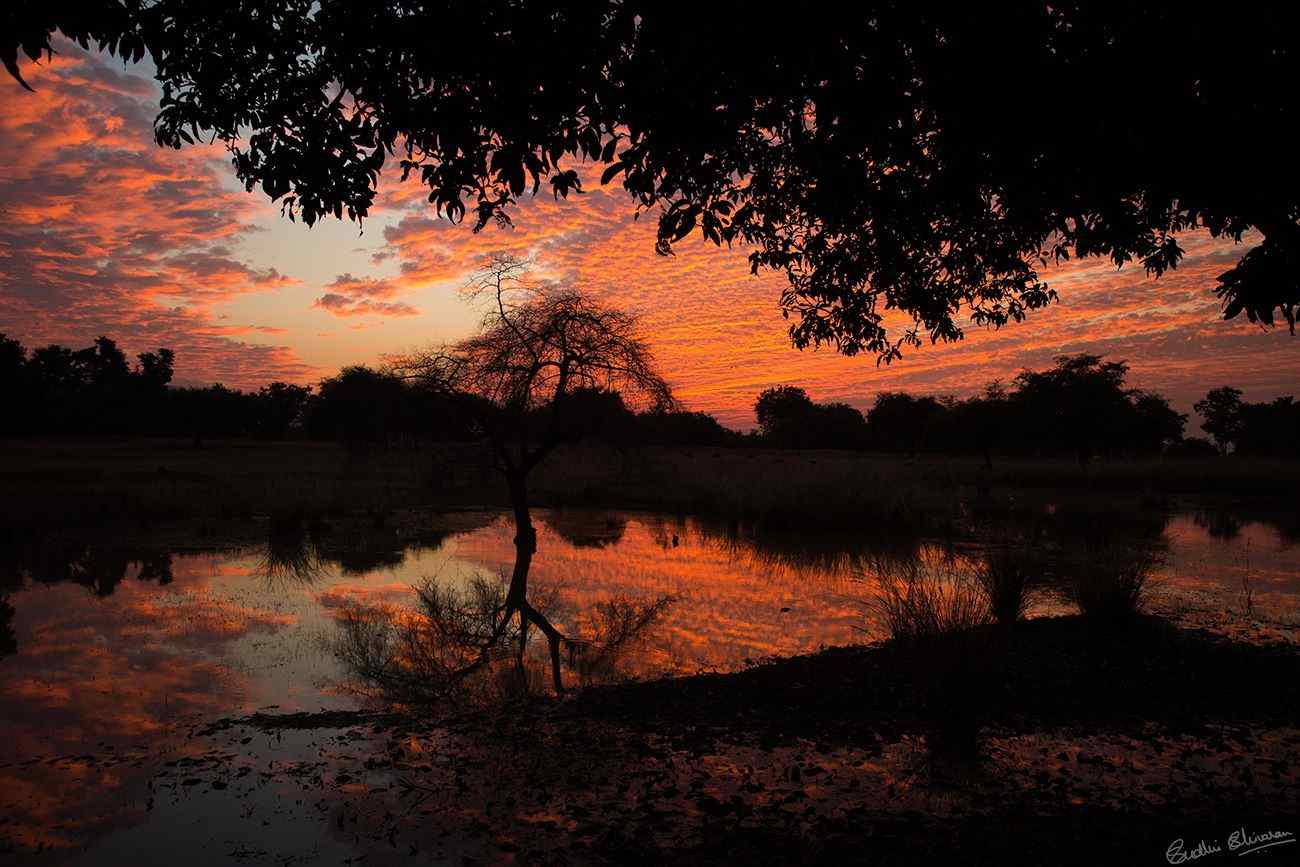
This image was photographed at Satpura National Park – an amazing place to capture both due to the beautiful watery surroundings. The open grounds offer the added advantage of being the habitat of mammals like the spotted deer so I planned to capture them in silhouette against the magical sky. Continue reading

Welcome, Xandari

Seen from one angle, the sun is setting over the pool on Xandari’s western perimeter; the way this photo is taken makes it appear that way, but if seen from Kerala, the sun would just be rising.  Just hours ago, Xandari joined Raxa Collective.  Welcome! Continue reading

India and Flowers

Photo credits: Ramesh Kidangoor

Photo credits : Ramesh Kidangoor

Flowers are an integral part of Indian festivals; people use them on a daily basis for offerings to their gods and goddesses at home.  In India, people come door-to-door, similar to the way milk men make deliveries, and provide fresh flowers to every household — the large demand for floral offerings is catered to by the flower markets prominent in almost every major city in India. Continue reading

Greening The Green, With Plastic?

Photo by Julian Herbert/Getty Images

Photo by Julian Herbert/Getty Images

We rarely have the chance to link to the writing of Hendrik Hertzberg, one of the New Yorker‘s cleverest turners of phrase, because he so frequently writes on political matters (generally outside our scope on this site).  But when he writes on another topic, it is invariably worth reading if nothing else for the quality of his writing.  This one, as it happens, is closer to our general range of interests because of the ecological implications:

On Wednesday came news that, starting in 2016, the Bank of England will replace its paper currency with plastic.

This doesn’t mean that our British cousins will thenceforth have to make all their purchases with credit cards, as in, “Do you take plastic?” They’ll still have folding money, but it will be printed on sheets of plastic polymers—a stiffer version of the stuff that the plastic bags which disfigure the trees of New York City are made of. Continue reading

One More Way To Reduce Your Carbon Footprint (And Handprint)

People typically wash their hands seven times a day in the United States, but they do it at a far higher temperature than is necessary to kill germs, a new study says. The energy waste is equivalent to the fuel use of a small country. PHOTOGRAPH BY GAETAN BALLY/KEYSTONE/CORBIS

People typically wash their hands seven times a day in the United States, but they do it at a far higher temperature than is necessary to kill germs, a new study says. The energy waste is equivalent to the fuel use of a small country. PHOTOGRAPH BY GAETAN BALLY/KEYSTONE/CORBIS

Which small country are they referring to?  Does it matter? No. Just read on to be awed by the news that something you may have thought to be important to your health is actually not; and worse, it is costly to the earth’s health:

It’s cold and flu season, when many people are concerned about avoiding germs. But forget what you think you know about hand washing, say researchers at Vanderbilt University. Chances are good that how you clean up is not helping you stay healthy; it is helping to make the planet sick. Continue reading

Ways of Worship

Hindu God's

Hindu God Idols

Hinduism employs many different gods, many of which represent aspects of the world or ideologies such as the Sun god, the god of prosperity, the wind god, etc.  These various deities are depicted in the ancient scripts and are believed to be reborn in human form when the world is being exploited by evil in order to restore peace and harmony. Continue reading

Indian Art, The Business Side Of The Story

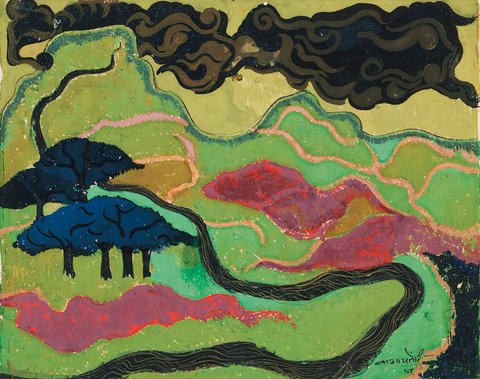
Christie’s Images Ltd. 2013 An untitled artwork by Vasudeo S. Gaitonde.

Christie’s Images Ltd. 2013. An untitled artwork by Vasudeo S. Gaitonde.

We would not know whether to say this news is welcome or not, but we thank India Ink for it nonetheless.  On the one hand we have been inclined to disfavor the hyper-commercialization of art. On the other hand, it seems better to know that Indian artists are now getting their fair economic shake relative to Western artists:

Demonstrating the robust demand for Indian art, Christie’s first auction in India almost doubled its high estimate of $8 million to bring in $15.4 million, or 965.9 million rupees, selling nearly all the works on offer and breaking a number of records for Indian artists. Continue reading

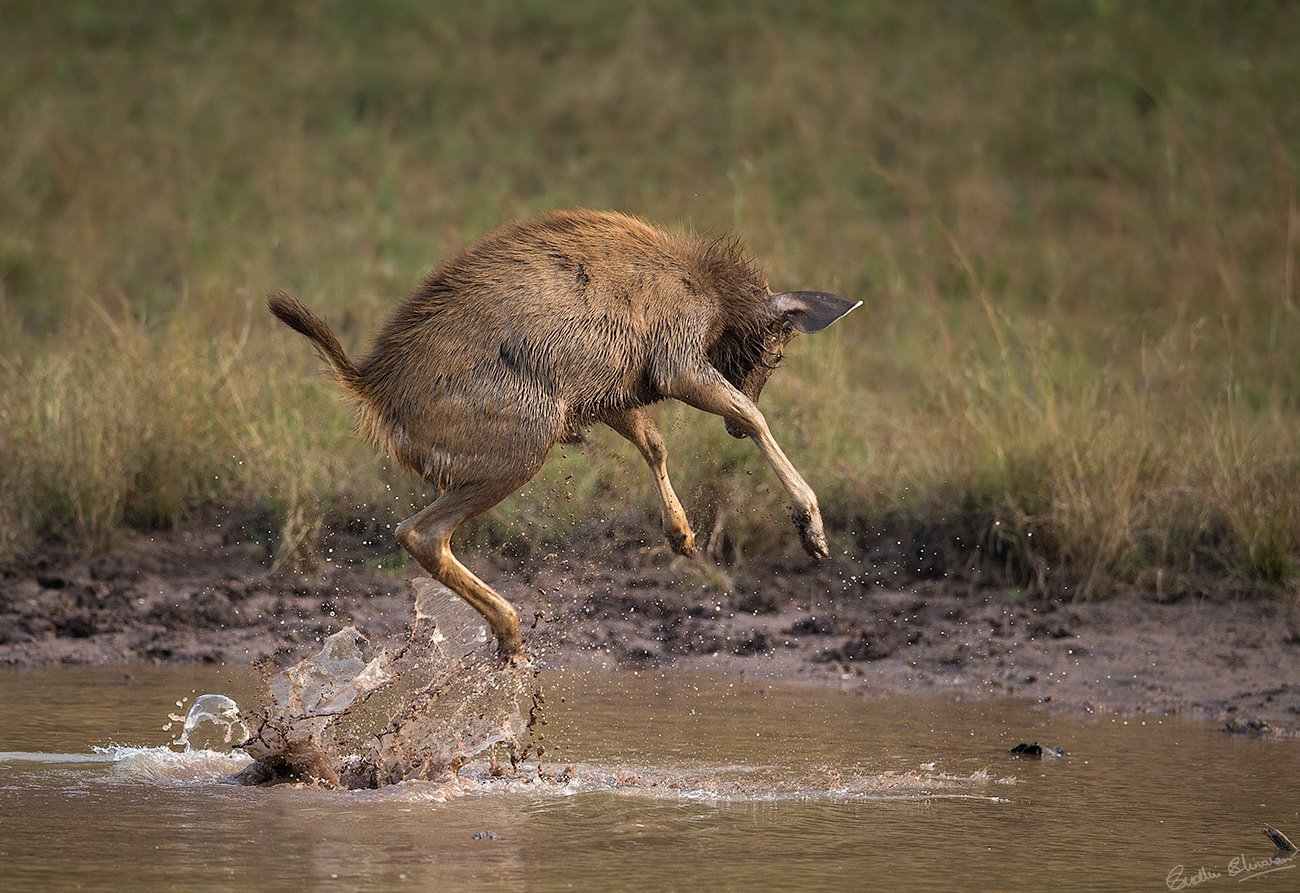
Sambar Waterplay

As a wildlife photographer and educator I have the privileged opportunity to give workshops in numerous national parks of India. At the Satpura National Park in Madhya Pradesh I witnessed this kind of behaviour from the Sambar Deer for the first time. It was playing by itself in the muddy water. It sunk its face in the mud, got up, ran around in the water and suddenly jumped. Continue reading

2013 Thevara Badminton Invitational

This slideshow requires JavaScript.

Opposite the badminton field, which part of the year serves as cow pasture, is a wall with these hand-painted signs announcing the December dates for the tournament that these players have been practicing for–singles, doubles, juniors, seniors, etc..  Raxa Collective is proud sponsor of this tournament. Live webcam coverage (maybe) so stay tuned.