Nairobi National Park, Kenya
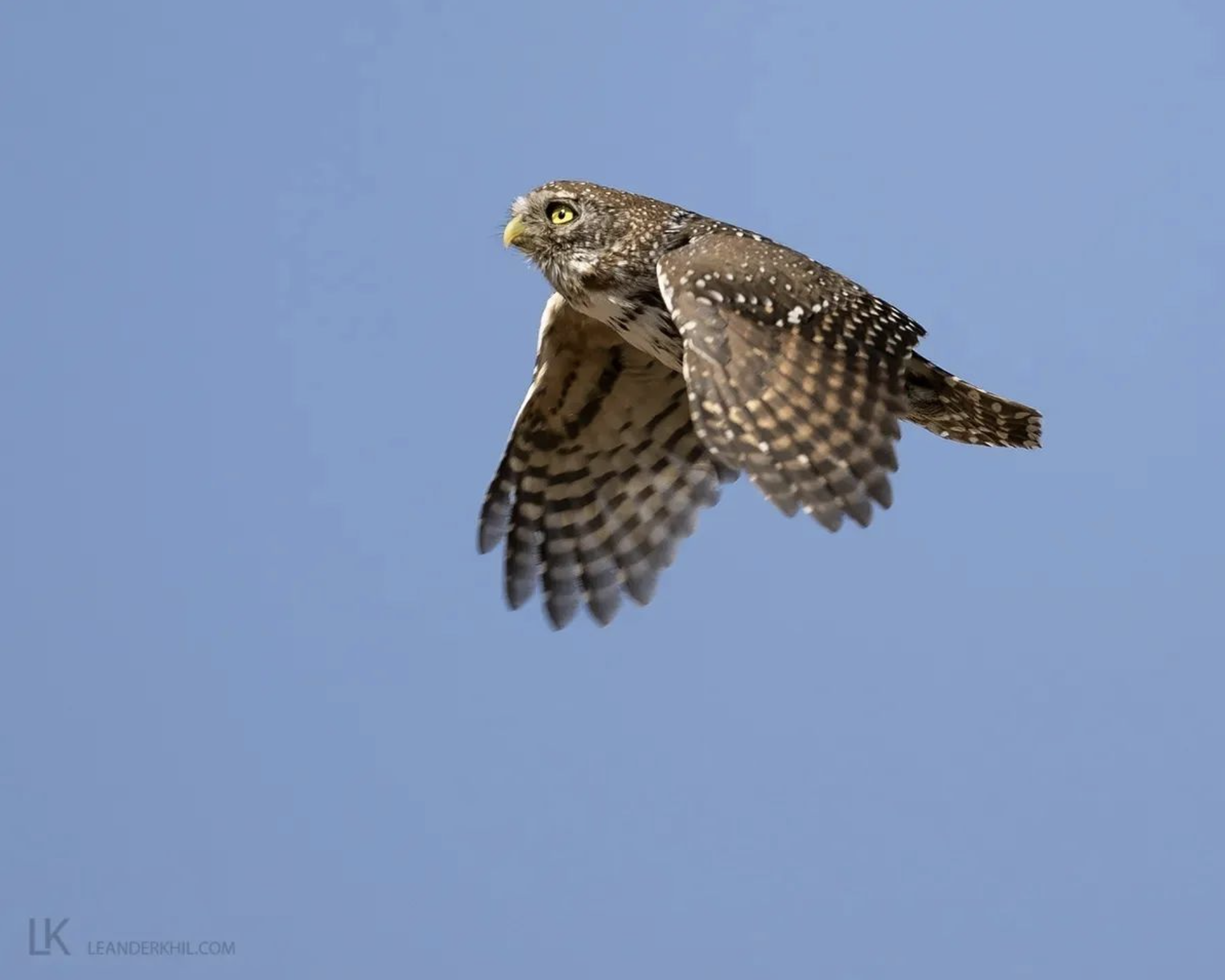
Nairobi National Park, Kenya
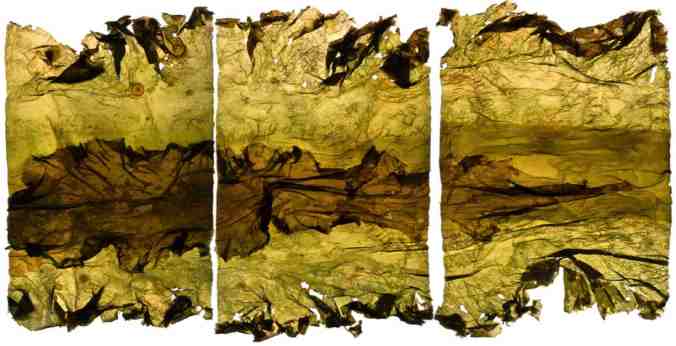
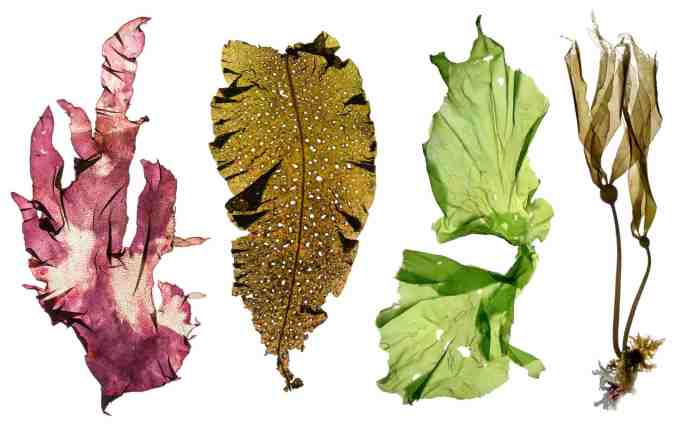
Sugar kelp from Penobscot Bay, Maine. Photograph: Josie Iselin
We have featured the promise of various seaweed schemes many times, and we find it evergreen for further exploration:
Could I live and breathe seaweed – and reduce my use of plastics – for 24 hours?
Seaweed Day starts at 8am. Haunted by pervasive news that so many of our everyday habits harm our planet, I wonder how to minimize my personal use of plastics. I embark upon a day of replacing the microplastics that pollute our atmosphere, our water and even our bloodstreams.
From left to right, Chondracanthus, Agarum, Ulva (sea lettuce), Nereocystis (juvenile bull kelp). Photograph: Josie Iselin
How much of my daily life can I accomplish with seaweed? Eating, washing, dressing? Armed with a budget of $500, I set out on a seaweed-based product shopping spree. Continue reading
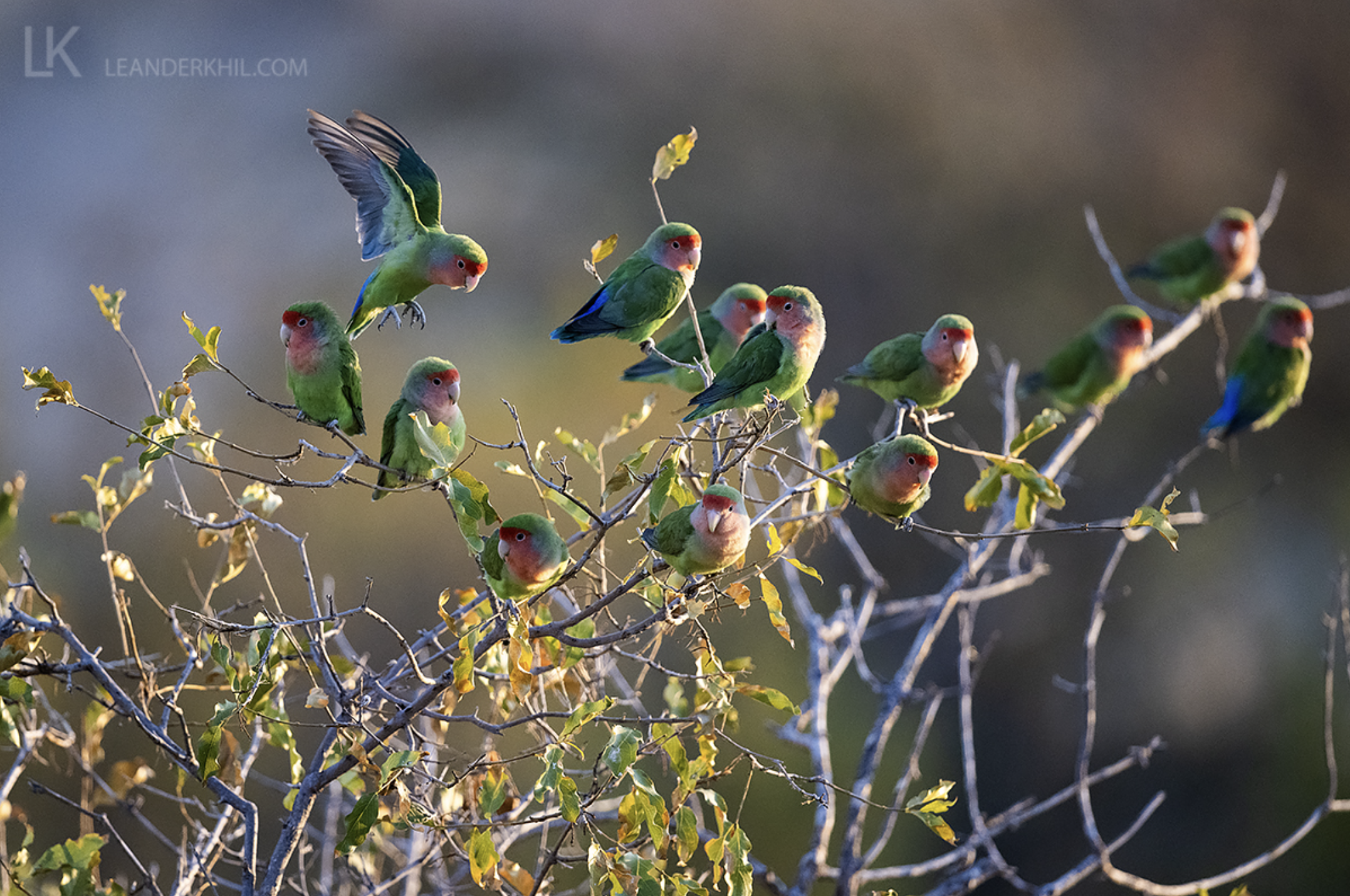
Namibia
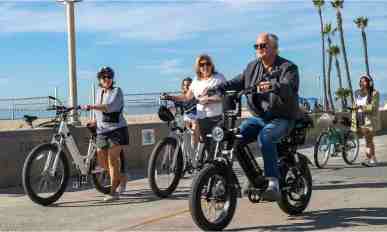
A man rides an ebike in Hermosa Beach, California. Photograph: Mel Melcon/Los Angeles Times/Getty Images
From one point of view ebikes could be viewed as just one more form of entertainment drawing energy from the grid. But an argument can be made that this increase in load on the grid is decreasing other carbon footprints. On top of that, maybe more people on bikes is its own gain:
Sales surge as cities and states look to cut pollution from cars and improve options for Americans to get around
After several years of false starts, electric bikes are finally entering the American mainstream, amid booming sales of a multiplying number of models on offer and as more states offer incentives for people to ditch their cars and shift to two, motor-assisted, wheels. Continue reading
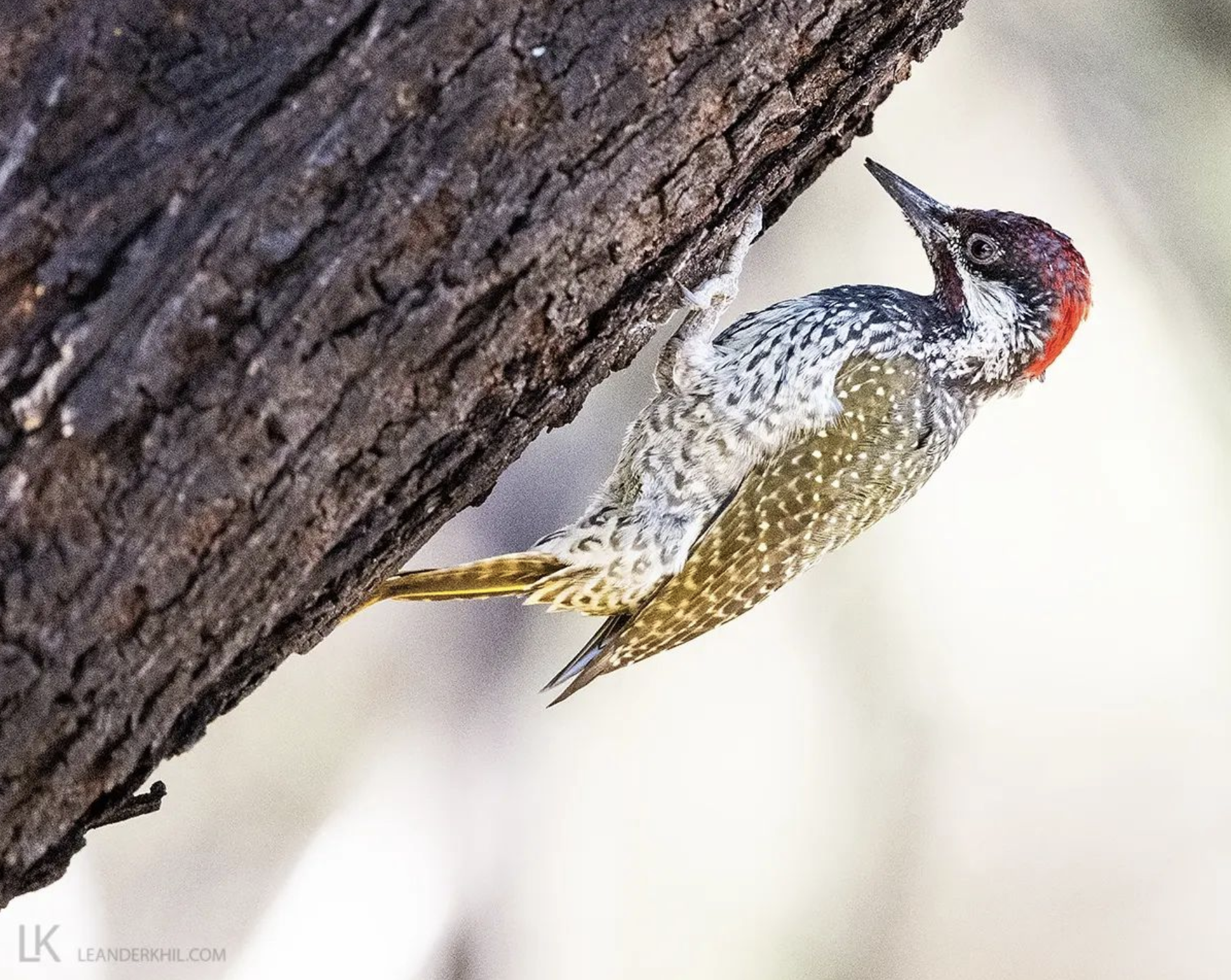
Thomson’s Falls Lodge, Kenya
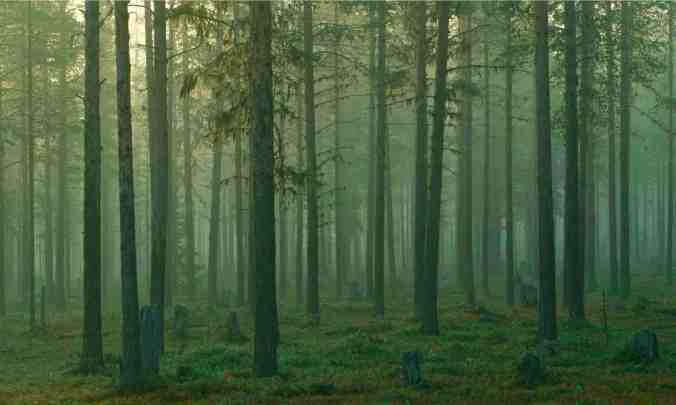
A managed forest near Jokkmokk, Sweden. Humanity will not limit global heating to safe levels without forests and woodland. Photograph: Peter Essick/Aurora/Getty Images
We thank Patrick Greenfield for this opinion in the Guardian:
Root and branch reform: if carbon markets aren’t working, how do we save our forests?
The world has looked to offsetting schemes to protect forests, fund conservation and fight the climate crisis – but many fail to fulfil their promises. Here are five ways to keep our forests standing
Keeping the world’s remaining forests standing is one of the most important environmental challenges of the 21st century. Continue reading
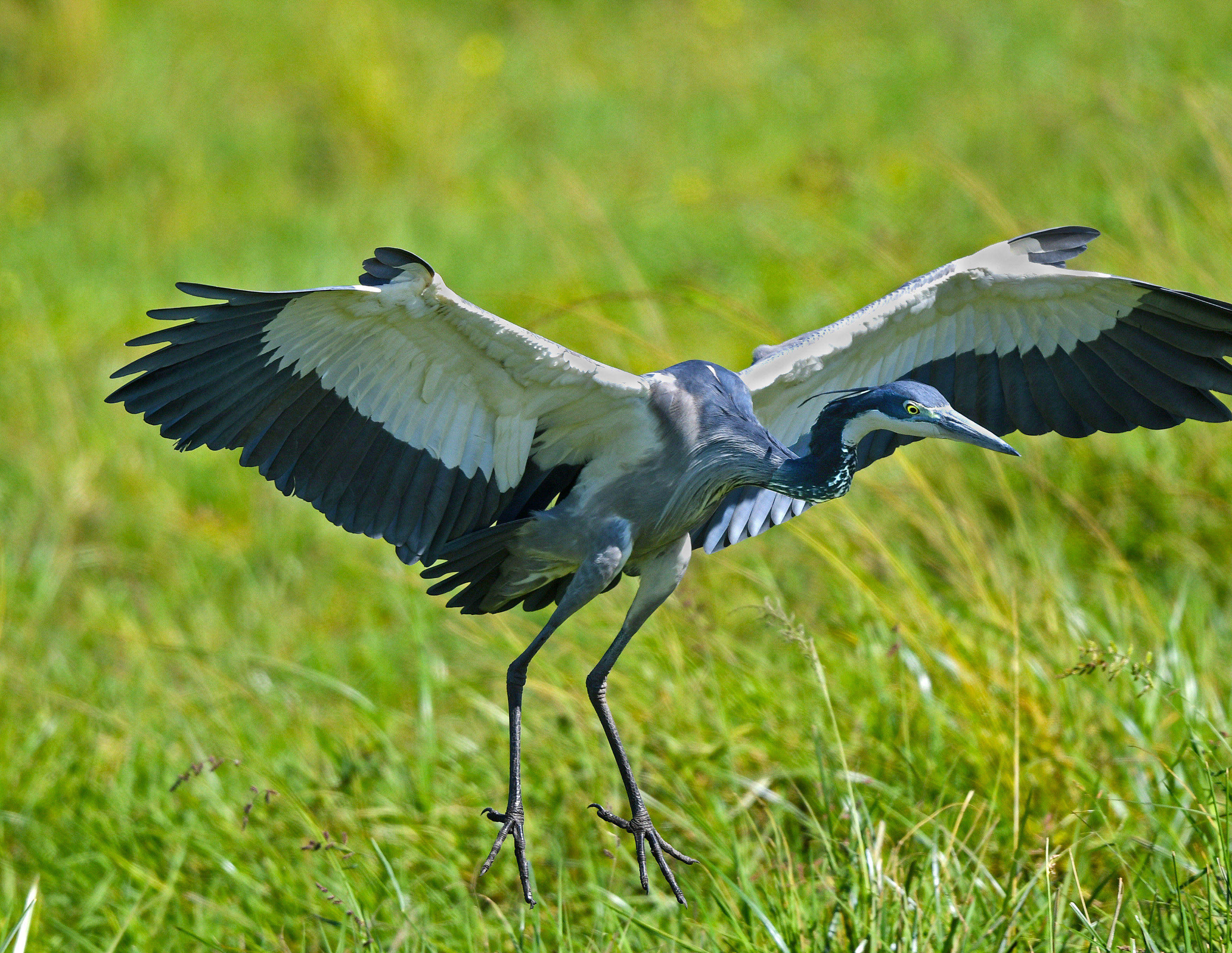
Maasai Mara National Reserve, Kenya

Goats grazing on the Mongolian Plateau in Central Asia. Gilles Sabrié for The New York Times
Goats have appeared in our pages from time to time over the years–usually related to their ecological contributions. Thanks to National Public Radio (USA) for the article below, which references the New York Times op-ed where the photo to the left was on display. Now it is time to talk about flaws in the accounting for the true costs of cashmere:
A goat that provides cashmere fibers grazes on foliage. Finnbarr Webster/Getty Images
The uncomfortable hidden costs behind the rise in cheap cashmere
The coveted material known for its luxurious softness has become much more accessible and affordable in recent years. But at what cost?
Who are they? Well, the fellers providing the goods are cashmere goats, many of whom live in parts of Central Asia, like northern China and Mongolia. Continue reading

Davis Mountains, TX

Illustration by Ricardo Tomás
Cal Newport’s essay is an important declaration of our responsibility with regard to regulating technology:
It’s Time to Dismantle the Technopoly
As technology accelerates, we need to stop accepting the bad consequences along with the good ones.
In the fall of 2016—the year in which the proportion of online adults using social media reached eighty per cent—I published an Op-Ed in the Times that questioned the popular conception that you need to cultivate a strong social-media brand to succeed in the job market. “I think this behavior is misguided,” Continue reading
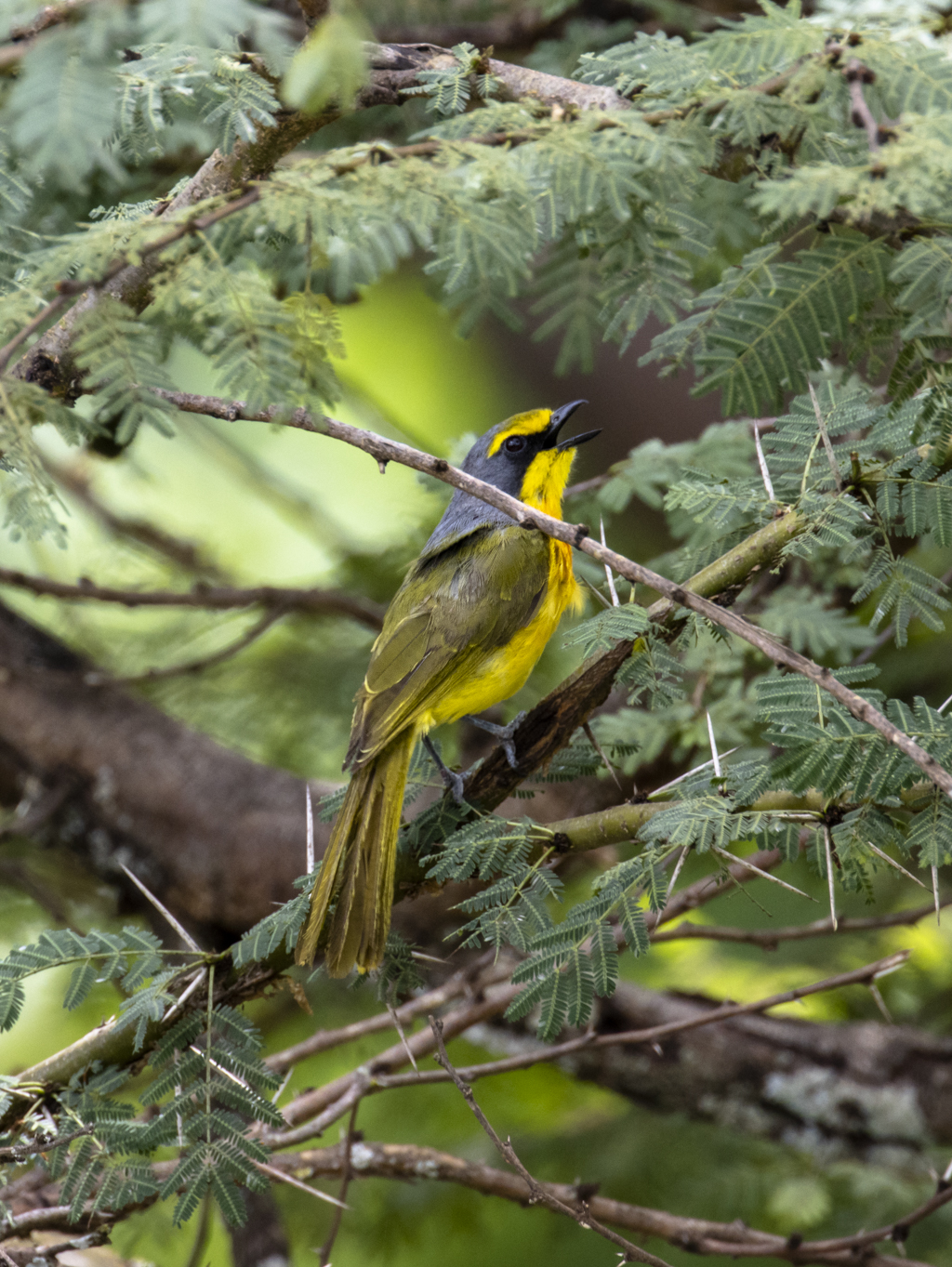
Nairobi National Park, Kenya

Traveling by car from Monteverde to Palo Verde National Park should take about 90 minutes
The Nicoya Peninsula is one of the Blue Zones we have mentioned previously. For our family there is a memorable connection to the wetlands area where we are opening a shop this month, just as there was in Tamarindo. In 1998 we had a dozen family members visiting and organized a small bus to transport us to Arenal, Monteverde, and onward to the Palo Verde National Park. Continue reading
Namibia
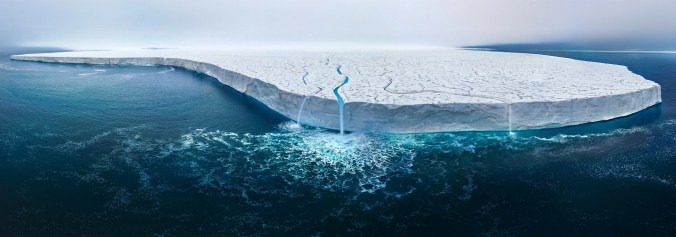
Credit: Thomas Vijayan
We encourage you to go to Nature to see the entire selection, if you think this one is amazing:
Melt warning. This shot of melt water pouring through the Austfonna ice cap on the Arctic island of Nordaustlandet, Norway, won the Nature category in the 2023 Drone Photo Awards. “I have visited this place several times before, but last year it was disheartening to witness the sea ice melting as early as June,” said photographer Thomas Vijayan.
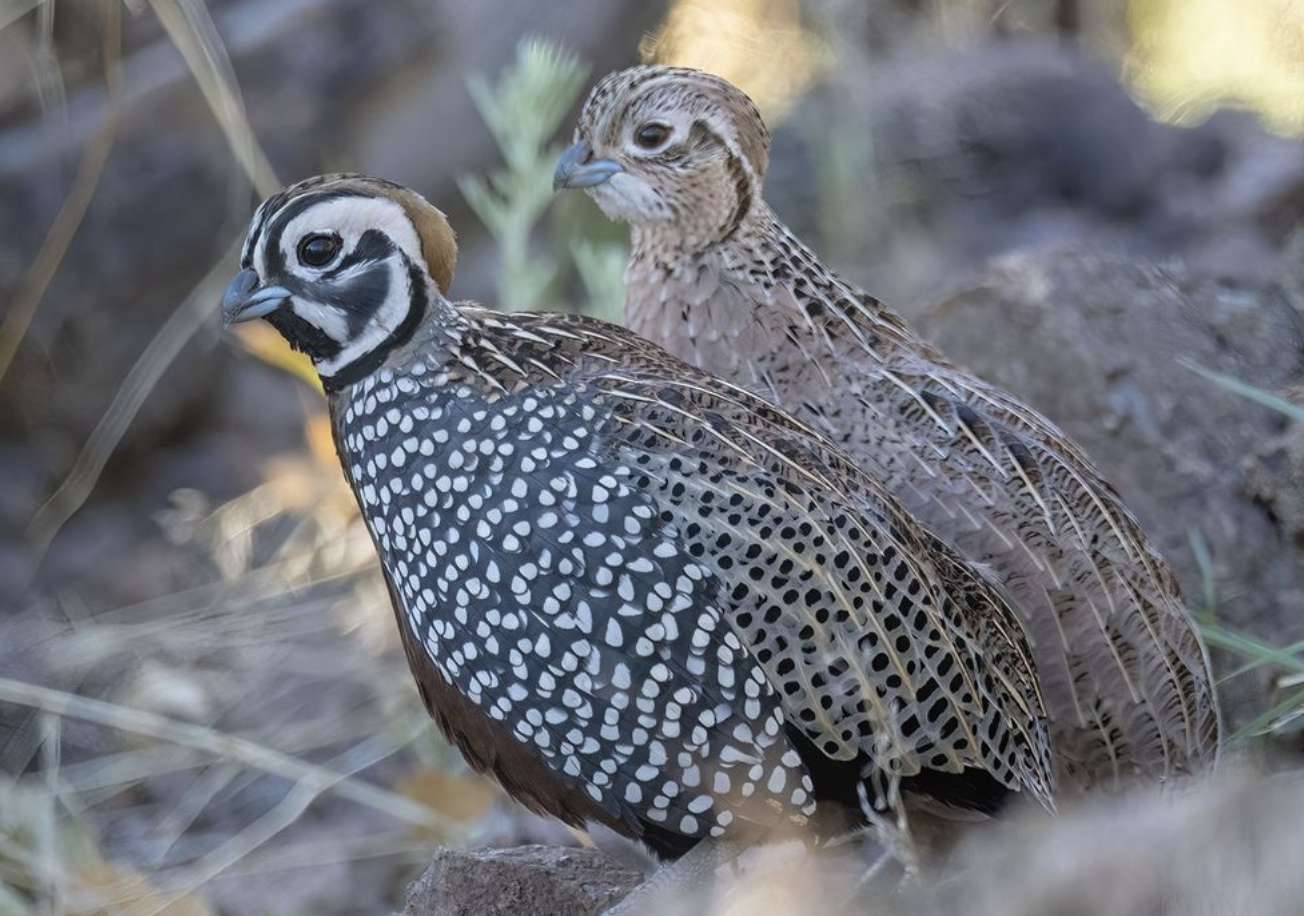
Male and Female
Davis Mountains Preserve, TX

Peter Dejong/Associated Press
David Wallace-Wells keeps our attention focused on the real message out of Dubai:
What No One at COP28 Wanted to Say Out Loud: Prepare for 1.5 Degrees
It only took 28 years. When Sultan Ahmed Al Jaber banged his gavel on the resolution text of COP28 in Dubai on Wednesday, it marked what has been widely called a historic achievement: the first time nearly every country on Earth agreed that oil and gas play a role in driving global warming, and the first time they nodded toward the need for a fossil fuel drawdown. Continue reading

Nairobi National Park, Kenya
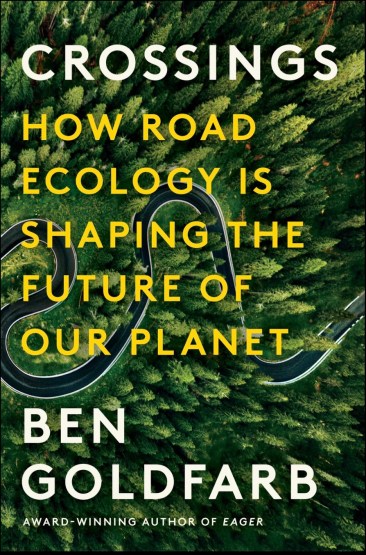 This journalist and author of the book to the left, surprisingly, has not appeared in our pages before. Here is what he says about himself:
Hi, I’m Ben, an independent conservation journalist. I’m the author of Crossings: How Road Ecology Is Shaping The Future of Our Planet, named one of the best books of 2023 by the New York Times, and Eager: The Surprising, Secret Life of Beavers and Why They Matter, winner of the 2019 PEN/E.O. Wilson Literary Science Writing Award.
And about the book he shares what others have said:
An eye-opening and witty account of the global ecological transformations wrought by roads, from the award-winning author of Eager.
Some 40 million miles of roadways encircle the earth, yet we tend to regard them only as infrastructure for human convenience. While roads are so ubiquitous they’re practically invisible to us, wild animals experience them as entirely alien forces of death and disruption. Continue reading
Namibia
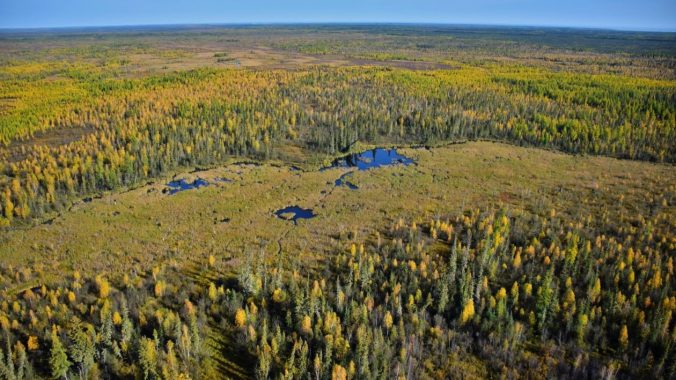
Beavers are not always welcome, but where they belong, they are a wonder to behold. Ian Frazier offers this dispatch from the great North:
Deep in the Wilderness, the World’s Largest Beaver Dam Endures
The largest beaver dam on Earth was discovered via satellite imagery in 2007, and since then only one person has trekked into the Canadian wild to see it. It’s a half-mile long and has created a 17-acre lake in the northern forest — a testament to the beaver’s resilience.
Wood Buffalo National Park, the largest national park in Canada, covers an area the size of Switzerland and stretches from Northern Alberta into the Northwest Territories. Continue reading