Daniel Boone National Historic Site, MO
Daniel Boone National Historic Site, MO
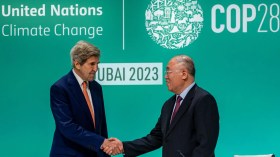
United States’ Special Presidential Envoy for Climate John Kerry(L) and China’s special envoy for climate change Xie Zhenhua (R) attend a press conference during the 2023 United Nations Climate Change Conference (COP28), in Dubai, United Arab Emirates, on December 13th, 2023. Martin Divisek/ZUMA
It started on a flawed premise, that a petrostate bigwig could honestly lead the forum to a legitimate outcome. We knew it was not going to end dirtier than it should have, but still we must parse what just happened. Thanks to Mother Jones for republishing Damien Carrington’s explanation from the Guardian:
Good Cop, Bad Cop: Breaking Down the UN’s New Climate Resolution
Some call the COP28 agreement “historic,” others call it weak. Here’s why.
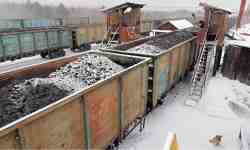
Language on coal power was no stronger than that of Cop26 in 2021. Photograph: Maxim Shipenkov/EPA
The decision text from Cop28 has been greeted as “historic,” for being the first ever call by nations for a “transition away” from fossil fuels, and as “weak and ineffectual” and containing a “litany of loopholes” for the fossil fuel industry. An examination of the text helps to explain this contradiction.
Reducing Fossil Fuel Use
The text states the huge challenge with crystal clarity: Continue reading

Legon Botanical Gardens, Accra, Ghana

Illustration by Nicholas Konrad / The New Yorker
Cactus is an infrequent topic in these pages, sometimes with attention to their beauty–and that leads to an environmental problem we had not been aware of:
Inside the Illegal Cactus Trade
As the craze for succulents continues, sometimes the smuggler and the conservationist are the same person.
The succulent Dudleya pachyphytum is known as the Cedros Island live-forever. It has also been called the panda bear of plants, on account of being so cute. It has sweet, chubby leaves, is pale, and is powdered as if with confectioner’s sugar, and its shape is most often that of a rose. D. pachyphytum grows slowly, as succulents generally do, and many specimens would fit in your coat pocket. Continue reading
Photo Illustration by The New York Times
We have Brad Plumer and Nadja Popovich to thank for the answer to this question:
Can Carbon Capture Live Up to the Hype?
The technology to capture and bury carbon dioxide has struggled to ramp up and has real limits. But experts say it could play a valuable role.
World leaders at the annual United Nations climate talks have battled for years over whether they should “phase out” fossil fuels like coal or just phase them “down.” Continue reading
Maasai Mara National Reserve, Kenya
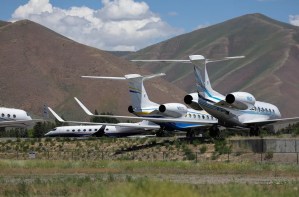
Planes account for roughly two per cent of the world’s CO2 emissions—if all the world’s aircraft got together to form a country, they’d emit more than the vast majority of actual nations. Photograph by Kevin Dietsch / Getty
I have had precisely one direct experience with otherwise elusive alternative aviation fuel. It was during my first of multiple work trips to Paraguay. The fuel was made from sugarcane, and while I am still here to write about it, the experience was among the most harrowing of my lifetime. I only have time and space here to mention that I spent an unexpected night in the Chaco. I highly recommend visiting the Chaco, but I do not highly recommend traveling with experimental fuel. That said, read on:
Looking for a Greener Way to Fly
The Treasury Department is about to announce tax credits for sustainable aviation fuel, which raises the question: What fuels are actually “sustainable”?
Sometime in the next few weeks, the Department of the Treasury is expected to decide who—or, really, what—will qualify for a new set of tax credits. Continue reading

Nairobi National Park, Kenya
Greenpeace has not been in our pages for years, but it was in our pages for years, and for good reason. Here is one more.
Guatemala

Sam Whitney/The New York Times
Vibing is a slang word that works well as a stand-in for greenwashing. Alex Simon, a co-founder of Synaps, an economic and environmental research center, shares additional perspective on the corruption built into Cop28:
In Dubai, a ‘Good Vibes Only’ Approach to Climate Change
On a recent trip to the United Arab Emirates, I felt as if I’d entered a fever dream of green exuberance. It was more than two months before COP28, the annual global climate meeting now in progress in Dubai, but the country was already awash in environmental hype. On the highway, banners for an event hosted by the Abu Dhabi National Oil Company, the fossil fuel behemoth known as Adnoc, read: “Decarbonizing. Faster. Together.” A placard in my hotel bathroom asked me to conserve water by using the two-tiered flush, although the flush had only one tier. A friend’s utility bill was labeled “green bill” — although U.A.E. households have some of the biggest carbon footprints in the world. Continue reading
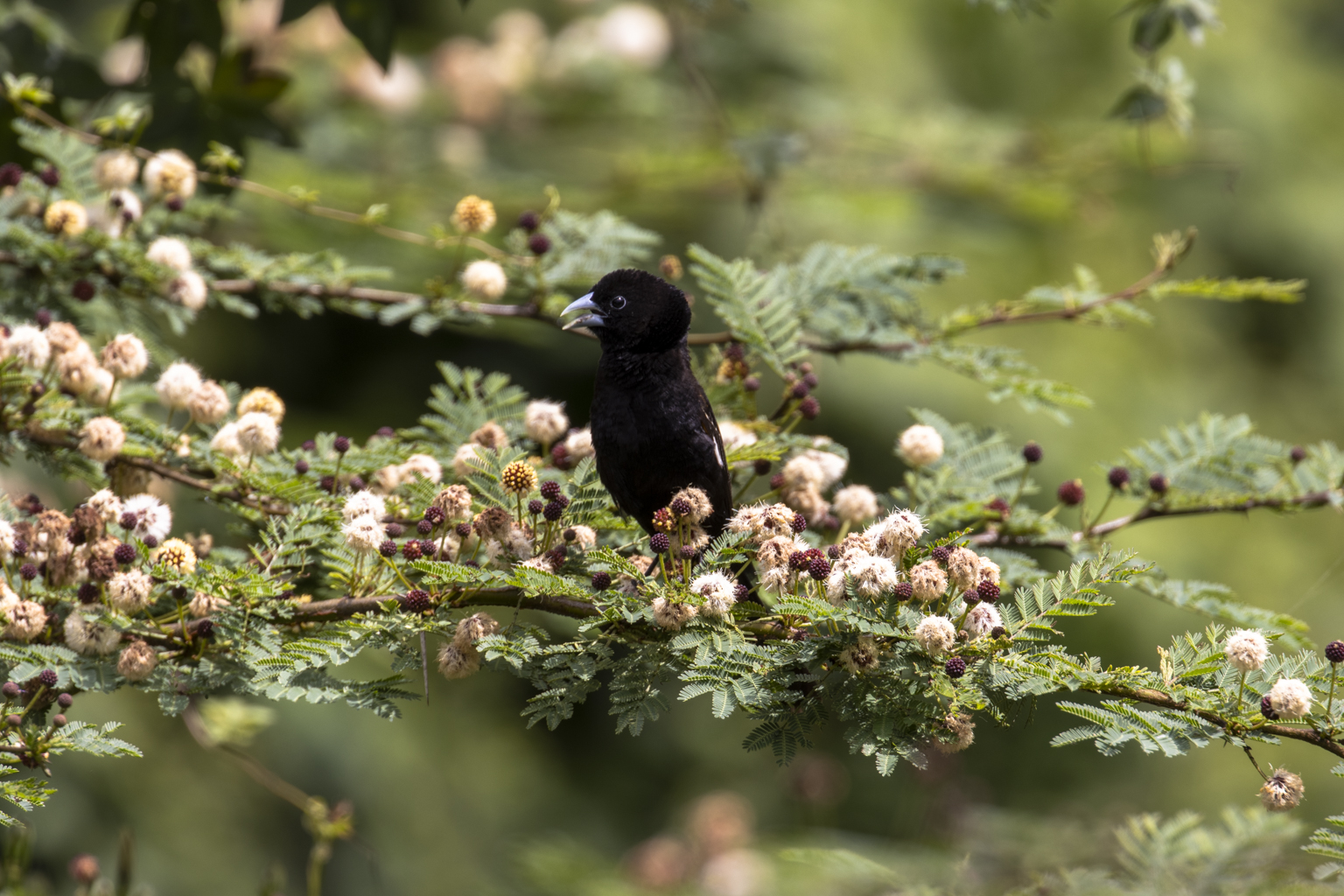
Nairobi National Park, Kenya
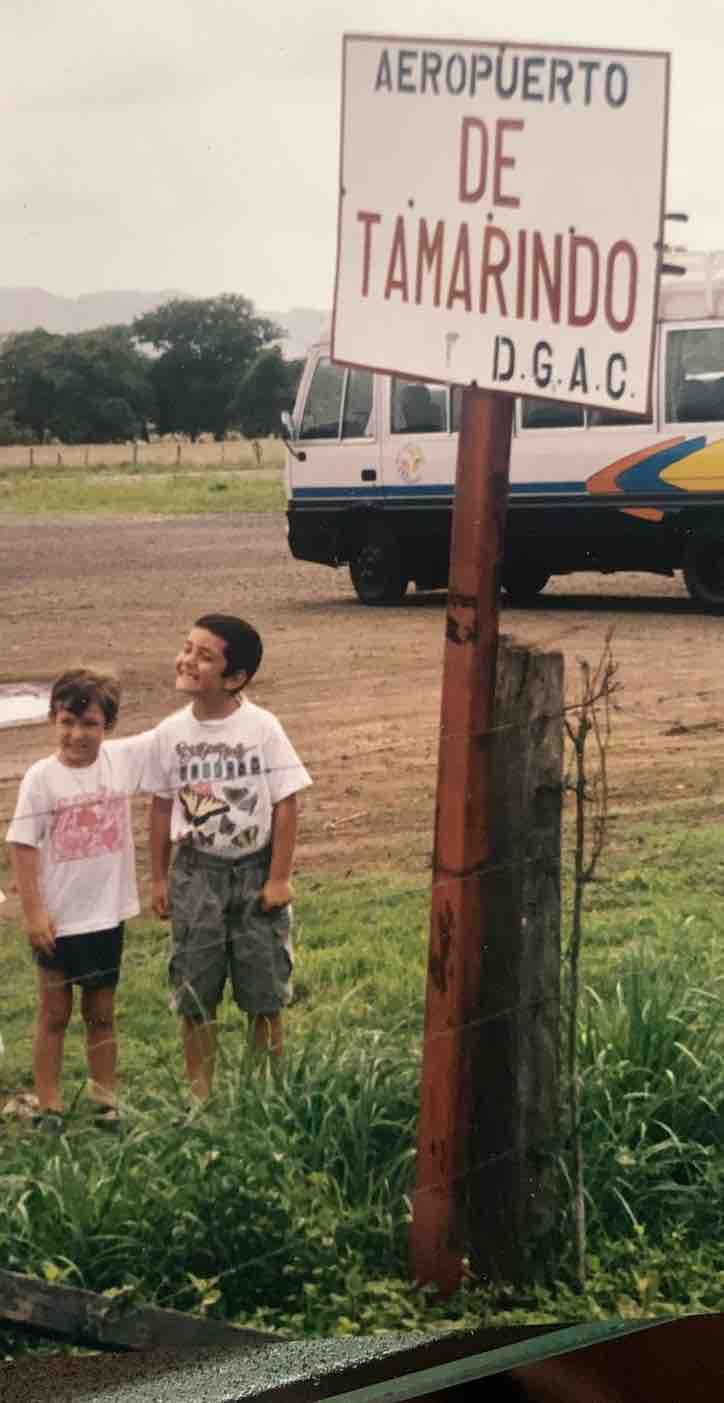
Milo & Seth Inman, December 1996
27 years ago our family was in Tamarindo, Costa Rica for a long weekend. We stayed at a lovely beachfront hotel. Tamarindo was a very small town at the time, attracting surfers who were escaping more crowded beaches in places like California and enjoying the excellent waves on this part of the coastline. This hotel set the vibe for the town, at least as we experienced it. Tourism has grown 4-fold in the decades since that visit, and still the beaches of Tamarindo offer a ratio of surfers to great waves that make it an ideal destination. Not only for skilled surfers but for those looking to learn. The town has grown, and at various points since that family outing I was concerned about how sustainable that growth was. I am now convinced it is on the right track.
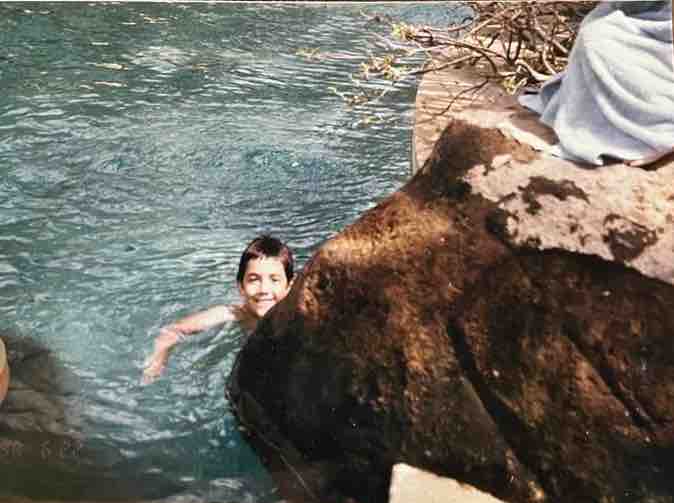
Seth in the pool at Hotel Capitan Suizo, the edge of Milo’s towel in the upper right of the frame. The pool is one of the most beautiful in Costa Rica, and overlooks the Pacific ocean.
So much so that next week we are opening our fourth Authentica shop. In Tamarindo. At that hotel. We will finally be introducing our take on and old game –a product that I have been developing with one of our woodworking partners for the entire time since our first Authentica shops opened four years ago. And we will offer other new products that are particular to the Guanacaste region, and the Nicoya peninsula in particular. More fun.
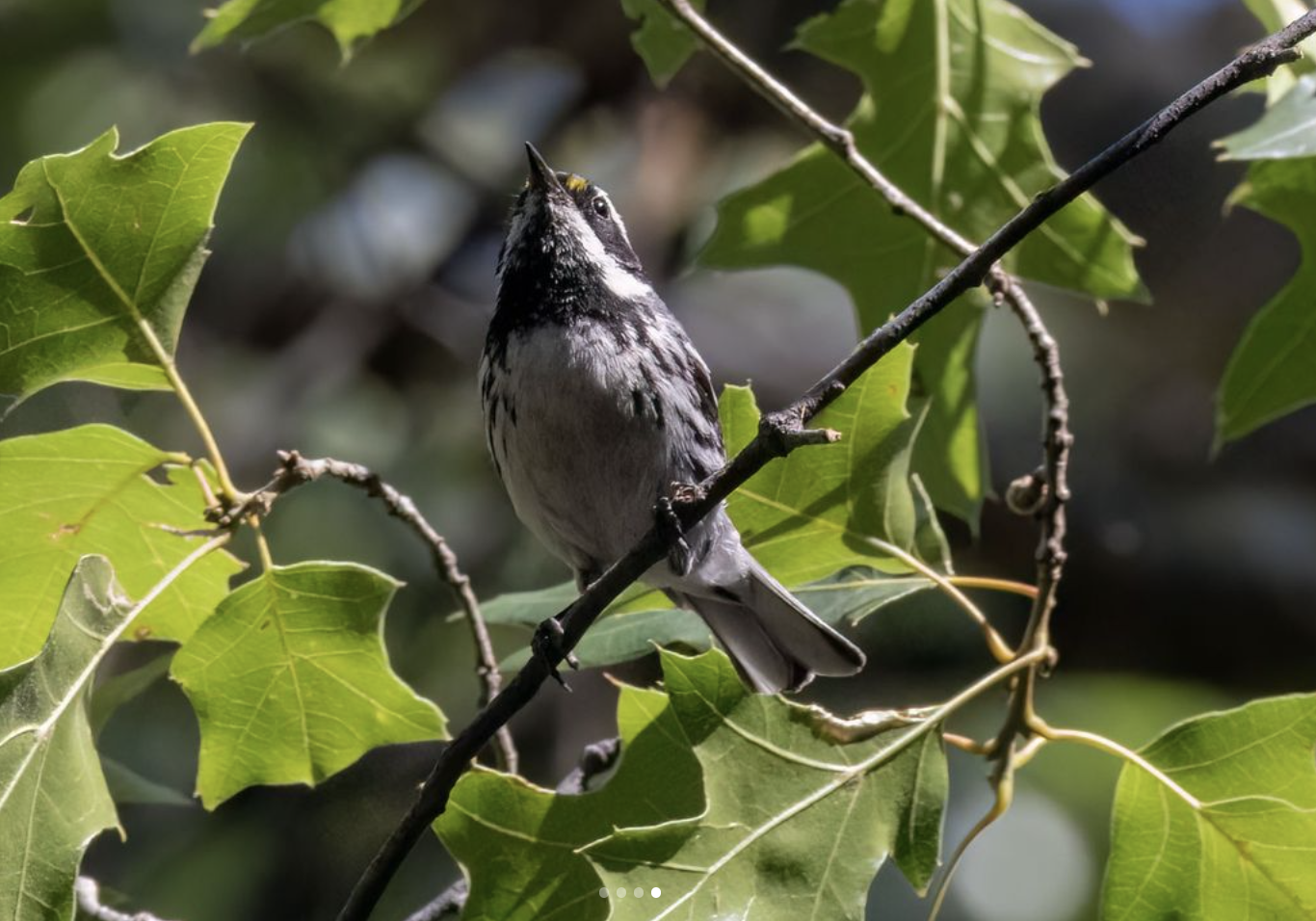
Male
Davis Mountains Preserve, TX
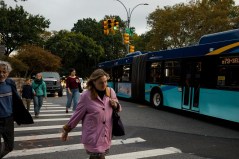
A particularly loud intersection on Manhattan’s Upper West Side. The neighborhood is home to at least one of the noise cameras the city is testing. Sara Naomi Lewkowicz for The New York Times
When we lived in India we used to post frequently on this topic, but it has been a while. Happy to see (thanks to Erin Nolan and the New York Times) that another onetime hometown of ours is taking up the issue:
These Noise Cameras Put a Price on Peace: $2,500 for Loud Drivers
New York City, not exactly known for its peace and quiet, is expanding its use of technology to fine the drivers of loud cars and motorcycles.
New York City is known for its noise. A cacophony of sounds bombards residents every time they step outside — screeching subway cars, jackhammers drilling away, late-night revelers leaving bars and clubs. Continue reading
Nairobi National Park, Kenya

Satellite images of Cambodian forest in 2000 (left) and, after being cleared, in 2015 (right). Forests were replaced by a grid of rubber plantations, as well as croplands. Source: NASA
If you have never seen ecosystem destruction firsthand, count yourself lucky. I witnessed, during visits over several years, as 1,000 acres of primary forest ecosystem was destroyed to make way for a rubber plantation. It was horrifying. And I am further horrified to read how what I witnessed was only a small part of a much bigger rubber-induced destruction (thanks as always to Fred Pearce):
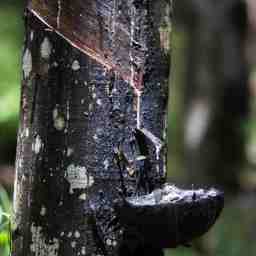
Rubber resin collected from a tree near Lubuk Beringin, Indonesia. TRI SAPUTRO / CIFOR
How Mounting Demand for Rubber Is Driving Tropical Forest Loss
The growing market for rubber is a major, but largely overlooked, cause of tropical deforestation, new analysis shows. Most of the rubber goes to produce tires, more than 2 billion a year, and experts warn the transition to electric vehicles could accelerate rubber use.
The elephants are gone. The trees are logged out. The Beng Per Wildlife Sanctuary in central Cambodia is largely destroyed, after being handed over by the government to a politically well-connected local plantation company to grow rubber. Continue reading
Namibia

Courtesy Of Ifixit/Via Reuters
Ezra Klein has been part of my media diet for about as long as I have been posting in these pages.
He occasionally writes opinions that are the best thing I have read in a while, and this book list is among them:
The Books That Explain Where We Are in 2023
This is another end-of-the-year book list, but with a twist. These are the best books I read about 2023. They are, for the most part, voices from other years helping me make sense of our own. In a world where information keeps speeding up and thinning out, books slow time down, thickening the moment in which we live.
I spent much of the year reporting on artificial intelligence. And my thoughts returned, again and again, to “God, Human, Animal, Machine,” by Meghan O’Gieblyn. Continue reading