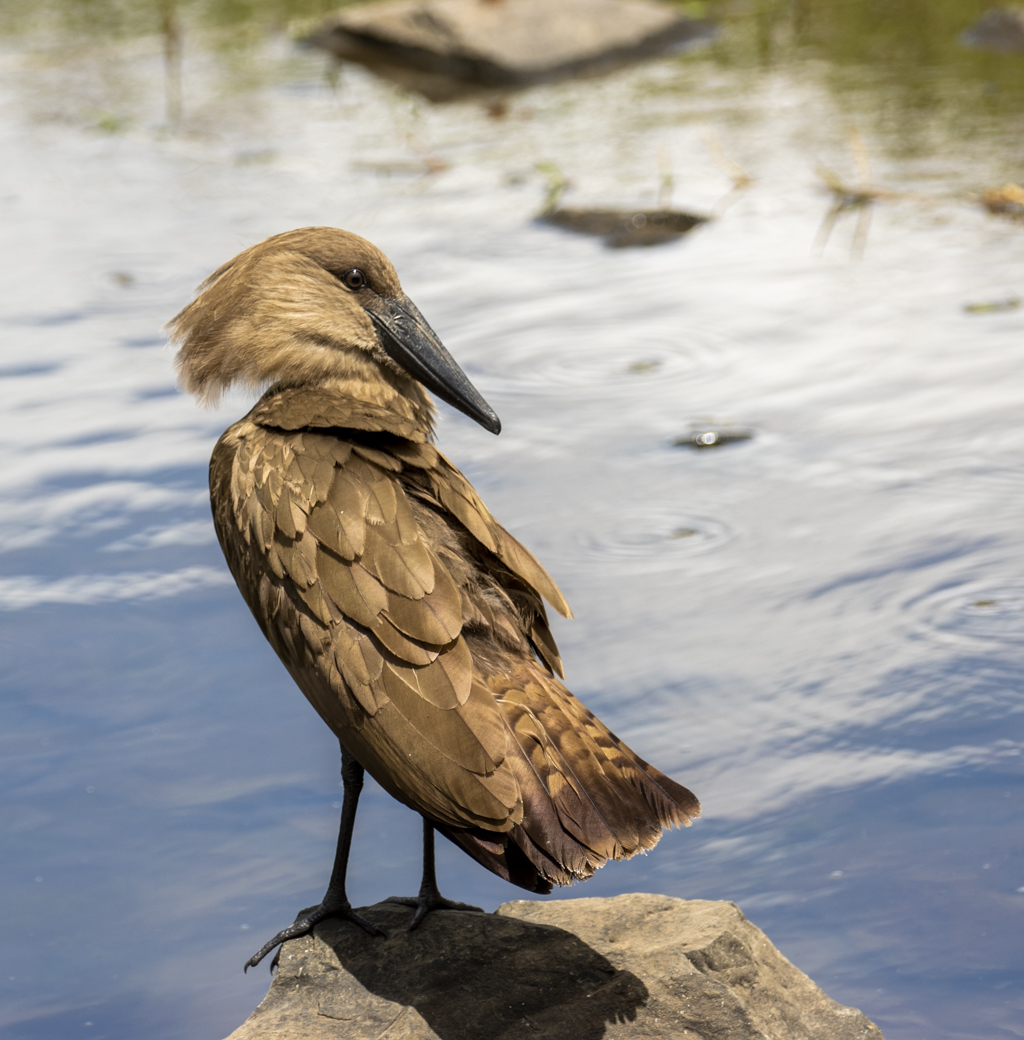
Nairobi National Park, Kenya
Nairobi National Park, Kenya
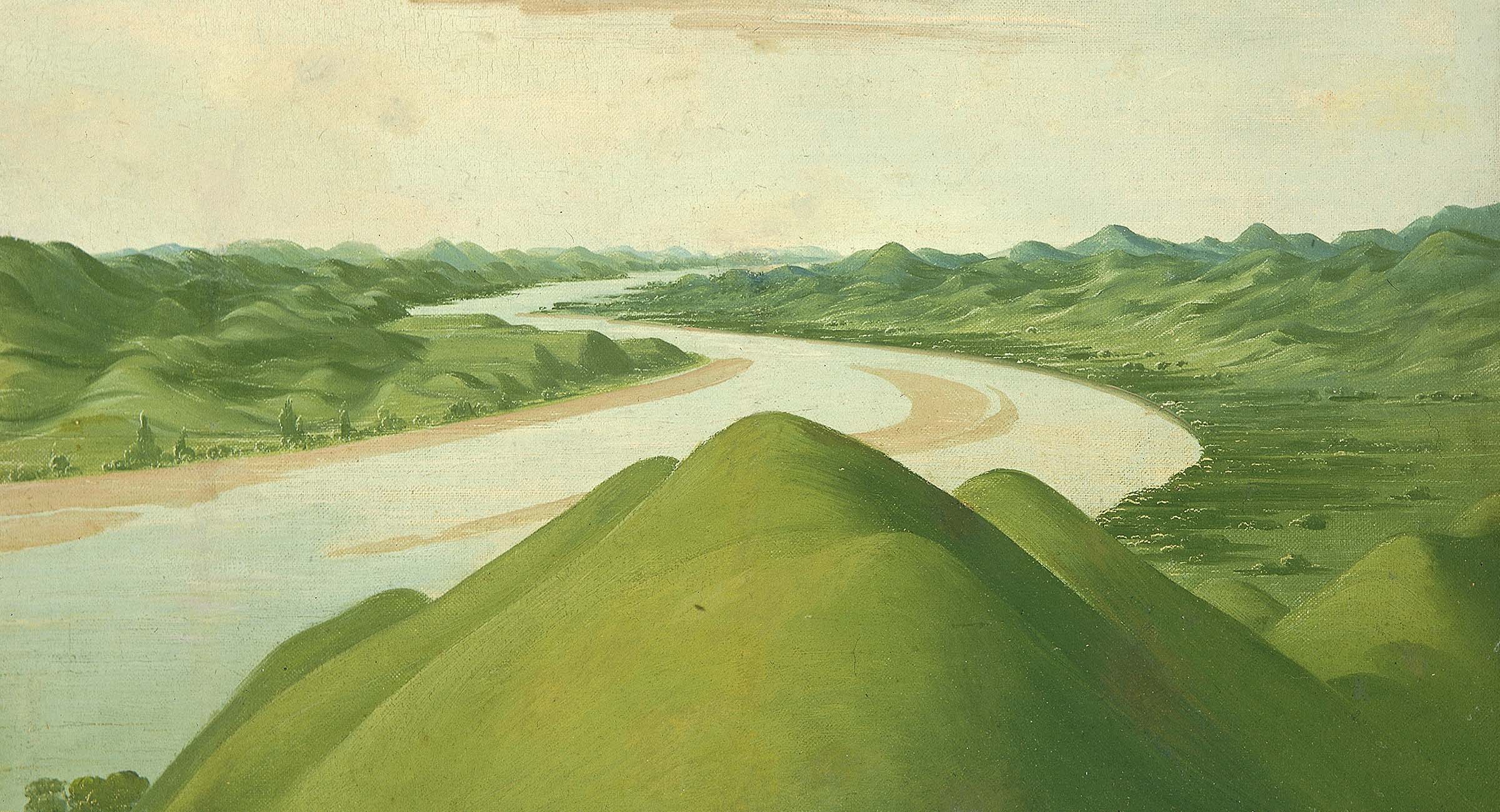
View in the “Cross Timbers,” Texas, by George Catlin, c. 1832. Smithsonian American Art Museum, gift of Mrs. Joseph Harrison, Jr.
Lapham’s Quarterly, judged here only by the rare occasions when we have linked to their work, offers gem quality items of interest, such as this essay by Rosemarie Ostler:
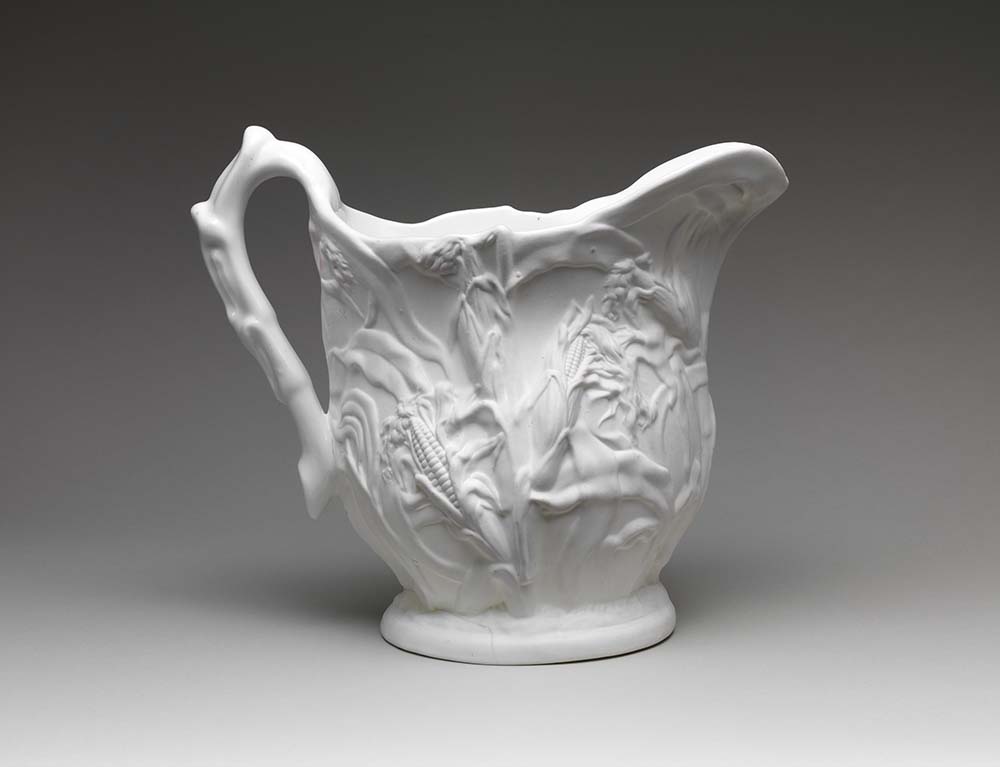
Corn pitcher, Southern Porcelain Company, c. 1855. The Metropolitan Museum of Art, Sansbury-Mills Fund, 2014.
The Early Days of American English
How English words evolved on a foreign continent.
English settlers faced with unfamiliar landscapes and previously unknown plants and animals in the Americas had to find terms to name and describe them. They sometimes borrowed words from Native American languages. They also repurposed existing English words and invented new terms, as well as keeping words that had become archaic in British English. As non-English-speaking immigrants began to arrive during the eighteenth century, they accepted words from those languages as well. By the time of the American Revolution, English had been evolving separately in England and America for nearly two hundred years, and the trickle of new words had become a flood. Continue reading

Maasai Mara National Reserve, Kenya
A podcast that catches our interest with this most recent episode on why leaves change colors.
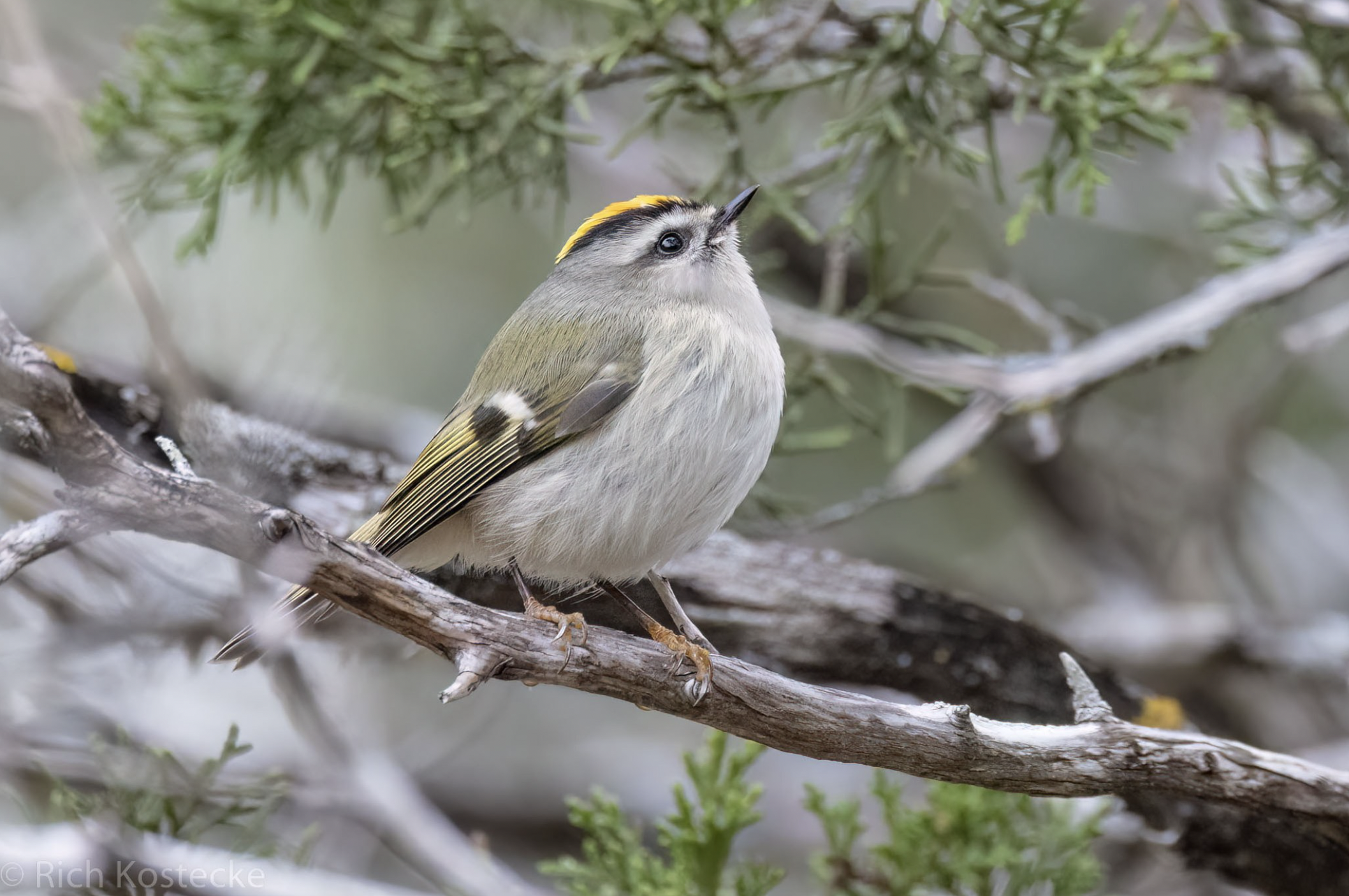
Lake Georgetown, Williamson County, TX
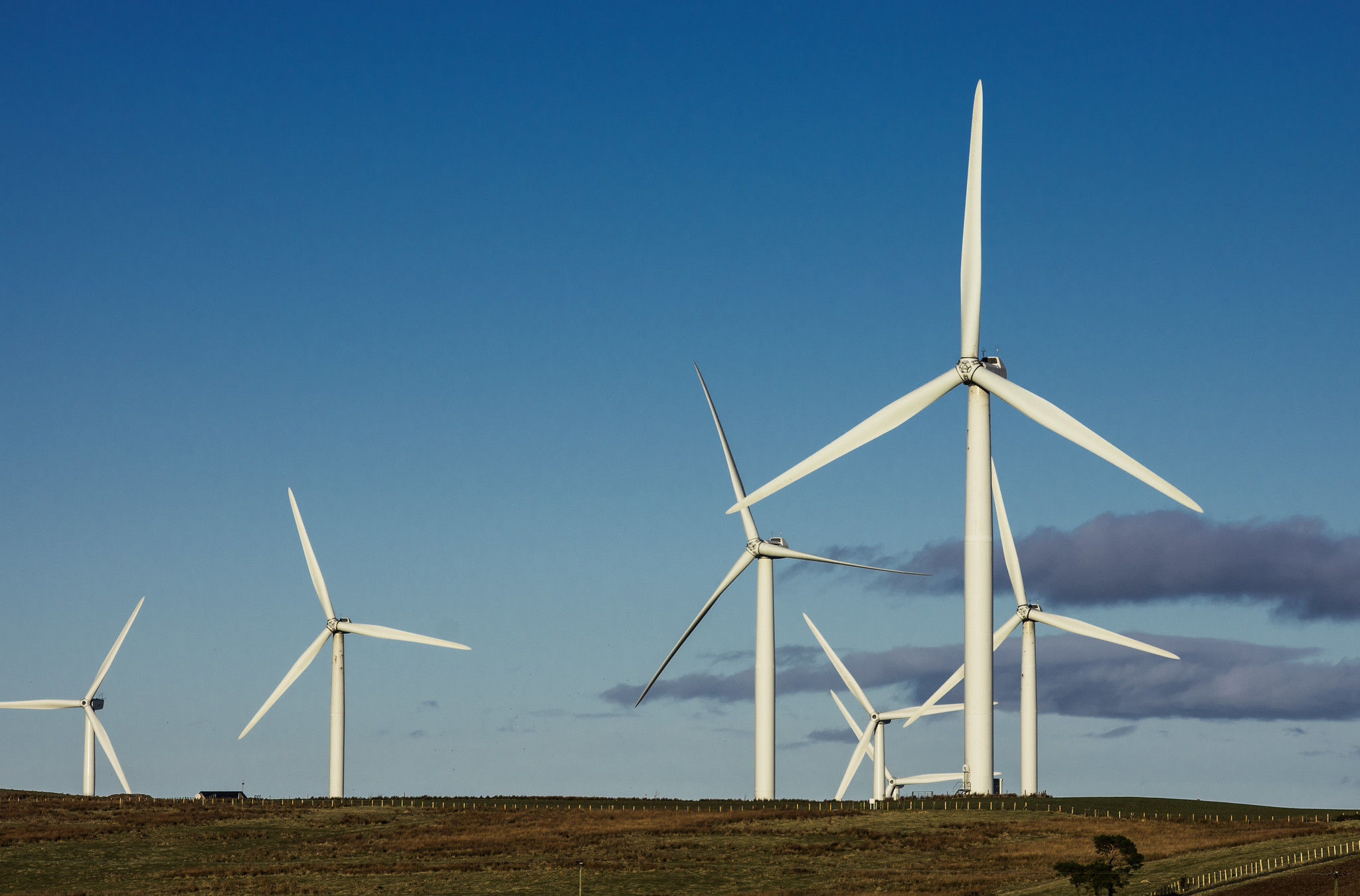 Bats need protection; these clever engineers and scientists will surely figure out how to, considering what they have already accomplished:
Spinning Wind Turbines Kill Nearly a Million Bats a Year. Researchers Aim to Find Out Why
Land-based wind turbines kill as many as 880,000 bats a year, wiping out so many threatened bats that at least one species could soon become endangered without preventative action, according to a recent study.
Bat conservation experts and scientists say they currently do not know how to stop turbine collisions. Continue reading
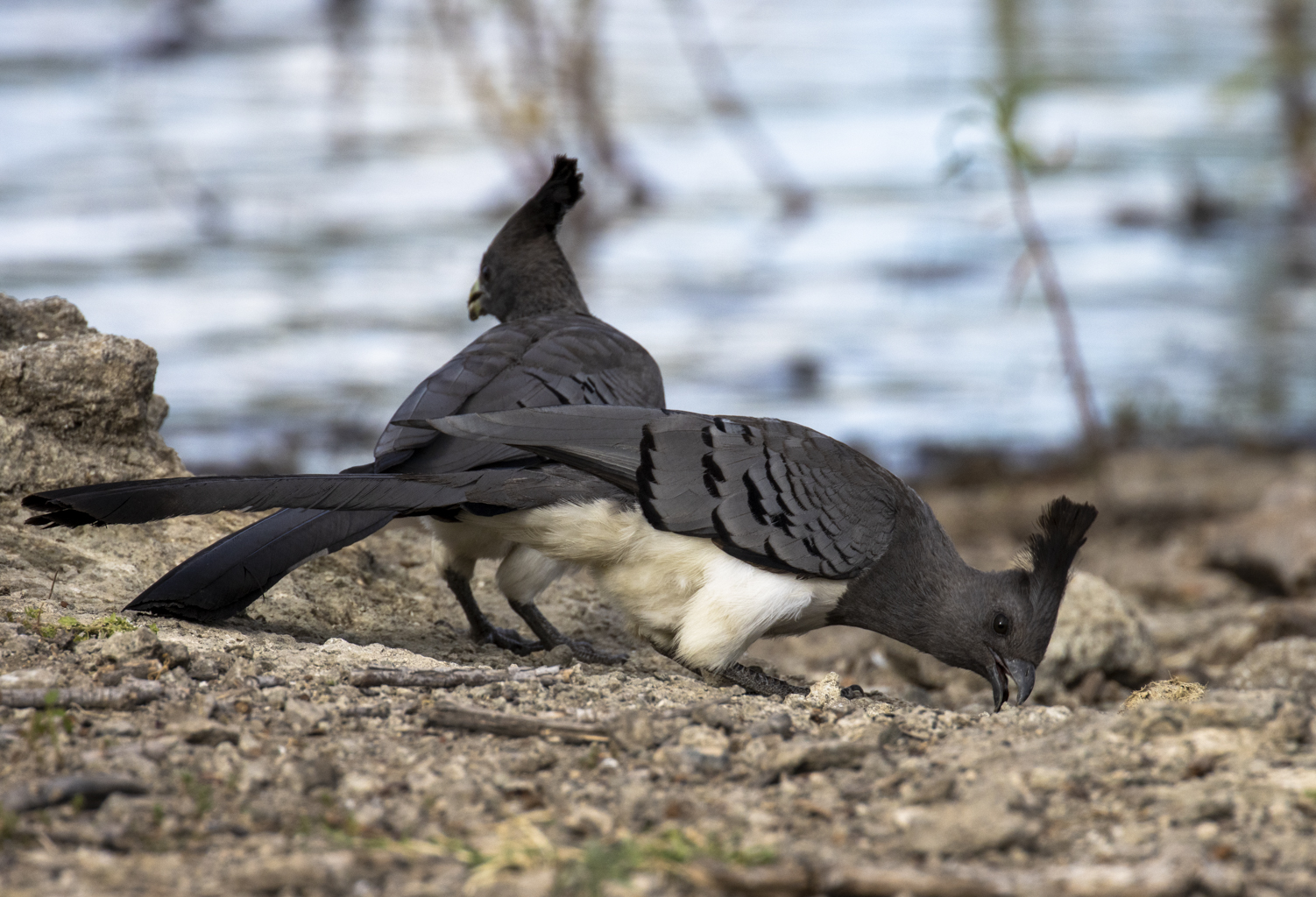
Nairobi National Park, Kenya
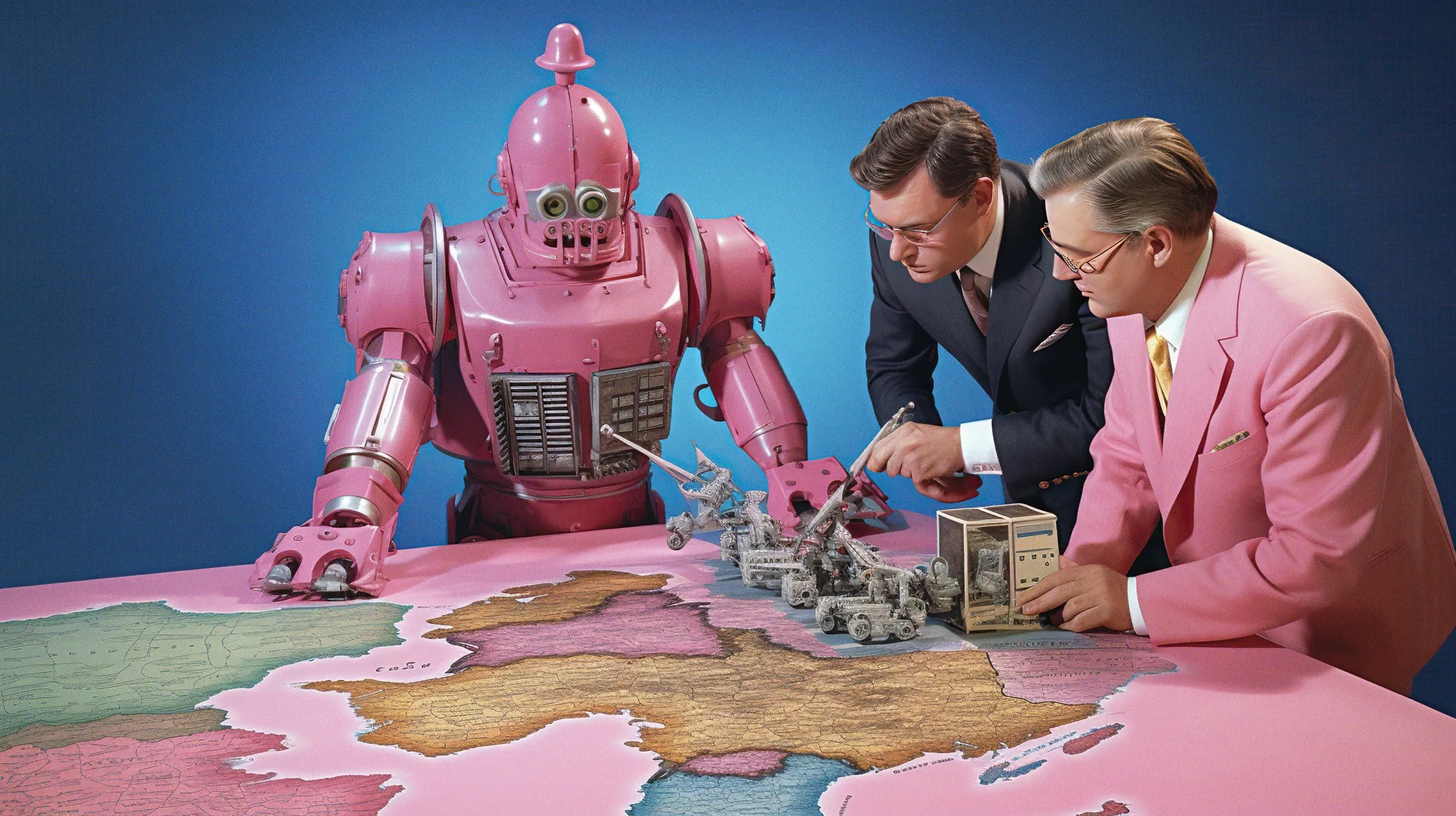 Virginia Heffernan has appeared in our pages only once before, also reviewing a book. She is one of the great writers in the English language, but often on topics not connected to our themes here. While we mostly are interested in topics related to the natural world, and we know that this topic is a whole other realm, we can guess that AI’s impact on the natural world is part of what the title of this issue of Wired will mean to us pretty soon:
What If the Robots Were Very Nice While They Took Over the World?
First it was chess and Go. Now AI can beat us at Diplomacy, the most human of board games. The way it wins offers hope that maybe AI will be a delight.
THE MORRISSEY HAD the right melodrama in his limbs, and his voice was strong and pained. I was at Gramercy Theatre in Manhattan to see a Smiths tribute band. I tried to get Morrissey’s acid yodel in my throat, to sing along. I am human and I need to be loved / just like everybody else does. But it didn’t feel right to copy a copy. Continue reading
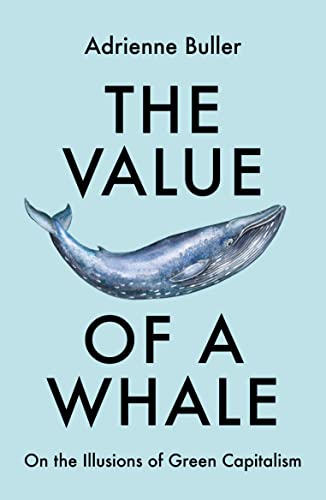 We shared an interview with the author of this book a few months ago, but missed the numerous reviews when her book was published last year. Thanks again to a Dutch biologist named Leon at the Inquisitive Biologist for this book review now:
BOOK REVIEW – THE VALUE OF A WHALE: ON THE ILLUSIONS OF GREEN CAPITALISM
In an attempt to address climate change and other environmental problems, governments are increasingly turning to economic solutions. The underlying message is clear: capitalism might have created the problem, but capitalism can solve it. Adrienne Buller, a Senior Fellow with progressive think tank Common Wealth, is, to put it mildly, sceptical of this. From carbon credits to biodiversity offsets, she unmasks these policies for the greenwashing that they are. The Value of a Whale is a necessary corrective that is as eye-opening as it is shocking. Continue reading

Maasai Mara National Reserve

Illustration by Igor Bastidas
We have ideas on what to take away if you are visiting Costa Rica. Yesterday, Joshua Hunt made this unexpected recommendation on travel takeaways:
Want a Vacation Souvenir? Buy Toothpaste.
The quotidian joys of this pocket-size keepsake.
Six weeks after my first trip to Italy, the fresh mozzarella I brought home is long gone, and so is the hard salami and pistachio-flavored chocolate. To squeeze a bit more from my Mediterranean experience, I can rely a little while longer on the tube of Elmex-brand toothpaste I used to brush away all that food. Continue reading
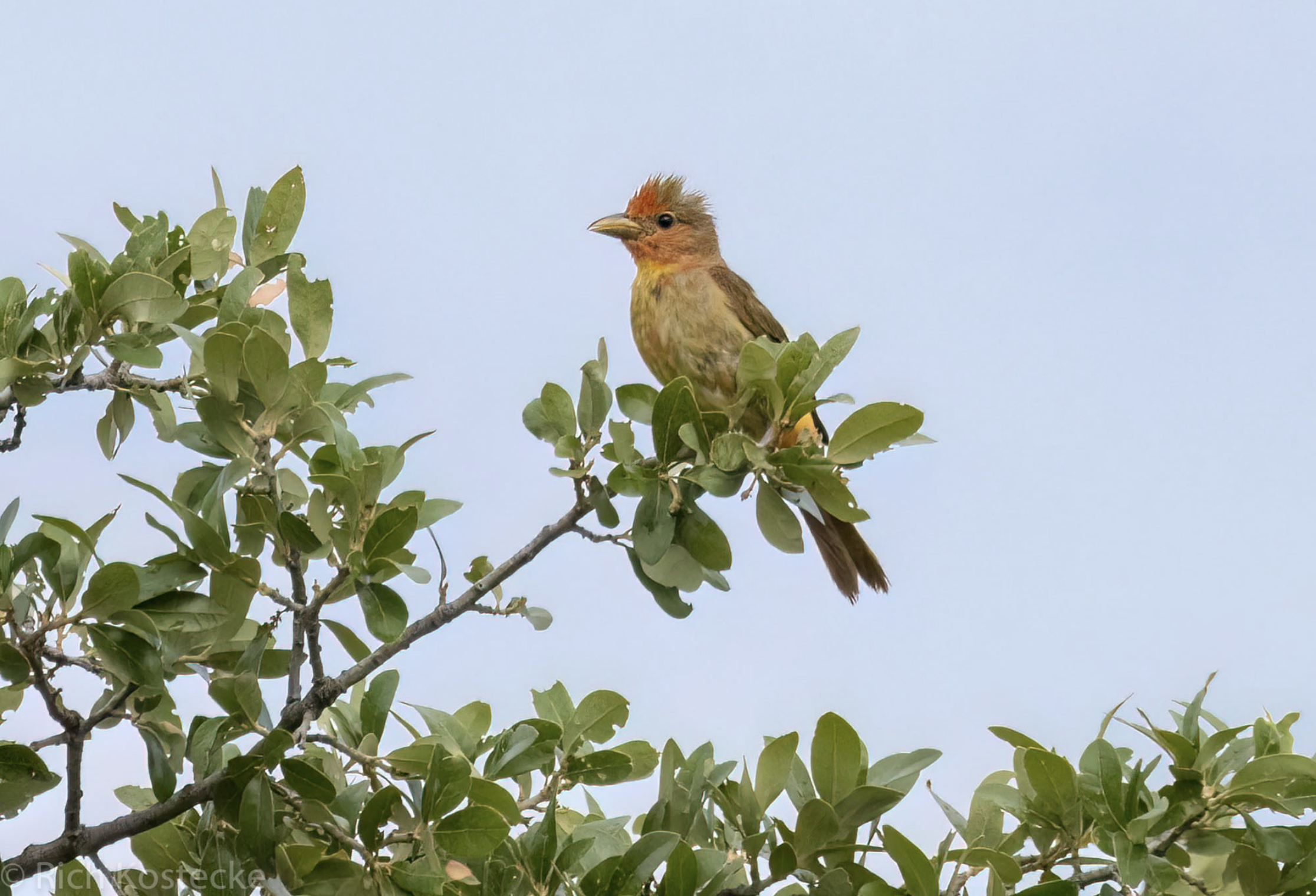
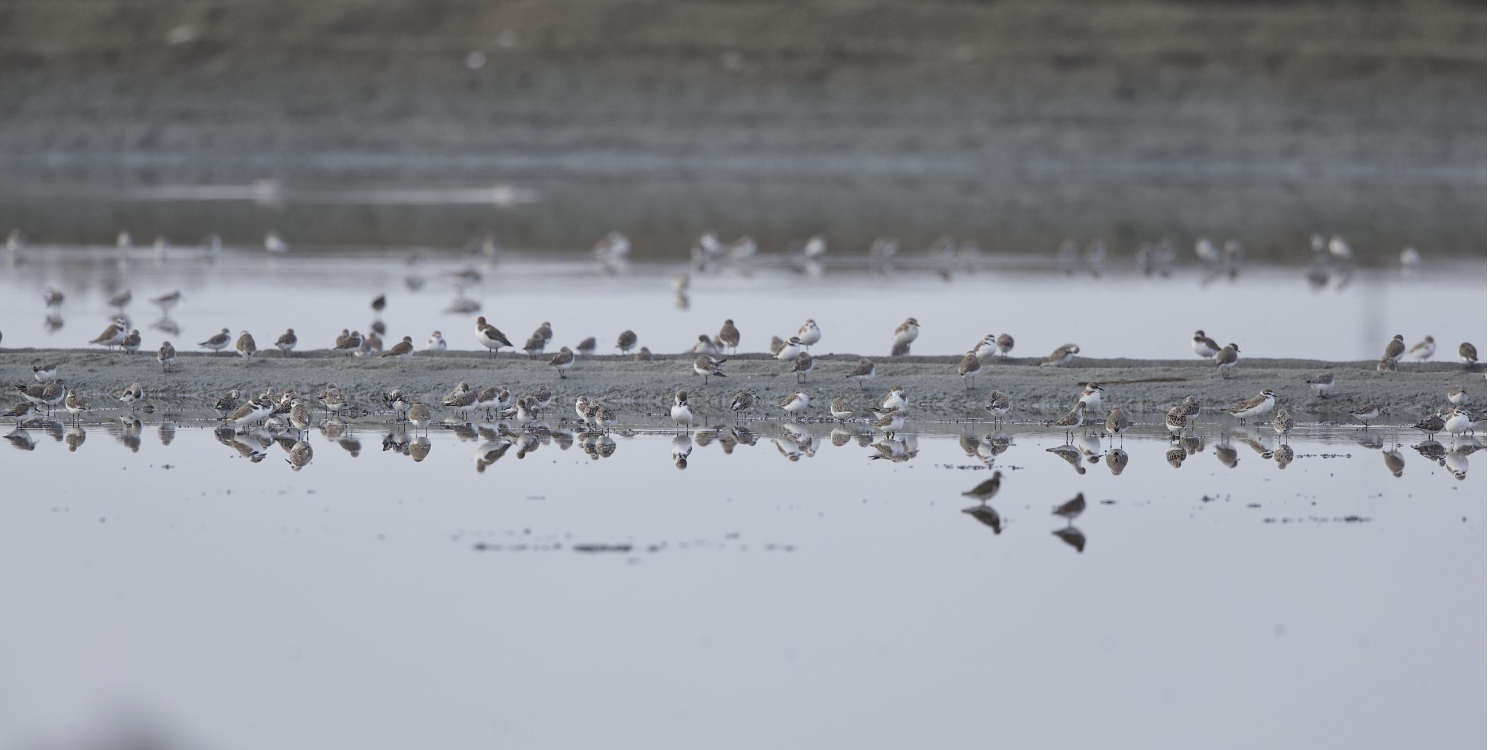

Tawny Eagle
Fast forward to June of 2012, when I started scouting for birds in the grasslands. Clement Francis showed me the birds of Hesaraghatta. Clement is a topnotch bird photographer. I was amazed at his skills. He could identify every bird there and explained their features and behaviour. We roamed around the grasslands in our car and upon sighting a raptor on the ground, Clement would approach the bird from the car, going around it in wide circles, gradually reducing the distance from the bird. As I sat on the passenger seat with my lens rested on the car door, Clement whispered to me not to make eye contact with the bird, or make any large movements while he parked the car at the comfort-distance and with the sunlight behind us. He approached the bird with such skill that it never felt threatened as he mumbled the ideal camera settings for perfect photographs under his breath. He gave me very valuable lessons in approaching the various species of the grasslands, while advising on the ideal light conditions and inculcated patience in making handsome pictures. Continue reading
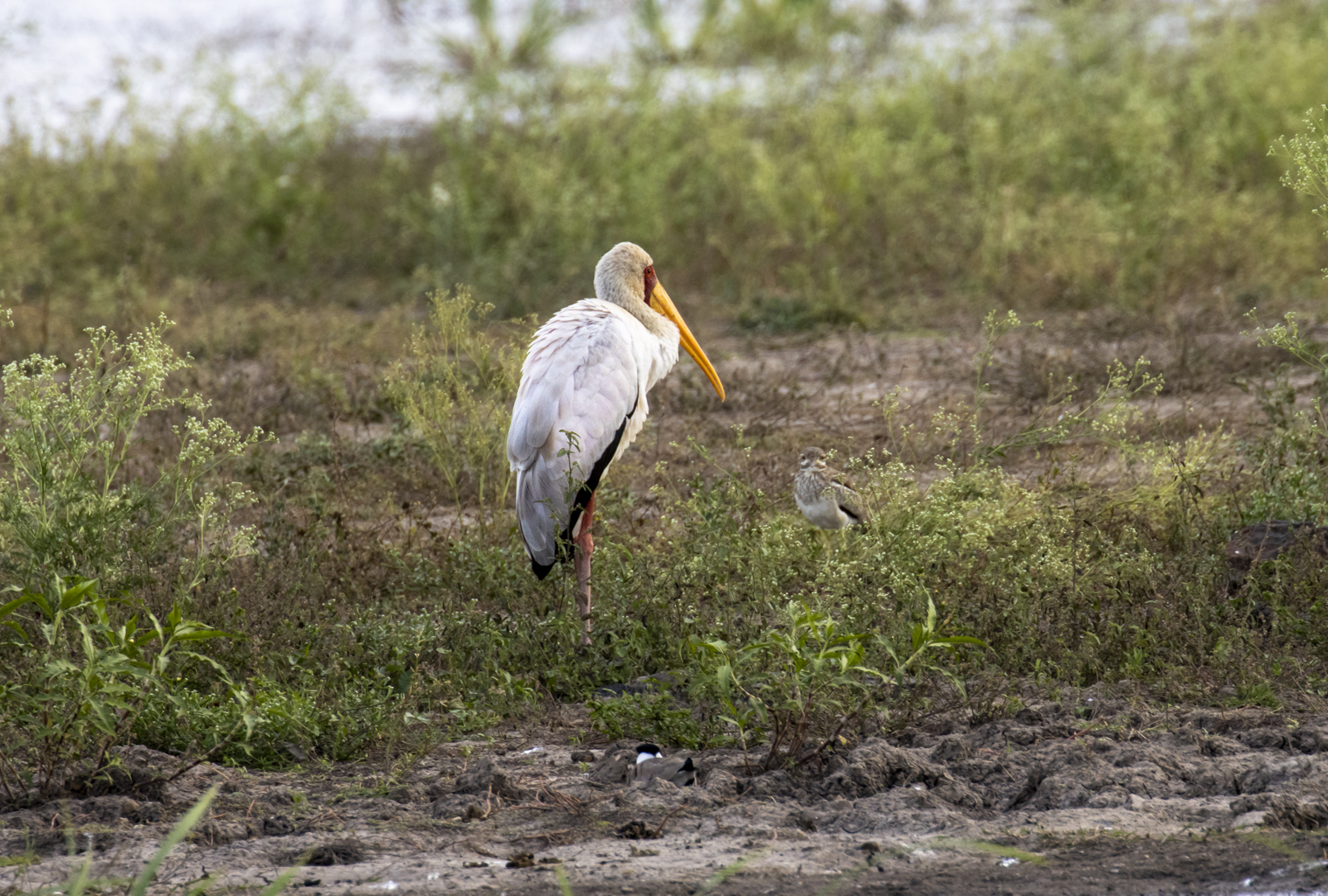
Nairobi National Park, Kenya
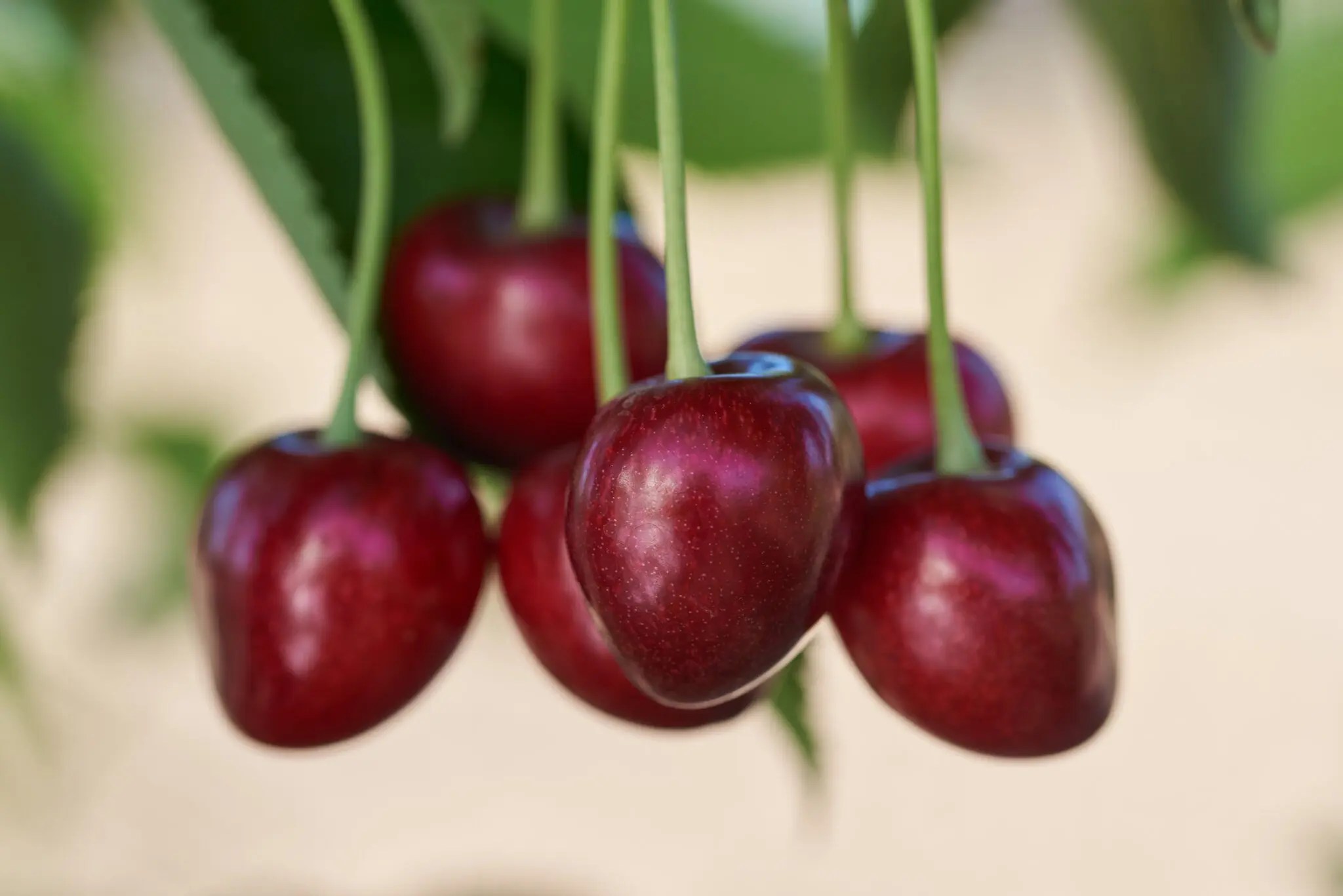
The Cheery line of cherries has been developed to do well even if temperatures rise. BLOOM FRESH
Agricultural adaptation to a changing climate has caught our attention frequently with regard to wine grapes. Thanks to Kim Severson for this look at other fruits and vegetables:
Hot-weather cherries, drought-resistant melons and six other crops in the works that could change how we eat in a fast-warming world.
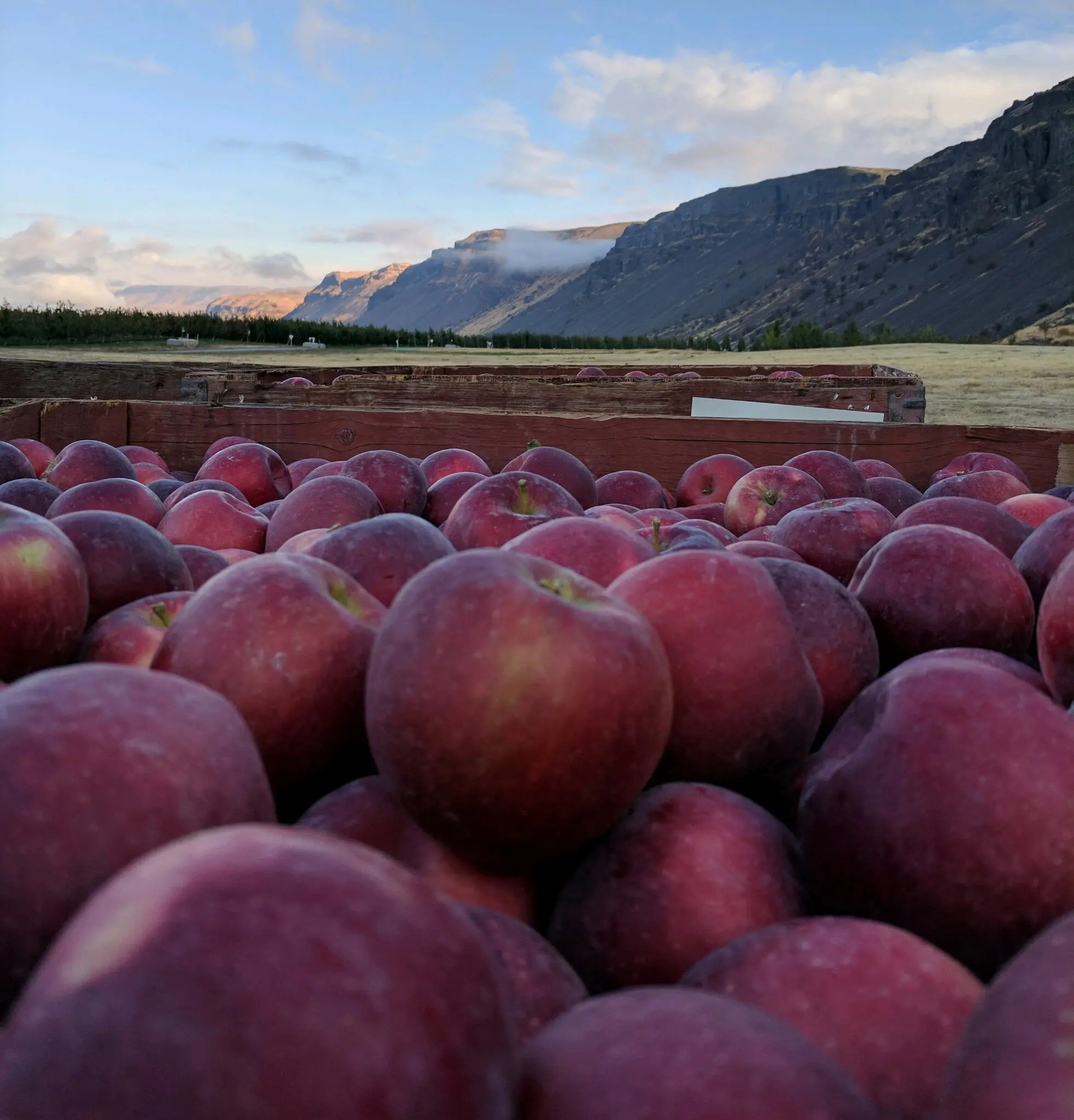
The Cosmic Crisp was bred at the University of Washington with a changing climate in mind. Credit…Ines Hanrahan/Washington Tree Fruit Research Commission
Plant breeders, by nature, are patient people. It can take them years or even decades to perfect a new variety of fruit or vegetable that tastes better, grows faster or stays fresh longer.
But their work has taken on a new urgency in the face of an increasingly erratic climate. Recent floods left more than a third of California’s table grapes rotting on the vine. Too much sunlight is burning apple crops. Pests that farmers never used to worry about are marching through lettuce fields.
Breeding new crops that can thrive under these assaults is a long game. Continue reading
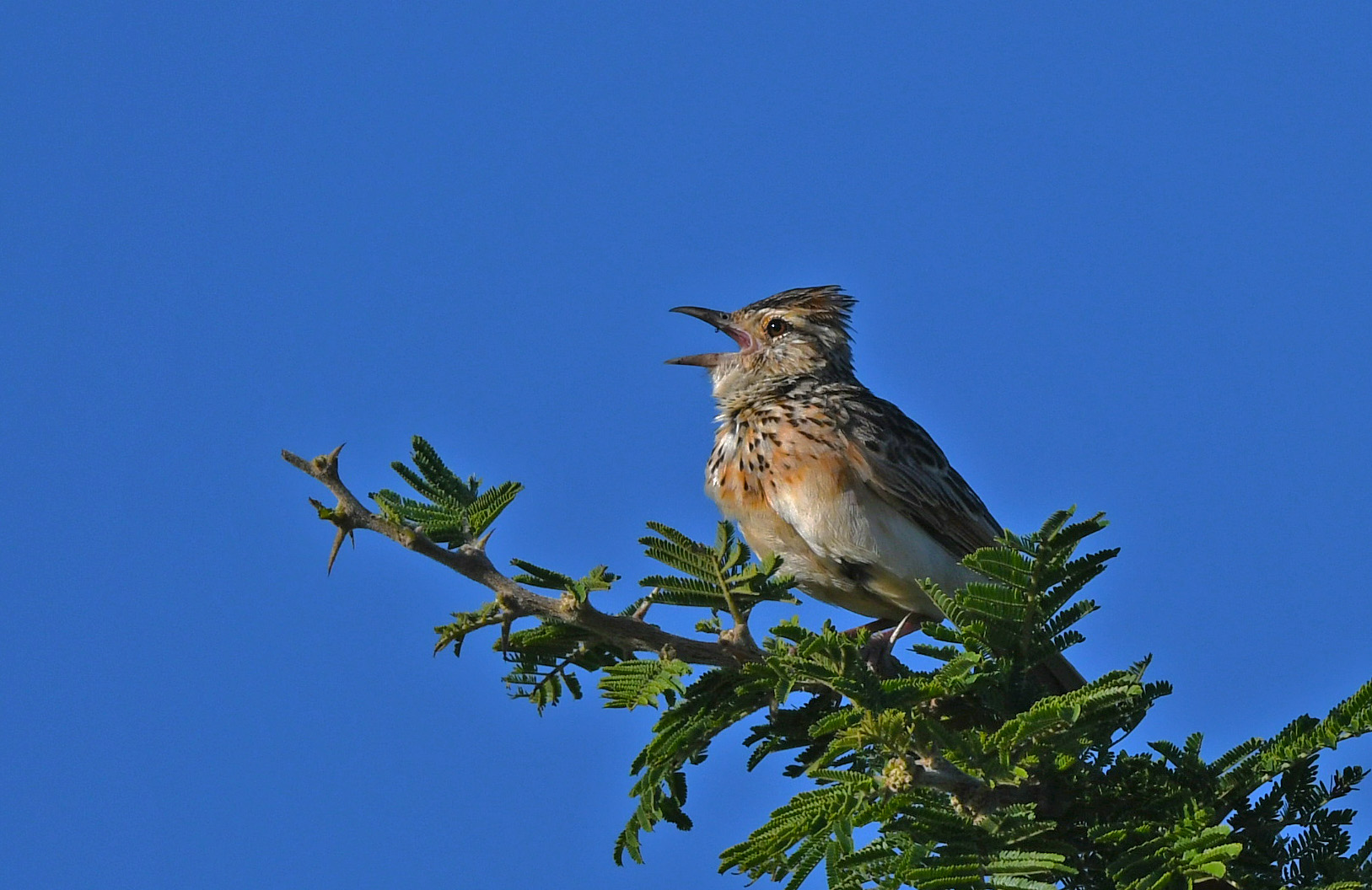
Maasai Mara National Reserve
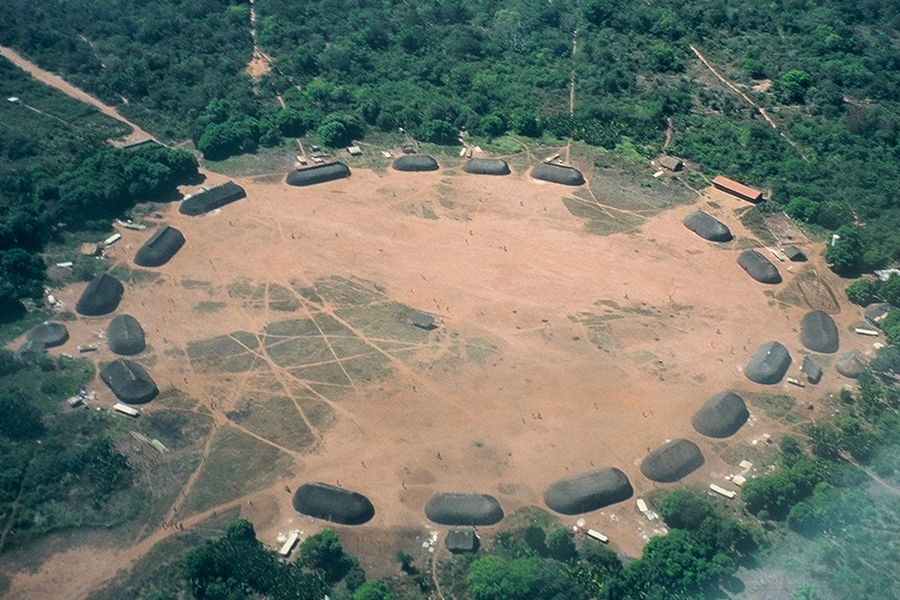
A Kuikuro village in the southeastern Amazon. JOSHUA TONEY
Thanks to Yale e360 for this one:
How Ancient Amazonians Locked Away Thousands of Tons of Carbon in “Dark Earth”
A new study reveals how, by cultivating fertile soil for farming, ancient Amazonians locked away thousands of tons of carbon that have stayed in the ground for centuries. Continue reading
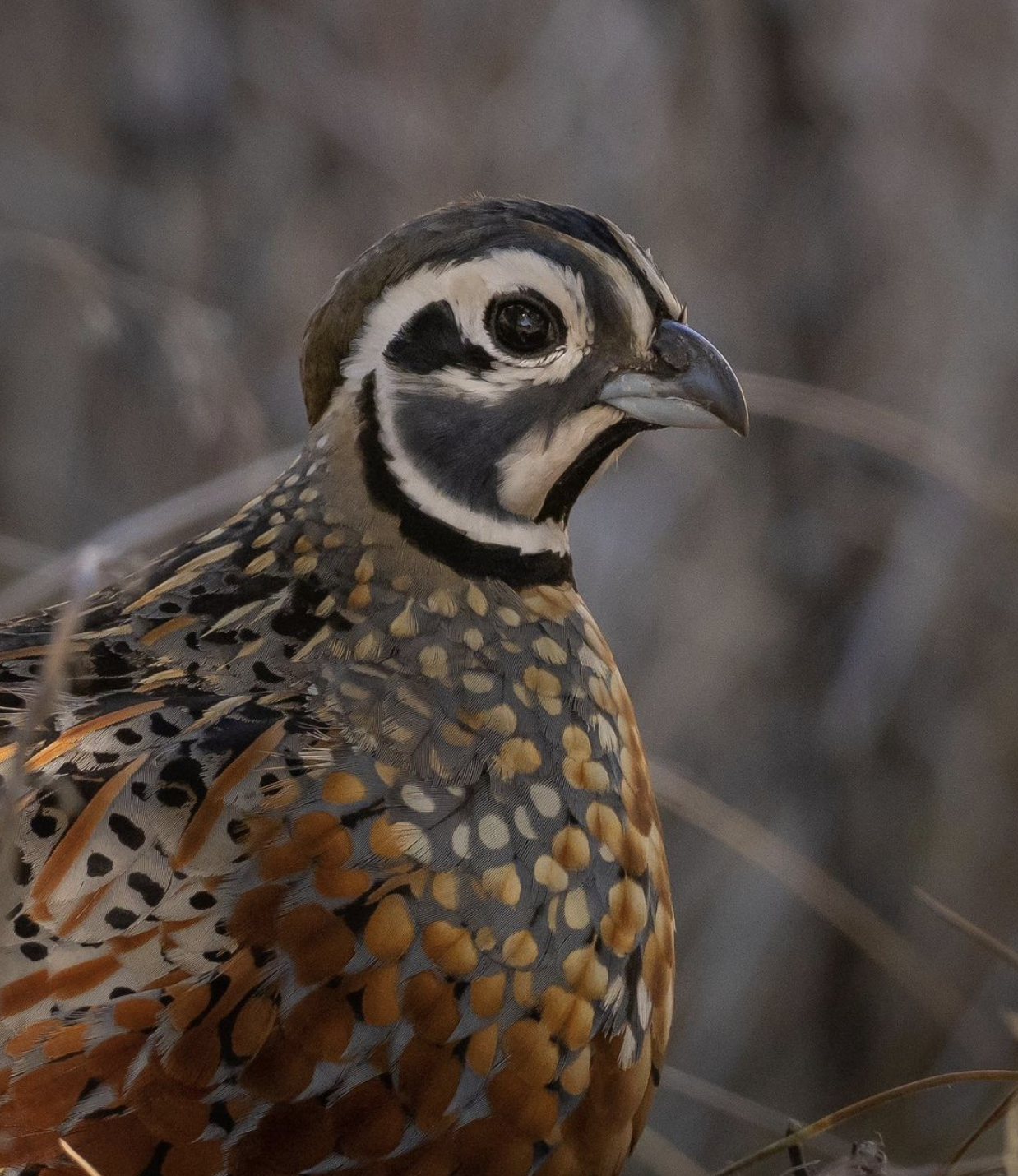
Huehuetenango, Guatemala

image: reuters
As a non-Brit, I spared the world my opinion on the own-goalness of Brexit, and the follow-up own-goal of electing Boris Johnson. Not my circus, not my monkey. But as a speaker of the English language, among other reasons, I have always cared about and paid attention to the civic affairs of the UK more than I do those of many other countries. I was reflexively optimistic with the baton passing to Rishi Sunak. He could not possibly be as terrible as his two immediate predecessors, right? In some ways right, but in the way that matters most to the entire world, shame on him. The Economist weighs in heavily, as does the New Yorker’s correspondent in the UK, the great Sam Knight:
Photograph by Justin Tallis / Getty
Rishi Sunak’s Self-Serving Climate Retreat
The British Prime Minister has rolled back the country’s policies on reducing emissions. To what end?
Since Rishi Sunak became Britain’s Prime Minister, almost a year ago, in the middle of a national financial breakdown, his premiership has been defined by trying to make things go away. Continue reading

 Organikos