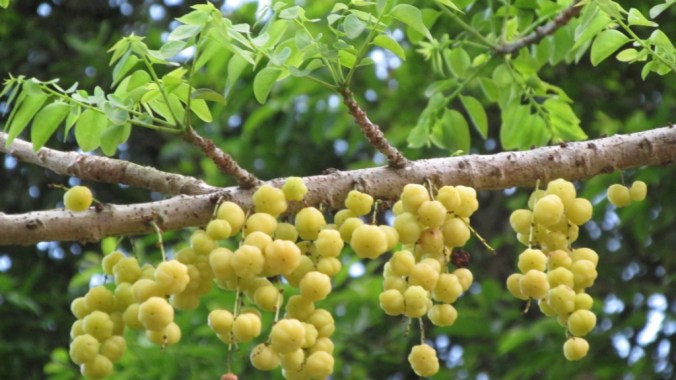
Star Gooseberry is a medium-sized deciduous tree that grows up to 7-8 metres high in the tropical and sub-tropical regions of Asia. The round scalloped fruits are mainly used for making pickles in Kerala. Continue reading
Star Gooseberry is a medium-sized deciduous tree that grows up to 7-8 metres high in the tropical and sub-tropical regions of Asia. The round scalloped fruits are mainly used for making pickles in Kerala. Continue reading
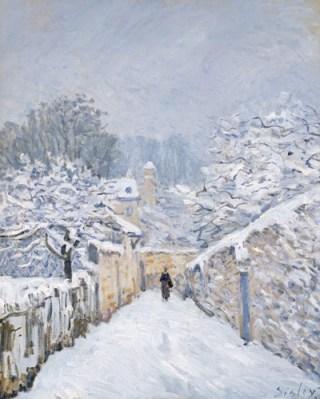
‘Snow at Louveciennes’ by Alfred Sisley, 1878
It had not occurred to me that an essay, let alone a collection of essays, on this particular topic was needed. But then, perhaps it helps make the point about the importance of essays, and here we have one of the finest living essayists in the English language at work making the case:
Winter Adam GopnikQuercus, pp.288, £18.99, ISBN: 9781780874449Adam Gopnik’s dazzlingly knowledgeable and beautifully told essays on winter began life as the Massey Lecture Series on Canadian National Radio, the Canadian Reith lectures. But dismiss from your mind any of the rather Continue reading
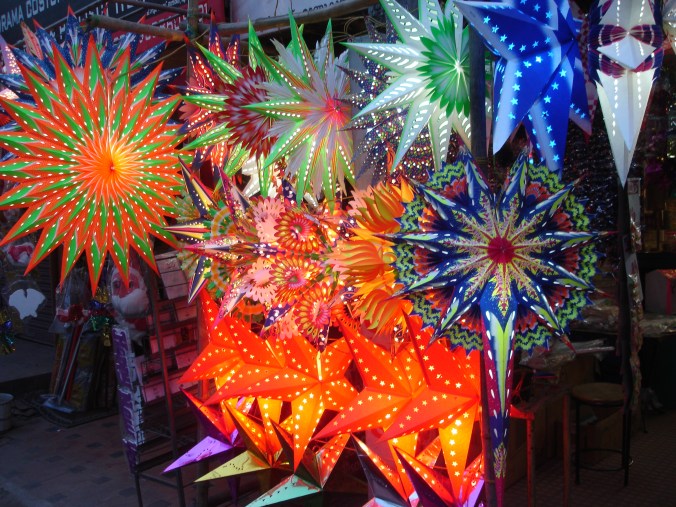
Chitoor Road, Ernakulam
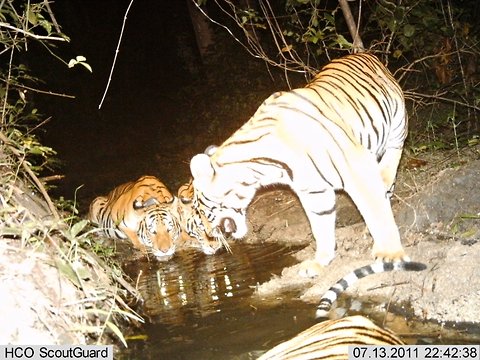
Thanks to Green Blog for attention and link to some rather unexpected news, and to Rachel Nuwer for titling her news–“Protected Tigers, Burning Bright”–in a manner we appreciate for its allusion as much as its information:
Tigers have delivered a bit of holiday cheer: populations are on the upswing, it turns out, in some protected areas in India and Thailand. In a field often dominated by news of felled forests and population declines, wildlife conservationists have taken heart from this development, while noting that tigers have a long, long way to go if they are to claw their way off the endangered species list. Continue reading
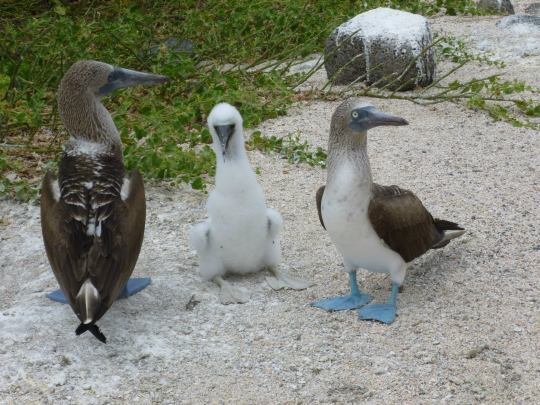
North Seymour Island, Galapagos, Ecuador
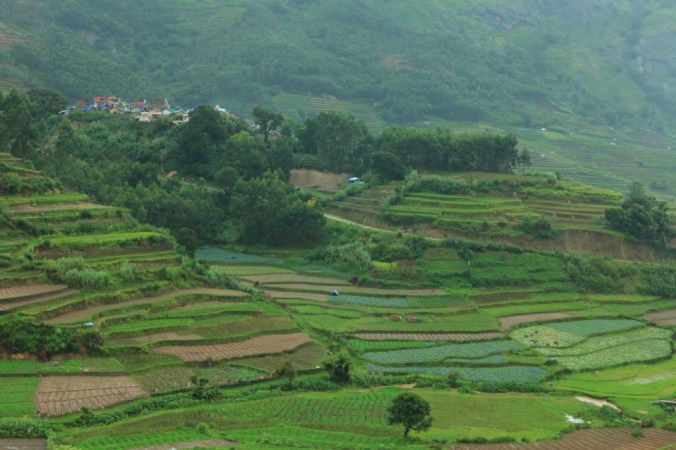
Vattavada is a serene village situated near Munnar at an altitude of 6000 ft above the main sea level. It is a high range agricultural zone but instead of tea plantations vegetables are predominantly cultivated on the terraced slopes and valleys of the area. Carrot, cabbage, beans, onion, chillies, beetroot, potatoes and leafy vegetables are the famous crops from Vattavada. Continue reading
A bit of synchronicity accompanies this post, following Seth’s post about Quagmire, and the post just prior to that about our efforts to balance out doom and gloom with as much evidence as we can find of “how to” or “there is still time and it is worth making the effort” stories.
Case in point: while Seth’s book review covers a certain delta in a certain country at a certain moment in history–all with pretty challenging consequences environmentally–the Guardian had just posted a sampling of 12 images of the 126 species of animal and plant life newly identified by biologists working in the same region in the last year or so. Those came from a new publication of WWF, whose press release we quote here:
126 new species have been discovered in the Greater Mekong in the past year. The total newly identified by scientists in 2011 includes 82 plants, 21 reptiles, 13 fish, 5 amphibians, and 5 mammals.
 In his environmental history of the Mejong River Delta in Vietnam, David Biggs analyzes the influential trend of forced—and often failed—attempts to control the water and earth of the landscape, with various effects on local populations. Looking back even farther than the mid-19th-century colonization of the area by the French, Biggs considers the traditional identities of human “improvements” of the delta such as dikes, canals, and dams essential to habitation and agriculture. The imposed land and water use projects enforced by the French colonists, with their newer, large-scale technologies, expanded what Biggs calls the colonial grid, which colonial officials endeavored to push beyond inhabited areas in ways often contrary to Vietnamese custom or ecological wellbeing.
Canal-digging, road-building, railroad-setting, river-dredging, forest-clearing, and swamp-draining, all part of the colonizing and pioneering process, were frequently carried out without fully considering the ecological and political effects such “nation-building” would have on the Vietnamese people and landscapes, or their relationships to each other. Although the environmental consequences for these earlier projects are not quite as severe as his case studies, Paul Josephson might label these activities as milder brute force technologies—if not these earlier efforts then perhaps those pushed forth by American agencies later in the 1960s and 1990s. The planting of methods tried and tested in quite different locations from the Mekong River Delta, and the frequent disregard or ignorance of the diverse intricacies in ethnic groups or soil and water types, impacted how effective the colonial and post-colonial programs of hydroagricultural reform were. Unlike Johnson, however, Biggs does not represent these technologies as overwhelmingly or constantly negative for the environment. Continue reading
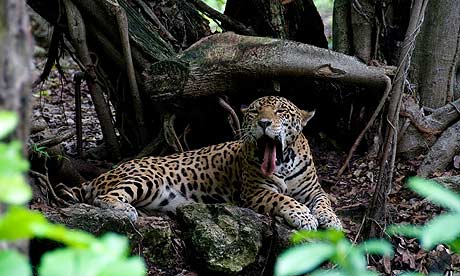
A jaguar – a symbol of Mayan royalty – is endangered but roams free in the Maya Biosphere Reserve, Guatemala. Photograph: Larry Larsen/Alamy
We make frequent links and comment on topics meant to raise awareness about innovative, fun and sometimes loony efforts—from the humble to the grand– to avert environmental collapse. The dangers are real enough that we assume readers get enough of the doom and gloom elsewhere, so that we can focus our efforts on evidence of potential solutions, and encourage collective action.
The photo above accompanies a story in the Guardian worth a read, to put in perspective why it is that the Mayan calendar doomsdate hoopla, or at least some of the accompanying history, was worth a bit of attention:
…Today, much of the Mayans’ ancient homeland is a 7,700-square mile protected area in Guatemala called the Maya Biosphere Reserve. With an area greater than the states of Connecticut and Rhode Island combined, the reserve protects the largest remaining forest in Central America. Beneath the canopy, monumental vestiges of temples and palaces attest to past splendour. Similar magnificence is found in the reserve’s wildlife. The jaguar, once a symbol of Mayan royalty, still roams free in one of Central America’s last wild places. Continue reading
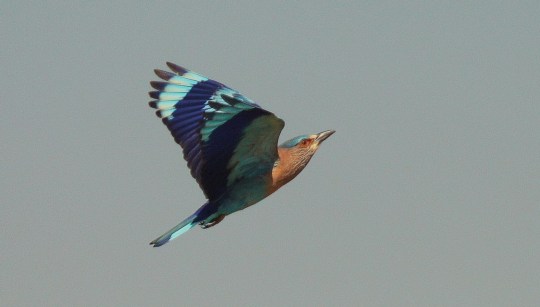
Bandipur National Park, Karnataka

Click the map above to go to the explanation:
Tigers and pandas live in Asia, kangaroos and koalas in Australia and polar bears and snowy owls in the Arctic. The world can be divided into regions based upon the unique types of animals that live there. Or so the thinking went when Alfred Russel Wallace published the scientific world’s first global biodiversity map in 1876. Continue reading
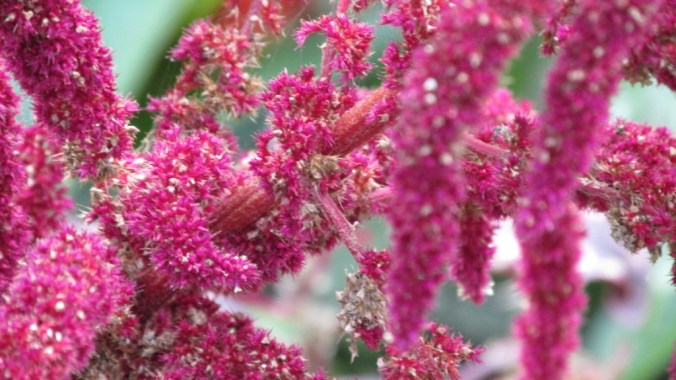
Spinach Flower
Red Malabar Spinach is an annual flowering plant , famous for its leaves in vegetable dishes. Fresh spinach is a good source of vitamin A, vitamin C and other essential minerals and it is very low in calories. These plants are widely growing in and around Kerala where it is locally called Cheera. Continue reading

The ocean bluff at Vista Point, seven miles south of Elk on California’s Mendocino Coast (Thomas R. McDonough/Knight-Ridder News Service Archives)
Among our favorite type of stories:
In a move that would permanently ban oil drilling along more than 50 miles of Northern California coast, the Obama administration announced plans Thursday to expand two Northern California marine sanctuaries, extending them up the rugged Sonoma and Mendocino coast. Continue reading

 One of the world’s great business leaders, whose commitment to core values we admire, prepares to hand over the reins and talks about India and its prospects:
…I take a bite of my plum cake. Tata hasn’t touched his but sips tea quietly as I ask for his views on India and its rapid recent changes. “I feel India is a country that really has an enormous amount of potential, has the human capital to succeed. But if you sit down and say, ‘Will it succeed?’, you see imbalances.”He mentions various policy problems that hamper businesses, from energy shortages to land acquisition. Such things have been part of the reason his group has sought growth overseas, initially in Europe but, he says, Continue reading
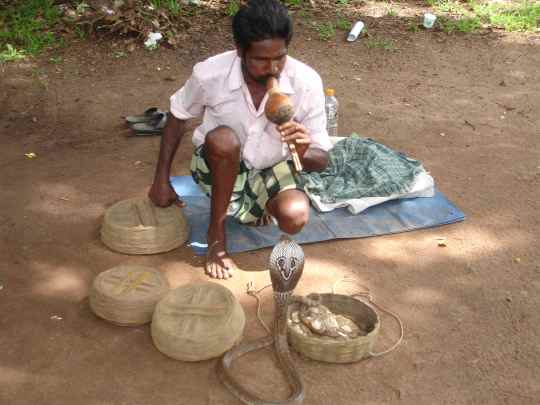
Parade Grounds, Fort Cochin
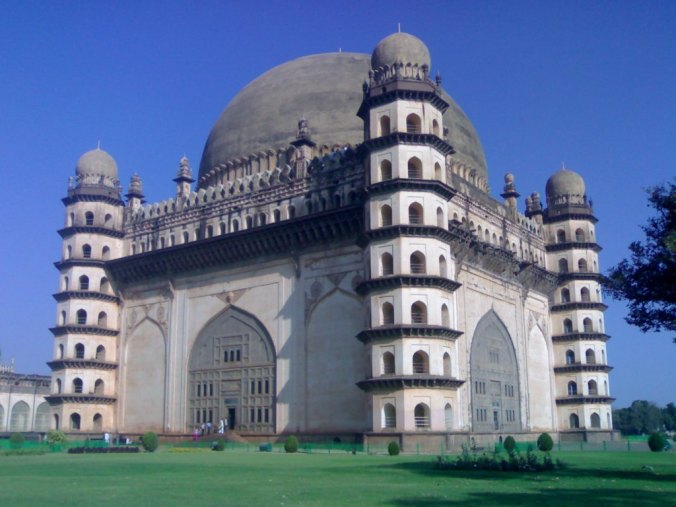 Photo credit: Ramesh Kidangoor
Gol Gumbaz is the tomb of Mohammed Adil Shah, located at Bijapur in Karnataka state. Built in the 17th century, this renowned example of Deccan architecture took close t0 30 years to complete. The significant feature of the structure is its central dome which stands without the support of pillars. The Gol Gumbaz is the second largest dome in the world of this type. It is particularly known for its central chamber, or “Whispering Gallery”, where every sound is echoed multiple times.


The Periyar Tiger Reserve is famous for butterflies, in fact 144 species of butterflies have been identified in this region. The Common Castor (Ariadne merrione) is a frequently sighted example.

Thanks to Green Blog for the attention to research showing the quirkiness of decision-making among consumers when it comes to investing in ecoefficiency:
Why do people buy inefficient refrigerators and clothes washers when spending a little more for an efficient one would save them money over time through lower electricity or water bills? There are a variety of reasons, but one that is persistently cited is that people are not necessarily buying these appliances for themselves. Often the buyer is a landlord, and the user is a tenant who does not make the choice but faces the consequences because he receives the energy bill. Continue reading
 Organikos